
The A-27 'Quayside or River Bank' traffic sign warns drivers that the road ahead either ends at a body of water like a pier or riverbank, or runs very close to deep water without any guardrails. This is a high-risk situation, especially in poor visibility, where a driving error could lead to a vehicle entering the water. Drivers must exercise extreme caution, reduce speed, and be particularly careful when maneuvering or reversing in these areas, paying close attention to the road edge and any markings indicating safe boundaries.
This warning sign (A-27) alerts drivers to potential hazards where a road ends at or runs close to a quayside or river bank without safety barriers. Mastering its meaning is crucial for safe driving and passing your theory test revision.
The A-27 sign is used where a road ends at a pier, harbor, or riverbank, or where the road runs within 10 meters of deep water without guardrails. It is a high-risk area, especially at night or in foggy conditions, where a steering error could result in the vehicle entering the water. Extra care is needed when maneuvering or reversing in these zones.
Warning that the road leads to or runs alongside a body of water without a protective barrier.
Get clear, practical answers to the most common questions about the A-27 - Quayside or River Bank road sign. Learn how the sign works, what rules it represents, and how it affects real driving situations. This FAQ strengthens your understanding and supports accurate decision making for the Polish driving theory exam in Poland.
The A-27 sign is a warning that the road ahead leads directly to a quayside, pier, or riverbank, or runs close to deep water without a protective barrier. It signifies a danger of accidentally driving into the water.
Upon seeing the A-27 sign, you must significantly reduce your speed and increase your vigilance. Pay close attention to the road edge and avoid any sudden movements. Reversing towards the water is strongly discouraged unless you have clear visibility or assistance.
Yes, the danger is greatly increased during adverse conditions such as at night, in fog, heavy rain, or when the road surface is wet or icy. In these situations, the risk of skidding or misjudging the road's edge is much higher.
A common trap is not appreciating the severity of the warning. Learners might assume they can maintain speed or reverse casually. The exam tests your understanding that extreme caution, reduced speed, and careful observation are mandatory, especially when maneuvering near the edge.
No, the A-27 sign itself does not mandate a stop, but it requires you to drive with extreme caution. You should only stop if necessary for safety or if other traffic or conditions require it. The primary instruction is to slow down and be prepared for the road's edge.
You'll often see the A-27 sign in port cities, near ferry terminals, along river roads, or in any location where a road terminates abruptly at deep water without a barrier. It's a warning for areas where driving off the road means ending up in the water.
A clear reference image of the A-27 - Quayside or River Bank road sign used in Poland.
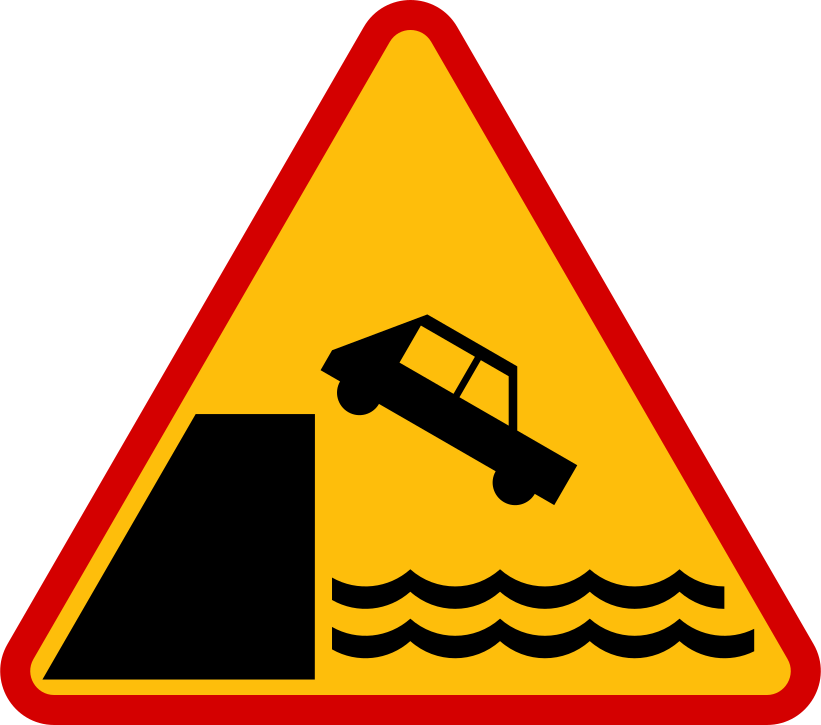
The A-27 - Quayside or River Bank road sign may also be known by these alternative names or terms.
The A-27 - Quayside or River Bank road sign is part of the Warning Signs (A) category, which groups together signs with similar rules and functions.
Understanding similar road signs is crucial for accurate recognition and fewer errors during your theory test revision. Comparing signs like A-27 helps solidify your knowledge of traffic sign variations and improves overall sign recognition for Polish driving exams.
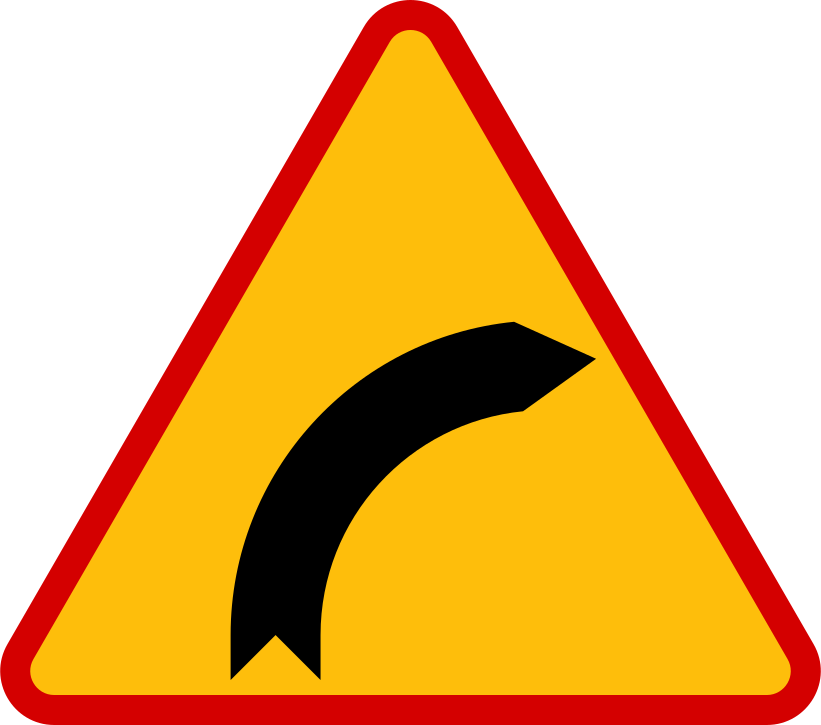
Watch Out for Dangerous Bends to the Right with the A-1 Sign
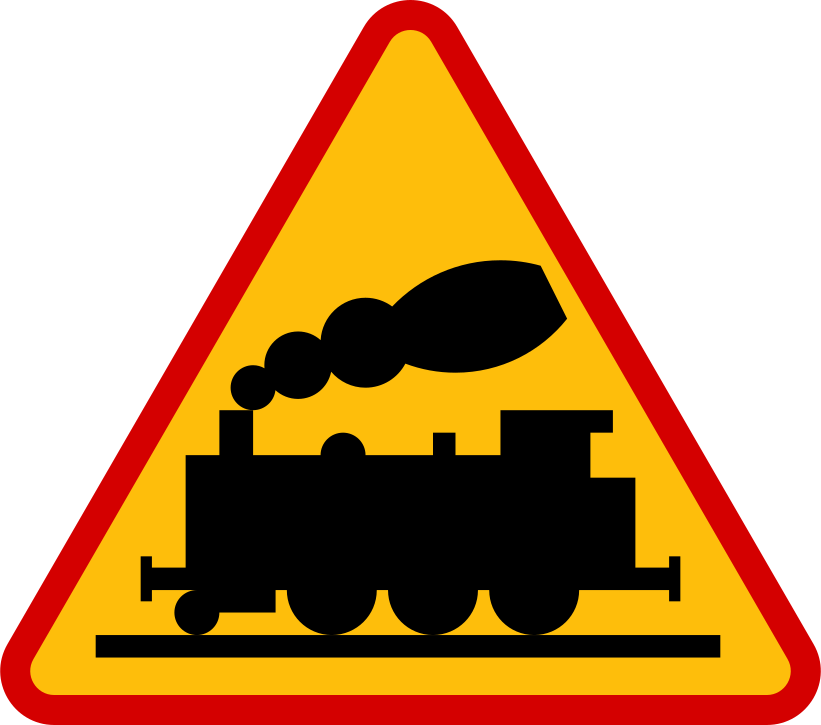
Beware of Ungated Railway Crossings with the A-10 Sign!
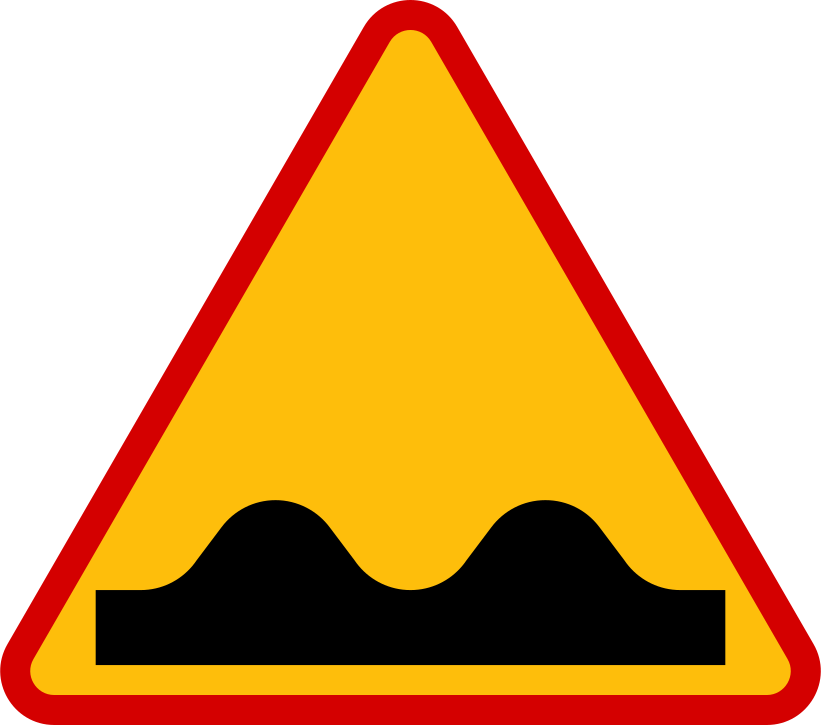
Warning: Prepare for an Uneven Road Surface Ahead!
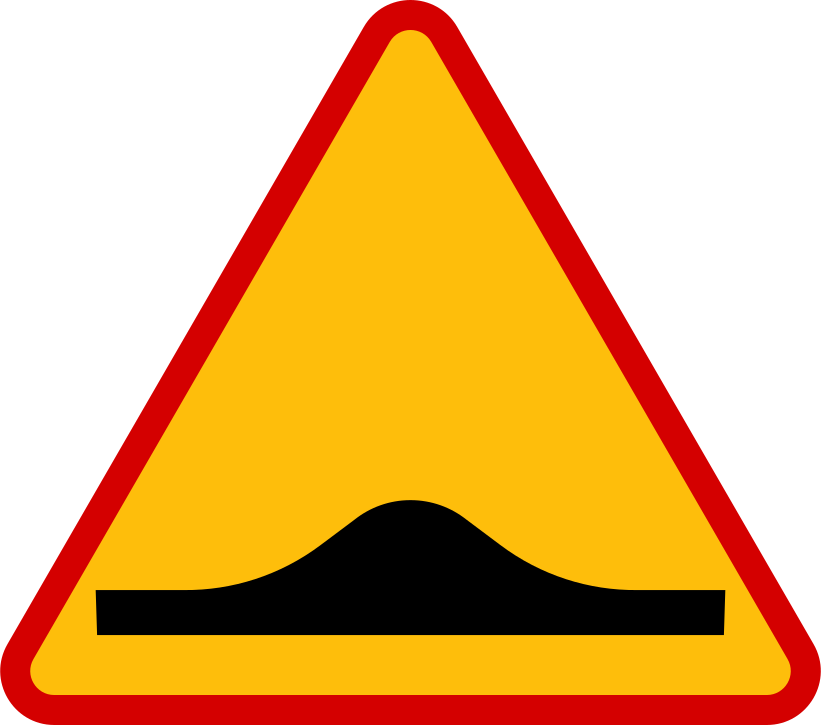
The A-11a Speed Bump sign warns you to significantly reduce your speed.
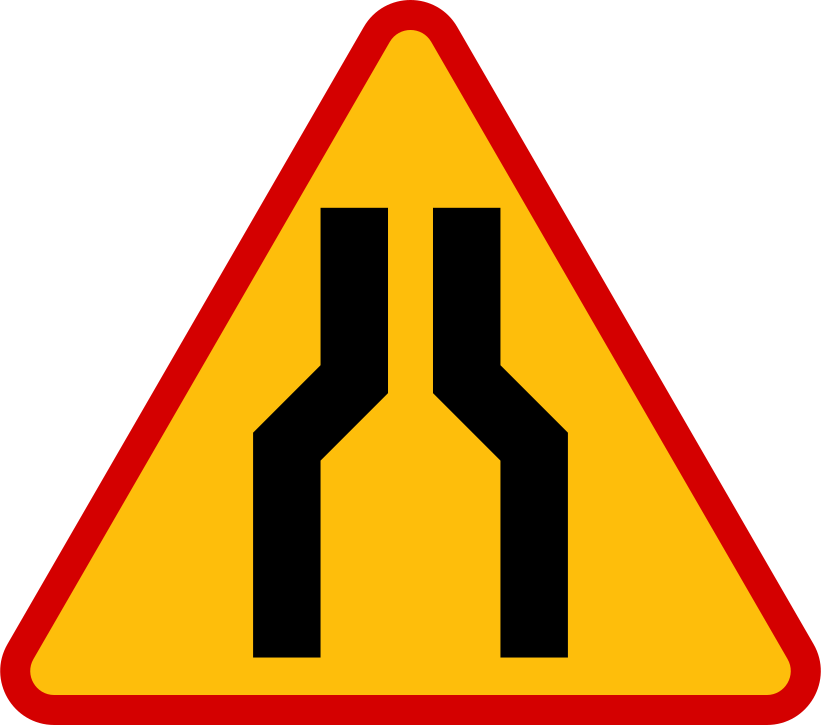
Prepare for Road Narrows on Both Sides with the A-12a Warning Sign
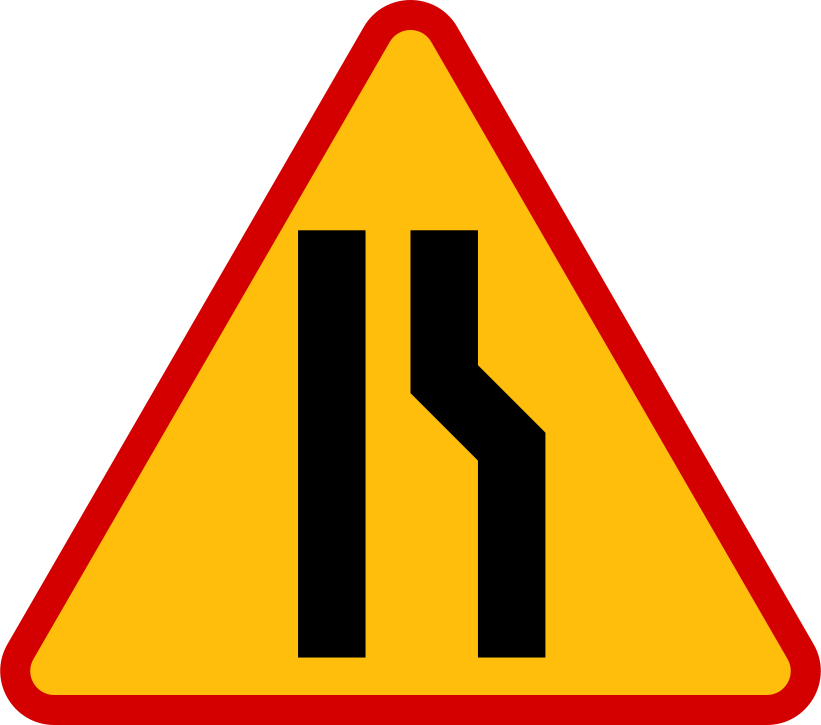
A-12b: Road Narrows Ahead on the Right – Prepare to Merge Left
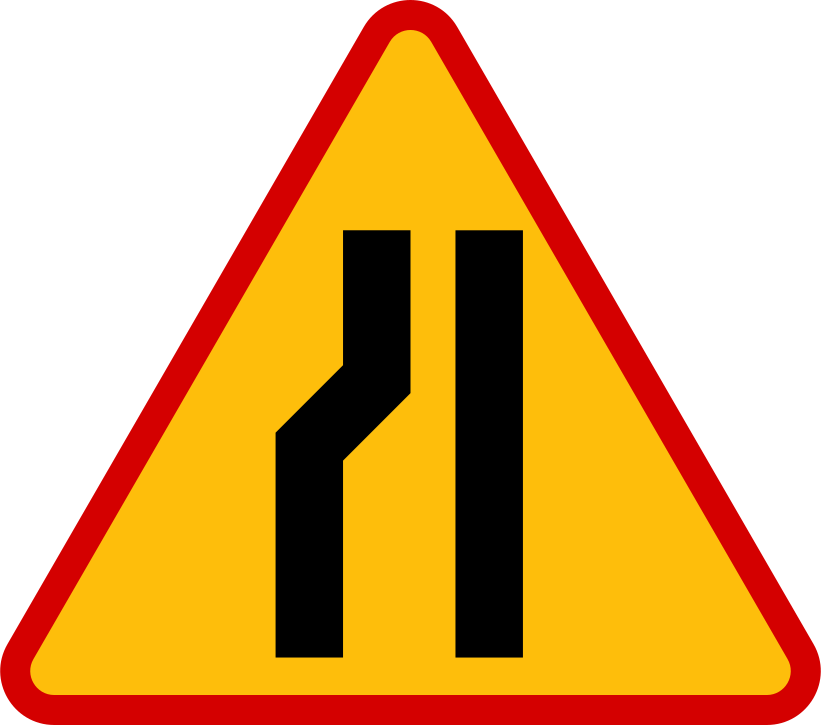
Warning: The Road Narrows Ahead on the Left!
Prepare to stop for a Movable Bridge ahead!
Deepen your understanding of specific road signs by reviewing official Polish traffic rules and associated real-world driving scenarios. These expert-led resources help you bridge the gap between visual recognition and practical exam application.
Navigate Tram Intersections Like a Pro: Essential for Your Polish Driving Exam.
Master Polish Crossing Markings for a Safer Drive and Exam Success.
Navigating Polish intersections requires a clear understanding of priority rules, particularly the differing obligations imposed by the mandatory Stop sign (B-20) and the Yield sign (A-7). This article will break down the legal requirements for each sign, explaining precisely when and how you must act to ensure safety and compliance with Polish traffic law. Mastering these distinctions is vital for success in your driving theory exam and for safe driving.
Learn what constitutes a vehicle unfit for use on Polish roads according to current traffic regulations. This article clarifies circumstances like unauthorized operation or significant technical defects that can lead to immediate vehicle removal, directly preparing you for critical questions on the Polish driving theory exam.
This sign is found at T-junctions or intersections where the road directly ahead is closed to traffic, or where driving straight would lead into a restricted area like a tram-only lane or a pedestrian square. It forces the driver to choose between two diverging paths, ensuring that no one accidentally continues into a prohibited forward zone.
Similar to its counterpart C-1, the C-3 sign consists of a blue circle with a white arrow pointing left. It is positioned to direct traffic into a leftward path before the sign itself. This is common at intersections where the road ahead becomes a one-way street in the opposite direction or where a central barrier prevents further straight travel.
After reviewing the full list of Polish road signs, explore specific sign categories for in-depth understanding. Challenge your knowledge with practice questions focused on sign recognition and interpretation to solidify your preparation for the driving theory exam.
Browse All Polish Road Signs