
The A-19 'Side Wind' road sign is a warning that your vehicle may be affected by strong crosswinds, particularly in open areas, on bridges, or near forests. These sudden gusts can unexpectedly push your car, making steering difficult, especially for larger vehicles. Always be prepared to adjust your steering and speed to maintain control.
Master the meaning of the A-19 'Side Wind' sign to anticipate sudden gusts and maintain control, crucial for your Polish theory test revision. This explanation helps you identify potential hazards on open roads and bridges, ensuring safer driving.
The A-19 sign is placed in open areas, on bridges, or at exits from forests where crosswinds can be particularly strong. Sudden gusts can push a vehicle out of its lane, which is especially dangerous for high-profile vehicles like vans, trucks, and cars with roof boxes. A windsock is often placed nearby to show the current direction and strength of the wind.
Warning that strong side winds may affect the stability and steering of your vehicle.
Get clear, practical answers to the most common questions about the A-19 - Side Wind road sign. Learn how the sign works, what rules it represents, and how it affects real driving situations. This FAQ strengthens your understanding and supports accurate decision making for the Polish driving theory exam in Poland.
The A-19 sign warns drivers that strong side winds are expected. These winds can cause your vehicle to swerve or drift out of its lane, posing a risk to safety. It's crucial to be extra vigilant and ready to make steering corrections.
When you see the A-19 sign, you should reduce your speed to increase stability and give yourself more time to react. Keep both hands firmly on the steering wheel to maintain control against sudden gusts. If a windsock is present, check it for wind direction and strength.
Yes, high-profile vehicles like vans, trucks, buses, and cars with roof boxes are much more susceptible to being affected by side winds. Drivers of these vehicles should exercise extreme caution and potentially drive at even lower speeds than smaller cars.
Absolutely. When overtaking large trucks, your car can be buffeted by the truck's 'wind shadow' and then suddenly hit by a strong gust. It's best to avoid overtaking large vehicles in very windy conditions if possible, or do so with extreme caution and a firm grip on the wheel.
While the sign primarily relates to steering and stability, strong gusts can indirectly affect braking. If a strong wind pushes your vehicle sideways while you are braking, it can make maintaining a straight line harder. Reducing speed is key to mitigating these effects.
A clear reference image of the A-19 - Side Wind road sign used in Poland.
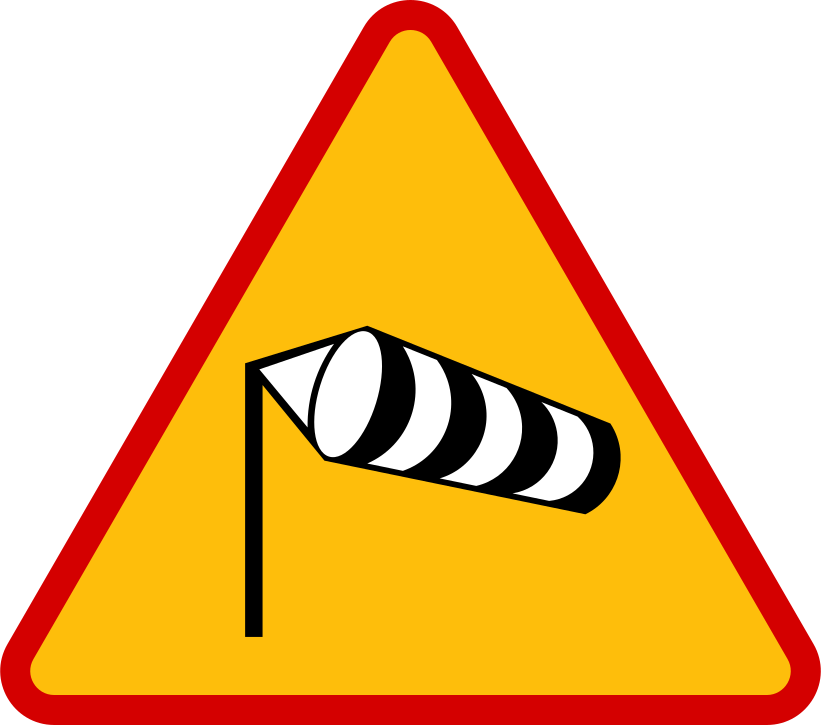
The A-19 - Side Wind road sign may also be known by these alternative names or terms.
The A-19 - Side Wind road sign is part of the Warning Signs (A) category, which groups together signs with similar rules and functions.
Comparing signs like the A-19 Side Wind with others helps solidify your understanding and improves recognition for the theory test. Effective traffic sign comparison is key to building strong recall for all road signs.
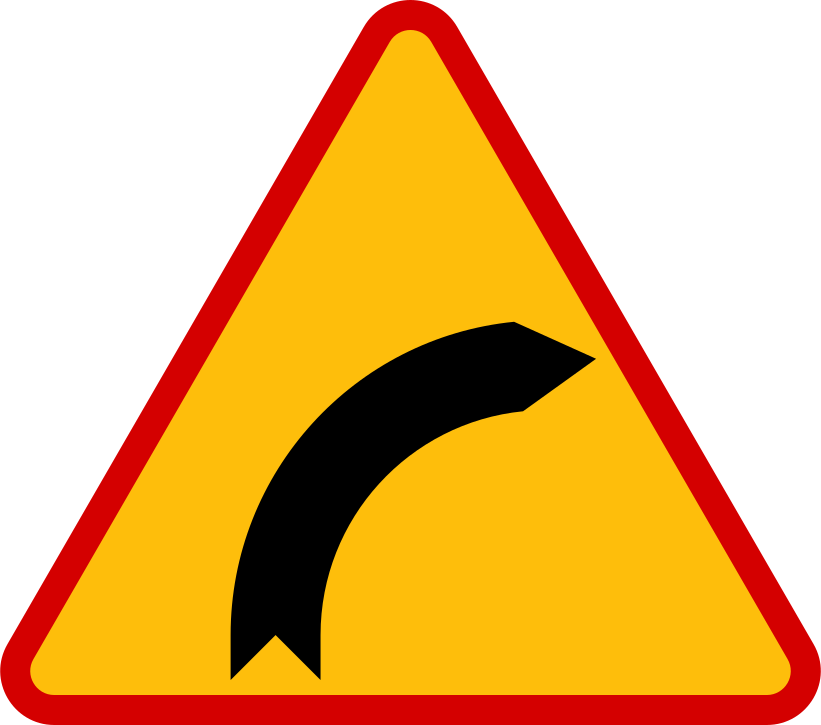
Watch Out for Dangerous Bends to the Right with the A-1 Sign
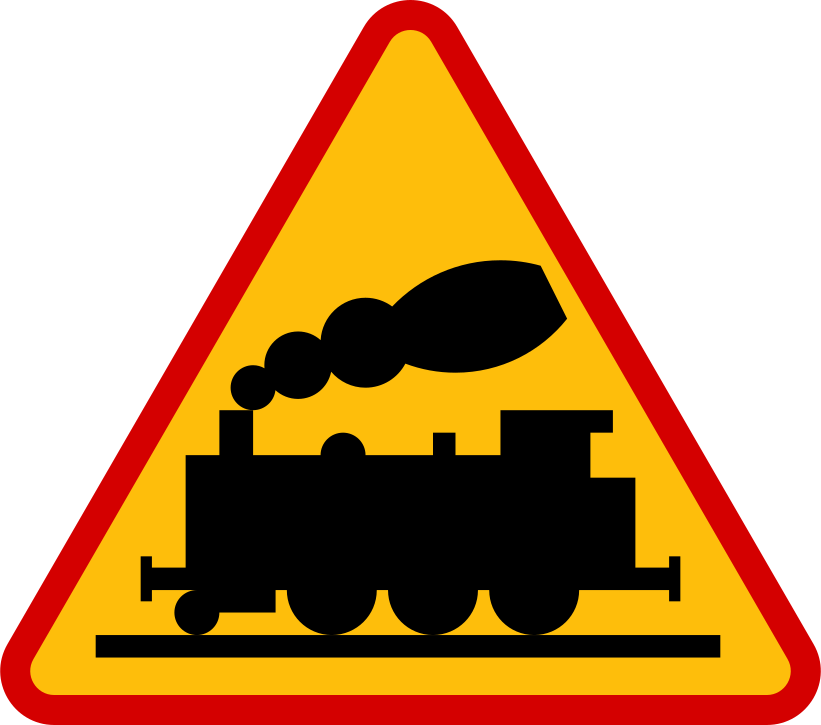
Beware of Ungated Railway Crossings with the A-10 Sign!
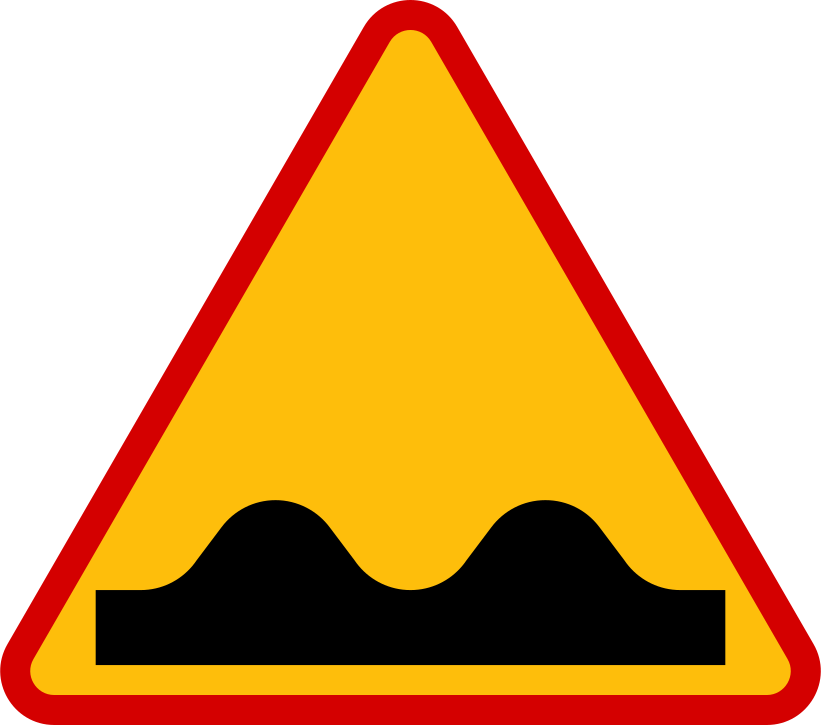
Warning: Prepare for an Uneven Road Surface Ahead!
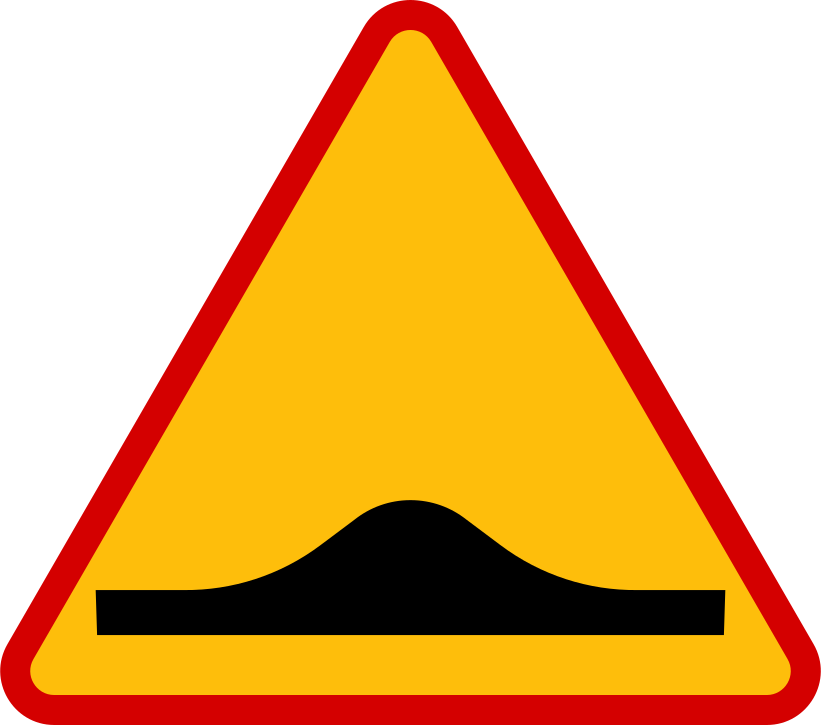
The A-11a Speed Bump sign warns you to significantly reduce your speed.
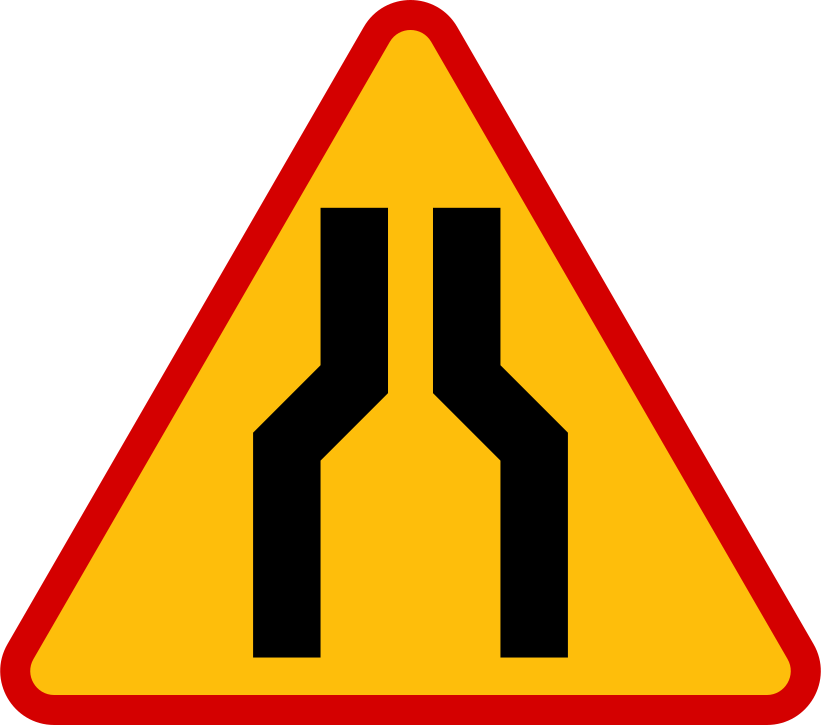
Prepare for Road Narrows on Both Sides with the A-12a Warning Sign
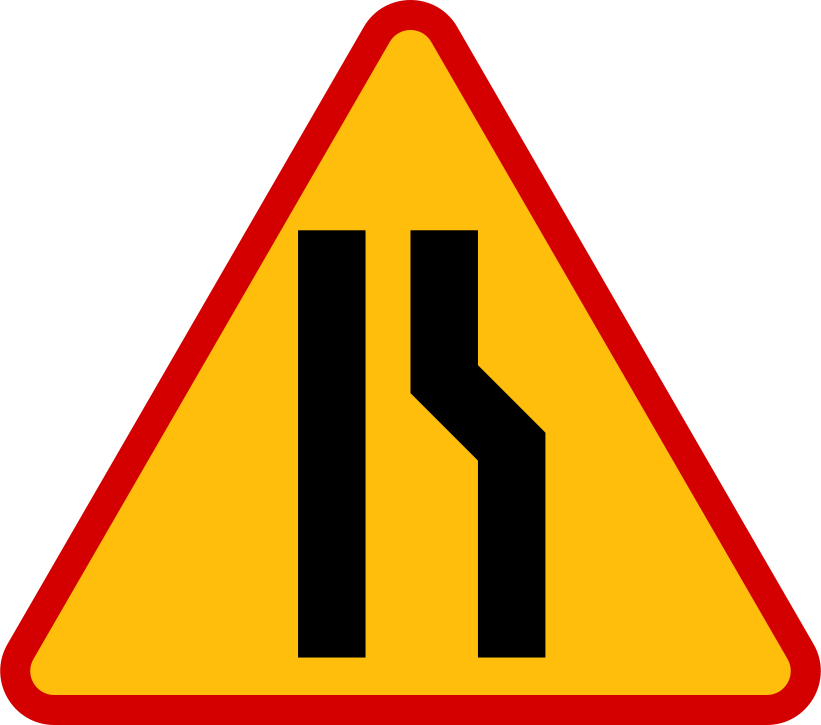
A-12b: Road Narrows Ahead on the Right – Prepare to Merge Left
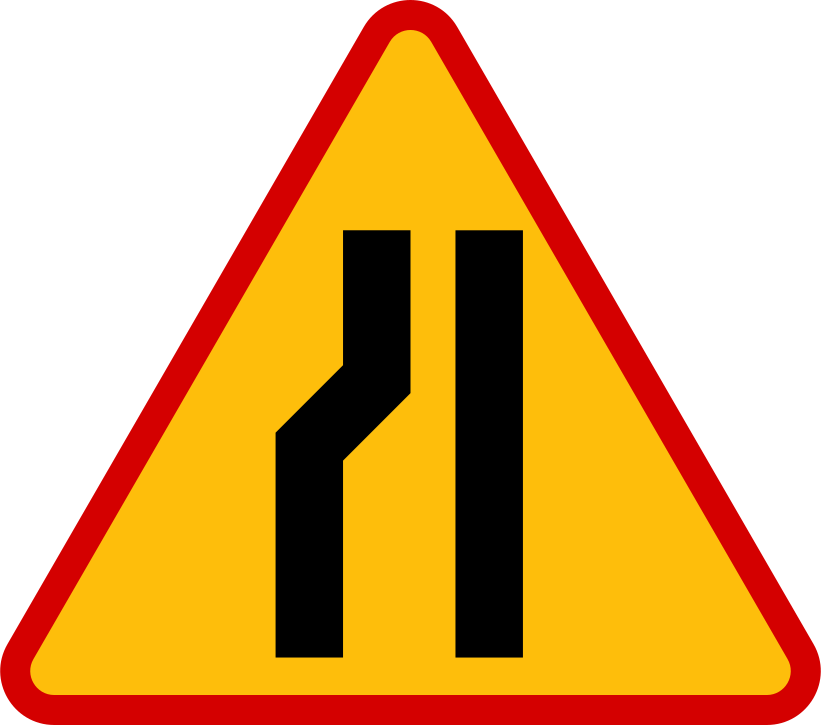
Warning: The Road Narrows Ahead on the Left!
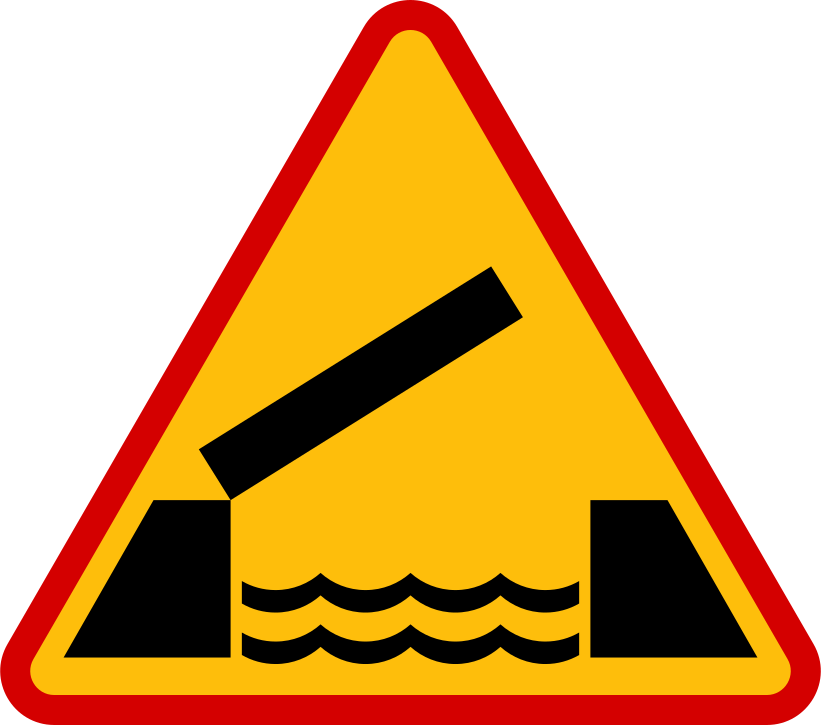
Prepare to stop for a Movable Bridge ahead!
Deepen your understanding of specific road signs by reviewing official Polish traffic rules and associated real-world driving scenarios. These expert-led resources help you bridge the gap between visual recognition and practical exam application.
Don't Be a Road Block: Master Minimum Speeds and Smooth Traffic Flow for Your Polish Exam!
Even a Second Can Be Fatal: Understand Microsleep to Drive Safely in Poland.
Gain a comprehensive understanding of what vehicles you are legally permitted to drive with a Category B licence in Poland, with a special focus on towing. This guide will break down the combined weight limits for car and trailer combinations, highlighting the specific regulations that are frequently tested in the Polish driving theory examination. Ensure you know your entitlements to avoid common errors and drive safely.
Navigating Polish roads requires a precise understanding of rules for overtaking slow-moving vehicles, especially on continuous solid lines. This article will detail when such maneuvers are legal, the legal obligations of tractor drivers, and the consequences of violations according to Polish traffic law. Mastering this topic is essential for safe driving and succeeding in your theory exam.
The A-13 sign is placed before bridges with movable spans (like drawbridges or bascule bridges). When the bridge is operating, traffic is stopped by red lights and often a physical barrier. This sign warns you to be prepared to stop and wait for ships to pass. These bridges can be found in coastal areas or near major rivers and canals.
The F-12 sign is used to guide through-traffic (transit) away from city centers or sensitive areas. It features a symbol of a specific vehicle (usually a truck) and an arrow. By following this sign, long-distance drivers can stay on roads designed for heavy traffic, avoiding narrow streets or residential zones. This sign is an advance warning placed before the junction where the turn must be made.
After reviewing the full list of Polish road signs, explore specific sign categories for in-depth understanding. Challenge your knowledge with practice questions focused on sign recognition and interpretation to solidify your preparation for the driving theory exam.
Browse All Polish Road Signs