
The A-21 'Tram' sign is a warning traffic sign indicating that tram tracks cross the road or that trams share the road with other traffic. You'll typically see this in built-up areas where trams operate. This sign serves as a crucial reminder to be extra vigilant, as trams are heavy vehicles that cannot manoeuvre to avoid obstacles and often have priority. Always check for approaching trams and be aware that tram rails can be very slippery, especially in wet conditions.
This essential warning sign, A-21, alerts drivers to upcoming tram tracks, requiring careful attention to trams which often have priority. Familiarise yourself with its meaning for effective theory test revision and safe urban driving.
The A-21 sign is used in cities with tram systems. Trams are heavy, move on fixed rails, and cannot steer to avoid you. In many jurisdictions, trams have priority over other vehicles unless signs state otherwise. This sign warns you to check for trams and to be careful when driving over tracks, especially in wet weather when the metal rails become very slippery.
Warning that tram tracks cross the road or that trams share the road with other traffic.
Get clear, practical answers to the most common questions about the A-21 - Tram road sign. Learn how the sign works, what rules it represents, and how it affects real driving situations. This FAQ strengthens your understanding and supports accurate decision making for the Polish driving theory exam in Poland.
The A-21 'Tram' sign is a warning sign alerting you that tram tracks are present on the road ahead. This means trams might be crossing your path or sharing the same road space. You must be prepared for their presence and adjust your driving accordingly.
When you see the A-21 sign, you should reduce your speed and look for any approaching trams. Be especially careful when crossing tram tracks, particularly in wet weather, as the rails can become very slippery. Trams often have priority, so be prepared to yield.
Yes, avoid parking on or too close to tram tracks, as this can obstruct tram services. It's also advisable to cross tracks at a 90-degree angle to maintain tyre grip and avoid getting wheels stuck. Never try to race a tram to an intersection, as their stopping distances are longer.
In many cases, trams have priority over other vehicles unless traffic signals or other signs indicate otherwise. Always be ready to give way to trams. Remember that pedestrians may also be around tram stops, so be mindful of them too.
The A-21 sign tests your awareness of potential hazards and your understanding of priority rules. Expect questions about how to behave safely around tram tracks, especially concerning speed, yielding, and slippery conditions. Misinterpreting this sign or general tramway safety could lead to incorrect answers in the exam.
A clear reference image of the A-21 - Tram road sign used in Poland.
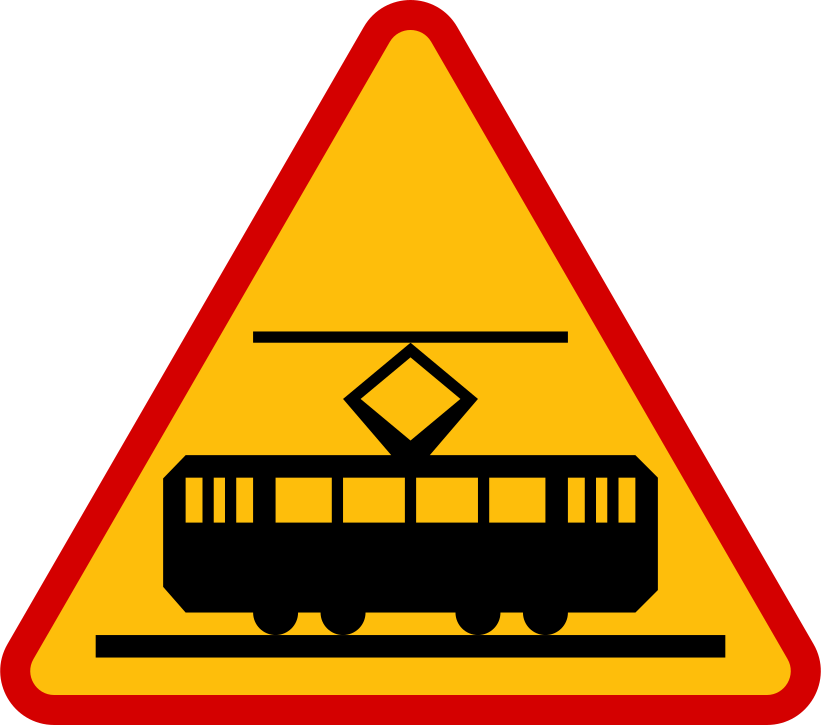
The A-21 - Tram road sign may also be known by these alternative names or terms.
The A-21 - Tram road sign is part of the Warning Signs (A) category, which groups together signs with similar rules and functions.
Reviewing adjacent and similar Polish road signs, like warning signs and other traffic symbols, sharpens your ability to distinguish them. This focused traffic sign comparison is key for effective theory test revision and confident driving.
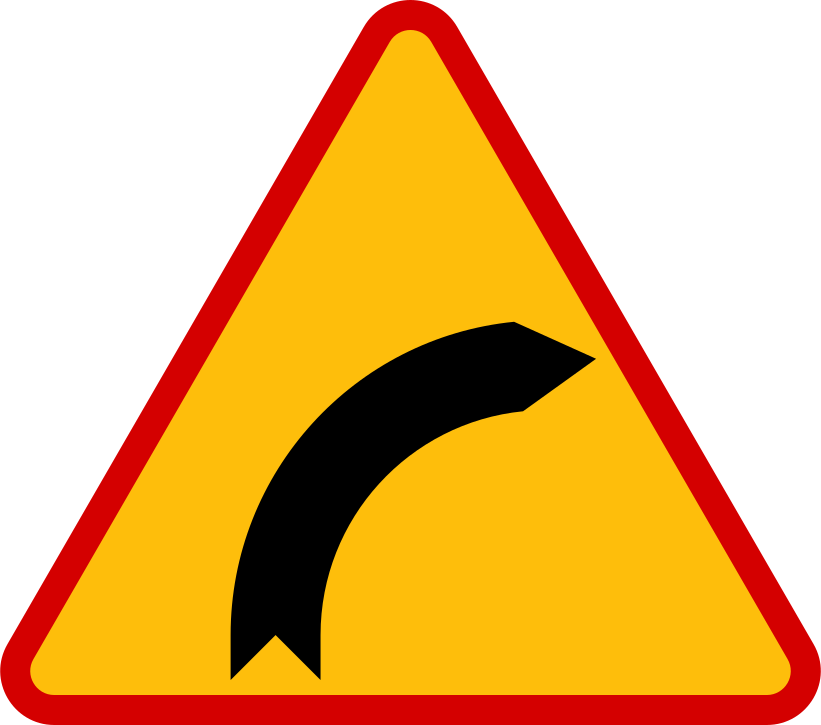
Watch Out for Dangerous Bends to the Right with the A-1 Sign
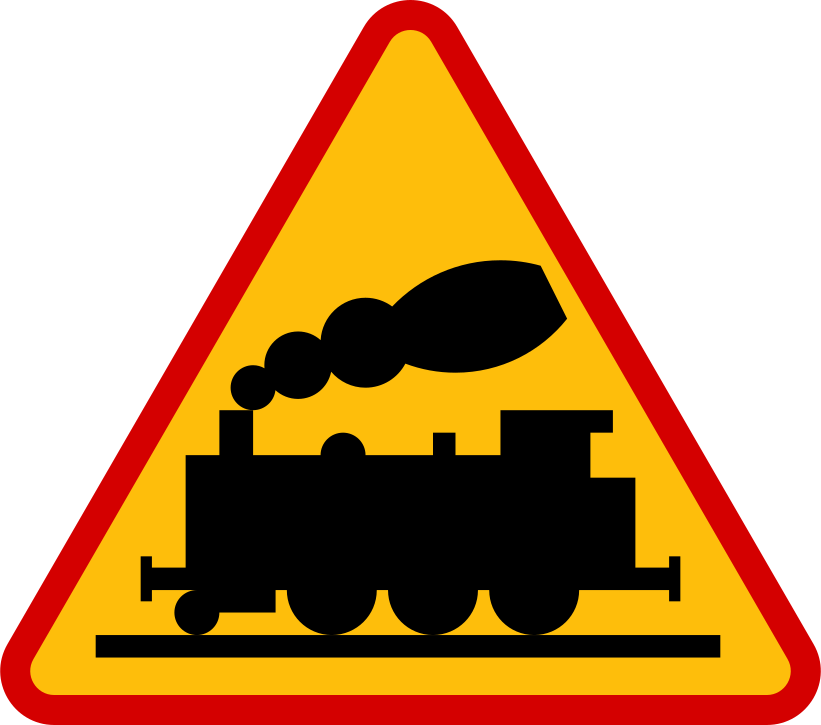
Beware of Ungated Railway Crossings with the A-10 Sign!
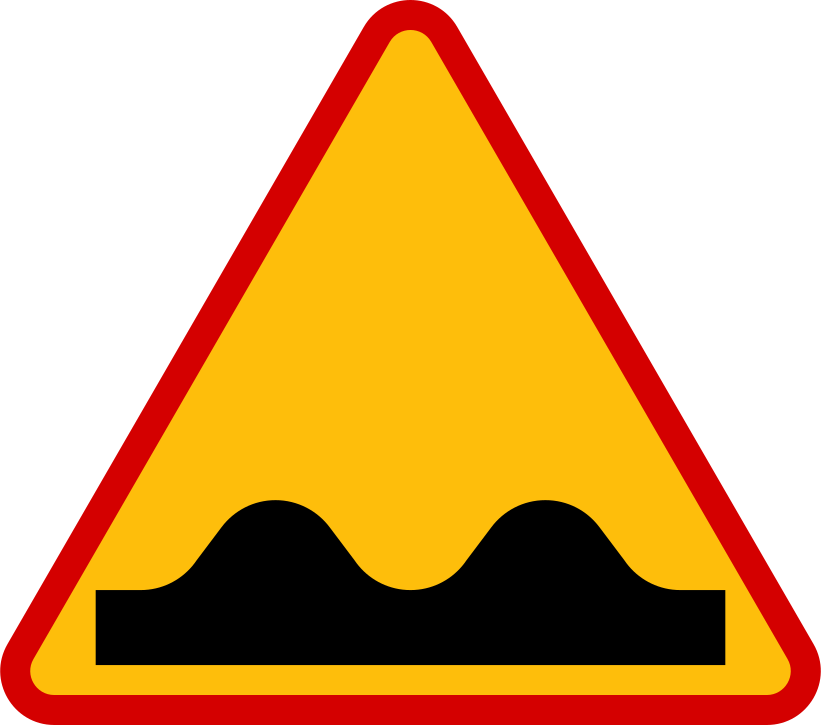
Warning: Prepare for an Uneven Road Surface Ahead!
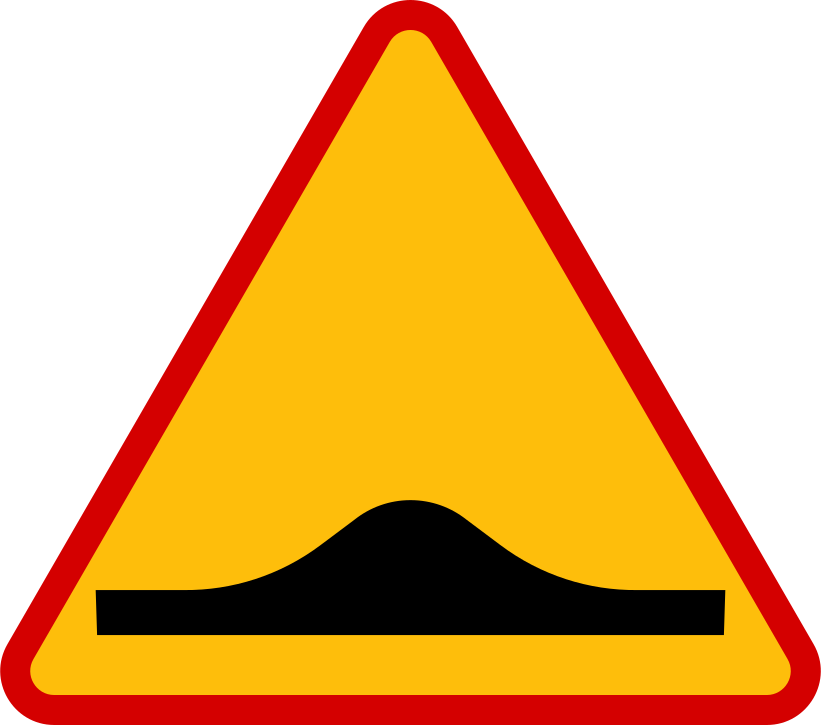
The A-11a Speed Bump sign warns you to significantly reduce your speed.
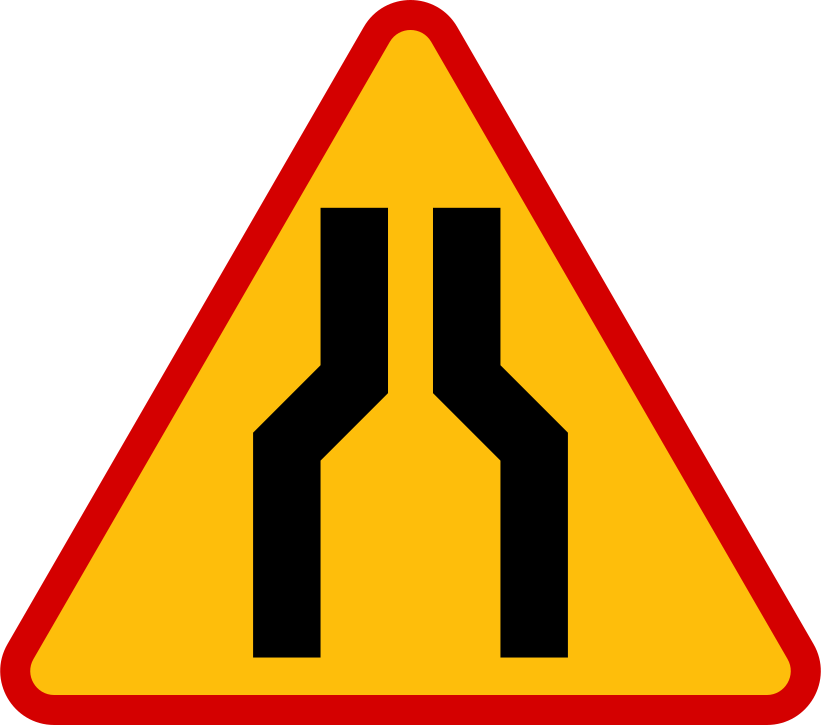
Prepare for Road Narrows on Both Sides with the A-12a Warning Sign
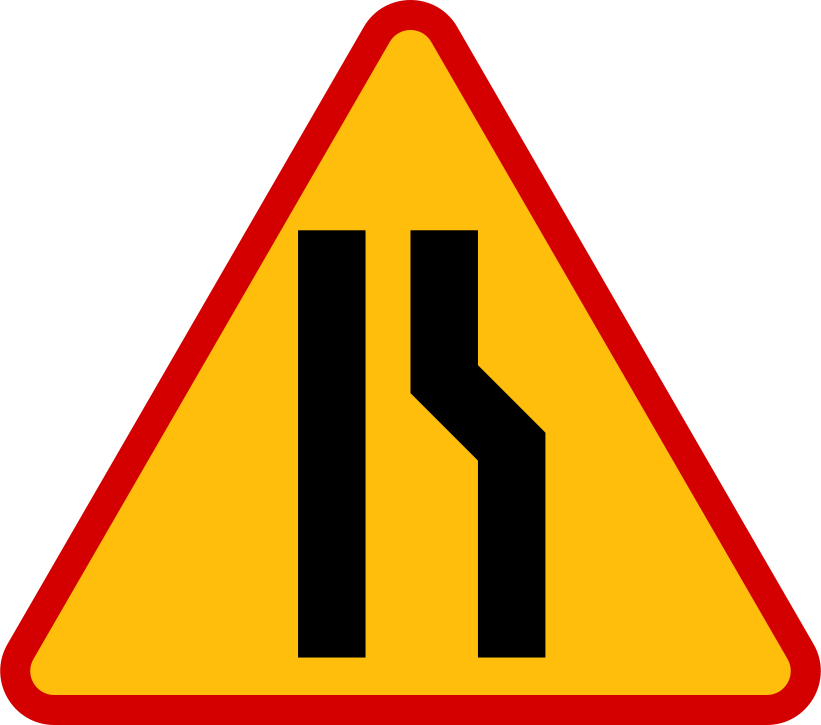
A-12b: Road Narrows Ahead on the Right – Prepare to Merge Left
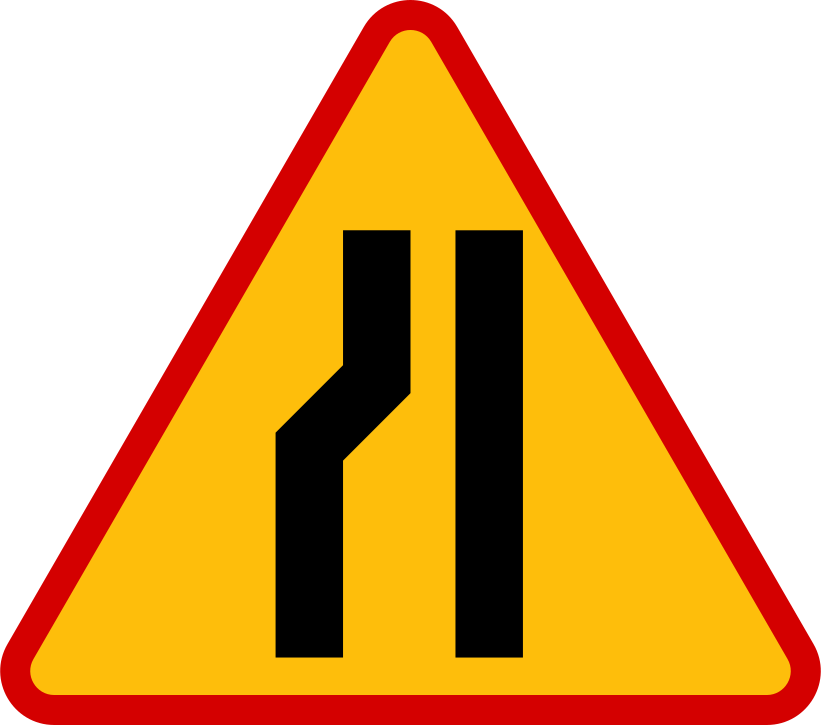
Warning: The Road Narrows Ahead on the Left!
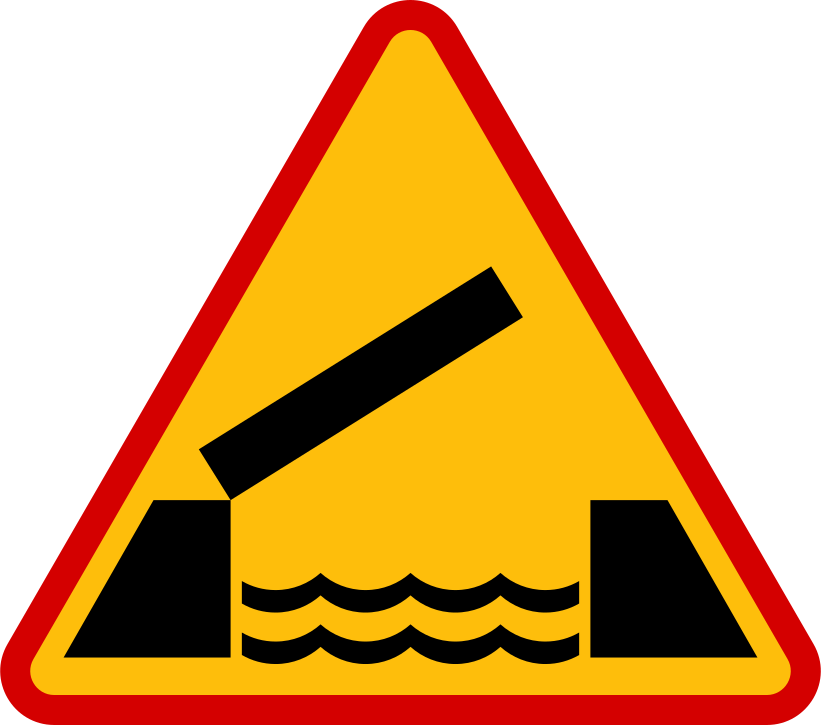
Prepare to stop for a Movable Bridge ahead!
Deepen your understanding of specific road signs by reviewing official Polish traffic rules and associated real-world driving scenarios. These expert-led resources help you bridge the gap between visual recognition and practical exam application.
Don't Be a Road Block: Master Minimum Speeds and Smooth Traffic Flow for Your Polish Exam!
Learn the precise rules for using front and rear fog lights (światła przeciwmgłowe) in Poland, a common point of confusion and a frequent exam trap. This guide clarifies when these lights are necessary due to reduced visibility and, importantly, when they must be deactivated to comply with Polish traffic law and avoid penalties.
Learn the critical distinctions between the Polish A-16 warning sign and the D-6 pedestrian crossing sign. This guide explains your legal responsibilities when approaching these areas, including the mandatory speed reduction and yielding requirements. Understand the significant penalties, such as hefty fines and accumulating penalty points, especially the 'recydywa' (repeat offender) system in Poland, which can lead to immediate license suspension.
Even a Second Can Be Fatal: Understand Microsleep to Drive Safely in Poland.
The A-12a sign is used when the width of the road decreases by more than 0.2 meters on each side and the resulting passage is less than 5.5 meters wide. This often happens at bridges, tunnels, or older sections of road. It requires drivers to be careful about their vehicle's width and to be prepared to yield to larger oncoming vehicles like trucks or buses.
The A-24 sign is used before bicycle crossings on high-speed roads or where a cycle path ends and joins the main road. Cyclists are vulnerable road users and can be harder to see than cars. This sign is a reminder to check your mirrors and blind spots carefully. In many cases, cyclists on a designated crossing have priority, similar to pedestrians on a zebra crossing.
After reviewing the full list of Polish road signs, explore specific sign categories for in-depth understanding. Challenge your knowledge with practice questions focused on sign recognition and interpretation to solidify your preparation for the driving theory exam.
Browse All Polish Road Signs