
This lesson explores the essential preparations and technical adjustments required for year-round motorcycle riding in Switzerland. You will learn how to adapt your riding style to shifting seasonal hazards, ensuring you are prepared for both the theory exam and real-world conditions. This builds upon your understanding of vehicle dynamics and environmental awareness established in previous units.
Lesson content overview
Motorcycle riding in Switzerland offers unparalleled experiences through diverse landscapes, from urban centres to challenging alpine passes. However, these environments are subject to significant seasonal changes, which profoundly impact riding conditions. Adapting your approach to these varying conditions is not merely a recommendation; it is a critical aspect of safe and responsible motorcycling, ensuring both your safety and that of other road users.
This comprehensive guide will equip you with the knowledge to navigate the distinct challenges presented by riding throughout the year. We will explore the specific hazards of both winter and summer conditions, delve into the importance of proactive planning, highlight essential equipment choices, and discuss crucial adjustments to your riding technique. Understanding these principles, combined with an awareness of Swiss regulations, will allow you to maintain control and confidence on the road, regardless of the season.
The behaviour of your motorcycle, the road surface, and your own physical condition are heavily influenced by the seasons. Recognising these influences is the first step toward safer riding.
Winter conditions present some of the most demanding challenges for motorcyclists. Cold temperatures, ice, snow, and reduced daylight conspire to significantly increase risk.
Cold temperatures can dramatically impact both the motorcycle's performance and the rider's capabilities. Motorcycle tyres, particularly those designed for warmer weather (summer tyres), become stiffer in the cold. This reduced flexibility can severely diminish traction – the frictional grip between the tyre and the road surface – leading to longer braking distances and reduced cornering ability.
For the rider, prolonged exposure to cold can lead to hypothermia, a dangerous drop in core body temperature. Even mild cold can cause diminished rider dexterity, making it harder to operate controls precisely and swiftly. Numb fingers and toes can reduce reaction times, compromising your ability to respond to hazards effectively.
Ice and snow are inherently low-friction surfaces, drastically reducing available grip. A dry asphalt road typically offers a friction coefficient of around 0.7, whereas an icy surface can drop as low as 0.1. This difference translates to a vastly increased braking distance and a heightened risk of sliding, even at low speeds. Snow can also conceal hidden hazards such as potholes, ice patches, or road debris, making them impossible to anticipate.
Winter months are characterised by significantly shorter daylight hours and often, more frequent periods of reduced visibility due to fog, heavy rain, or snowfall. This increases your reliance on the motorcycle's lighting system and demands a higher level of vigilance from the rider, as other road users may also have impaired visibility.
While seemingly less dangerous than winter, summer riding also presents its own set of unique challenges that require careful consideration.
High ambient temperatures, especially during long rides, can lead to heat exhaustion and dehydration. These conditions can cause rider fatigue, impair concentration, slow reaction times, and diminish overall decision-making abilities. Riding while experiencing heat stress is akin to riding while mildly intoxicated, significantly increasing accident risk.
Intense sunlight, especially when the sun is low on the horizon (during dawn or dusk), can cause severe sun glare. This can temporarily blind a rider, reducing forward visibility and making it difficult to spot other vehicles, pedestrians, or road hazards. Reflections from wet surfaces after rain can exacerbate this problem.
Summer often brings sudden, heavy thunderstorms. These can rapidly transform dry, grippy roads into slick, treacherous surfaces. The initial minutes of a downpour are particularly dangerous as oil, dirt, and rubber residues on the road mix with water, creating a highly slippery film. Rapid loss of grip is a significant risk if speed is not adjusted immediately.
Successful and safe seasonal riding begins long before you put on your helmet. Proactive planning is paramount to mitigating risks.
Always incorporate up-to-date meteorological data into your ride planning. Regularly checking detailed weather forecasts, especially for the specific regions and altitudes you plan to traverse, allows you to anticipate conditions. For example, mountain passes in Switzerland can experience rapid and unpredictable weather changes, with sunshine quickly giving way to snow or freezing rain, even in late spring or early autumn. If severe weather is predicted, it might be safer to postpone or alter your route.
Before a long trip, especially through alpine regions, check a three-day forecast. Pay attention to temperature fluctuations, expected precipitation type, wind speeds, and even frost warnings for early morning or late evening rides.
Consider how the chosen route might be affected by seasonal conditions. A scenic mountain road might be delightful in summer but treacherous or even closed due to snow and ice in winter. Similarly, urban routes might suffer from standing water or debris after heavy summer storms. Timing your ride to avoid peak heat in summer or icy morning conditions in winter can significantly enhance safety and comfort.
Appropriate equipment is a non-negotiable aspect of seasonal riding. Investing in the right gear can make the difference between a safe, enjoyable ride and a dangerous, miserable one.
Tyres are your motorcycle's only contact with the road, making their selection critical for seasonal adaptability.
Tyre Pressure Management: Ambient temperature significantly affects tyre pressure. Cold temperatures cause air to contract, reducing pressure, while hot temperatures cause expansion, increasing pressure. Regularly check and adjust your tyre pressure according to the manufacturer's recommendations, especially when transitioning between seasons or experiencing extreme temperature swings. Underinflated tyres can lead to poor handling and increased wear, while overinflated tyres can reduce the contact patch and grip.
Layering and material choice are crucial for maintaining thermal comfort and visibility.
Always wear full protective gear, even in summer. While breathable fabrics help, never compromise on safety for comfort by reducing protection.
Your lighting system is vital for both seeing and being seen.
Your physical state directly impacts your riding performance and safety.
Maintaining hydration is crucial in all conditions, not just hot weather. Dehydration can occur in cold weather as well, exacerbated by wind chill. Drink water regularly, even if you don't feel thirsty.
Thermal regulation involves managing your body's temperature. In cold weather, prevent hypothermia by layering and staying dry. In hot weather, avoid heat exhaustion and heatstroke by wearing breathable gear, seeking shade during breaks, and hydrating frequently.
Rider discomfort, whether from extreme cold or heat, directly impairs cognitive function. Numb hands, shivering, or a throbbing headache from heat can lead to delayed reaction times, poorer judgment, and an increased likelihood of making mistakes. Prioritising your comfort through appropriate gear and regular breaks is a key safety measure.
Beyond equipment, your actual riding technique must evolve with the seasons.
On wet, icy, or snow-covered roads, every input – throttle, braking, steering – must be smoother and more gradual. Abrupt movements can easily overwhelm the limited traction, leading to a slide. Reduce your speed significantly to allow more time to react and to minimise the forces acting on the tyres.
Given the reduced traction in adverse conditions, your braking distance will increase dramatically. Consequently, you must increase your following distance from other vehicles. In winter or heavy rain, aim for at least double the following distance you would maintain in dry, ideal conditions. Start braking earlier and more gently.
In slippery conditions, your available grip for cornering is severely limited. Reduce your lean angle substantially and take corners at a much slower speed. Aim for a wider, more upright line through turns to minimise the risk of losing traction. Avoid aggressive counter-steering.
Adjust your road position to maximise grip and avoid hazards. In wet conditions, look for the least contaminated part of the lane (often where car tyres have cleared a path). In winter, actively scan for ice patches, especially in shaded areas, under bridges, and near trees. Avoid painted lines, manhole covers, and metal gratings, which become extremely slippery when wet or icy.
Adhering to specific Swiss traffic regulations is not only a legal requirement but also a fundamental aspect of safe seasonal riding.
| Rule | Applicability | Legal Status | Rationale | Example of Correct Application | Example of Incorrect Application |
|---|---|---|---|---|---|
| Use of winter tyres or chains when required by law | Roads with mandatory winter tyre enforcement or where chains are prescribed (e.g., mountain passes) | Mandatory | Ensures adequate traction on icy/snowy surfaces | Installing studded tyres before a scheduled ride over a mountain pass in January. | Riding without chains on a steep, icy road where they are mandated. |
| Activation of dipped beams during reduced visibility | Any time visibility is significantly reduced (fog, heavy rain, snowfall, dusk/dawn) | Mandatory | Increases vehicle conspicuity to other road users. | Switching on dipped beams during a sudden snow shower on the highway. | Continuing to ride with only daytime running lights in heavy fog. |
| Use of reflective or high-visibility clothing | Early morning, dusk, night, or adverse weather | Mandatory (per Swiss road safety guidelines) | Enhances rider visibility to other traffic participants. | Wearing a reflective jacket during a twilight ride. | Riding in dark clothing with no reflective elements at dusk. |
| Tyre pressure adjustment based on ambient temperature | All riding, with specific emphasis on extreme temperatures | Recommended | Maintains optimal tyre contact patch and performance. | Adding 0.2 bar to tyre pressure on a hot summer day. | Ignoring pressure adjustments, resulting in underinflated tyres on a hot day. |
Being aware of common pitfalls can help you prevent dangerous situations.
Mastering seasonal motorcycle riding involves a holistic approach, integrating awareness, planning, equipment, and technique.
By diligently applying these principles, you can significantly enhance your safety and enjoyment of motorcycling in Switzerland, regardless of the season.
Seasonal motorcycle riding in Switzerland demands distinct preparations and technique adjustments for winter and summer conditions. Winter presents hazards including icy roads with drastically reduced friction, cold-induced tyre stiffening, shortened daylight, and rider hypothermia risks, while summer introduces heat exhaustion, sun glare, and sudden slick conditions from thunderstorms. Key adaptations include installing appropriate seasonal tyres (winter tyres below 7°C), drastically reducing speed and increasing following distances on low-grip surfaces, using smoother inputs for all controls, and activating dipped beams during any reduced visibility. Swiss regulations mandate winter tyres or chains on certain roads and dipped beams when visibility is compromised, with reflective clothing required during low-light periods. Successful year-round riding integrates proactive weather monitoring, appropriate layered gear, tyre pressure management, and modified cornering technique using reduced lean angles.
A short set of high-value points that capture the most important learning from this lesson.
Tyre traction drops dramatically on ice (friction coefficient ~0.1) compared to dry asphalt (~0.7), requiring significant speed and input adjustments
Winter tyres remain flexible below 7°C and feature deeper tread patterns designed for snow and ice, while summer tyres stiffen and lose grip in cold conditions
Summer tyres are unsafe on frozen surfaces, and all-season tyres are not adequate for severe winter conditions requiring dedicated winter rubber or chains
Reduced following distance and smoother, more gradual inputs for throttle, braking, and steering are essential when traction is limited
Proactive planning using detailed weather forecasts for specific regions and altitudes is critical, especially for Swiss alpine passes with rapid weather changes
Explore all units and lessons included in this driving theory course.
Friction coefficient drops from ~0.7 on dry asphalt to ~0.1 on ice, drastically increasing braking distance
Install winter tyres when temperatures regularly fall below 7°C and check mandatory chain/tyre laws for mountain routes
In adverse conditions, maintain at least double the normal following distance and begin braking earlier and more gently
Dipped beams are mandatory in Switzerland whenever visibility drops significantly, including fog, heavy rain, snowfall, dusk, and dawn
Tyre pressure decreases in cold weather and increases in heat; adjust according to manufacturer recommendations when seasons change
Riding with summer tyres on snowy or icy roads, where virtually no grip is available
Continuing without dipped beams in fog, heavy rain, or snow, reducing conspicuity to other road users
Ignoring weather forecast warnings for alpine routes where conditions can change rapidly and unpredictably
Failing to layer appropriately in cold weather, leading to hypothermia and diminished rider dexterity
Adjusting speed insufficiently for wet conditions after sudden summer thunderstorms, when initial minutes create highly slippery road surfaces
Lesson content overview
A short set of high-value points that capture the most important learning from this lesson.
Tyre traction drops dramatically on ice (friction coefficient ~0.1) compared to dry asphalt (~0.7), requiring significant speed and input adjustments
Winter tyres remain flexible below 7°C and feature deeper tread patterns designed for snow and ice, while summer tyres stiffen and lose grip in cold conditions
Summer tyres are unsafe on frozen surfaces, and all-season tyres are not adequate for severe winter conditions requiring dedicated winter rubber or chains
Reduced following distance and smoother, more gradual inputs for throttle, braking, and steering are essential when traction is limited
Proactive planning using detailed weather forecasts for specific regions and altitudes is critical, especially for Swiss alpine passes with rapid weather changes
Explore all units and lessons included in this driving theory course.
Friction coefficient drops from ~0.7 on dry asphalt to ~0.1 on ice, drastically increasing braking distance
Install winter tyres when temperatures regularly fall below 7°C and check mandatory chain/tyre laws for mountain routes
In adverse conditions, maintain at least double the normal following distance and begin braking earlier and more gently
Dipped beams are mandatory in Switzerland whenever visibility drops significantly, including fog, heavy rain, snowfall, dusk, and dawn
Tyre pressure decreases in cold weather and increases in heat; adjust according to manufacturer recommendations when seasons change
Riding with summer tyres on snowy or icy roads, where virtually no grip is available
Continuing without dipped beams in fog, heavy rain, or snow, reducing conspicuity to other road users
Ignoring weather forecast warnings for alpine routes where conditions can change rapidly and unpredictably
Failing to layer appropriately in cold weather, leading to hypothermia and diminished rider dexterity
Adjusting speed insufficiently for wet conditions after sudden summer thunderstorms, when initial minutes create highly slippery road surfaces
Explore search topics learners often look for when studying Planning for Seasonal Riding and Adjusting Technique. These topics reflect common questions about road rules, driving situations, safety guidance, and lesson level theory preparation for learners in Switzerland.
Browse additional driving theory lessons that cover connected traffic rules, road signs, and common driving situations related to this topic. Improve your understanding of how different rules interact across everyday traffic scenarios.
Explore the specific dangers of riding motorcycles in Swiss winter and summer. Learn about how cold, ice, heat, and glare affect your bike and your ability to ride safely, and discover essential preparation tips.

This lesson details how adverse weather conditions like rain, fog, and snow affect motorcycle safety. It explains how wet surfaces reduce tyre grip, requiring smoother control inputs and longer braking distances. Strategies for managing reduced visibility in fog and the extreme hazards of riding on snow and ice are also covered.
This lesson focuses on the significant risks of riding in winter conditions. It explains how to spot potential icy patches, such as black ice, and the need for extremely gentle and deliberate control inputs. The importance of proper winter tyres and dressing warmly to prevent distraction and fatigue from the cold is also emphasized.
This lesson provides essential strategies for riding in adverse weather like rain and fog. It explains how to increase following distances, reduce speed, and use lights effectively to enhance visibility. The content also addresses the loss of traction on wet roads and the importance of smooth control inputs for braking, accelerating, and steering.

This lesson focuses on identifying and managing specific road surface hazards that can compromise traction. It provides techniques for safely crossing slippery tram rails and painted markings, navigating uneven cobblestones, and maintaining control on loose gravel. The core skill is learning to scan the road ahead and adjust riding style proactively.

This lesson explores the typical features of rural and alpine roads, such as narrow lanes, sharp bends, and significant elevation changes. It discusses the need for heightened awareness due to limited sight distances and the potential for unexpected hazards like wildlife or agricultural vehicles. Riders will learn to adapt their speed and positioning for these challenging conditions.
This lesson provides guidance on safely negotiating intersections and roundabouts on a motorcycle. It details the correct procedures for approach, lane selection, and yielding according to Swiss traffic regulations. Emphasis is placed on heightened awareness of other vehicles, cyclists, and pedestrians in these complex traffic environments.

This lesson focuses on techniques and equipment designed to increase a motorcyclist's visibility to others. It explains the strategic use of reflective materials, high-visibility clothing, and the mandatory use of daytime running lights. Understanding how to enhance conspicuity is a critical component of proactive self-protection on the road.
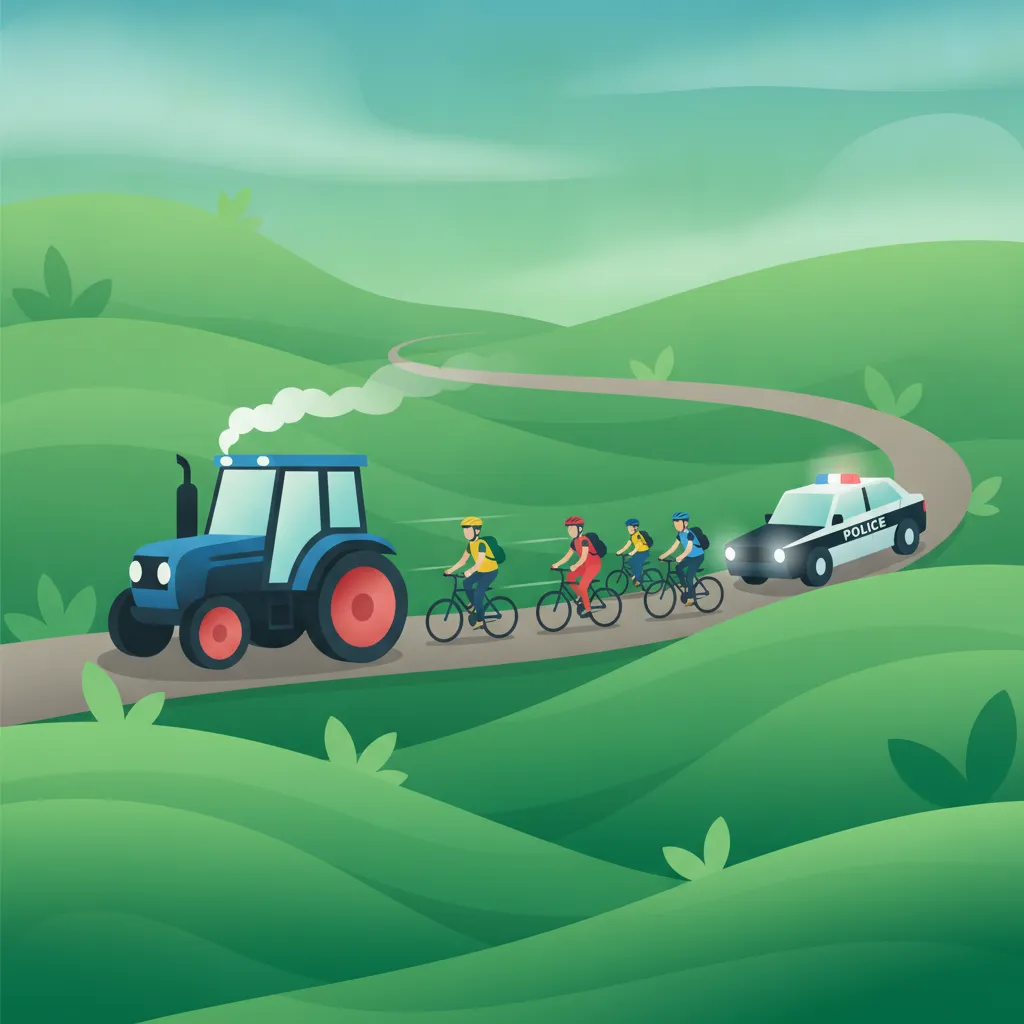
This lesson focuses on strategies for safely interacting with non-standard traffic common on rural roads. It covers how to anticipate the behaviour of slow-moving farm equipment and tourist vehicles, and the legal requirement to yield to emergency services. The importance of patience and safe passing opportunities is stressed.
This lesson focuses on adapting braking techniques for low-traction surfaces like wet or icy roads. It explains the need for gentle, progressive brake application to prevent wheel lock-up and maintain control. Learners will understand how to scan the road ahead for potential hazards and adjust their braking strategy accordingly.

This lesson examines the impact of various weather conditions on driving safety. It explains how to adjust speed in low visibility and the risks of aquaplaning in heavy rain. The content also covers using snow chains in snowy conditions, handling icy surfaces, and dealing with strong winds, particularly on bridges and open roads.
Learn how to adapt your motorcycle riding technique and choose appropriate gear for different seasons. This lesson covers adjustments for low traction, temperature impacts, and visibility challenges in Swiss traffic year-round.
This lesson details how adverse weather conditions like rain, fog, and snow affect motorcycle safety. It explains how wet surfaces reduce tyre grip, requiring smoother control inputs and longer braking distances. Strategies for managing reduced visibility in fog and the extreme hazards of riding on snow and ice are also covered.
This lesson focuses on adapting braking techniques for low-traction surfaces like wet or icy roads. It explains the need for gentle, progressive brake application to prevent wheel lock-up and maintain control. Learners will understand how to scan the road ahead for potential hazards and adjust their braking strategy accordingly.

This lesson provides specialized techniques for safely handling hairpin turns and steep gradients. It teaches riders how to manage speed on approach, select the correct line through the bend, and use both brakes and engine braking on descents. Proper throttle control for maintaining momentum on uphill climbs is also covered.
This lesson focuses on identifying and managing specific road surface hazards that can compromise traction. It provides techniques for safely crossing slippery tram rails and painted markings, navigating uneven cobblestones, and maintaining control on loose gravel. The core skill is learning to scan the road ahead and adjust riding style proactively.
This lesson explores the typical features of rural and alpine roads, such as narrow lanes, sharp bends, and significant elevation changes. It discusses the need for heightened awareness due to limited sight distances and the potential for unexpected hazards like wildlife or agricultural vehicles. Riders will learn to adapt their speed and positioning for these challenging conditions.

This lesson covers the key features of protective riding apparel, including jackets, gloves, boots, and pants. It explains the importance of materials that offer abrasion resistance and integrated armor for impact protection in critical areas. The content highlights how appropriate gear enhances rider safety by minimizing injury in the event of a fall.
This lesson focuses on the significant risks of riding in winter conditions. It explains how to spot potential icy patches, such as black ice, and the need for extremely gentle and deliberate control inputs. The importance of proper winter tyres and dressing warmly to prevent distraction and fatigue from the cold is also emphasized.
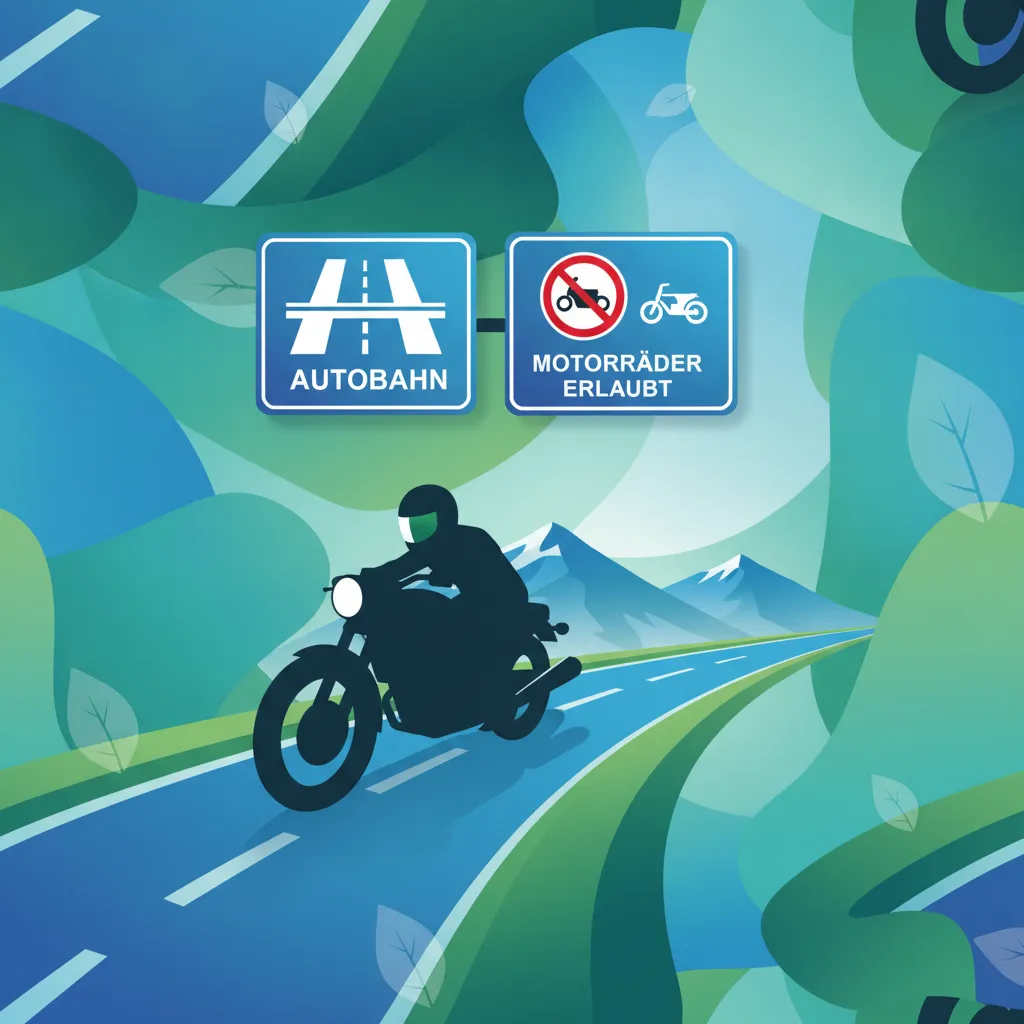
This lesson outlines the specific rules and skills required for riding on high-speed Swiss motorways. It covers the correct procedures for entering and exiting, merging with traffic, maintaining appropriate speed, and conducting safe overtaking maneuvers. Emphasis is placed on using mirrors and signals effectively to integrate safely into the flow of traffic.
This lesson provides essential strategies for riding in adverse weather like rain and fog. It explains how to increase following distances, reduce speed, and use lights effectively to enhance visibility. The content also addresses the loss of traction on wet roads and the importance of smooth control inputs for braking, accelerating, and steering.

This lesson teaches riders how to adapt their technique for a variety of challenging road surfaces. It explains how loose surfaces like gravel reduce grip and require smoother steering and braking inputs. The content also covers the hazards of slippery surfaces like wet cobblestones, manhole covers, and fallen leaves.
Find clear answers to common questions learners have about Planning for Seasonal Riding and Adjusting Technique. Learn how the lesson is structured, which driving theory objectives it supports, and how it fits into the overall learning path of units and curriculum progression in Switzerland. These explanations help you understand key concepts, lesson flow, and exam focused study goals.
The exam tests your ability to anticipate hazards. Understanding how seasons affect road surfaces and visibility helps you answer scenario-based questions about safe speed and positioning correctly.
While no law bans winter riding, you are legally responsible for vehicle safety. This means ensuring your tyres are suitable for cold weather and your bike is maintained for conditions like road salt or ice.
Extreme heat causes rider fatigue and can make road surfaces like bitumen slick. You should increase your following distance and take frequent breaks to maintain concentration.
Spring and autumn bring changing temperatures and often hidden hazards like wet leaves or early morning frost. Adjusting your speed and line choice is crucial for maintaining traction.
Pinpoint specific Swiss traffic rules, road signs, or driving situations you need to master. Use the practice search to start a focused revision session now and build confidence for your official driving theory exam.