
Logo
Swiss Driving Theory Courses

Lesson 1 of the Human Factors, Legal Consequences, Breakdowns, Crashes and Emergencies unit

Swiss Motorcycle Theory (A): Human Limitations: Fatigue, Alcohol, Medication, Distraction

This lesson explores the critical human factors that influence your ability to ride safely, including the effects of fatigue, alcohol, medication, and distractions. Understanding these physiological and psychological limits is essential for passing the Swiss motorcycle theory exam and becoming a responsible rider. It forms the foundation for safe, proactive decision-making on Swiss roads.

rider safetytheory exam prepmotorcycle fitnessSwiss road ruleshazard perception
Swiss Motorcycle Theory (A): Human Limitations: Fatigue, Alcohol, Medication, Distraction

Lesson content overview

Swiss Motorcycle Theory (A)

Understanding Human Limitations: Fatigue, Alcohol, Medication, and Distraction for Motorcycle Riders

Operating a motorcycle safely demands a high level of concentration, rapid decision-making, and precise physical control. However, various human factors can significantly diminish a rider's capabilities, leading to impaired judgment, delayed reaction times, and reduced coordination. This lesson delves into these critical human limitations: fatigue, the effects of alcohol, the influence of certain medications, and the dangers of distraction. Recognizing and managing these factors is not just a matter of personal safety; it is a fundamental legal and ethical responsibility for every rider seeking a Swiss motorcycle licence for categories A and A1.

Optimal human performance is an indispensable component of road safety. When a rider's perception, cognitive function, or motor skills are compromised, the risk of accidents dramatically increases. Understanding these impairments is crucial for making informed decisions, ensuring compliance with Swiss traffic laws, and ultimately, safeguarding your life and the lives of others on the road.

The Impact of Rider Fatigue on Motorcycle Safety

Fatigue is a physiological state characterised by diminished mental and physical performance. It can be just as dangerous as other forms of impairment, severely affecting a rider's ability to operate a motorcycle safely. Fatigue impairs critical riding skills such as alertness, reaction time, judgment of distances, and overall coordination.

Understanding Acute and Chronic Fatigue

Fatigue isn't a single condition but can manifest in different forms:

  • Acute Fatigue: This is short-term tiredness that occurs after a single episode of insufficient rest, strenuous activity, or prolonged wakefulness. For example, riding for many hours without a break, or after a particularly demanding day at work.
  • Chronic Fatigue: This refers to ongoing exhaustion resulting from repeated insufficient sleep, excessive workload, or underlying health issues. A rider experiencing chronic fatigue might start a journey already at a disadvantage, even after a seemingly normal night's sleep.

Recognizing Fatigue Symptoms While Riding

It is essential for riders to develop self-awareness and recognise the early warning signs of fatigue. These can include:

  • Yawning frequently or feeling sleepy.
  • Heavy eyelids or difficulty keeping eyes open.
  • Blurred or double vision.
  • Difficulty concentrating or remembering the last few kilometres ridden.
  • Drifting across lanes or struggling to maintain a consistent speed.
  • Delayed reactions to traffic situations or road hazards.
  • Increased irritability or impatience.

Warning

Do not underestimate the effects of fatigue. Unlike alcohol, there's no legal threshold for fatigue, but riding while excessively tired can still lead to charges of negligence if it contributes to an accident.

Preventing and Managing Rider Fatigue

Proactive management is key to preventing fatigue from impacting your riding.

  • Prioritise Sleep: Ensure you get adequate rest, typically 7-9 hours, before any significant ride.
  • Plan Breaks: For longer journeys, plan regular stops every 1.5 to 2 hours. Use these breaks to stretch, walk around, rehydrate, and refresh your mind.
  • Avoid Peak Fatigue Times: Be particularly cautious during natural dips in alertness, such as the early afternoon (post-lunch dip) and between midnight and 6 AM (circadian rhythm low).
  • Stay Hydrated and Nourished: Dehydration and hunger can exacerbate fatigue. Carry water and healthy snacks.
  • Listen to Your Body: If you start experiencing any fatigue symptoms, pull over safely. A short nap (15-20 minutes) or a walk can sometimes help, but often the best solution is to stop riding until you are fully rested. Coffee can provide a temporary boost, but it does not counteract the fundamental need for sleep.

Alcohol (ethanol) is a central nervous system depressant that profoundly affects a rider's cognitive abilities, judgment, and motor coordination. Riding under the influence of alcohol is a leading cause of severe accidents and carries significant legal penalties in Switzerland.

Swiss Blood Alcohol Concentration (BAC) Limits for Riders

Swiss law sets strict limits on Blood Alcohol Concentration (BAC) for all vehicle operators, including motorcycle riders. These limits are measured in per mille (‰), which represents grams of alcohol per litre of blood.

Definition

Blood Alcohol Concentration (BAC)

The amount of ethanol in a person's bloodstream, typically expressed as grams per litre or per mille (‰).

  • General Limit: For most drivers and riders, the legal BAC limit is 0.5‰ (0.05%). This means that if your BAC is 0.5‰ or higher, you are legally considered impaired.
  • Reduced Limit for Novice and Professional Riders: For novice riders (those who obtained their licence less than two years ago, indicated by a probationary period) and professional drivers, a stricter limit of 0.1‰ (0.01%) applies. This is essentially a near zero-tolerance policy.
  • Zero Tolerance for Riders Under 21: While the general novice limit applies up to two years post-licence, riders under the age of 21 (regardless of licence duration) are also subject to the 0.1‰ limit.

Warning

Even small amounts of alcohol can impair your riding ability, making it wise to practice a "zero alcohol" policy if you plan to ride.

How Alcohol Impairs Riding Skills

Alcohol's effects on the body are diverse and dangerous for motorcycle riding:

  • Slowed Reaction Time: Alcohol delays the brain's processing of information, increasing the time it takes to react to hazards, traffic signals, or sudden changes in the road.
  • Impaired Judgment and Decision-Making: Riders under the influence may misjudge speed and distance, take unnecessary risks, or make poor decisions regarding lane changes, overtaking, or cornering.
  • Reduced Peripheral Vision: Alcohol can narrow a rider's field of vision, making it harder to spot hazards approaching from the sides.
  • Decreased Coordination: The fine motor skills required for throttle control, braking, steering, and gear shifting are significantly compromised.
  • Overconfidence: Paradoxically, alcohol can lead to a false sense of confidence, causing riders to believe they are more capable than they actually are.

Swiss law enforces severe penalties for riding under the influence of alcohol. These can include:

  • Fines: Substantial monetary penalties.
  • Licence Suspension or Revocation: Loss of your riding privileges for a significant period, or even permanently.
  • Imprisonment: Possible jail time, especially for repeated offenses or if an accident with injury or death occurs.
  • Mandatory Breathalyzer Tests: Police have the authority to request a breathalyzer test on suspicion. Refusal can lead to immediate licence suspension.
  • Increased Insurance Premiums: Your insurance costs will likely rise significantly.

Tip

Never rely on myths about "sobering up." Coffee, cold showers, or food do not eliminate alcohol from your system; only time does.

Medication and Motorcycle Riding: Assessing Impairment Risk

Not all substances that impair riding ability are illegal. Many prescription and even over-the-counter (OTC) medications can have side effects that make it unsafe to operate a motorcycle. It is a rider's responsibility to understand these risks.

Types of Medications Affecting Rider Performance

A wide range of medications can affect alertness, reaction time, and coordination. These include:

  • Sedatives and Hypnotics: Such as benzodiazepines (for anxiety or sleep) and some antihistamines (for allergies or colds) often cause drowsiness.
  • Analgesics (Painkillers): Opioids and even some strong non-steroidal anti-inflammatory drugs (NSAIDs) can induce drowsiness, dizziness, or affect concentration.
  • Antidepressants and Antipsychotics: Some of these medications can alter alertness, reaction times, and mental clarity, particularly when first starting the medication or adjusting dosages.
  • Stimulants: While they increase alertness, certain ADHD medications can impair judgment or cause agitation in some individuals.
  • Muscle Relaxants: These are designed to reduce muscle tension and often cause significant drowsiness.
  • Cold and Flu Remedies: Many OTC remedies contain antihistamines or other ingredients that cause drowsiness.

Understanding Medication Side Effects and Interactions

Always read the warning labels on your medication. Pay close attention to phrases like:

  • "May cause drowsiness."
  • "Do not operate heavy machinery."
  • "Avoid alcohol."

The combination of certain medications with alcohol can create a synergistic effect, meaning the combined impairment is far greater than the sum of their individual effects. Even if a medication is prescribed, its side effects might still render you unfit to ride.

Rider Responsibility and Medical Consultation

As a motorcycle rider, you have a legal obligation to ensure you are in a fit condition to operate your vehicle.

  • Consult Your Doctor: Always discuss your riding habits with your prescribing physician. They can advise you on the potential impact of your medication on your ability to ride safely, recommend alternative medications, or suggest adjusting dosages or timing.
  • Pharmacist Advice: Your pharmacist can also provide valuable information on medication side effects and potential interactions.
  • Self-Assessment: Be honest with yourself. If you feel drowsy, dizzy, or notice any impairment after taking medication, do not ride.
  • Non-Drowsy Alternatives: For common ailments like allergies or colds, ask your doctor or pharmacist if non-drowsy formulations are available.

Distraction on a Motorcycle: Maintaining Focus on the Road

Distraction is any activity that diverts a rider’s attention away from the primary task of operating the motorcycle and monitoring the road environment. Even a momentary lapse in concentration can have severe consequences, especially on a two-wheeled vehicle that requires constant balance and attention.

Categories of Rider Distraction

Distractions can be categorised into three main types:

  • Manual Distraction: Physically taking one or both hands off the handlebars to do something else, such as adjusting a GPS, operating a phone, or reaching for an item. This compromises physical control of the motorcycle.
  • Visual Distraction: Taking your eyes off the road ahead, even for a second, to look at a phone, a passenger, a billboard, or anything inside or outside the vehicle not directly related to riding.
  • Cognitive Distraction: Mental preoccupation with thoughts, conversations, or other internal or external stimuli that divert your mental focus from riding. This could include talking on a hands-free device, worrying about a personal issue, or daydreaming.

Dangers of Mobile Phone Use and Other Devices

The use of mobile phones is a particularly dangerous form of distraction, often combining all three types:

  • Handheld Devices: Using a handheld mobile phone for calls, texting, navigation, or music control while riding is strictly prohibited in Switzerland. It combines manual, visual, and cognitive distraction.
  • Hands-Free Devices: While hands-free communication or navigation systems (e.g., helmet-mounted devices with voice commands) are generally permitted, they can still cause significant cognitive distraction. Even if your hands and eyes are on the road, your mind may be elsewhere, impairing your ability to react to hazards.

Warning

Even a brief glance at a phone screen can cause you to travel a significant distance blind to the road ahead, dramatically increasing the risk of an accident.

Strategies for Minimizing Distractions

To ensure your full attention remains on the road:

  • Pre-Ride Setup: Adjust your GPS, music, helmet, and clothing before you start riding.
  • Secure Mounts: If using a phone for navigation, ensure it is securely mounted in a position that requires minimal visual diversion and is operated primarily by voice commands.
  • Limit Conversations: Avoid engaging in lengthy or complex conversations through helmet communicators, especially in challenging traffic conditions.
  • Address Internal Distractions: If you are feeling stressed, upset, or deeply preoccupied, consider if it's safe to ride. A clear mind is essential for safe motorcycling.
  • Avoid Multitasking: Focus solely on riding. Do not try to eat, drink, or engage in other activities that take away from your primary task.

Swiss Traffic Laws and Regulations for Impaired Riding

Swiss traffic law places a clear duty of care on every rider to ensure they are in a fit condition to operate a vehicle safely. Violations of these rules carry significant penalties, reflecting the severe risks associated with impaired riding.

Alcohol Limits and Penalties for Motorcycle Riders

As previously detailed:

  • Legal Limit: The general legal Blood Alcohol Concentration (BAC) limit for motorcycle riders is 0.5‰ (0.05%).
  • Reduced Limit: For novice riders (licence held for less than two years) and professional drivers, the limit is 0.1‰ (0.01%). This also applies to riders under 21 years of age.
  • Enforcement: Police may conduct breathalyzer tests. Exceeding these limits leads to fines, licence suspension, and potentially more severe criminal charges.

Note

Riders below the legal BAC limit can still be held liable for an accident if their alcohol consumption demonstrably impaired their ability to ride safely.

  • Prohibition of Impairing Substances: Riders are legally obligated not to operate a motorcycle while under the influence of any substance, including prescription or over-the-counter medication, that impairs their driving ability.
  • Physician Clearance: If you are taking medication with known side effects that could affect driving (e.g., drowsiness, dizziness), you must consult your prescribing physician to confirm that you are fit to ride.
  • Penalties: Failure to comply can result in fines, licence suspension, and criminal charges, especially if an accident occurs due to medication-induced impairment.

Prohibition of Distracting Devices and Mobile Phone Use

  • Handheld Device Ban: The use of handheld mobile phones or any other device that diverts a rider's attention from the road is strictly prohibited while riding a motorcycle. This includes holding the device, even if not actively using it.
  • Hands-Free Considerations: While hands-free devices are generally allowed, they must not compromise your control of the motorcycle or your ability to focus on the road. If the use of a hands-free device distracts you, you could still be held accountable for any resulting incidents.
  • Penalties: Violations typically result in fines and potentially penalty points on your licence.

Duty of Care Regarding Rider Fatigue

While there isn't a specific legal "fatigue limit" like there is for alcohol, riders have an implicit duty of care under Swiss traffic law. This means you must maintain sufficient alertness and physical capability to control your motorcycle safely at all times.

  • Negligence: If fatigue leads to impaired riding and causes an accident, you can be found negligent, leading to severe legal consequences and liability for damages.
  • Implied Obligation: The law expects riders to recognise when they are too tired to ride safely and to take appropriate action, such as stopping for a break or postponing the journey.

Common Risky Behaviors and Misconceptions

Many riders unfortunately underestimate the dangers of human limitations. Here are some common misjudgments:

  1. Riding Below the Legal Alcohol Limit: Believing that as long as you are under 0.5‰ (or 0.1‰), your riding is unaffected. Even lower BACs can impair judgment, reaction time, and coordination.
  2. Mixing Medication with Alcohol: Ignoring warnings about synergistic impairment. The combination often has a much stronger negative effect than either substance alone.
  3. Quick Phone Checks: Thinking a "brief glance" at a phone for navigation or a message is harmless. These brief moments can lead to missing critical road changes or hazards.
  4. Ignoring Drowsiness: Continuing to ride despite clear signs of fatigue, such as heavy eyelids or frequent yawning, assuming you can "push through it."
  5. Assuming Prescription Safety: Believing that because a medication is prescribed, it is automatically safe to ride while taking it, without checking side effects or consulting a doctor.
  6. Technology as a Substitute: Thinking that advanced motorcycle features like traction control or ABS can compensate for human cognitive decline due to impairment. Technology is an aid, not a cure for impaired judgment.
  7. Misinterpreting Reduced Speed Limits: Assuming that riding slower is an excuse for being fatigued or distracted. Regardless of speed, full alertness and control are always required.

Contextual Factors: How Conditions Exacerbate Impairment

The impact of fatigue, alcohol, medication, and distraction is not constant; it can be significantly amplified by various external factors:

  • Weather Conditions: Adverse weather like heavy rain, fog, or strong winds already demands heightened concentration and reduced speeds. Impairments like fatigue or distraction under these conditions drastically increase risk, as visual perception is already compromised.
  • Road Type:
    • Motorways: High speeds magnify the consequences of delayed reaction times caused by alcohol or fatigue.
    • Urban Environments: The high cognitive load from frequent stops, complex intersections, and numerous vulnerable road users makes distraction particularly dangerous.
    • Mountain Passes/Rural Roads: Demanding corners, varied surfaces, and potential wildlife require full concentration. Impairment here can easily lead to loss of control.
  • Vehicle Load: Carrying heavy luggage or a passenger adds physical strain and alters motorcycle handling. This can exacerbate fatigue and makes any impairment more critical due to the increased difficulty in maintaining control.
  • Vulnerable Road Users: Sharing the road with pedestrians, cyclists, or children requires constant vigilance and quick reactions. Impairment dramatically increases the risk of serious collisions with these unprotected road users.
  • Time of Day: Night riding inherently involves reduced visibility and prolonged visual processing. When combined with fatigue (especially during circadian rhythm lows), the risk of missing hazards escalates sharply.

Key Takeaways for Responsible Motorcycle Riding

  • Self-Assessment is Paramount: Always assess your physical and mental fitness to ride before starting any journey. If you are fatigued, have consumed alcohol, are under the influence of impairing medication, or are significantly distracted, postpone your ride.
  • Adhere to Legal Limits: Strictly observe the Swiss legal Blood Alcohol Concentration (BAC) limits (0.5‰ generally; 0.1‰ for novices/under 21).
  • Medication Awareness: Understand your medication's side effects. Consult your doctor or pharmacist about any drug's potential impact on your riding ability.
  • Eliminate Distractions: Avoid all handheld device use. Minimise other distractions, whether visual, manual, or cognitive, to maintain full situational awareness.
  • Duty of Care: Remember your legal and ethical duty to ride safely and avoid endangering yourself or others. This includes managing fatigue proactively.
  • Conditional Awareness: Be aware that challenging road conditions, weather, or carrying a passenger will amplify the negative effects of any impairment.
  • Prevention Over Reaction: Proactive measures—adequate rest, abstaining from alcohol, checking medication, and planning to avoid distractions—are far more effective than trying to compensate for impairment once it has set in.

By understanding and respecting human limitations, you significantly reduce accident risk, ensure compliance with Swiss traffic laws, and contribute to safer roads for everyone.

Learn more with these articles

Check out these practice sets

Lesson recap

Quick summary before you move on

Fast revision

This lesson covers the critical human factors that impair motorcycle riding ability in Switzerland: fatigue (both acute and chronic), alcohol with its specific Swiss BAC limits and effects on reaction time and coordination, impairing medications requiring self-assessment, and distraction categorized as manual, visual, or cognitive. Swiss law sets a 0.5‰ general BAC limit and a stricter 0.1‰ limit for novice riders and those under 21. While there is no legal threshold for fatigue like alcohol, riders have a duty of care to ensure they are sufficiently alert. The lesson emphasizes proactive self-assessment, understanding medication side effects, eliminating handheld device use, and recognizing that adverse conditions like weather, night riding, or carrying passengers amplify the dangers of any impairment.


Core takeaways

Main ideas from this lesson

A short set of high-value points that capture the most important learning from this lesson.

Swiss legal BAC limits are 0.5‰ for general riders and 0.1‰ for novice riders (licence held less than two years) and riders under 21 years of age.

Fatigue impairs riding skills equivalent to alcohol impairment, including delayed reactions, poor judgment, and reduced coordination.

Alcohol affects riders through slowed reaction time, narrowed peripheral vision, impaired decision-making, and paradoxically increased overconfidence.

Many medications including sedatives, analgesics, antihistamines, and cold remedies can impair riding ability through drowsiness or altered mental clarity.

Distractions are categorized as manual (hands off handlebars), visual (eyes off road), or cognitive (mind off riding), each compromising safety differently.

Remember this

Details worth keeping in mind

Point 1

The 0.1‰ limit applies to both novice riders AND riders under 21, even if their licence has been held for more than two years.

Point 2

Coffee, cold showers, and food do not eliminate alcohol from the system—only time allows the body to metabolize ethanol.

Point 3

Fatigue symptoms include heavy eyelids, blurred vision, lane drifting, difficulty concentrating, and frequent yawning.

Point 4

Combining alcohol with impairing medications creates a synergistic effect far more dangerous than either substance alone.

Point 5

Swiss traffic law imposes an implicit duty of care regarding fatigue; riding while excessively tired can lead to negligence charges if an accident occurs.

Watch for this

Frequent learner mistakes

Believing that riding slightly below the 0.5‰ legal limit means you are unaffected—impairment begins at lower BAC levels.

Assuming prescription medications are automatically safe for riding without checking side effects or consulting a doctor.

Thinking a brief glance at a phone for navigation or a message is harmless—momentary distraction can cause you to travel significant distances blind to hazards.

Continuing to ride despite clear fatigue symptoms like heavy eyelids or yawning, assuming you can push through it.

Relying on motorcycle safety technology like ABS or traction control to compensate for impaired judgment caused by alcohol, fatigue, or distraction.

Search topics related to Human Limitations: Fatigue, Alcohol, Medication, Distraction

Explore search topics learners often look for when studying Human Limitations: Fatigue, Alcohol, Medication, Distraction. These topics reflect common questions about road rules, driving situations, safety guidance, and lesson level theory preparation for learners in Switzerland.

impact of alcohol on motorcycle riding Swiss theoryfatigue and riding performance theory exam questionshow medication affects motorcycle riders Switzerlanddangers of mobile phone distraction for motorcyclistsSwiss motorcycle theory exam human factors study guidelegal consequences of riding impaired in Switzerlandhow to tell if you are too tired to ride a motorcycle

Related driving theory lessons for Human Limitations: Fatigue, Alcohol, Medication, Distraction

Browse additional driving theory lessons that cover connected traffic rules, road signs, and common driving situations related to this topic. Improve your understanding of how different rules interact across everyday traffic scenarios.

How Alcohol and Medication Impair Motorcycle Riding Ability in Switzerland

Understand the physiological and legal impacts of alcohol and various medications on a rider's performance. Learn about Swiss BAC limits, drug side effects, and the importance of self-assessment for safe motorcycle operation.

alcohol impairmentmedication side effectsrider fitnessSwiss road lawtheory exam
Alcohol, Drugs, and Medication Influence lesson image

Alcohol, Drugs, and Medication Influence

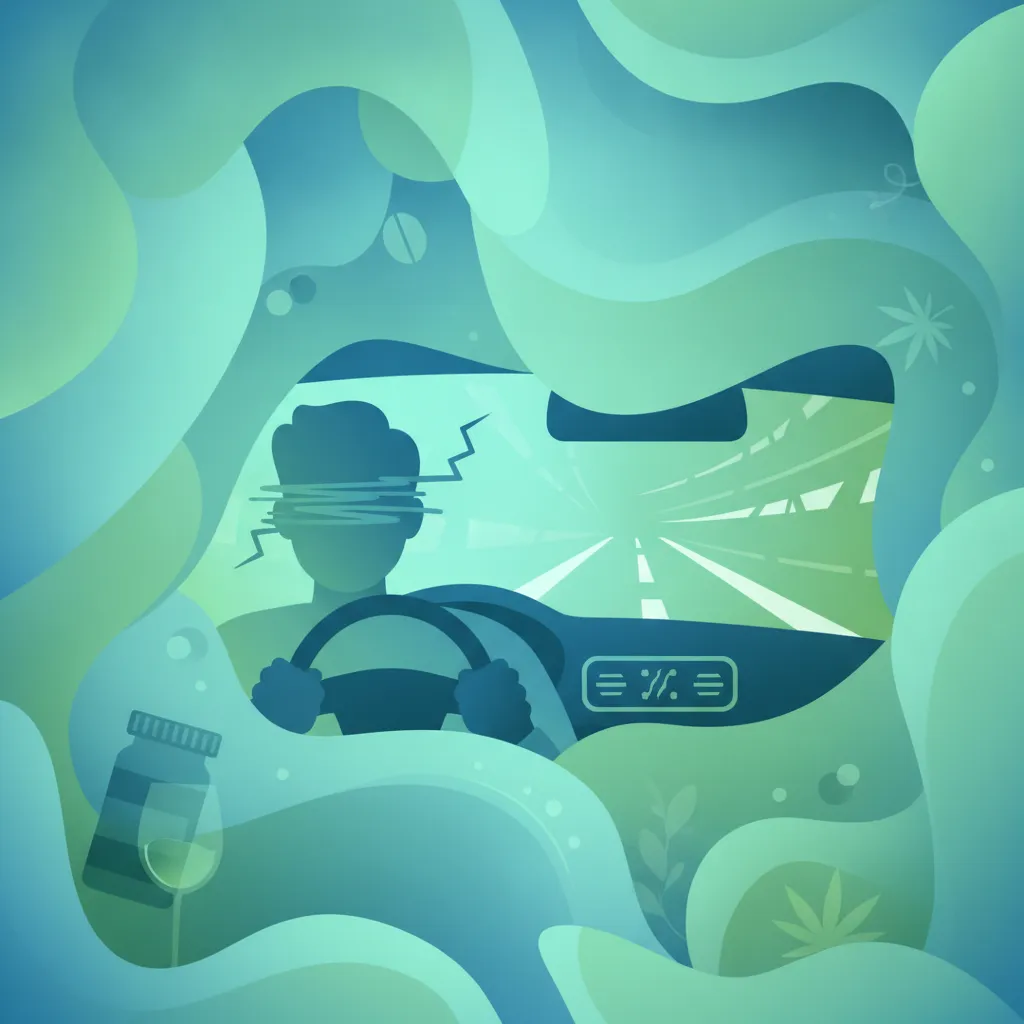
This lesson focuses on the impact of alcohol, drugs, and medication on driving ability. You will learn the legal blood alcohol concentration limits and the zero-tolerance policy for beginner drivers. The content also covers how certain medications may affect performance and the importance of declaring health conditions that could impair safe driving.
Swiss Driving Theory BHuman Factors, Beginner-Driver Rules, Legal Consequences and Emergencies
View lesson
The Effects of Alcohol, Drugs, and Medication lesson image

The Effects of Alcohol, Drugs, and Medication

For professional drivers, the rules regarding intoxicating substances are extremely strict. This lesson explains the severe effects of alcohol and illegal drugs on driving ability and the serious legal consequences of being caught under their influence. It also highlights the importance of checking with a doctor or pharmacist whether any prescribed or over-the-counter medication can cause drowsiness or otherwise impair driving.

Swiss Truck Driving Theory (C/C1)Fatigue, Legal Consequences, Breakdowns, Fire, Load Incidents and Emergencies
View lesson
Influence of Weather on Grip and Visibility (Rain, Fog, Snow) lesson image

Influence of Weather on Grip and Visibility (Rain, Fog, Snow)

This lesson details how adverse weather conditions like rain, fog, and snow affect motorcycle safety. It explains how wet surfaces reduce tyre grip, requiring smoother control inputs and longer braking distances. Strategies for managing reduced visibility in fog and the extreme hazards of riding on snow and ice are also covered.

Swiss Motorcycle Theory (A)Weather, Road Surfaces, Passengers, Luggage and Group Riding
View lesson
Common Risky Behaviours for Small Vehicle Operators lesson image

Common Risky Behaviours for Small Vehicle Operators

This lesson identifies and analyzes high-risk behaviors that contribute to a majority of accidents involving small vehicles. It explains the severe consequences of riding while distracted, fatigued, or under the influence of alcohol or drugs. The content aims to build a rider's awareness of these dangers and reinforce a responsible and defensive mindset.
Swiss Driving Theory MRisk Behaviour, Legal Consequences, Breakdowns, and Emergencies
View lesson
Interaction with Agricultural Vehicles, Tourists, and Emergency Services lesson image

Interaction with Agricultural Vehicles, Tourists, and Emergency Services

This lesson focuses on strategies for safely interacting with non-standard traffic common on rural roads. It covers how to anticipate the behaviour of slow-moving farm equipment and tourist vehicles, and the legal requirement to yield to emergency services. The importance of patience and safe passing opportunities is stressed.

Swiss Motorcycle Theory (A)Rural Roads, Mountain Passes, Motorways, Tunnels and Complex Traffic
View lesson
Characteristics of Rural and Alpine Roads lesson image

Characteristics of Rural and Alpine Roads

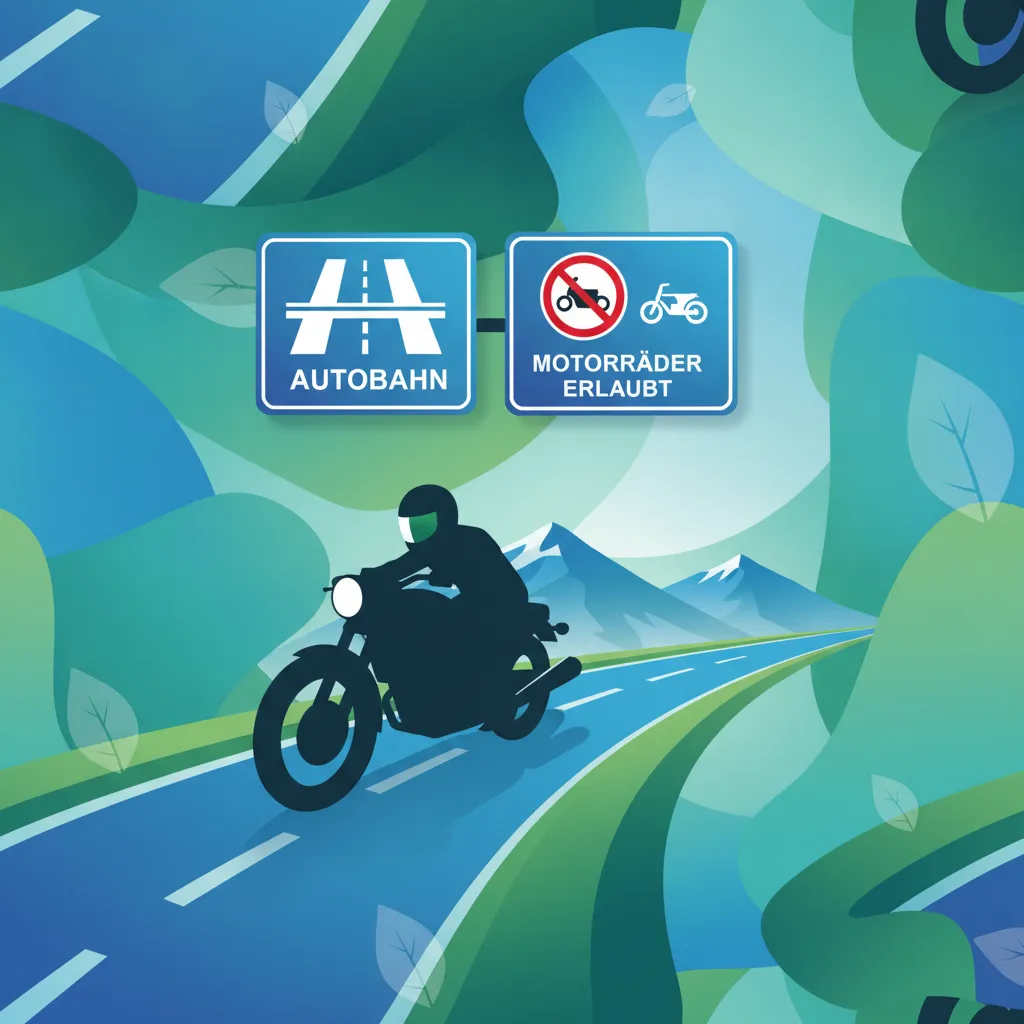
This lesson explores the typical features of rural and alpine roads, such as narrow lanes, sharp bends, and significant elevation changes. It discusses the need for heightened awareness due to limited sight distances and the potential for unexpected hazards like wildlife or agricultural vehicles. Riders will learn to adapt their speed and positioning for these challenging conditions.
Swiss Motorcycle Theory (A)Rural Roads, Mountain Passes, Motorways, Tunnels and Complex Traffic
View lesson
Riding on Motorways and Requirements for Motorcycle Access lesson image

Riding on Motorways and Requirements for Motorcycle Access

This lesson outlines the specific rules and skills required for riding on high-speed Swiss motorways. It covers the correct procedures for entering and exiting, merging with traffic, maintaining appropriate speed, and conducting safe overtaking maneuvers. Emphasis is placed on using mirrors and signals effectively to integrate safely into the flow of traffic.

Swiss Motorcycle Theory (A)Rural Roads, Mountain Passes, Motorways, Tunnels and Complex Traffic
View lesson
Legal Implications of Traffic Violations and Accidents lesson image

Legal Implications of Traffic Violations and Accidents

This lesson outlines the legal and administrative repercussions of committing traffic violations or being involved in an accident. It covers the system of fines, licence points, and potential licence revocation under Swiss law. Understanding these consequences reinforces the importance of lawful and responsible riding.
Swiss Motorcycle Theory (A)Human Factors, Legal Consequences, Breakdowns, Crashes and Emergencies
View lesson
Rider Responsibilities and Ethical Behaviour lesson image

Rider Responsibilities and Ethical Behaviour

This lesson explores the ethical duties inherent in motorcycle riding, focusing on a rider's responsibility to ensure personal safety while respecting all other road users. It covers the Swiss code of conduct, which includes courteous behaviour, adherence to traffic rules, and responsible decision-making. The content reinforces that an ethical mindset is fundamental to contributing to overall road safety.

Swiss Motorcycle Theory (A)Swiss Motorcycle Categories, Licence Scope and Rider Responsibility
View lesson
Tunnels, Galleries, and Bridge Riding Safety lesson image

Tunnels, Galleries, and Bridge Riding Safety

This lesson addresses the specific safety considerations for riding through tunnels and over bridges. It covers adapting to changes in light and temperature, being aware of tunnel emergency procedures, and anticipating the effects of crosswinds on bridges. Maintaining a steady speed and predictable path is emphasized for safety in these structures.

Swiss Motorcycle Theory (A)Rural Roads, Mountain Passes, Motorways, Tunnels and Complex Traffic
View lesson

Rider Fatigue and Distraction: Risks and Prevention for Swiss Theory

Explore how fatigue and distractions like mobile phone use critically affect rider concentration, reaction time, and safety. Learn to recognize symptoms and implement strategies to maintain focus while riding in Switzerland.

fatiguedistractionrider concentrationmobile phone useSwiss driving theory
Common Risky Behaviours for Small Vehicle Operators lesson image

Common Risky Behaviours for Small Vehicle Operators

This lesson identifies and analyzes high-risk behaviors that contribute to a majority of accidents involving small vehicles. It explains the severe consequences of riding while distracted, fatigued, or under the influence of alcohol or drugs. The content aims to build a rider's awareness of these dangers and reinforce a responsible and defensive mindset.

Swiss Driving Theory MRisk Behaviour, Legal Consequences, Breakdowns, and Emergencies
View lesson
Recognizing and Managing Driver Fatigue and Distraction lesson image

Recognizing and Managing Driver Fatigue and Distraction

Fatigue is a major cause of accidents in the transport industry. This lesson teaches drivers to identify the early warning signs of tiredness, such as frequent yawning, heavy eyelids, and difficulty concentrating. It emphasizes that the only effective cure for fatigue is sleep and reinforces the legal and personal responsibility to take required breaks and never drive while tired.
Swiss Truck Driving Theory (C/C1)Fatigue, Legal Consequences, Breakdowns, Fire, Load Incidents and Emergencies
View lesson
Recognizing and Managing Driver Fatigue and Distraction lesson image

Recognizing and Managing Driver Fatigue and Distraction

Fatigue is a major cause of serious accidents involving professional drivers. This lesson teaches you to recognize the early warning signs of tiredness in yourself. It covers the Swiss rules on driving hours and rest periods, and provides practical strategies for staying alert and avoiding distractions while driving.

Swiss Driving Theory DManaging Fatigue, Incidents, and On-Board Emergencies
View lesson
Managing Blind Spots and Turn-Across Traffic lesson image

Managing Blind Spots and Turn-Across Traffic

This lesson focuses on mitigating the risk of collisions at intersections, particularly from vehicles turning across the rider's path. It teaches defensive strategies such as positioning for visibility, anticipating driver actions, and using head checks to be aware of surrounding traffic. Managing your own and others' blind spots is presented as a crucial survival skill.
Swiss Motorcycle Theory (A)Intersections, Roundabouts, Overtaking, Tram Tracks and Urban Traffic
View lesson
Procedures for Motorcycle Breakdown and Roadside Safety lesson image

Procedures for Motorcycle Breakdown and Roadside Safety

This lesson provides clear, actionable steps for managing a motorcycle breakdown safely. It covers moving the vehicle to a safe location, making yourself visible to other traffic with hazard lights and reflective gear, and contacting breakdown services. Following a proper protocol minimizes risk in a vulnerable situation.
Swiss Motorcycle Theory (A)Human Factors, Legal Consequences, Breakdowns, Crashes and Emergencies
View lesson
Visibility Aids: Reflectors, High-Visibility Clothing, Day-time Running Lights lesson image

Visibility Aids: Reflectors, High-Visibility Clothing, Day-time Running Lights

This lesson focuses on techniques and equipment designed to increase a motorcyclist's visibility to others. It explains the strategic use of reflective materials, high-visibility clothing, and the mandatory use of daytime running lights. Understanding how to enhance conspicuity is a critical component of proactive self-protection on the road.

Swiss Motorcycle Theory (A)Helmet, Protective Clothing, Visibility, Observation and Communication
View lesson
Legal Implications of Traffic Violations and Accidents lesson image

Legal Implications of Traffic Violations and Accidents

This lesson outlines the legal and administrative repercussions of committing traffic violations or being involved in an accident. It covers the system of fines, licence points, and potential licence revocation under Swiss law. Understanding these consequences reinforces the importance of lawful and responsible riding.

Swiss Motorcycle Theory (A)Human Factors, Legal Consequences, Breakdowns, Crashes and Emergencies
View lesson
Rider Responsibilities and Ethical Behaviour lesson image

Rider Responsibilities and Ethical Behaviour

This lesson explores the ethical duties inherent in motorcycle riding, focusing on a rider's responsibility to ensure personal safety while respecting all other road users. It covers the Swiss code of conduct, which includes courteous behaviour, adherence to traffic rules, and responsible decision-making. The content reinforces that an ethical mindset is fundamental to contributing to overall road safety.

Swiss Motorcycle Theory (A)Swiss Motorcycle Categories, Licence Scope and Rider Responsibility
View lesson
Interaction with Agricultural Vehicles, Tourists, and Emergency Services lesson image

Interaction with Agricultural Vehicles, Tourists, and Emergency Services

This lesson focuses on strategies for safely interacting with non-standard traffic common on rural roads. It covers how to anticipate the behaviour of slow-moving farm equipment and tourist vehicles, and the legal requirement to yield to emergency services. The importance of patience and safe passing opportunities is stressed.

Swiss Motorcycle Theory (A)Rural Roads, Mountain Passes, Motorways, Tunnels and Complex Traffic
View lesson
Influence of Weather on Grip and Visibility (Rain, Fog, Snow) lesson image

Influence of Weather on Grip and Visibility (Rain, Fog, Snow)

This lesson details how adverse weather conditions like rain, fog, and snow affect motorcycle safety. It explains how wet surfaces reduce tyre grip, requiring smoother control inputs and longer braking distances. Strategies for managing reduced visibility in fog and the extreme hazards of riding on snow and ice are also covered.

Swiss Motorcycle Theory (A)Weather, Road Surfaces, Passengers, Luggage and Group Riding
View lesson

Frequently asked questions about Human Limitations: Fatigue, Alcohol, Medication, Distraction

Find clear answers to common questions learners have about Human Limitations: Fatigue, Alcohol, Medication, Distraction. Learn how the lesson is structured, which driving theory objectives it supports, and how it fits into the overall learning path of units and curriculum progression in Switzerland. These explanations help you understand key concepts, lesson flow, and exam focused study goals.

Can I take certain medications before riding my motorcycle for my A1 license?

You must check the patient information leaflet for any medication you take. If it contains a warning label regarding the ability to operate machinery or drive, you should not ride, as it may delay your reaction times or impair your coordination.

How does fatigue impact my chances of passing the motorcycle theory test?

The exam tests your ability to identify high-risk behaviors. Recognizing that fatigue significantly reduces hazard perception is a core competency; if you do not understand this, you will struggle with questions regarding defensive riding and safety preparation.

Are there zero-tolerance rules for alcohol when riding a motorcycle in Switzerland?

Switzerland enforces strict blood alcohol limits. For new riders in the mandatory practice phase or those within the probationary period, the limit is 0.1 per mille, effectively a zero-tolerance policy. Always prioritize total sobriety when operating your motorcycle.

What is considered a dangerous distraction while riding in Swiss traffic?

Any activity that takes your focus away from the road, such as using a phone, adjusting a GPS while moving, or even intense emotional distraction, is dangerous. In the exam, prioritize the 'look-observe-act' cycle over any secondary task.

Ready to Target Specific Weaknesses in Your Swiss Driving Theory Knowledge?

Pinpoint specific Swiss traffic rules, road signs, or driving situations you need to master. Use the practice search to start a focused revision session now and build confidence for your official driving theory exam.

Search Practice Theory Questions

Continue your Swiss driving theory learning journey

Swiss road signsSwiss article topicsSearch Swiss road signsSwiss driving theory homeSwiss road sign categoriesSwiss driving theory topicsSearch Swiss theory articlesSwiss driving theory coursesSwiss Driving Theory B courseSwiss Driving Theory M courseSwiss Driving Theory D courseSwiss driving theory articlesSwiss driving theory practiceSwiss practice set categoriesSwiss driving licence proceduresSwiss Motorcycle Theory (A) courseSearch Swiss driving theory practiceSwiss driving theory terminology A–ZSwiss driving theory terms and glossarySwiss Truck Driving Theory (C/C1) courseSwiss Signs, Signals, Markings, and Priority Rules unit in Swiss Driving Theory MSwiss Category M Context and First-Rider Responsibility unit in Swiss Driving Theory MRoad Users, Core Behaviour Rules and Safe Communication unit in Swiss Driving Theory BSwiss D, D1, D1E & DE Scope and Professional Responsibility unit in Swiss Driving Theory DSwiss C, C1, C1E & CE Scope and Professional Context unit in Swiss Truck Driving Theory (C/C1)Passenger Vehicle Construction, Controls, and Pre-Trip Inspections unit in Swiss Driving Theory DMotorcycle Construction, Controls, Equipment and Safety Checks unit in Swiss Motorcycle Theory (A)Swiss Category B, Learner Permit, Examination and Driver Responsibility unit in Swiss Driving Theory BSwiss Motorcycle Categories, Licence Scope and Rider Responsibility unit in Swiss Motorcycle Theory (A)Heavy-Vehicle Dimensions, Masses, Axle Loads and Operating Limits unit in Swiss Truck Driving Theory (C/C1)First-Aid Basics and Accident Scene Management lesson in Human Factors, Legal Consequences, Breakdowns, Crashes and EmergenciesLegal Implications of Traffic Violations and Accidents lesson in Human Factors, Legal Consequences, Breakdowns, Crashes and EmergenciesProcedures for Motorcycle Breakdown and Roadside Safety lesson in Human Factors, Legal Consequences, Breakdowns, Crashes and EmergenciesReporting Incidents and Interaction with Police and EMS lesson in Human Factors, Legal Consequences, Breakdowns, Crashes and EmergenciesHuman Limitations: Fatigue, Alcohol, Medication, Distraction lesson in Human Factors, Legal Consequences, Breakdowns, Crashes and Emergencies