
This lesson teaches you how to identify, anticipate, and respond to non-standard road users like farm machinery, tourist vehicles, and emergency services. Building on your knowledge of rural road hazards, you will learn the essential safety protocols to pass your Swiss motorcycle theory exam and stay safe on alpine or rural roads.
Lesson content overview
On Swiss rural roads, especially in alpine regions, motorcyclists frequently encounter a variety of vehicles that behave differently from standard passenger cars. These include slow-moving agricultural machinery, potentially unpredictable tourist vehicles, and critical emergency service vehicles. Understanding how to interact safely and legally with each of these groups is fundamental for any rider preparing for their Swiss Motorcycle Licence Theory Course for Categories A, A1, ensuring smooth traffic flow and reducing accident risks.
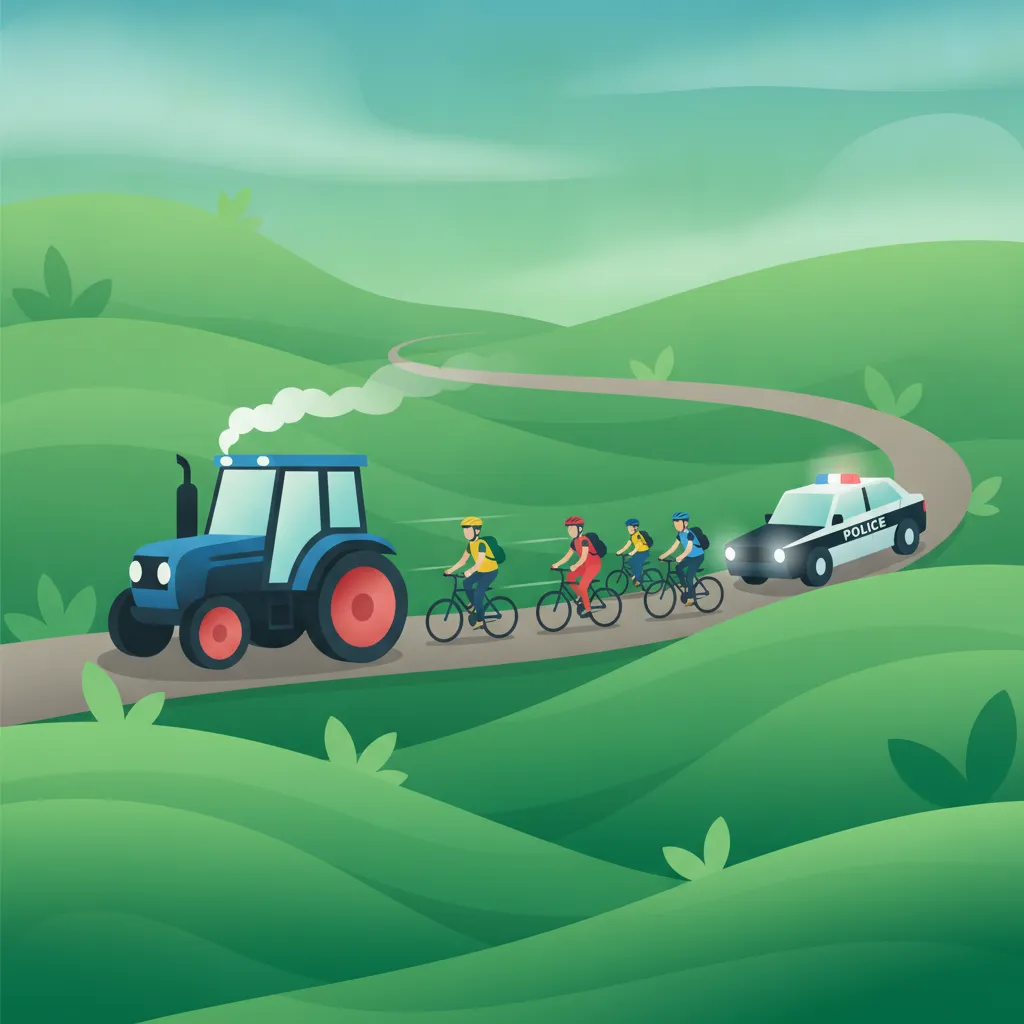
Agricultural vehicles are an integral part of rural life and frequently use public roads, particularly during planting and harvesting seasons. These vehicles, such as tractors, combines, and sprayers, are designed for farm work rather than high-speed road travel. Motorcyclists must develop specific strategies to interact with them safely.
Farm vehicles are typically slow-moving, often travelling at speeds significantly below posted limits, sometimes below 30 km/h. They may also be exceptionally wide, especially when equipped with implements like plows, spray booms, or harvesters. These wide attachments can extend well beyond the width of the main vehicle, potentially encroaching into adjacent lanes or shoulders. Furthermore, their drivers may have restricted visibility due to the size and design of their equipment, making it harder for them to see smaller vehicles like motorcycles.
The limited maneuverability of agricultural vehicles is another crucial factor. They require a larger turning radius and may need to swing wide to navigate corners or enter fields. Their braking distances can also be longer, and sudden changes in direction are possible as drivers navigate uneven road edges or field entrances.
Overtaking any vehicle requires careful judgment, but this is especially true for agricultural machinery. According to Swiss Road Traffic Law, specifically Article 38 CO, overtaking is only permitted when it can be done safely, visibility is sufficient, and road markings explicitly allow it. This means solid lines or areas with restricted sightlines (like blind curves or crests) prohibit overtaking.
Always assume that a farm vehicle's attached implement is wider than the tractor itself. Allow ample room for any unexpected lateral movement.
Before initiating an overtake, motorcyclists must meticulously assess the road ahead for oncoming traffic, potential junctions where the farm vehicle might turn, and any hazards that could appear unexpectedly. Due to their slow speed, it can be tempting to rush an overtaking maneuver, but patience is paramount to avoid collisions.
Maintaining a safe lateral clearance is not just a recommendation but a mandatory rule when overtaking agricultural vehicles. Swiss Road Traffic Regulations stipulate a minimum lateral clearance of 1.5 metres for cars when passing agricultural vehicles, and a larger clearance is generally required for motorcycles due to their increased vulnerability and the potential for a sudden gust of wind or an unexpected shift from the farm equipment. A common rule of thumb for motorcyclists is to aim for 2 metres or more, if road conditions permit.
This increased distance accounts for the farm vehicle's potential to sway, the unseen width of its implements, or a sudden turn into a field. Failing to maintain sufficient clearance can lead to a side-swipe collision, which can have severe consequences for a motorcyclist. Always ensure you can see the entire front of the agricultural vehicle in your mirror before moving back into your lane.
Switzerland's scenic beauty attracts numerous tourists, particularly to rural and alpine areas. While delightful for sightseeing, tourist vehicles often present unique challenges for local traffic, including motorcyclists. These drivers may be unfamiliar with local road conditions, speed limits, and driving customs, leading to less predictable behaviour.
Tourist drivers, especially those in leisure cars, camping vans, or recreational vehicles (RVs), are frequently focused on the scenery rather than the road. This can result in slower driving speeds, sudden braking for photo opportunities, or unexpected lane changes as they navigate unfamiliar junctions or look for parking. Their attention may be divided, making them less responsive to surrounding traffic.
Drivers of larger vehicles like RVs might also have limited visibility, particularly to their rear and sides, and their vehicles have reduced maneuverability and longer braking distances compared to standard cars. They may also struggle with narrow roads or hairpin bends typical of alpine passes.
Due to the unpredictability of tourist drivers, maintaining an increased safe following distance is crucial. This provides more time to react to sudden braking or unexpected maneuvers. Similarly, when considering an overtake, ensure there is ample space and time, and that the tourist vehicle's driver is aware of your presence.
Overtaking should only occur where visibility is excellent and road markings permit. Avoid overtaking in situations where a tourist might suddenly slow down or swerve, such as near viewpoints, village entrances, or complex intersections. Remember that tourist drivers might not use their mirrors effectively or anticipate an overtake from a faster-moving motorcycle.
Patience is a key virtue when encountering tourist traffic. Rushing or aggressive overtaking can startle tourist drivers, potentially leading to dangerous reactions. Instead, adjust your speed, maintain a safe distance, and wait for genuinely safe and clear opportunities to pass.
On narrow alpine roads, if a tourist vehicle ahead is struggling with a hairpin bend, provide them extra space and time. They may need to execute a multi-point turn or take a wider line than usual.
Defensive riding involves anticipating potential hazards and being prepared to react. Assume that a tourist driver might make a mistake or an unexpected move. By giving them space and time, you reduce the risk of a collision and contribute to a more relaxed and safer riding experience for everyone on the road.
Emergency service vehicles, including police cars, fire engines, and ambulances, are essential for public safety and often need to reach incidents rapidly. When these vehicles are on an emergency call, they have absolute priority on the road. Understanding and correctly responding to their presence is not just a matter of courtesy but a legal obligation under Swiss law.
Under Article 61 of the Swiss Road Traffic Law (Strassenverkehrsgesetz, SVG), all road users must yield the right-of-way immediately and without obstruction to emergency vehicles displaying blue flashing lights and an audible siren. This regulation is mandatory and applies when an emergency vehicle is approaching from any direction, whether from the front, rear, or side.
The purpose of this law is clear: to enable police, fire, and ambulance services to respond to emergencies as quickly and safely as possible, potentially saving lives or mitigating damage. Failure to yield can result in significant penalties and, more importantly, can have severe consequences by delaying critical assistance.
When you hear a siren or see flashing blue lights, your primary task is to create a clear, unobstructed path for the emergency vehicle.
Identify the Direction: Determine the direction from which the emergency vehicle is approaching. This helps you anticipate its path.
Pull Over Safely: Move your motorcycle as far as possible to the right side of the road. If there's a shoulder, use it. On multi-lane roads, vehicles in the right lane should pull to the right, and vehicles in the left lane should move to the left, creating an "emergency corridor" in the middle.
Stop Completely: Bring your vehicle to a complete stop and remain stopped until the emergency vehicle (and any others following it) has passed completely. Do not creep forward or resume driving prematurely.
Avoid Intersections: If you are approaching an intersection and an emergency vehicle is also approaching, do not enter the intersection. If you are already in an intersection, proceed through it safely and then pull over.
Be Aware of Multiple Vehicles: Sometimes, more than one emergency vehicle will respond to an incident. Always check your mirrors and surroundings to ensure all emergency vehicles have passed before rejoining traffic.
Emergency vehicles typically use both flashing blue lights and an audible siren when on an urgent call. The siren is crucial for alerting drivers who may not yet see the vehicle. However, it's important to note that emergency vehicles may sometimes use flashing lights only (without a siren) if, for instance, they are approaching a quiet residential area late at night, or if the situation does not require immediate, urgent passage but still grants them priority.
If you see blue flashing lights, even without a siren, you are still required to yield. The presence of blue flashing lights alone indicates that the vehicle is on an official mission and requires priority over normal traffic. Your yielding maneuver might be less abrupt, but the obligation remains.
Adhering to specific Swiss traffic regulations and adopting best practices are critical for managing interactions with agricultural, tourist, and emergency vehicles. These principles reinforce safe riding habits and ensure compliance with the law.
Several articles from the Swiss Road Traffic Law (Strassenverkehrsgesetz, SVG) directly govern these interactions:
These regulations form the backbone of safe interaction and are crucial knowledge for the Swiss Motorcycle Licence Theory Course.
Effective situational awareness involves continuously scanning the road ahead, checking mirrors, and performing head checks to identify potential hazards early. When on rural roads, this means actively looking for signs of agricultural activity (e.g., farm entrances, dusty roads) or tourist presence (e.g., rental cars, camper vans, drivers looking at maps).
The ability to perceive, understand, and anticipate environmental elements and events regarding their relevance to vehicle movement and safety.
Mitigating risks involves adjusting your riding behaviour based on these observations. For instance, if you see a tractor ahead on a narrow road, begin to slow down and prepare for a safe overtaking maneuver or to follow at a respectful distance until a safe opportunity arises. If you spot a tourist vehicle, increase your following distance and anticipate potential unexpected stops or turns.
Several common mistakes can lead to dangerous situations:
By being aware of these pitfalls and consciously applying safe riding principles, motorcyclists can significantly reduce their risk.
Riding conditions are not always ideal. Factors like weather, visibility, and specific road types can significantly alter how you should interact with special vehicles. Adapting your strategy to these conditional variations is a mark of a skilled and responsible rider.
Rain, fog, snow, or even heavy glare from the sun can dramatically reduce visibility and increase stopping distances. In such conditions:
Swiss alpine passes are renowned for their beauty but also for their challenging conditions: narrow roads, tight hairpin bends, steep gradients, and often limited shoulders.
Motorcycles, being smaller and less stable than cars, require particular attention when interacting with these vehicle types.
Successfully navigating interactions with agricultural vehicles, tourist traffic, and emergency services vehicles on Swiss roads relies on a combination of legal adherence, proactive observation, and a patient, defensive riding mindset.
By integrating these principles into your riding, you will be well-prepared for the challenges of diverse traffic on Swiss roads and will significantly enhance your safety and confidence as a motorcyclist.
This lesson covers safe interaction with three categories of special vehicles encountered on Swiss rural and alpine roads: slow-moving agricultural machinery requiring patience and generous lateral clearance (minimum 2m for motorcycles), unpredictable tourist traffic demanding increased following distances and defensive riding, and emergency services with absolute priority under Article 61 CO that require immediate, complete yielding. Swiss traffic law (Articles 38 and 61 CO) governs overtaking restrictions and emergency vehicle obligations, while adverse weather, narrow alpine roads, and motorcycle-specific factors like wind buffeting further complicate these interactions. Mastering these protocols is essential for both exam preparation and real-world riding safety.
A short set of high-value points that capture the most important learning from this lesson.
Agricultural vehicles travel below 30 km/h, are wider than their tractors due to implements, and have restricted driver visibility, requiring extra caution and lateral clearance.
Tourist drivers are often distracted by scenery, drive slower, and may brake unexpectedly, so maintain increased following distances and assume less predictable behaviour.
Under Article 61 CO, you must immediately yield right-of-way to any emergency vehicle displaying blue flashing lights, regardless of whether a siren is audible.
Article 38 CO restricts overtaking to situations with sufficient visibility and permissive road markings; solid lines and blind curves prohibit passing.
Motorcycles require larger safety margins than cars due to increased vulnerability, wind buffeting from large vehicles, and reduced stability during close passes.
Explore all units and lessons included in this driving theory course.
Minimum lateral clearance when overtaking agricultural vehicles is 1.5m for cars, but aim for 2m or more on a motorcycle.
Blue flashing lights alone (without siren) still impose a legal obligation to yield under Swiss law.
When emergency vehicles approach on multi-lane roads, create an 'emergency corridor' by pulling right in the right lane and left in the left lane.
Tourist vehicles on alpine roads may struggle with hairpin bends and require extra space and time to maneuver.
Overtaking on solid lines, blind curves, or crests is illegal regardless of how slowly the vehicle ahead is moving.
Attempting to overtake slow-moving agricultural vehicles on blind curves or crests where visibility is insufficient.
Underestimating the width of farm implements and failing to maintain adequate lateral clearance during passes.
Reacting too slowly to emergency vehicle sirens or lights, potentially obstructing their path and delaying critical response.
Assuming tourist vehicles will maintain steady speeds and being unprepared for sudden braking or lane changes.
Overtaking in poor weather conditions (rain, fog) without accounting for increased stopping distances and reduced visibility.
Lesson content overview
A short set of high-value points that capture the most important learning from this lesson.
Agricultural vehicles travel below 30 km/h, are wider than their tractors due to implements, and have restricted driver visibility, requiring extra caution and lateral clearance.
Tourist drivers are often distracted by scenery, drive slower, and may brake unexpectedly, so maintain increased following distances and assume less predictable behaviour.
Under Article 61 CO, you must immediately yield right-of-way to any emergency vehicle displaying blue flashing lights, regardless of whether a siren is audible.
Article 38 CO restricts overtaking to situations with sufficient visibility and permissive road markings; solid lines and blind curves prohibit passing.
Motorcycles require larger safety margins than cars due to increased vulnerability, wind buffeting from large vehicles, and reduced stability during close passes.
Explore all units and lessons included in this driving theory course.
Minimum lateral clearance when overtaking agricultural vehicles is 1.5m for cars, but aim for 2m or more on a motorcycle.
Blue flashing lights alone (without siren) still impose a legal obligation to yield under Swiss law.
When emergency vehicles approach on multi-lane roads, create an 'emergency corridor' by pulling right in the right lane and left in the left lane.
Tourist vehicles on alpine roads may struggle with hairpin bends and require extra space and time to maneuver.
Overtaking on solid lines, blind curves, or crests is illegal regardless of how slowly the vehicle ahead is moving.
Attempting to overtake slow-moving agricultural vehicles on blind curves or crests where visibility is insufficient.
Underestimating the width of farm implements and failing to maintain adequate lateral clearance during passes.
Reacting too slowly to emergency vehicle sirens or lights, potentially obstructing their path and delaying critical response.
Assuming tourist vehicles will maintain steady speeds and being unprepared for sudden braking or lane changes.
Overtaking in poor weather conditions (rain, fog) without accounting for increased stopping distances and reduced visibility.
Explore search topics learners often look for when studying Interaction with Agricultural Vehicles, Tourists, and Emergency Services. These topics reflect common questions about road rules, driving situations, safety guidance, and lesson level theory preparation for learners in Switzerland.
Browse additional driving theory lessons that cover connected traffic rules, road signs, and common driving situations related to this topic. Improve your understanding of how different rules interact across everyday traffic scenarios.
Learn about safely sharing Swiss rural roads with slow agricultural machinery and unpredictable tourist traffic. Understand key rules for overtaking, maintaining safe distances, and anticipating hazards in these common scenarios.

This lesson explores the typical features of rural and alpine roads, such as narrow lanes, sharp bends, and significant elevation changes. It discusses the need for heightened awareness due to limited sight distances and the potential for unexpected hazards like wildlife or agricultural vehicles. Riders will learn to adapt their speed and positioning for these challenging conditions.
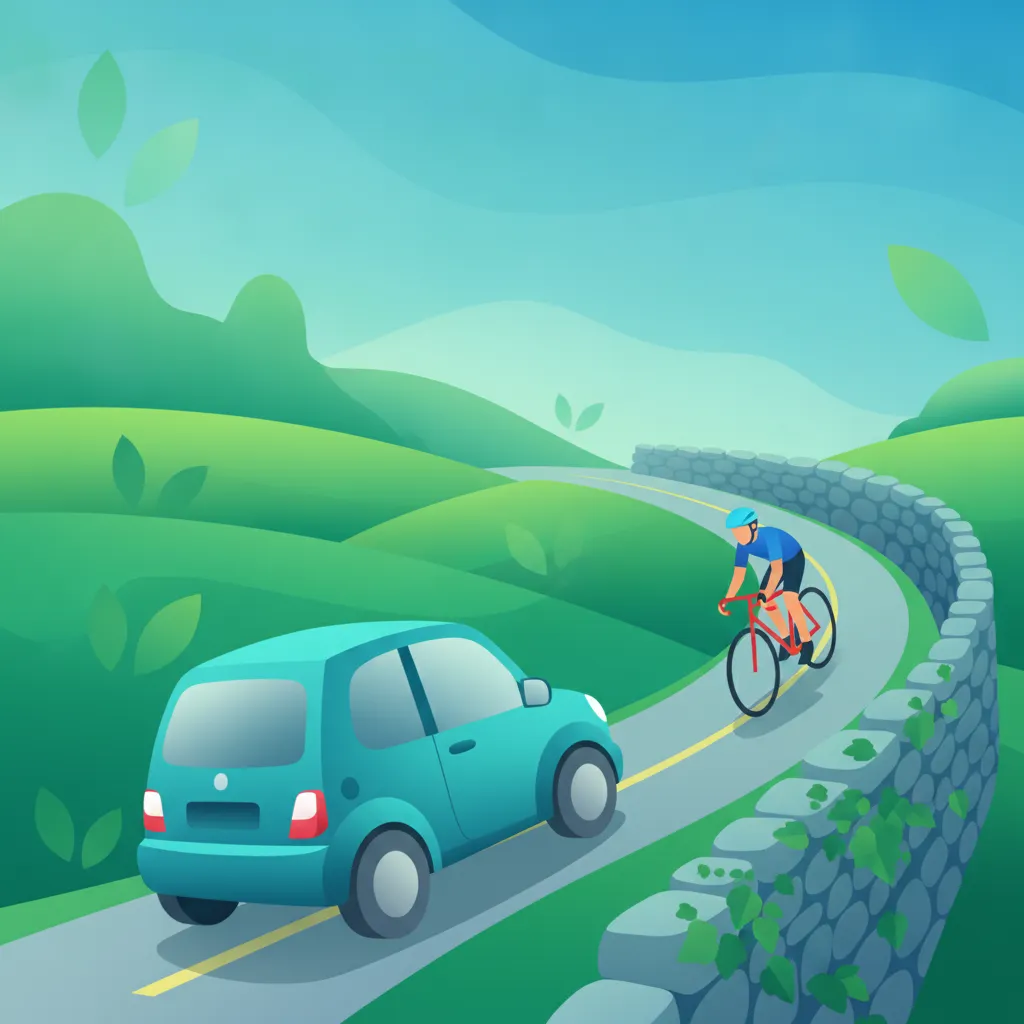
Rural roads present challenges like narrow lanes, poor surfaces, sharp bends, and limited visibility. This lesson teaches drivers how to position their large vehicle to maximize space and visibility, anticipate oncoming traffic at blind corners, and be aware of specific rural hazards. These hazards include slow-moving agricultural vehicles, animals on the road, and concealed farm entrances.
This lesson provides guidance on safely negotiating intersections and roundabouts on a motorcycle. It details the correct procedures for approach, lane selection, and yielding according to Swiss traffic regulations. Emphasis is placed on heightened awareness of other vehicles, cyclists, and pedestrians in these complex traffic environments.
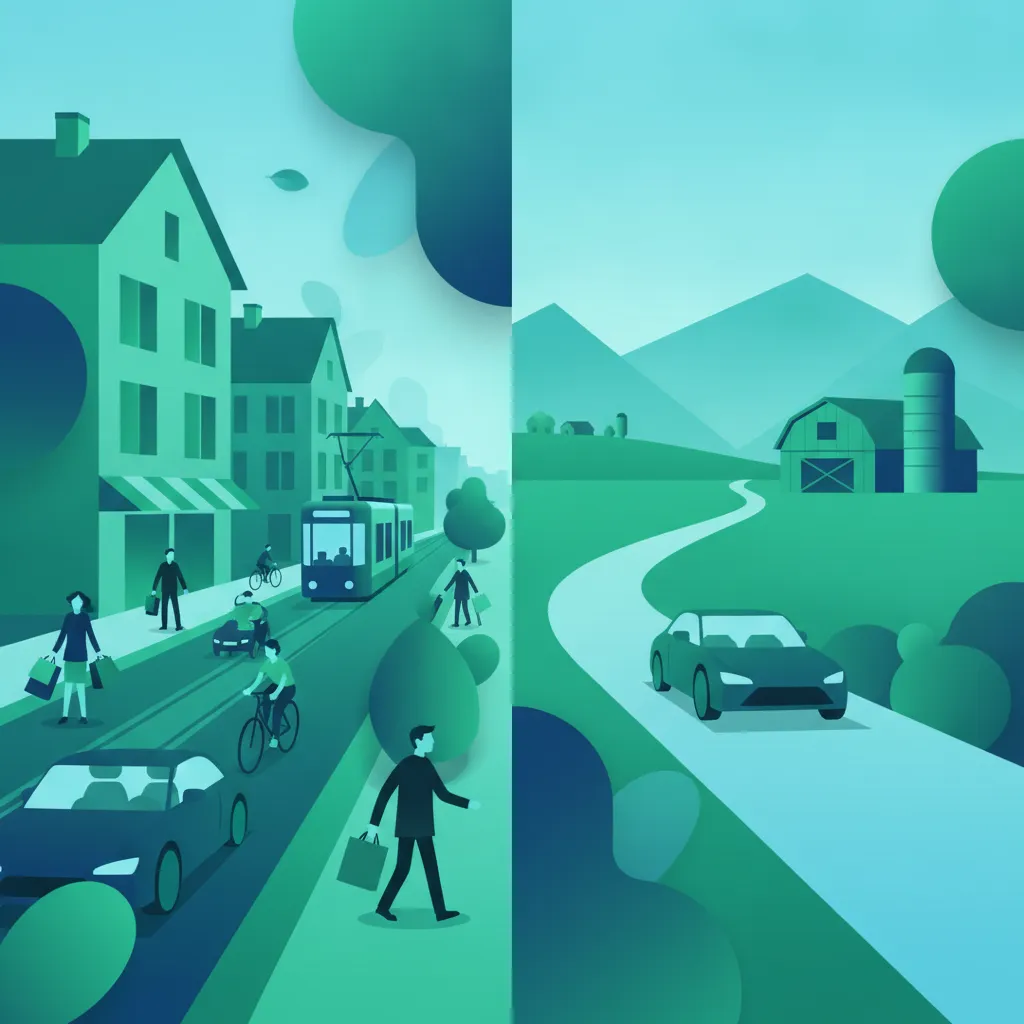
This lesson contrasts the interaction dynamics between road users in urban and rural environments, highlighting differing challenges. It discusses the higher density of pedestrians and cyclists in cities versus the presence of agricultural vehicles and wildlife in rural areas. You will learn how speed limits, visibility, and road layout impact safe interactions.
This lesson outlines the specific rules and skills required for riding on high-speed Swiss motorways. It covers the correct procedures for entering and exiting, merging with traffic, maintaining appropriate speed, and conducting safe overtaking maneuvers. Emphasis is placed on using mirrors and signals effectively to integrate safely into the flow of traffic.
Pedestrians, cyclists, motorcyclists, and e-scooter riders are extremely vulnerable in any interaction with a heavy vehicle. This lesson instills a defensive mindset, teaching drivers to be hyper-aware of VRUs, especially near junctions, crossings, and cycle lanes. It focuses on anticipation and giving VRUs extra space, as they can be unpredictable and are often hidden in blind spots.
This lesson explores the complexities of riding in busy urban areas with a mix of traffic types. It covers strategies for safely navigating alongside buses, trams, cyclists, and pedestrians. Key topics include respecting designated lanes, anticipating the movements of vulnerable road users, and maintaining heightened situational awareness.

This lesson outlines the principles of safe overtaking, emphasizing the importance of accurate judgment of speed and distance. It covers the necessary steps: checking mirrors, signaling, checking blind spots, executing the maneuver smoothly, and returning to the lane safely. The content is tailored to different road environments, from urban streets to rural roads.
Rural driving requires a different mindset from urban driving. This lesson covers how to position your vehicle on narrow roads, how to use passing places effectively, and how to anticipate hazards like slow-moving farm machinery, animals, and concealed junctions. Managing vehicle width and height is a key focus.

This lesson explains strategic lane positioning to enhance visibility and safety in traffic. It covers how to choose a lane position that helps you see and be seen by other drivers, avoiding their blind spots. The content emphasizes maintaining a space cushion around the motorcycle to allow for reaction time and potential escape routes.
Understand your legal obligations and the correct procedures for yielding to police, fire engines, and ambulances on Swiss roads. Ensure you can safely clear the way for emergency responders.
After stopping for an emergency, making the scene safe is the top priority. This lesson details the procedure: activate hazard warning lights, put on high-visibility clothing before exiting the cab, and place the warning triangle at the correct distance behind the vehicle (at least 100m on motorways). This warns approaching traffic and creates a safer environment for the driver and emergency responders.
This lesson focuses on the rules governing when and how to stop a vehicle safely. You will learn to calculate the required stopping distance, considering reaction time and braking distance. The content also covers how to adjust stopping behavior for different road conditions and safe stopping techniques on inclines to ensure the vehicle remains under control.
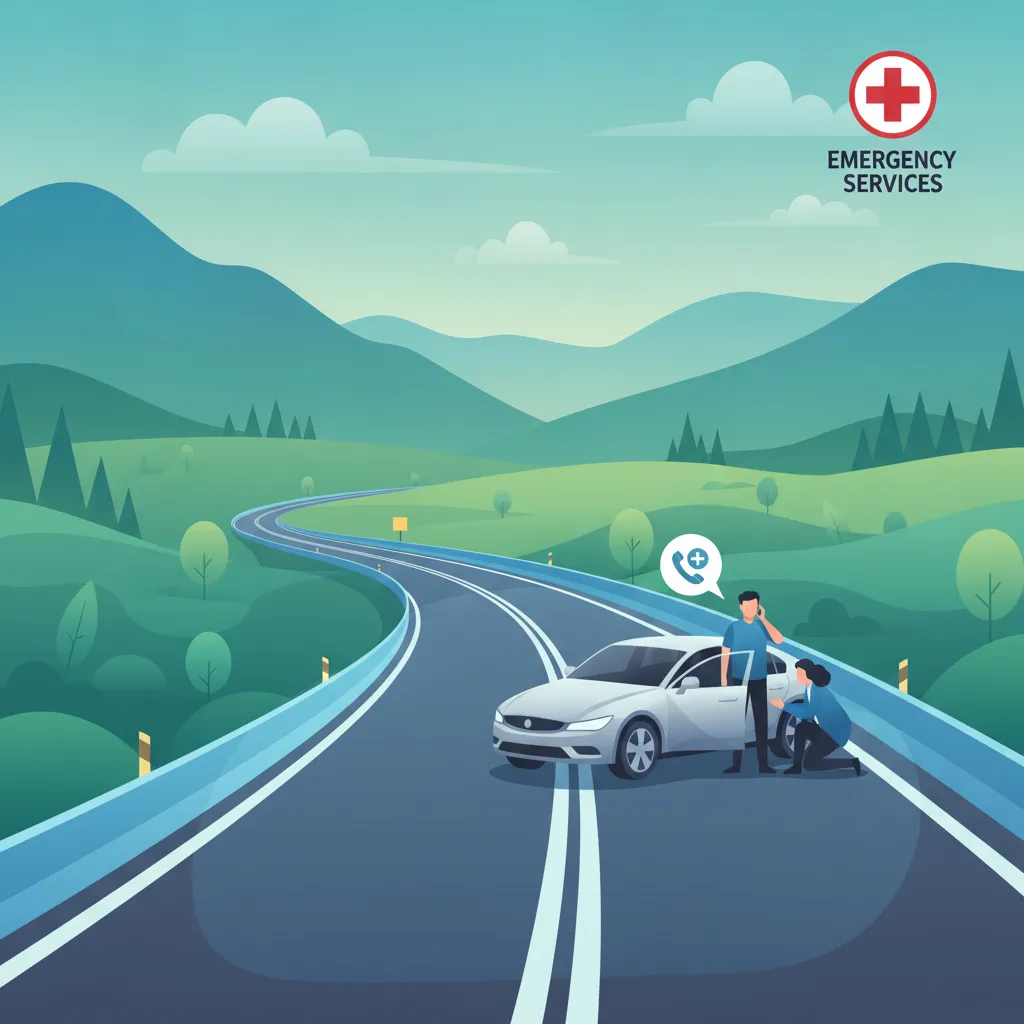
This lesson covers essential first aid skills and the procedures for reporting accidents in Switzerland. It details the use of emergency numbers 112 and 144, the correct placement of warning triangles, and the use of high-visibility vests. The content outlines the steps for securing an accident scene, providing assistance, and coordinating with emergency services.

This lesson focuses on general driving safety in areas with a high concentration of children. It stresses the importance of significantly reducing speed, being prepared for unexpected events, and scanning for children between parked cars. The driver must exhibit maximum vigilance in these high-risk environments at all times.
This lesson examines the rules governing overtaking, including permitted zones, prohibited areas, and appropriate distances. It outlines the proper execution of overtaking maneuvers, including signaling and checking mirrors and blind spots. The content also discusses specific Swiss regulations, such as overtaking on the right in congested traffic, and the need for caution.
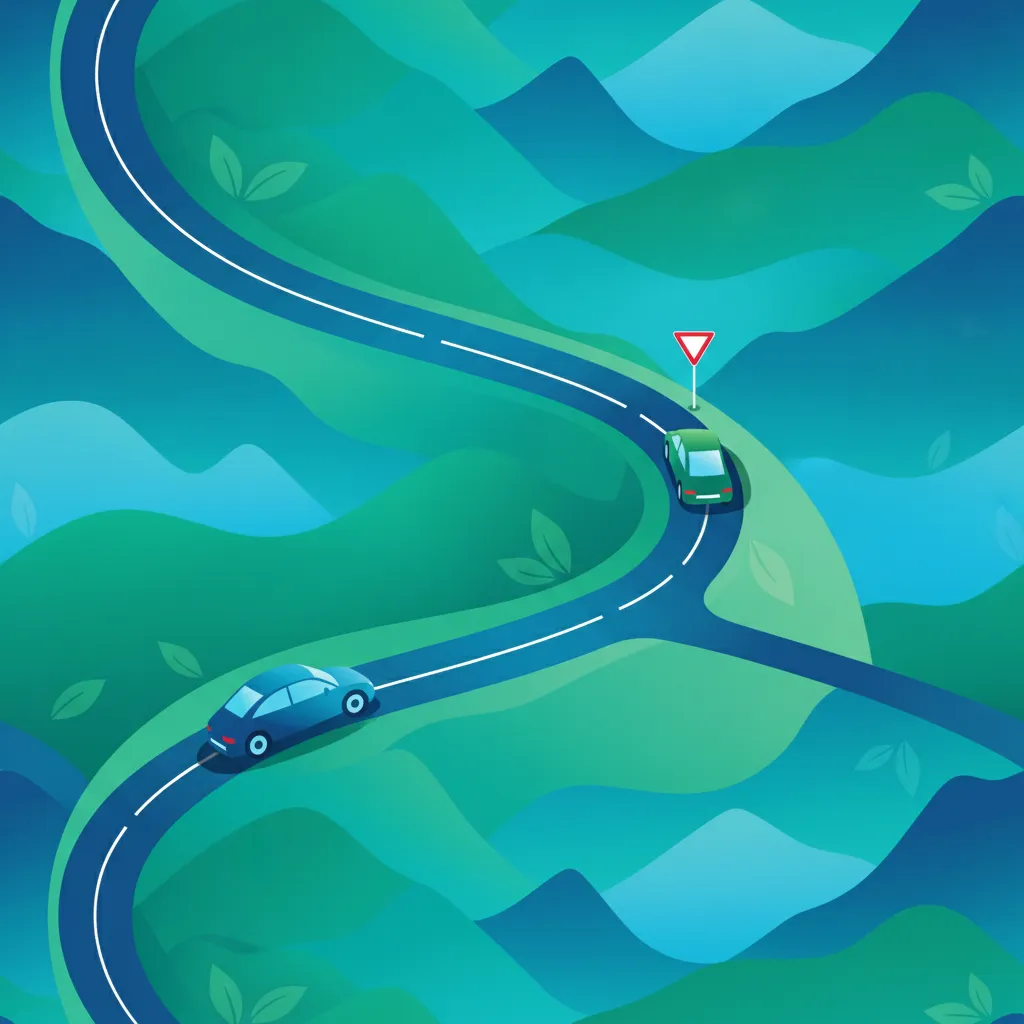
This lesson focuses on the Kein Vortritt rule, which applies when a vehicle must yield to all other traffic. You will learn to recognize scenarios where this rule is in effect, such as at minor roads or when entering a main road. The content also discusses how priority signs and traffic signals override the default right-hand rule, clarifying when you must yield.
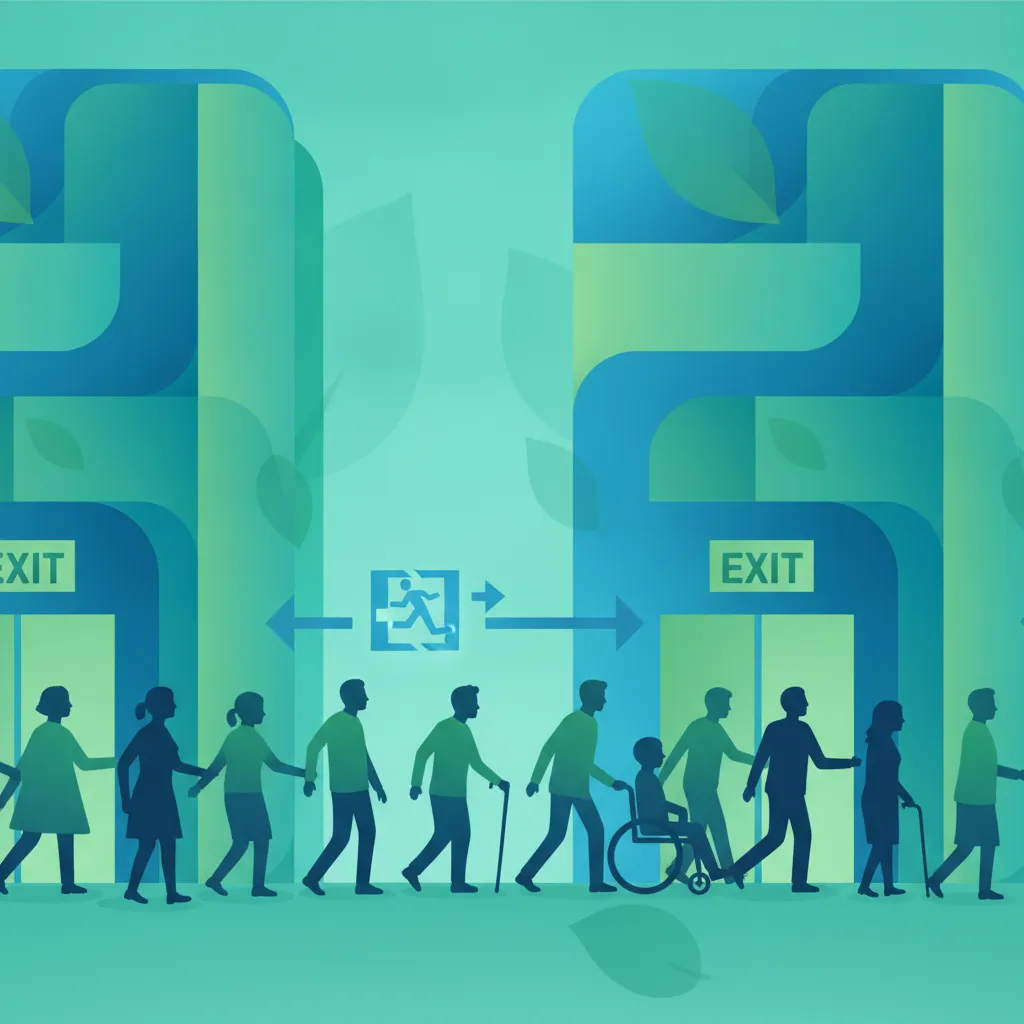
In the event of a fire or other serious danger, a driver must be able to lead an evacuation. This lesson covers the decision-making process, how to use all available emergency exits, and the importance of clear, authoritative communication to guide passengers. The goal is to move everyone to a safe location away from the vehicle and any traffic.
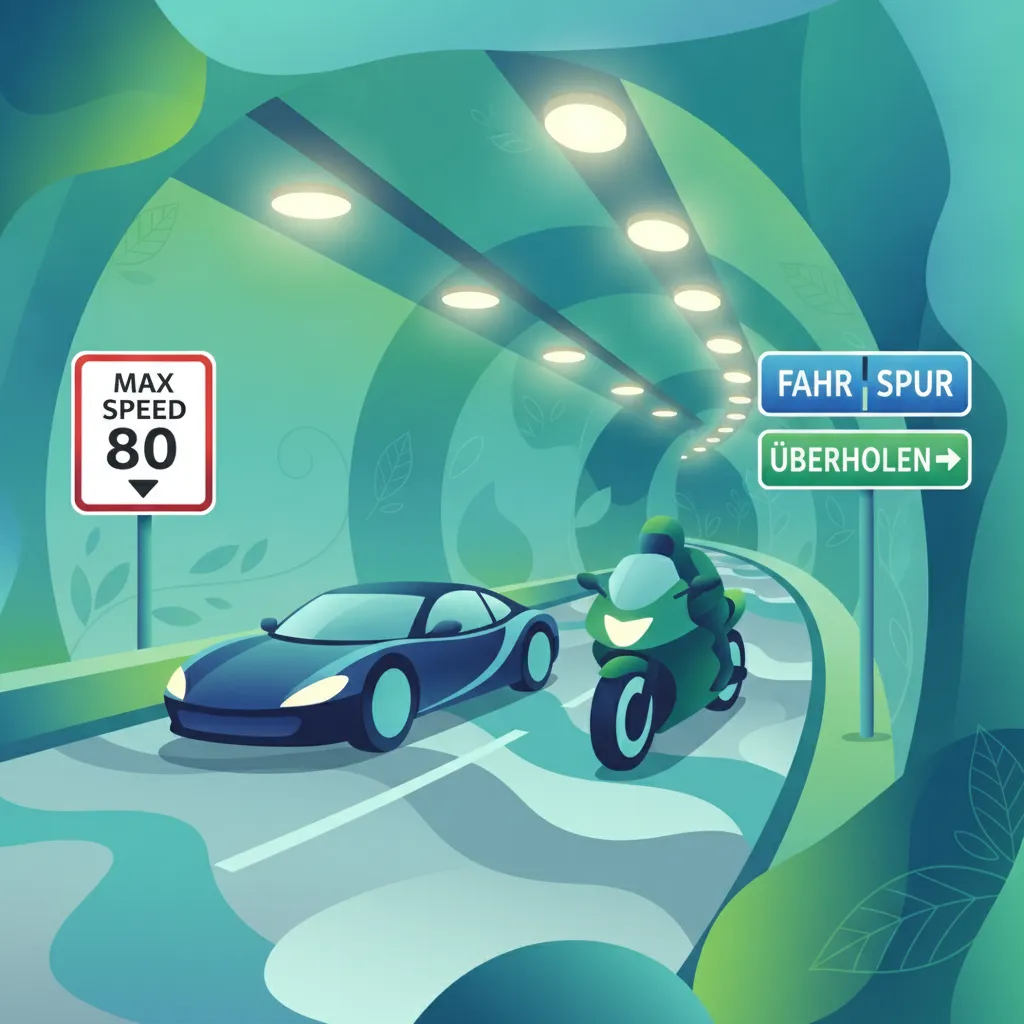
Tunnels are enclosed environments where incidents can quickly escalate. This lesson outlines the specific rules for tunnel driving: remove sunglasses, turn on dipped headlights, maintain a safe following distance, and tune the radio to the indicated frequency. It also covers the critical emergency procedures to follow in the event of a fire or breakdown inside a tunnel.
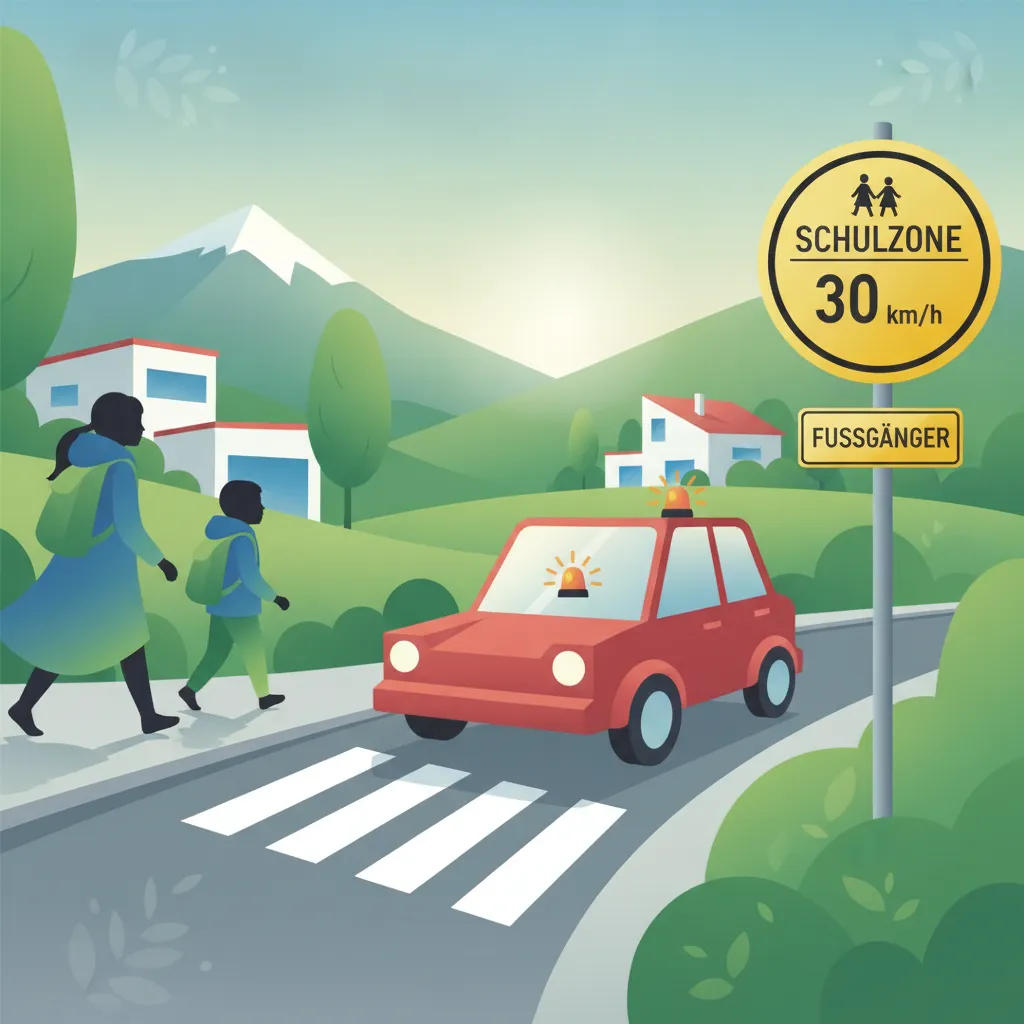
This lesson focuses on school zones, where special speed limits and cautionary measures are required. You will learn to recognize school zone signs, understand reduced speed limits, and be aware of designated child crossing zones. The content also emphasizes the need for heightened vigilance when school buses stop for students to ensure child safety.
Motorway driving requires constant concentration due to high speeds. This lesson emphasizes the importance of staying in the right-hand lane unless overtaking and the specific restrictions on lorry overtaking in Switzerland. It reinforces the need for a following distance of at least four seconds to compensate for the vehicle's long stopping distance and provides guidance on safely merging and exiting.
Find clear answers to common questions learners have about Interaction with Agricultural Vehicles, Tourists, and Emergency Services. Learn how the lesson is structured, which driving theory objectives it supports, and how it fits into the overall learning path of units and curriculum progression in Switzerland. These explanations help you understand key concepts, lesson flow, and exam focused study goals.
You must give way immediately and safely. This may involve slowing down, pulling over to the right, or stopping, provided it is safe to do so. Never block their path or follow an emergency vehicle too closely.
Yes, always ensure you have a clear, long-distance view of the road ahead and sufficient space to complete the pass quickly. Be aware that tractors may make wide, unexpected turns into fields without signaling clearly.
Treat them as potentially unpredictable. They may be distracted by scenery, searching for directions, or unfamiliar with local priority rules (like Rechtsvortritt). Maintain a larger safety margin and be prepared for sudden braking or erratic lane positioning.
Large agricultural vehicles often have limited rear visibility, meaning the driver may not see you. Additionally, they often shed dirt, gravel, or debris onto the road, which poses a significant traction risk for a motorcycle.
Pinpoint specific Swiss traffic rules, road signs, or driving situations you need to master. Use the practice search to start a focused revision session now and build confidence for your official driving theory exam.