
This lesson teaches you how to identify and safely navigate common road surface hazards encountered on Swiss roads, such as tram tracks, gravel, and cobblestones. Understanding these conditions is critical for maintaining traction and stability, and is a key topic in both your motorcycle theory exam and practical riding preparation.

Lesson content overview
Navigating the diverse roads of Switzerland on a motorcycle offers an exhilarating experience, but it also demands a keen awareness of specific road surface hazards. Unlike cars, motorcycles have a smaller contact patch with the road, making them particularly sensitive to changes in surface texture and friction. This lesson is designed for riders pursuing a Swiss Motorcycle Licence Theory Course for Categories A, A1, focusing on three common challenges: tram rails, cobblestones, and loose gravel.
Understanding these hazards is not merely about avoiding accidents; it's about developing the proactive skills to identify risks, adapt your riding style, and maintain control under varying conditions. Mastery of these techniques will enhance your safety, confidence, and overall riding pleasure, whether you're cruising through an urban center or traversing a winding mountain pass.
The foundational principle of motorcycle control is traction – the friction between your tires and the road surface that enables acceleration, braking, and cornering. When this friction is compromised, even momentarily, the risk of losing control increases significantly. Specific road surfaces inherently offer less traction than dry asphalt, demanding adjustments from the rider.
Traction is a complex interaction influenced by tire design, vehicle weight, and the coefficient of friction (μ) between the tire and the road. On standard dry asphalt, the coefficient of friction is relatively high, allowing for substantial lean angles and effective braking. However, certain surfaces drastically reduce this coefficient. Smooth metal, like tram rails, offers very little grip, especially when wet. Uneven surfaces, such as cobblestones, cause the tire to constantly lose and regain contact, leading to instability. Loose materials, like gravel, prevent the tire from directly gripping the underlying road, as the particles themselves shift and slide.
Understanding these physical properties is crucial because it dictates how much force your tires can generate before sliding. When traction is low, the motorcycle's ability to lean, accelerate, or brake is severely limited. Riders must compensate for this reduction by altering their speed, trajectory, and control inputs.
One of the most critical skills for motorcycle safety is the ability to scan-and-anticipate – constantly looking far ahead to identify potential hazards before they become immediate threats. For specific road surface hazards, this means identifying tram rails, cobblestone sections, or patches of gravel well in advance. Early detection provides the necessary time to process the information, adjust your speed, and plan a safe path.
Delaying hazard recognition reduces your reaction time, forcing abrupt maneuvers that can be dangerous on low-traction surfaces. By consistently scanning ahead, you create a safety buffer, allowing for smooth, controlled adjustments that minimize risk and maintain stability. This proactive approach is a cornerstone of safe riding in all conditions, but particularly vital when surface hazards are present.
Tram rails are a common feature in many Swiss urban environments, presenting a unique challenge for motorcyclists. Their smooth, metallic surface offers significantly less friction than the surrounding road, making them a prime location for wheel slip if not approached correctly.
Tram rails typically appear as metal strips embedded in the road surface.
The primary risk associated with tram rails is front wheel slip. If your front wheel, particularly when leaned, crosses a rail at a shallow angle, it can slide out from under you, causing an immediate fall. The grooves of the tracks can also trap a motorcycle tire, potentially deflecting your steering or causing the bike to follow the rail unexpectedly.
Safe navigation of tram rails relies on a combination of reduced speed, precise path selection, and controlled body positioning.
Reduce Speed Significantly: Approach tram rails at a slow, controlled speed. This reduces the forces acting on the tires, giving you more time to react and minimizing the impact of any brief loss of traction. A speed of approximately 20 km/h is often appropriate, but always adjust to conditions.
Cross Perpendicularly: Aim to cross the rails as close to a 90-degree angle as possible. This minimizes the length of time your tire is in contact with the slippery metal surface and reduces the chance of the tire slipping along the rail or getting caught in the groove.
Maintain an Upright Position: Avoid leaning the motorcycle when crossing tram rails. Keep the bike as upright as possible, minimizing any lateral forces that could cause the tires to slip. If you must turn, complete the turn before or after the rails, or make the turn extremely gentle and upright while crossing.
Steady Throttle: Maintain a steady, neutral throttle as you cross. Avoid sudden acceleration or deceleration, as these inputs can upset the bike's balance and increase the likelihood of a slip.
Look Ahead: Focus your gaze beyond the rails to where you want to go. This helps maintain balance and keeps your trajectory straight.
Many accidents involving tram rails stem from common misjudgments:
Wet tram rails are exponentially more hazardous. In rainy conditions, further reduce your speed and increase your caution. The combination of metal and water creates an extremely low-friction surface.
Cobblestone streets, frequently found in the historic centers of Swiss towns and cities, add an element of charm but present a significant challenge for motorcyclists. Their uneven, often rounded surfaces create a constantly changing contact patch for the tires, leading to instability and reduced grip.
Cobblestones are typically small, rounded stones set into the road. They can vary greatly in size, spacing, and smoothness:
The primary grip challenge on cobblestones is the periodic loss of traction. As your tires move over the uneven stones, they momentarily lose contact or have reduced contact with the surface. This can cause the bike to bounce, weave, and feel unstable. Braking distances are significantly increased, and cornering grip is severely reduced. The constant vibration can also lead to rider fatigue and a tendency to grip the handlebars too tightly, which further compromises steering.
To navigate cobblestones safely, a deliberate and controlled approach is essential.
Reduce Speed: This is the most crucial step. A slower speed allows the suspension to work more effectively, reduces the impact of bumps, and gives you more time to react to the bike's movements. Aim for a speed that feels stable and comfortable, typically much lower than on asphalt.
Select Your Path Carefully: Look for the smoothest possible path within the cobblestone area. Often, the center of the lane where vehicle tires have compacted the stones, or the very edges, might be slightly less uneven. Avoid abrupt changes in direction.
Maintain a Light Grip: Resist the urge to grip the handlebars tightly. A relaxed grip allows the handlebars to move naturally with the bike's front wheel as it navigates the uneven surface. Tensing up can transmit every jolt directly to your body and interfere with the bike's natural steering.
Keep the Bike Upright: Avoid aggressive leaning or sharp turns on cobblestones. Maintain an upright riding posture and minimize lean angle, especially when turning.
Steady Throttle: Use a steady, light throttle to maintain momentum without sudden acceleration. Avoid abrupt braking, which can easily cause a wheel to lock up on the low-grip surface. Use both front and rear brakes gently and progressively if braking is necessary.
Consider Standing on Footpegs (Advanced): For experienced riders, slightly rising off the seat and standing on the footpegs can allow your legs to act as an additional suspension system, absorbing shocks and maintaining better balance and control. This technique is particularly useful on very rough cobblestones.
Beyond the initial challenges, consistent riding on cobblestones can lead to fatigue. Ensure you remain alert and take breaks if necessary. Remember that carrying a passenger or luggage will shift the motorcycle's center of gravity and potentially make the bike feel even more unstable on uneven surfaces. Adjust your speed and technique accordingly, increasing your following distance to provide more space for correction.
When riding in groups, communicate about upcoming cobblestone sections so everyone can adjust their speed and formation in advance.
Loose gravel is a common hazard, especially on rural roads, mountain passes, and construction zones in Switzerland. It significantly reduces tire grip, making braking, cornering, and acceleration challenging.
Gravel refers to loose, small stones and sand particles on the road surface.
Regardless of its compaction, gravel reduces the friction coefficient between your tires and the road. When you brake, the tires try to push the gravel forward, extending stopping distances. During cornering, the gravel can slide laterally, causing the bike to lose its line. Sudden acceleration can cause the rear wheel to spin out.
Riding on gravel requires smooth, deliberate inputs and a deep understanding of controlled braking.
Reduce Speed Significantly: As with all low-traction surfaces, reducing your speed is paramount. This minimizes kinetic energy, giving you more time to react and reducing the forces that can cause a slide.
Smooth Inputs: Avoid any sudden movements with the throttle, brakes, or steering. All inputs should be gentle and progressive.
Controlled Braking: This is crucial on gravel.
Path Selection: Look for areas of the gravel that appear more compacted or firmer, often towards the edges of the road where less traffic has disturbed the surface, or in tire tracks from other vehicles. Avoid deep, loose patches.
Counterbalancing (Advanced): In gentle corners on gravel, some riders find it helpful to slightly counterbalance, keeping the motorcycle more upright while shifting their body weight to the inside of the turn. This helps maintain a better contact patch.
Even on seemingly clear roads, unexpected patches of gravel can appear, especially after construction work or heavy rain.
Motorcycles with traction control systems can help manage rear wheel slip on gravel during acceleration, but they do not negate the need for reduced speed and smooth inputs.
While each surface hazard presents unique challenges, several overarching principles apply to all situations where traction is compromised. Adhering to these principles will equip you to handle a wider range of challenging road conditions.
The core strategy for any low-traction surface is to reduce speed. Lower speeds mean less kinetic energy, less force required for braking or turning, and more time for the rider to react to the bike's behavior. Always approach known or suspected hazards at an adjusted speed that feels safe and allows for error correction.
Path selection involves choosing the safest line through or around the hazard. This might mean:
By consciously selecting your path, you maximize your tires' contact with the most stable part of the surface, enhancing control.
Controlled braking is paramount. On any low-traction surface, aggressive braking can easily lock a wheel, leading to a skid and loss of control. Instead, use progressive braking, applying pressure gradually and smoothly. Remember the advice for gravel: prioritize gentle rear braking and use the front brake with extreme caution.
Body positioning also plays a critical role.
Both vehicle load and weather conditions critically influence how a motorcycle performs on hazardous surfaces.
Always adapt your riding strategy based on these variables, making more conservative choices when conditions are less than ideal.
Swiss traffic regulations emphasize safe and responsible riding, particularly when encountering challenging road conditions. While specific speed limits might not be posted for every patch of gravel, the overarching principle is to maintain an appropriate speed relative to the road conditions, traffic, and visibility.
The fundamental principle enshrined in Swiss traffic law is that drivers must adapt their speed to prevailing circumstances. This explicitly includes road surface conditions. Therefore, when encountering tram rails, cobblestones, or gravel, the law mandates a reduction in speed to ensure safe passage. Failing to do so, and subsequently losing control, can lead to legal consequences for dangerous driving.
Always ensure your speed allows you to stop safely within the visible distance ahead and maintain full control of your motorcycle, especially on reduced-traction surfaces.
Another crucial, legally mandated practice is maintaining a safe following distance. This is especially vital when approaching or traversing hazardous road surfaces. An increased following distance provides:
The general rule of thumb is to maintain at least a two-second gap in ideal conditions, increasing this to four seconds or more on wet roads, gravel, or when approaching known hazards.
Mastering the art of riding on variable surfaces is a continuous learning process. It combines an understanding of physics, proactive observation, and practiced control techniques.
Your eyes are your primary safety tool. Cultivate the habit of continuous, far-sighted scanning. Look for tell-tale signs of upcoming hazards:
Always assess the risk dynamically. Is the surface wet? Is there a tight turn? Is there heavy traffic? Each factor adds to the complexity and demands a more cautious approach.
Theory provides the knowledge, but only practice builds skill and confidence. Whenever safe and legal, seek opportunities to practice these techniques in controlled environments. Ride slowly over unthreatening gravel patches to feel the bike's behavior. Experience helps you to trust your motorcycle's limits and your own abilities.
By diligently applying the principles outlined in this lesson, you will be well-equipped to manage specific road surface hazards, enhancing your safety and enjoyment on every ride throughout Switzerland.
This lesson covers the physics of motorcycle traction and specific techniques for navigating three common Swiss road surface hazards: tram rails, cobblestones, and loose gravel. The core principle across all surfaces is significant speed reduction combined with smooth, progressive control inputs and an upright body position. Tram rails require perpendicular crossing technique at low speed to prevent front wheel slip; cobblestones demand slow speeds, light grip, and path selection; gravel requires gentle rear braking priority and avoidance of sudden inputs. Swiss traffic law mandates adapting speed to road conditions, making these techniques both safety essentials and legal requirements for the theory exam.
A short set of high-value points that capture the most important learning from this lesson.
Traction is the frictional force between tires and road surface that enables acceleration, braking, and cornering; when this friction is reduced, your ability to lean, brake, or accelerate is severely limited
Cross tram rails at a near-perpendicular angle (90 degrees) at reduced speed while keeping the motorcycle upright and maintaining steady throttle
On cobblestones, reduce speed significantly and maintain a light, relaxed grip on the handlebars to allow the front wheel to navigate the uneven surface naturally
On loose gravel, prioritize gentle rear braking over front braking and avoid any sudden control inputs that could lock wheels
Proactive scanning ahead and speed adjustment are the core strategies for managing all low-traction surfaces safely
Explore all units and lessons included in this driving theory course.
Standard embedded tram rails are flush with the road but highly slippery, especially when wet; raised tracks can cause wheel hop and deflection
On cobblestones, look for the smoothest path (often tire tracks or edges) and consider standing on footpegs on very rough sections
On gravel, the rear brake is more effective and recoverable than front brake if it locks; avoid ABS over-reliance on very loose gravel
Wet conditions exponentially increase hazard severity on all three surface types; speed reduction must be even greater
Load (passengers or luggage) shifts the center of gravity and increases momentum, requiring more conservative speed and gentler inputs
Crossing tram rails at a shallow angle maximizes tire contact time on slippery metal and greatly increases slip risk
Gripping handlebars tightly on cobblestones transfers instability to the rider's body and interferes with natural steering
Using aggressive front braking on gravel can lock the front wheel, which almost always results in a fall
Failing to reduce speed appropriately before encountering surface hazards, leaving insufficient reaction time
Leaning aggressively while crossing any low-traction surface puts excessive lateral stress on tires, easily causing a slide
Lesson content overview
A short set of high-value points that capture the most important learning from this lesson.
Traction is the frictional force between tires and road surface that enables acceleration, braking, and cornering; when this friction is reduced, your ability to lean, brake, or accelerate is severely limited
Cross tram rails at a near-perpendicular angle (90 degrees) at reduced speed while keeping the motorcycle upright and maintaining steady throttle
On cobblestones, reduce speed significantly and maintain a light, relaxed grip on the handlebars to allow the front wheel to navigate the uneven surface naturally
On loose gravel, prioritize gentle rear braking over front braking and avoid any sudden control inputs that could lock wheels
Proactive scanning ahead and speed adjustment are the core strategies for managing all low-traction surfaces safely
Explore all units and lessons included in this driving theory course.
Standard embedded tram rails are flush with the road but highly slippery, especially when wet; raised tracks can cause wheel hop and deflection
On cobblestones, look for the smoothest path (often tire tracks or edges) and consider standing on footpegs on very rough sections
On gravel, the rear brake is more effective and recoverable than front brake if it locks; avoid ABS over-reliance on very loose gravel
Wet conditions exponentially increase hazard severity on all three surface types; speed reduction must be even greater
Load (passengers or luggage) shifts the center of gravity and increases momentum, requiring more conservative speed and gentler inputs
Crossing tram rails at a shallow angle maximizes tire contact time on slippery metal and greatly increases slip risk
Gripping handlebars tightly on cobblestones transfers instability to the rider's body and interferes with natural steering
Using aggressive front braking on gravel can lock the front wheel, which almost always results in a fall
Failing to reduce speed appropriately before encountering surface hazards, leaving insufficient reaction time
Leaning aggressively while crossing any low-traction surface puts excessive lateral stress on tires, easily causing a slide
Explore search topics learners often look for when studying Specific Road Surface Hazards (Tram Rails, Cobblestones, Gravel). These topics reflect common questions about road rules, driving situations, safety guidance, and lesson level theory preparation for learners in Switzerland.
Browse additional driving theory lessons that cover connected traffic rules, road signs, and common driving situations related to this topic. Improve your understanding of how different rules interact across everyday traffic scenarios.
Expand your skills in managing challenging Swiss road surfaces like gravel, tram rails, and cobblestones. Learn advanced techniques for speed, braking, and body positioning to maintain control and stability on difficult terrain, crucial for advanced rider safety.

This lesson explores the typical features of rural and alpine roads, such as narrow lanes, sharp bends, and significant elevation changes. It discusses the need for heightened awareness due to limited sight distances and the potential for unexpected hazards like wildlife or agricultural vehicles. Riders will learn to adapt their speed and positioning for these challenging conditions.

This lesson teaches riders how to identify and manage different road surfaces that can affect tyre traction. It covers the challenges posed by wet pavement, loose gravel, cobblestones, and slippery tram rails. Learners will understand how to adjust their inputs for throttle, brakes, and steering to maintain grip and control in these conditions.

This lesson teaches riders how to adapt their technique for a variety of challenging road surfaces. It explains how loose surfaces like gravel reduce grip and require smoother steering and braking inputs. The content also covers the hazards of slippery surfaces like wet cobblestones, manhole covers, and fallen leaves.

This lesson explores the complexities of riding in busy urban areas with a mix of traffic types. It covers strategies for safely navigating alongside buses, trams, cyclists, and pedestrians. Key topics include respecting designated lanes, anticipating the movements of vulnerable road users, and maintaining heightened situational awareness.

This lesson provides specialized techniques for safely handling hairpin turns and steep gradients. It teaches riders how to manage speed on approach, select the correct line through the bend, and use both brakes and engine braking on descents. Proper throttle control for maintaining momentum on uphill climbs is also covered.
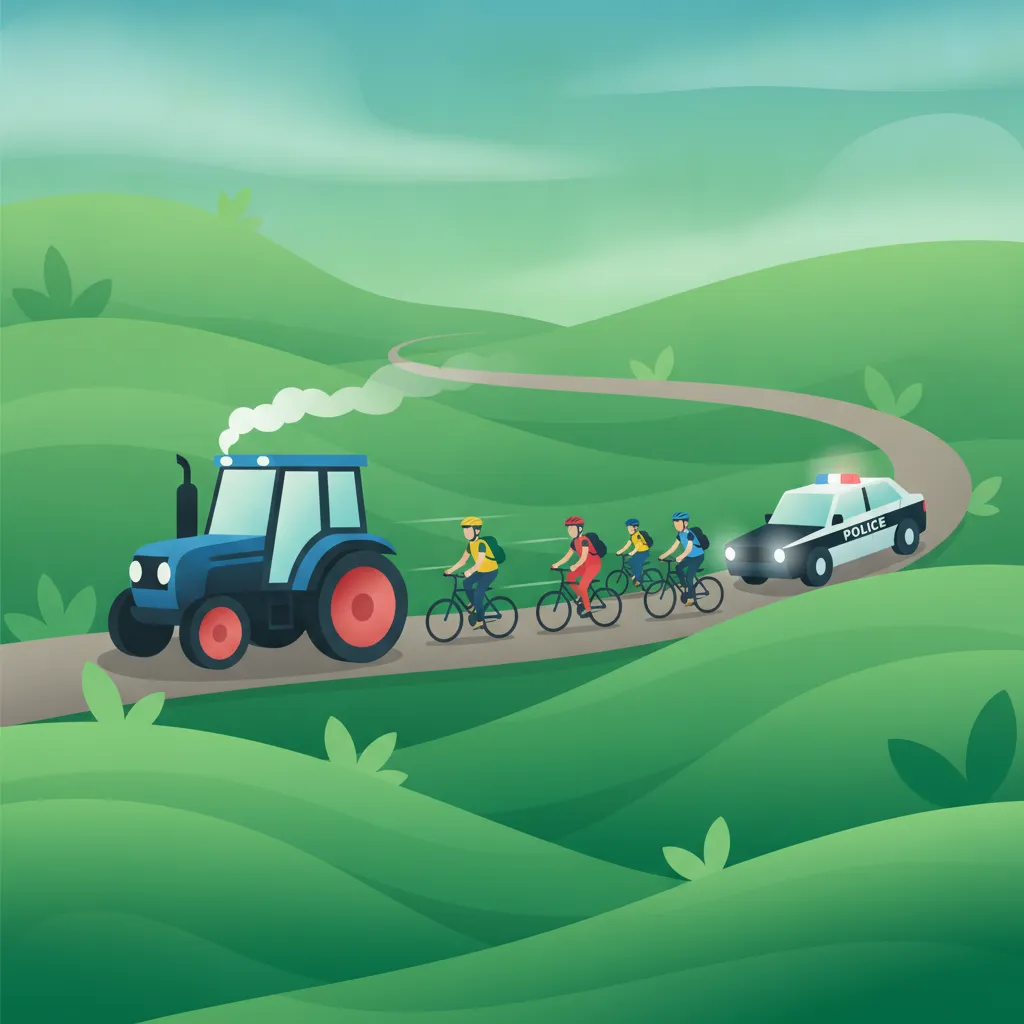
This lesson focuses on strategies for safely interacting with non-standard traffic common on rural roads. It covers how to anticipate the behaviour of slow-moving farm equipment and tourist vehicles, and the legal requirement to yield to emergency services. The importance of patience and safe passing opportunities is stressed.

This lesson focuses on adapting braking techniques for low-traction surfaces like wet or icy roads. It explains the need for gentle, progressive brake application to prevent wheel lock-up and maintain control. Learners will understand how to scan the road ahead for potential hazards and adjust their braking strategy accordingly.

This lesson focuses on driving on mountain roads, addressing steep gradients, hairpin bends, and altitude-related challenges. You will learn proper techniques for climbing ascents and using engine braking on descents. The content also covers the use of snow chains, recognizing avalanche risks, and interpreting mountain road signs for safe alpine navigation.

This lesson details how adverse weather conditions like rain, fog, and snow affect motorcycle safety. It explains how wet surfaces reduce tyre grip, requiring smoother control inputs and longer braking distances. Strategies for managing reduced visibility in fog and the extreme hazards of riding on snow and ice are also covered.
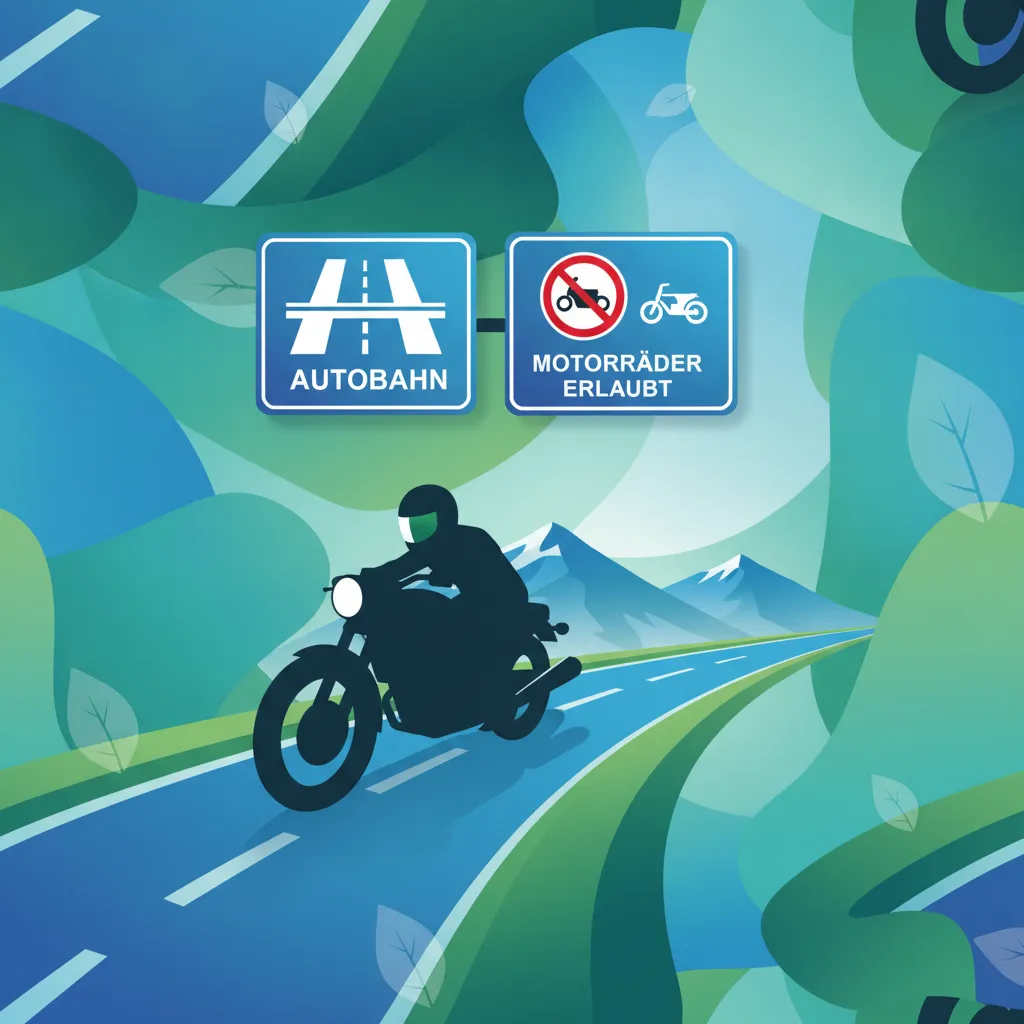
This lesson outlines the specific rules and skills required for riding on high-speed Swiss motorways. It covers the correct procedures for entering and exiting, merging with traffic, maintaining appropriate speed, and conducting safe overtaking maneuvers. Emphasis is placed on using mirrors and signals effectively to integrate safely into the flow of traffic.
Explore practical scenarios of navigating common road surface hazards in Switzerland, including tram rails, cobblestones, and gravel. Understand typical rider mistakes and learn how to apply safe techniques for hazard perception and control in diverse traffic situations.
This lesson explores the typical features of rural and alpine roads, such as narrow lanes, sharp bends, and significant elevation changes. It discusses the need for heightened awareness due to limited sight distances and the potential for unexpected hazards like wildlife or agricultural vehicles. Riders will learn to adapt their speed and positioning for these challenging conditions.
This lesson explores the complexities of riding in busy urban areas with a mix of traffic types. It covers strategies for safely navigating alongside buses, trams, cyclists, and pedestrians. Key topics include respecting designated lanes, anticipating the movements of vulnerable road users, and maintaining heightened situational awareness.
This lesson teaches riders how to identify and manage different road surfaces that can affect tyre traction. It covers the challenges posed by wet pavement, loose gravel, cobblestones, and slippery tram rails. Learners will understand how to adjust their inputs for throttle, brakes, and steering to maintain grip and control in these conditions.
This lesson focuses on strategies for safely interacting with non-standard traffic common on rural roads. It covers how to anticipate the behaviour of slow-moving farm equipment and tourist vehicles, and the legal requirement to yield to emergency services. The importance of patience and safe passing opportunities is stressed.
This lesson teaches riders how to adapt their technique for a variety of challenging road surfaces. It explains how loose surfaces like gravel reduce grip and require smoother steering and braking inputs. The content also covers the hazards of slippery surfaces like wet cobblestones, manhole covers, and fallen leaves.
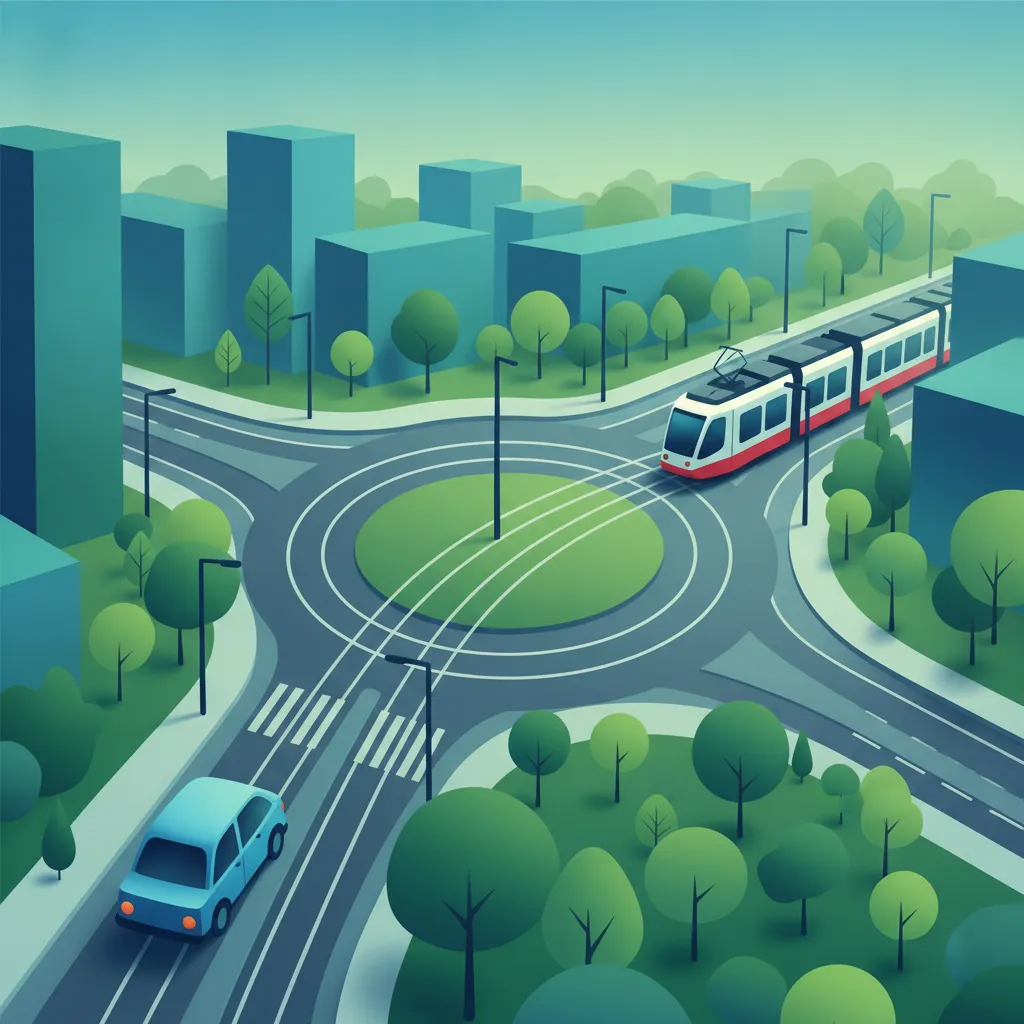
This lesson provides guidance on safely navigating roundabouts and tram lanes, common features in Swiss cities. It covers the rules for yielding, lane positioning within the roundabout, and signaling intentions upon exiting. Special attention is given to the hazards of crossing slippery tram tracks and sharing the road with public transport.
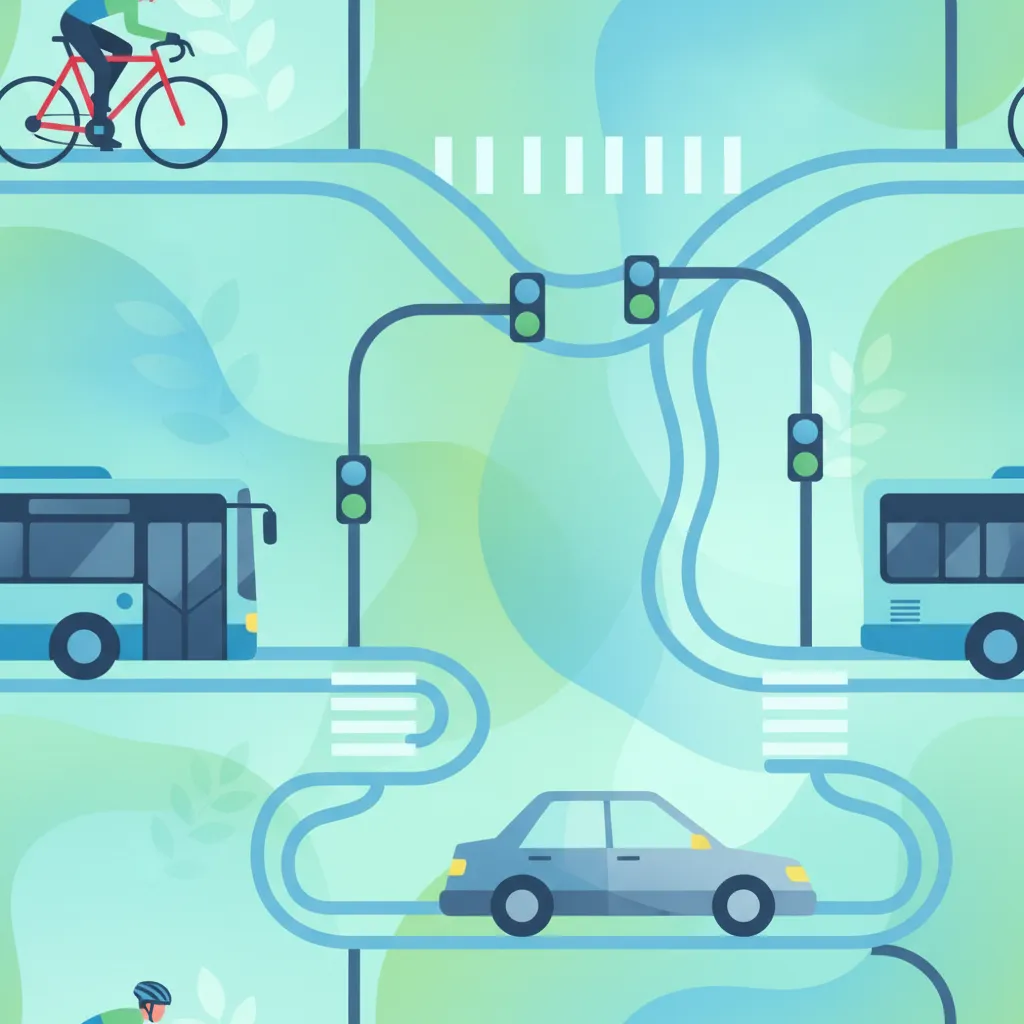
This lesson provides guidance on safely negotiating intersections and roundabouts on a motorcycle. It details the correct procedures for approach, lane selection, and yielding according to Swiss traffic regulations. Emphasis is placed on heightened awareness of other vehicles, cyclists, and pedestrians in these complex traffic environments.
This lesson details how adverse weather conditions like rain, fog, and snow affect motorcycle safety. It explains how wet surfaces reduce tyre grip, requiring smoother control inputs and longer braking distances. Strategies for managing reduced visibility in fog and the extreme hazards of riding on snow and ice are also covered.
This lesson outlines the specific rules and skills required for riding on high-speed Swiss motorways. It covers the correct procedures for entering and exiting, merging with traffic, maintaining appropriate speed, and conducting safe overtaking maneuvers. Emphasis is placed on using mirrors and signals effectively to integrate safely into the flow of traffic.
This lesson explores the necessary preparations and adjustments for riding throughout the year. It discusses the specific challenges of winter riding, such as cold temperatures and icy roads, and summer riding, like overheating and sun glare. The content emphasizes proactive planning, including checking weather forecasts and selecting appropriate seasonal gear.
Find clear answers to common questions learners have about Specific Road Surface Hazards (Tram Rails, Cobblestones, Gravel). Learn how the lesson is structured, which driving theory objectives it supports, and how it fits into the overall learning path of units and curriculum progression in Switzerland. These explanations help you understand key concepts, lesson flow, and exam focused study goals.
Tram rails are made of steel, which becomes extremely slippery when wet. If your tyre gets caught in the groove or crosses at an acute angle, your bike can easily lose traction, leading to a fall.
On cobblestones, traction is significantly reduced. Keep your speed low, stay off the front brake, and maintain a smooth, steady throttle to keep the motorcycle stable and balanced.
The exam often uses images or scenarios where you must identify potential hazards, such as a patch of gravel in a corner or tram tracks at an intersection, and select the correct rider response regarding speed and lane position.
Yes, light motorcycles can be easily deflected by loose gravel. Riders of all categories must treat gravel as a loss-of-traction zone by slowing down early and avoiding abrupt steering or braking inputs.
Pinpoint specific Swiss traffic rules, road signs, or driving situations you need to master. Use the practice search to start a focused revision session now and build confidence for your official driving theory exam.