
This lesson guides you through your legal obligations when involved in a traffic incident while riding your motorcycle in Switzerland. You will learn the mandatory procedures for reporting accidents and how to interact safely and professionally with police and emergency services, ensuring you are prepared for both the theory exam and real-world emergencies.
Lesson content overview
This lesson covers the legal framework for reporting traffic incidents in Switzerland, specifically addressing obligations under the Road Traffic Rules Ordinance (RVV). Learners must understand that Article 85 RVV requires immediate police reporting for injuries and property damage exceeding the threshold, while Article 71 RVV establishes the duty to render assistance by calling EMS and remaining at the scene. Proper scene management involves activating hazard lights and placing warning triangles at road-specific distances, with motorways requiring 200 metres. Communication with authorities must be factual and complete, covering personal details, vehicle information, precise location using kilometer markers, and environmental conditions. Common violations include hit-and-run (Fahrerflucht), providing false statements, failing to place warning devices, and missing reporting deadlines, all carrying significant legal and insurance consequences.
A short set of high-value points that capture the most important learning from this lesson.
Swiss law mandates immediate police reporting for any injury or death, and within 24 hours for property damage exceeding the legal threshold under Article 85 RVV
After stopping, immediately activate hazard warning lights and place a reflective warning triangle at the prescribed distance (200m on motorways, 100m on rural roads, reduced in urban areas) per Article 61 RVV
The duty to assist under Article 71 RVV requires calling emergency services (145 or 112) for any injury and remaining at the scene until cleared by police
When providing statements to police, only communicate factual, objective information about what you observed; speculation or exaggeration violates Article 84 and constitutes a criminal offense
Vulnerable road users such as pedestrians and cyclists require immediate EMS notification due to their higher injury risk, and accidents in tunnels demand extra caution due to confined spaces
Explore all units and lessons included in this driving theory course.
Police report (Unfallmeldung) must be filed within 24 hours for property damage only; injuries require immediate reporting
Emergency numbers in Switzerland are 145 for ambulance/EMS and 112 for general emergencies
Kilometer markers (Kilometerstein) along Swiss roads are essential for providing precise location to emergency services
Leaving the scene of an accident, even briefly, without fulfilling assistance and reporting duties constitutes Fahrerflucht (hit-and-run), a serious criminal offense
The scene must be preserved: do not move vehicles unless they pose immediate danger, and photograph the scene including vehicle positions, damage, and road conditions
Assuming minor property damage does not require reporting; the threshold may be exceeded even when damage appears insignificant
Attempting to leave before police complete their assessment, which can be treated as hit-and-run regardless of damage severity
Exaggerating or falsifying accident details to police or insurance, which violates Article 84 RVV and may result in fraud charges and denied claims
Placing warning triangles at incorrect distances on motorways, significantly reducing approaching drivers' reaction time and creating secondary collision risk
Delaying the EMS call assuming injuries are minor; let medical professionals assess severity rather than making that judgment yourself
Lesson content overview
A short set of high-value points that capture the most important learning from this lesson.
Swiss law mandates immediate police reporting for any injury or death, and within 24 hours for property damage exceeding the legal threshold under Article 85 RVV
After stopping, immediately activate hazard warning lights and place a reflective warning triangle at the prescribed distance (200m on motorways, 100m on rural roads, reduced in urban areas) per Article 61 RVV
The duty to assist under Article 71 RVV requires calling emergency services (145 or 112) for any injury and remaining at the scene until cleared by police
When providing statements to police, only communicate factual, objective information about what you observed; speculation or exaggeration violates Article 84 and constitutes a criminal offense
Vulnerable road users such as pedestrians and cyclists require immediate EMS notification due to their higher injury risk, and accidents in tunnels demand extra caution due to confined spaces
Explore all units and lessons included in this driving theory course.
Police report (Unfallmeldung) must be filed within 24 hours for property damage only; injuries require immediate reporting
Emergency numbers in Switzerland are 145 for ambulance/EMS and 112 for general emergencies
Kilometer markers (Kilometerstein) along Swiss roads are essential for providing precise location to emergency services
Leaving the scene of an accident, even briefly, without fulfilling assistance and reporting duties constitutes Fahrerflucht (hit-and-run), a serious criminal offense
The scene must be preserved: do not move vehicles unless they pose immediate danger, and photograph the scene including vehicle positions, damage, and road conditions
Assuming minor property damage does not require reporting; the threshold may be exceeded even when damage appears insignificant
Attempting to leave before police complete their assessment, which can be treated as hit-and-run regardless of damage severity
Exaggerating or falsifying accident details to police or insurance, which violates Article 84 RVV and may result in fraud charges and denied claims
Placing warning triangles at incorrect distances on motorways, significantly reducing approaching drivers' reaction time and creating secondary collision risk
Delaying the EMS call assuming injuries are minor; let medical professionals assess severity rather than making that judgment yourself
Explore search topics learners often look for when studying Reporting Incidents and Interaction with Police and EMS. These topics reflect common questions about road rules, driving situations, safety guidance, and lesson level theory preparation for learners in Switzerland.
Browse additional driving theory lessons that cover connected traffic rules, road signs, and common driving situations related to this topic. Improve your understanding of how different rules interact across everyday traffic scenarios.
Understand your legal duties to report traffic incidents in Switzerland. This lesson details mandatory reporting requirements to police and authorities, covering injury and property damage scenarios according to Swiss traffic law.
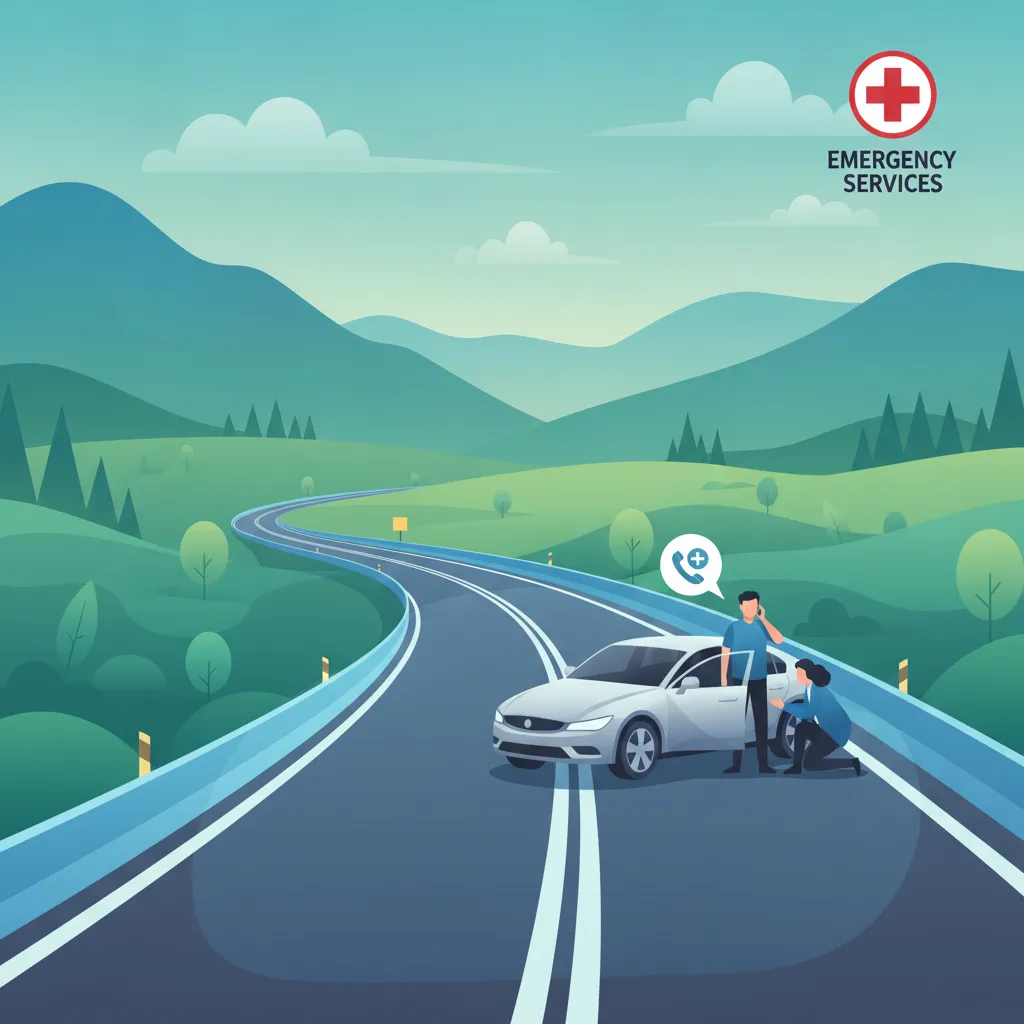
This lesson covers essential first aid skills and the procedures for reporting accidents in Switzerland. It details the use of emergency numbers 112 and 144, the correct placement of warning triangles, and the use of high-visibility vests. The content outlines the steps for securing an accident scene, providing assistance, and coordinating with emergency services.
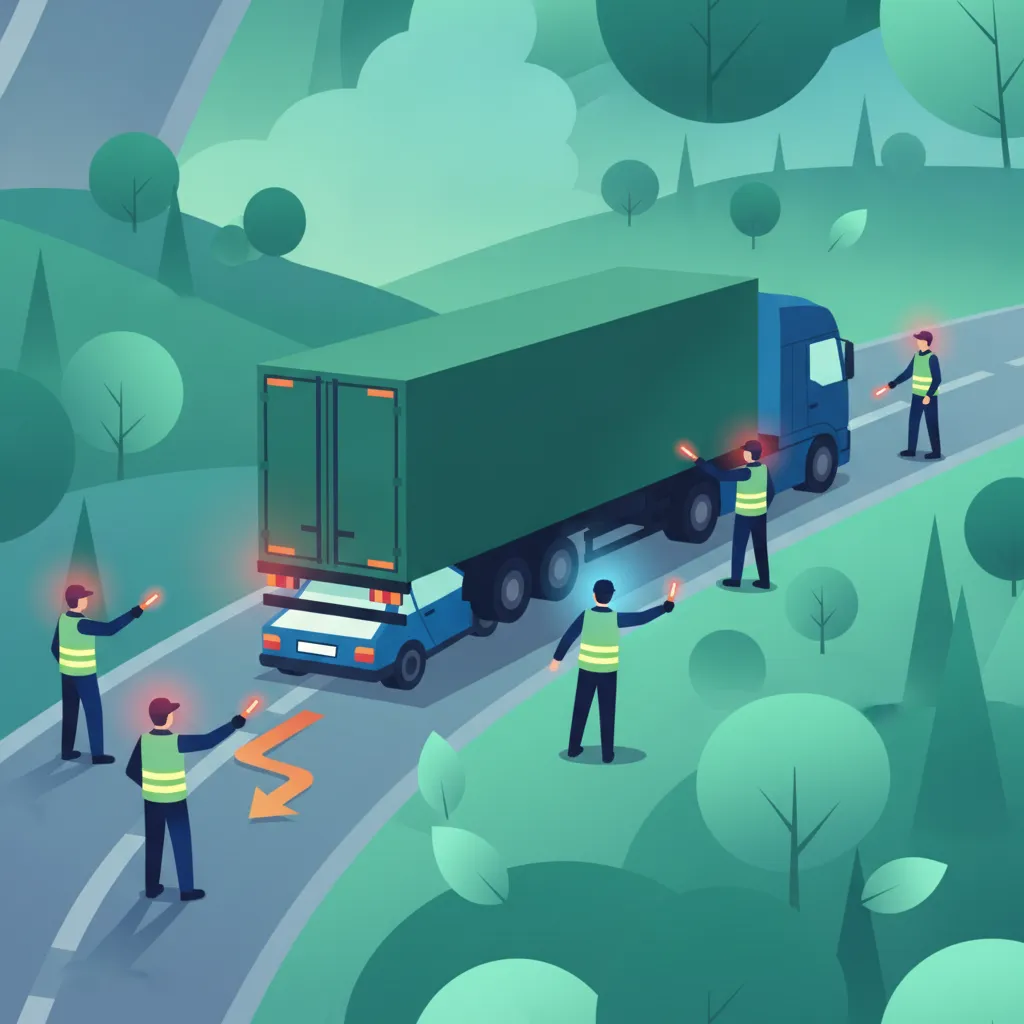
This lesson provides a structured guide for managing the scene of a road traffic accident. It covers the internationally recognized priorities: assess for danger, make the scene safe, send for help by calling emergency services (112), and provide first aid to the injured if trained to do so. It also details the legal requirement to stop and exchange information after being involved in a collision.
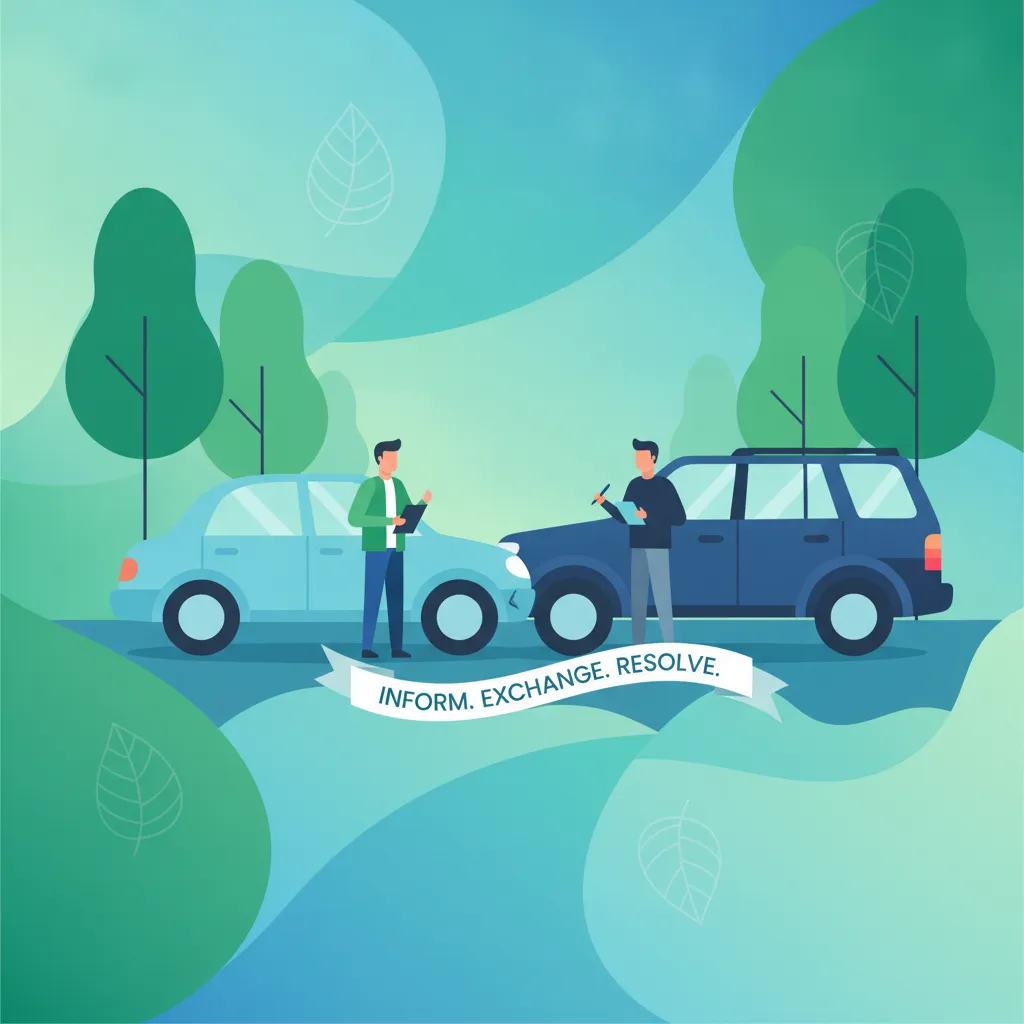
This lesson covers the immediate actions to take following a collision. The priorities are to prevent further incidents by securing the scene, to assess the situation for injuries, and to alert the emergency services. You will learn the correct procedures for making the area safe for yourself, your passengers, and other road users.
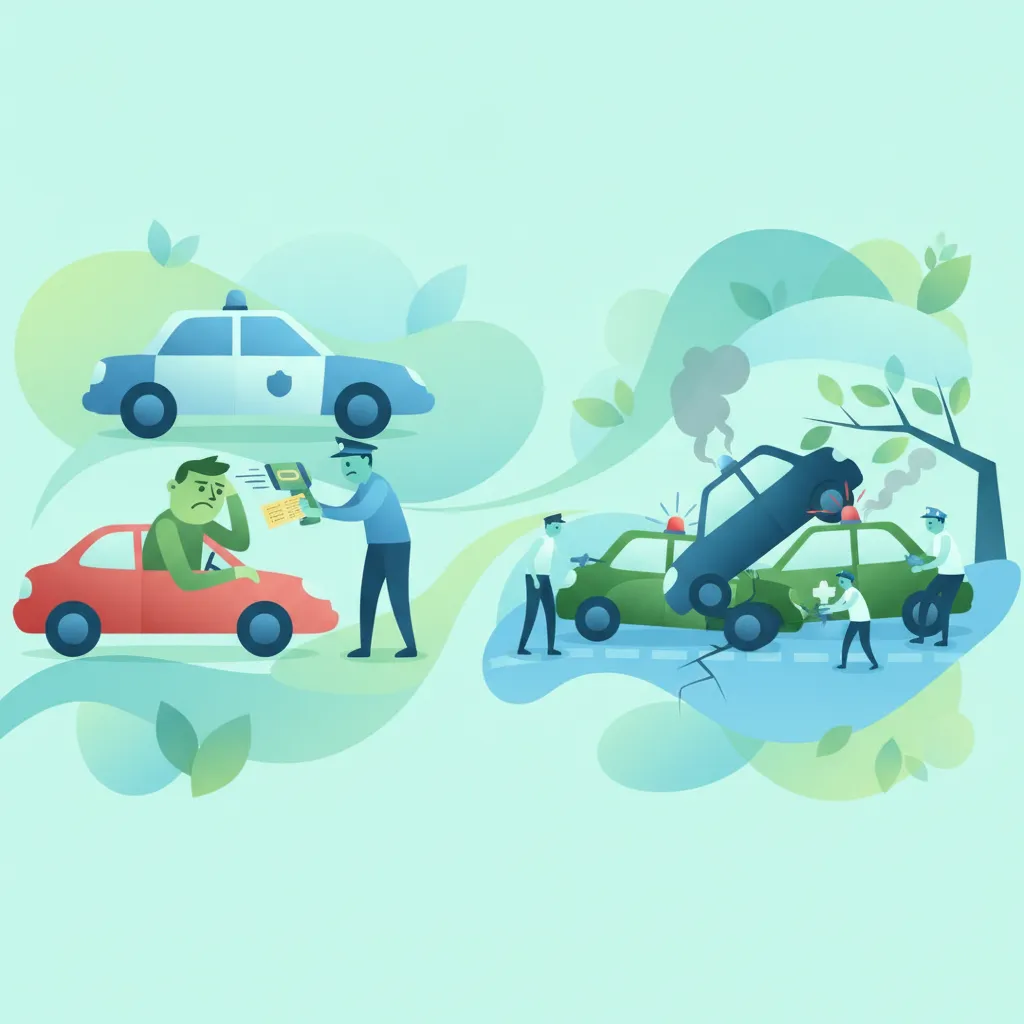
This lesson outlines the legal repercussions for breaking traffic laws in Switzerland. It details the system of fines and administrative measures, including the potential for license withdrawal for serious offenses. The content also explains a rider's legal duties after being involved in an accident, including reporting and insurance obligations.
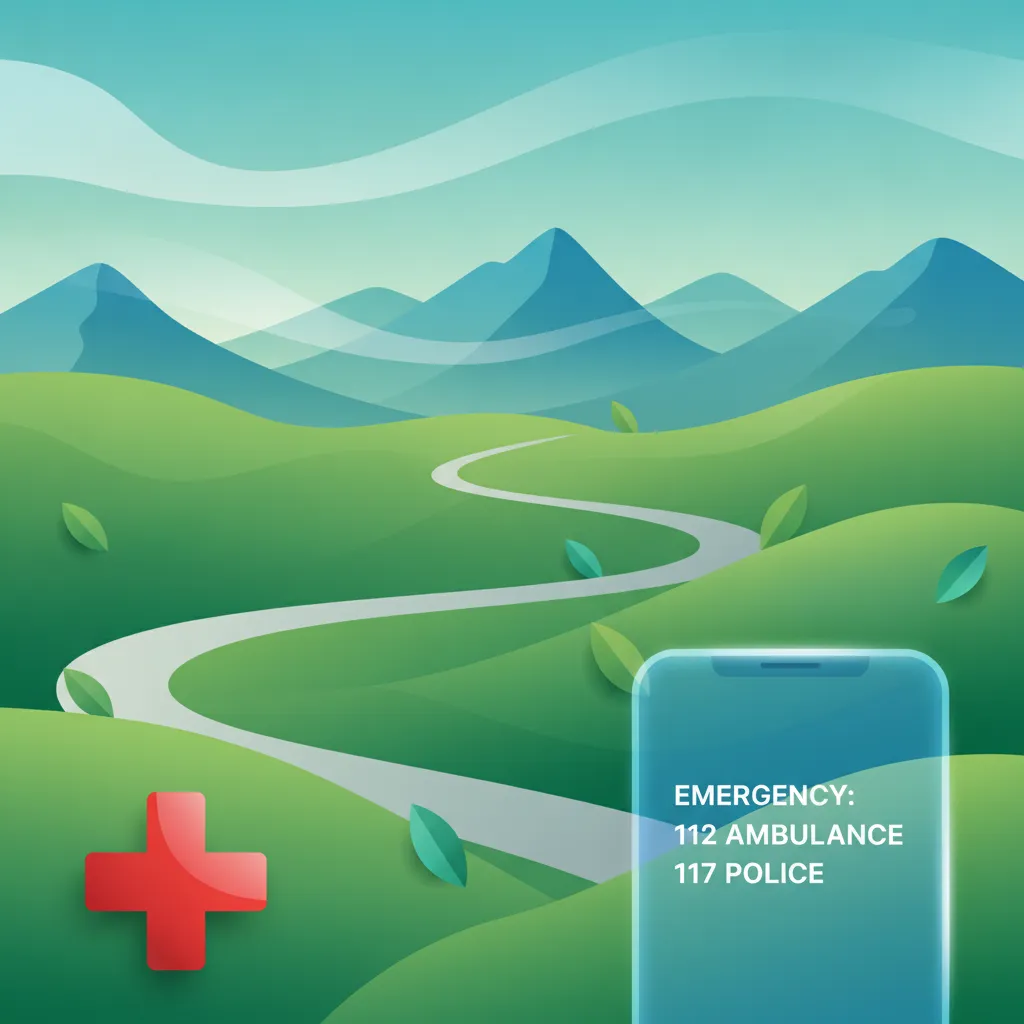
This lesson equips riders with essential knowledge for responding to an accident. It covers how to secure the scene to prevent further incidents, assess any casualties, and provide basic first aid. Crucially, it explains the difference between the general emergency number (112) and the medical emergency number (144) and what information to give the operator.

The driver is legally responsible for the roadworthiness of their vehicle at the start of and during every journey. This lesson outlines the formal process for reporting any identified defects to the transport manager or maintenance staff. It stresses the critical rule that a vehicle with a known safety-critical defect must not be driven until it has been professionally repaired and declared safe.
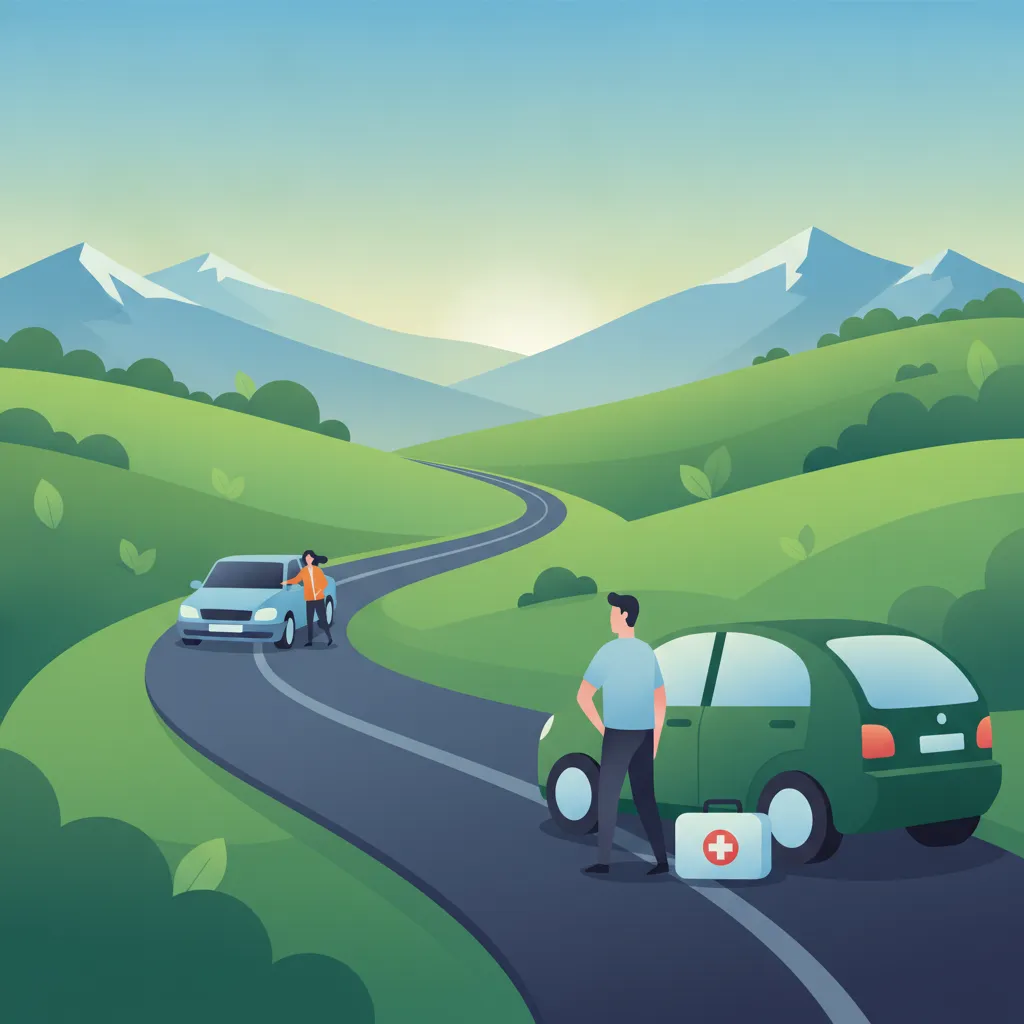
This lesson equips riders with essential first-aid knowledge and procedures for managing an accident scene. It covers how to secure the area to prevent further incidents, assess injuries, and provide basic care like controlling bleeding. The steps for effectively communicating with emergency services are also detailed.

After stopping for an emergency, making the scene safe is the top priority. This lesson details the procedure: activate hazard warning lights, put on high-visibility clothing before exiting the cab, and place the warning triangle at the correct distance behind the vehicle (at least 100m on motorways). This warns approaching traffic and creates a safer environment for the driver and emergency responders.
Learn how to effectively manage a traffic accident scene in Switzerland. This lesson focuses on securing the area, preserving evidence, and communicating crucial information to police and emergency medical services (EMS).
This lesson covers the immediate actions to take following a collision. The priorities are to prevent further incidents by securing the scene, to assess the situation for injuries, and to alert the emergency services. You will learn the correct procedures for making the area safe for yourself, your passengers, and other road users.
This lesson equips riders with essential first-aid knowledge and procedures for managing an accident scene. It covers how to secure the area to prevent further incidents, assess injuries, and provide basic care like controlling bleeding. The steps for effectively communicating with emergency services are also detailed.
After stopping for an emergency, making the scene safe is the top priority. This lesson details the procedure: activate hazard warning lights, put on high-visibility clothing before exiting the cab, and place the warning triangle at the correct distance behind the vehicle (at least 100m on motorways). This warns approaching traffic and creates a safer environment for the driver and emergency responders.
This lesson provides a structured guide for managing the scene of a road traffic accident. It covers the internationally recognized priorities: assess for danger, make the scene safe, send for help by calling emergency services (112), and provide first aid to the injured if trained to do so. It also details the legal requirement to stop and exchange information after being involved in a collision.
Find clear answers to common questions learners have about Reporting Incidents and Interaction with Police and EMS. Learn how the lesson is structured, which driving theory objectives it supports, and how it fits into the overall learning path of units and curriculum progression in Switzerland. These explanations help you understand key concepts, lesson flow, and exam focused study goals.
You must call the police if anyone is injured, if there is significant property damage, or if you cannot determine who is responsible for the accident. Always call the police if another party refuses to provide identification.
Not always. For minor property damage where both parties agree on the facts, you can fill out a European Accident Statement form. However, if there is a dispute or severe damage, a police report is crucial for insurance purposes.
Your priority is your own safety. Ensure your bike is off the road, wear your high-visibility vest if available, and secure the scene before approaching to help. Once safe, call 117 for police or 144 for medical emergencies.
The exam often presents scenarios where you must choose the correct sequence of actions: alerting emergency services, securing the site, and reporting to the authorities. Understanding the legal hierarchy of these actions is key.
Pinpoint specific Swiss traffic rules, road signs, or driving situations you need to master. Use the practice search to start a focused revision session now and build confidence for your official driving theory exam.