

This final unit focuses on risk management and emergency response. It addresses the serious danger of driver fatigue and the influence of impairing substances, reinforcing the importance of being fit to drive. It then provides clear, step-by-step guidance on the actions a driver must take in various emergency scenarios, including mechanical breakdowns, tyre failures, fires, and being first on the scene of an accident.

This course provides the complete theoretical foundation for obtaining a Swiss Category C or C1 driving license. It details the specific regulations, vehicle dynamics, and safety protocols applicable to heavy goods vehicles. Learners will explore topics such as mass and dimension limits, advanced braking systems, professional responsibilities, and how to safely operate large vehicles on Swiss roads, including motorways and challenging mountain passes.
The Fatigue, Legal Consequences, Breakdowns, Fire, Load Incidents and Emergencies unit is a key part of the Swiss Truck Driving Theory (C/C1) curriculum and helps learners in Switzerland understand essential theory topics in a clear and practical way. Each lesson breaks down a specific theme that often appears in the Swiss driving theory exam. With structured explanations and examples taken from real traffic situations, this unit helps learners study smarter, fix common misunderstandings, and build the knowledge required for confident exam performance.
Upon completing this unit, you will possess the knowledge and confidence to effectively manage high-risk driving situations relevant to Category C and C1 vehicles in Switzerland. You will understand the critical importance of fitness to drive, recognizing and mitigating the effects of fatigue and impairing substances. Furthermore, you will be prepared to systematically respond to common emergencies such as mechanical breakdowns, tyre blowouts, and vehicle fires, applying the correct safety procedures to protect yourself and others. Crucially, you will know your responsibilities and appropriate actions if you are the first on the scene of an accident, ensuring a safe and effective initial response.
This comprehensive understanding is directly tested in the Swiss driving theory examination, and mastering these protocols will significantly enhance your ability to drive large goods vehicles safely and responsibly on Swiss roads, minimizing risks and professional consequences.

This unit is essential for all individuals preparing for the Swiss Category C and C1 heavy goods vehicle driving theory exams. It is particularly beneficial for those who need a thorough understanding of emergency response protocols and risk management, including drivers who may be refreshing their knowledge or encountering these complex scenarios for the first time.
See all lessonsExplore key lessons that shape the Fatigue, Legal Consequences, Breakdowns, Fire, Load Incidents and Emergencies unit in the Swiss Truck Driving Theory (C/C1) curriculum. These lessons focus on exam related topics, important rules, and practical skills that help you progress faster and prepare effectively for the driving theory exam in Switzerland.

This lesson provides critical training on identifying and managing driver fatigue for professional heavy goods vehicle drivers. It covers warning signs, the dangers of exhaustion, and the absolute necessity of taking rest breaks to maintain safety on Swiss roads.

This lesson covers the stringent Swiss regulations regarding alcohol, drugs, and medication for professional C and C1 drivers. It ensures you understand your legal duties to remain fit to drive, helping you pass your theory exam and maintain professional safety standards on the road.

Learn the critical safety protocols for handling mechanical breakdowns and tyre failures in heavy vehicles. This lesson covers the immediate control techniques and emergency scene management required for the Swiss C and C1 theory exam and professional safety standards.
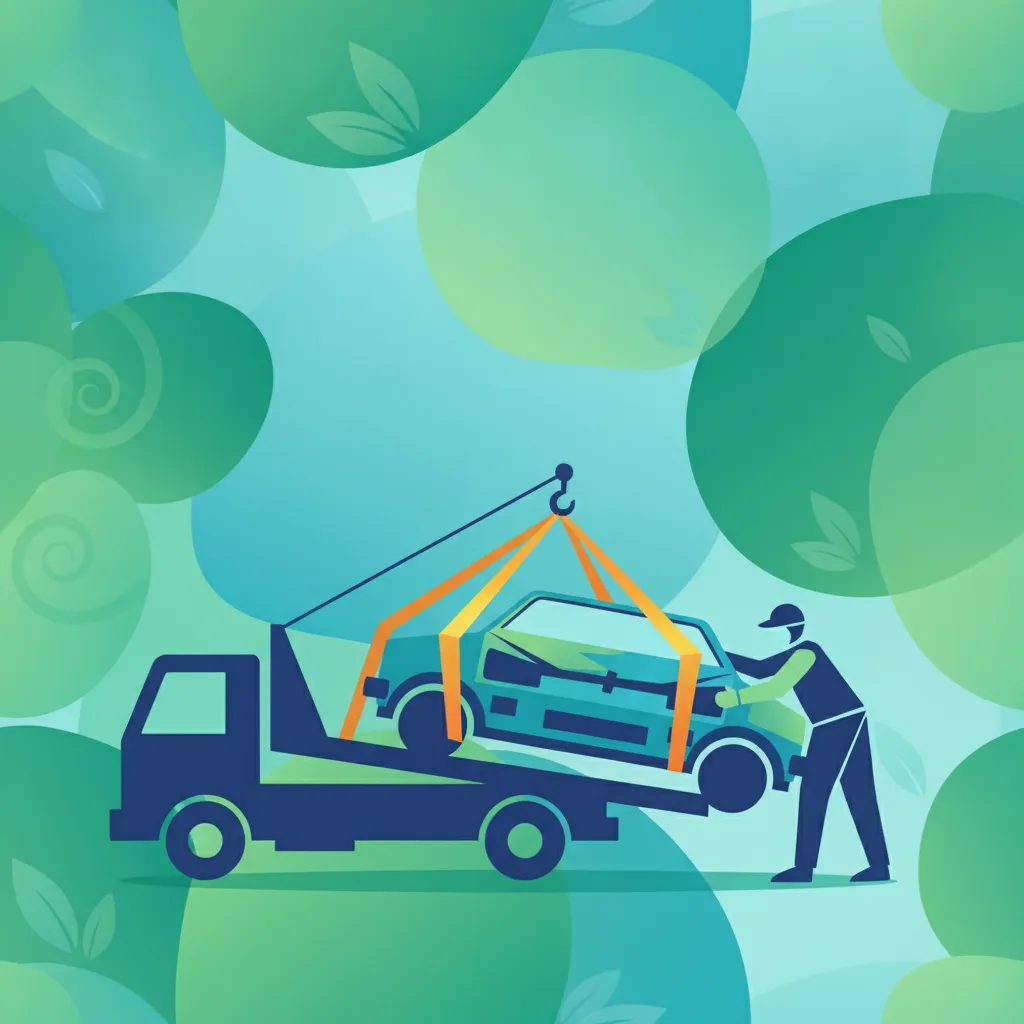
This lesson covers the critical procedures for securing an incident scene as a professional driver, including warning triangle placement and personal safety protocols for the Swiss Category C/C1 theory exam. You will learn how to effectively minimize risks to yourself and others during a roadside emergency, ensuring you are prepared for both theoretical questions and practical professional responsibilities in Switzerland.
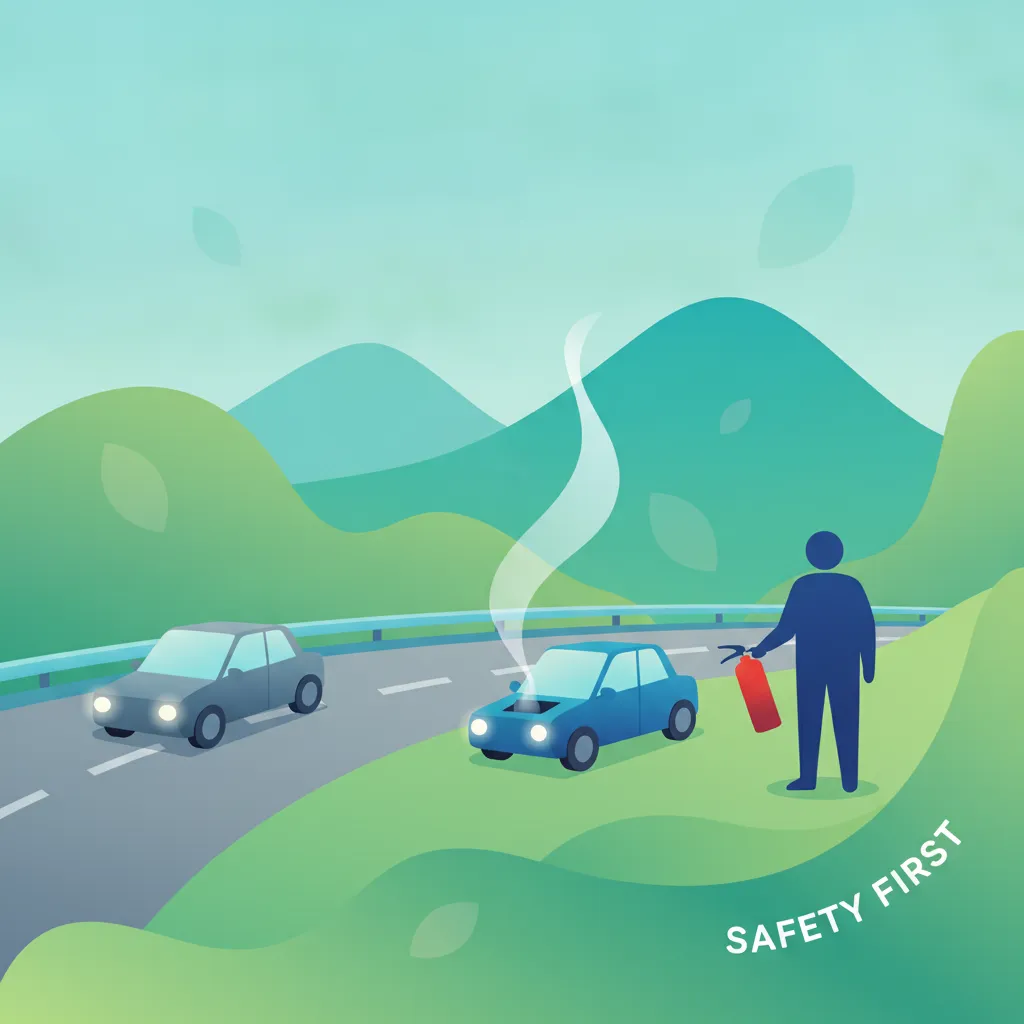
This lesson covers vital fire prevention techniques and emergency response protocols for Category C and C1 drivers, ensuring you know how to safely manage fire incidents and protect lives in accordance with Swiss driving theory requirements.

Learn the critical safety protocols for managing load loss incidents on Swiss roads. This lesson teaches you how to protect other road users, secure your vehicle, and follow legal reporting requirements during an emergency scenario involving spilled cargo for Category C and C1 drivers.
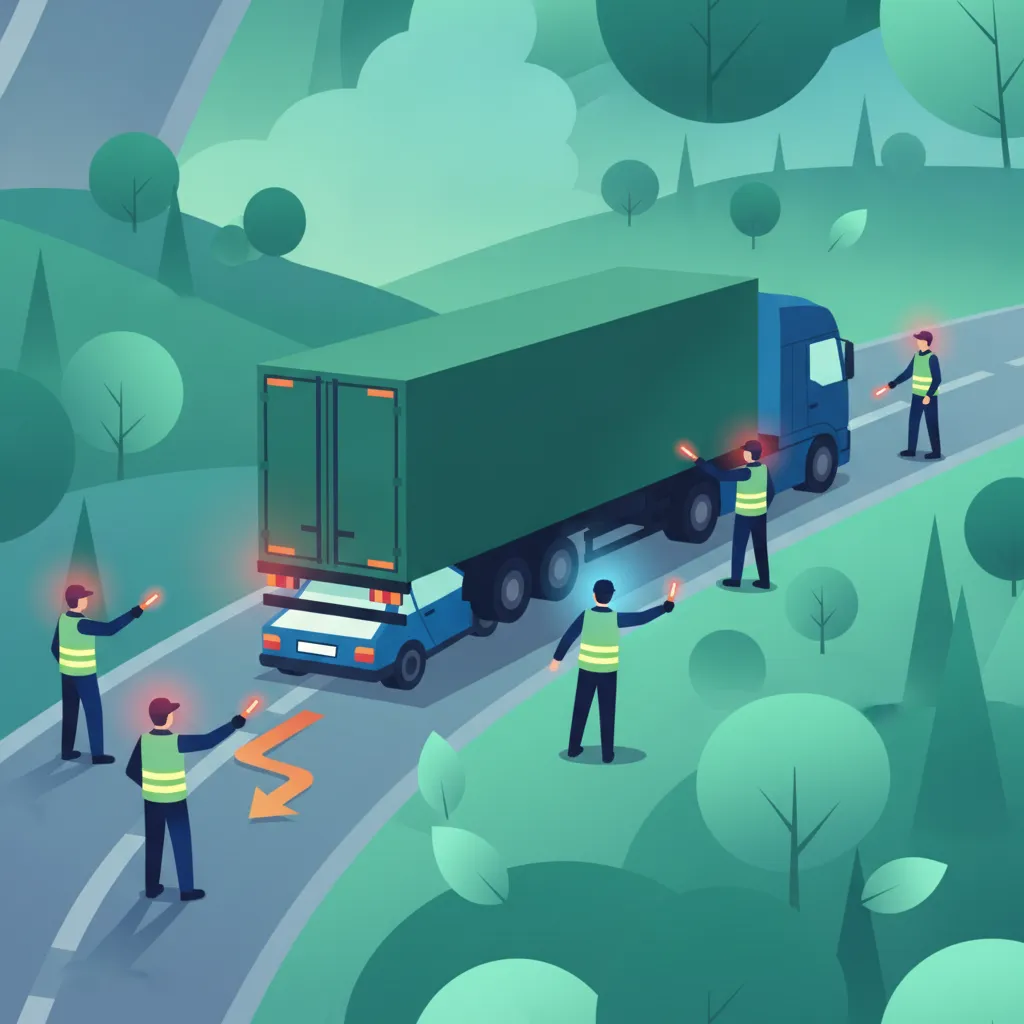
Learn the mandatory procedures for handling road accidents as a Category C or C1 professional driver. This lesson covers the legal requirements for stopping, securing the scene, and contacting emergency services to ensure safety and regulatory compliance.
Get answers to common questions about the Fatigue, Legal Consequences, Breakdowns, Fire, Load Incidents and Emergencies unit and how it fits within the Swiss Truck Driving Theory (C/C1) curriculum. Learn how long the unit takes, how the lessons are structured, and how this unit supports your preparation for the driving theory exam in Switzerland.

The Fatigue, Legal Consequences, Breakdowns, Fire, Load Incidents and Emergencies unit stands out because it teaches essential topics in a way that is simple, clear, and focused on exam success. All content is aligned with real requirements in Switzerland and designed to help learners build practical understanding, not just memorise facts. Whether you are revising or learning the material for the first time, this unit provides reliable guidance that supports measurable progress inside the Swiss Truck Driving Theory (C/C1) curriculum.
Discover additional units that form the complete Swiss Truck Driving Theory (C/C1) curriculum. These units cover a wide range of essential topics that help learners in Switzerland strengthen their understanding of road rules, traffic behaviour, and exam relevant theory. Exploring the other units gives you a broader view of the full learning path and helps you continue your progress with confidence.

Understand the professional framework for Swiss heavy goods vehicle drivers, including license categories C, C1, C1E, CE, driver responsibilities, essential documents, and the basics of tachograph use for your theory exam preparation.
6 lessons
Master Swiss rules for heavy vehicle dimensions, masses, and axle loads. Crucial knowledge for safe, legal operation and your Category C/C1 theory exam.
7 lessons
Learn about lorry construction, controls, and your vital responsibility for daily roadworthiness checks. Essential for the Swiss C/C1 theory exam and safe driving.
8 lessons
Master the theory of heavy-vehicle braking, including compressed-air systems, endurance brakes, and critical techniques for safe downhill driving on Swiss mountain roads.
8 lessons
Learn critical Swiss theory for C/C1 licenses on proper load distribution, weight management, and secure cargo handling to ensure vehicle stability and safety on the road.
7 lessons
Learn the essentials of driving with trailers and semitrailers in Switzerland. This unit covers safe coupling, articulation dynamics, and how to prevent dangerous situations like jack-knifing for your C/C1 theory exam.
7 lessons
Learn essential heavy vehicle skills: master mirrors, manage blind spots, and perform safe turns and reversals for your Swiss C/C1 theory test and everyday driving.
7 lessons
Master urban delivery driving for Swiss C/C1 trucks, focusing on protecting pedestrians and cyclists, safe right-turn procedures, and understanding urban access restrictions. Essential for theory exam success.
6 lessons
Learn critical Swiss driving theory for Category C/C1 trucks, covering safe navigation of rural roads, challenging mountain passes, tunnels, motorways, and adapting to adverse weather. Essential for exam success.
7 lessonsStart practicing for your Swiss driving theory exam today. Explore hundreds of exam-style questions covering road signs, traffic rules, and hazard perception. Identify areas for improvement and build robust confidence for a successful official test.