
Professional driving demands total focus and sobriety. This lesson outlines the strict Swiss legal standards regarding alcohol, illicit substances, and medication for category C and C1 license holders, ensuring you are prepared for both the theory exam and your professional career.
Lesson content overview
Operating a heavy goods vehicle demands an exceptionally high level of concentration, rapid decision-making, and precise control. For professional drivers holding a Category C or C1 license in Switzerland, these demands are even greater due to the sheer mass, complex dynamics, and potential for severe consequences associated with their vehicles. This lesson explores the profound and dangerous effects of alcohol, illegal drugs, and even common medications on driving ability, emphasizing the strict legal framework and severe penalties in place to ensure road safety.
Any substance that impairs your physical or mental capabilities poses an amplified risk when you are in control of a large vehicle. The ability to perceive hazards, judge distances, react quickly, and maintain vehicle stability becomes compromised, turning an already complex task into a potentially catastrophic situation. Understanding these risks and adhering to the stringent regulations is not just a legal obligation; it is a fundamental aspect of professional responsibility.
Blood Alcohol Concentration (BAC), often expressed in per mille (‰) in Switzerland, measures the amount of alcohol present in a driver's bloodstream. It is a critical indicator of impairment, as even small amounts of alcohol can significantly diminish driving skills. For professional drivers, the legal limits are considerably stricter than for private drivers, reflecting the enhanced responsibility that comes with operating heavy goods vehicles.
In Switzerland, professional drivers, including those with Category C and C1 licenses, are subject to a more stringent BAC limit compared to private drivers. This is due to the increased risks associated with driving larger, heavier vehicles, which require longer stopping distances and greater precision in handling.
The standard legal limit for private drivers in Switzerland is 0.5‰. However, for professional drivers, the limit is often lower, with many jurisdictions adopting a near zero-tolerance policy. Exceeding this limit, even slightly, can lead to severe legal and professional repercussions. It is crucial for professional goods vehicle drivers to ensure their BAC is absolutely 0.0‰ before getting behind the wheel to avoid any risk of impairment or legal violation.
Once consumed, alcohol is primarily metabolized by the liver, a process that takes time. On average, the body eliminates approximately 0.1‰ to 0.15‰ of alcohol per hour. This means that alcohol consumed the previous evening can still be present in a driver’s system the next morning, even if they feel sober. Factors such as body weight, gender, age, and food intake can influence metabolism rates, but none can accelerate the process significantly. There are no quick fixes like coffee or cold showers to sober up; only time can reduce BAC.
Never assume you are fit to drive if you have consumed alcohol, especially the night before a shift. Always allow ample time for alcohol to fully metabolize.
The dangers of alcohol are exponentially magnified when operating a heavy goods vehicle. A large truck or articulated lorry has significantly longer stopping distances, particularly when heavily loaded or on challenging terrain like mountain roads. Alcohol-induced impairment, such as slowed reaction times and reduced visual acuity, directly increases these already extended stopping distances.
An impaired driver may fail to perceive hazards in time, misjudge the speed of other vehicles, or struggle to maintain proper lane positioning. The sheer inertia of a heavy vehicle means that even minor errors caused by impairment can have devastating consequences, leading to severe accidents, cargo loss, and significant harm to other road users. Maintaining complete sobriety is paramount for managing these complex dynamics safely.
Switzerland, like many countries, enforces a strict zero-tolerance policy for illegal drugs in drivers, especially for professional operators of heavy goods vehicles. This means that any detectable presence of prohibited substances in your system can lead to severe legal penalties, regardless of the perceived level of impairment or the quantity consumed.
Illegal psychoactive substances are chemical compounds that alter brain function, affecting perception, mood, cognition, and behavior. These substances are prohibited by law due to their high potential for abuse, health risks, and significant impairment of motor skills and judgment. Common illegal drugs include:
Different classes of drugs affect the brain in distinct ways, leading to various forms of driving impairment:
For professional Category C and C1 drivers, any detectable amount of an illegal substance in a drug test is sufficient for legal action. Unlike alcohol, where a specific BAC limit applies, there is no permissible threshold for illegal drugs. This zero-tolerance approach underscores the serious danger these substances pose to road safety, particularly when operating vehicles of significant mass and power. Detection can lead to immediate license suspension, substantial fines, and criminal charges, severely jeopardizing a professional driving career.
Not all impairing substances are illegal. Many commonly used prescription and even over-the-counter (OTC) medications can have side effects that significantly impair driving ability. As a professional driver, you have a crucial duty to understand these risks and take appropriate precautions.
It is your absolute responsibility as a professional driver to consult with a doctor or pharmacist about any medication you are taking, whether prescribed or purchased over-the-counter. You must explicitly ask if the medication can cause drowsiness, dizziness, blurred vision, slowed reaction times, or any other side effect that could impair your ability to safely operate a heavy goods vehicle. Do not assume a medication is safe for driving just because it is commonly used or readily available.
Always read the information leaflet that comes with your medication, paying close attention to warnings about operating machinery or driving.
Several categories of medications are known to cause side effects that can make driving dangerous:
Medication packaging and information leaflets contain vital warnings regarding driving and operating heavy machinery. Look for symbols (e.g., a car symbol with a red cross through it) or explicit text warnings. If you are unsure, always err on the side of caution and consult a healthcare professional. Never self-medicate or combine medications without professional advice. For example, some over-the-counter pain relievers, when combined with alcohol, can amplify sedative effects, creating a dangerous combination.
The risks associated with alcohol, illegal drugs, and impairing medications are not always isolated. When combined with driver fatigue, their negative effects can be drastically amplified, creating an even more perilous situation on the road. Professional drivers already face stringent regulations regarding driving and rest times to combat fatigue (as covered in Lesson 10.1, "Recognizing and Managing Driver Fatigue and Distraction"). Introducing substances into this equation escalates the danger significantly.
The interaction between fatigue and impairing substances can manifest in two main ways:
When a driver is fatigued, their cognitive abilities are already diminished; their reaction time is slower, concentration wavers, and vigilance decreases. Introducing alcohol or a drug into this state further compromises these functions. The brain struggles to process information, leading to:
For goods vehicle operators, whose responsibility includes the safe transport of significant loads and the safety of all road users, avoiding any combination of fatigue and impairing substances is not merely a recommendation but a critical safety imperative.
To uphold road safety and enforce the strict regulations against impaired driving, law enforcement agencies conduct various tests. Professional drivers, in particular, must be aware of these procedures and their legal obligations.
Police officers are authorized to conduct roadside checks if they suspect a driver is under the influence of alcohol or drugs.
If a roadside test indicates impairment, or if there is a strong suspicion of substance use, drivers will typically be required to undergo more accurate confirmatory tests.
In Switzerland, refusing to submit to a breathalyzer, blood, or urine test when requested by a police officer is considered a serious offense. Such refusal is generally treated as an admission of guilt or a deliberate attempt to obstruct justice. The consequences are severe and typically include:
A procedure conducted by law enforcement (e.g., breath, blood, urine, or saliva test) to detect the presence of alcohol or drugs in a driver's system. Refusal to comply typically carries severe penalties.
The legal and professional consequences for driving a heavy goods vehicle under the influence of alcohol or drugs in Switzerland are exceptionally severe. These penalties reflect the heightened risk posed by impaired professional drivers and are designed to protect public safety and maintain the integrity of the professional driving sector.
Beyond administrative measures, more serious offenses, such as high BAC levels, the presence of illegal drugs, or repeat offenses, can lead to criminal charges.
For professional Category C and C1 drivers, the repercussions extend beyond general legal penalties, directly threatening their livelihood.
The Swiss legal system employs a progressive penalty structure. This means that each subsequent offense for driving under the influence incurs increasingly harsher sanctions. A second or third offense will lead to:
The aim is to deter repeat behavior by making the consequences so severe that individuals cannot afford to re-offend. For a professional driver, a single serious offense can be career-ending, and repeat offenses virtually guarantee the permanent loss of their professional driving privileges.
Given the severe risks and consequences, prevention is the only viable strategy for professional Category C and C1 drivers. Adopting responsible habits and making informed choices are essential for ensuring your safety, the safety of others, and the longevity of your professional career.
The most effective preventive measure is complete abstinence from alcohol and illegal drugs before and during any period of duty, or when there is even a remote possibility of needing to drive. This includes sufficient time for metabolism. As a professional driver, your body must be entirely free of impairing substances.
If you anticipate consuming alcohol or using any potentially impairing medication, plan alternative transport. This means arranging for a designated sober driver, using public transport, or taking a taxi. Never gamble with your license or your life by driving under the influence.
Regularly assess your own fitness to drive. If you feel unwell, overly tired, or perceive any level of impairment from a substance, do not drive. If you are unsure about the effects of a medication, always consult a healthcare professional. Be honest with your employer if you need to take time off due to medication side effects; prioritizing safety is always the correct decision.
Keep a detailed log of any medications you are taking, including dosages and consultation notes from your doctor or pharmacist. This can be helpful for both your own reference and in professional or legal contexts.
Familiarize yourself with your employer's policies regarding alcohol, drugs, and medication. Many transport companies conduct random drug and alcohol testing and have strict disciplinary procedures for violations. Some employers may offer support programs for drivers struggling with substance issues; seeking help is a sign of responsibility, not weakness.
Commit to zero alcohol and illegal drugs before and during any shift.
Consult a doctor or pharmacist about all medications (prescription and OTC) and their potential effects on driving.
Read medication labels carefully for warnings about operating machinery or driving.
Allow sufficient time for alcohol to metabolize completely, even if you feel sober.
If in doubt about your fitness to drive due to any substance, do not drive and arrange alternative transport.
Comply fully with all lawful requests for sobriety or drug testing from law enforcement.
The effects of alcohol, illegal drugs, and certain medications pose an extreme hazard, especially for professional Category C and C1 drivers operating heavy goods vehicles. These substances compromise essential driving skills, including perception, judgment, reaction time, and coordination, leading to a significantly increased risk of severe accidents.
The Swiss legal framework imposes strict zero-tolerance policies for illegal drugs and a significantly lower BAC limit for professional drivers, underscoring the high level of responsibility entrusted to them. Non-compliance results in severe legal consequences, including hefty fines, lengthy license suspensions, criminal charges, and the potential permanent loss of a professional driving career.
It is every goods vehicle operator's duty to understand these risks, adhere to all regulations, and make responsible choices. Prioritizing complete sobriety and awareness, proactively managing medication use, and recognizing the synergistic dangers of fatigue and substances are not merely legal requirements; they are fundamental principles of safe, professional driving. Your commitment to safety protects not only yourself and your career but also the lives of countless other road users.
This lesson covers the stringent Swiss regulations governing alcohol, illegal drugs, and impairing medications for professional Category C and C1 drivers. Professional drivers must adhere to stricter BAC limits than private drivers and face zero-tolerance policies for any illegal substance. Key medication categories that impair driving include sedatives, strong antihistamines, opioids, and some antidepressants—requiring consultation with healthcare professionals before driving. The combination of fatigue with any impairing substance creates synergistic dangers including microsleeps and severely delayed reactions. Violations result in immediate license suspension, substantial fines, potential criminal charges, and career-ending professional consequences, with progressive penalties for repeat offenses.
A short set of high-value points that capture the most important learning from this lesson.
Professional drivers in Switzerland face stricter BAC limits than private drivers, often approaching zero-tolerance, with 0.5‰ being the standard private limit.
Alcohol metabolism occurs at approximately 0.1‰ to 0.15‰ per hour, meaning alcohol consumed the previous evening can still impair drivers the next morning.
Switzerland enforces zero-tolerance for illegal drugs in drivers—any detectable presence is sufficient for legal action, regardless of perceived impairment level.
Many common medications including sedatives, first-generation antihistamines, opioids, and certain antidepressants can significantly impair driving ability.
The combination of driver fatigue with alcohol, drugs, or impairing medications produces additive or synergistic effects far more dangerous than either factor alone.
Explore all units and lessons included in this driving theory course.
For professional C and C1 drivers, confirm the precise BAC limit applicable to your license category—do not assume it matches the 0.5‰ private driver limit.
Always consult a doctor or pharmacist about any medication (prescription or OTC) before driving; never assume a medication is safe based on its common availability.
Zero-tolerance for illegal drugs means no permissible threshold exists—any detection leads to immediate legal action and professional consequences.
Fatigue amplifies impairment from all substances; microsleeps become significantly more likely when combining tiredness with any impairing substance.
Refusing a sobriety test (breath, blood, saliva, or urine) when requested by police is treated as a serious offense with severe penalties including immediate license confiscation.
Assuming they are fit to drive the morning after drinking because they feel sober, without accounting for residual alcohol still metabolizing in their system.
Self-medicating or combining medications without consulting a healthcare professional, unaware that some OTC drugs impair driving.
Believing that a low BAC reading means they are safe to drive, when professional standards require complete sobriety for heavy goods vehicle operation.
Assuming prescribed medications are automatically safe for driving without checking with a doctor or pharmacist about specific side effects.
Treating a first offense lightly, not realizing that even initial violations can result in immediate license suspension, substantial fines, and criminal records affecting future employment.
Lesson content overview
A short set of high-value points that capture the most important learning from this lesson.
Professional drivers in Switzerland face stricter BAC limits than private drivers, often approaching zero-tolerance, with 0.5‰ being the standard private limit.
Alcohol metabolism occurs at approximately 0.1‰ to 0.15‰ per hour, meaning alcohol consumed the previous evening can still impair drivers the next morning.
Switzerland enforces zero-tolerance for illegal drugs in drivers—any detectable presence is sufficient for legal action, regardless of perceived impairment level.
Many common medications including sedatives, first-generation antihistamines, opioids, and certain antidepressants can significantly impair driving ability.
The combination of driver fatigue with alcohol, drugs, or impairing medications produces additive or synergistic effects far more dangerous than either factor alone.
Explore all units and lessons included in this driving theory course.
For professional C and C1 drivers, confirm the precise BAC limit applicable to your license category—do not assume it matches the 0.5‰ private driver limit.
Always consult a doctor or pharmacist about any medication (prescription or OTC) before driving; never assume a medication is safe based on its common availability.
Zero-tolerance for illegal drugs means no permissible threshold exists—any detection leads to immediate legal action and professional consequences.
Fatigue amplifies impairment from all substances; microsleeps become significantly more likely when combining tiredness with any impairing substance.
Refusing a sobriety test (breath, blood, saliva, or urine) when requested by police is treated as a serious offense with severe penalties including immediate license confiscation.
Assuming they are fit to drive the morning after drinking because they feel sober, without accounting for residual alcohol still metabolizing in their system.
Self-medicating or combining medications without consulting a healthcare professional, unaware that some OTC drugs impair driving.
Believing that a low BAC reading means they are safe to drive, when professional standards require complete sobriety for heavy goods vehicle operation.
Assuming prescribed medications are automatically safe for driving without checking with a doctor or pharmacist about specific side effects.
Treating a first offense lightly, not realizing that even initial violations can result in immediate license suspension, substantial fines, and criminal records affecting future employment.
Explore search topics learners often look for when studying The Effects of Alcohol, Drugs, and Medication. These topics reflect common questions about road rules, driving situations, safety guidance, and lesson level theory preparation for learners in Switzerland.
Browse additional driving theory lessons that cover connected traffic rules, road signs, and common driving situations related to this topic. Improve your understanding of how different rules interact across everyday traffic scenarios.
Understand the severe administrative and criminal penalties, including fines, license suspension, and potential imprisonment, for Category C and C1 drivers operating under the influence in Switzerland. Learn about enforcement and testing procedures.

This lesson focuses on the impact of alcohol, drugs, and medication on driving ability. You will learn the legal blood alcohol concentration limits and the zero-tolerance policy for beginner drivers. The content also covers how certain medications may affect performance and the importance of declaring health conditions that could impair safe driving.
For professional drivers, traffic violations can have career-altering consequences beyond standard fines. This lesson details the heightened penalties for infringements such as speeding, overloading, insecure loads, and violations of driving time regulations. It outlines the process of warnings, license suspension or withdrawal, and potential criminal liability, emphasizing the importance of strict legal compliance in the transport industry.
This lesson outlines the legal repercussions for breaking traffic laws in Switzerland. It details the system of fines and administrative measures, including the potential for license withdrawal for serious offenses. The content also explains a rider's legal duties after being involved in an accident, including reporting and insurance obligations.
Explore the probationary phase that follows the acquisition of a Category B licence, including the specific restrictions imposed on new drivers. This lesson outlines the zero tolerance policy for alcohol and the potential consequences of infractions during this period. It also discusses the process for remedial training and the conditions for full licence renewal.
This lesson explains the Swiss penalty points system, detailing how points are assigned for various traffic violations. You will understand the thresholds for point accumulation and the legal consequences, such as licence suspension. The content also covers fine structures and the administrative process for point assessment for all driver license types.
This lesson outlines the legal and administrative repercussions of committing traffic violations or being involved in an accident. It covers the system of fines, licence points, and potential licence revocation under Swiss law. Understanding these consequences reinforces the importance of lawful and responsible riding.
This lesson emphasizes the broad responsibilities of holding a driver's licence in Switzerland, including adherence to traffic laws and maintaining vehicle roadworthiness. It covers legal obligations related to insurance, registration, and reporting accidents, as well as the consequences of violations. The content reinforces the duty of care drivers owe to all other road users.
Overloading is a serious offence with severe safety and legal ramifications. This lesson details how excess weight drastically increases braking distances, puts extreme stress on tyres leading to blowouts, and negatively affects steering and overall stability. Furthermore, it discusses the substantial fines, potential license withdrawal, and driver liability that result from violating Swiss weight regulations.
Operating a heavy goods vehicle involves a significant responsibility for the safety of all road users. This lesson emphasizes the professional driver's enhanced duty of care due to the vehicle's size, mass, and potential impact in a collision. It covers the importance of a professional attitude, constant vigilance, and adherence to all traffic regulations to prevent incidents and maintain a high standard of road safety.
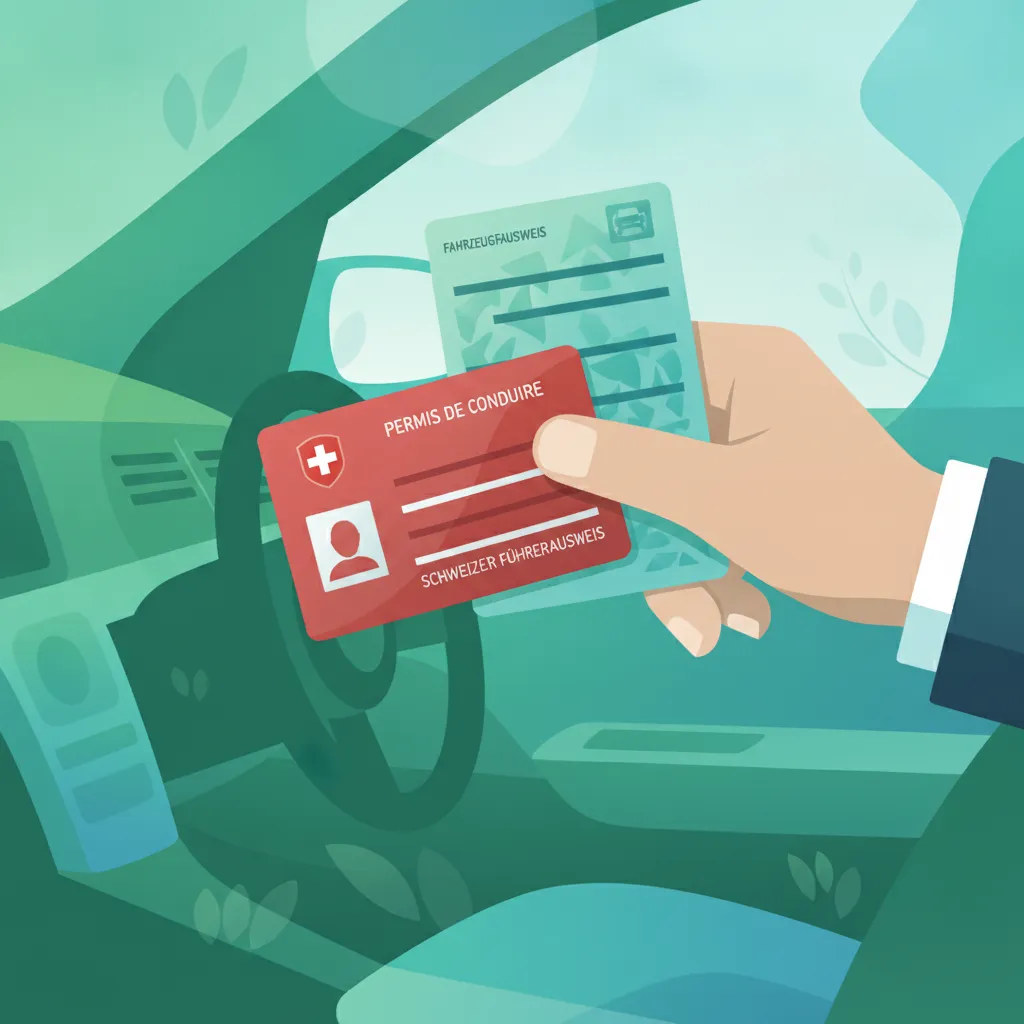
This lesson details the specific documents that must be present in the vehicle and on the driver's person during service. It covers the driving license, OACP card, vehicle registration, and tachograph records. You will learn the importance of ensuring all paperwork is current and correct to ensure legal compliance at all times.
Learn how various medications, both prescribed and over-the-counter, can impair driving skills for Swiss Category C and C1 drivers. Discover your duty to consult healthcare professionals and understand common side effects.
This lesson focuses on the impact of alcohol, drugs, and medication on driving ability. You will learn the legal blood alcohol concentration limits and the zero-tolerance policy for beginner drivers. The content also covers how certain medications may affect performance and the importance of declaring health conditions that could impair safe driving.
Fatigue is a major cause of accidents in the transport industry. This lesson teaches drivers to identify the early warning signs of tiredness, such as frequent yawning, heavy eyelids, and difficulty concentrating. It emphasizes that the only effective cure for fatigue is sleep and reinforces the legal and personal responsibility to take required breaks and never drive while tired.
For professional drivers, traffic violations can have career-altering consequences beyond standard fines. This lesson details the heightened penalties for infringements such as speeding, overloading, insecure loads, and violations of driving time regulations. It outlines the process of warnings, license suspension or withdrawal, and potential criminal liability, emphasizing the importance of strict legal compliance in the transport industry.

This lesson explains how various human factors can negatively impact a rider's performance. It details the effects of fatigue, alcohol, and certain medications on reaction time, judgment, and coordination. The content emphasizes the importance of self-awareness and making the responsible decision not to ride when impaired.
Fatigue is a major cause of serious accidents involving professional drivers. This lesson teaches you to recognize the early warning signs of tiredness in yourself. It covers the Swiss rules on driving hours and rest periods, and provides practical strategies for staying alert and avoiding distractions while driving.
Motorway driving requires constant concentration due to high speeds. This lesson emphasizes the importance of staying in the right-hand lane unless overtaking and the specific restrictions on lorry overtaking in Switzerland. It reinforces the need for a following distance of at least four seconds to compensate for the vehicle's long stopping distance and provides guidance on safely merging and exiting.

Motorway driving involves high speeds and requires constant concentration. This lesson covers correct lane discipline, safe procedures for joining and leaving the motorway, and techniques for overtaking other large vehicles. Maintaining appropriate speed and a safe following distance is emphasized throughout.
Operating a heavy goods vehicle involves a significant responsibility for the safety of all road users. This lesson emphasizes the professional driver's enhanced duty of care due to the vehicle's size, mass, and potential impact in a collision. It covers the importance of a professional attitude, constant vigilance, and adherence to all traffic regulations to prevent incidents and maintain a high standard of road safety.
The tachograph is a critical tool for ensuring road safety by enforcing regulations on driving hours and rest periods. This lesson explains the basic function of both analogue and digital tachographs and the use of the driver card. It provides a theoretical summary of the core principles of the Swiss Chauffeur Ordinance (ARV) regarding maximum driving times and minimum rest requirements to combat fatigue.
Overloading is a serious offence with severe safety and legal ramifications. This lesson details how excess weight drastically increases braking distances, puts extreme stress on tyres leading to blowouts, and negatively affects steering and overall stability. Furthermore, it discusses the substantial fines, potential license withdrawal, and driver liability that result from violating Swiss weight regulations.
Find clear answers to common questions learners have about The Effects of Alcohol, Drugs, and Medication. Learn how the lesson is structured, which driving theory objectives it supports, and how it fits into the overall learning path of units and curriculum progression in Switzerland. These explanations help you understand key concepts, lesson flow, and exam focused study goals.
Professional drivers of C and C1 vehicles are subject to a strict 0.1 promille blood alcohol limit, effectively a zero-tolerance policy, which is much lower than the limit for private car drivers.
You must consult your doctor or pharmacist. If a medication lists potential side effects like drowsiness or impaired coordination, it may legally prohibit you from operating a heavy vehicle.
Yes, the Swiss theory exam includes questions on the legal and physical implications of illicit drugs, focusing on how they impair your ability to safely control a large vehicle.
Beyond immediate traffic fines, you risk losing your professional driver's license, significant legal penalties, and potential termination of employment due to the high duty of care required for heavy goods transport.
Pinpoint specific Swiss traffic rules, road signs, or driving situations you need to master. Use the practice search to start a focused revision session now and build confidence for your official driving theory exam.