Welcome to the first lesson of the Official Icelandic Driving License B Theory Course! This module lays the foundation by explaining the legal framework that governs driving in Iceland, focusing on the specific requirements and categories for obtaining your Category B licence. Understanding these rules is essential for your theory exam preparation and responsible driving.
Lesson content overview
Navigating the roads of Iceland requires a thorough understanding of its unique traffic laws and the driving licence system. This lesson, part of your Official Icelandic Driving License B Theory Course, lays the foundational knowledge essential for all aspiring drivers. We will delve into the legal framework that governs who can drive, what vehicles they can operate, and under what conditions, with a primary focus on the standard passenger car Category B licence.
The legal framework for driving licences in Iceland is designed to ensure road safety by establishing clear requirements for driver competency and vehicle operation. This system codifies public policy goals and safety standards into statutory language, ensuring that only qualified individuals are granted the privilege to drive.
Understanding the precise legal definitions, age limits, and procedural steps involved in obtaining and maintaining a driving licence is paramount. This knowledge ensures full compliance with Icelandic traffic law, helps in planning effectively for theory and practical examinations, and is crucial for avoiding administrative penalties, fines, or even licence suspension. Every driver on Icelandic roads is legally bound by these regulations.
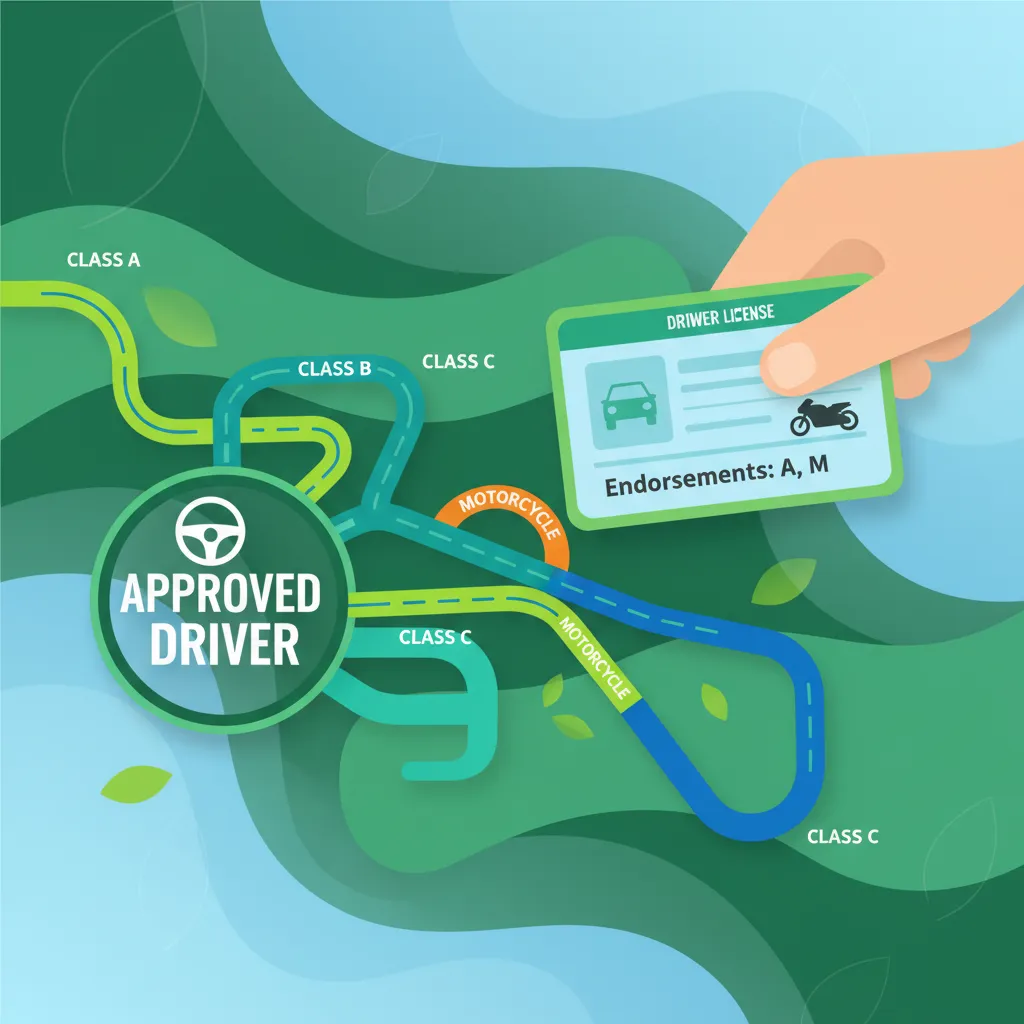
The Icelandic driving licence system employs a categorical structure, meaning that different types of vehicles require specific classes of licences. This system is designed to match vehicle complexity and potential risk with a driver's proven competency and experience, thereby mitigating risks on the road.
The hierarchical system of licence classes ensures that drivers are only authorised to operate vehicles for which they have demonstrated the necessary skills and knowledge. This prevents, for instance, a new car driver from immediately operating a large commercial truck or a passenger bus, which demand significantly different proficiencies.
While Category B is the primary focus of this course, it is important to be aware of other licence categories:
Age requirements are a fundamental component of the Icelandic driving licence system, designed to ensure that drivers possess sufficient physical and cognitive maturity before being granted driving privileges. These statutory minimum ages vary depending on the licence category and whether it's a learner permit or a full licence.
For those aspiring to obtain a Category B licence for passenger cars, the journey begins with a learner permit, known as Önnur or Önnun in Icelandic. You must be at least 17 years and 6 months old to apply for and obtain a learner permit for Category B. This age threshold is legally mandated to ensure that candidates have reached a developmental stage where they can begin to responsibly engage with driving tasks under supervision.
After successfully completing all the necessary training and examinations, a full Category B driving licence can be issued. However, regardless of how quickly you complete the tests, you must be at least 18 years old to receive your full, unrestricted Category B licence. This ensures that drivers have transitioned into adulthood, aligning with global standards for full driving privileges.
It is a common misconception that age requirements are uniform across all vehicle types. In Iceland, each category has its own age floor:
The learner permit, known as Önnur (or Önnun), is a crucial initial step in the Icelandic driving licence process. It grants provisional permission to practice driving on public roads under specific, controlled conditions, bridging the gap between theoretical knowledge and practical skill.
A learner permit is a temporary, restricted licence issued to candidates who have successfully passed the theory examination but have not yet completed the practical driving test. Its primary purpose is to allow novice drivers to gain real-world driving experience under the direct supervision of an experienced driver. This supervised practice is vital for developing confidence, refining skills, and internalising traffic rules in practical scenarios.
One of the most distinctive features of a learner permit in Iceland is the mandatory display of "L" plates. These visible markers, typically in the form of a white square with a prominent red "L", must be clearly attached to both the front and rear of the vehicle when a learner driver is at the wheel. The "L" plates serve as a warning to other road users that the vehicle is being operated by a novice driver, encouraging patience and caution. Failure to display these plates is a violation that can result in fines and may even affect insurance coverage in the event of an incident.
A cornerstone of the learner permit system is the strict supervision requirement. A learner driver may never operate a vehicle independently on public roads. They must always be accompanied by a qualified supervising driver who meets specific criteria:
To minimise risks associated with inexperience, learner permits come with several important restrictions:
Securing a full Icelandic driving licence is the culmination of theoretical study, practical training, and rigorous assessment. It officially certifies that an individual possesses the requisite knowledge, skill, and health to operate a vehicle safely and independently.
The first major hurdle in obtaining a full driving licence is passing the theory examination. This computer-based test, administered by Samgöngustofa, assesses a candidate's comprehensive understanding of Icelandic traffic laws, road signs, pavement markings, and safe driving principles.
Preparation: Study the official course materials, traffic laws, and road signs thoroughly.
Scheduling: Book your theory test appointment through Samgöngustofa's online portal or at a designated service centre.
Test Format: The exam typically consists of 50 multiple-choice questions.
Passing Score: A candidate generally needs to answer at least 38 questions correctly (75%) to pass.
Outcome: Upon successful completion, you become eligible for a learner permit and can proceed with practical driving lessons.
Familiarity with the legal framework, understanding the meaning of various road signs, and knowledge of priority rules are all critical for success in this examination.
Once the theory test is passed and sufficient supervised driving practice has been accumulated, the next step is the practical driving test. This on-road assessment evaluates a candidate's ability to safely and competently operate a vehicle in real-world traffic conditions.
Preparation: Complete mandatory driving lessons with a certified instructor and practice extensively with a supervising driver.
Scheduling: Book your practical test appointment through Samgöngustofa after your driving instructor deems you ready.
Assessment: An examiner from Samgöngustofa will evaluate your vehicle handling, manoeuvring skills (e.g., parking, turning), speed control, observation skills, and adherence to traffic rules.
Duration: The test typically lasts 30-60 minutes, covering various road types and traffic situations.
Outcome: A successful practical test, along with meeting all other requirements, leads to the issuance of your full driving licence.
The practical test is a comprehensive evaluation, demanding not just technical skill but also good judgment, situational awareness, and adherence to safe driving practices.
For certain licence categories and age groups, a medical certificate is a mandatory requirement to ensure the driver is physically and mentally fit to operate a vehicle safely.
Always consult with Samgöngustofa or your driving instructor if you have any health conditions that might impact your driving ability. Transparency regarding medical fitness is crucial for road safety.
The final stage involves submitting all required documentation and registering with Samgöngustofa. This administrative process confirms your identity and ensures all conditions are met before the licence is issued.
The Icelandic Transport Authority (Samgöngustofa) is the central administrative body for all aspects of driving licences, from initial application to renewal and any necessary amendments. Understanding its role and processes is crucial for every licence holder.
Samgöngustofa's mandate includes:
The administrative process for applying for a driving licence, whether initially or for additional categories, typically follows a structured flow:
Application Submission: You can generally submit your application online via the Samgöngustofa portal or in-person at designated service centres.
Identity Verification: Your identity will be verified using your national ID, passport, or Icelandic Kennitala.
Medical Examination (if required): If your age or desired licence category necessitates it, you will need to submit a medical certificate.
Theory Test Scheduling and Completion: Book and pass your theoretical examination.
Practical Test Scheduling and Completion: After passing the theory, schedule and pass your practical driving test.
Fee Payment: Pay the statutory government fees associated with each stage of the process.
Issuance of Licence Card: Once all requirements are met and fees are paid, your physical photo-ID licence card, often with an embedded RFID chip, will be issued.
This systematic approach ensures accountability and adherence to legal requirements throughout the licensing journey.
Driving licences in Iceland are not permanently valid; they are subject to periodic renewal. For Category B licences, renewal is typically required every 15 years.
Driving with an expired licence is illegal and can result in fines, vehicle impoundment, and invalidate your insurance coverage. Always ensure your licence is renewed before its expiry date.
It is a legal obligation for all licence holders to maintain accurate and up-to-date registration information with Samgöngustofa. Any change in personal details, such as address or name, or any significant change in health status that might affect your driving ability, must be reported promptly. Failure to do so can lead to administrative complications or penalties.
The Icelandic Driving Licence Act (Lög um ökuréttindi) forms the backbone of all regulations pertaining to driving privileges. Adherence to these laws is not optional but mandatory for all road users.
The fundamental principle of the Driving Licence Act is that drivers must always hold a valid licence for the specific class of vehicle they are operating. This ensures that every driver on the road has proven competence for the vehicle type they are controlling, thereby enhancing overall road safety. Attempting to drive a vehicle for which you are not licensed, such as a motorcycle with only a Category B car licence, is a serious offence.
The legal framework imposes severe penalties for non-compliance, particularly for driving without a valid licence.
Even experienced drivers can sometimes overlook nuances of the legal framework, while new drivers often fall prey to common misunderstandings. Being aware of these pitfalls is crucial for avoiding legal consequences.
One of the most frequent violations by learner drivers is operating a vehicle without a qualified supervising driver present. This directly contravenes § 5 of the Driving Licence Act.
A common misunderstanding is assuming a Category B licence covers all small vehicles, including motorcycles. In Iceland, motorcycles require a separate Category A licence.
Many drivers overlook the periodic renewal requirements for their licences or fail to update their medical certificates when required.
While your driving licence grants you the fundamental right to drive, the specific conditions of the road, weather, vehicle, and surrounding environment can impose additional rules and responsibilities.
Iceland's weather can be highly unpredictable and challenging, imposing additional considerations even for full licence holders.
The type of road you are on can significantly impact applicable rules and learner restrictions.
The vehicle's state (e.g., towing a trailer) and the presence of vulnerable road users also influence driving rules and licence implications.
As previously discussed, learner permit holders are generally restricted to driving during daylight hours (typically 6:00 to 22:00). Full licence holders, however, may drive at any time, but must adjust their driving to account for reduced visibility and potential fatigue during night-time hours.
The legal framework and licensing process are built on a series of cause-and-effect relationships that link compliance, training, and consequences to overall road safety.
Understanding the legal framework is best solidified through practical examples. These scenarios illustrate how Icelandic driving licence rules apply in everyday situations.
This lesson covers Iceland's driving licence legal framework, establishing that Category B authorises standard passenger cars and light vans up to 3,500 kg MAM with up to 8 passengers. The minimum age for a learner permit (Önnur) is 17 years and 6 months, while full licence issuance requires turning 18, regardless of training progress. All licence matters are administered by Samgöngustofa, with learner drivers requiring mandatory supervision from a driver aged 24+ with 5+ years experience, L plate display, and restrictions on motorways and night driving. Candidates must pass both theory (50 questions, 75% pass mark) and practical examinations, with Category B licences requiring renewal every 15 years and medical checks for drivers over 65.
A short set of high-value points that capture the most important learning from this lesson.
Icelandic driving licences use a categorical system (A-E) where each category authorises operation of specific vehicle types and weight classes
Category B licences cover passenger cars and light vans up to 3,500 kg Maximum Authorised Mass (MAM) with up to 8 passengers
The learner permit (Önnur) requires L plates on both front and rear of the vehicle at all times during practice
A supervising driver must be at least 24 years old and hold the same category licence for a minimum of 5 years
Samgöngustofa (Icelandic Transport Authority) administers all aspects of licensing from theory test to licence issuance and renewal
Explore all units and lessons included in this driving theory course.
Minimum age for a Category B learner permit is 17 years and 6 months; full licence requires 18 years regardless of how quickly training is completed
Category B does NOT permit motorcycle operation; a separate Category A licence is required for motorcycles in Iceland
Category B licence renewal is required every 15 years, with medical certificates required for drivers over 65
Learner permit holders are restricted to daylight hours (typically 06:00-22:00) and prohibited from motorway driving
The theory test consists of 50 questions requiring 38 correct answers (75%) to pass before obtaining a learner permit
Driving alone as a learner driver without a qualified supervisor present, which violates § 5 and can result in fines and permit suspension
Assuming Category B licence covers motorcycles or other vehicle types that require separate categories
Driving with an expired licence or neglecting to update medical fitness information, which invalidates insurance coverage
Attempting to drive on motorways with a learner permit, which is explicitly prohibited for novice drivers
Failing to display L plates when operating a vehicle under a learner permit, leading to fines and reduced road safety awareness
Lesson content overview
A short set of high-value points that capture the most important learning from this lesson.
Icelandic driving licences use a categorical system (A-E) where each category authorises operation of specific vehicle types and weight classes
Category B licences cover passenger cars and light vans up to 3,500 kg Maximum Authorised Mass (MAM) with up to 8 passengers
The learner permit (Önnur) requires L plates on both front and rear of the vehicle at all times during practice
A supervising driver must be at least 24 years old and hold the same category licence for a minimum of 5 years
Samgöngustofa (Icelandic Transport Authority) administers all aspects of licensing from theory test to licence issuance and renewal
Explore all units and lessons included in this driving theory course.
Minimum age for a Category B learner permit is 17 years and 6 months; full licence requires 18 years regardless of how quickly training is completed
Category B does NOT permit motorcycle operation; a separate Category A licence is required for motorcycles in Iceland
Category B licence renewal is required every 15 years, with medical certificates required for drivers over 65
Learner permit holders are restricted to daylight hours (typically 06:00-22:00) and prohibited from motorway driving
The theory test consists of 50 questions requiring 38 correct answers (75%) to pass before obtaining a learner permit
Driving alone as a learner driver without a qualified supervisor present, which violates § 5 and can result in fines and permit suspension
Assuming Category B licence covers motorcycles or other vehicle types that require separate categories
Driving with an expired licence or neglecting to update medical fitness information, which invalidates insurance coverage
Attempting to drive on motorways with a learner permit, which is explicitly prohibited for novice drivers
Failing to display L plates when operating a vehicle under a learner permit, leading to fines and reduced road safety awareness
Explore search topics learners often look for when studying Legal Framework and Licence Categories. These topics reflect common questions about road rules, driving situations, safety guidance, and lesson level theory preparation for learners in Iceland.
Browse additional driving theory lessons that cover connected traffic rules, road signs, and common driving situations related to this topic. Improve your understanding of how different rules interact across everyday traffic scenarios.
Understand the structure of Icelandic driving licence categories, including Category B for cars. Learn about legal age requirements, the role of Samgöngustofa, and the issuance process for learner and full licences.
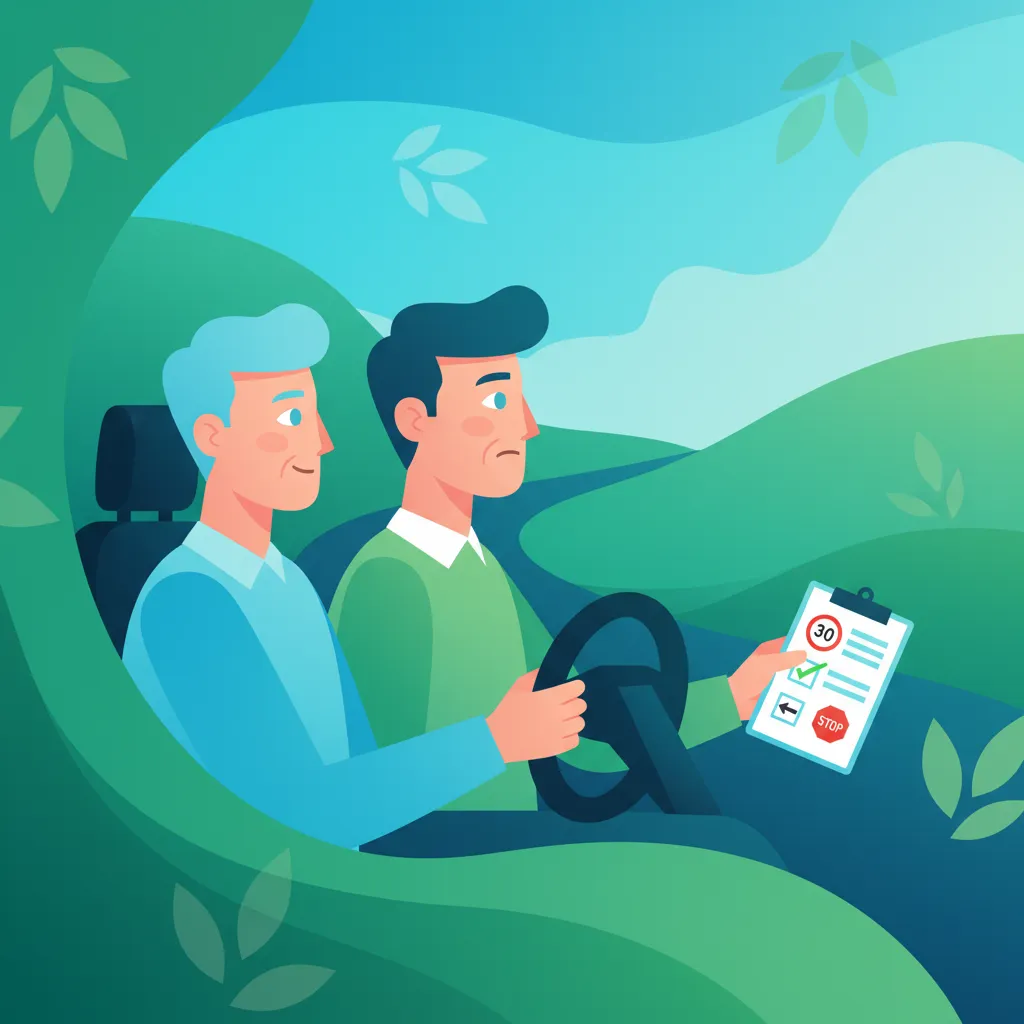
This lesson outlines the specific duties and limitations placed on learner drivers in Iceland, from the mandatory display of L-plates to the requirement for a qualified supervisor. Learners will study night-driving prohibitions, passenger rules for newly licensed drivers, and the legal limits on alcohol consumption during the learning phase. The content also covers the necessity of maintaining a training log and ensuring appropriate insurance coverage for the vehicle.
This lesson explores the health criteria mandated by Icelandic law for operating a vehicle, focusing on visual and auditory acuity, as well as overall physical capability. Students will study required medical certifications and understand acceptable vision levels and hearing standards necessary for safe driving. The lesson also outlines how chronic illnesses, medication side-effects, and mental health conditions can influence driver fitness and legal compliance.
This lesson explores the insurance landscape required for operating a vehicle in Iceland, emphasizing compulsory liability insurance and options for comprehensive coverage. The content explains the distinctions between third-party liability and full coverage policies, the documentation needed for proof of insurance, and the procedural steps for filing an accident claim. Learners also study the legal responsibilities associated with insurance renewal and risk assessment factors.

This lesson outlines the eligibility criteria for a Category AM license, including minimum age, residency, and health requirements. It details the application process with the Icelandic Transport Authority, covering the necessary documentation and examination stages. Learners will understand the complete pathway from application to receiving a full license, ensuring they are prepared for each step.
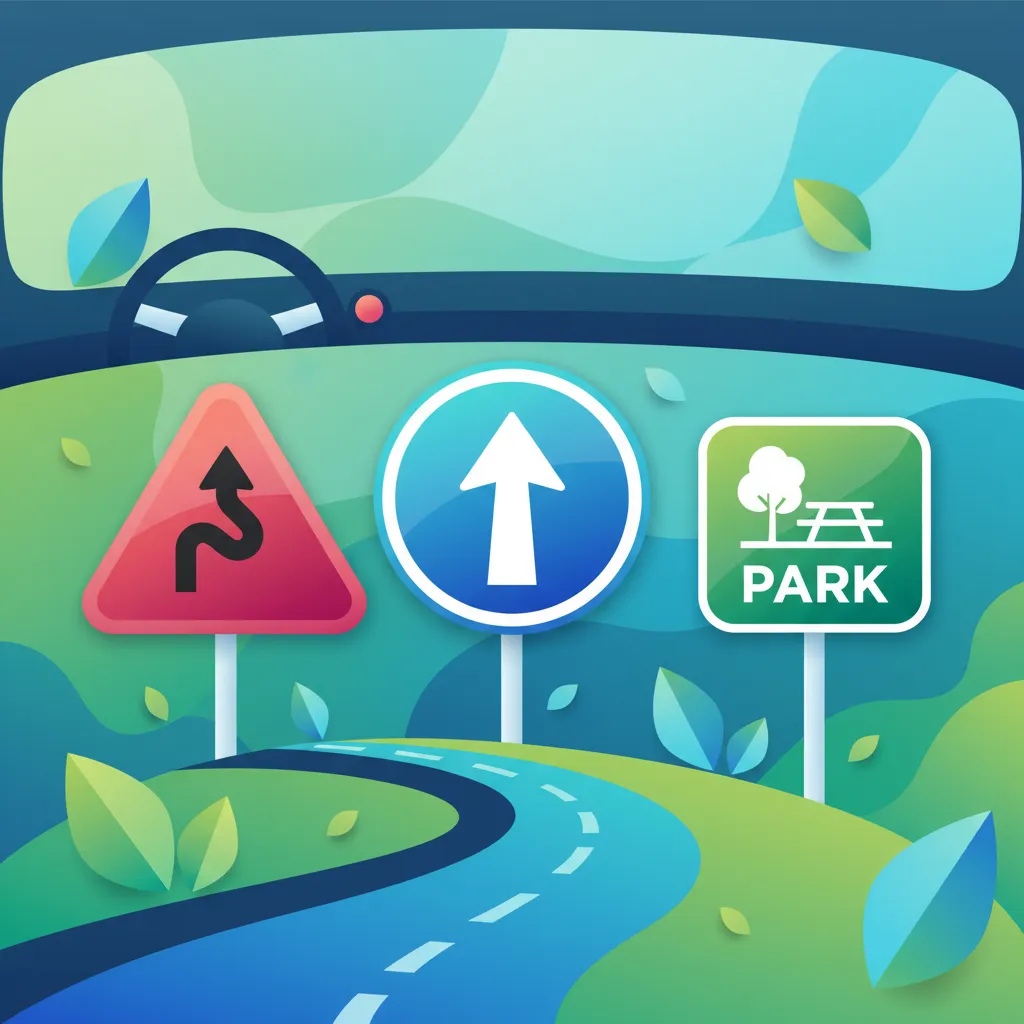
This lesson categorizes Icelandic road signs into regulatory signs that dictate mandatory actions, warning signs that alert drivers to hazards, and informational signs that provide guidance. It explains the distinctive shapes and colour schemes for each category, such as circles for prohibitions and triangles for warnings. By mastering these conventions, students will be able to interpret sign intent instantly and adapt their driving behaviour accordingly to comply with legal obligations.

This lesson provides detailed insight into the structure and logistics of the Icelandic theory test, including its format, question types, and time allocation. It describes how to schedule the exam, the locations of testing centres, and the specific criteria required to pass successfully. Furthermore, students are introduced to effective preparation methods, recommended study resources, and the official policies governing retakes and appeals.
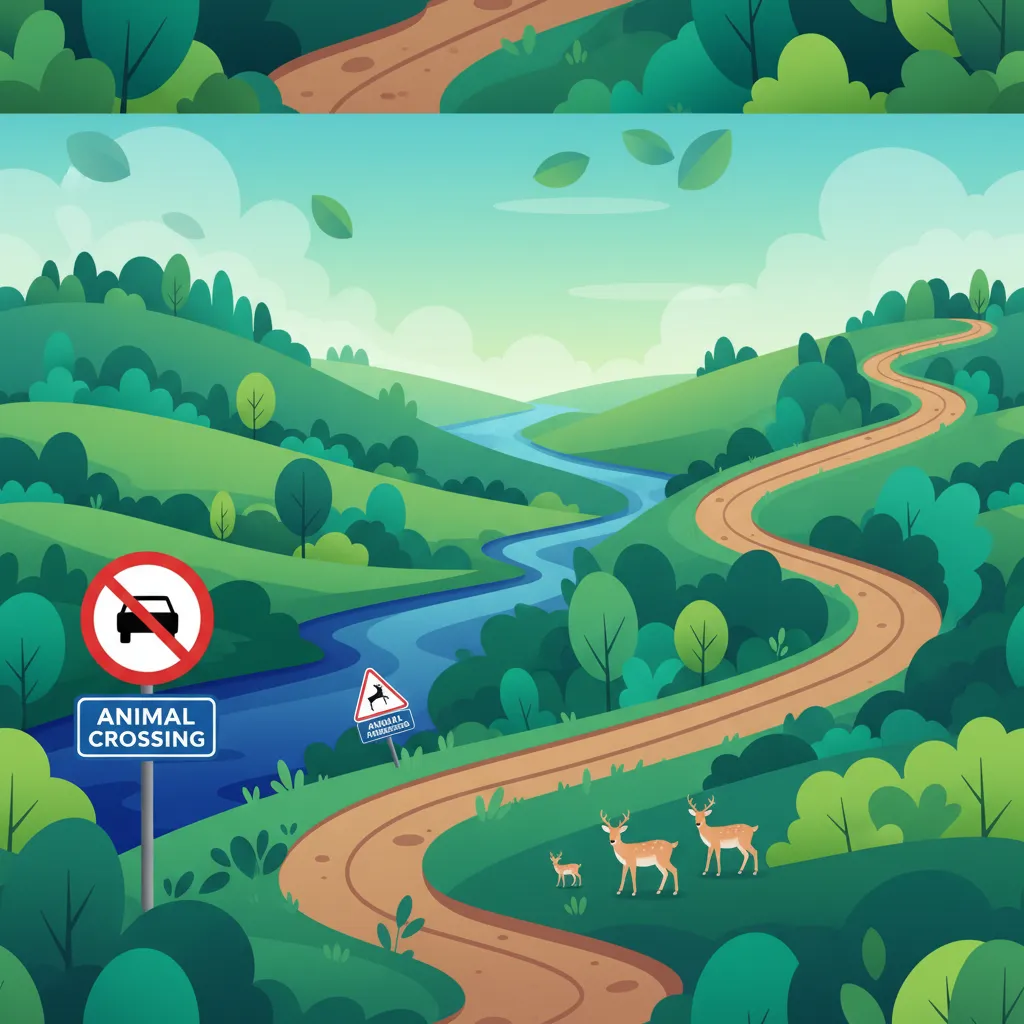
This lesson focuses on the regulations governing highland travel and off-road restrictions, including environmental protections that prohibit off-road driving in certain zones. The lesson details how to interpret highland road signage, understand restrictions related to wildlife crossings like reindeer and sheep, and adhere to road width management guidelines. Learners are also instructed on using emergency contact points in sparsely populated regions.
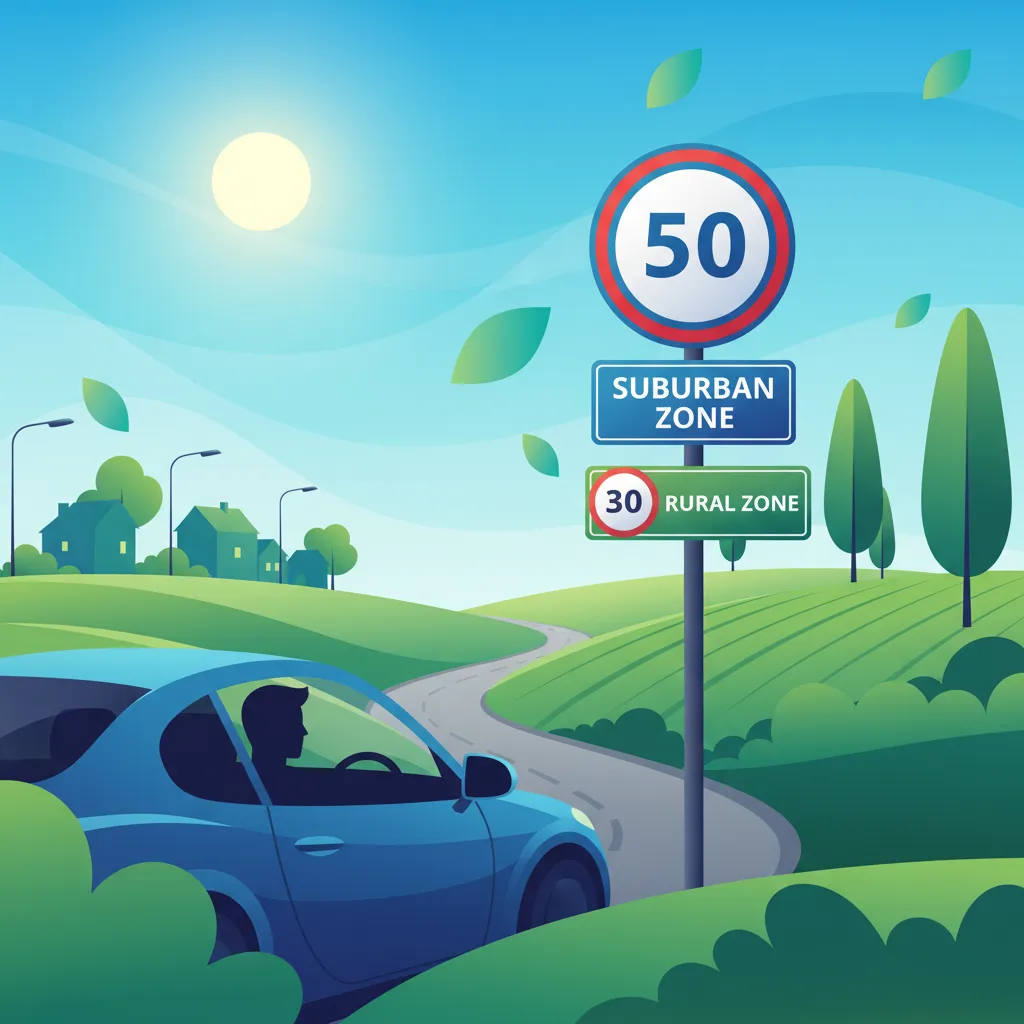
This lesson outlines the speed limits applicable to various road types in Iceland, from urban streets to rural highways and special zones like tunnels. Learners will interpret speed sign markings, understand variable speed limits that adjust for weather, and recognize when temporary speed reductions are enforced. The content also covers speed monitoring devices and the legal consequences of exceeding limits, emphasizing speed awareness in all driving contexts.
This lesson provides a contextual overview of Iceland's traffic law hierarchy, explaining how national statutes, road codes, and local rules interact. Learners will understand the precedence of national laws and how to interpret regulations in different jurisdictions. This knowledge ensures riders can correctly apply the relevant rules in any driving scenario, ensuring consistent legal compliance.
This lesson examines the set of safety equipment required by Icelandic law to be present in every passenger vehicle, focusing on seat belts, airbags, fire extinguishers, and reflective vests. The content explains the correct placement and usage protocols for each item, including how to operate a fire extinguisher and don a reflective vest. Additionally, learners are introduced to the legal requirement for an emergency triangle and a first-aid kit.
Explore the legal responsibilities associated with Icelandic driving licences, including learner permit rules, supervision requirements, licence renewal processes, and the consequences of non-compliance with traffic legislation.
This lesson outlines the specific duties and limitations placed on learner drivers in Iceland, from the mandatory display of L-plates to the requirement for a qualified supervisor. Learners will study night-driving prohibitions, passenger rules for newly licensed drivers, and the legal limits on alcohol consumption during the learning phase. The content also covers the necessity of maintaining a training log and ensuring appropriate insurance coverage for the vehicle.
This lesson explores the insurance landscape required for operating a vehicle in Iceland, emphasizing compulsory liability insurance and options for comprehensive coverage. The content explains the distinctions between third-party liability and full coverage policies, the documentation needed for proof of insurance, and the procedural steps for filing an accident claim. Learners also study the legal responsibilities associated with insurance renewal and risk assessment factors.

This lesson details the legal blood alcohol concentration (BAC) limits applicable to drivers in Iceland and outlines the procedures used by police to enforce these limits. Learners will understand the specific BAC threshold, the operation of breathalyzer devices during roadside checks, and the signs of intoxication. The lesson also covers the penalties associated with exceeding limits, including fines, licence suspension, and the legal implications of refusing a test.
This lesson explores the health criteria mandated by Icelandic law for operating a vehicle, focusing on visual and auditory acuity, as well as overall physical capability. Students will study required medical certifications and understand acceptable vision levels and hearing standards necessary for safe driving. The lesson also outlines how chronic illnesses, medication side-effects, and mental health conditions can influence driver fitness and legal compliance.

This lesson focuses on the routine maintenance tasks essential for preserving vehicle safety and compliance in Iceland, including how to check tire pressure, assess brake wear, and monitor fluid levels. The content also outlines the periodic vehicle inspection process, the requirement for emissions testing, and the steps needed to renew vehicle registration. Understanding these procedures ensures the vehicle remains roadworthy and legally compliant.
This lesson explores the regulations surrounding drug use and its impact on driver capability, examining prohibited substances, testing methods, and specific detection thresholds. Learners also study how prescription medications may affect driving and the legal penalties for drug-impaired driving, including licence revocation. The content emphasizes the importance of medical certification when using legally prescribed drugs that may impair performance.

This lesson outlines the regulations governing pedestrian crossings, including zebra crossings, pedestrian traffic lights, and the driver’s obligations to yield. Learners will study how to identify crosswalk markings, interpret pedestrian signal phases, and understand the enhanced caution required in school zones and areas with high foot traffic. The content also emphasizes the need for drivers to anticipate vulnerable pedestrians and provide additional yielding in low-visibility conditions.
This lesson examines the set of safety equipment required by Icelandic law to be present in every passenger vehicle, focusing on seat belts, airbags, fire extinguishers, and reflective vests. The content explains the correct placement and usage protocols for each item, including how to operate a fire extinguisher and don a reflective vest. Additionally, learners are introduced to the legal requirement for an emergency triangle and a first-aid kit.
This lesson provides an overview of the legal penalties for traffic violations and outlines the correct procedures to follow after an accident. It covers how to secure an accident scene, contact emergency services using 112, and provide basic first aid. Riders will also learn about their legal obligations for reporting incidents and the initial steps for making an insurance claim.
This lesson covers the extensive obligations that come with riding a moped, emphasizing the duty of care to other road users. It details specific legal requirements, such as mandatory helmet use, adherence to speed limits, and correct signaling protocols. Understanding these responsibilities helps riders grasp the consequences of non-compliance and fosters a culture of safety on the road.
Find clear answers to common questions learners have about Legal Framework and Licence Categories. Learn how the lesson is structured, which driving theory objectives it supports, and how it fits into the overall learning path of units and curriculum progression in Iceland. These explanations help you understand key concepts, lesson flow, and exam focused study goals.
Licence categories in Iceland are determined by the type of vehicle you intend to drive. For example, Category B is for standard passenger cars, while other categories exist for motorcycles, trucks, and buses. This lesson focuses on the requirements and framework for Category B.
The minimum age to obtain a Category B driving licence in Iceland is 17 years old. However, there are specific requirements and steps to follow, including a learner period, which are covered in this lesson.
Driving licence regulations and examinations in Iceland are primarily managed by the Icelandic Transport Authority (Samgöngustofa). This authority sets the standards for both the theory and practical driving tests.
Yes, when you begin the process of obtaining your Category B licence, you will need to go through the official registration process with the Icelandic Transport Authority. This lesson explains the initial steps involved.
While the core principles of road safety and traffic law are universal, the theory exam content can be tailored to specific licence categories. This course focuses on Category B, which covers the requirements for passenger cars.
Utilize our advanced practice set search to pinpoint the exact Icelandic driving theory topics you need to review. Filter by subject, difficulty, or question type to create a highly effective study plan and ensure you are fully prepared for your official driving licence test in Iceland.