
This lesson guides you through the precise techniques required for safe turning and signaling on Italian roads. You will learn how to communicate your intentions clearly to other road users and manage your vehicle's positioning to navigate intersections effectively as part of your Patente B preparation.
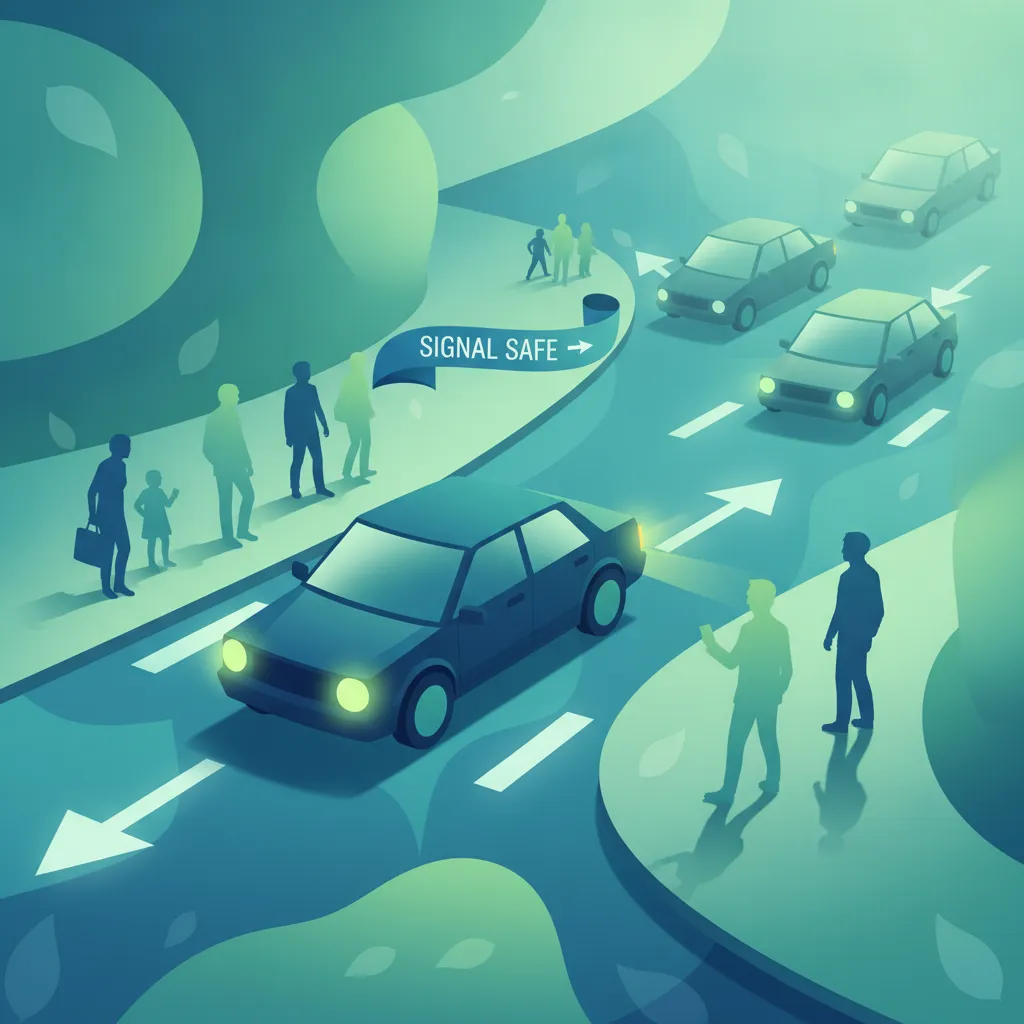
Lesson content overview
Executing turns correctly and signaling your intentions effectively are fundamental skills for any driver seeking an Italian Patente B. This lesson provides an in-depth guide to performing right turns, left turns, and U-turns safely, emphasizing the critical role of early communication and precise vehicle control. Mastering these maneuvers is crucial for navigating Italian roads, maintaining traffic flow, and, most importantly, ensuring the safety of all road users.
Turning maneuvers are an integral part of daily driving, from navigating urban intersections to exiting rural roads. The ability to execute turns safely and predictably is paramount, as improper execution can lead to confusion, increased collision risk, and violations of the Italian Codice della Strada (Road Code). This section builds upon foundational knowledge of visual scanning and vehicle positioning, preparing you for more complex interactions like lane changes and overtaking.
Proper signaling allows other drivers, cyclists, and pedestrians to anticipate your actions, creating a safer and more harmonious traffic environment. Correct lane positioning ensures your vehicle follows an appropriate trajectory, preventing sudden swerves or conflicts with traffic in adjacent lanes. By understanding and applying these principles, you contribute significantly to road safety and demonstrate competence in your Italian Patente B driving theory.
Safe turning is a multifaceted skill, built upon several interconnected principles. Adhering to these core guidelines will ensure your maneuvers are predictable, controlled, and compliant with Italian traffic laws.
The act of activating your turn indicators well in advance of your intended turn, providing ample warning to other road users.
Early signaling is perhaps the most crucial aspect of safe turning. It serves as your primary means of communication with everyone else on the road, indicating your intention to change direction. In urban areas, you must activate your turn indicator at least 30 meters before the turn. On extra-urban roads, this distance increases to at least 100 meters to account for higher speeds and longer reaction times.
Failure to signal early, or not signaling at all, creates ambiguity and can lead to dangerous situations, as other drivers may not anticipate your actions. It can also cause other vehicles to brake unexpectedly or swerve, increasing the risk of rear-end collisions or side impacts. Remember to cancel your signal once the turn is complete to avoid confusing other drivers.
The strategic placement of your vehicle within the correct lane for your intended turn, well before reaching the intersection or junction.
Selecting the appropriate lane well in advance is essential for a smooth and safe turn. This principle ensures that your vehicle's trajectory aligns naturally with the road's geometry and the flow of traffic. For a right turn, you should typically occupy the rightmost lane. For a left turn, you should position your vehicle in the leftmost lane designated for turns.
Incorrect lane selection often leads to abrupt lane changes or attempts to turn from an unsuitable lane, which can cause conflicts with other vehicles already correctly positioned. Such actions are not only dangerous but also contribute to traffic congestion and unpredictable driving patterns.
The practice of progressively reducing your vehicle's speed before entering a turn, matching it to the radius of the curve and prevailing road conditions.
Physics dictates that reducing speed before a turn is vital for maintaining vehicle stability and control. As you turn, centripetal forces act on your vehicle, pushing it outwards. Excessive speed increases these forces, which can lead to a loss of tire traction, causing your vehicle to skid or drift wide.
Begin decelerating well before the turn, using gentle braking or by lifting your foot off the accelerator. Aim for a speed that allows you to complete the turn smoothly without needing sudden, hard braking mid-turn. This approach also provides you with more reaction time to respond to unforeseen hazards, such as pedestrians or unexpected changes in traffic.
A systematic observation process involving the use of mirrors and direct sight to assess the road ahead, to the sides, and to the rear before and during a driving maneuver.
Before initiating any turn, a thorough visual check of your surroundings is non-negotiable. This involves scanning your rearview mirror, side mirrors, and performing quick head checks to cover your vehicle's blind spots. Always check for pedestrians, cyclists, or other vehicles that might be in your intended path of travel.
During the turn, continue to monitor your mirrors and the path ahead. Inadequate scanning can lead to collisions with vulnerable road users, such as pedestrians or cyclists, who may be less visible, or with vehicles that have entered your blind spot. This principle directly links to effective observation and mirror use.
The commitment point refers to the precise moment a driver decides to proceed with a turn after confirming that the path is clear and safe. This decisive action prevents hesitation mid-maneuver, which can be just as dangerous as an unsafe turn.
Once you have signaled, positioned your vehicle, adjusted your speed, and performed all necessary visual checks, you should commit to the turn with confidence. Indecision can confuse other road users and disrupt traffic flow. If, after your checks, you find the path is not clear, it is safer to abandon the turn if possible and proceed straight, then find an alternative route.
Understanding the specific requirements for different types of turns is crucial for safe driving in Italy. Each maneuver has its own set of rules and best practices.
A right turn involves steering your vehicle to the right at an intersection or junction. This maneuver is common in urban and rural settings.
Signal Early: Activate your right turn indicator at least 30 meters before the intersection in urban areas, or 100 meters in extra-urban areas.
Lane Position: Move into the rightmost lane available for traffic traveling in your direction. If there's a dedicated right-turn lane, use it.
Speed Adjustment: Reduce your speed gradually before the turn, matching it to the curve's radius.
Visual Checks: Before and during the turn, check your right rearview mirror, side mirror, and blind spot for cyclists, motorcyclists, or pedestrians. Pay particular attention to pedestrians crossing the path you intend to take.
Execute the Turn: Once the path is clear, smoothly steer into the right turn, staying close to the curb but without mounting it. Maintain a safe distance from any parked vehicles or obstacles.
Cancel Signal: Deactivate your turn indicator once the turn is completed and you are established in the new lane.
A common misunderstanding is turning too wide, which can cause you to drift into an adjacent lane or even oncoming traffic if not careful. Always yield to pedestrians who are legally crossing the street in your path, even if you have a green light.
A left turn involves steering your vehicle to the left at an intersection or junction. In Italy, where driving is on the right-hand side of the road, left turns often involve crossing the path of oncoming traffic, requiring extra caution.
Signal Early: Activate your left turn indicator at least 30 meters before the intersection in urban areas, or 100 meters in extra-urban areas.
Lane Position: Move into the leftmost lane designated for left turns. If there are multiple left-turn lanes, choose the appropriate one based on your intended exit lane.
Speed Adjustment: Reduce your speed gradually before the turn.
Visual Checks: Check your rearview mirror, left side mirror, and blind spot. Critically, scan for oncoming traffic. Also, check for pedestrians or cyclists who may be crossing your path.
Yield to Oncoming Traffic: Unless a dedicated green arrow or traffic officer explicitly grants you priority, you must yield to oncoming traffic. Wait for a safe gap before proceeding.
Execute the Turn: Turn into the left lane of the road you are entering, completing the turn smoothly. Avoid cutting the corner too sharply or swinging too wide.
Cancel Signal: Deactivate your turn indicator once the turn is completed.
A frequent mistake is failing to give way to oncoming vehicles, which is a significant cause of collisions at intersections. Always ensure your path is completely clear before initiating a left turn, especially if there is no dedicated left-turn arrow giving you priority.
A U-turn is a maneuver in which a vehicle turns 180 degrees to proceed in the opposite direction on the same road. In Italy, U-turns are subject to strict regulations.
A maneuver where a vehicle reverses its direction of travel by making a 180-degree turn, permitted only where explicitly allowed by road signs or markings.
U-turns are only permitted where specific road signs or markings explicitly allow them. They are generally prohibited on divided highways without designated median openings, on busy streets where they would impede traffic, or where visibility is limited (e.g., on blind curves or near the crest of a hill).
Confirm Legality: Ensure a U-turn is explicitly allowed by signage or road markings at your location.
Signal Left: Activate your left turn indicator well in advance, as you would for a standard left turn.
Lane Position: Position your vehicle in the leftmost lane.
Comprehensive Checks: Check your left mirror and blind spot for traffic. Before initiating the turn, check your right mirror and blind spot as you will be turning through a wide arc. Scan for oncoming traffic and traffic from behind that might be planning to overtake.
Yield: Yield to all other traffic, including oncoming vehicles and those behind you, as a U-turn can be an unexpected maneuver for other road users.
Execute the Turn: When the path is completely clear, make a wide, smooth 180-degree turn, aiming to finish in the leftmost lane of the opposite direction, then change lanes as necessary.
Cancel Signal: Deactivate your turn indicator after completing the U-turn.
Attempting a U-turn where it is prohibited is not only illegal but extremely dangerous, as it creates an unpredictable obstacle for other drivers and significantly increases the risk of serious collisions.
The Italian Codice della Strada specifies clear rules for turning maneuvers to ensure order and safety. Adhering to these regulations is mandatory for all drivers.
Drivers in Italy are legally required to activate their turn indicators before performing any change of direction, including right turns, left turns, and U-turns. This applies to all road types. The purpose is to provide clear and early communication of intent, enhancing predictability and reducing accident risk. For example, activating your right indicator at least 30 meters before a right turn in an urban setting is correct, while failing to signal before a left turn at a controlled intersection is a violation.
When approaching an intersection with multiple lanes, drivers must position their vehicle in the lane appropriate for their intended turn at least 30 meters before the intersection. This rule prevents sudden and dangerous lane changes near the intersection. For instance, correctly moving into the leftmost lane before a left turn where a dedicated left-turn lane exists is mandatory. Conversely, attempting to turn right from a middle lane without first moving to the rightmost lane is an example of incorrect lane use.
It is legally implied that drivers must reduce their speed sufficiently before entering a turn, ensuring the speed is appropriate for the curve's radius, road conditions, and visibility. This regulation aims to prevent loss of traction and allow for smoother, more controlled turning. Decelerating to 20 km/h before a tight left turn on a residential street is a correct application of this principle. Maintaining 50 km/h into the same tight turn, causing a skid, is an example of dangerous and incorrect speed management.
Italian law mandates specific yielding requirements during turns. When making a left turn, drivers must yield to oncoming traffic unless a dedicated lane or a green arrow grants them priority. For right turns, drivers must always yield to pedestrians who are legally crossing the path of travel. Stopping before a left turn at a four-way stop until oncoming traffic has passed is a correct action. Proceeding with a left turn without checking for oncoming traffic, leading to a collision, is a clear violation. Similarly, turning right without checking for pedestrians on a crosswalk is a serious offense.
U-turns are strictly regulated and are only permitted where road signs or markings explicitly allow them. This rule is designed to prevent unexpected and dangerous reversals of direction that could conflict with opposing traffic flow. An example of correct behavior is performing a U-turn at a designated median opening on a city boulevard where a sign permits it. Making a U-turn on a divided highway without any sign indicating permission is illegal and hazardous.
Even experienced drivers can sometimes make errors during turns. Being aware of common pitfalls helps in avoiding them.
Safe turning isn't just about following fixed rules; it's also about adapting your approach to varying conditions.
Adverse weather conditions significantly impact turning safety. In rain, snow, or ice, tire traction is reduced. You must:
Different road types and intersection designs demand specific approaches to turning:
Understanding the consequences of your actions reinforces the importance of safe driving practices.
These principles are deeply intertwined with other aspects of driving. Effective turning relies on strong observation skills (6.1 Visual Scan and Mirror Use), an understanding of vehicle positioning (6.2 Vehicle Positioning in Lanes and Road Geometry), the ability to interpret road signs and markings (Unit 3), and a solid grasp of priority rules (Unit 4). Mastering turns also directly prepares you for safely executing lane changes (6.4 Lane Changes and Checking Blind Spots) and overtaking maneuvers (6.5 Safe Overtaking Practices), where interaction with turning vehicles is common.
Let's look at how these principles apply in typical driving situations for an Italian Patente B candidate.
Setting: A city intersection with traffic lights. You intend to turn right, and there is a dedicated right-turn arrow, currently red. Correct Behavior: You activate your right turn indicator at least 30 meters before the intersection. You check your right rearview mirror and side mirror, then smoothly guide your vehicle into the rightmost lane. You stop completely behind the white line, waiting for the right-turn arrow to turn green. As the arrow appears, you perform a final visual scan for pedestrians crossing the path and any last-minute traffic. Once clear, you smoothly execute the turn, staying close to the curb. After completing the turn and establishing your vehicle in the new lane, you cancel the indicator.
Incorrect Behavior: Approaching the intersection, you only activate your right indicator just as you begin to turn. You stay in the middle lane, then attempt to quickly merge into the rightmost lane, cutting off another vehicle. When the right-turn arrow turns green, you rush the turn without checking for pedestrians, forcing someone to jump back.
Setting: A residential four-way stop sign intersection. You intend to turn left. Correct Behavior: You signal left at least 30 meters before the stop line and position your vehicle in the leftmost lane. You bring your vehicle to a complete stop behind the white line. You then meticulously check traffic coming from your right, then left, and especially oncoming traffic, yielding to any vehicles that have the right of way. Once you confirm there's a safe gap in oncoming traffic, and the intersection is clear of pedestrians, you smoothly execute the left turn, aiming for the left lane of the new road. You then cancel your signal.
Incorrect Behavior: You signal late, or not at all. You approach the stop sign but only slow down, not stopping completely. You proceed with the left turn without properly checking for oncoming traffic, causing an oncoming car to brake sharply to avoid a collision.
Setting: A multi-lane roundabout with clearly marked entry and exit lanes. You need to take the "third exit" (which typically implies a left turn). Correct Behavior: As you approach the roundabout, you signal left, following the road markings to enter the appropriate lane (often an inner lane for left turns or later exits). You yield to traffic already circulating within the roundabout. Once a safe gap appears, you enter, keeping to your chosen lane. As you pass the exit before your intended one, you change your signal to the right, check your mirrors and blind spot for cyclists or other vehicles, and smoothly move into the outermost lane to exit the roundabout.
Incorrect Behavior: You fail to signal on approach or signal incorrectly. You enter the roundabout from the wrong lane. You fail to yield to circulating traffic, forcing them to brake. Inside the roundabout, you cut across lanes or fail to signal your exit, causing confusion and risk of side collisions.
Mastering turning maneuvers is a cornerstone of safe and confident driving, especially for those preparing for their Italian Patente B. The principles of early signaling, correct lane positioning, appropriate speed management, and comprehensive visual checks are interconnected and essential. Always remember to yield where necessary, especially to vulnerable road users and oncoming traffic. By diligently applying these techniques and understanding the underlying regulations of the Codice della Strada, you will be well-equipped to navigate turns safely and predictably in any driving environment.
Executing safe turning maneuvers requires a systematic sequence: early signaling at prescribed distances, correct lane positioning well before intersections, speed reduction before the turn, and comprehensive visual checks covering mirrors and blind spots. Italian traffic law mandates specific signaling distances and lane discipline requirements, with U-turns permitted only where explicitly authorized by signs. Left turns require yielding to oncoming traffic unless priority is granted by a green arrow, while right turns must always yield to pedestrians in crosswalks. Common errors include late signaling, incorrect lane selection, inadequate hazard scanning, and excessive entry speed, all of which significantly increase collision risk at intersections.
A short set of high-value points that capture the most important learning from this lesson.
Early signaling must be activated at least 30 meters before turns in urban areas and 100 meters on extra-urban roads to give other road users time to react
Correct lane positioning must be established well in advance of the intersection to ensure a smooth and predictable trajectory
Speed must be reduced before entering any turn to maintain vehicle traction and prevent skidding
Comprehensive visual checks using mirrors and blind spot head checks are mandatory before and during every turning maneuver
U-turns are strictly prohibited except where road signs or markings explicitly permit them
Explore all units and lessons included in this driving theory course.
Always yield to pedestrians crossing legally in your path when making a right turn, regardless of traffic light status
When turning left, yield to oncoming traffic unless a dedicated green arrow grants you priority
Cancel your turn indicator immediately after completing a turn to avoid confusing other drivers
Position yourself in the appropriate lane at least 30 meters before reaching any intersection
The commitment point requires decisive action once all checks confirm the path is clear; hesitation creates danger
Activating turn indicators only as the turn begins, providing insufficient warning to other road users
Attempting to turn from a lane not designated for that maneuver, such as making a right turn from the middle lane
Failing to check for oncoming traffic before initiating a left turn, leading to potential head-on collisions
Entering turns at excessive speeds, causing loss of tire traction and vehicle control
Neglecting blind spot checks for cyclists and motorcyclists who may be less visible in mirrors
Lesson content overview
A short set of high-value points that capture the most important learning from this lesson.
Early signaling must be activated at least 30 meters before turns in urban areas and 100 meters on extra-urban roads to give other road users time to react
Correct lane positioning must be established well in advance of the intersection to ensure a smooth and predictable trajectory
Speed must be reduced before entering any turn to maintain vehicle traction and prevent skidding
Comprehensive visual checks using mirrors and blind spot head checks are mandatory before and during every turning maneuver
U-turns are strictly prohibited except where road signs or markings explicitly permit them
Explore all units and lessons included in this driving theory course.
Always yield to pedestrians crossing legally in your path when making a right turn, regardless of traffic light status
When turning left, yield to oncoming traffic unless a dedicated green arrow grants you priority
Cancel your turn indicator immediately after completing a turn to avoid confusing other drivers
Position yourself in the appropriate lane at least 30 meters before reaching any intersection
The commitment point requires decisive action once all checks confirm the path is clear; hesitation creates danger
Activating turn indicators only as the turn begins, providing insufficient warning to other road users
Attempting to turn from a lane not designated for that maneuver, such as making a right turn from the middle lane
Failing to check for oncoming traffic before initiating a left turn, leading to potential head-on collisions
Entering turns at excessive speeds, causing loss of tire traction and vehicle control
Neglecting blind spot checks for cyclists and motorcyclists who may be less visible in mirrors
Explore search topics learners often look for when studying Turning Maneuvers and Signal Use. These topics reflect common questions about road rules, driving situations, safety guidance, and lesson level theory preparation for learners in Italy.
Browse additional driving theory lessons that cover connected traffic rules, road signs, and common driving situations related to this topic. Improve your understanding of how different rules interact across everyday traffic scenarios.
Explore advanced turning scenarios on Italian roads, including multi-lane intersections, challenging weather, and urban traffic. Understand how to safely execute turns in complex situations and adapt to varied road conditions for your Patente B.

This lesson explains how to execute left turns, right turns, and U-turns safely while maintaining correct lane discipline. It covers interpreting road markings and arrows, selecting the proper vehicle position, and using signals in a timely manner. Performing shoulder checks to monitor blind spots before and during a turn is a key focus for preventing collisions.

This lesson provides essential rules and techniques for driving on Italian motorways (autostrade) and major extra-urban roads. It explains how to safely merge onto the motorway from an entry ramp, the strict lane discipline required (drive right, overtake left), and how to exit correctly. The content also covers speed regulations, maintaining a safe following distance at high speed, and procedures for using service areas and handling emergencies.

This lesson introduces the philosophy and techniques of defensive driving, a proactive approach focused on anticipating and mitigating potential hazards. It teaches drivers to maintain constant situational awareness by scanning the road ahead, behind, and to the sides. The content covers how to manage the space around the vehicle, identify potential escape routes, and predict the actions of other road users to prevent dangerous situations from developing.
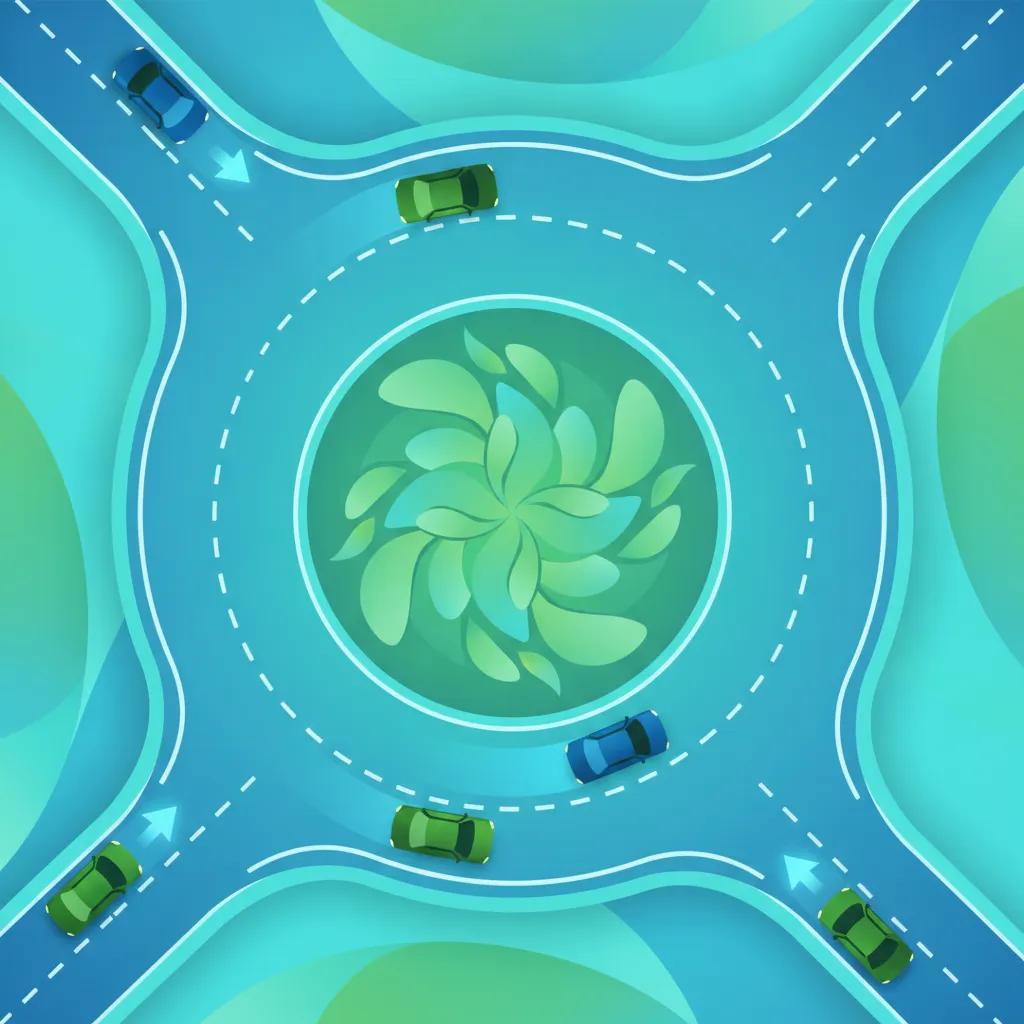
This lesson provides a step-by-step guide to safely and efficiently navigating roundabouts (rotatorie). It explains the primary rule of yielding to traffic already circulating within the roundabout before entering. The content covers correct lane positioning based on the intended exit, the proper use of turn signals when entering and exiting, and how to handle multi-lane roundabouts.

This lesson provides comprehensive guidance on the rules and best practices for safe overtaking. It explains how to assess whether it is legal and safe to pass, considering road markings, signs, and the distance of oncoming traffic. The content details the correct procedure, including signaling, accelerating, maintaining a safe distance during the maneuver, and returning to the original lane safely.

This lesson teaches the correct and safe technique for reversing a vehicle. It emphasizes the importance of performing a full 360-degree check for hazards before starting and maintaining slow, controlled movement. The content covers how to use mirrors and direct observation effectively, how to steer accurately while looking backward, and the increased need for caution regarding pedestrians and cyclists in the vehicle's blind areas.

This lesson explains the rules for special urban traffic situations common in Italy. It provides a detailed explanation of Limited Traffic Zones (ZTL), including how to recognize the signage and understand the access restrictions to avoid fines. The content also offers guidance on navigating the narrow and complex streets of historic centers and safely maneuvering around frequently stopping delivery vehicles.

This lesson focuses on the unique characteristics and challenges of driving on rural and mountain roads. It covers how to safely navigate sharp curves, steep inclines, and narrow lanes with limited visibility, often requiring the use of the horn to signal presence. The content also prepares drivers for potential hazards such as slow-moving agricultural vehicles, unexpected animal crossings, and variable road surface quality.
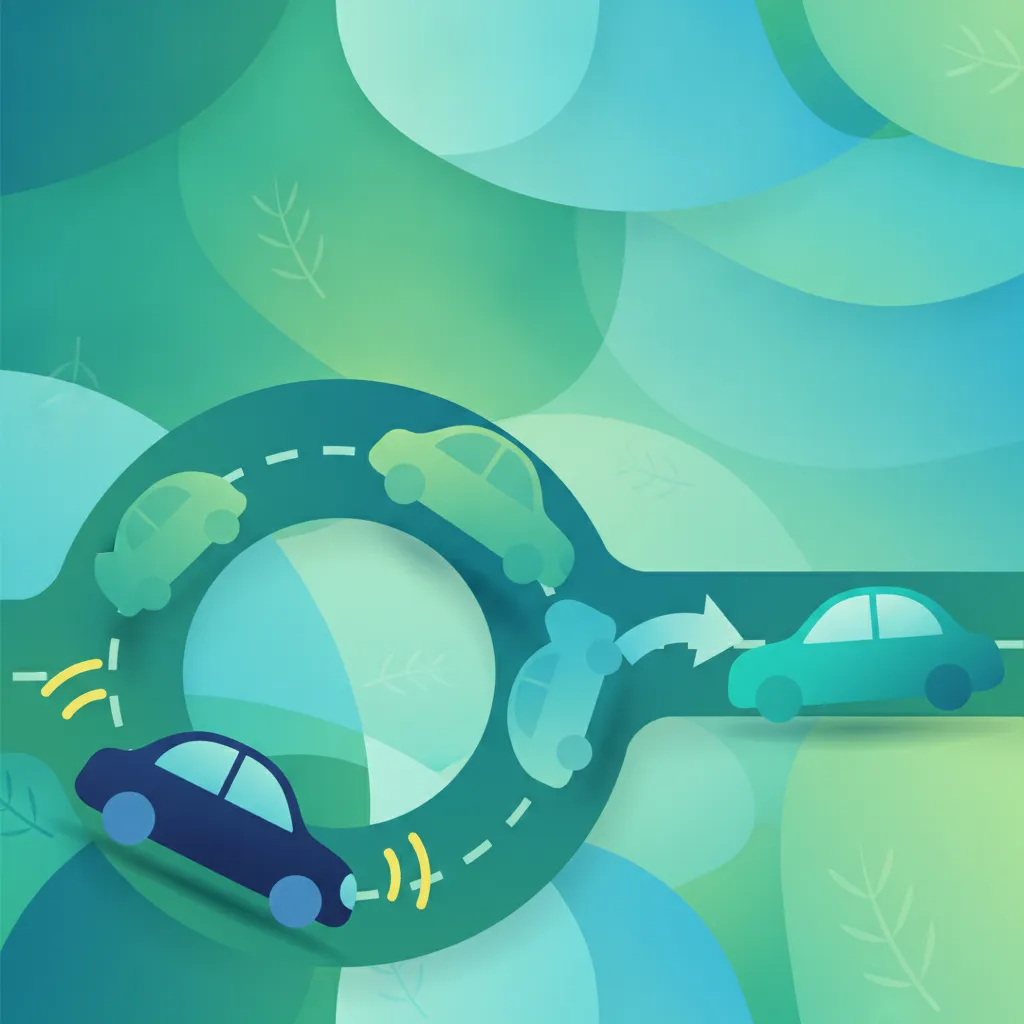
This lesson provides a step-by-step guide to navigating roundabouts safely and efficiently. It focuses on the critical rule of yielding to traffic already circulating within the roundabout before entering. You will also learn how to select the correct lane based on your intended exit and how to use your indicators to signal your maneuvers clearly.
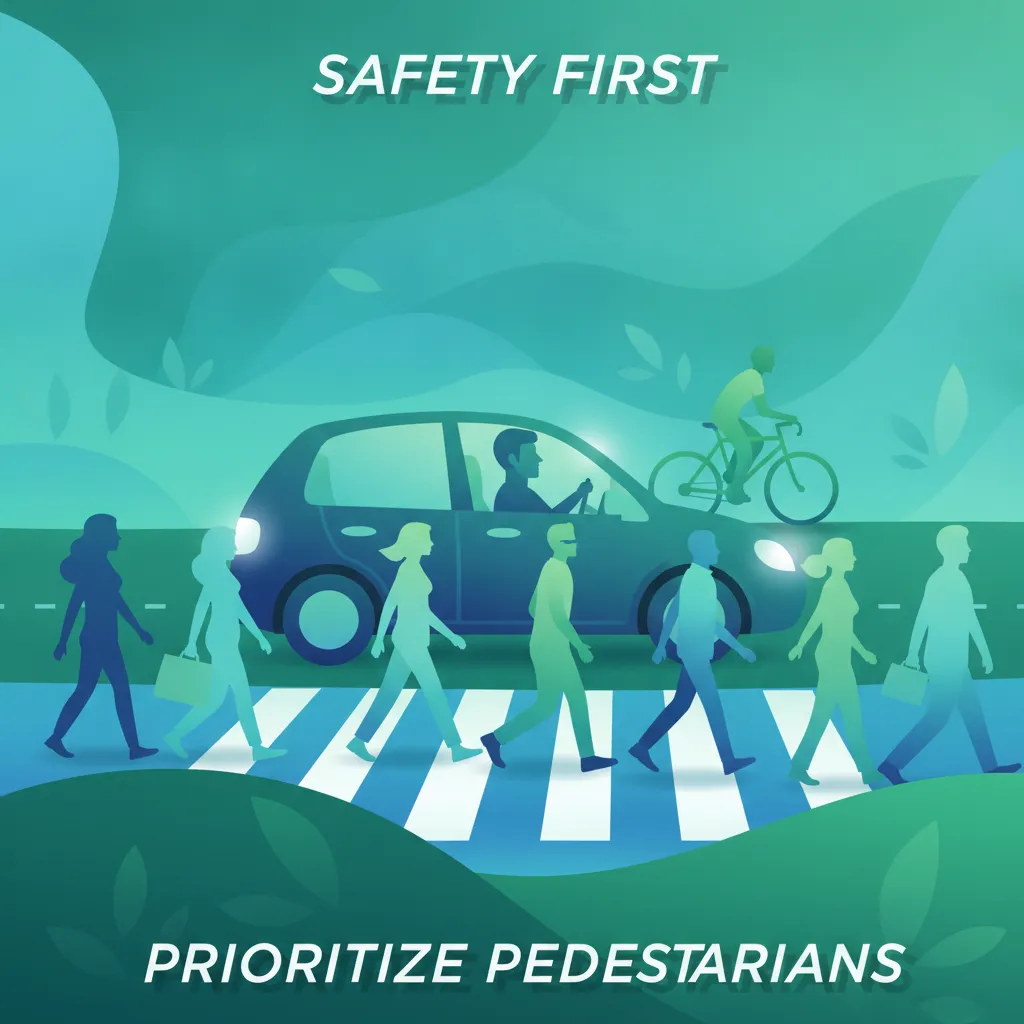
This lesson provides critical guidance on how to safely share the road with vulnerable users, including pedestrians, cyclists, motorcyclists, and children. It highlights the importance of increased awareness in specific areas like school zones and crosswalks. The content teaches techniques for maintaining a safe lateral distance when overtaking, checking blind spots thoroughly, and anticipating the often unpredictable movements of these users.
Learn to identify and avoid common errors drivers make during turning maneuvers, such as incorrect signaling, lane positioning, and speed control. Focus on the safety implications and legal requirements for safe turns according to Italian traffic law.
This lesson explains how to execute left turns, right turns, and U-turns safely while maintaining correct lane discipline. It covers interpreting road markings and arrows, selecting the proper vehicle position, and using signals in a timely manner. Performing shoulder checks to monitor blind spots before and during a turn is a key focus for preventing collisions.
This lesson provides a step-by-step guide to navigating roundabouts safely and efficiently. It focuses on the critical rule of yielding to traffic already circulating within the roundabout before entering. You will also learn how to select the correct lane based on your intended exit and how to use your indicators to signal your maneuvers clearly.
This lesson provides a step-by-step guide to safely and efficiently navigating roundabouts (rotatorie). It explains the primary rule of yielding to traffic already circulating within the roundabout before entering. The content covers correct lane positioning based on the intended exit, the proper use of turn signals when entering and exiting, and how to handle multi-lane roundabouts.
This lesson teaches the correct and safe technique for reversing a vehicle. It emphasizes the importance of performing a full 360-degree check for hazards before starting and maintaining slow, controlled movement. The content covers how to use mirrors and direct observation effectively, how to steer accurately while looking backward, and the increased need for caution regarding pedestrians and cyclists in the vehicle's blind areas.
This lesson provides essential rules and techniques for driving on Italian motorways (autostrade) and major extra-urban roads. It explains how to safely merge onto the motorway from an entry ramp, the strict lane discipline required (drive right, overtake left), and how to exit correctly. The content also covers speed regulations, maintaining a safe following distance at high speed, and procedures for using service areas and handling emergencies.
This lesson provides comprehensive guidance on the rules and best practices for safe overtaking. It explains how to assess whether it is legal and safe to pass, considering road markings, signs, and the distance of oncoming traffic. The content details the correct procedure, including signaling, accelerating, maintaining a safe distance during the maneuver, and returning to the original lane safely.

This lesson teaches the safe and systematic procedure for changing lanes. It covers the essential sequence of actions: signaling the intention, checking mirrors, performing a shoulder check to cover the blind spot, and then executing a smooth maneuver into the adjacent lane. The content stresses the need to judge the speed and distance of other vehicles to ensure a safe gap before initiating the lane change.

This lesson details how to safely approach and enter intersections by correctly interpreting traffic lights, stop signs, and give-way rules. It emphasizes the importance of scanning for hazards, checking blind spots, and anticipating the actions of other road users. You will learn to adjust your speed and position your vehicle correctly to navigate crossings without incident.
This lesson introduces the philosophy and techniques of defensive driving, a proactive approach focused on anticipating and mitigating potential hazards. It teaches drivers to maintain constant situational awareness by scanning the road ahead, behind, and to the sides. The content covers how to manage the space around the vehicle, identify potential escape routes, and predict the actions of other road users to prevent dangerous situations from developing.
This lesson emphasizes the importance of clear communication and cooperative behavior among all road users to prevent conflicts and enhance safety. It details the proper and legal use of vehicle signals, such as turn indicators and hazard lights, as well as the appropriate use of the horn. The content also explores the role of non-verbal cues like eye contact and courtesy gestures in creating a predictable and safe driving environment.
Find clear answers to common questions learners have about Turning Maneuvers and Signal Use. Learn how the lesson is structured, which driving theory objectives it supports, and how it fits into the overall learning path of units and curriculum progression in Italy. These explanations help you understand key concepts, lesson flow, and exam focused study goals.
You must activate your turn signal well in advance of the maneuver to provide sufficient warning to other drivers. Signaling too late is a common reason for points deduction in practical training and a frequent trap in theory exam questions.
No, U-turns (inversione di marcia) are strictly regulated. You must never perform one where there is a prohibition sign, on crests, curves, or in any situation where visibility is restricted or it would create a hazard for other road users.
Correct lane positioning prepares you for the turn and guides other drivers on your intentions. Failing to be in the correct lane (e.g., staying in the left lane to turn right) is a major violation and a core concept tested in the Patente B theory exam.
You must perform a 'systematic observation' which includes checking your rear-view mirrors and the appropriate blind spot before moving your vehicle. This ensures no cyclists, motorcyclists, or pedestrians are alongside you before you commit to the turn.
Start searching now to pinpoint exactly which Italian driving theory topics, road signs, or traffic rules you need to master. Use our advanced filters to build a custom practice session and ensure you're fully prepared for every aspect of your official driving licence exam.