
This lesson explores the specific challenges of driving on rural and mountain roads, which differ significantly from urban traffic. You will learn how to handle narrow lanes, sharp bends, and varying surface conditions, which are essential skills for passing your Patente B theory exam and ensuring safety on non-urban roads.

Lesson content overview
Navigating the diverse landscapes of Italy, from its rolling countryside to its majestic alpine passes, often means encountering rural and mountain roads. These routes present a unique set of challenges that require specific driving skills, heightened awareness, and adherence to the Codice della Strada (Italian Road Code). This comprehensive lesson prepares you for these conditions, ensuring you can drive safely and responsibly.
Driving on rural and mountain roads goes beyond basic traffic rules. It demands a deep understanding of how road geometry, environmental factors, and traffic composition combine to create distinct hazards. Mastering these conditions is not just about passing your Patente B theory test; it's about developing the proactive driving habits essential for real-world safety on Italy's less predictable routes.
Rural and mountain roads are inherently different from urban streets or motorways. Their design, traffic patterns, and environmental exposure demand a different approach to driving.
The physical layout, or road geometry, is perhaps the most defining characteristic of rural and mountain roads. Unlike the straight, wide lanes of autostrade (motorways), these roads are often characterized by tight bends, significant elevation changes, and limited width.
Drivers must constantly assess the road's geometry and adjust their speed and positioning accordingly. The rules mandate speed reduction before curves to ensure adequate braking distance and vehicle control.
Visibility constraints are another major factor on rural and mountain roads. These limitations to your line of sight can be caused by the road's curvature, dense vegetation, hilly terrain, or even weather conditions.
Drivers must compensate for reduced sightlines by using appropriate signaling and adjusting their speed. The Italian Codice della Strada specifically mandates the use of the horn (claxon) before entering blind curves to alert other road users of your presence. This is a critical safety measure, not an optional courtesy.
The rural traffic composition differs significantly from urban or motorway environments. On country roads, you are far more likely to encounter vehicles that move slowly and may occupy a substantial portion of the lane.
Drivers must adjust their speed and be prepared to stop or take evasive action. Overtaking agricultural vehicles requires extreme caution and should only be performed on clear, straight sections of road. In areas known for animal crossings, vigilance and reduced speed are paramount.
Road surface variability is a constant on rural and mountain routes. You might encounter anything from smooth asphalt to loose gravel, potholes, or sections where the surface quality changes abruptly.
These variations directly impact your vehicle's traction and braking performance. Drivers must adjust speed, braking technique, and increase following distance according to the prevailing surface conditions to maintain control. Assuming that modern vehicle stability systems will compensate for all changes is a dangerous misunderstanding.
Specific driving techniques are vital for safe navigation on rural and mountain roads, integrating anticipation, precise vehicle control, and adherence to signaling protocols.
Speed adaptation is arguably the most critical principle. It means continuously modifying your speed to match the road geometry, visibility, traffic conditions, and surface quality.
Lane discipline involves maintaining a consistent and appropriate lateral position within your lane. On narrow rural and mountain roads, this is crucial for safety.
The horn (claxon) is not just for emergencies or expressing frustration; it's a vital safety tool on rural and mountain roads in Italy.
Engine braking is a crucial technique for driving on long or steep descents. It involves using the engine's resistance to slow the vehicle, rather than relying solely on the foot brakes.
Anticipate the descent: As you approach a steep decline, assess its length and gradient.
Select a lower gear: Downshift to a gear that the vehicle would typically use for climbing the same slope. This increases engine revolutions and resistance.
Allow the engine to slow the vehicle: The car's speed will be naturally controlled by the engine's compression.
Use foot brakes intermittently: Apply the foot brake briefly and firmly only if the vehicle gains too much speed, then release to allow the brakes to cool. Avoid continuous, light pressure.
Adhering to the Codice della Strada is fundamental for safe driving. Several specific regulations govern behavior on rural and mountain roads, emphasizing caution and awareness.
Disregarding the specific demands of rural and mountain roads can lead to severe consequences, from minor incidents to serious collisions.
Safe driving on rural and mountain roads also involves adapting to dynamic conditions and understanding how your vehicle and other road users interact.
Weather and light dramatically alter driving conditions, requiring immediate adjustments.
Your vehicle's state and your interactions with others also play a role.
The rules and techniques for rural and mountain driving are rooted in fundamental safety principles, often derived from the physics of motion and human perception.
Understanding the why behind these rules reinforces their importance and helps you make safer driving choices, not just in theory but in every practical situation on the road.
Applying theoretical knowledge to real-world scenarios is crucial for developing safe driving habits.
To solidify your understanding and ensure you are fully prepared for your Patente B theory test and real-world driving, consider reviewing related topics.
Rural and mountain roads in Italy present unique hazards including sharp curves, steep gradients, narrow lanes, and limited visibility that require specific driving techniques. Key safety rules include mandatory horn use before blind curves, speed reduction before entering bends, and strict overtaking prohibitions where sightlines are insufficient. Engine braking is the recommended technique for descents to prevent brake fade, while low beam headlights must be used in poor visibility conditions. Understanding the physics behind these rules—such as why excessive speed on curves causes loss of traction—helps reinforce their importance for both the Patente B exam and real-world driving safety.
A short set of high-value points that capture the most important learning from this lesson.
Always reduce speed BEFORE entering curves, not during them, to maintain traction and control.
The horn (claxon) is mandatory in Italy before entering any blind curve to warn oncoming traffic of your presence.
Engine braking is essential on steep descents to prevent brake fade and maintain full braking power for emergencies.
Overtaking is strictly prohibited on blind curves, hillcrests, and anywhere visibility is insufficient for a safe maneuver.
Agricultural vehicles require extra caution on narrow rural roads; only overtake on clear, straight sections with adequate visibility.
Explore all units and lessons included in this driving theory course.
Speed must always allow you to stop safely within the visible road ahead, especially on unfamiliar or winding routes.
Low beam headlights are required in fog, heavy rain, and heavily shaded mountain areas; high beams cause dangerous glare.
A loaded vehicle has longer braking distances and altered handling; reduce speed further on curves and descents.
Use a lower gear when ascending steep gradients to maintain engine power without straining the engine.
Areas with posted animal warning signs require heightened vigilance and reduced speed, especially at dawn and dusk.
Assuming that because you cannot see oncoming traffic, the road is clear; always anticipate the unexpected on blind curves.
Using continuous light foot braking on long descents, which causes brake overheating and potential brake failure.
Attempting to overtake slow-moving agricultural vehicles on curves or narrow sections where visibility is limited.
Relying solely on high beams in fog or heavy rain, which reflects light back and severely reduces visibility for yourself and others.
Driving at the posted speed limit without adapting to road geometry, surface conditions, or reduced visibility.
Lesson content overview
A short set of high-value points that capture the most important learning from this lesson.
Always reduce speed BEFORE entering curves, not during them, to maintain traction and control.
The horn (claxon) is mandatory in Italy before entering any blind curve to warn oncoming traffic of your presence.
Engine braking is essential on steep descents to prevent brake fade and maintain full braking power for emergencies.
Overtaking is strictly prohibited on blind curves, hillcrests, and anywhere visibility is insufficient for a safe maneuver.
Agricultural vehicles require extra caution on narrow rural roads; only overtake on clear, straight sections with adequate visibility.
Explore all units and lessons included in this driving theory course.
Speed must always allow you to stop safely within the visible road ahead, especially on unfamiliar or winding routes.
Low beam headlights are required in fog, heavy rain, and heavily shaded mountain areas; high beams cause dangerous glare.
A loaded vehicle has longer braking distances and altered handling; reduce speed further on curves and descents.
Use a lower gear when ascending steep gradients to maintain engine power without straining the engine.
Areas with posted animal warning signs require heightened vigilance and reduced speed, especially at dawn and dusk.
Assuming that because you cannot see oncoming traffic, the road is clear; always anticipate the unexpected on blind curves.
Using continuous light foot braking on long descents, which causes brake overheating and potential brake failure.
Attempting to overtake slow-moving agricultural vehicles on curves or narrow sections where visibility is limited.
Relying solely on high beams in fog or heavy rain, which reflects light back and severely reduces visibility for yourself and others.
Driving at the posted speed limit without adapting to road geometry, surface conditions, or reduced visibility.
Explore search topics learners often look for when studying Characteristics of Rural and Mountain Roads. These topics reflect common questions about road rules, driving situations, safety guidance, and lesson level theory preparation for learners in Italy.
Browse additional driving theory lessons that cover connected traffic rules, road signs, and common driving situations related to this topic. Improve your understanding of how different rules interact across everyday traffic scenarios.
Understand the unique challenges of rural and mountain driving, including sharp curves, gradients, and limited visibility. Learn essential techniques like speed adaptation, horn use, and engine braking for Italian roads, crucial for your Patente B theory.

This lesson provides specific strategies for riding on narrow rural roads, which often feature poor surfaces and limited sightlines. It details the techniques for approaching and navigating hairpin bends, including selecting the correct line, managing speed before entry, and using appropriate gear selection. The content emphasizes anticipating oncoming traffic and potential hazards hidden around blind corners for enhanced safety.

This lesson provides specialized instruction for driving in mountainous terrain. It teaches drivers how to select the correct gear for both climbing steep inclines to prevent engine strain and descending to maintain control without overheating the brakes. Techniques for navigating sharp hairpin bends, using passing places on narrow roads, and anticipating the effects of altitude on vehicle performance are also covered.

This lesson focuses on the unique demands of mountain riding, from handling steep inclines and declines to understanding the impact of altitude on the motorcycle's engine performance. It covers the effective use of engine braking on descents to prevent brake overheating. The content also prepares riders for the rapidly changing weather conditions, such as wind and fog, that are common at higher elevations.

This lesson provides an in-depth focus on sharing the road with the most vulnerable users. It teaches drivers to be acutely aware of pedestrians at crossings, cyclists filtering through traffic, and motorcyclists who may be in blind spots. The lesson emphasizes the importance of leaving extra space, signaling intentions clearly, and exercising extreme caution at junctions, where the majority of serious incidents occur.

This lesson introduces the philosophy and techniques of defensive driving, a proactive approach focused on anticipating and mitigating potential hazards. It teaches drivers to maintain constant situational awareness by scanning the road ahead, behind, and to the sides. The content covers how to manage the space around the vehicle, identify potential escape routes, and predict the actions of other road users to prevent dangerous situations from developing.
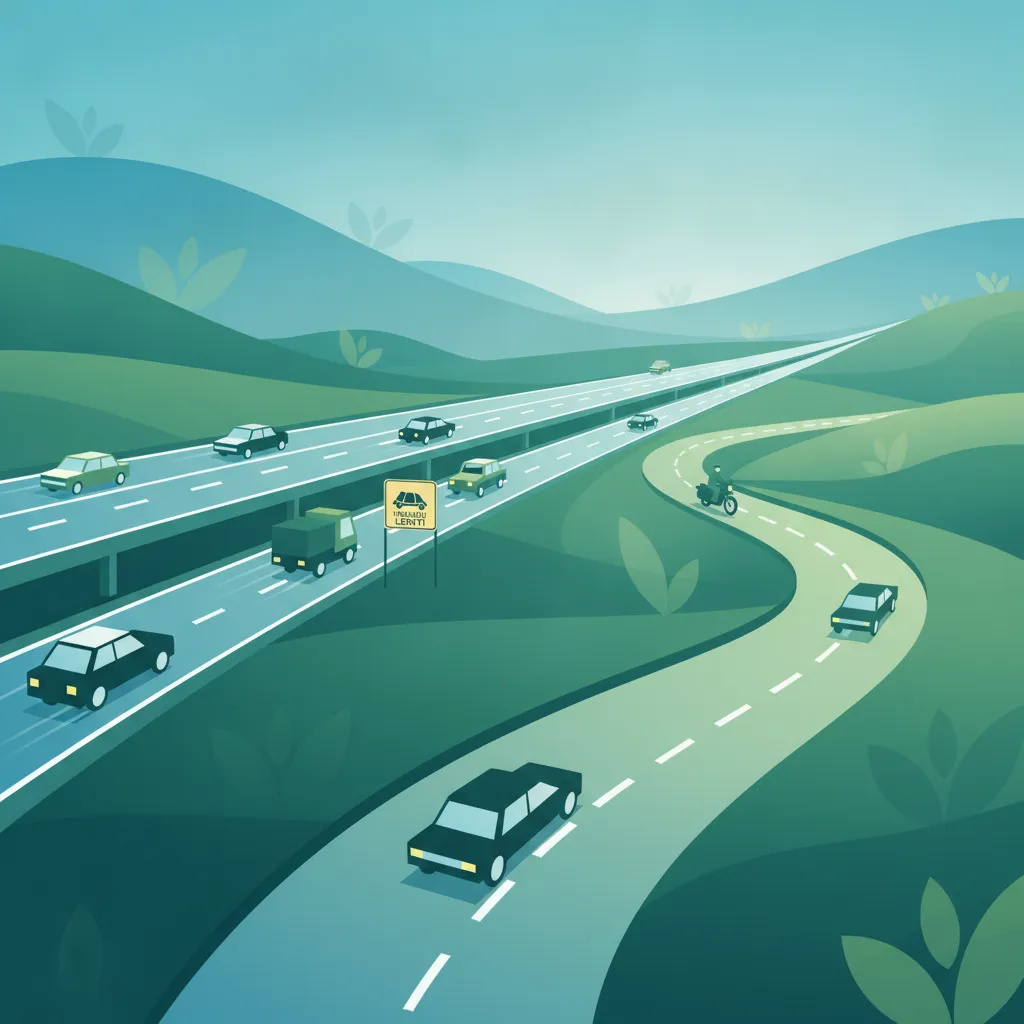
This lesson provides essential rules and techniques for driving on Italian motorways (autostrade) and major extra-urban roads. It explains how to safely merge onto the motorway from an entry ramp, the strict lane discipline required (drive right, overtake left), and how to exit correctly. The content also covers speed regulations, maintaining a safe following distance at high speed, and procedures for using service areas and handling emergencies.
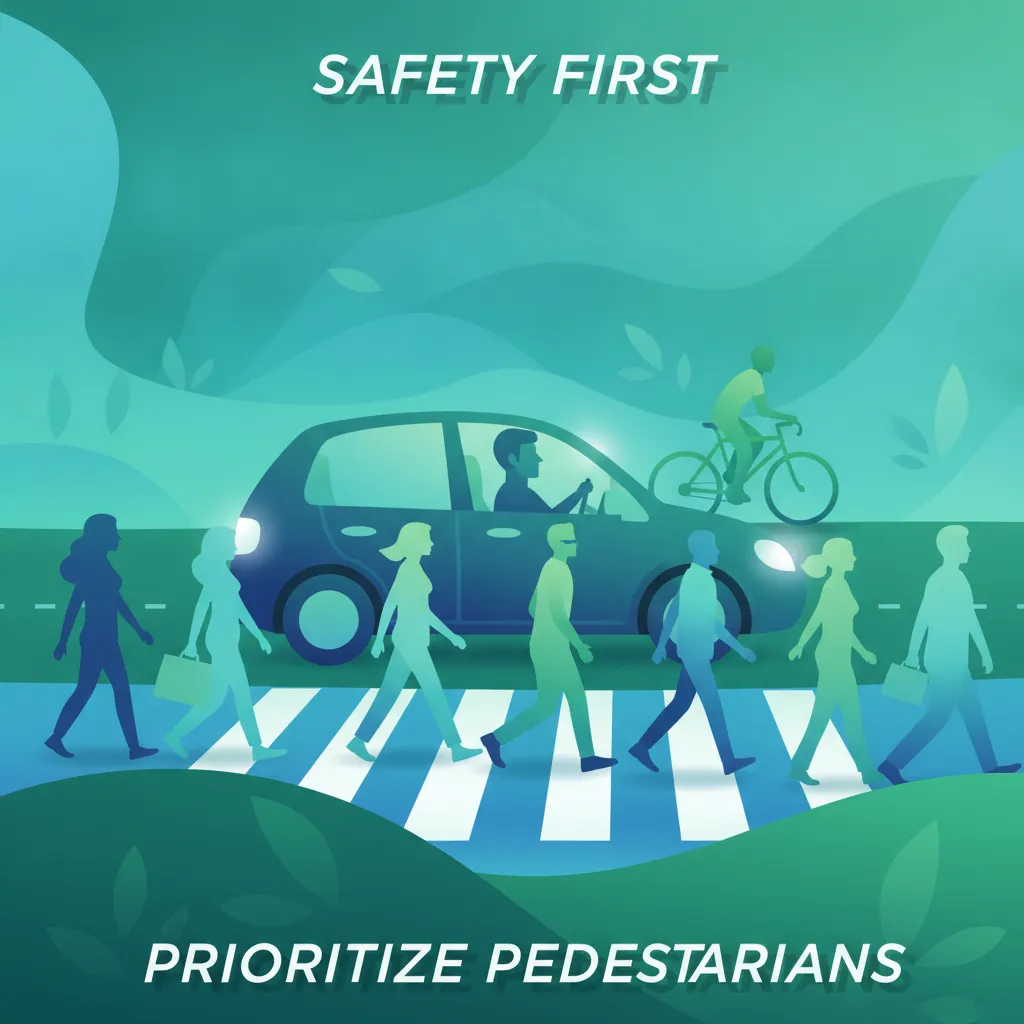
This lesson provides critical guidance on how to safely share the road with vulnerable users, including pedestrians, cyclists, motorcyclists, and children. It highlights the importance of increased awareness in specific areas like school zones and crosswalks. The content teaches techniques for maintaining a safe lateral distance when overtaking, checking blind spots thoroughly, and anticipating the often unpredictable movements of these users.

This lesson equips riders to safely manage the challenges posed by road construction zones. It explains how to interpret temporary signage, navigate lane closures or diversions, and maintain heightened awareness for surface hazards like gravel or steel plates. The content emphasizes the need to reduce speed and increase following distances to safely share the road with large construction vehicles and workers.

This lesson focuses on the principle of 'appropriate speed' in urban environments, which often means driving slower than the legal maximum. It explains how to assess the environment for potential hazards—such as schools, parked cars, and busy intersections—and adjust speed accordingly to allow for adequate reaction time. Maintaining a safe, consistent speed reduces the need for harsh braking and contributes to a safer environment for everyone.
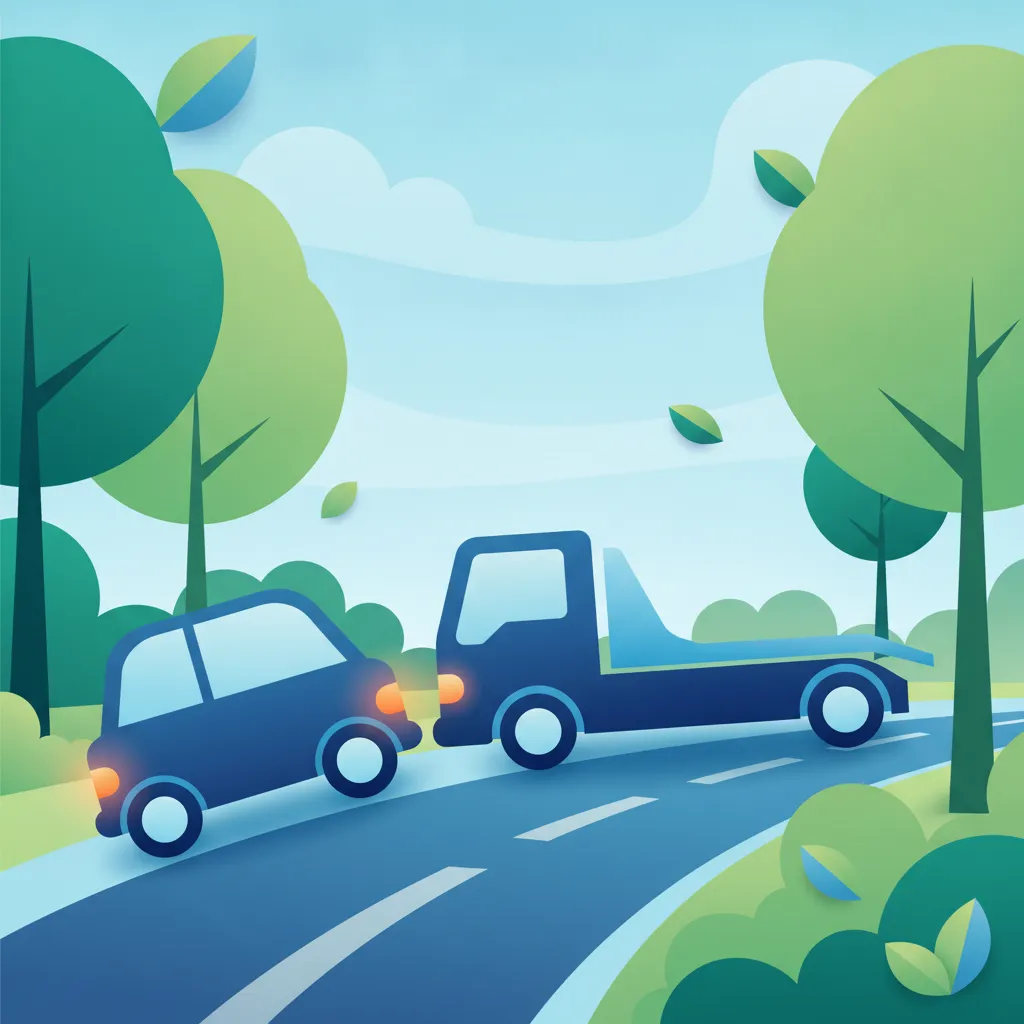
This lesson provides a step-by-step guide for managing a vehicle breakdown safely. It reinforces the procedure for stopping on the hard shoulder, activating hazard lights, and placing a warning triangle at the correct distance. The lesson emphasizes the importance of wearing high-visibility clothing, exiting the vehicle from the side away from traffic, and waiting in a safe location before contacting a roadside assistance service.
Explore the specific rules and legal obligations under the Italian Codice della Strada for navigating challenging rural and mountain roads. Covers mandatory horn usage, speed restrictions on curves, and safe overtaking practices relevant to the Patente B theory test.
This lesson provides essential rules and techniques for driving on Italian motorways (autostrade) and major extra-urban roads. It explains how to safely merge onto the motorway from an entry ramp, the strict lane discipline required (drive right, overtake left), and how to exit correctly. The content also covers speed regulations, maintaining a safe following distance at high speed, and procedures for using service areas and handling emergencies.
This lesson provides specific strategies for riding on narrow rural roads, which often feature poor surfaces and limited sightlines. It details the techniques for approaching and navigating hairpin bends, including selecting the correct line, managing speed before entry, and using appropriate gear selection. The content emphasizes anticipating oncoming traffic and potential hazards hidden around blind corners for enhanced safety.

This lesson provides a comprehensive guide to riding on high-speed motorways, or autostrade. It details the correct procedures for safely merging into traffic from an entry ramp and exiting via a deceleration lane. The content reinforces strict lane discipline, rules for overtaking, and the importance of maintaining a significantly larger following distance to compensate for higher speeds and potential wind gusts.
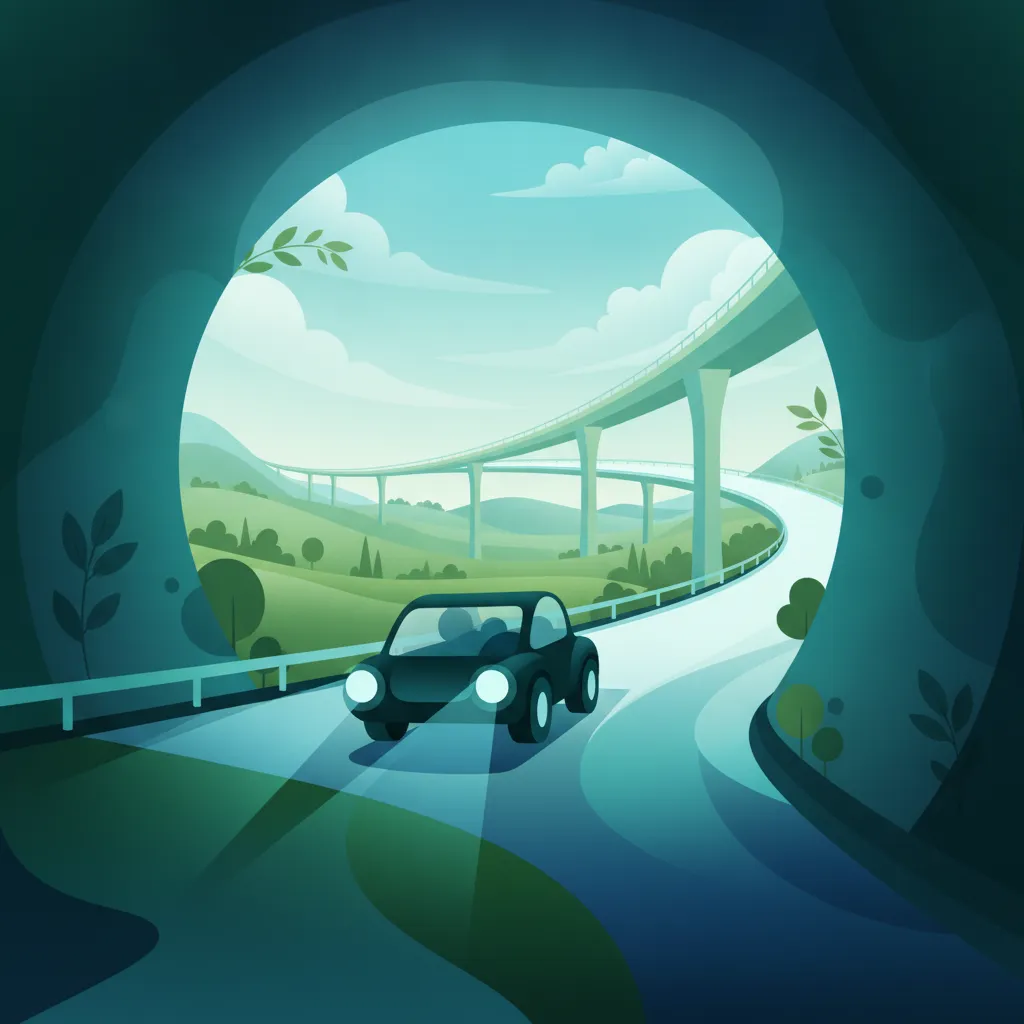
This lesson details the specific rules and safety considerations for driving through the extensive tunnels and high viaducts common in Italy. It covers pre-entry checks, maintaining a safe following distance, and the correct procedures to follow in case of a breakdown or fire inside a tunnel. The lesson also addresses the hazard of strong crosswinds on exposed viaducts and how to maintain vehicle control.
This lesson equips riders to safely manage the challenges posed by road construction zones. It explains how to interpret temporary signage, navigate lane closures or diversions, and maintain heightened awareness for surface hazards like gravel or steel plates. The content emphasizes the need to reduce speed and increase following distances to safely share the road with large construction vehicles and workers.
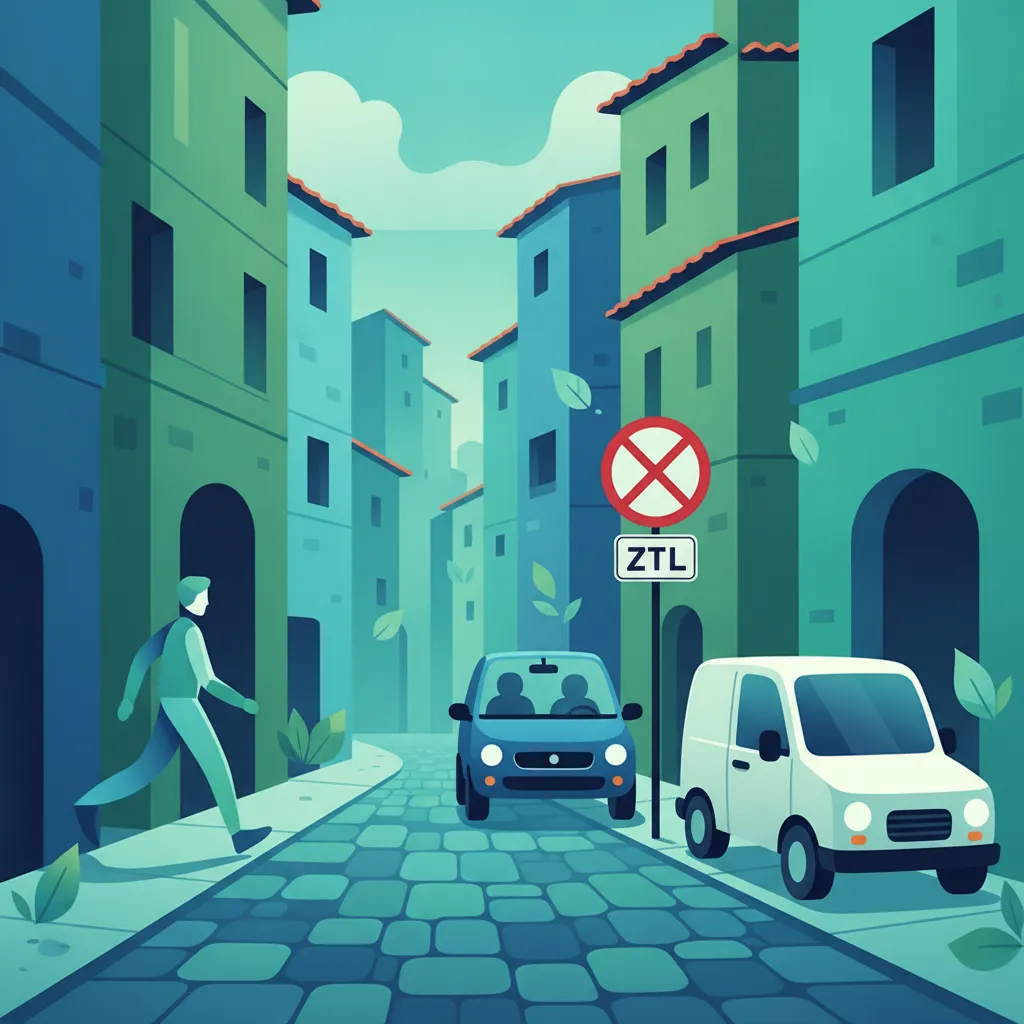
This lesson explains the rules for special urban traffic situations common in Italy. It provides a detailed explanation of Limited Traffic Zones (ZTL), including how to recognize the signage and understand the access restrictions to avoid fines. The content also offers guidance on navigating the narrow and complex streets of historic centers and safely maneuvering around frequently stopping delivery vehicles.
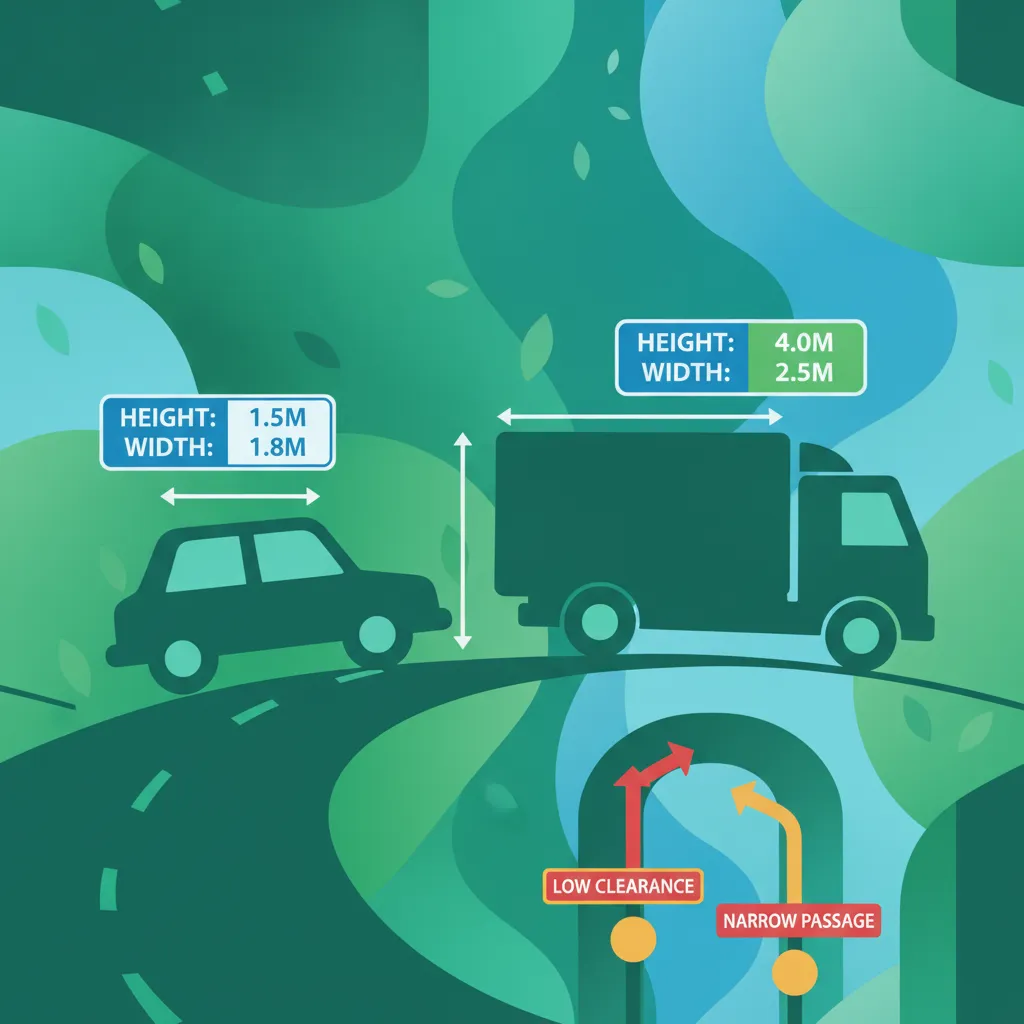
This lesson focuses on the specific dimensional limits that heavy goods vehicles must adhere to on Italian roads, as stipulated by the Codice della Strada. It covers the maximum permissible length, width, and height, explaining how these restrictions impact navigation through tunnels, under bridges, and within urban environments. Learners will also understand the conditions under which special permits for exceptional or oversized transport are required.

This lesson explains the principles of maintaining proper lane discipline and strategic positioning in an urban context. It covers how to adapt your position within the lane to enhance visibility, avoid road surface hazards, and prepare for turns or lane changes. The content also provides awareness of specific urban features like restricted traffic zones (ZTL) and how to navigate them legally and safely.

This lesson focuses on the specific regulations and techniques for operating a heavy vehicle on high-speed motorways. It covers mandatory lane discipline for trucks, the rules governing overtaking other heavy vehicles, and the specific speed limits that apply. Best practices for merging onto and exiting the motorway, maintaining safe following distances, and using the hard shoulder only in genuine emergencies are also detailed.

This lesson teaches drivers how to adapt their technique for various adverse weather conditions. It explains the risks of reduced grip and visibility in rain, fog, snow, and ice, and the need to significantly increase following distances and reduce speed. The content covers how to avoid and correct skids, the proper use of lights in poor visibility, and the legal requirements for winter tyres or snow chains in certain areas.
Find clear answers to common questions learners have about Characteristics of Rural and Mountain Roads. Learn how the lesson is structured, which driving theory objectives it supports, and how it fits into the overall learning path of units and curriculum progression in Italy. These explanations help you understand key concepts, lesson flow, and exam focused study goals.
On narrow, winding mountain roads with limited visibility, using the horn serves as an essential warning signal for oncoming vehicles that you are approaching a blind bend.
The primary risks include unexpected agricultural machinery, animals crossing the road, and surface quality that may be uneven or contain debris, requiring constant vigilance and moderate speed.
While the general limit for extra-urban roads applies, you must always adjust your speed based on road geometry, weather conditions, and visibility, regardless of the posted maximum.
You should use a low gear to utilize engine braking, which prevents your brakes from overheating and provides better control over the vehicle's speed on long descents.
Start searching now to pinpoint exactly which Italian driving theory topics, road signs, or traffic rules you need to master. Use our advanced filters to build a custom practice session and ensure you're fully prepared for every aspect of your official driving licence exam.