
This lesson explores the specific speed limits applicable to Category D buses across diverse Polish road environments. Understanding these regulations is vital for safe passenger transport and crucial for your Polish driving theory exam. You'll learn how vehicle characteristics and passenger load influence safe operating speeds, building on your general traffic law knowledge.
Lesson content overview
Driving a passenger vehicle, especially a bus (Category D), demands meticulous attention to speed limits and effective speed management. This is not merely about adhering to the law; it is fundamental to ensuring the safety and comfort of passengers, optimizing vehicle performance, and maintaining professional standards. For bus drivers in Poland, understanding the specific speed regulations and the dynamics of a heavy, loaded vehicle is paramount.
This lesson provides a comprehensive guide to the legally prescribed speed limits for buses in Poland across various road types, including urban, rural, expressway (drogi ekspresowe), and motorway (autostrady) settings. It also delves into the critical principles of speed management, emphasizing how factors like vehicle size, passenger load, and environmental conditions necessitate adaptive driving techniques. You will learn about the physics behind stopping distances, the role of speed-control devices, and strategies for maintaining consistent speed while ensuring maximum passenger comfort.
Speed limits are statutory maximum speeds established by law to balance traffic flow, road safety, and vehicle capabilities. For drivers holding a Polish Category D licence, these limits are specifically tailored to reflect the greater mass and unique dynamics of buses and coaches. Compliance with these limits is a cornerstone of safe and legal operation, as defined by the Polish Road Traffic Act.
Within built-up areas, commonly referred to as obszar zabudowany in Poland, the general speed limit for all vehicles, including buses, is 50 km/h. This limit applies to roads within areas specifically designated by appropriate road signs marking the entry into and exit from a built-up area. The rationale behind this universal lower limit is to enhance the safety of pedestrians and cyclists, mitigate the severity of potential collisions, and manage the increased complexity of urban traffic flow with frequent intersections, pedestrian crossings, and varied road users.
When entering a built-up area, a bus driver must promptly and smoothly reduce their speed to comply with the 50 km/h limit, even if they were previously travelling at a higher speed on a rural road. This requires anticipating the transition and adjusting speed well in advance to avoid sudden braking, which can compromise passenger comfort and safety.
On rural roads, which are located outside designated built-up areas, the speed limits vary significantly depending on the type of vehicle. For Category D vehicles (buses) with a maximum authorized mass exceeding 3.5 tonnes, the maximum speed limit is 80 km/h. This is a crucial distinction from passenger cars, which typically have a 90 km/h limit on such roads. This lower limit for heavier vehicles accounts for their increased kinetic energy and longer stopping distances.
When transitioning from a built-up area to a rural road, the bus driver may increase speed up to 80 km/h, provided road conditions, traffic, and other factors permit. Conversely, any specific road signs indicating lower limits, such as those for bends, hazardous sections, or residential access roads, always take precedence over the general rural road limit.
Poland's high-capacity road network includes expressways (drogi ekspresowe, marked with an 'S' prefix) and motorways (autostrady, marked with an 'A' prefix). These roads are designed for higher speeds and smoother traffic flow. For Category D vehicles (buses), the maximum speed limit on both expressways and motorways is 100 km/h.
This uniform limit acknowledges the design of these roads, which typically feature multiple lanes, absence of at-grade intersections, and controlled access, allowing for safer operation at higher speeds. However, even on these roads, the driver must exercise sound judgment and adapt speed to prevailing conditions such as weather, traffic density, and any temporary restrictions. It is essential not to confuse the bus speed limit with those for passenger cars, which can be higher (e.g., 140 km/h on motorways).
Beyond the general speed limits for different road categories, bus drivers must always be vigilant for special or temporary speed restrictions indicated by specific road signs. These signs can mandate significantly lower speeds in particular zones or situations:
These specific signs always override the general speed limits for the road type. A professional bus driver must continuously scan for and adhere to such signs, understanding that these restrictions are in place for a specific safety reason.
Understanding the physics of how a heavy vehicle moves and stops is fundamental to effective speed management. The kinetic energy of a moving bus, its mass, and the forces involved in braking directly influence how quickly it can come to a halt.
The total stopping distance is the distance a vehicle travels from the moment a driver perceives a hazard until the vehicle comes to a complete stop. It is composed of two main parts:
For a bus, due to its substantial mass, both perception-reaction and braking distances are considerably longer than for a passenger car. This inherent characteristic necessitates increased following distances and early anticipation of hazards, particularly at higher speeds or under adverse conditions.
The total weight of a bus, including its passengers and any cargo, significantly impacts its driving dynamics, especially braking performance and handling. A fully loaded bus behaves very differently from an empty one.
As passenger load increases, the vehicle's inertia also increases. This means it requires more force (and thus longer distances) to accelerate, decelerate, or change direction. Specifically concerning braking:
Professional bus drivers must always factor in the estimated passenger load when selecting an appropriate speed and following distance. A bus operating near its Gross Vehicle Weight Rating (GVWR) will require considerably more space and time to stop safely compared to an empty bus.
Effective speed management is a continuous process that involves more than simply adhering to legal limits. It requires proactive planning, real-time monitoring, and the judicious use of technological aids, all underpinned by sound human judgment.
Proactive speed management for a bus driver involves consciously selecting and maintaining a speed that is not only legal but also safe, fuel-efficient, and comfortable for passengers. This involves several key principles:
Always remember the "reasonable speed" principle: you must drive at a speed appropriate for the circumstances, even if that means going slower than the posted legal limit.
Modern buses are often equipped with various speed-control devices that can assist drivers in maintaining target speeds and reducing fatigue. While these technologies are valuable aids, they are not substitutes for driver vigilance and judgment.
Cruise Control (CC): This system allows the driver to set a desired speed, and the vehicle will maintain it automatically without continuous pedal input. It is most effective on long stretches of motorway or expressway with consistent traffic flow.
Never use cruise control in heavy traffic, on winding roads, in adverse weather (rain, snow, ice), or in situations requiring frequent speed adjustments. In such conditions, the driver needs full, immediate control over acceleration and braking.
Speed Limiter (Maximum Speed Limiter): This device prevents the vehicle's speed from exceeding a pre-set maximum value. For many heavy passenger vehicles (buses with a Gross Vehicle Weight Rating over 12 tonnes), speed limiters are legally mandated in the EU (e.g., under EU Regulation 165/2014) and are typically set at 100 km/h. The purpose is to prevent accidental overspeeding, simplify enforcement, and enhance safety. Drivers cannot legally disable these limiters for normal operation.
Adaptive Cruise Control (ACC): An advanced form of cruise control, ACC uses sensors (radar, camera) to monitor the distance to the vehicle ahead. It automatically adjusts the bus's speed to maintain a pre-set following distance, slowing down if the preceding vehicle does, and accelerating back to the set speed when the path clears. ACC can significantly reduce driver workload on motorways but still requires active supervision. It may not react optimally to sudden cut-ins or rapidly decelerating vehicles.
While these devices are helpful, the driver always retains ultimate responsibility for the safe operation of the vehicle. They must know how to manually override or deactivate these systems instantly when conditions demand it.
The legal speed limit represents the maximum permissible speed under ideal conditions. In reality, bus drivers frequently encounter situations where environmental factors or road conditions necessitate a significant reduction in speed, often well below the posted limit, to ensure safety. This principle of "reasonable speed" is critical for professional driving.
Adverse weather conditions are among the most critical factors demanding speed adjustment:
A good rule of thumb is to reduce speed by at least 20% in moderate rain, and substantially more in heavy rain, snow, or ice.
Other environmental and road factors also influence safe speed selection:
Passenger comfort is a hallmark of professional bus driving and is inextricably linked to speed management. Abrupt changes in speed can cause discomfort, loss of balance, or even injury, particularly for standing passengers or those with limited mobility.
To ensure passenger comfort, bus drivers should aim for:
Generally, acceleration and deceleration rates should preferably be no more than 1 m/s² for optimal passenger comfort. This requires a heightened sense of anticipation and careful control over the accelerator and brake pedals. Using engine braking on long descents not only saves wear on the service brakes but also provides a smoother, more controlled deceleration for passengers.
Adherence to speed regulations is a non-negotiable aspect of professional bus driving. Violations carry significant penalties and, more importantly, increase the risk of severe accidents. Understanding common pitfalls helps in avoiding them.
The primary legislation governing speed limits for all vehicles, including buses, is the Polish Road Traffic Act. This act defines the general speed limits based on road type and vehicle category, as detailed earlier in this lesson. Additionally, European Union regulations, such as EU Regulation 165/2014, mandate the installation and use of speed limiters on certain heavy vehicles, including buses over 12 tonnes, typically capping their speed at 100 km/h.
Drivers must also be aware that specific local regulations or temporary orders may further modify speed limits for particular roads or periods. Ignoring these regulations can lead to fines, penalty points, and potentially the suspension of a driving licence.
Common violations related to speed management by bus drivers include:
Best practices for bus drivers include:
Effective speed management is a dynamic and multifaceted skill essential for every professional bus driver. It integrates a thorough understanding of legal speed limits across various road types in Poland with the critical awareness of vehicle dynamics, passenger load, and environmental factors. From urban streets at 50 km/h to expressways and motorways at 100 km/h, the chosen speed must always prioritize safety, legal compliance, and passenger comfort.
The ability to smoothly adapt speed, whether by anticipating hazards, adjusting for adverse weather, or utilizing sophisticated speed-control devices, distinguishes a competent driver. By internalizing the principles of stopping distance, load impact, and comfort-centric driving, bus drivers contribute significantly to road safety and the positive experience of their passengers. This comprehensive approach ensures that every journey is conducted efficiently, safely, and professionally.
This lesson covers the specific speed limits for Category D buses in Poland: 50 km/h in built-up areas, 80 km/h on rural roads, and 100 km/h on motorways and expressways. Understanding the physics of stopping distance—with perception-reaction time averaging 2.5 seconds and kinetic energy increasing with the square of speed—is essential for managing a heavy vehicle safely. The content explains how passenger load affects braking performance and vehicle dynamics, and emphasizes that speed limiters are legally required for heavier buses. Professional speed management requires anticipation, smooth speed transitions for passenger comfort, and continuous adaptation to weather, road conditions, and traffic density, not just adherence to posted limits.
A short set of high-value points that capture the most important learning from this lesson.
Category D buses are limited to 50 km/h in built-up areas, 80 km/h on rural roads, and 100 km/h on motorways and expressways.
Total stopping distance equals perception-reaction distance (2.5 seconds) plus braking distance, which increases with speed squared and vehicle mass.
Heavier buses require longer following distances and stopping space, especially when fully loaded near their GVWR.
Speed limiters are legally mandated for buses over 12 tonnes under EU Regulation 165/2014 and typically cap speed at 100 km/h.
The legal speed limit is a maximum under ideal conditions; drivers must always choose a speed appropriate to actual conditions.
Explore all units and lessons included in this driving theory course.
Built-up area limit: 50 km/h; Rural road limit for buses over 3.5 tonnes: 80 km/h; Motorway/expressway limit: 100 km/h.
Kinetic energy grows with the square of speed—doubling speed quadruples the energy that must be dissipated through braking.
At 100 km/h, a 2.5-second perception-reaction time alone covers nearly 70 metres before braking begins.
Optimal passenger comfort requires acceleration and deceleration rates of no more than 1 m/s² with smooth, gradual inputs.
Special zones (schools, residential areas, construction) and adverse weather always require reduced speeds below the general road limit.
Applying the 90 km/h passenger car limit to buses on rural roads instead of the correct 80 km/h limit.
Maintaining the maximum legal speed during heavy rain, snow, fog, or icy conditions rather than reducing significantly.
Attempting to disable or tamper with mandated speed limiters, which is a serious legal offense.
Accelerating or braking abruptly in urban areas, endangering standing passengers and causing discomfort.
Failing to account for the increased stopping distance of a fully loaded bus when following other vehicles or approaching intersections.
Lesson content overview
A short set of high-value points that capture the most important learning from this lesson.
Category D buses are limited to 50 km/h in built-up areas, 80 km/h on rural roads, and 100 km/h on motorways and expressways.
Total stopping distance equals perception-reaction distance (2.5 seconds) plus braking distance, which increases with speed squared and vehicle mass.
Heavier buses require longer following distances and stopping space, especially when fully loaded near their GVWR.
Speed limiters are legally mandated for buses over 12 tonnes under EU Regulation 165/2014 and typically cap speed at 100 km/h.
The legal speed limit is a maximum under ideal conditions; drivers must always choose a speed appropriate to actual conditions.
Explore all units and lessons included in this driving theory course.
Built-up area limit: 50 km/h; Rural road limit for buses over 3.5 tonnes: 80 km/h; Motorway/expressway limit: 100 km/h.
Kinetic energy grows with the square of speed—doubling speed quadruples the energy that must be dissipated through braking.
At 100 km/h, a 2.5-second perception-reaction time alone covers nearly 70 metres before braking begins.
Optimal passenger comfort requires acceleration and deceleration rates of no more than 1 m/s² with smooth, gradual inputs.
Special zones (schools, residential areas, construction) and adverse weather always require reduced speeds below the general road limit.
Applying the 90 km/h passenger car limit to buses on rural roads instead of the correct 80 km/h limit.
Maintaining the maximum legal speed during heavy rain, snow, fog, or icy conditions rather than reducing significantly.
Attempting to disable or tamper with mandated speed limiters, which is a serious legal offense.
Accelerating or braking abruptly in urban areas, endangering standing passengers and causing discomfort.
Failing to account for the increased stopping distance of a fully loaded bus when following other vehicles or approaching intersections.
Explore search topics learners often look for when studying Speed Limits and Speed Management for Passenger Vehicles. These topics reflect common questions about road rules, driving situations, safety guidance, and lesson level theory preparation for learners in Poland.
Browse additional driving theory lessons that cover connected traffic rules, road signs, and common driving situations related to this topic. Improve your understanding of how different rules interact across everyday traffic scenarios.
Understand the critical relationship between speed limits for Polish Category D buses and vehicle dynamics. Learn how mass, passenger load, and kinetic energy impact safe speeds, stopping distances, and handling on different road types.

This lesson focuses on how different passenger loads alter a vehicle's dynamics. It explains the shift in the center of gravity and its effect on suspension, acceleration, and braking. Learners will study techniques to anticipate and compensate for these handling changes, ensuring speed and cornering are adjusted for passenger comfort and safety.

This lesson teaches techniques for delivering a comfortable ride by managing acceleration and braking to minimize sudden movements. It emphasizes progressive braking and gentle throttle application, especially with standing passengers. The content also discusses how vehicle suspension and speed modulation contribute to overall passenger comfort and satisfaction.
This lesson outlines the statutory speed limits that professional drivers of Category C vehicles must adhere to on Polish roads. It clearly distinguishes the maximum permitted speeds in built-up areas, on single carriageways, and on motorways. The content also explains how to interpret road signs that may indicate temporary or vehicle-specific speed restrictions, ensuring drivers remain compliant with the law and avoid penalties from speed enforcement measures.
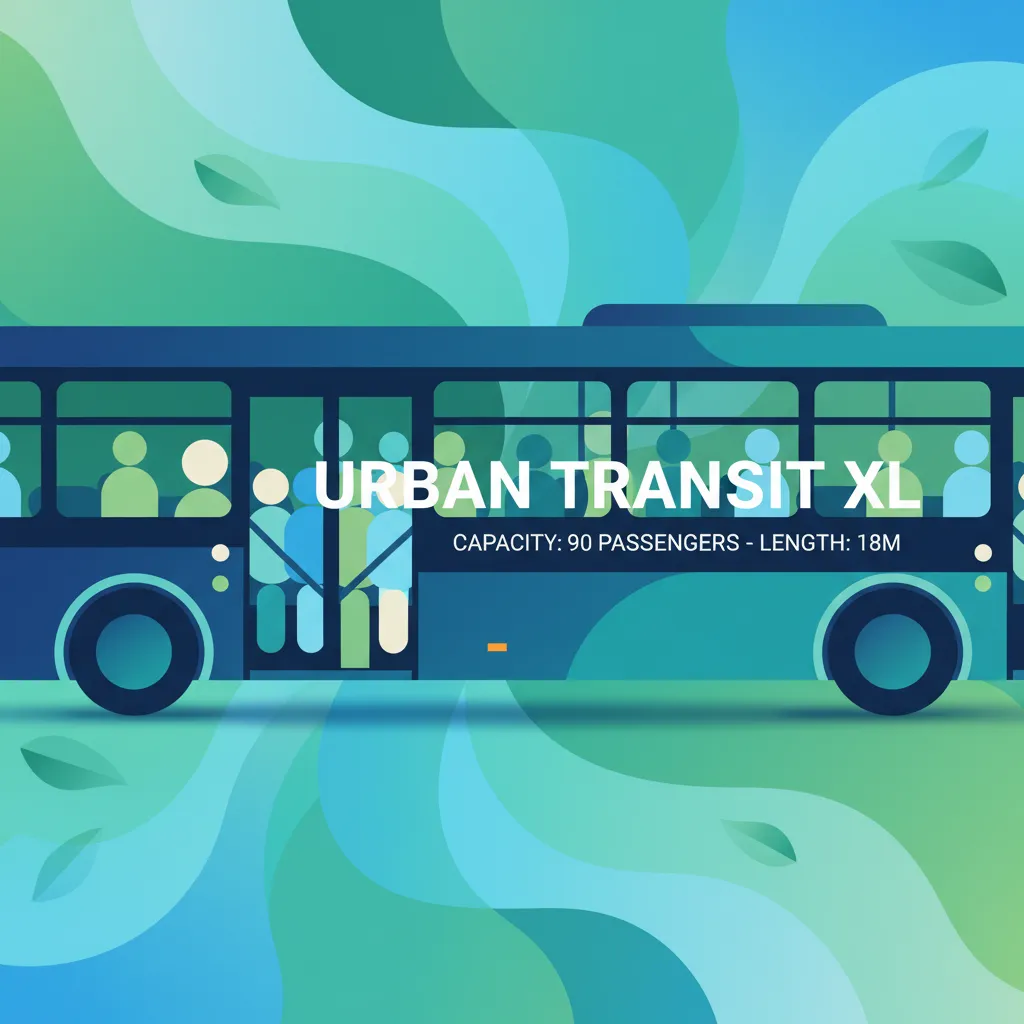
This lesson introduces the various classes of passenger vehicles under Category D, detailing differences between standard, articulated, and minibuses. It covers key dimensional parameters like length, wheelbase, and turning circle that affect urban navigation. Learners will also understand passenger capacity calculations and weight distribution for safe, compliant operation.
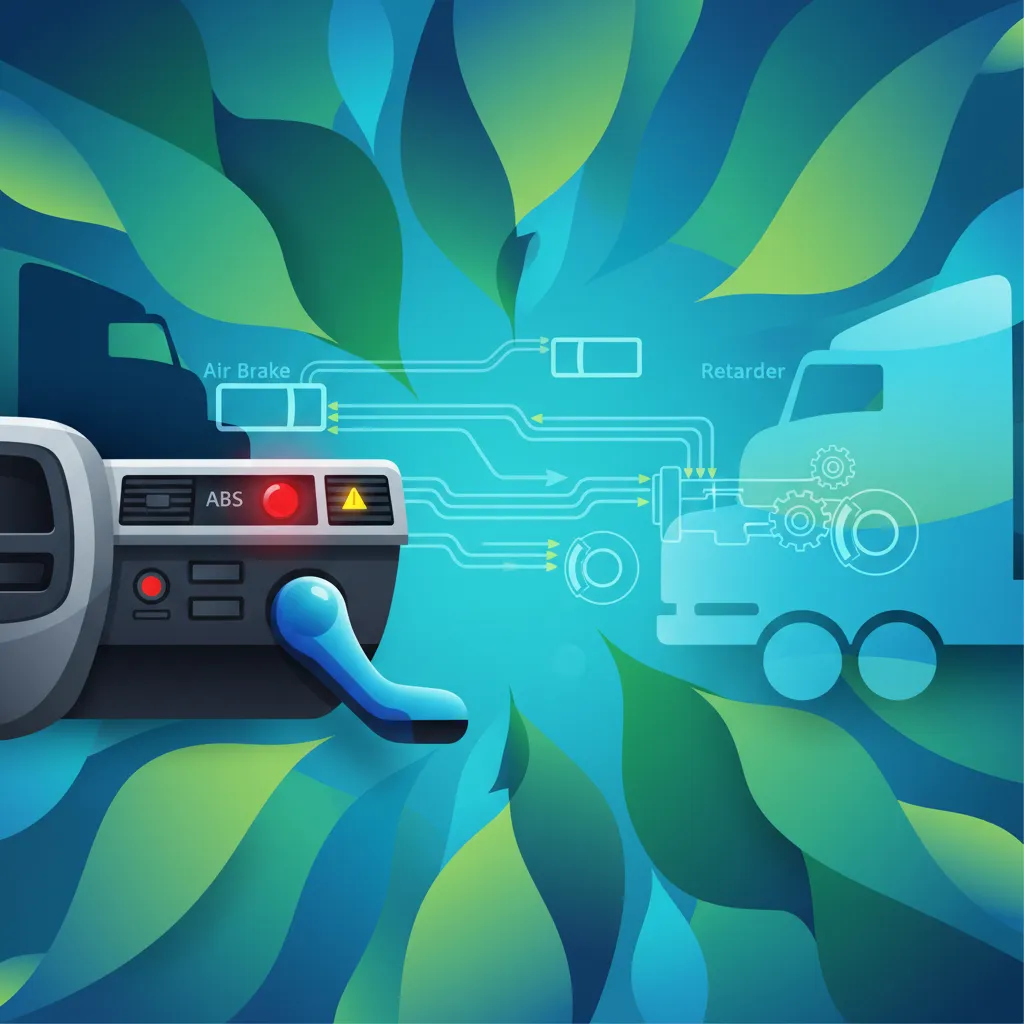
This lesson covers the braking mechanisms specific to large passenger vehicles, focusing on air brake systems and retarders. Learners will understand the components and operation of service and parking brakes, as well as the function of ABS and ESC. It also addresses strategies for emergency braking and the importance of regular maintenance for optimal performance.

This lesson provides an overview of powertrain technologies in modern buses, including diesel, hybrid, and electric systems. It covers the function of engines and transmissions and their impact on acceleration and fuel economy. Emphasis is placed on understanding emissions standards like Euro 6 and the principles of efficient power management.

This lesson teaches the fundamentals of safely reversing a bus using mirrors, cameras, and alarms. It covers low-speed control essential for depot navigation, where precise steering is required to avoid collisions. Specific techniques for handling articulated buses and coordinating with ground staff are also discussed to ensure safe maneuvers.

This lesson outlines the precise steps for approaching a bus stop, ensuring correct positioning and safe deceleration. Learners will study the procedural aspects of door operation and managing passenger movement to prevent accidents. It also addresses coordination with traffic signals and pedestrians to maintain safety and schedule reliability.
This lesson defines the scope of vehicles permitted under a Category B licence, primarily passenger cars up to 3,500 kg maximum permissible mass. It clarifies the rules on seating capacity and the regulations for towing trailers, distinguishing between a standard B licence and a B+E entitlement. Understanding these classifications ensures drivers operate vehicles legally and safely.

This lesson details the exact requirements to qualify for a Category D driving licence. It covers the minimum age, the mandatory medical examinations for health fitness, and the hierarchy of prerequisite licences like Category B and C. You will also learn about the accredited training process and the necessary documentation for certification.
Master speed management techniques for buses in Poland during adverse conditions like rain, snow, ice, and fog. Learn to adapt speed for road surface, visibility, and traffic density to ensure passenger safety and legal compliance.

This lesson details the specific driving adjustments needed for adverse weather. It focuses on how rain, snow, and ice affect vehicle dynamics and driver perception. Learners will study techniques to prevent hydroplaning, use winter tires effectively, and increase following distances on slippery surfaces while using safety systems like fog lights.
This lesson teaches the crucial concept that drivers must always adapt their speed to the current conditions. It explains how factors like rain, fog, ice, heavy traffic, and poor visibility reduce safety margins and require a lower speed than the posted limit. This principle of defensive driving is essential for preventing accidents in challenging situations.

This lesson introduces defensive driving strategies tailored for bus operation, emphasizing hazard perception and risk management. Learners will study techniques for continuous situational awareness and maintaining safe following distances for adequate reaction time. The content covers emergency maneuvers and interaction with vulnerable road users to reduce accident likelihood.
In this lesson, learners examine how environmental conditions such as rain, wind, ice, and reduced visibility necessitate adjustments in riding speed. The content provides guidelines for assessing road surfaces, judging appropriate cornering speeds, and reducing speed proactively in adverse weather. Learners will understand the impact of temperature on tyre performance and the need to increase safety margins, mastering adaptive speed management to maintain control.

This lesson teaches drivers how to adapt their speed, following distance, and control inputs to safely navigate adverse conditions. It covers the challenges posed by rain, snow, and ice, explaining the loss of traction and the increased risk of skidding or aquaplaning. The content provides specific strategies for driving in fog, which reduces visibility, and strong crosswinds, which can affect the stability of a high-sided vehicle, promoting a proactive and defensive driving mindset.
This lesson teaches the fundamentals of safely reversing a bus using mirrors, cameras, and alarms. It covers low-speed control essential for depot navigation, where precise steering is required to avoid collisions. Specific techniques for handling articulated buses and coordinating with ground staff are also discussed to ensure safe maneuvers.

This lesson focuses on the specific hazards introduced by seasonal weather, such as mud, snow, ice, fog, and heavy rain. It explains how these conditions affect traction, braking, and driver visibility, and provides guidance on adjusting speed and using appropriate tires. The lesson also covers the proper use of lights and reflectors to improve visibility in low-light conditions.
Find clear answers to common questions learners have about Speed Limits and Speed Management for Passenger Vehicles. Learn how the lesson is structured, which driving theory objectives it supports, and how it fits into the overall learning path of units and curriculum progression in Poland. These explanations help you understand key concepts, lesson flow, and exam focused study goals.
Yes, Category D buses generally have different speed limits, especially outside built-up areas and on motorways. These lower limits account for the vehicle's size, weight, and the safety of passengers. It's crucial to know the specific regulations for buses to avoid penalties and ensure safety.
A heavier passenger load significantly increases stopping distances and affects vehicle dynamics. While statutory speed limits remain fixed, a responsible bus driver will adjust their actual driving speed downwards, especially in challenging conditions, to ensure safe braking and passenger comfort.
Speed-control devices (e.g., speed limiters) are legally mandated on many larger buses to prevent them from exceeding certain speeds. They are designed to enhance safety and ensure compliance with regulations. Drivers must understand their operation and not attempt to bypass them, as this can lead to serious legal consequences.
While the general Category D speed limits apply, articulated buses have unique handling characteristics, especially regarding turning radius and stability. Drivers should always exercise extra caution and potentially reduce speed further when maneuvering articulated buses, regardless of the posted limit, particularly when carrying passengers.
Exam questions on speed limits for Category D often present scenarios involving different road types (urban, rural, motorway) and ask you to identify the correct maximum speed. They might also include factors like adverse weather or passenger load, requiring you to apply safe driving principles beyond just the numerical limit.
Build custom practice sessions tailored precisely to your needs. Focus on areas requiring improvement, review specific Polish road signs, or master complex traffic rules to ensure full preparation for your official driving license exam.