
This lesson explores the critical role of vehicle tyres in maintaining safety and legality on Danish roads. You will learn the specific requirements for tyre condition, air pressure, and tread depth that you must know for your Category B theory test and practical driving.
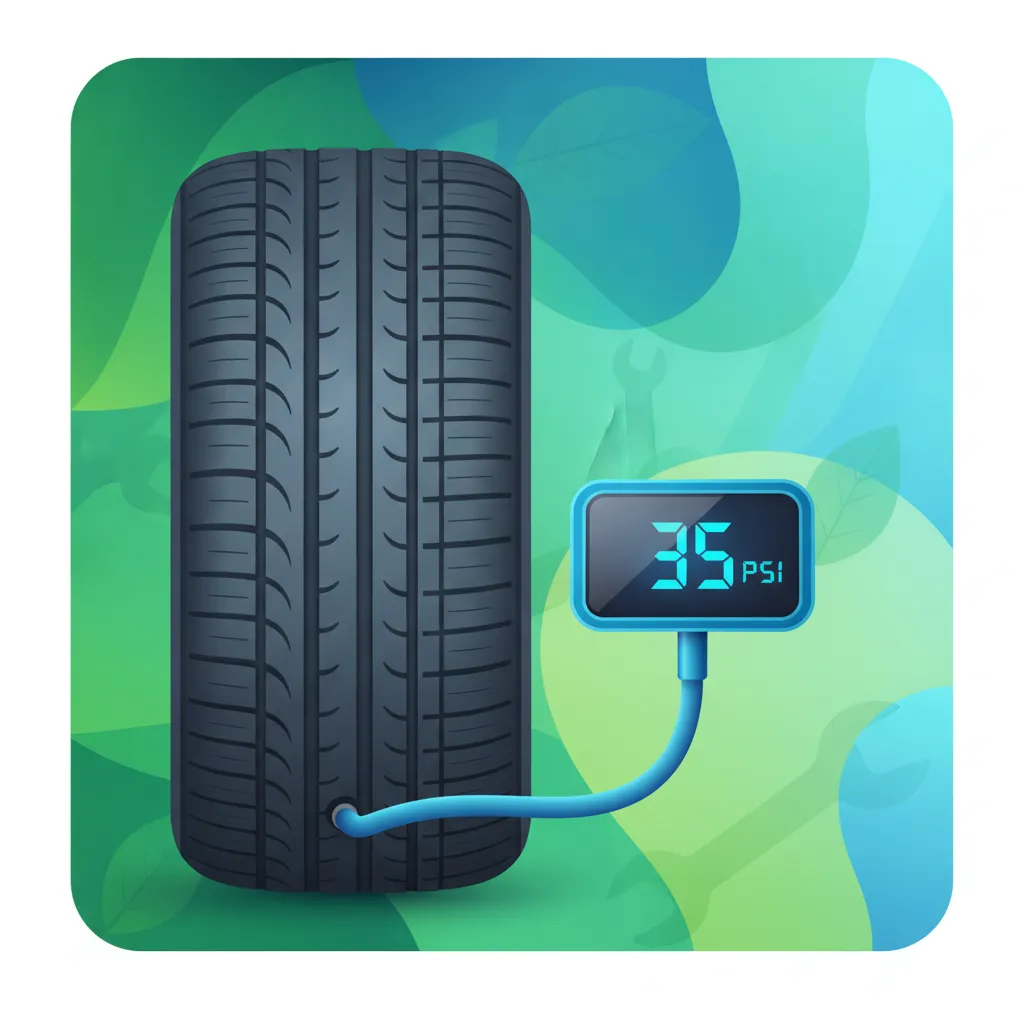
Lesson content overview
Tyres are the only part of your vehicle that makes contact with the road, making them fundamentally crucial for safety, handling, and overall performance. In the Danish Driving License Theory Course: Category B Preparation, understanding and maintaining your tyres correctly is not just a matter of good practice; it's a legal obligation and a cornerstone of safe driving. This lesson will delve into the critical aspects of tyre condition, pressure, and tread depth, providing you with the knowledge to ensure your vehicle is always road-legal and safe.
Your vehicle's tyres are far more than just inflated rubber rings; they are sophisticated components engineered to provide grip, absorb shocks, and transmit steering, braking, and acceleration forces to the road surface. Their condition directly impacts almost every aspect of your driving experience, from how quickly you can stop in an emergency to how efficiently your vehicle uses fuel. Neglecting tyre maintenance can lead to reduced control, increased stopping distances, and a heightened risk of accidents, especially in adverse weather conditions.
Proper tyre care is a continuous responsibility for every driver. Regular checks ensure that your vehicle remains predictable and responsive, helping you to react effectively to unexpected situations on Danish roads. Ignoring these essential checks can compromise your safety, the safety of other road users, and may also lead to legal penalties.
Tyre pressure refers to the amount of air inside your tyres, measured in units like kilopascal (kPa) or pounds per square inch (psi), often converted to bar in European contexts. This seemingly simple factor is profoundly important. Correct tyre pressure ensures that the tyre's tread makes optimal contact with the road, distributing the vehicle's weight evenly across the entire contact patch. This maximises grip, promotes even tyre wear, and contributes significantly to your vehicle's fuel efficiency.
Checking tyre pressure is a quick and straightforward task that should be performed regularly. For the most accurate reading, always check your tyre pressure when the tyres are "cold." This means the vehicle has not been driven for at least three hours, or for less than two kilometres at a moderate speed. Driving heats the air inside the tyres, causing the pressure to increase, which can lead to an inaccurate (higher) reading. If you check hot tyres and then adjust them to the "cold" recommended pressure, they will be underinflated once they cool down.
Locate the manufacturer's recommended tyre pressure specifications. These can typically be found in your vehicle's owner's manual, on a sticker inside the driver's side door jamb, in the glove compartment, or on the fuel filler flap. There may be different recommendations for front and rear tyres, and for different load conditions.
Remove the valve cap from one of your tyres.
Press a reliable tyre pressure gauge firmly onto the valve stem. You should hear a brief hiss of air before the gauge provides a reading.
Compare the reading on the gauge to the manufacturer's recommended cold tyre pressure.
If the pressure is too low, add air until it matches the recommendation. If it's too high, release a small amount of air by pressing the pin in the centre of the valve stem.
Replace the valve cap.
Repeat this process for all four tyres, and don't forget the spare tyre if your vehicle is equipped with one, as it also needs to be ready for use.
The pressure levels specified by your vehicle's manufacturer are precisely calculated to ensure optimal safety and performance under various conditions. These recommendations often include different pressures for light loads (e.g., just the driver) versus heavy loads (e.g., a full car with passengers and luggage). Always refer to your vehicle's specific guidelines. Inflating tyres to the load-adjusted pressure when carrying heavy cargo is essential to maintain stability, prevent excessive heat buildup, and reduce the risk of tyre failure.
Ignoring the manufacturer's recommendations for tyre pressure can have several detrimental effects:
Make it a habit to check your tyre pressure at least once a month and always before embarking on a long journey. Regular checks are your first line of defence against tyre-related safety issues and can save you money on fuel and tyre replacements.
The tread on your tyres is specifically designed to provide grip on dry surfaces and, critically, to channel water away from the contact patch in wet conditions. Without adequate tread depth, tyres cannot effectively disperse water, leading to a dangerous phenomenon known as hydroplaning. This is when a layer of water builds up between the tyre and the road surface, causing a complete loss of traction and vehicle control.
Tread depth is the vertical measurement of the grooves in your tyre's pattern. As tyres are used, the tread gradually wears down. The deeper the tread, the better its ability to cut through and displace water, ensuring your tyres maintain contact with the road. This is particularly vital in Denmark, where rain and wet roads are common occurrences.
For vehicles used on public roads in Denmark, there is a strict legal minimum tread depth.
Tyres must have a minimum tread depth of 1.6 millimetres (mm) across the central three-quarters of the tyre's width. This measurement must apply continuously around the entire circumference of the tyre.
While 1.6 mm is the legal minimum, it is important to understand that tyre performance, especially in wet conditions, significantly deteriorates well before reaching this limit. Many tyre experts recommend replacing tyres when the tread depth falls below 3 mm for optimal safety, particularly during periods of frequent rain or snow. Driving with tyres below the legal minimum tread depth is illegal and carries significant safety risks and potential penalties.
You can easily check your tyre's tread depth using a simple tread depth gauge, which can be purchased inexpensively.
Park your vehicle on a flat surface and ensure the engine is off and the parking brake is engaged.
Locate the deepest grooves on your tyre's tread. Avoid measuring near the tread wear indicators, as these are designed to show when you're at the legal limit.
Insert the probe of the tread depth gauge into one of the main grooves, ensuring it's perpendicular to the tyre surface.
Press the gauge firmly until the base rests flat against the tread block.
Read the measurement displayed on the gauge.
Repeat this process at several different points around the tyre's circumference and across its width (central three-quarters). If any measurement falls below 1.6 mm, the tyre needs immediate replacement.
Driving with worn tyres drastically increases your risk of losing control, especially in challenging conditions:
Beyond pressure and tread depth, the overall physical condition of your tyres is equally vital for safety. Tyres can suffer damage from road hazards, improper use, or simply age, all of which can compromise their structural integrity.
A thorough visual inspection of your tyres should be part of your regular maintenance routine. Look for:
Uneven tyre wear is often a symptom of underlying mechanical issues with your vehicle. Regular inspection can help you identify these problems early:
If you notice any uneven wear, it is crucial to have your vehicle inspected by a qualified mechanic to diagnose and correct the root cause, which could be anything from poor alignment to worn suspension parts. Addressing these issues will not only save your tyres but also improve vehicle handling and safety.
Even if a tyre has adequate tread depth and no visible damage, its structural integrity can degrade over time due to exposure to elements, temperature fluctuations, and chemical changes in the rubber. Most tyre manufacturers and vehicle experts recommend replacing tyres that are six years old or older, regardless of their visual condition or remaining tread. You can find the manufacturing date of a tyre in its sidewall markings, usually as a four-digit code (e.g., "3222" means the 32nd week of 2022).
Adhering to tyre regulations is not just a recommendation; it is a legal requirement under Danish traffic law (Færdselsloven). Failure to comply can result in fines and, in severe cases, the vehicle being deemed unfit for public roads.
While the Danish Road Traffic Act doesn't specify an exact numerical tyre pressure value (as this varies by vehicle), it implicitly requires drivers to maintain their vehicle in a roadworthy condition. This includes ensuring tyres are inflated to the manufacturer's specified levels, which is critical for safe operation. Regular checks, at least once a month and before long journeys, are part of this implicit requirement for responsible vehicle maintenance.
The explicit legal minimum tread depth of 1.6 mm across the central three-quarters of the tyre is a strict requirement. This applies to all tyres used on a passenger vehicle (Category B). Enforcement typically involves visual inspection and, if suspicion arises, a measurement by law enforcement or during the mandatory vehicle inspection (syn).
Tyres with visible damage such as cuts, bulges, exposed cords, or severe cracks are considered illegal for road use. Such damage indicates a significant safety risk, and the tyre must be replaced immediately. Driving with visibly damaged tyres can lead to direct enforcement action.
Proactive tyre maintenance is key to ensuring your safety, extending the life of your tyres, and optimising your vehicle's performance.
The condition of your tyres is directly linked to your vehicle's fundamental driving characteristics. Understanding these connections underscores why tyre maintenance is non-negotiable for responsible driving.
Tyres provide the grip necessary for your vehicle to slow down and stop. Any compromise in tyre condition—whether it's low pressure, insufficient tread, or physical damage—will inevitably increase your braking distance. On wet roads, worn tyres can lead to significantly longer stopping distances, transforming a minor incident into a serious collision. Optimal tyre condition ensures maximum contact with the road, allowing your braking system to perform at its best.
Well-maintained tyres are crucial for precise steering, stable cornering, and overall vehicle control. Correct tyre pressure ensures the optimal shape of the tyre, which directly affects how the vehicle responds to steering inputs. Underinflated tyres can make steering feel sluggish and imprecise, while overinflated tyres can reduce stability and make the ride feel harsh. Proper tread depth contributes to stability, especially when maneuvering at speed or in challenging weather, preventing the car from sliding or swaying unexpectedly.
Incorrect tyre pressure directly affects fuel efficiency. Underinflated tyres increase rolling resistance, meaning your engine has to work harder to move the vehicle. This leads to higher fuel consumption and, consequently, increased CO2 emissions. By maintaining correct tyre pressure, you can reduce your fuel costs and lessen your environmental footprint. Properly inflated and well-maintained tyres also last longer, reducing waste from frequent replacements.
Being aware of common pitfalls can help you steer clear of legal trouble and maintain a high standard of safety.
Remember that your tyres are your only link to the road. Their condition is paramount for your safety and the safety of everyone around you. Neglecting them is a direct threat to road safety.
This lesson covers the essential Danish requirements for tyre safety, emphasising that tyres are the critical contact point between vehicle and road. It details how to check tyre pressure correctly when cold, the legal minimum tread depth of 1.6 mm (with 3 mm recommended for safety), and the importance of regular visual inspections for damage. Learners will understand the consequences of incorrect pressure, the dangers of worn tyres including hydroplaning risk, and their legal responsibility to maintain roadworthy tyres before every journey. The content also covers tyre age considerations, replacement guidelines, and the impact of tyre condition on braking, handling, and fuel efficiency.
A short set of high-value points that capture the most important learning from this lesson.
Tyres are the sole contact point between vehicle and road, making their condition critical for braking, steering, and overall safety
In Denmark, the legal minimum tread depth is 1.6 mm across the central three-quarters of the tyre, though replacement is recommended at 3 mm for optimal wet weather grip
Tyre pressure must be checked when tyres are cold (3+ hours stationary or <2 km driven) using manufacturer-specified values found in the door jamb or owner's manual
Physical damage such as bulges, deep cracks, or cuts compromises structural integrity and requires immediate tyre replacement
Tyres should be replaced after six years regardless of tread depth due to rubber degradation from age and environmental exposure
Explore all units and lessons included in this driving theory course.
Cold inflation pressure means tyres haven't been driven for at least 3 hours or less than 2 kilometres
Underinflation causes outer edge wear and increased rolling resistance; overinflation causes centre wear and reduced grip
Hydroplaning occurs when worn tread cannot displace water, causing complete loss of traction
Tyre rotation every 8,000-10,000 km promotes even wear across all four tyres
Uneven wear patterns indicate underlying mechanical issues such as misalignment or worn suspension that need professional diagnosis
Checking tyre pressure after driving when tyres are hot, leading to artificially high readings and underinflated tyres once cooled
Assuming 1.6 mm legal minimum is safe for everyday driving when performance deteriorates significantly well before reaching this limit
Ignoring sidewall damage like bulges or cracks, which indicate internal structural failure and high blowout risk
Failing to check the spare tyre during regular pressure inspections
Continuing to drive on tyres showing uneven wear without investigating root causes like alignment or suspension issues
Lesson content overview
A short set of high-value points that capture the most important learning from this lesson.
Tyres are the sole contact point between vehicle and road, making their condition critical for braking, steering, and overall safety
In Denmark, the legal minimum tread depth is 1.6 mm across the central three-quarters of the tyre, though replacement is recommended at 3 mm for optimal wet weather grip
Tyre pressure must be checked when tyres are cold (3+ hours stationary or <2 km driven) using manufacturer-specified values found in the door jamb or owner's manual
Physical damage such as bulges, deep cracks, or cuts compromises structural integrity and requires immediate tyre replacement
Tyres should be replaced after six years regardless of tread depth due to rubber degradation from age and environmental exposure
Explore all units and lessons included in this driving theory course.
Cold inflation pressure means tyres haven't been driven for at least 3 hours or less than 2 kilometres
Underinflation causes outer edge wear and increased rolling resistance; overinflation causes centre wear and reduced grip
Hydroplaning occurs when worn tread cannot displace water, causing complete loss of traction
Tyre rotation every 8,000-10,000 km promotes even wear across all four tyres
Uneven wear patterns indicate underlying mechanical issues such as misalignment or worn suspension that need professional diagnosis
Checking tyre pressure after driving when tyres are hot, leading to artificially high readings and underinflated tyres once cooled
Assuming 1.6 mm legal minimum is safe for everyday driving when performance deteriorates significantly well before reaching this limit
Ignoring sidewall damage like bulges or cracks, which indicate internal structural failure and high blowout risk
Failing to check the spare tyre during regular pressure inspections
Continuing to drive on tyres showing uneven wear without investigating root causes like alignment or suspension issues
Explore search topics learners often look for when studying Tyre Condition, Pressure, and Tread Depth. These topics reflect common questions about road rules, driving situations, safety guidance, and lesson level theory preparation for learners in Denmark.
Browse additional driving theory lessons that cover connected traffic rules, road signs, and common driving situations related to this topic. Improve your understanding of how different rules interact across everyday traffic scenarios.
Understand the legal minimum tread depth, pressure requirements, and condition standards for tyres in Denmark. Learn how to ensure your vehicle is always compliant with Danish road law for safe driving.
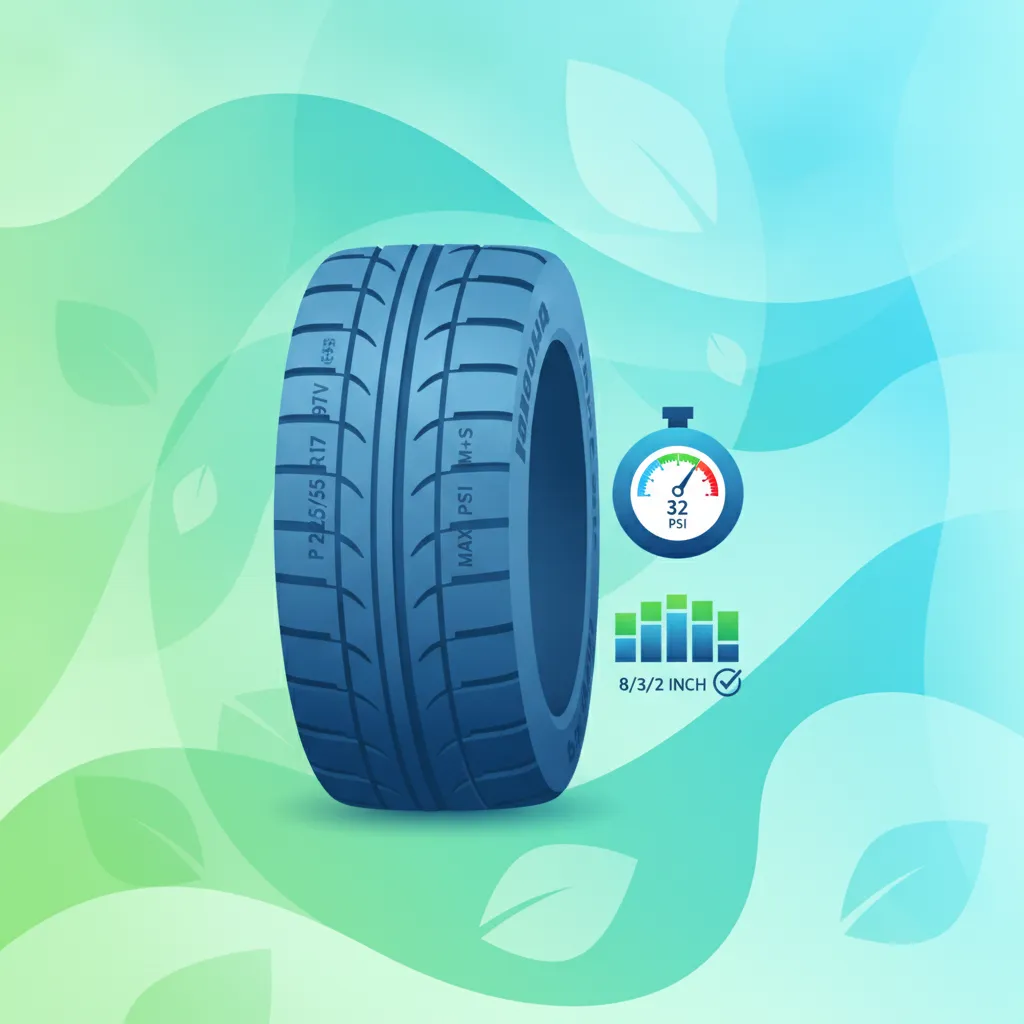
This lesson provides essential knowledge on tyre maintenance, a critical aspect of heavy vehicle safety and efficiency. It covers how to check for correct tyre pressure, assess wear patterns, and understand technical specifications like load and speed ratings. Learners will become familiar with the legal requirements for tread depth in Denmark and recognize how heavy loads impact tyre condition and overall vehicle performance.

This lesson explores the critical relationship between tyres, road surface, and grip. It explains how rain, ice, gravel, and even painted road markings can reduce traction and increase risk. Learners will understand the importance of having correct tyre pressure and adequate tread depth to maintain control.
This lesson focuses on the critical connection between the motorcycle and the road: the tyres. It explains how to check for proper inflation, inspect tread depth, and recognize signs of wear. Understanding how different tyre compounds and patterns perform in various conditions is key to managing traction.

This lesson equips you with the knowledge to drive safely in challenging weather conditions. It explains the risk of aquaplaning in heavy rain, how to counteract strong crosswinds, and the correct use of lights in darkness and fog. The core principle is adapting your speed and increasing your following distance to compensate for reduced visibility and traction.
This lesson highlights the rider's responsibility for ensuring their vehicle is in a safe, roadworthy condition. It provides a systematic guide to pre-ride checks, including inspecting tyres for correct pressure and wear, testing brakes, and verifying all lights work. Regular maintenance is presented as a critical component of overall rider safety.

This lesson delves into the science of traction, explaining the relationship between the tyre and the road surface. It covers how factors like water, oil, gravel, and painted lines can significantly reduce grip. Learners will develop the ability to 'read' the road surface and anticipate potential traction loss.
This lesson provides a clear, safety-oriented protocol for handling a vehicle breakdown or tyre failure. It covers how to safely maneuver the vehicle to the roadside, the correct use of hazard lights and warning triangles to alert other traffic, and procedures for contacting assistance. Adhering to these steps, as required by Danish law, is critical for protecting yourself and other road users from further incident.

This lesson details the meaning and application of various road surface markings, including lane dividers, solid and broken lines, and directional arrows. You will also learn to interpret the full sequence of traffic light signals, including the specific rules for the amber (yellow) light phase. A proper understanding of these systems is vital for maintaining correct lane discipline and adhering to traffic controls.

Properly functioning lighting and signaling systems are fundamental for safe communication on the road. This lesson details the purpose and correct use of all exterior lights, including headlights, brake lights, turn signals, and hazard lights, according to Danish law. It emphasizes the driver's responsibility to ensure these systems are clean and operational to maintain visibility and clearly signal maneuvers to other road users.

This lesson contrasts the driving techniques required for rural roads and motorways. It covers managing speed on narrow, winding lanes with potential hazards like farm machinery or animals. The content also explains the principles of safe motorway driving, including maintaining lane discipline, managing high-speed stability, and executing safe overtaking maneuvers.
Explore how tyre pressure, tread depth, and overall condition directly influence your vehicle's grip, braking distances, steering response, and fuel consumption. Essential knowledge for safe driving on Danish roads.
This lesson provides essential knowledge on tyre maintenance, a critical aspect of heavy vehicle safety and efficiency. It covers how to check for correct tyre pressure, assess wear patterns, and understand technical specifications like load and speed ratings. Learners will become familiar with the legal requirements for tread depth in Denmark and recognize how heavy loads impact tyre condition and overall vehicle performance.
This lesson explores the critical relationship between tyres, road surface, and grip. It explains how rain, ice, gravel, and even painted road markings can reduce traction and increase risk. Learners will understand the importance of having correct tyre pressure and adequate tread depth to maintain control.
This lesson focuses on the critical connection between the motorcycle and the road: the tyres. It explains how to check for proper inflation, inspect tread depth, and recognize signs of wear. Understanding how different tyre compounds and patterns perform in various conditions is key to managing traction.
This lesson delves into the science of traction, explaining the relationship between the tyre and the road surface. It covers how factors like water, oil, gravel, and painted lines can significantly reduce grip. Learners will develop the ability to 'read' the road surface and anticipate potential traction loss.
This lesson provides a clear, safety-oriented protocol for handling a vehicle breakdown or tyre failure. It covers how to safely maneuver the vehicle to the roadside, the correct use of hazard lights and warning triangles to alert other traffic, and procedures for contacting assistance. Adhering to these steps, as required by Danish law, is critical for protecting yourself and other road users from further incident.
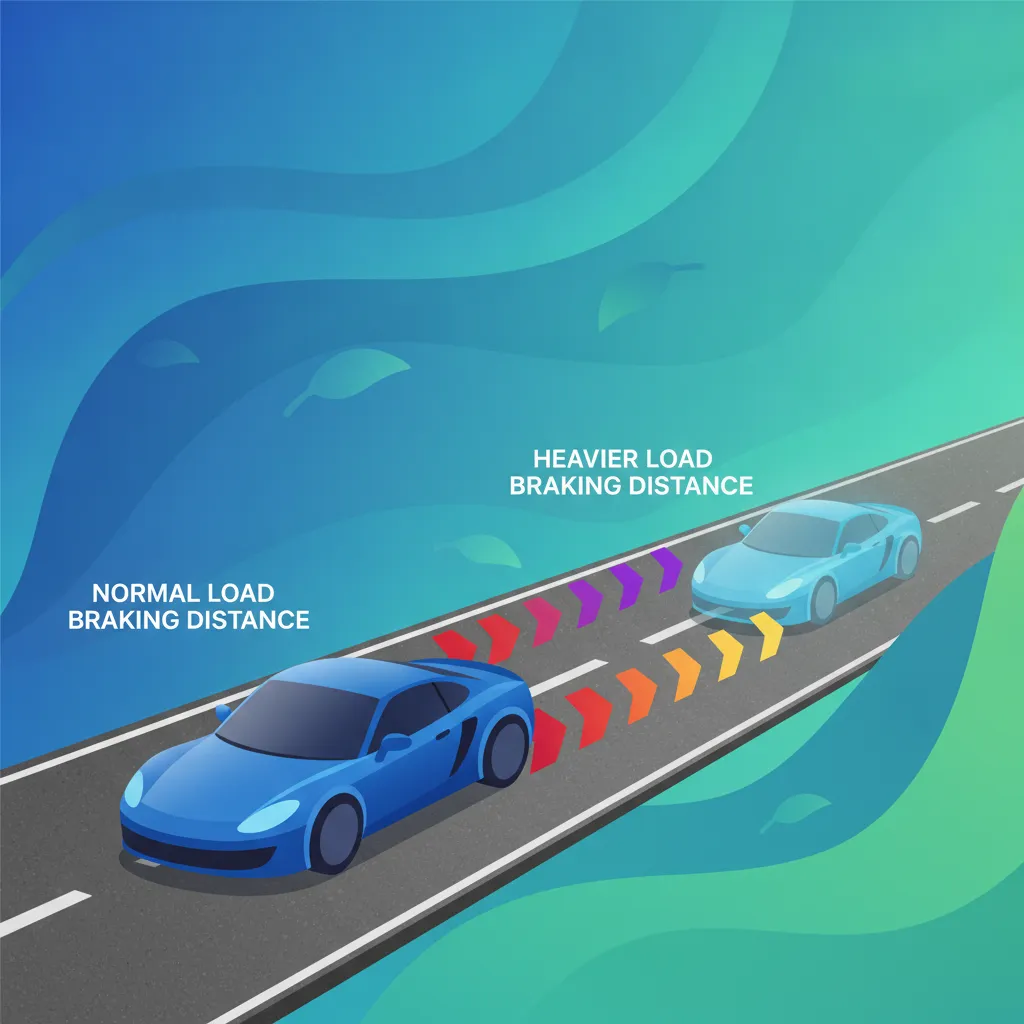
This lesson explores the direct relationship between a vehicle's mass, its speed, and the distance required to stop. It explains how increased load significantly lengthens the braking distance and details how road conditions like gradient and surface friction further affect this calculation. Learners will understand the importance of anticipating stops and maintaining a greater following distance to ensure safety.

This lesson breaks down the concept of total stopping distance into its core components: perception, reaction, and braking distances. It explains how variables such as vehicle speed, tyre quality, and road friction significantly impact how quickly you can stop. By understanding these principles, you will be ableto maintain a safe following distance and avoid collisions.

This lesson equips riders with the knowledge to handle imperfect road surfaces safely. It covers how to adjust speed, steering, and braking inputs when encountering loose gravel, slippery wet leaves, or other hazards. The focus is on smooth control inputs to avoid upsetting the motorcycle's stability.
This lesson highlights the rider's responsibility for ensuring their vehicle is in a safe, roadworthy condition. It provides a systematic guide to pre-ride checks, including inspecting tyres for correct pressure and wear, testing brakes, and verifying all lights work. Regular maintenance is presented as a critical component of overall rider safety.

This lesson explains the physical effects of adding weight to a motorcycle. It covers how passengers or luggage change the center of gravity, affecting steering, stability, and increasing stopping distances. Learners will understand how to adjust suspension and tyre pressure, and adapt their riding inputs accordingly.
Find clear answers to common questions learners have about Tyre Condition, Pressure, and Tread Depth. Learn how the lesson is structured, which driving theory objectives it supports, and how it fits into the overall learning path of units and curriculum progression in Denmark. These explanations help you understand key concepts, lesson flow, and exam focused study goals.
In Denmark, the legal minimum tread depth for summer tyres is 1.6 mm. However, it is highly recommended to change them before they reach this limit for better grip and safety.
While the legal minimum remains 1.6 mm, the Danish Road Safety Agency recommends a minimum of 3 mm for winter tyres to ensure adequate traction on snow and ice.
You may encounter questions about how incorrect pressure leads to uneven wear, increased fuel consumption, and reduced braking efficiency. Always refer to the vehicle manual for the manufacturer's recommended values.
Look for deep cuts, bulges in the sidewall, exposed cords, or uneven wear patterns that suggest alignment issues. Any of these defects render the tyre illegal and unsafe.
Use our powerful search tool to pinpoint specific Danish driving theory topics, road signs, or traffic situations you need to review. Start exploring relevant practice sets now to reinforce your knowledge and build confidence for your upcoming driving licence exam.