
This lesson provides a comprehensive guide to understanding road surface markings and traffic light signals in Denmark. Mastering these elements is a fundamental requirement for the Category B driving theory exam and ensures you can navigate intersections and lane systems safely. You will learn to interpret signals and markings correctly to maintain proper lane discipline and adhere to traffic regulations.
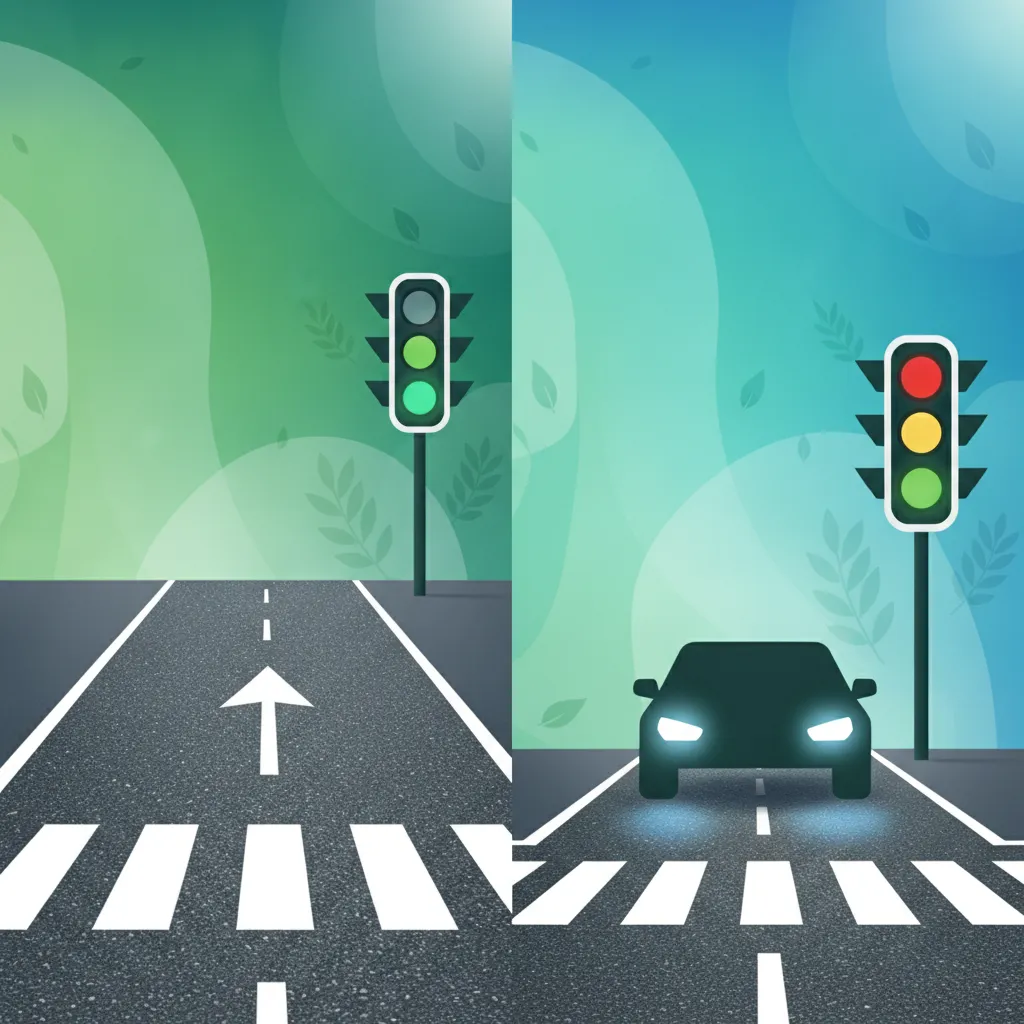
Lesson content overview
Navigating the roads safely and efficiently requires a thorough understanding of the visual cues that guide drivers. Road markings and traffic light systems are two fundamental components of this communication, working in tandem to regulate traffic flow, assign right-of-way, and ensure overall safety. For aspiring drivers preparing for the Danish Category B driving license, mastering these systems is not just about memorising rules, but about developing a keen awareness and proactive decision-making capability in dynamic traffic environments.
This lesson will detail the meaning and application of various road surface markings, including lane dividers, solid and broken lines, and directional arrows. Furthermore, you will learn to interpret the full sequence of traffic light signals, paying particular attention to the critical amber (yellow) light phase. A proper understanding of these systems is vital for maintaining correct lane discipline, adhering to traffic controls, and ensuring safe interaction with all road users.
Road markings are painted lines, symbols, and text on the road surface that provide critical information, warnings, and instructions to drivers. They act as a silent language, guiding motorists on permissible movements, lane usage, and where caution is required. In Denmark, these markings are standardised to ensure clarity and consistency across the road network, helping to organise traffic flow and significantly reduce the potential for collisions.
These visual cues are especially important for defining the boundaries of lanes, indicating where overtaking is allowed or prohibited, and guiding drivers through complex intersections or roundabouts. By understanding the intent behind each marking, drivers can anticipate actions, position their vehicles correctly, and contribute to a safer, more predictable driving environment.
Lane divider markings are among the most common types of road markings, separating lanes of traffic and indicating whether crossing them is permissible. Their appearance directly dictates driver behaviour concerning lane changes and overtaking manoeuvres.
A solid line painted on the road surface signifies a strict prohibition against crossing it. This means you must not overtake another vehicle, change lanes, or make a turn that would require you to cross this line. Solid lines are typically found in areas where crossing would be inherently dangerous, such as:
Adhering to solid line rules is fundamental for preventing head-on collisions and side-swipe incidents. Crossing a solid line, even partially, is a violation of traffic law and can lead to dangerous situations.
In contrast to solid lines, a broken line indicates that crossing is generally permitted. This allows drivers to change lanes, overtake other vehicles, or make turns, provided it is safe to do so and does not impede other traffic. The gaps in the line signify flexibility, but this flexibility comes with the responsibility of ensuring the manoeuvre is executed without risk.
Before crossing a broken line, drivers must always check their mirrors, signal their intentions, and confirm that there is ample space and no oncoming hazards. It is crucial to assess the speed of other vehicles and the overall traffic situation to ensure a safe lane change or overtaking.
Some roads feature a combination of solid and broken lines running parallel to each other. The meaning of these lines depends on which line is closer to your lane of travel. This sophisticated marking system provides situational flexibility, allowing some drivers to cross while restricting others.
In Denmark, if you are driving next to a broken line that runs parallel to a solid line, you are permitted to cross both lines to change lanes or overtake, provided it is safe. This means the broken line dictates your allowance. Conversely, if the solid line is closer to your lane of travel, you are prohibited from crossing it. This ensures that drivers in specific lanes maintain their position, while those in adjacent lanes have the option to manoeuvre safely.
This type of marking is commonly found on multi-lane roads, particularly when approaching turns or exits, where traffic flow needs to be managed for specific lanes while allowing others to change course.
Beyond longitudinal lines, the road surface often features directional arrows and other symbols. These markings are essential for guiding drivers into the correct lanes for their intended movements, especially at junctions and intersections. Ignoring these arrows can lead to confusion, last-minute unsafe lane changes, or even collisions.
When you encounter directional arrows, you are legally obliged to follow their guidance. Once you have chosen a lane based on your intended direction, you must remain in that lane until you have completed the manoeuvre. Changing lanes at the last moment to correct an error or avoid a turn you didn't intend to make is extremely dangerous and disruptive to traffic flow.
Always observe directional arrows well in advance, especially when approaching complex intersections. Position your vehicle in the correct lane early to avoid hasty lane changes and maintain smooth traffic flow.
Traffic light systems are a critical form of traffic control, primarily used at intersections to assign right-of-way and regulate the flow of vehicles and pedestrians. Understanding the precise meaning of each light phase, including the specific rules for the amber light, is paramount for safe driving in Denmark.
The standard sequence of traffic lights (red, red+amber, green, amber, flashing amber) provides clear, timed instructions to drivers, preventing conflicts and allowing large volumes of traffic to pass through junctions efficiently.
The typical traffic light sequence includes several phases, each with a distinct instruction for drivers.
The red light is an absolute command to stop. When the red light is illuminated, you must bring your vehicle to a complete halt before the stop line, pedestrian crossing, or the edge of the intersection, whichever comes first. You must remain stopped until the signal changes to green.
A solid white line painted across the lane before an intersection or pedestrian crossing, indicating the precise point where vehicles must stop when required by a traffic signal or sign.
Advancing on a red light is a serious traffic violation and a significant cause of collisions. Always ensure your vehicle is stationary before the designated stop point.
When both the red and amber lights are illuminated simultaneously, it signifies that the light is about to change to green. This phase instructs drivers who are stopped to prepare to move.
During this phase, you should:
The green light indicates that you may proceed through the intersection. However, this permission is conditional. You must only proceed if the way ahead is clear and you can do so without causing a hazard or blocking the intersection.
Even on a green light, drivers must:
The amber light (often referred to as yellow) is a critical phase that signals the impending change from green to red. Its interpretation is crucial for preventing rear-end collisions and intersection blockages.
In Denmark, the rule for an amber light is:
You must stop if you can do so safely before the stop line. If you are so close to the stop line when the amber light appears that an emergency stop would be unsafe or would put you at risk of being rear-ended, you may proceed cautiously through the intersection. However, in such a situation, you must give way to any intersecting traffic that may already have a green light. You must never cross the stop line until the signal changes to green if you could have stopped safely.
This means if the amber light appears and you are approaching the intersection, your primary action is to stop safely. If you are already within the "point of no return" (i.e., too close to stop safely), you should continue through, exercising extreme caution and being prepared to yield if another vehicle is already in the intersection. This specific rule balances safety (avoiding abrupt stops) with maintaining traffic flow.
A flashing amber light indicates that the traffic light system is either temporarily out of order or operating in a mode where it no longer assigns strict right-of-way. It signals to drivers to proceed through the intersection with extreme caution, treating it as an uncontrolled junction.
When encountering a flashing amber light:
Flashing amber lights are often seen at minor intersections during low-traffic periods (e.g., late at night) or if there's a malfunction.
The interpretation and application of road markings and traffic light signals can be influenced by various external factors, requiring drivers to adapt their behaviour.
Poor weather conditions, such as heavy rain, fog, or snow, significantly reduce visibility. This means road markings may be harder to see, and traffic lights may appear less distinct. In such conditions:
The complexity of traffic control systems often varies between urban and rural settings:
At any intersection, especially those with traffic lights, drivers must always be vigilant for vulnerable road users such as pedestrians and cyclists. Even when you have a green light, you must ensure that the intersection is clear of anyone still crossing. Danish law gives pedestrians and cyclists significant protection, and drivers must yield to them if they are still within the crossing, regardless of the light phase.
A green light grants you permission to proceed, but never the right to proceed without ensuring the way is clear and safe for all road users, particularly pedestrians and cyclists.
Misinterpreting or ignoring road markings and traffic lights is a frequent cause of traffic incidents. Understanding common violations can help you avoid them.
Road markings and traffic lights demand constant attention. Drivers need sufficient reaction time to perceive changes, process information, and execute safe manoeuvres. This means:
By adhering to these principles, drivers can significantly reduce their risk of accidents, contributing to safer roads for everyone in Denmark.
This lesson covers Danish road markings and traffic light systems essential for Category B theory preparation. It explains that solid lines prohibit crossing while broken lines permit safe lane changes and overtaking, with combination lines providing situational restrictions based on proximity. The traffic light sequence follows a specific order—red demands a complete stop, red-plus-amber signals preparation to go, green permits cautious movement only when the intersection can be cleared, amber requires stopping if safe, and flashing amber means proceeding with extreme caution as an uncontrolled junction. Understanding these visual cues is critical for maintaining lane discipline, navigating intersections safely, and avoiding common violations that lead to test failures and real-world accidents.
A short set of high-value points that capture the most important learning from this lesson.
Solid lines prohibit crossing entirely; broken lines allow crossing when safe; combination lines restrict only the driver beside the solid line
Directional arrows are legally binding and must be followed once you've committed to a lane
On amber light, stop if you can do so safely; if too close to stop safely, proceed cautiously and yield to cross-traffic
A flashing amber light means treat the intersection as uncontrolled and yield to traffic on the intersecting road
Green light only permits proceeding if you can clear the intersection completely; never block an intersection
Explore all units and lessons included in this driving theory course.
Combination lines: broken line on your side means you may cross; solid line on your side means you must not cross
The amber light rule balances safety—stop when possible but never make an emergency stop that endangers you or others behind
Directional arrows dictate mandatory lane use; you cannot change lanes at the last moment to correct a mistake
On a flashing amber, look thoroughly in all directions and reduce speed significantly before proceeding
Vulnerable road users have priority in intersections regardless of light phase
Attempting to 'beat' an amber light by speeding up, leading to dangerous situations or blocking the intersection
Crossing solid lines when approaching intersections, tunnels, or bends due to visibility limitations
Making turns or lane changes from the wrong lane because directional arrows were ignored or observed too late
Entering an intersection on green light without checking if you can clear it, causing gridlock
Misinterpreting combination lines by not identifying which line is adjacent to their own lane
Lesson content overview
A short set of high-value points that capture the most important learning from this lesson.
Solid lines prohibit crossing entirely; broken lines allow crossing when safe; combination lines restrict only the driver beside the solid line
Directional arrows are legally binding and must be followed once you've committed to a lane
On amber light, stop if you can do so safely; if too close to stop safely, proceed cautiously and yield to cross-traffic
A flashing amber light means treat the intersection as uncontrolled and yield to traffic on the intersecting road
Green light only permits proceeding if you can clear the intersection completely; never block an intersection
Explore all units and lessons included in this driving theory course.
Combination lines: broken line on your side means you may cross; solid line on your side means you must not cross
The amber light rule balances safety—stop when possible but never make an emergency stop that endangers you or others behind
Directional arrows dictate mandatory lane use; you cannot change lanes at the last moment to correct a mistake
On a flashing amber, look thoroughly in all directions and reduce speed significantly before proceeding
Vulnerable road users have priority in intersections regardless of light phase
Attempting to 'beat' an amber light by speeding up, leading to dangerous situations or blocking the intersection
Crossing solid lines when approaching intersections, tunnels, or bends due to visibility limitations
Making turns or lane changes from the wrong lane because directional arrows were ignored or observed too late
Entering an intersection on green light without checking if you can clear it, causing gridlock
Misinterpreting combination lines by not identifying which line is adjacent to their own lane
Explore search topics learners often look for when studying Road Markings and Traffic Light Systems. These topics reflect common questions about road rules, driving situations, safety guidance, and lesson level theory preparation for learners in Denmark.
Browse additional driving theory lessons that cover connected traffic rules, road signs, and common driving situations related to this topic. Improve your understanding of how different rules interact across everyday traffic scenarios.
Learn to interpret advanced traffic light signals and road markings often found at busy Danish intersections. Understand how lane lines, arrows, and signal sequences work together to ensure safe passage through challenging junctions.
This lesson details the function and meaning of traffic light signals in Denmark. It covers the standard red, amber, and green sequences, as well as special signals like flashing amber lights and green arrows for turning. The content also explains signals specific to cyclists and pedestrians that moped riders must observe at intersections.
This lesson focuses on interpreting the various markings painted on Danish road surfaces. It explains the rules associated with solid and broken lane lines, directional arrows, and special-purpose lanes for buses and cyclists. Understanding these markings is crucial for maintaining correct lane discipline and safely navigating complex road layouts.
This lesson provides a structured method for approaching and crossing intersections safely. It reinforces the application of priority rules, the interpretation of signs and signals, and the importance of thorough observation. Specific attention is given to looking for cyclists and pedestrians who may be crossing the rider's path.

This lesson covers the core principles of defensive driving in an urban context. It teaches drivers how to anticipate the actions of other road users, maintain safe following distances in dense traffic, and navigate complex intersections with multiple signals. The content emphasizes heightened awareness of pedestrians, cyclists, and unexpected events common in Danish city environments.

This lesson addresses the unique challenges of driving in tourist-heavy urban centers alongside cyclists. It teaches drivers to anticipate the behavior of individuals who may be distracted or unfamiliar with local traffic rules. The content provides strategies for communicating intentions clearly and navigating safely around large groups, luggage, and cyclists.
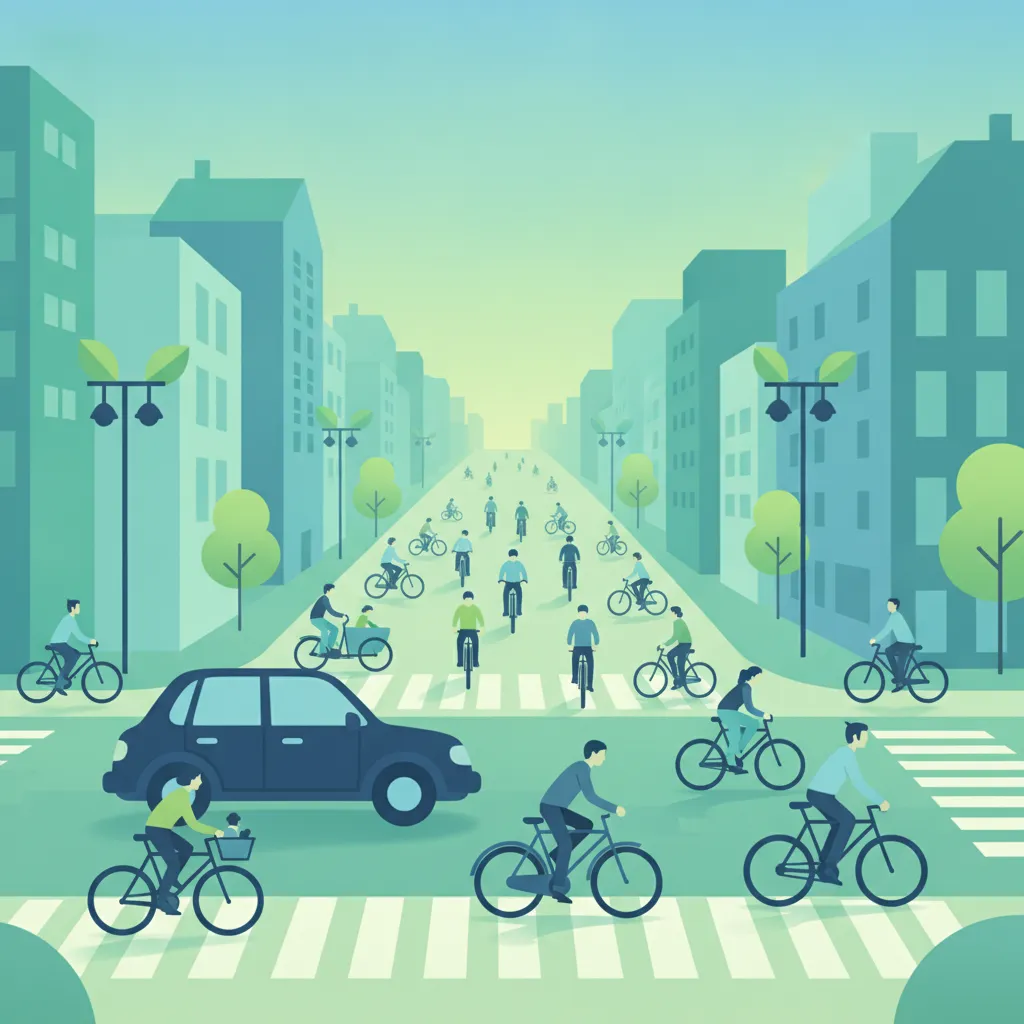
This lesson provides critical guidance for driving in environments with heavy cycle traffic, typical of Danish cities. It focuses on identifying and yielding to cyclists in dedicated bike lanes, especially when turning right across their path. The content emphasizes advanced observation skills to detect cyclists in blind spots and the importance of giving adequate space.
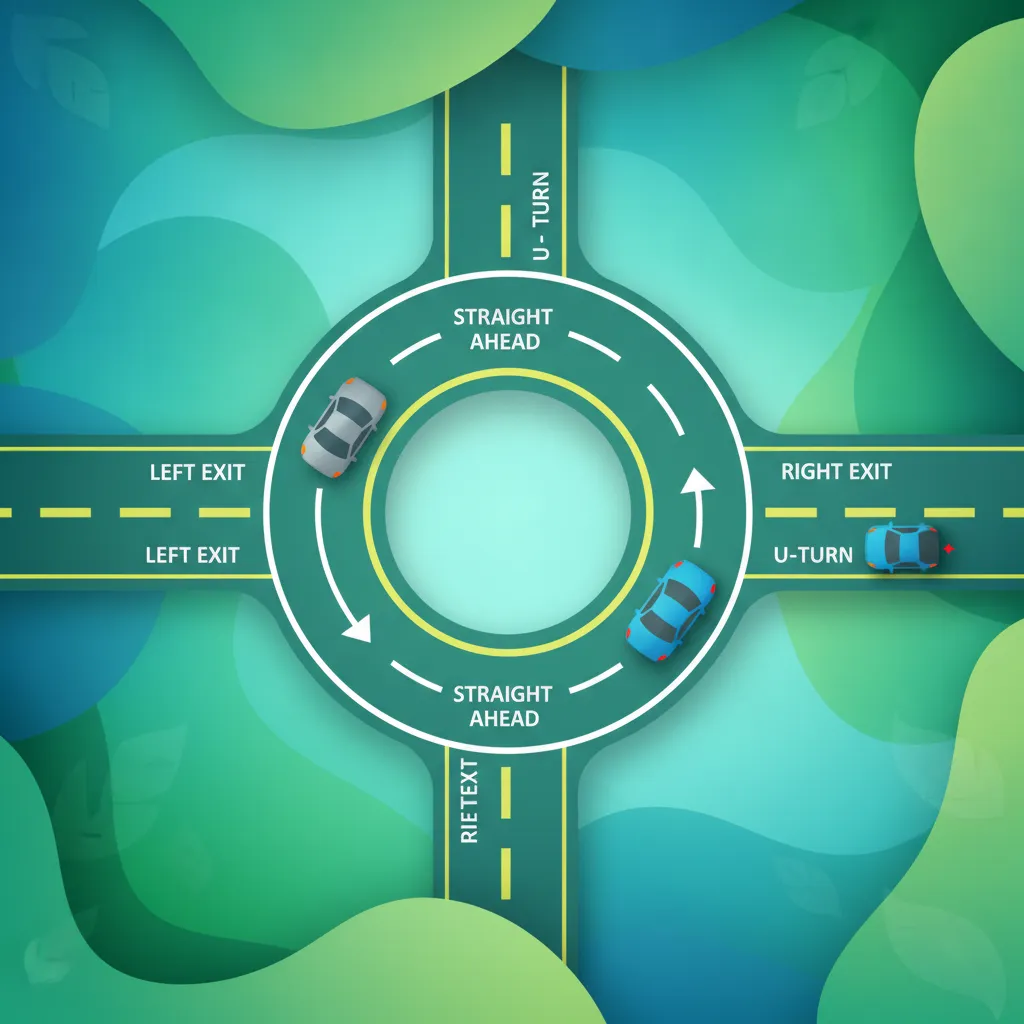
This lesson offers a step-by-step guide to navigating roundabouts in Denmark. You will learn how to approach and enter a roundabout, the requirement to yield to circulating traffic, and how to select the appropriate lane for your intended exit. Special attention is given to safely managing interactions with cyclists and pedestrians who may be present at roundabout entrances and exits.
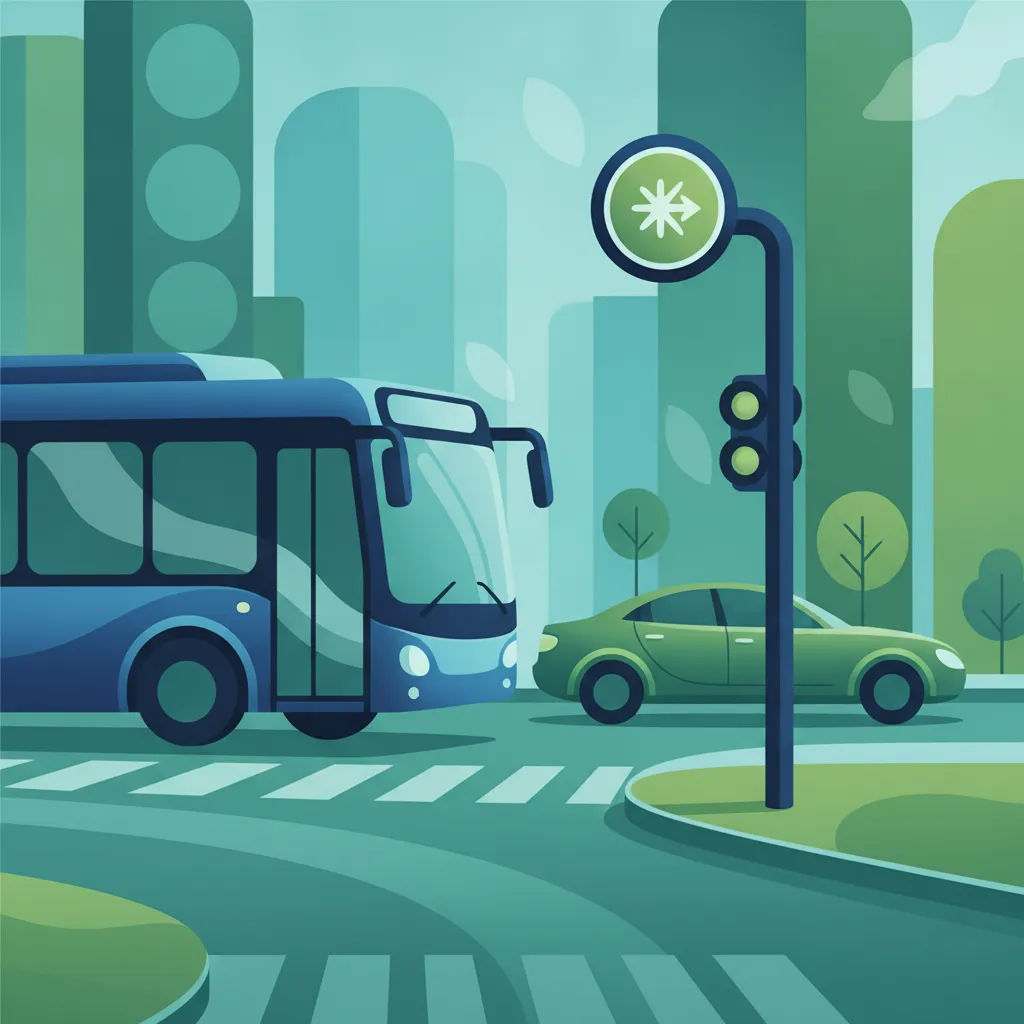
This lesson explains the regulations governing the use of dedicated bus lanes in Denmark. It covers when it is permissible to enter and exit these lanes, how to merge safely with general traffic, and the meaning of specific road markings. The content also details how public transport priority systems at traffic lights work and how drivers should respond to them.
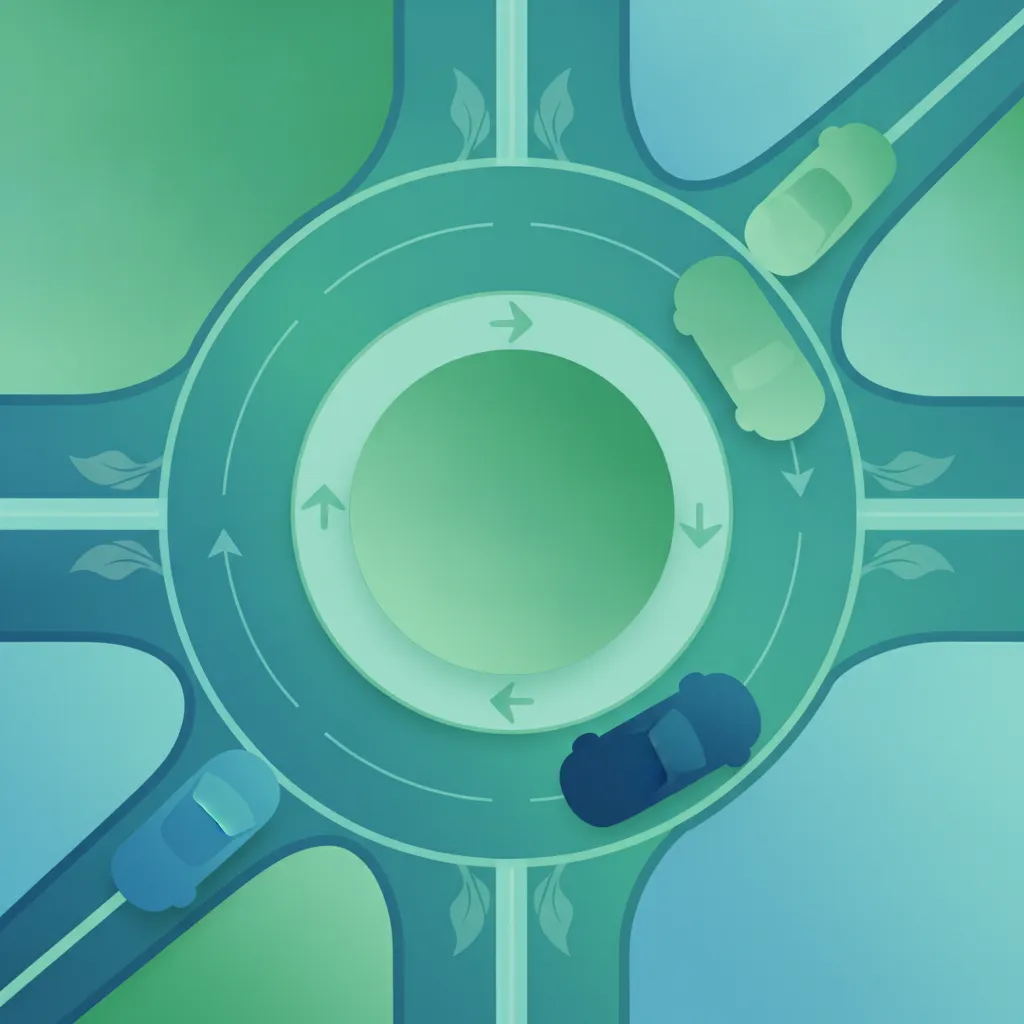
This lesson provides detailed instructions for navigating Danish roundabouts. It covers the rules for yielding upon entry, selecting the correct lane based on the intended exit, and signalling intentions clearly. The lesson also highlights the specific rules regarding priority for cyclists crossing entry and exit lanes.
This lesson reinforces the driver's responsibility to protect pedestrians, particularly in busy urban areas and near schools. It details the procedures for approaching pedestrian crossings, the legal requirement to reduce speed significantly in marked school zones, and how to anticipate the unpredictable actions of pedestrians. The content covers traffic calming measures and the legal rights of pedestrians in various settings.
Identify and understand frequent errors learners make when interpreting road markings and traffic light signals in Denmark. This lesson helps avoid dangerous situations by clarifying common misinterpretations of lines, arrows, and signals.
This lesson focuses on interpreting the various markings painted on Danish road surfaces. It explains the rules associated with solid and broken lane lines, directional arrows, and special-purpose lanes for buses and cyclists. Understanding these markings is crucial for maintaining correct lane discipline and safely navigating complex road layouts.
This lesson details the function and meaning of traffic light signals in Denmark. It covers the standard red, amber, and green sequences, as well as special signals like flashing amber lights and green arrows for turning. The content also explains signals specific to cyclists and pedestrians that moped riders must observe at intersections.
This lesson introduces the primary categories of Danish road signs and their legal implications. It covers regulatory signs that dictate mandatory actions or prohibitions, and warning signs that indicate upcoming hazards. Correct interpretation of these signs is fundamental for lawful and safe riding on Danish roads.

Properly functioning lighting and signaling systems are fundamental for safe communication on the road. This lesson details the purpose and correct use of all exterior lights, including headlights, brake lights, turn signals, and hazard lights, according to Danish law. It emphasizes the driver's responsibility to ensure these systems are clean and operational to maintain visibility and clearly signal maneuvers to other road users.

This lesson provides a comprehensive overview of a vehicle's lighting systems and their proper use. It covers the functions of low and high beams, fog lights, and all signal lights, emphasizing their importance for visibility and communication with other drivers. The material explains the legal requirements for using lights in various conditions, including daytime, darkness, and adverse weather, as specified by Danish regulations.

This lesson covers the proper methods for signalling intentions to other road users. It details the legal requirements for using turn indicators before turning or changing lanes. The content also explains how to use legally recognized hand signals as a backup or for added clarity.

This lesson explores non-verbal communication techniques for safer road sharing. It discusses the importance of making eye contact with other drivers and pedestrians to confirm they have seen you. The content also explains the appropriate and legal use of the horn to alert others of your presence.
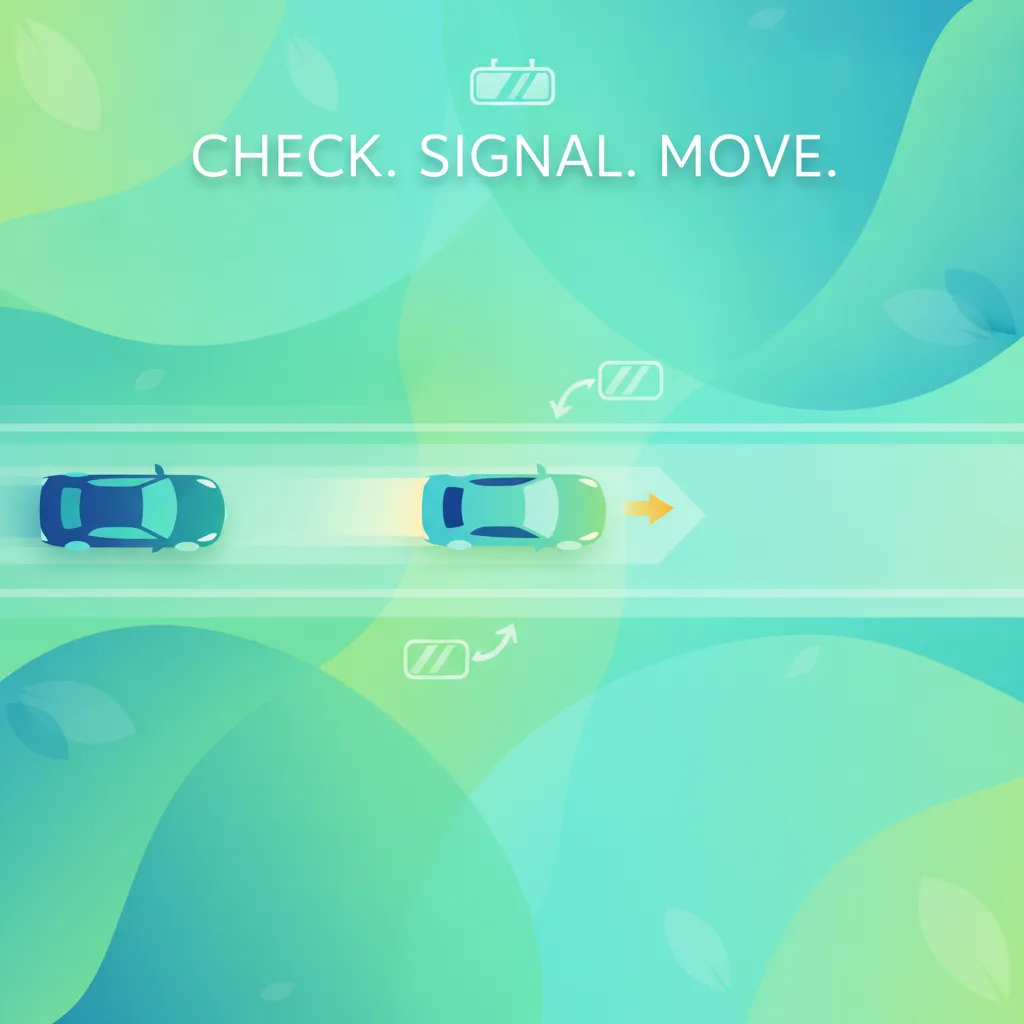
This lesson explains the principles of correct lane discipline, including proper positioning within your lane and adherence to road markings. It provides a clear, safe procedure for changing lanes, which includes signalling your intentions early, checking mirrors, and performing a final shoulder check for the blind spot. Mastering this process is essential for smooth and safe navigation in multi-lane traffic.

This lesson teaches you to identify warning signs that alert drivers to upcoming hazards and changing road conditions. It covers common signs such as sharp curves, school zones, animal crossings, and temporary conditions like roadworks or slippery surfaces. Understanding these signs is crucial for anticipating risks and adjusting your driving to ensure safety on all types of Danish roads.
This lesson introduces cooperative driving as a fundamental element of road safety in Denmark. It highlights the social responsibility of drivers to act predictably, anticipate the actions of others, and maintain courteous interactions with all road users. By fostering mutual respect and cooperation, you will learn how to reduce the potential for conflict and enhance overall traffic safety.
Find clear answers to common questions learners have about Road Markings and Traffic Light Systems. Learn how the lesson is structured, which driving theory objectives it supports, and how it fits into the overall learning path of units and curriculum progression in Denmark. These explanations help you understand key concepts, lesson flow, and exam focused study goals.
A broken line indicates that you may change lanes or overtake if it is safe to do so. A solid line prohibits crossing or driving on the line, usually to prevent dangerous maneuvers in areas with limited visibility or high risk.
A steady amber light means you must stop unless you are so close to the stop line that stopping would create a traffic hazard or a rear-end collision risk. It warns you that the red light is about to appear.
Yes, directional arrows painted on the road surface are legally binding. They indicate the mandatory direction you must take when reaching the intersection, and failing to follow them is a traffic violation.
No, you must never turn right at a red light unless there is a specific green arrow signal authorizing that movement. A red light requires a complete stop until the signal changes to green.
Use our powerful search tool to pinpoint specific Danish driving theory topics, road signs, or traffic situations you need to review. Start exploring relevant practice sets now to reinforce your knowledge and build confidence for your upcoming driving licence exam.