
This lesson provides vital training on emergency response and first aid procedures for motorcyclists in Denmark. You will learn how to secure an accident scene, assess casualties, and provide accurate information to emergency services when calling 112.
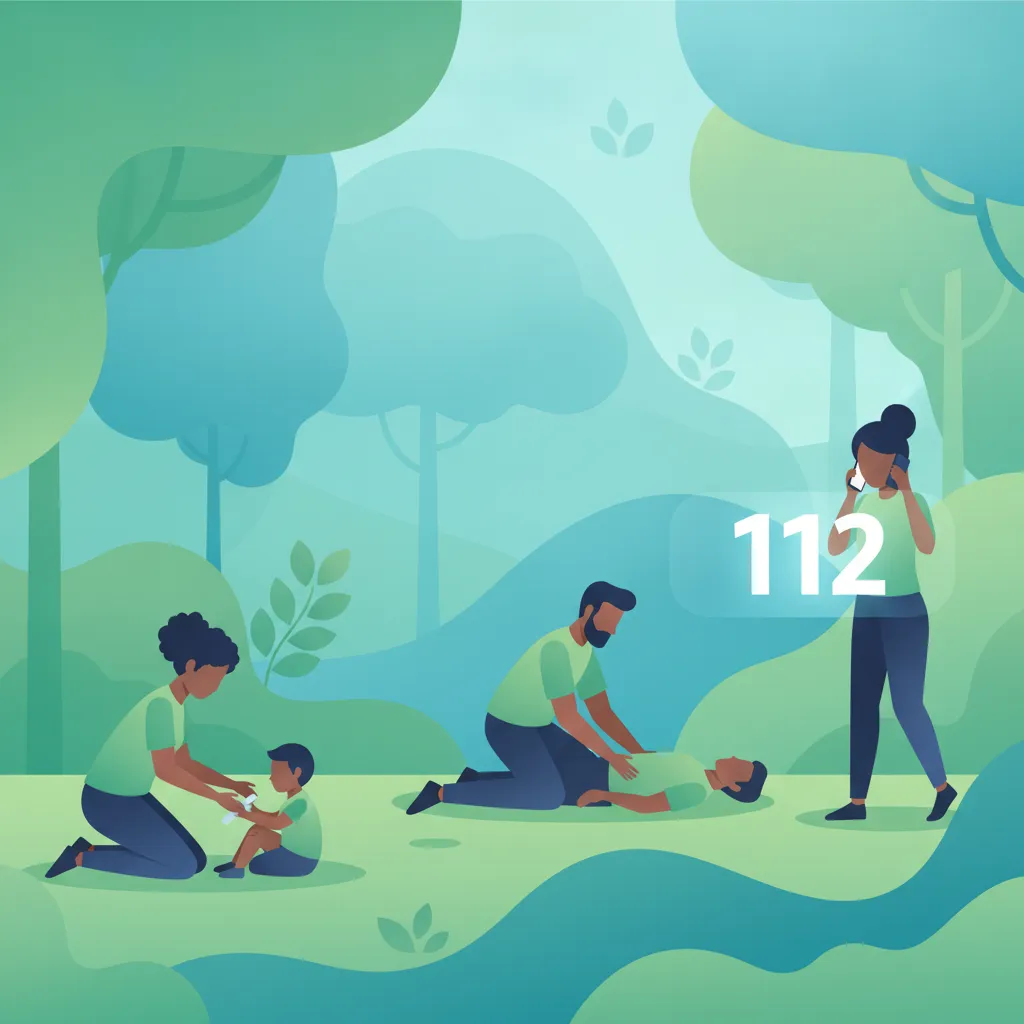
Lesson content overview
As a rider preparing for your Danish motorcycle theory test, understanding how to respond to a traffic accident is not just a moral obligation, but a critical component of safe road use. This lesson, part of your comprehensive guide for safe riding, will equip you with the essential knowledge of basic first aid and the correct procedure for contacting emergency services via 112. Your actions in the immediate aftermath of a collision can significantly impact the outcome for those involved, potentially saving lives and preventing further injury.
When an accident occurs, it's natural to feel shock or confusion. However, as a motorist, you have a crucial role to play in the moments following a crash. This includes assessing the scene, providing immediate assistance, and ensuring professional help is swiftly on its way. Your ability to act calmly and effectively can make a profound difference, reinforcing the motorist's broader responsibilities in post-crash care and contributing to overall road safety. This lesson builds upon your understanding of crash prevention, legal responsibilities, and safe stopping procedures covered earlier in your Danish Motorcycle Theory course.
The very first step at any accident scene is to ensure safety for yourself, the injured, and other road users. A quick and thorough scene assessment helps identify immediate dangers and prioritize actions.
Before approaching any vehicle or individual involved in a collision, always prioritize your own safety. This means making sure you are not putting yourself at risk from oncoming traffic, potential vehicle fires, or hazardous spills. Only when you are confident the immediate vicinity is safe should you proceed to offer assistance. Your ability to help depends on your own well-being.
Once you've ensured your personal safety, the next crucial step is to secure the accident scene to prevent further incidents. This involves making the scene visible to other drivers and alerting them to the danger ahead.
Immediately activate your vehicle's hazard warning lights (advarselsblink). These flash simultaneously to indicate a stationary vehicle or a hazard.
Position a warning triangle (advarselstrekant) to alert approaching traffic. On regular roads, place the triangle approximately 50-100 meters behind the accident scene. On motorways (motorveje), this distance should be extended to at least 100-200 meters, or even further if visibility is poor.
If safe to do so, move any debris or smaller obstacles that could pose a further risk to traffic. However, do not move anything that might be crucial for police investigation.
Under the Danish Road Traffic Act (Færdselsloven), drivers are legally obliged to use hazard lights and warning triangles when stopped due to an accident or breakdown. Failure to do so can lead to penalties and increase the risk of secondary collisions.
As you assess the scene, be vigilant for immediate dangers that could escalate the situation.
After securing the scene, your focus shifts to the injured persons. Basic First Aid, or Førstehjælp, involves immediate care to preserve life, prevent further injury, and minimize pain until professional medical help arrives. The core principle is to do no further harm while providing necessary assistance.
The initial assessment of an injured person typically follows a sequence to prioritize life-threatening conditions.
Approach the victim cautiously. Gently shake their shoulders and ask loudly, "Are you okay? Can you hear me?" (Er du okay? Kan du høre mig?). If there is no response, the person is unconscious.
If the person is unconscious, their tongue can fall back and block their airway.
Carefully tilt the head back gently with one hand on the forehead.
Lift the chin with two fingers of the other hand, bringing the jaw forward. This action helps to move the tongue away from the back of the throat.
Check inside their mouth for any obvious obstructions like broken teeth, vomit, or foreign objects, and remove them if clearly visible and easily accessible.
Once the airway is open, check for normal breathing.
Look: Observe the chest and abdomen for movements.
Listen: Place your ear close to the person’s mouth and nose to hear for breathing sounds.
Feel: Feel for air movement on your cheek.
Perform this check for no more than 10 seconds. If the person is not breathing normally, or you are unsure, immediately call 112 and prepare to follow their instructions, which may include chest compressions.
Uncontrolled severe bleeding is one of the most immediate life threats after an accident. Rapid blood loss can lead to shock and be fatal within minutes.
This is the most effective and universally recommended method for controlling external bleeding.
Use a clean cloth, bandage, or even your bare hand if nothing else is available.
Apply firm, direct pressure directly onto the wound.
Maintain continuous pressure. Do not remove the cloth to check the wound, as this disrupts clot formation. If blood soaks through, add more material on top and continue pressing.
If the bleeding is from an arm or leg, elevating the injured limb above the level of the heart can help reduce blood flow, in conjunction with direct pressure. This method should only be used if it does not cause more pain or discomfort to the victim and if there is no suspicion of a fracture.
A tourniquet (årepresse) is a device used to compress a limb to stop severe arterial bleeding, typically applied above the wound.
A tourniquet should only be considered as a last resort for life-threatening limb bleeding that cannot be controlled by direct pressure. Incorrect application can cause significant tissue damage. If you are not trained in its use, focus on direct pressure and call for professional help immediately. Modern first aid often emphasizes direct pressure over tourniquets for untrained individuals due to potential complications.
While focusing on airway, breathing, and circulation, also be mindful of other potential injuries:
Once immediate life threats are managed and the scene is safe, calling emergency services is paramount. In Denmark, the unified emergency number for police, fire, and ambulance is 112.
When you call 112, remain calm and speak clearly. The operator will guide you, but being prepared with key information can save crucial time.
Your exact location: This is the most vital piece of information.
Nature of the incident: Briefly describe what happened (e.g., "motorcycle accident," "car collision").
Number of persons involved and their condition: How many injured? Are they conscious, breathing, bleeding?
Any immediate dangers: Fire, fuel leak, blocked road, vehicle instability.
Your phone number: In case the call gets disconnected.
An accurate location helps emergency services reach the scene quickly.
Be concise and factual. For example: "There's a two-vehicle collision, a car and a motorcycle. The motorcyclist is unconscious but appears to be breathing, and the car driver has a deep cut on their arm with heavy bleeding." This information allows the operator to dispatch the appropriate resources.
Do not hang up until the operator tells you to. They may provide crucial first aid instructions, ask for more details, or advise you to guide the emergency services upon their arrival. They are there to help and support you through the process.
The Danish Road Traffic Act (Færdselsloven) places clear legal duties on drivers involved in or witnessing an accident. Compliance is not optional; it's a fundamental part of responsible road participation.
The Road Traffic Act mandates that accidents causing personal injury or significant property damage must be reported to the police or emergency services.
Even if injuries seem minor at first, internal injuries might not be immediately apparent. It is always safer to report and let professionals assess the situation. Failing to report an accident that results in injury can have severe legal consequences.
Failure to comply with these regulations can lead to serious penalties, ranging from substantial fines to imprisonment, especially in cases where negligence leads to further harm or death. For instance, leaving the scene of an accident without rendering aid is a grave offense with severe legal repercussions. These duties underscore the moral and legal responsibility every motorist holds to ensure the safety and well-being of others on Danish roads.
Understanding common pitfalls can help you avoid them in a high-stress situation. Knowing how to adapt your response to different conditions is also vital.
Different circumstances require adjustments to your accident response strategy.
In fog, heavy rain, snow, or darkness, visibility is reduced.
On motorways (motorveje), high speeds mean drivers need significantly more time and distance to react.
When pedestrians, cyclists, or motorcyclists are involved, extra care is needed.
Being prepared for the unforeseen is a cornerstone of responsible driving in Denmark. Your understanding of first aid and emergency protocols can be the difference between life and death for yourself or others involved in a road accident.
This lesson covers the essential first aid and emergency response procedures required for Danish motorcycle theory test candidates. It teaches you to secure an accident scene using hazard lights and warning triangles at specific distances, assess casualties using the CAB method (checking consciousness, airway, and breathing), and control severe bleeding through direct pressure and limb elevation. The lesson also details the critical information to provide when calling 112, including precise location details, incident description, and casualty conditions. Crucially, it covers your legal duties under the Danish Road Traffic Act (Færdselsloven), including the obligation to stop, render assistance, and report injury accidents. Conditional guidance is provided for motorway incidents, poor visibility conditions, and the delicate matter of helmet removal from injured motorcyclists.
A short set of high-value points that capture the most important learning from this lesson.
Secure your own safety first before approaching any accident scene, then activate hazard lights and place warning triangles.
Use the CAB approach (Consciousness, Airway, Breathing) to systematically assess injured persons, checking each for no more than 10 seconds.
Control severe bleeding with firm, continuous direct pressure using a clean cloth—do not remove it to check the wound.
When calling 112, provide exact location (road name, kilometer marker, nearest landmark), nature of the incident, number and condition of casualties, and any immediate dangers.
Under Danish law (Færdselsloven §72 and §74), you must stop, render reasonable assistance, and report accidents involving injury or significant damage.
Explore all units and lessons included in this driving theory course.
On motorways, place warning triangles at least 100-200 meters behind the scene; on regular roads, 50-100 meters is sufficient.
Only remove a motorcycle helmet if absolutely necessary to clear an airway and you are trained to do so—improper removal risks spinal injury.
A tourniquet is a last resort for life-threatening limb bleeding only; untrained individuals should focus on direct pressure.
Stay on the line with 112 until the operator tells you to hang up—they may provide critical first aid instructions.
Never move an injured person unless they face immediate danger (fire, explosion) or are in further peril from the vehicle position.
Leaving the accident scene without stopping and fulfilling legal obligations—a serious offense under Danish law.
Neglecting to call 112 even if another bystander appears to have called; multiple confirmations are better than none.
Moving injured persons inappropriately, especially with suspected spinal injuries, when they are not in immediate danger.
Providing inaccurate or guessed location information to 112, which delays emergency response.
Failing to use hazard lights and warning triangles, increasing the risk of secondary collisions.
Lesson content overview
A short set of high-value points that capture the most important learning from this lesson.
Secure your own safety first before approaching any accident scene, then activate hazard lights and place warning triangles.
Use the CAB approach (Consciousness, Airway, Breathing) to systematically assess injured persons, checking each for no more than 10 seconds.
Control severe bleeding with firm, continuous direct pressure using a clean cloth—do not remove it to check the wound.
When calling 112, provide exact location (road name, kilometer marker, nearest landmark), nature of the incident, number and condition of casualties, and any immediate dangers.
Under Danish law (Færdselsloven §72 and §74), you must stop, render reasonable assistance, and report accidents involving injury or significant damage.
Explore all units and lessons included in this driving theory course.
On motorways, place warning triangles at least 100-200 meters behind the scene; on regular roads, 50-100 meters is sufficient.
Only remove a motorcycle helmet if absolutely necessary to clear an airway and you are trained to do so—improper removal risks spinal injury.
A tourniquet is a last resort for life-threatening limb bleeding only; untrained individuals should focus on direct pressure.
Stay on the line with 112 until the operator tells you to hang up—they may provide critical first aid instructions.
Never move an injured person unless they face immediate danger (fire, explosion) or are in further peril from the vehicle position.
Leaving the accident scene without stopping and fulfilling legal obligations—a serious offense under Danish law.
Neglecting to call 112 even if another bystander appears to have called; multiple confirmations are better than none.
Moving injured persons inappropriately, especially with suspected spinal injuries, when they are not in immediate danger.
Providing inaccurate or guessed location information to 112, which delays emergency response.
Failing to use hazard lights and warning triangles, increasing the risk of secondary collisions.
Explore search topics learners often look for when studying First Aid Basics and Emergency Calls (112). These topics reflect common questions about road rules, driving situations, safety guidance, and lesson level theory preparation for learners in Denmark.
Browse additional driving theory lessons that cover connected traffic rules, road signs, and common driving situations related to this topic. Improve your understanding of how different rules interact across everyday traffic scenarios.
Understand your legal duties under the Danish Road Traffic Act after an accident. This lesson covers requirements to stop, assist, report, and the consequences of non-compliance for all drivers.
This lesson outlines the legal responsibilities of a rider involved in a traffic accident. It explains the legal duty to stop, render aid, and report the incident to the police and insurance providers. The content covers the concepts of liability and the potential legal consequences following an accident.
This lesson covers the immediate actions to take at the scene of an accident. It explains how and when to call the Danish emergency number 112, and what information to provide to the operator. The content also includes the principles of securing an accident scene to prevent further incidents and basic first aid concepts.
This lesson provides a clear action plan for handling emergencies on the road. It explains how to secure an accident scene using a warning triangle, when and how to call the emergency number 112, and the fundamentals of providing basic first aid. You will also learn the safe procedure for dealing with a vehicle breakdown to protect yourself and other road users.

This lesson provides an overview of essential first aid principles relevant to a transport environment. It covers how to assess a casualty, perform basic life support, and manage common injuries until professional help arrives. The content also details the correct procedure for contacting emergency services, providing clear and accurate information, and completing required incident reports.
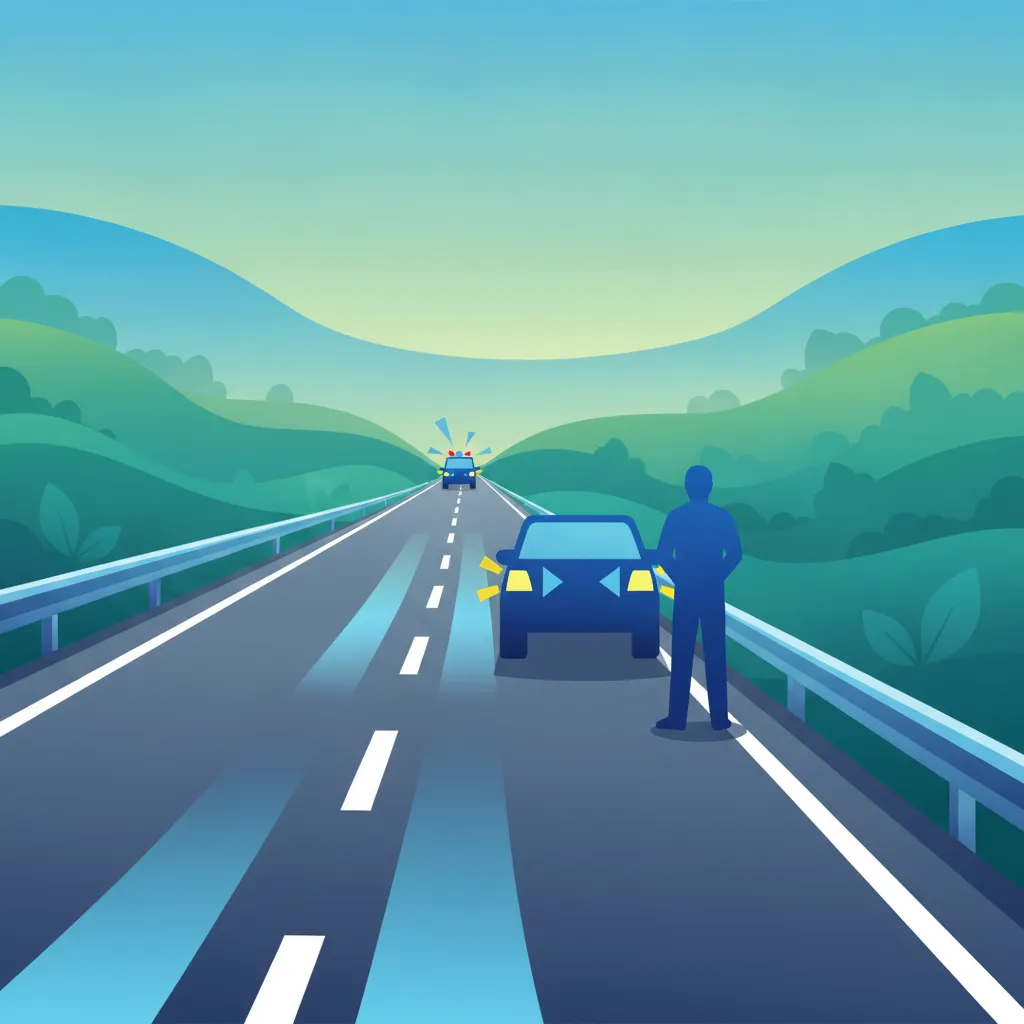
This lesson prepares drivers for critical incidents, including vehicle fires, significant load loss, and traffic collisions. It explains fire prevention measures and the proper use of an on-board fire extinguisher. The content also outlines the legal and safety procedures for responding to an accident scene, including securing the area, reporting the incident to emergency services, and providing basic first aid if necessary.
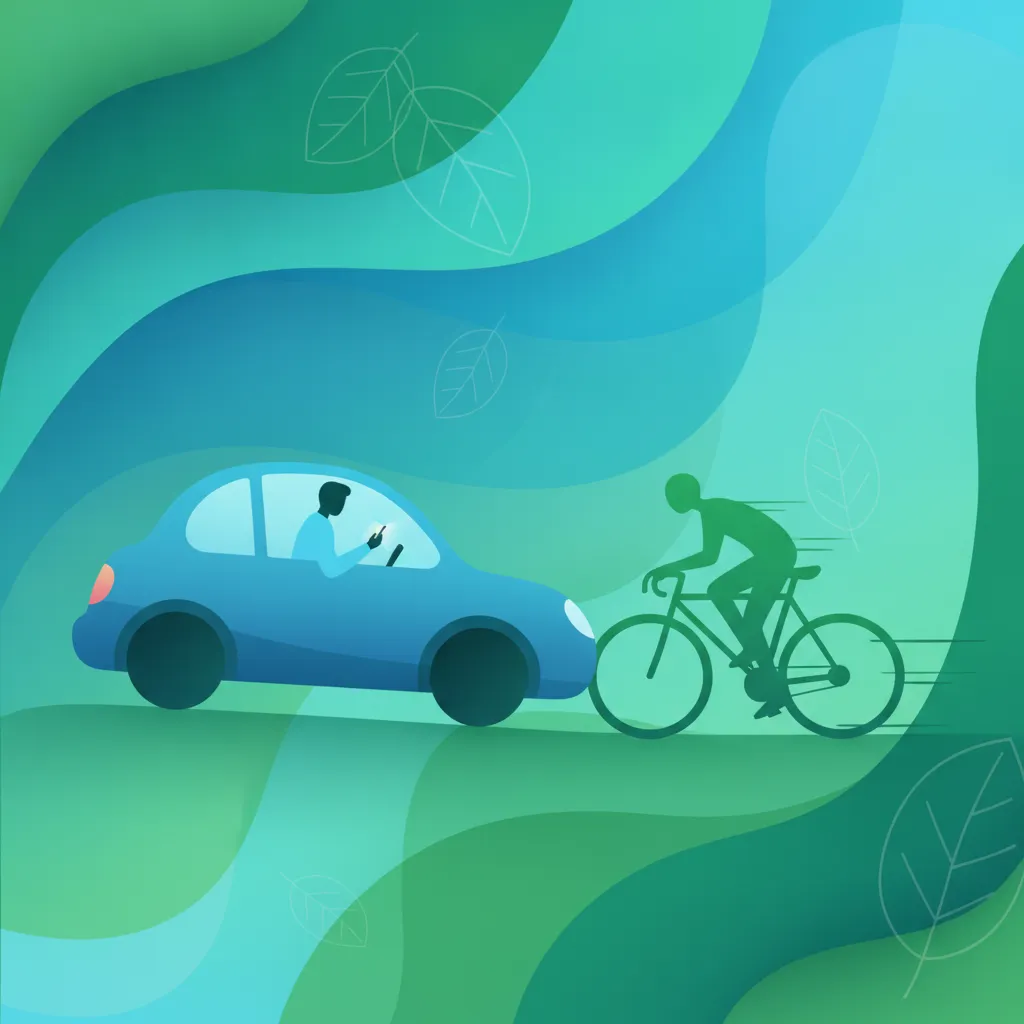
This lesson prepares riders for the unfortunate event of a crash. It covers the crucial first steps to take, including ensuring personal safety, making the accident scene visible to prevent further collisions, and assessing for injuries. Understanding these immediate priorities can significantly impact the outcome of an emergency situation.
Learn how to safely assess and secure a traffic accident scene. Covers activating hazard lights, positioning warning triangles, and identifying immediate dangers to prevent secondary collisions.
This lesson covers the immediate actions to take at the scene of an accident. It explains how and when to call the Danish emergency number 112, and what information to provide to the operator. The content also includes the principles of securing an accident scene to prevent further incidents and basic first aid concepts.
This lesson provides a clear action plan for handling emergencies on the road. It explains how to secure an accident scene using a warning triangle, when and how to call the emergency number 112, and the fundamentals of providing basic first aid. You will also learn the safe procedure for dealing with a vehicle breakdown to protect yourself and other road users.
This lesson prepares drivers for critical incidents, including vehicle fires, significant load loss, and traffic collisions. It explains fire prevention measures and the proper use of an on-board fire extinguisher. The content also outlines the legal and safety procedures for responding to an accident scene, including securing the area, reporting the incident to emergency services, and providing basic first aid if necessary.
This lesson provides an overview of essential first aid principles relevant to a transport environment. It covers how to assess a casualty, perform basic life support, and manage common injuries until professional help arrives. The content also details the correct procedure for contacting emergency services, providing clear and accurate information, and completing required incident reports.
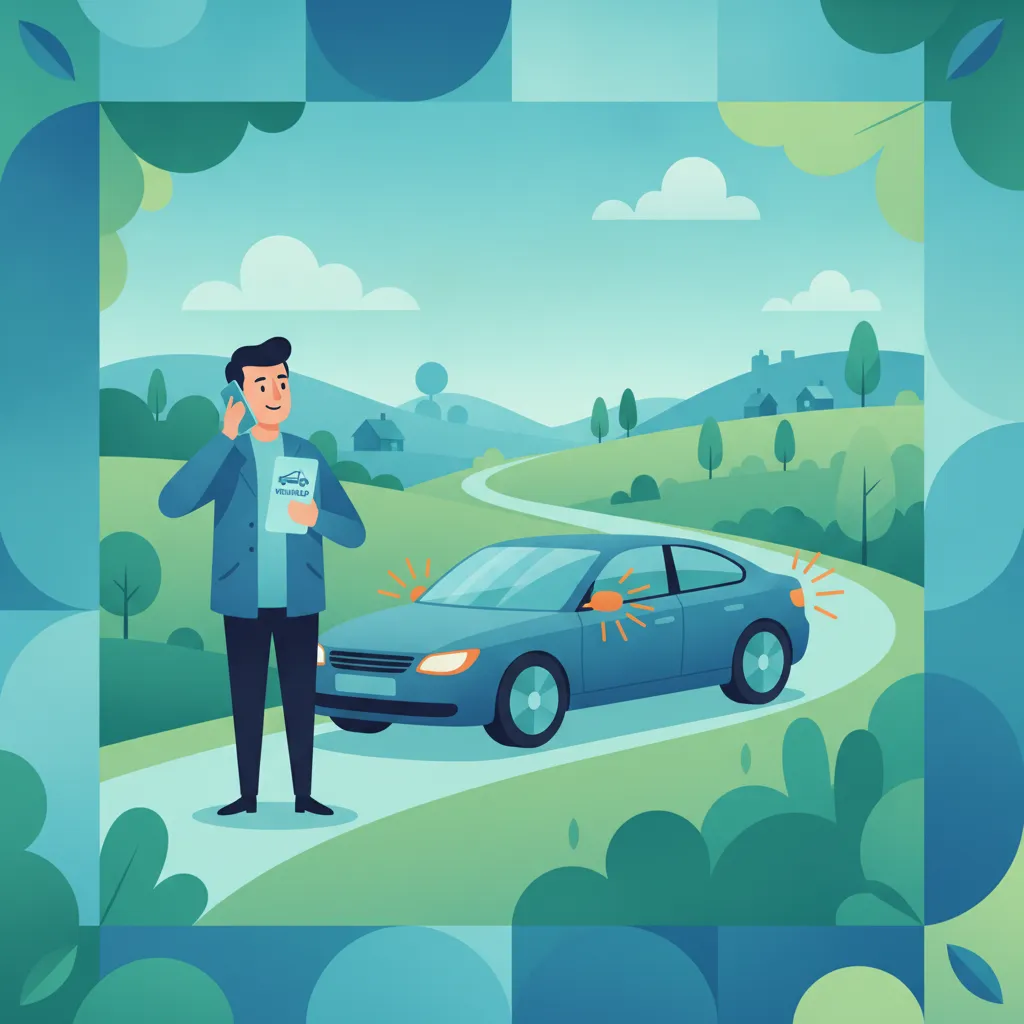
This lesson provides a step-by-step guide for managing a vehicle breakdown safely. It instructs the rider on moving the vehicle to a safe location, making it visible to other traffic using hazard lights, and personal safety while waiting for assistance. The importance of staying away from active traffic lanes is a key point.
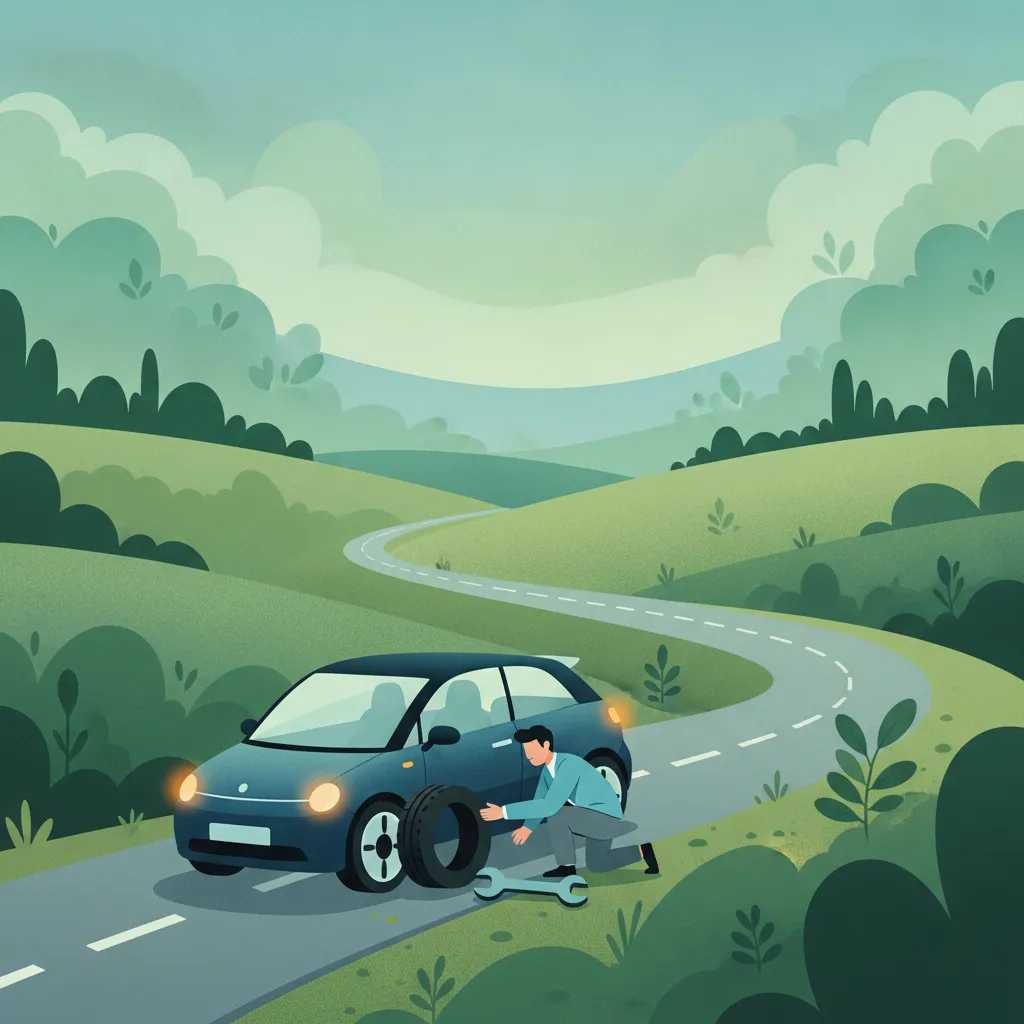
This lesson provides a clear, safety-oriented protocol for handling a vehicle breakdown or tyre failure. It covers how to safely maneuver the vehicle to the roadside, the correct use of hazard lights and warning triangles to alert other traffic, and procedures for contacting assistance. Adhering to these steps, as required by Danish law, is critical for protecting yourself and other road users from further incident.
This lesson prepares riders for the unfortunate event of a crash. It covers the crucial first steps to take, including ensuring personal safety, making the accident scene visible to prevent further collisions, and assessing for injuries. Understanding these immediate priorities can significantly impact the outcome of an emergency situation.
Find clear answers to common questions learners have about First Aid Basics and Emergency Calls (112). Learn how the lesson is structured, which driving theory objectives it supports, and how it fits into the overall learning path of units and curriculum progression in Denmark. These explanations help you understand key concepts, lesson flow, and exam focused study goals.
No, you should generally leave the helmet on unless it is essential for checking breathing or providing life-saving first aid. Improper removal can cause severe spinal injury, so prioritize stabilization until professional help arrives.
Provide your exact location first, as this is the most critical factor for dispatching help. Then describe the nature of the accident, the number of casualties, and any immediate dangers like fuel leaks or heavy traffic.
The test focuses on your ability to recognize the correct sequence of actions: scene safety, alerting 112, and basic life support. You will be tested on your ability to identify the safest immediate steps in a simulated accident scenario.
Motorcycle accidents often occur in traffic. If you do not secure the scene by using hazard lights or positioning your bike to warn others, you risk becoming a secondary casualty, which is a common error in test scenarios.
Use our powerful search tool to pinpoint specific Danish driving theory topics, road signs, or traffic situations you need to review. Start exploring relevant practice sets now to reinforce your knowledge and build confidence for your upcoming driving licence exam.