
This lesson guides you through the critical steps for handling a vehicle breakdown safely while riding a stor knallert. You will learn the legal and practical procedures for securing your position, alerting other road users, and protecting yourself while waiting for assistance. This knowledge is essential for both your theory exam and real-world safety on Danish roads.
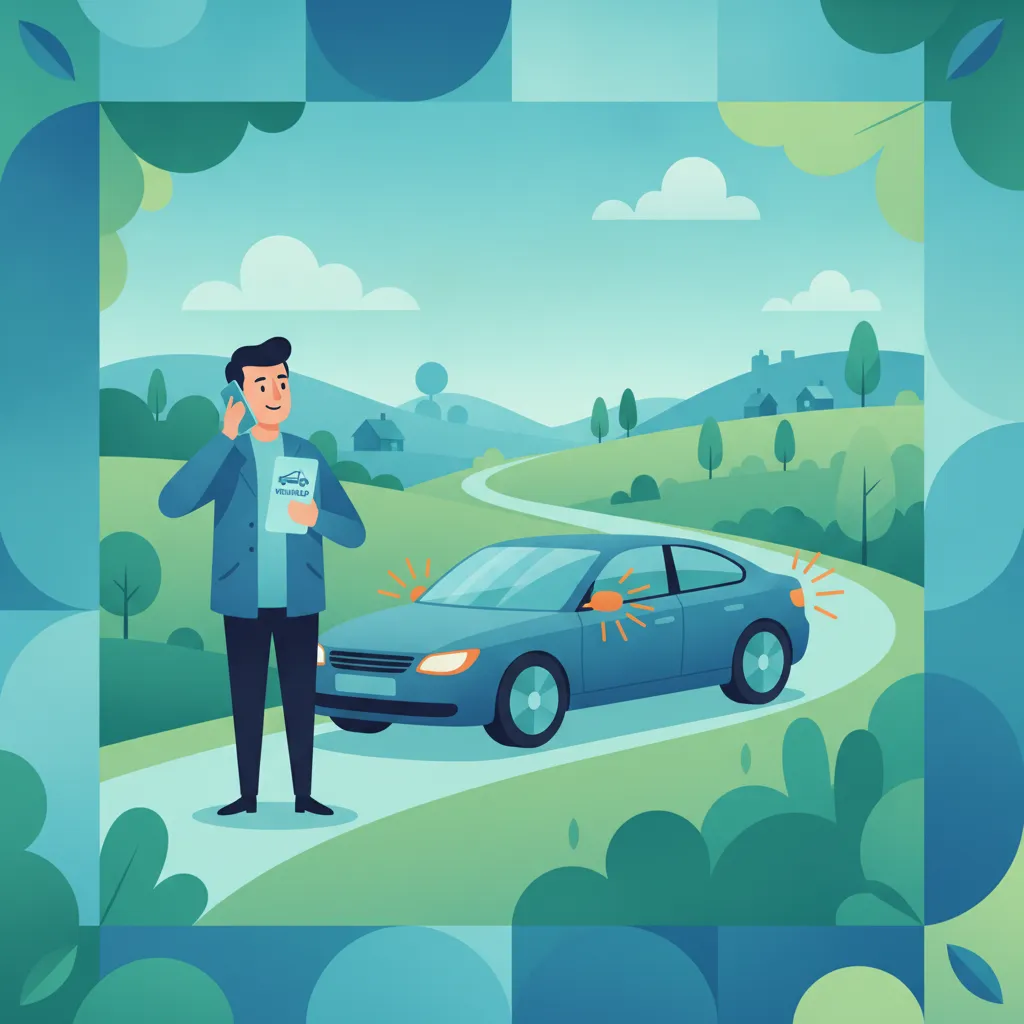
Lesson content overview
Experiencing a vehicle breakdown or roadside emergency can be a stressful and dangerous situation for any driver, especially for riders of a stor knallert. This lesson provides essential knowledge and step-by-step procedures for safely managing such incidents on Danish roads. The primary goal is to minimize risks to yourself, your vehicle, and other road users by ensuring proper visibility and adhering to established safety protocols and legal requirements.
A breakdown can occur unexpectedly, turning your vehicle into a sudden obstruction and a potential hazard. The risks associated with roadside emergencies are significant, including collisions from other vehicles, personal injury, and exposure to adverse weather conditions. As a rider, you have a crucial responsibility to act quickly and correctly to secure the situation and prevent further danger. This involves not only managing your vehicle but also ensuring your personal safety and clear communication with other traffic participants.
This guide will cover how to safely maneuver your stor knallert out of harm's way, make it clearly visible to approaching traffic, and protect yourself while awaiting assistance. Adhering to these procedures, which align with Danish traffic laws (Færdselsloven), is fundamental for safe and lawful operation of a Category AM vehicle.
Being prepared is a cornerstone of safe riding. For roadside emergencies, certain safety equipment is not only recommended but often legally required in Denmark. Carrying these items and knowing how to use them correctly is vital for your safety and the safety of others.
Flashing lights on a vehicle that simultaneously activate all turn signal indicators, used to warn other road users of a potential danger or obstruction caused by a stationary vehicle.
Hazard warning lights, often referred to as 'havarianlæg' in Danish, are your immediate signal to other drivers that your vehicle poses a temporary hazard. These lights flash intermittently, indicating that your stor knallert is stopped in an unusual or dangerous position. It is crucial to activate them as soon as you stop due to a breakdown or any other incident that creates a hazard on the road. This rule applies universally and is mandatory. Using hazard lights while the vehicle is moving can confuse other drivers and is generally incorrect; they are specifically for stationary emergencies.
A portable, reflective triangular device designed to be placed on the road at a specified distance behind a stationary vehicle to warn approaching traffic of its presence.
A warning triangle, or 'advarselstrekant', is a critical piece of safety equipment. This highly reflective device provides an additional, passive warning to drivers approaching your stationary stor knallert. It must be placed on the road as soon as possible after stopping and before you leave the immediate vicinity of your vehicle. The distance at which you place the warning triangle is crucial and varies depending on the type of road:
The warning triangle must be clearly visible and positioned so it does not obstruct the roadway or create a hazard itself. Failing to use a warning triangle, or placing it too close, significantly reduces the reaction time for approaching drivers, especially on high-speed roads or in low visibility conditions.
A high-visibility garment, typically fluorescent yellow or orange with reflective strips, worn by a person when exiting a stationary vehicle on a road, particularly during low-light conditions or on high-speed roads.
A reflective vest, or 'refleksvest', dramatically improves your personal visibility when you are outside your stor knallert on the road. While not always legally mandatory for Category AM riders in every situation, wearing one is strongly recommended whenever you leave your vehicle after a breakdown, especially on high-speed roads, at night, or during adverse weather. Donning a reflective vest before walking to place the warning triangle or moving to a safer location can be a lifesaver, making you much more conspicuous to passing traffic.
When your stor knallert breaks down, your immediate actions are paramount to ensuring safety. Follow this step-by-step procedure to manage the situation effectively:
Signal and Reduce Speed: As soon as you realize you have a problem, signal your intention to pull over using your turn indicator. Begin to reduce your speed smoothly and safely.
Move to a Safe Location: Guide your stor knallert to the side of the road, preferably onto the shoulder, a lay-by, or a designated emergency stopping area. Get as far away from the active traffic lane as possible. Avoid stopping in blind spots, on bends, or at the crest of a hill if you can help it.
Secure the Vehicle: Once stopped, apply the handbrake (if your stor knallert has one) and put the vehicle in neutral or engage the park brake. Turn off the engine.
Activate Hazard Warning Lights: Immediately switch on your hazard warning lights (havarianlæg). This is the first and most critical step to alert other road users to your presence.
Assess the Situation and Personal Safety: Before exiting, quickly assess the traffic conditions. If it's safe to do so, don your reflective vest.
Place the Warning Triangle: Exit your stor knallert from the side away from traffic if possible. Walk carefully to place the warning triangle at the appropriate distance behind your vehicle (100 meters on motorways, 30 meters on other roads). Always face oncoming traffic while walking to and from the triangle.
Move to a Safe Position: Once the warning triangle is placed, move yourself to a location of safety. This typically means getting behind a barrier, far off the roadway, or if no such safe location exists, remaining inside your vehicle (if it offers protection) or behind the vehicle's windshield for protection.
Contact for Assistance: Only once you are in a safe location, contact your breakdown service, family, or the authorities if the situation warrants it.
Your personal safety is the highest priority after securing your vehicle. Staying out of the direct line of moving traffic is crucial. This practice is often referred to as finding 'skjul i dummy' in a broader sense, meaning to stay behind a protective barrier or object.
After stopping your stor knallert and setting up your warning signals, you should:
Adherence to specific sections of the Danish Road Traffic Regulations (Færdselsloven) is mandatory when dealing with a breakdown. These rules are in place to prevent secondary accidents and ensure the smooth flow of traffic as much as possible.
Failure to comply with these regulations can lead to fines and may also increase your legal liability if an subsequent accident occurs involving your stationary vehicle or yourself.
The procedure for managing a breakdown may need slight adjustments based on prevailing conditions:
Being aware of common mistakes can help you react correctly in a real breakdown scenario:
Managing a breakdown or roadside emergency on your stor knallert demands a calm, systematic, and safety-focused approach. The core principles are always Safety First, ensuring maximum Visibility, maintaining Preparedness with essential equipment, and adhering to Legal Compliance with Danish traffic regulations.
By understanding the proper use of hazard warning lights, warning triangles, and reflective vests, and by following a safe stopping procedure, you can significantly reduce the risks associated with roadside incidents. Always prioritize moving your vehicle to a safe location, making it highly visible to others, and protecting yourself while you await assistance. This knowledge is not just for your theory test but is a vital skill for safe riding throughout your time on Danish roads.
Managing a stor knallert breakdown requires a calm, systematic approach centered on three pillars: securing your vehicle off the roadway, maximizing visibility to other traffic, and protecting yourself physically. The procedure begins with activating hazard lights immediately upon stopping, followed by placing a warning triangle at the legally required distance (100m on motorways, 30m on other roads), and then moving yourself to a safe position behind a barrier away from traffic. Danish law (Færdselsloven) mandates hazard light activation and correct triangle placement, and wearing a reflective vest is strongly recommended whenever you exit the vehicle on the road. The specific approach varies by conditions - motorway breakdowns demand greater distances and barrier protection, while urban breakdowns focus on finding the safest available spot near the curb.
A short set of high-value points that capture the most important learning from this lesson.
Safety is the absolute priority: move the vehicle off the active traffic lane and keep yourself behind barriers or far from traffic
Hazard warning lights must be activated immediately upon stopping due to a breakdown - this is a legal requirement under Danish law
Warning triangle placement distances are legally mandated: 100 meters on motorways/express roads, 30 meters on other roads
Always place the warning triangle BEFORE you leave your vehicle, and walk facing oncoming traffic when deploying it
Wear a reflective vest before exiting your vehicle, especially at night, in poor weather, or on high-speed roads
Explore all units and lessons included in this driving theory course.
Havarianlæg = hazard warning lights (Danish); activate immediately when stationary
Advarselstrekant = warning triangle; 100m on motorways, 30m on other roads
Refleksvest = reflective vest; wear before leaving the vehicle in low visibility
Exit your vehicle on the side away from traffic and move to a position behind a protective barrier
Hazard lights are for stationary emergencies only - never use them while moving
Failing to activate hazard lights immediately, leaving the stationary vehicle as an unannounced obstacle
Stopping partially in a traffic lane instead of getting fully off the road
Placing the warning triangle too close, reducing reaction time for approaching drivers
Standing between the vehicle and passing traffic instead of positioning behind barriers
Using hazard lights while the vehicle is still moving, which confuses other road users about your intentions
Lesson content overview
A short set of high-value points that capture the most important learning from this lesson.
Safety is the absolute priority: move the vehicle off the active traffic lane and keep yourself behind barriers or far from traffic
Hazard warning lights must be activated immediately upon stopping due to a breakdown - this is a legal requirement under Danish law
Warning triangle placement distances are legally mandated: 100 meters on motorways/express roads, 30 meters on other roads
Always place the warning triangle BEFORE you leave your vehicle, and walk facing oncoming traffic when deploying it
Wear a reflective vest before exiting your vehicle, especially at night, in poor weather, or on high-speed roads
Explore all units and lessons included in this driving theory course.
Havarianlæg = hazard warning lights (Danish); activate immediately when stationary
Advarselstrekant = warning triangle; 100m on motorways, 30m on other roads
Refleksvest = reflective vest; wear before leaving the vehicle in low visibility
Exit your vehicle on the side away from traffic and move to a position behind a protective barrier
Hazard lights are for stationary emergencies only - never use them while moving
Failing to activate hazard lights immediately, leaving the stationary vehicle as an unannounced obstacle
Stopping partially in a traffic lane instead of getting fully off the road
Placing the warning triangle too close, reducing reaction time for approaching drivers
Standing between the vehicle and passing traffic instead of positioning behind barriers
Using hazard lights while the vehicle is still moving, which confuses other road users about your intentions
Explore search topics learners often look for when studying Managing Breakdowns and Roadside Emergencies. These topics reflect common questions about road rules, driving situations, safety guidance, and lesson level theory preparation for learners in Denmark.
Browse additional driving theory lessons that cover connected traffic rules, road signs, and common driving situations related to this topic. Improve your understanding of how different rules interact across everyday traffic scenarios.
Learn the correct and safe procedure for handling a vehicle breakdown on Danish roads. This lesson explains how to secure the area, use hazard lights and warning triangles, and ensure personal safety while waiting for assistance.
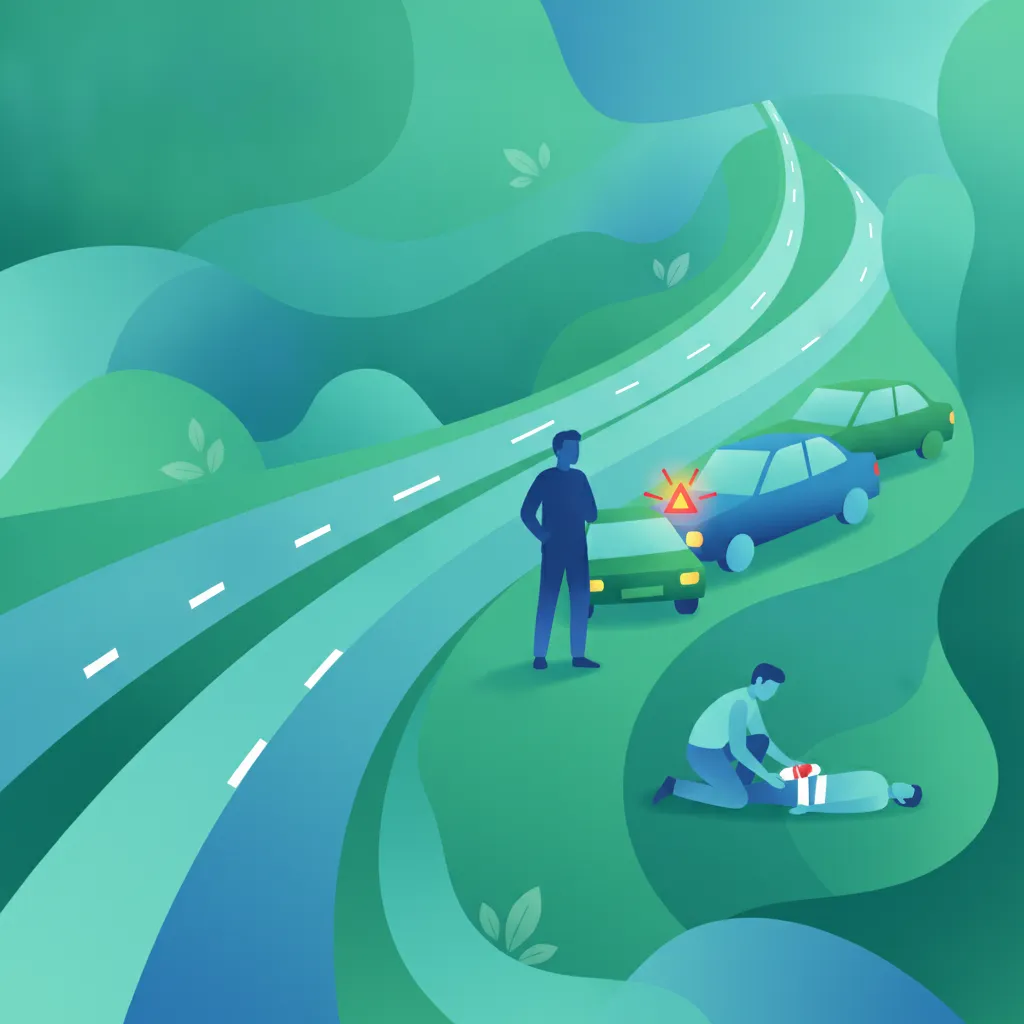
This lesson provides a clear action plan for handling emergencies on the road. It explains how to secure an accident scene using a warning triangle, when and how to call the emergency number 112, and the fundamentals of providing basic first aid. You will also learn the safe procedure for dealing with a vehicle breakdown to protect yourself and other road users.
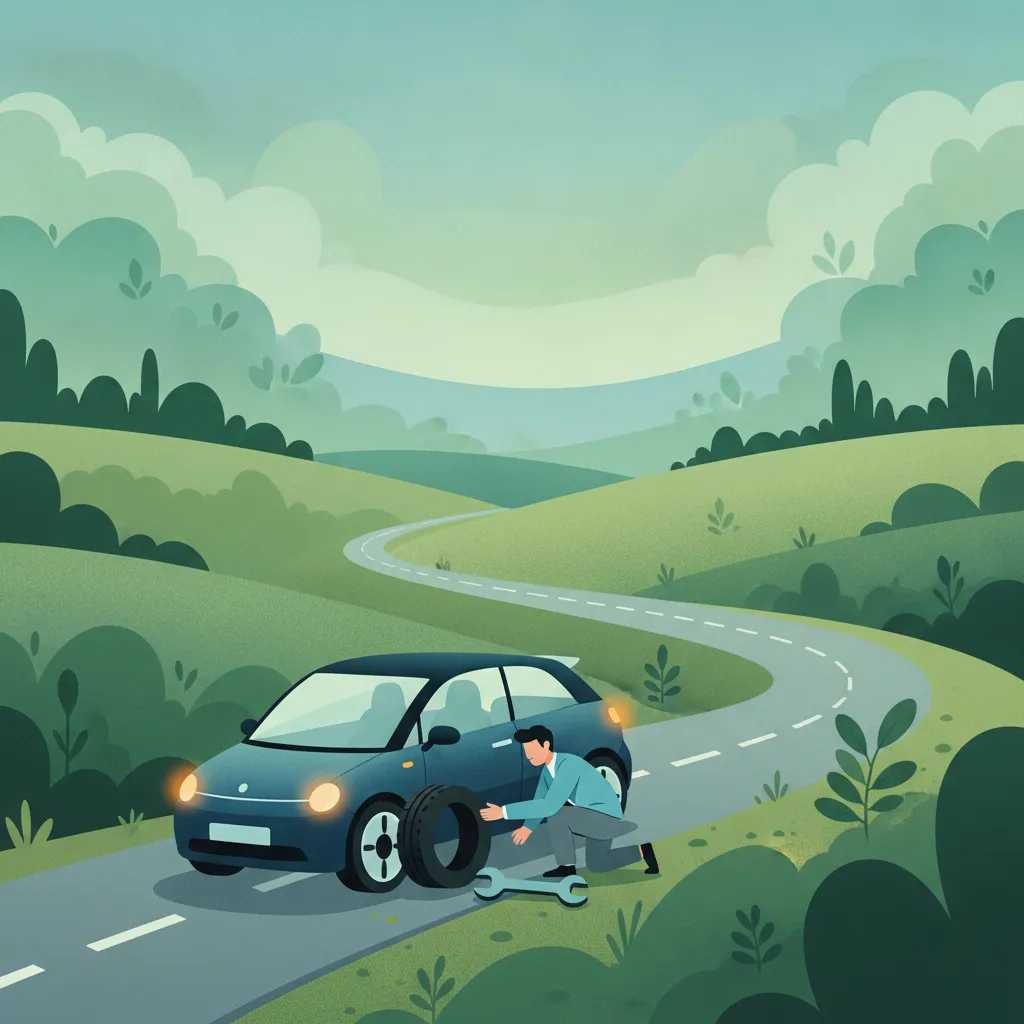
This lesson provides a clear, safety-oriented protocol for handling a vehicle breakdown or tyre failure. It covers how to safely maneuver the vehicle to the roadside, the correct use of hazard lights and warning triangles to alert other traffic, and procedures for contacting assistance. Adhering to these steps, as required by Danish law, is critical for protecting yourself and other road users from further incident.
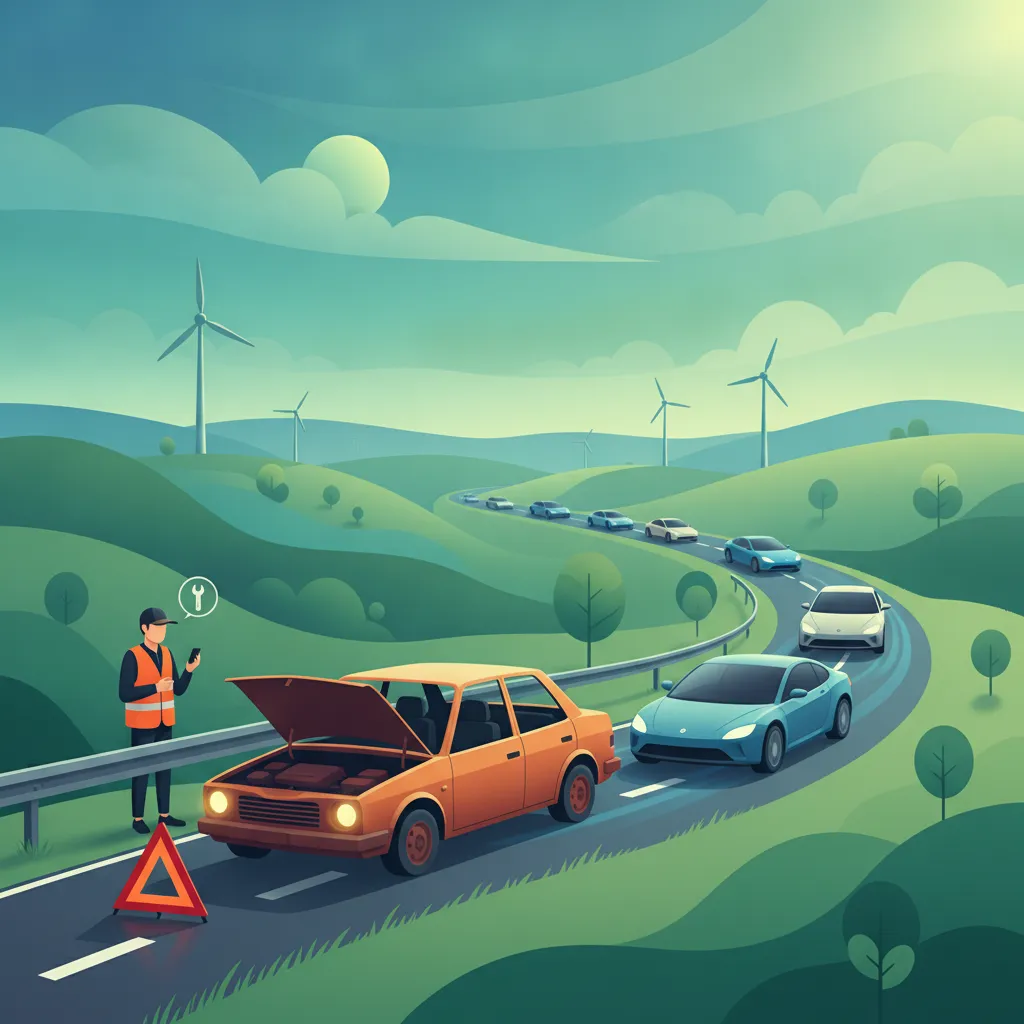
This lesson outlines a step-by-step procedure for managing a mechanical breakdown on the road. It covers moving the motorcycle to a safe location, using hazard lights, and wearing high-visibility clothing. The goal is to ensure personal safety while minimizing disruption and danger to other traffic.
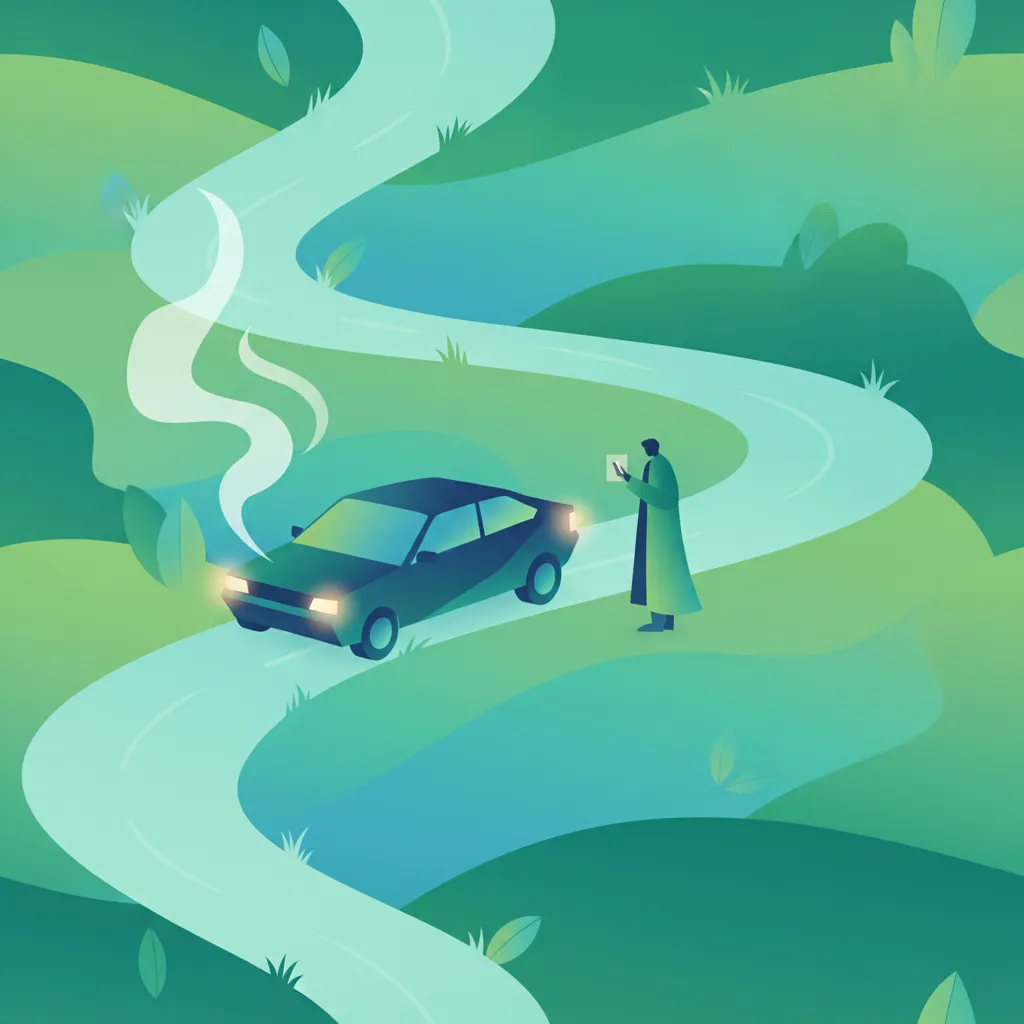
This lesson provides a step-by-step guide for handling a vehicle breakdown on the road. It covers how to safely move the vehicle, secure the scene with warning devices, and notify the company and authorities. The content also details fire prevention measures and the correct procedure for using an on-board fire extinguisher for different types of fires.
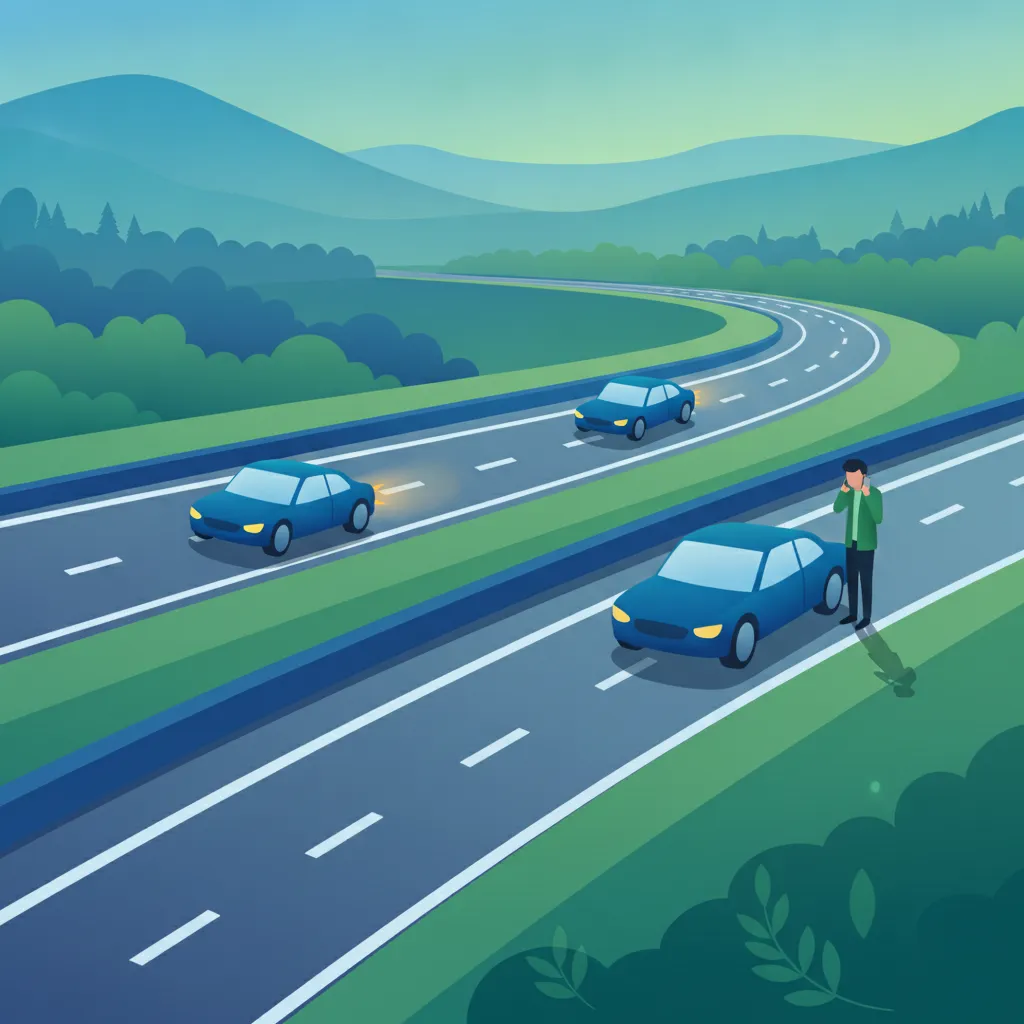
This lesson covers the immediate actions to take at the scene of an accident. It explains how and when to call the Danish emergency number 112, and what information to provide to the operator. The content also includes the principles of securing an accident scene to prevent further incidents and basic first aid concepts.
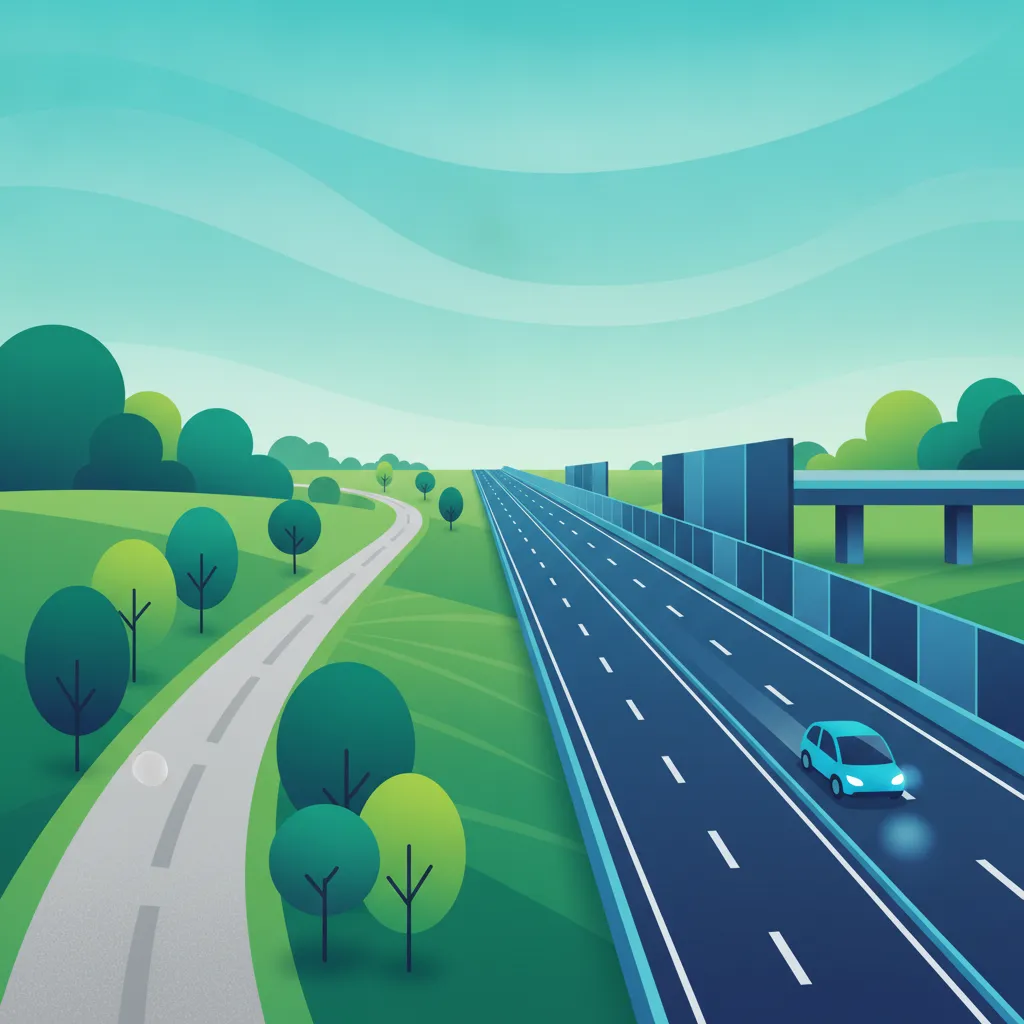
This lesson contrasts the driving techniques required for rural roads and motorways. It covers managing speed on narrow, winding lanes with potential hazards like farm machinery or animals. The content also explains the principles of safe motorway driving, including maintaining lane discipline, managing high-speed stability, and executing safe overtaking maneuvers.
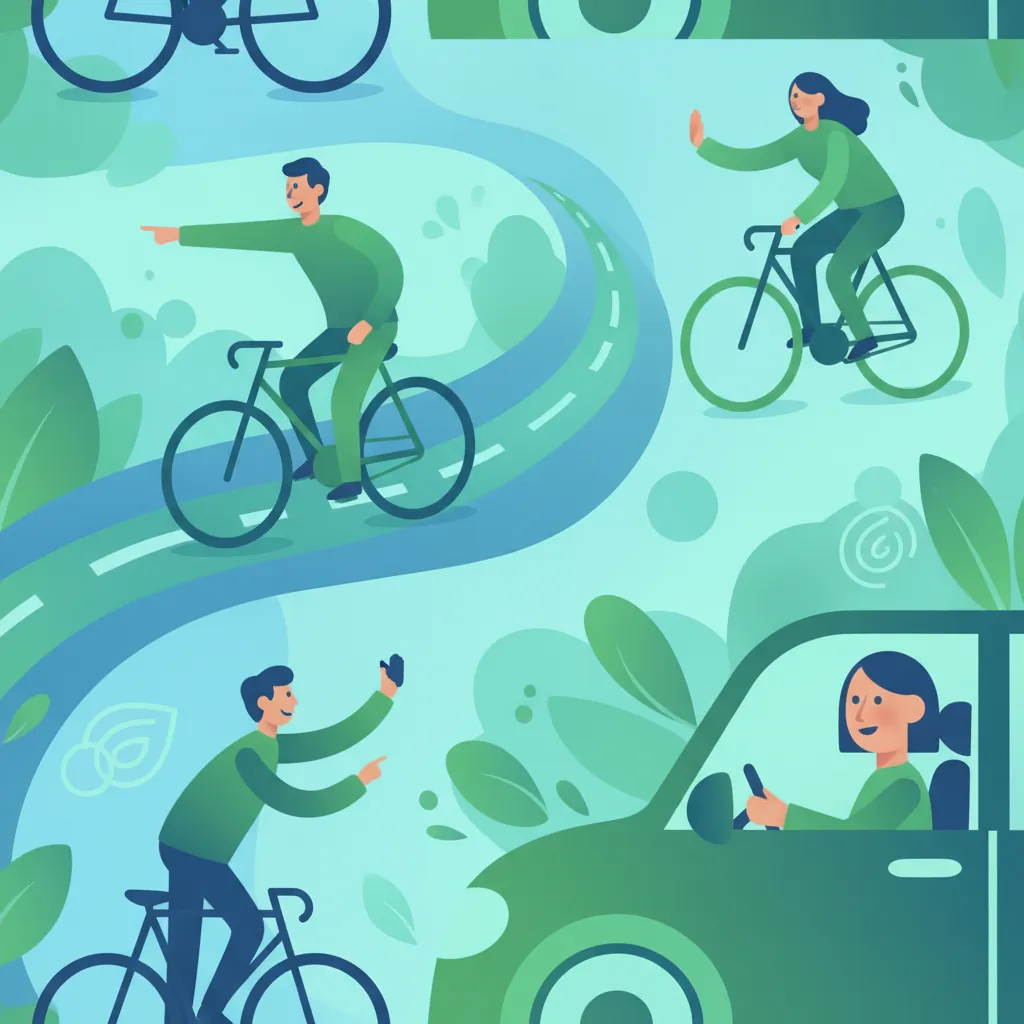
This lesson introduces cooperative driving as a fundamental element of road safety in Denmark. It highlights the social responsibility of drivers to act predictably, anticipate the actions of others, and maintain courteous interactions with all road users. By fostering mutual respect and cooperation, you will learn how to reduce the potential for conflict and enhance overall traffic safety.
This lesson covers the correct techniques for various turning manoeuvres, including how to signal, position your vehicle, and judge gaps in traffic. It also details the legal and safety protocols for overtaking, emphasizing the importance of assessing speed, distance, and oncoming traffic. A thorough understanding of these procedures is crucial for navigating intersections and two-lane roads safely.
This lesson introduces the essential principles of defensive driving, shifting the focus from reacting to hazards to proactively anticipating them. You will learn techniques for systematic scanning of the driving environment, maintaining a safety cushion around your vehicle, and identifying potential risks before they develop. These proactive strategies are fundamental to becoming a safer, more confident driver.
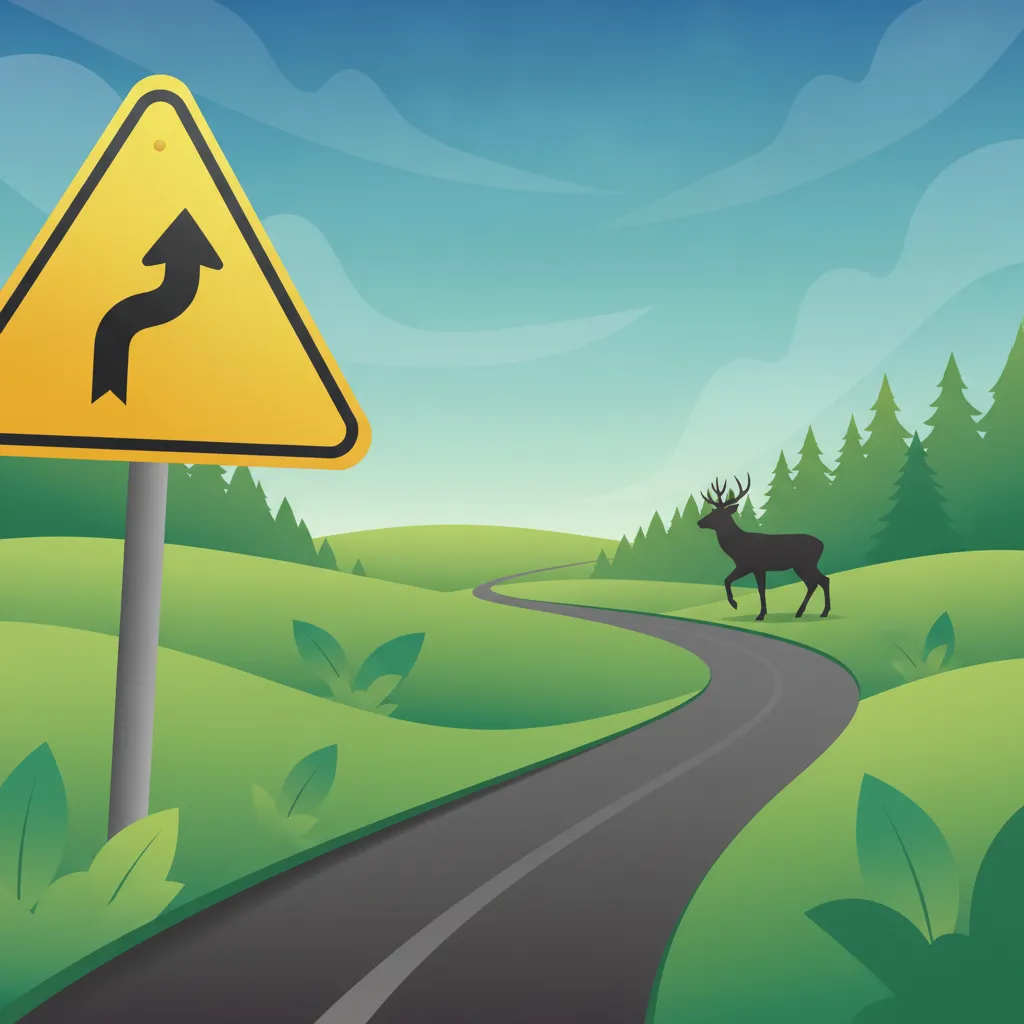
This lesson teaches you to identify warning signs that alert drivers to upcoming hazards and changing road conditions. It covers common signs such as sharp curves, school zones, animal crossings, and temporary conditions like roadworks or slippery surfaces. Understanding these signs is crucial for anticipating risks and adjusting your driving to ensure safety on all types of Danish roads.
Understand your legal obligations and essential safety equipment for roadside emergencies in Denmark. This lesson details the use of hazard lights, warning triangles, and reflective vests according to Danish traffic regulations (Færdselsloven) for stor knallert riders.
This lesson provides a clear, safety-oriented protocol for handling a vehicle breakdown or tyre failure. It covers how to safely maneuver the vehicle to the roadside, the correct use of hazard lights and warning triangles to alert other traffic, and procedures for contacting assistance. Adhering to these steps, as required by Danish law, is critical for protecting yourself and other road users from further incident.
This lesson provides a clear action plan for handling emergencies on the road. It explains how to secure an accident scene using a warning triangle, when and how to call the emergency number 112, and the fundamentals of providing basic first aid. You will also learn the safe procedure for dealing with a vehicle breakdown to protect yourself and other road users.
This lesson outlines a step-by-step procedure for managing a mechanical breakdown on the road. It covers moving the motorcycle to a safe location, using hazard lights, and wearing high-visibility clothing. The goal is to ensure personal safety while minimizing disruption and danger to other traffic.
Properly functioning lighting and signaling systems are fundamental for safe communication on the road. This lesson details the purpose and correct use of all exterior lights, including headlights, brake lights, turn signals, and hazard lights, according to Danish law. It emphasizes the driver's responsibility to ensure these systems are clean and operational to maintain visibility and clearly signal maneuvers to other road users.
This lesson covers the immediate actions to take at the scene of an accident. It explains how and when to call the Danish emergency number 112, and what information to provide to the operator. The content also includes the principles of securing an accident scene to prevent further incidents and basic first aid concepts.
This lesson highlights the rider's responsibility for ensuring their vehicle is in a safe, roadworthy condition. It provides a systematic guide to pre-ride checks, including inspecting tyres for correct pressure and wear, testing brakes, and verifying all lights work. Regular maintenance is presented as a critical component of overall rider safety.
This lesson focuses on the core safety duties of a stor knallert rider. It explains the legal requirement for wearing a helmet and the benefits of other protective gear. The content also covers essential pre-ride checks, including brakes, tyres, and lights, to ensure the vehicle is in safe operating condition.
This lesson provides a step-by-step guide for handling a vehicle breakdown on the road. It covers how to safely move the vehicle, secure the scene with warning devices, and notify the company and authorities. The content also details fire prevention measures and the correct procedure for using an on-board fire extinguisher for different types of fires.
This lesson details the function and meaning of traffic light signals in Denmark. It covers the standard red, amber, and green sequences, as well as special signals like flashing amber lights and green arrows for turning. The content also explains signals specific to cyclists and pedestrians that moped riders must observe at intersections.

This lesson outlines the mandatory daily pre-trip inspection for passenger vehicles as required by Danish law. It provides a systematic checklist for examining brakes, lights, tires, mirrors, and emergency equipment to confirm the vehicle's roadworthiness. Following these procedures helps drivers identify and report potential mechanical faults before they can compromise passenger or public safety.
Find clear answers to common questions learners have about Managing Breakdowns and Roadside Emergencies. Learn how the lesson is structured, which driving theory objectives it supports, and how it fits into the overall learning path of units and curriculum progression in Denmark. These explanations help you understand key concepts, lesson flow, and exam focused study goals.
No, Category AM vehicles (stor knallert) are not permitted on motorways. If you break down on a regular road, your primary goal is to reach a safe place away from the traffic flow immediately. Never remain on the road surface if you can avoid it.
While not all mopeds have hazard lights, if your vehicle is equipped with them, you must use them immediately upon breaking down to alert other drivers. If you do not have hazard lights, your visibility and position on the road become even more critical for your safety.
The most important rule is to stay out of the traffic lane. If you are stopped at the side of the road, remain behind a guardrail or at a safe distance from the carriageway to avoid being hit by passing vehicles.
Use our powerful search tool to pinpoint specific Danish driving theory topics, road signs, or traffic situations you need to review. Start exploring relevant practice sets now to reinforce your knowledge and build confidence for your upcoming driving licence exam.