
This lesson explores how your mental and physical state influences your ability to ride safely in Denmark. You will learn to identify signs of fatigue and stress, ensuring you are prepared to make sound decisions on the road for your A1, A2, or A license exam.

Lesson content overview
Welcome to this comprehensive lesson on human factors in motorcycling, an essential topic for every rider on Danish roads. This lesson delves into the internal physiological and psychological states that significantly influence a rider's performance, safety, and decision-making capabilities. Understanding these elements is not just about enhancing personal safety; it's a critical component of responsible riding and a requirement under Danish traffic law.
We will explore how common human factors such as fatigue and stress can impair your perception, slow your reaction times, and compromise your judgment. By identifying the early signs of impairment, understanding the underlying mechanisms, and learning proactive strategies, you can maintain optimal alertness and make safer, more informed decisions while riding. This knowledge is fundamental for effective risk assessment and proactive safety management, ensuring you are always fit to ride and prepared for the dynamic challenges of the road.
Fatigue is a physiological state of reduced mental and physical performance. It arises from a lack of rest, prolonged activity, or disruptions to your natural circadian rhythm. For motorcyclists, recognizing and managing fatigue is paramount, as it directly impacts your capacity to process information and react safely to ever-changing traffic conditions.
The implications of riding while fatigued are severe. It significantly increases the likelihood of delayed reactions to hazards, missed traffic signals, and errors in judgment, all of which can lead to serious accidents. A rider's ability to maintain focus, perceive hazards, and execute precise maneuvers diminishes considerably when tired.
Fatigue is not a monolithic state; it can manifest in different forms, each posing distinct risks to motorcyclists.
Long rides without adequate breaks, coupled with insufficient sleep, are common contributors to all these forms of fatigue. Riders often misunderstand that substances like coffee can fully counteract severe fatigue, or that adrenaline can sustain performance indefinitely. While a temporary boost might occur, these do not resolve the underlying physiological need for rest.
Identifying the signs of fatigue early is crucial for preventing accidents. Pay close attention to these indicators in yourself:
Frequent yawning: A clear and often early sign that your body needs more oxygen and is preparing for rest.
Difficulty keeping eyes open: Your eyelids may feel heavy, and you might find yourself blinking excessively or struggling to maintain a steady gaze.
Slower thinking or difficulty concentrating: You may notice your thoughts becoming muddled, or find it harder to focus on the road ahead and the immediate traffic situation.
Drifting within your lane: Difficulty maintaining a consistent lane position, or making small, involuntary steering corrections.
Missing road signs or exits: Reduced attention span can lead to overlooking critical information or navigational cues.
Feeling restless or irritable: Your emotional state can also be affected, making you less patient or more prone to frustration.
Micro-sleeps: Very brief, involuntary episodes of sleep, often lasting only a few seconds. These are extremely dangerous as you lose all awareness of the road.
If you experience any of these symptoms, it's a strong indicator that your capacity to ride safely is diminished. For instance, after a 12-hour ride with only four hours of sleep, a rider may significantly misjudge distances, leading to delayed or improper braking.
Preventing and managing fatigue requires proactive planning and disciplined self-monitoring.
Prioritize sleep: Ensure you get 7-9 hours of quality sleep before any long journey.
Plan regular breaks: On long rides, stop every 1.5 to 2 hours. Get off your motorcycle, stretch, walk around, and rehydrate.
Take power naps: A 15-20 minute power nap at a safe rest area can significantly refresh your alertness. Set an alarm to avoid deeper sleep, which can lead to grogginess.
Stay hydrated and eat light: Dehydration and heavy meals can contribute to drowsiness. Opt for water and small, nutritious snacks.
Avoid riding during peak fatigue times: For most people, these are typically between 2 AM and 6 AM, and occasionally in the mid-afternoon (e.g., 2 PM to 4 PM).
Recognize limits: Understand that coffee or energy drinks only offer a temporary boost and do not cure fatigue. If you're truly tired, rest is the only solution.
Never attempt to push through severe fatigue. The risks far outweigh any perceived gains in time. A short rest stop is always better than an accident.
Stress is a psychological response to perceived threats or pressures, leading to physiological changes such as increased heart rate, muscle tension, and altered cognitive function. For motorcyclists, both external pressures (heavy traffic, time constraints) and internal worries (personal issues) can profoundly affect riding behavior and safety.
When a rider is stressed, their ability to concentrate, perceive hazards, and make sound decisions can be severely compromised. Stress can lead to "tunnel vision," where attention narrows to a single perceived threat, ignoring other crucial elements of the traffic environment. It can also cause impatience, irritability, and an increased propensity for risky decisions, such as aggressive overtaking or ignoring safety margins.
Stress can originate from a variety of sources, both on and off the road:
Riders sometimes mistakenly believe that stress improves performance by sharpening focus, or that it only affects their emotional state, not their motor skills. In reality, while acute stress can briefly heighten alertness, prolonged or intense stress often degrades both cognitive and physical abilities required for safe riding.
The impact of stress on a motorcyclist's performance is multifaceted and can be very dangerous:
For example, a rider under severe time pressure may attempt a risky overtaking maneuver on a narrow Danish rural road, severely misjudging the speed of oncoming traffic or the available distance.
Managing stress effectively is crucial for maintaining a safe and enjoyable riding experience.
Plan your journey: Know your route, allow ample travel time, and factor in potential delays to avoid rushing.
Practice defensive riding: Maintain safe following distances, anticipate potential hazards, and ride predictably. This reduces unexpected situations that trigger stress.
Take regular breaks: Similar to fatigue, short breaks can help clear your mind, relax muscles, and reduce cumulative stress.
Mindful breathing: If you feel tension building, take a few deep, slow breaths. This can help calm your nervous system and refocus your attention.
Avoid peak traffic times: If possible, schedule your rides to avoid rush hour or heavily congested areas, which are major sources of stress.
Address personal stressors: If personal issues are a major distraction, consider postponing your ride until you can focus fully on the road.
Seek mental preparation: Before a challenging ride, take a moment to mentally prepare and visualize a safe journey.
Decision-making is the cognitive process of selecting a course of action from various alternatives, based on your perception of the environment, past experience, and current reasoning. While riding a motorcycle, decisions often need to be made quickly and accurately, under dynamic and sometimes high-stakes conditions.
The quality of your decisions is profoundly influenced by your internal state, external factors, and situational pressure. Poor decision-making can lead to unsafe lane changes, misjudging speeds, failing to yield, or reacting improperly to hazards. Understanding this process is vital for becoming a safer, more skilled rider.
In traffic, decisions are generally made using a mix of intuitive and analytical processes:
Optimal decision-making requires a balance of both. You need quick, intuitive responses for routine situations, but the capacity for analytical thought when faced with ambiguity or high risk. A common misunderstanding is believing that instinctive decisions are always safe, or that more information always guarantees better decisions. In reality, overwhelming information can lead to cognitive overload, and instinct can be misguided by fatigue or stress.
Fatigue and stress significantly impair a rider's decision-making process, often shifting reliance from sound analytical judgments to flawed intuitive ones:
These impairments mean that complex situations, such as navigating a busy intersection with multiple traffic flows or reacting to unexpected hazards, become significantly riskier. The ability to make good decisions hinges on clear perception, accurate assessment, and sound reasoning, all of which are compromised by an impaired state.
Enhancing your decision-making abilities involves cultivating strong situational awareness and effective risk assessment skills:
Scan constantly: Continuously move your eyes to gather information from all directions – far ahead, close-up, and to the sides. This helps build a complete picture of your environment.
Anticipate hazards: Always be looking for potential dangers. Assume other road users might make mistakes and plan escape routes.
Evaluate risks: Assess the probability and severity of potential hazards. For example, when deciding to overtake, consider the road width, visibility, speed differences, and oncoming traffic.
Maintain appropriate speed: Adjust your speed to match road conditions, traffic density, and your own capabilities. Faster speeds reduce your reaction time and increase the consequences of poor decisions.
Practice "What If" scenarios: Mentally rehearse responses to common hazards (e.g., "What if that car pulls out?", "What if the light turns yellow?"). This prepares you for rapid, effective decisions.
Avoid distractions: Minimize anything that diverts your attention from the primary task of riding, whether it's internal thoughts or external stimuli.
Consistently practicing good hazard perception will naturally improve your intuitive decision-making skills over time, making you a more efficient and safer rider.
In Denmark, as in most countries, traffic law places a clear obligation on all drivers and riders to ensure they are fit and capable of safe vehicle operation at all times. This legal requirement extends beyond merely abstaining from alcohol and drugs; it explicitly includes ensuring you are not riding while fatigued or under undue stress.
The Danish Road Traffic Act (færdselsloven) generally requires that anyone operating a vehicle must be able to do so safely and without endangering themselves or others. While specific articles might not explicitly list "fatigue" or "stress" with numerical limits, the overarching principle is clear: your physical and mental state must allow you to control your motorcycle effectively and make appropriate judgments.
Riding a motorcycle while your abilities are significantly compromised by fatigue or stress can be considered negligence or reckless behavior under Danish law. This is because such states increase the risk of delayed reactions, impaired judgment, and accidents, thus posing a danger to yourself and other road users. This obligation applies before and during every ride.
Failing to adhere to the legal obligation of being fit to ride can lead to significant consequences:
The legal consequences of riding while impaired by fatigue or stress can be as serious as those for driving under the influence of alcohol or drugs, highlighting the importance of personal responsibility.
While distinct, it is important to remember that driving under the influence of alcohol or drugs is strictly prohibited under Danish law. These substances not only impair judgment directly but can also significantly exacerbate the effects of fatigue and stress, creating an even greater danger.
The impact of human factors like fatigue and stress is rarely isolated; it often interacts with and is amplified by external conditions. Understanding these conditional variations is essential for comprehensive risk management.
Adverse weather and poor visibility inherently increase the cognitive load on a rider, making them more susceptible to the effects of fatigue and stress.
The characteristics of the road environment play a significant role in how human factors manifest their risks.
The state of your motorcycle and the presence of vulnerable road users also influence the impact of human factors.
Consider these everyday riding situations to understand how human factors play out on the road.
Setting: A motorcyclist has been riding on a Danish motorway (motorvej) from Aarhus towards Copenhagen for 2.5 hours at a consistent speed of 110 km/h. Situation: The rider begins to feel their eyes becoming heavy, and notices slight, involuntary drifting within their lane, indicating reduced concentration. Decision Point: Should the rider continue the journey or pull over for a break? Correct Behavior: Recognizing the clear signs of fatigue, the rider decides to pull over at the next service station or designated rest area. They take a short power nap for 20 minutes, stretch, and rehydrate before continuing their journey. This proactive decision maintains optimal reaction times and significantly reduces accident risk. Incorrect Behavior: The rider dismisses the fatigue signs, perhaps thinking they are "almost there" or that a quick burst of speed will help. They continue riding, leading to delayed braking when a slower vehicle unexpectedly changes lanes ahead, or missing an important exit.
Setting: The rider is navigating heavy rush-hour traffic in central Copenhagen, running late for an important appointment. Situation: The rider feels a strong sense of urgency and frustration. They consider aggressively weaving through a line of stopped cars to gain time, despite limited space. Decision Point: Overtake aggressively or wait patiently for traffic to move? Correct Behavior: The rider recognizes the feelings of stress and impatience. They consciously choose to wait for traffic to move, understanding that aggressive maneuvers in congested urban environments significantly increase the risk of collision, particularly with vulnerable road users like cyclists or pedestrians. They prioritize safety over perceived time savings. Incorrect Behavior: Driven by stress, the rider attempts to filter rapidly through the stopped traffic. This results in a near-collision with a car pulling out of a side street or a cyclist emerging from a blind spot, demonstrating how stress can lead to impulsive and unsafe decisions.
Setting: A motorcyclist is slightly fatigued after a long journey on a rural Danish road (landevej) and approaches an intersection with limited visibility due to a small hill and roadside vegetation. Situation: The rider needs to decide whether to proceed quickly or slow down significantly and thoroughly assess the situation before entering the intersection. Decision Point: Maintain speed and proceed, or slow down and cautiously assess cross-traffic? Correct Behavior: Recognizing their slightly fatigued state and the limited visibility, the rider slows down considerably well before the intersection. They carefully lean into a position that allows maximum visibility of cross-traffic, ensuring no vehicles are approaching from either side, and only then proceed cautiously. This demonstrates responsible risk assessment even when not fully alert. Incorrect Behavior: The rider maintains their speed, relying on a flawed "instinctive" decision or hoping for the best. They misjudge the speed of an oncoming vehicle or fail to notice cross-traffic, resulting in an abrupt, emergency stop that could lead to a fall or a collision.
Understanding these terms is fundamental to comprehending the role of human factors in motorcycle safety.
In the context of Danish Motorcycle Theory, human factors such as fatigue and stress are not merely personal inconveniences; they are direct impairments to a rider's cognitive and motor abilities, with significant safety and legal implications.
Fatigue manifests as slower reaction times, reduced vigilance, and difficulty maintaining lane position, directly increasing accident risk. Stress can lead to dangerous tunnel vision, impulsive decisions, and critical oversights of traffic cues. The quality of your decision-making, a process integrating perception, assessment, and action, is particularly vulnerable under these impaired states.
As a rider, you have a crucial legal obligation under Danish traffic law (færdselsloven) to ensure you are fit to ride at all times. This includes actively self-monitoring for signs of impairment and taking proactive measures such as planned rest breaks, adequate sleep, and stress reduction techniques. Failure to adhere to these standards not only endangers yourself and others but can also lead to severe legal penalties.
By thoroughly understanding and diligently managing these internal factors, you significantly enhance your ability to ride safely, reduce the likelihood of accidents, and comply with all traffic laws on Danish roads. This knowledge is a cornerstone of responsible and skilled motorcycling.
Human factors like fatigue and stress directly impair a rider's cognitive abilities, reaction times, and decision-making quality, posing serious safety risks on Danish roads. Fatigue manifests in three forms—acute, chronic, and circadian rhythm—each requiring different recognition strategies, while stress causes dangerous tunnel vision and impulsive behavior. Danish traffic law (Færdselsloven) legally obligates riders to be mentally and physically fit to operate their motorcycle, with violations potentially carrying serious penalties similar to impaired driving charges. Proactive management through planned breaks every 1.5-2 hours, adequate sleep before journeys, and stress-reduction techniques like defensive riding and mindful breathing are essential for maintaining safety. Understanding these factors and consistently monitoring your internal state is fundamental to passing the Danish motorcycle theory exam and becoming a responsible rider.
A short set of high-value points that capture the most important learning from this lesson.
Fatigue is not one-dimensional; acute, chronic, and circadian rhythm fatigue each pose distinct risks to motorcyclists
Stress causes dangerous tunnel vision and impairs analytical decision-making, leading to impulsive and aggressive riding choices
Both intuitive and analytical decision-making processes can fail when your mental or physical state is compromised
Under Danish law (Færdselsloven), you have a legal obligation to ensure you are fit to ride before and during every journey
Recognizing early warning signs like micro-sleeps or lane drifting is critical for preventing accidents before they occur
Explore all units and lessons included in this driving theory course.
Three types of fatigue: acute (short-term sleep loss), chronic (cumulative sleep debt), and circadian rhythm (body's natural sleep-wake cycle)
Key fatigue warning signs: frequent yawning, heavy eyelids, lane drifting, missing signs, micro-sleeps, and irritability
Take a break every 1.5 to 2 hours on long rides; a 15-20 minute power nap can restore alertness if needed
Stress-induced tunnel vision narrows attention to one threat while ignoring other critical traffic elements
Caffeine and energy drinks provide only temporary relief and do not eliminate the underlying need for rest
Believing that coffee or energy drinks can fully counteract severe fatigue rather than accepting that rest is the only effective solution
Thinking that adrenaline or excitement from riding can indefinitely sustain performance despite physical tiredness
Assuming stress improves focus and sharpens skills when it actually degrades both cognitive and motor abilities
Relying on instinct or pattern recognition when fatigued or stressed, as these become unreliable under impairment
Pushing through fatigue thinking 'I'm almost there' increases the risk of a serious accident in the final stretch
Lesson content overview
A short set of high-value points that capture the most important learning from this lesson.
Fatigue is not one-dimensional; acute, chronic, and circadian rhythm fatigue each pose distinct risks to motorcyclists
Stress causes dangerous tunnel vision and impairs analytical decision-making, leading to impulsive and aggressive riding choices
Both intuitive and analytical decision-making processes can fail when your mental or physical state is compromised
Under Danish law (Færdselsloven), you have a legal obligation to ensure you are fit to ride before and during every journey
Recognizing early warning signs like micro-sleeps or lane drifting is critical for preventing accidents before they occur
Explore all units and lessons included in this driving theory course.
Three types of fatigue: acute (short-term sleep loss), chronic (cumulative sleep debt), and circadian rhythm (body's natural sleep-wake cycle)
Key fatigue warning signs: frequent yawning, heavy eyelids, lane drifting, missing signs, micro-sleeps, and irritability
Take a break every 1.5 to 2 hours on long rides; a 15-20 minute power nap can restore alertness if needed
Stress-induced tunnel vision narrows attention to one threat while ignoring other critical traffic elements
Caffeine and energy drinks provide only temporary relief and do not eliminate the underlying need for rest
Believing that coffee or energy drinks can fully counteract severe fatigue rather than accepting that rest is the only effective solution
Thinking that adrenaline or excitement from riding can indefinitely sustain performance despite physical tiredness
Assuming stress improves focus and sharpens skills when it actually degrades both cognitive and motor abilities
Relying on instinct or pattern recognition when fatigued or stressed, as these become unreliable under impairment
Pushing through fatigue thinking 'I'm almost there' increases the risk of a serious accident in the final stretch
Explore search topics learners often look for when studying Human Factors: Fatigue, Stress, and Decision Making. These topics reflect common questions about road rules, driving situations, safety guidance, and lesson level theory preparation for learners in Denmark.
Browse additional driving theory lessons that cover connected traffic rules, road signs, and common driving situations related to this topic. Improve your understanding of how different rules interact across everyday traffic scenarios.
Understand the cognitive processes behind rider decisions and how fatigue, stress, and distraction impair judgment. Learn to recognize signs of impairment and make safer choices on Danish roads.

This lesson addresses the serious safety risk of driver fatigue. It teaches how to recognize early warning signs and explains the strict Danish and EU regulations on driving hours and mandatory rest periods. The content covers the correct use of the tachograph to log activity and details the legal penalties for non-compliance, emphasizing the importance of being well-rested before every journey.
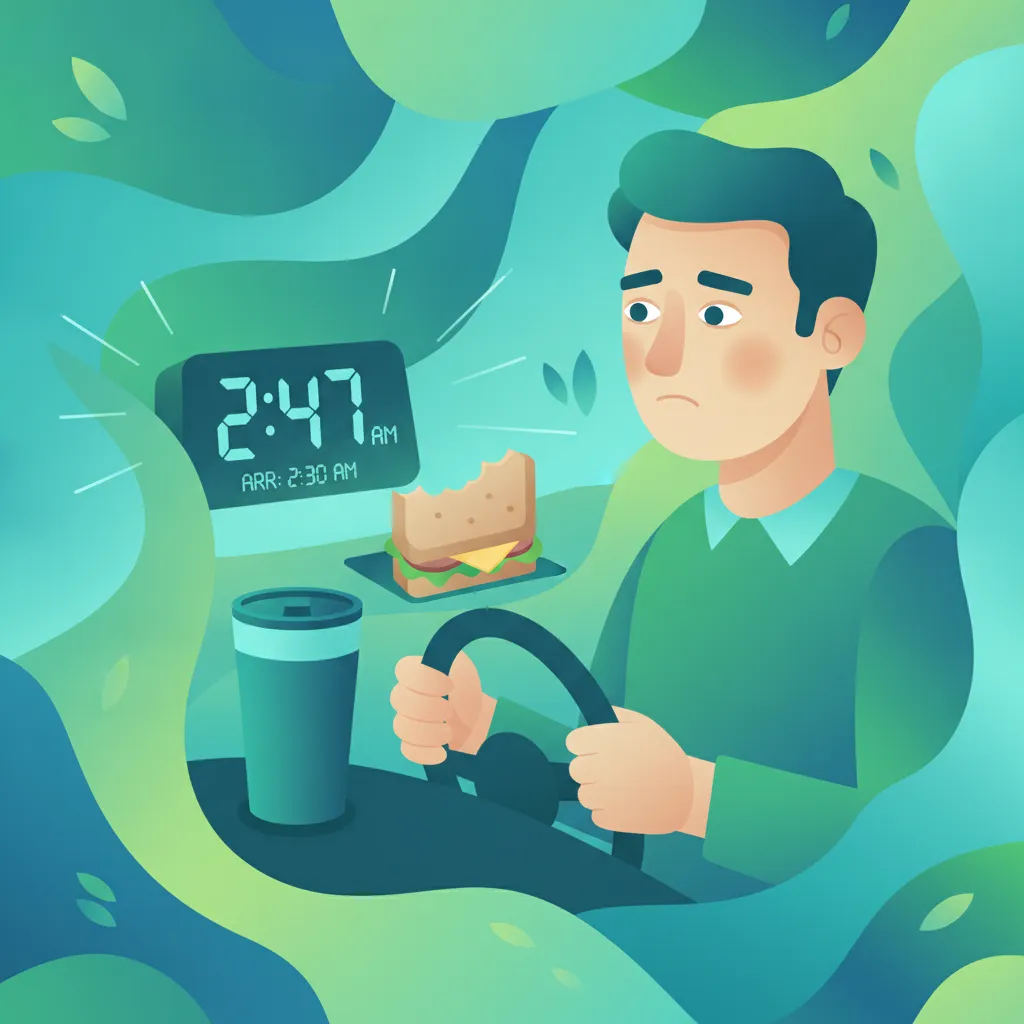
This lesson highlights the serious risks associated with driver fatigue. It teaches how to recognize the early warning signs of tiredness and the legal requirements for rest periods under Danish and EU tachograph laws. The content provides practical strategies for managing timetable pressure without compromising the need for adequate rest and safe operation.
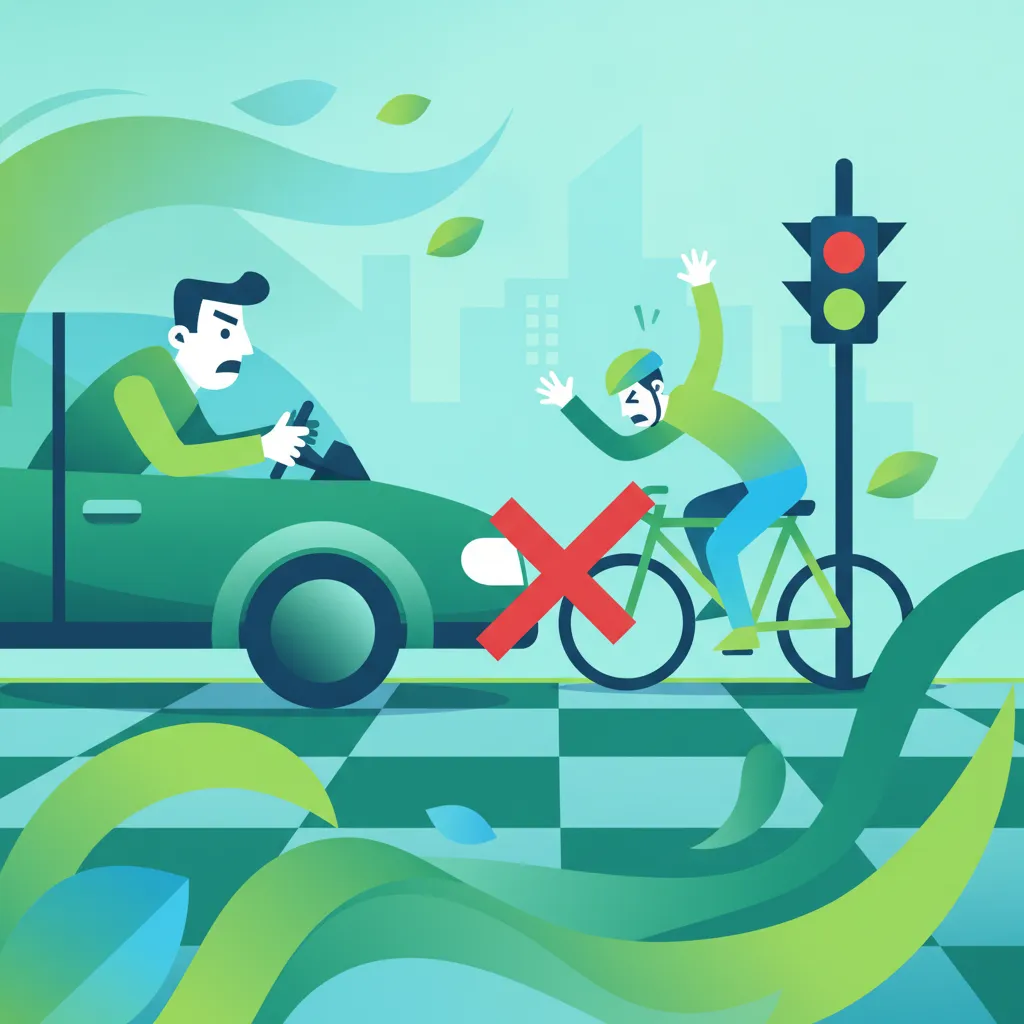
This lesson identifies common high-risk behaviors, including riding while impaired by alcohol, drugs, or fatigue. It details the strict legal limits in Denmark and the severe penalties for violations. The dangers of distraction, particularly from mobile phones, are also explained as a significant cause of accidents.

This lesson prepares riders for the specific hazards of rural roads, which often have less visibility and more unpredictable surfaces. It covers strategies for approaching blind curves, safely passing agricultural machinery, and being vigilant for animals on the road. Adjusting speed to match visibility is a core principle.

This lesson addresses the heightened risks faced by novice drivers, such as a tendency towards overconfidence, the influence of peer pressure, and the dangers of fatigue. It provides practical strategies for managing these risks, maintaining focus while driving, and cultivating a responsible attitude. The goal is to build a strong foundation of safe driving habits from the very beginning of your driving career.

This lesson addresses the unique challenges of driving in tourist-heavy urban centers alongside cyclists. It teaches drivers to anticipate the behavior of individuals who may be distracted or unfamiliar with local traffic rules. The content provides strategies for communicating intentions clearly and navigating safely around large groups, luggage, and cyclists.

This lesson focuses on techniques for riding when visibility and traction are compromised by weather. It explains how to adjust speed, increase following distance, and use lights to see and be seen in rain or fog. Understanding the risk of hydroplaning and making smooth control inputs are key takeaways.

This lesson provides critical guidance for driving in environments with heavy cycle traffic, typical of Danish cities. It focuses on identifying and yielding to cyclists in dedicated bike lanes, especially when turning right across their path. The content emphasizes advanced observation skills to detect cyclists in blind spots and the importance of giving adequate space.

This lesson contrasts the driving techniques required for rural roads and motorways. It covers managing speed on narrow, winding lanes with potential hazards like farm machinery or animals. The content also explains the principles of safe motorway driving, including maintaining lane discipline, managing high-speed stability, and executing safe overtaking maneuvers.

This lesson introduces cooperative driving as a fundamental element of road safety in Denmark. It highlights the social responsibility of drivers to act predictably, anticipate the actions of others, and maintain courteous interactions with all road users. By fostering mutual respect and cooperation, you will learn how to reduce the potential for conflict and enhance overall traffic safety.
Explore your legal responsibilities under Danish traffic law (Færdselsloven) to be fit to ride. Understand the consequences of riding while impaired by fatigue or stress.
This lesson identifies common high-risk behaviors, including riding while impaired by alcohol, drugs, or fatigue. It details the strict legal limits in Denmark and the severe penalties for violations. The dangers of distraction, particularly from mobile phones, are also explained as a significant cause of accidents.

This lesson defines the fundamental responsibilities of a motorcyclist, which extend beyond simple rule-following. It emphasizes the duty of care required to operate safely, including practicing defensive riding techniques and proactively identifying potential hazards. The content focuses on the importance of maintaining visibility and communicating intentions clearly to ensure safe interactions in traffic.
This lesson addresses the serious safety risk of driver fatigue. It teaches how to recognize early warning signs and explains the strict Danish and EU regulations on driving hours and mandatory rest periods. The content covers the correct use of the tachograph to log activity and details the legal penalties for non-compliance, emphasizing the importance of being well-rested before every journey.

This lesson provides an overview of the Danish legal system as it applies to motorcyclists. It details the consequences of traffic violations, including fines, penalty points, and potential licence suspension. Learners will also understand their legal responsibilities concerning insurance coverage and procedures to follow in the event of a collision.
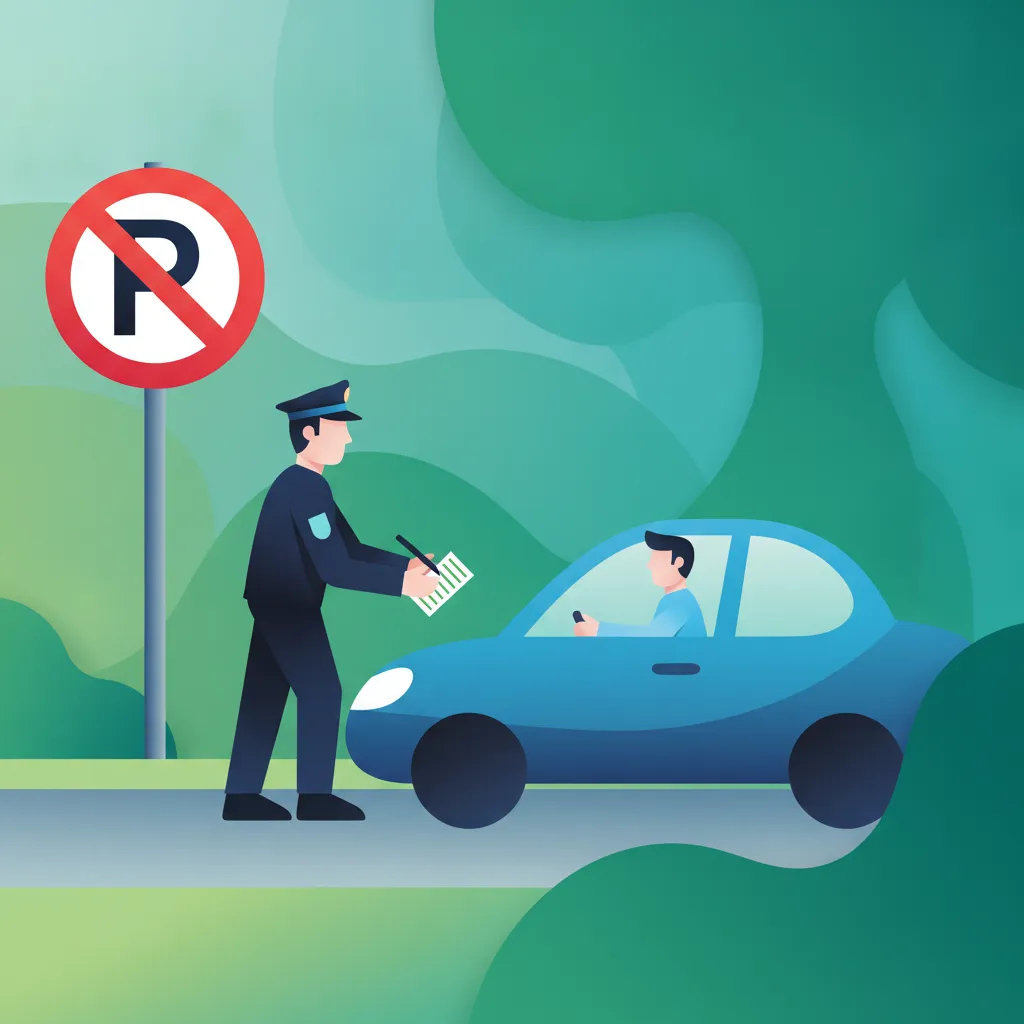
This lesson provides a clear overview of the penalties associated with breaking traffic laws as a motorcyclist. It details the Danish penalty point system ('klip i kørekortet') and the conditions that can lead to fines or licence revocation. Understanding these consequences reinforces the importance of lawful riding.

This lesson focuses on the core safety duties of a stor knallert rider. It explains the legal requirement for wearing a helmet and the benefits of other protective gear. The content also covers essential pre-ride checks, including brakes, tyres, and lights, to ensure the vehicle is in safe operating condition.

This lesson examines the specific risks inherent to motorcycling, emphasizing a rider's vulnerability due to reduced physical protection compared to other vehicles. It covers the heightened severity of injuries in accidents and the critical role of protective gear in mitigating harm. Learners will understand how to adopt defensive strategies, such as proper road positioning, to counteract these risks.
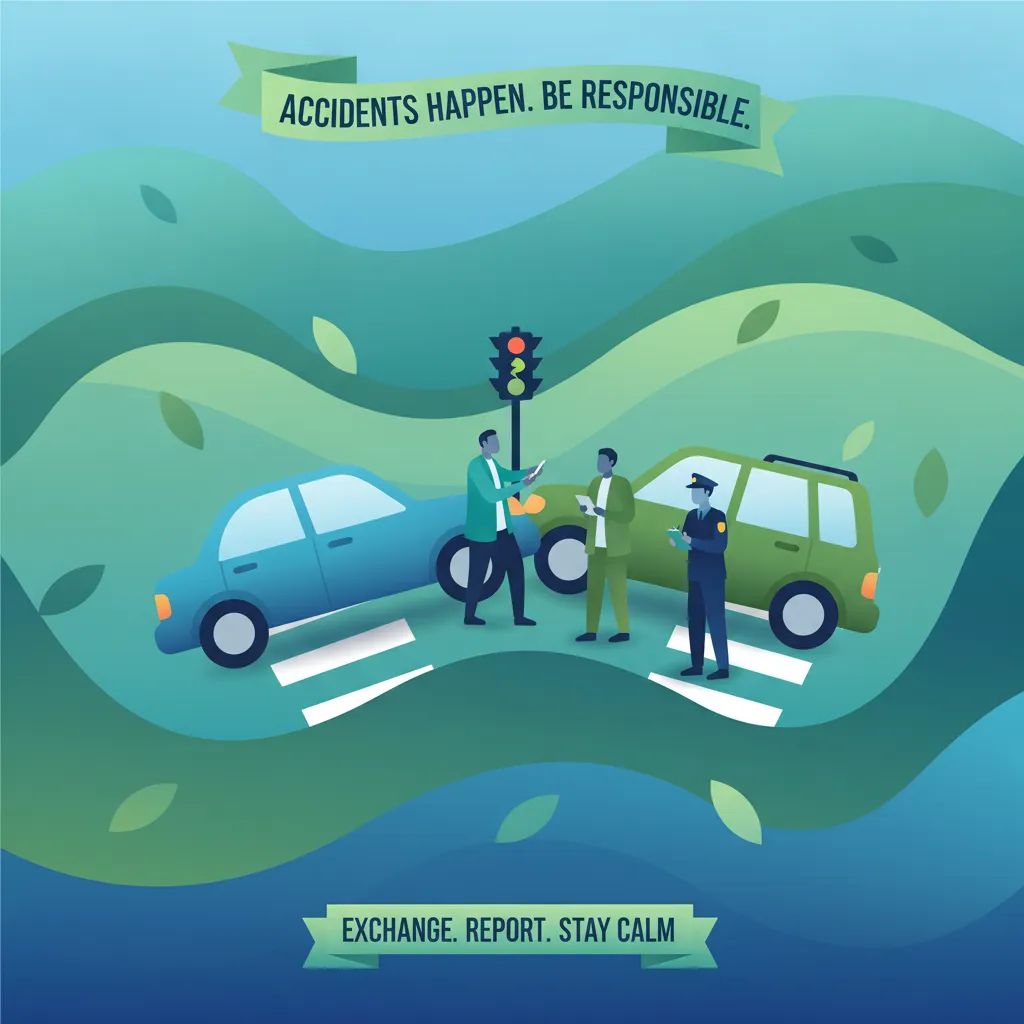
This lesson outlines the legal responsibilities of a rider involved in a traffic accident. It explains the legal duty to stop, render aid, and report the incident to the police and insurance providers. The content covers the concepts of liability and the potential legal consequences following an accident.

This lesson explains the physical effects of adding weight to a motorcycle. It covers how passengers or luggage change the center of gravity, affecting steering, stability, and increasing stopping distances. Learners will understand how to adjust suspension and tyre pressure, and adapt their riding inputs accordingly.

This lesson details the systematic pre-ride inspection process that all motorcyclists must perform. It covers critical safety checks, including verifying correct tyre pressure, assessing brake pad wear, and ensuring all lights are functional. Regular completion of these checks is essential for preventing mechanical failures and ensuring rider safety.
Find clear answers to common questions learners have about Human Factors: Fatigue, Stress, and Decision Making. Learn how the lesson is structured, which driving theory objectives it supports, and how it fits into the overall learning path of units and curriculum progression in Denmark. These explanations help you understand key concepts, lesson flow, and exam focused study goals.
Fatigue slows your reaction time and narrows your focus, making it harder to spot hazards. On the theory test, you must be able to identify scenarios where a rider should stop and rest to maintain safety.
Yes. High stress can cause tunnel vision, leading you to miss critical signals or road markings. Understanding how to manage your mental state is a key competency for both the exam and road safety.
Absolutely. Examiners frequently include questions about the rider's physical and mental condition to ensure you understand that safety depends on more than just controlling the bike.
If you are tired while studying, your cognitive retention will drop. Similarly, on the road, you should pull over in a safe area. The theory test expects you to know that riding while exhausted is a major safety violation.
Use our powerful search tool to pinpoint specific Danish driving theory topics, road signs, or traffic situations you need to review. Start exploring relevant practice sets now to reinforce your knowledge and build confidence for your upcoming driving licence exam.