
This lesson explores the essential role of social responsibility and ethical conduct for motorcyclists in Denmark. You will learn how your riding choices impact other road users and the environment, helping you build a positive safety culture that is vital for your Danish A1, A2, or A theory test.
Lesson content overview
At køre motorcykel er en frihed og en fornøjelse, men det indebærer også et betydeligt ansvar over for både medtrafikanter, lokalsamfundet og miljøet. Denne lektion dykker ned i principperne for etisk kørsel, et koncept der strækker sig langt ud over blot at overholde færdselsloven. Etisk kørsel handler om at udvise respekt, omtanke og socialt ansvar, hvilket bidrager til en positiv trafikoplevelse for alle og et bedre omdømme for motorcyklister som helhed.
Motorcyklister er en synlig del af trafikbilledet i Danmark. Hvordan vi færdes, påvirker ikke kun vores egen sikkerhed, men også andres opfattelse af os. Ved at praktisere etisk kørsel kan vi være med til at opbygge et stærkere fællesskab på vejene, mindske konflikter og fremme en kultur, hvor sikkerhed og hensyn er i højsædet. Dette afsnit bygger videre på grundlæggende viden om danske motorcykelkategorier (A1, A2, A), grundlæggende færdselsregler og forståelsen af motorcyklens specifikke risici.
Etisk kørsel kan defineres som den adfærd, en motorcyklist udviser, der er moralsk ansvarlig og hensynsfuld over for andre. Det handler om at integrere moralsk ansvarlighed med praktiske sikkerhedsovervejelser og anerkende motorcyklistens rolle inden for det større trafiksytem. Essensen er at forstå, at vores handlinger på vejen har konsekvenser, ikke kun for os selv, men for et bredere samfund.
Rideradfærd, der er moralsk ansvarlig og hensynsfuld over for alle andre trafikanter og det omkringliggende samfund. Det omfatter både overholdelse af loven og respekt for fællesskabet.
Etisk adfærd forbedrer den generelle trafiksikkerhed, reducerer konflikter og bidrager til miljøbeskyttelse. Det er forankret i juridiske forventninger, samfundsmæssige normer og personlige sikkerhedskrav. En etisk indstilling skaber en køreoplevelse, der er mere behagelig og sikker for alle parter, og bidrager til at nedbryde negative stereotyper om motorcyklister.
For at praktisere etisk kørsel er det vigtigt at forstå og efterleve en række kerneprincipper. Disse principper dækker forskellige aspekter af motorcyklistens interaktion med omgivelserne, fra direkte interaktioner med andre trafikanter til bredere miljømæssige og samfundsmæssige hensyn.
Respekt for alle trafikanter er grundstenen i etisk kørsel. Det indebærer at behandle fodgængere, cyklister og andre bilister med høflighed og omtanke. Dette princip sikrer gensidig sikkerhed og mindsker risikoen for konflikter eller ulykker. En motorcykel er et kraftfuldt køretøj, og med denne kraft følger et større ansvar over for de mere sårbare trafikanter.
Fodgængere, cyklister og andre trafikanter, der ikke er beskyttet af et køretøjs karosseri og derfor er særligt udsatte i trafikken.
Praktisk Udførelse:
Almindelige Fejl og Hvordan Man Undgår Dem: En almindelig fejl er at køre for tæt på cyklister, især ved overhaling. Sørg for at holde passende afstand, som om du overhaler en bil. En anden fejl er at ignorere fodgængeres signaler eller antage, at de altid vil se dig. Vær proaktiv og vær klar til at give dem plads. Undgå pludselige vognbaneskift, som kan overraske andre trafikanter, især cyklister ved din side.
Motorcykler er kendt for deres lyd, men unødvendig eller overdreven støj kan være en kilde til irritation og forstyrrelse for beboere, især i byområder og boligkvarterer. Minimering af støjforurening er et væsentligt element i etisk kørsel og bidrager til at bevare et godt forhold mellem motorcyklister og lokalsamfundet.
Uønsket eller skadelig lyd udendørs, der skabes af køretøjer og forringer livskvaliteten eller miljøet.
Praktisk Udførelse:
Regler og Betingelser i Danmark: I Danmark er der regler for, hvor meget støj et køretøj må afgive. Disse regler håndhæves af politiet, og overtrædelser kan medføre bøder og potentielt krav om at få køretøjet synet igen. Det er motorcyklistens ansvar at sikre, at motorcyklen er i overensstemmelse med disse regler.
Almindelige Fejl og Hvordan Man Undgår Dem: En klassisk fejl er at accelerere voldsomt ud af et lyskryds eller gennem en tunnel for at fremprovokere en høj motorlyd. Dette er ikke blot forstyrrende, men kan også opfattes som aggressiv kørsel. Undgå også at køre med for åbne udstødninger i stille zoner eller boligområder. Vær særligt opmærksom på tidspunkter som tidlig morgen og sen aften, hvor folk sover.
Overvej din rute gennem boligområder sent om aftenen eller tidligt om morgenen. Kan du vælge en rute med færre beboelsesejendomme for at minimere støjgener?
Motorcyklisters ansvar omfatter også bevidsthed om den miljømæssige påvirkning af kørslen. Valg af rute, kørestil og vedligeholdelse af motorcyklen kan alle bidrage til at minimere dit økologiske fodaftryk. Bæredygtig transport er et voksende fokusområde, og motorcyklister kan spille en rolle i at fremme mere miljøvenlige praksisser.
Praktisk Udførelse:
Almindelige Fejl og Hvordan Man Undgår Dem: En almindelig fejl er at køre med overbelastet motorcykel, hvilket øger brændstofforbruget og dermed emissionerne. En anden er at forsømme regelmæssig vedligeholdelse, såsom olieskift og luftfilterudskiftning, hvilket kan føre til højere emissioner. Planlægning af ruter, der minimerer tomgangskørsel og undgår unødvendige omveje, kan hjælpe med at reducere miljøpåvirkningen.
En positiv trafiksikkerhedskultur handler om aktivt at fremme en fællesskabsnorm for sikker og høflig kørsel. Som motorcyklist har du mulighed for at være en rollemodel og bidrage til et miljø, hvor sikkerhed og gensidig respekt er højt værdsat. Dette handler ikke kun om at følge reglerne selv, men også om at inspirere andre til det samme.
En fællesskabsmentalitet, der værdsætter og praktiserer sikker og høflig kørsel, hvilket fremmer selvkontrol og positiv indflydelse blandt trafikanter.
Praktisk Udførelse:
Almindelige Fejl og Hvordan Man Undgår Dem: Aggressiv kørsel, for eksempel tæt påkørsel, vævning mellem biler i tæt trafik eller unødvendige overhalinger, skader motorcyklisters omdømme. En anden fejl er at se ned på andre, der kører mere forsigtigt. Husk, at vi alle er med til at skabe den kultur, vi færdes i.
Socialt ansvar handler om at anerkende, hvordan motorcyklisters adfærd påvirker offentlighedens opfattelse og relationer til samfundet. Hver gang en motorcyklist kører på vejen, bidrager vedkommende til den samlede fortælling om motorcyklister. Uansvarlig adfærd kan forstærke negative stereotyper, mens ansvarlig kørsel kan forbedre accept og reducere fordomme.
Praktisk Udførelse:
Almindelige Fejl og Hvordan Man Undgår Dem: Nogle motorcyklister fristes til at køre stærkt i boligkvarterer eller i områder med mange mennesker for at få opmærksomhed. Dette er et klart eksempel på uansvarlig adfærd, der skaber negative associationer. Andre eksempler inkluderer bevidst at producere høj støj eller køre i grupper på en måde, der forstyrrer offentligheden. Husk, at din adfærd repræsenterer hele motorcyklistfællesskabet.
Udover de generelle principper for etisk kørsel er der specifikke regler og bestemmelser i Danmark, som understøtter disse principper. At kende og overholde disse er et grundlæggende skridt mod ansvarlig kørsel.
Selv med de bedste intentioner kan motorcyklister komme til at overtræde de etiske normer. Nogle af de mest almindelige overtrædelser og grænsetilfælde inkluderer:
Etisk kørsel er ikke en statisk liste af regler, men en dynamisk praksis, der skal tilpasses forskellige forhold.
Relationen mellem din køreadfærd og dens konsekvenser er direkte:
Etisk kørsel i Danmark handler om at være en ansvarlig og hensynsfuld motorcyklist, der tager højde for omgivelserne. Det strækker sig ud over blot at overholde loven og involverer aktivt at bidrage til en positiv trafikkultur. Grundlæggende handlinger inkluderer at give vigepligt til fodgængere, undgå unødvendig motorrevving, vedligeholde køretøjet ordentligt og køre hensynsfuldt i boligområder.
Ved at forstå og anvende disse principper forbedrer du ikke kun din egen sikkerhed, men også andres, samtidig med at du forbedrer offentlighedens opfattelse af motorcyklister og støtter miljømæssig bæredygtighed. Dette er hjørnestenen i ansvarlig motorcykelkørsel i Danmark.
This lesson covers the ethical dimensions of motorcycle riding in Denmark, emphasizing that responsible riding combines legal compliance with active consideration for pedestrians, cyclists, and local communities. Key principles include maintaining safe distances, signaling clearly, and minimizing unnecessary noise—especially in residential areas where strict Danish noise regulations apply. The lesson also addresses environmental impact through efficient riding styles and proper vehicle maintenance, while highlighting how individual rider behavior contributes to the broader road safety culture and public perception of motorcyclists.
A short set of high-value points that capture the most important learning from this lesson.
Ethical riding extends beyond legal compliance to include social responsibility toward all road users and the environment
Motorcyclists must treat vulnerable road users (pedestrians, cyclists) with heightened respect and consideration
Maintaining appropriate distance and signaling clearly helps prevent conflicts with other traffic participants
Noise and emissions from motorcycles can significantly impact residential communities and the sport's public reputation
Individual rider behavior directly shapes the broader motorcycling community's standing in Danish society
Explore all units and lessons included in this driving theory course.
Always yield to pedestrians at crossings and be prepared to stop even when they haven't yet entered the crosswalk
Danish law sets specific noise limits for motorcycles enforced by police with potential fines and re-inspection requirements
Even minor violations like aggressive revving in traffic are considered ethical breaches and community disturbances
Environmental responsibility includes maintaining proper tire pressure, regular servicing, and smooth riding styles
Your riding conduct represents the entire motorcycling community to other road users and the public
Following cyclists too closely when overtaking, treating them differently than car drivers
Assuming pedestrians have seen you or will always yield to motorcycles at crossings
Using aftermarket exhausts that exceed legal noise limits, even if they seem mild
Performing aggressive acceleration in residential areas or near pedestrian zones
Skipping regular maintenance that increases both noise and emissions unnecessarily
Lesson content overview
A short set of high-value points that capture the most important learning from this lesson.
Ethical riding extends beyond legal compliance to include social responsibility toward all road users and the environment
Motorcyclists must treat vulnerable road users (pedestrians, cyclists) with heightened respect and consideration
Maintaining appropriate distance and signaling clearly helps prevent conflicts with other traffic participants
Noise and emissions from motorcycles can significantly impact residential communities and the sport's public reputation
Individual rider behavior directly shapes the broader motorcycling community's standing in Danish society
Explore all units and lessons included in this driving theory course.
Always yield to pedestrians at crossings and be prepared to stop even when they haven't yet entered the crosswalk
Danish law sets specific noise limits for motorcycles enforced by police with potential fines and re-inspection requirements
Even minor violations like aggressive revving in traffic are considered ethical breaches and community disturbances
Environmental responsibility includes maintaining proper tire pressure, regular servicing, and smooth riding styles
Your riding conduct represents the entire motorcycling community to other road users and the public
Following cyclists too closely when overtaking, treating them differently than car drivers
Assuming pedestrians have seen you or will always yield to motorcycles at crossings
Using aftermarket exhausts that exceed legal noise limits, even if they seem mild
Performing aggressive acceleration in residential areas or near pedestrian zones
Skipping regular maintenance that increases both noise and emissions unnecessarily
Explore search topics learners often look for when studying Ethical Riding and Community Impact. These topics reflect common questions about road rules, driving situations, safety guidance, and lesson level theory preparation for learners in Denmark.
Browse additional driving theory lessons that cover connected traffic rules, road signs, and common driving situations related to this topic. Improve your understanding of how different rules interact across everyday traffic scenarios.
Understand the ethical responsibilities of motorcyclists in Denmark. Learn how to promote a positive road safety culture, respect fellow road users, and minimize environmental impact for your A-license theory exam.

This lesson defines the fundamental responsibilities of a motorcyclist, which extend beyond simple rule-following. It emphasizes the duty of care required to operate safely, including practicing defensive riding techniques and proactively identifying potential hazards. The content focuses on the importance of maintaining visibility and communicating intentions clearly to ensure safe interactions in traffic.

This lesson introduces cooperative driving as a fundamental element of road safety in Denmark. It highlights the social responsibility of drivers to act predictably, anticipate the actions of others, and maintain courteous interactions with all road users. By fostering mutual respect and cooperation, you will learn how to reduce the potential for conflict and enhance overall traffic safety.
This lesson focuses on safe interactions with Denmark's large population of cyclists and other vulnerable road users. It covers the rules for passing cyclists, yielding at pedestrian crossings, and the specific hazard of turning across a bike lane. Developing heightened awareness for these interactions is critical for urban riding.

This lesson prepares riders for the specific hazards of rural roads, which often have less visibility and more unpredictable surfaces. It covers strategies for approaching blind curves, safely passing agricultural machinery, and being vigilant for animals on the road. Adjusting speed to match visibility is a core principle.
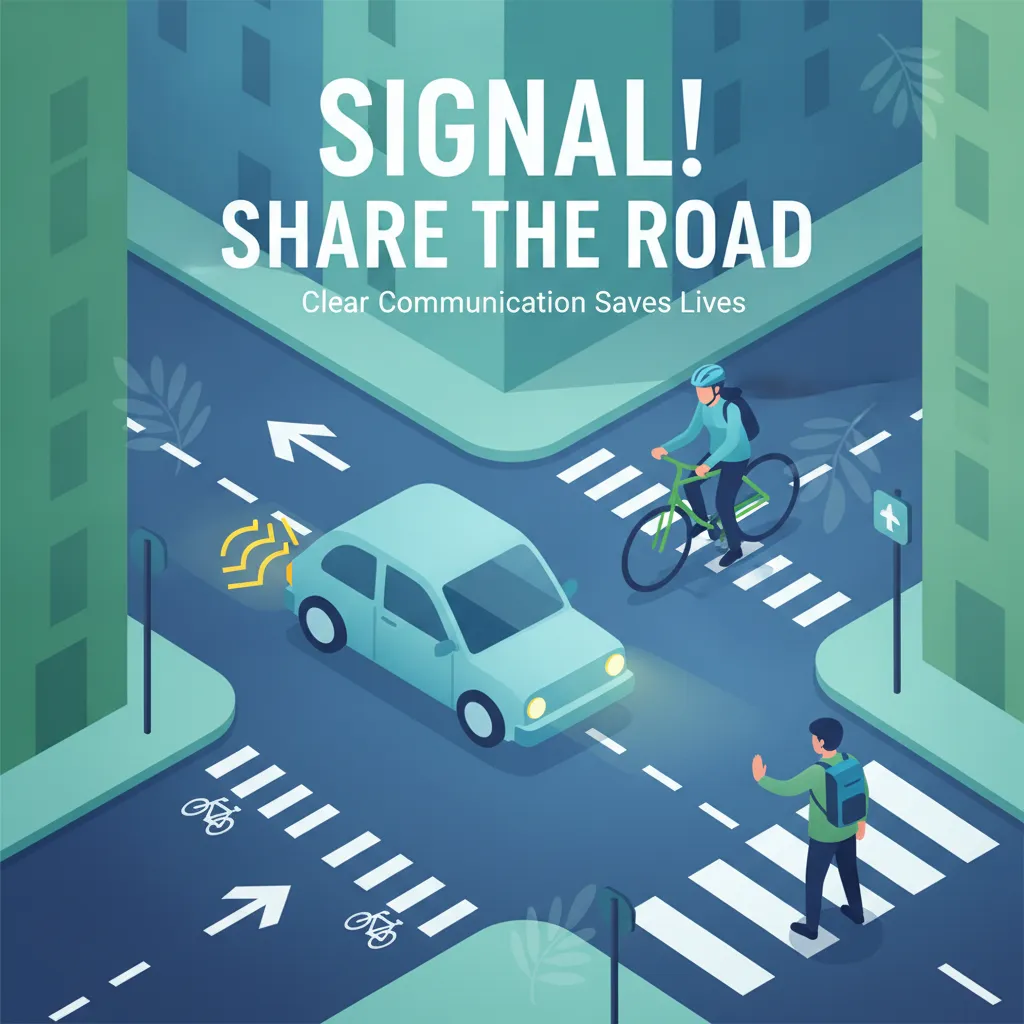
This lesson focuses on the different ways motorcyclists can communicate their intentions to others. It covers the correct use of electronic signals, standard hand signals, and the importance of making eye contact with drivers. Clear and early communication is essential for preventing conflicts and ensuring predictable interactions in traffic.

This lesson examines the specific risks inherent to motorcycling, emphasizing a rider's vulnerability due to reduced physical protection compared to other vehicles. It covers the heightened severity of injuries in accidents and the critical role of protective gear in mitigating harm. Learners will understand how to adopt defensive strategies, such as proper road positioning, to counteract these risks.
This lesson identifies common high-risk behaviors, including riding while impaired by alcohol, drugs, or fatigue. It details the strict legal limits in Denmark and the severe penalties for violations. The dangers of distraction, particularly from mobile phones, are also explained as a significant cause of accidents.

This lesson explains the strategic importance of lane positioning for a motorcyclist. It teaches how to select a position within the lane that makes you most visible to other road users and provides an escape route from potential hazards. The content covers how to adjust your position based on traffic, road conditions, and to avoid being in another vehicle's blind spot.

This lesson focuses on the core safety duties of a stor knallert rider. It explains the legal requirement for wearing a helmet and the benefits of other protective gear. The content also covers essential pre-ride checks, including brakes, tyres, and lights, to ensure the vehicle is in safe operating condition.
This lesson provides a clear overview of the penalties associated with breaking traffic laws as a motorcyclist. It details the Danish penalty point system ('klip i kørekortet') and the conditions that can lead to fines or licence revocation. Understanding these consequences reinforces the importance of lawful riding.
Learn essential theories on interacting respectfully with pedestrians and cyclists in Danish traffic. This lesson covers minimizing motorcycle noise pollution and fostering positive community relations for your driving theory knowledge.
This lesson focuses on safe interactions with Denmark's large population of cyclists and other vulnerable road users. It covers the rules for passing cyclists, yielding at pedestrian crossings, and the specific hazard of turning across a bike lane. Developing heightened awareness for these interactions is critical for urban riding.
This lesson addresses the unique challenges of streets with dedicated cycle lanes and numerous bus stops. It teaches riders how to anticipate pedestrians moving to and from buses and how to position themselves to avoid conflict with cyclists. The goal is to navigate these complex environments smoothly and safely.
This lesson defines the fundamental responsibilities of a motorcyclist, which extend beyond simple rule-following. It emphasizes the duty of care required to operate safely, including practicing defensive riding techniques and proactively identifying potential hazards. The content focuses on the importance of maintaining visibility and communicating intentions clearly to ensure safe interactions in traffic.
This lesson provides in-depth guidance on safely interacting with cyclists and e-bike riders, a daily reality in Danish cities. It explains how to provide adequate space when overtaking, how to anticipate their movements at intersections, and how to respect their right-of-way in designated lanes. Understanding these dynamics is essential for preventing common accidents and ensuring a safe urban driving experience for everyone.
This lesson provides critical guidance for driving in environments with heavy cycle traffic, typical of Danish cities. It focuses on identifying and yielding to cyclists in dedicated bike lanes, especially when turning right across their path. The content emphasizes advanced observation skills to detect cyclists in blind spots and the importance of giving adequate space.
This lesson prepares riders for the specific hazards of rural roads, which often have less visibility and more unpredictable surfaces. It covers strategies for approaching blind curves, safely passing agricultural machinery, and being vigilant for animals on the road. Adjusting speed to match visibility is a core principle.
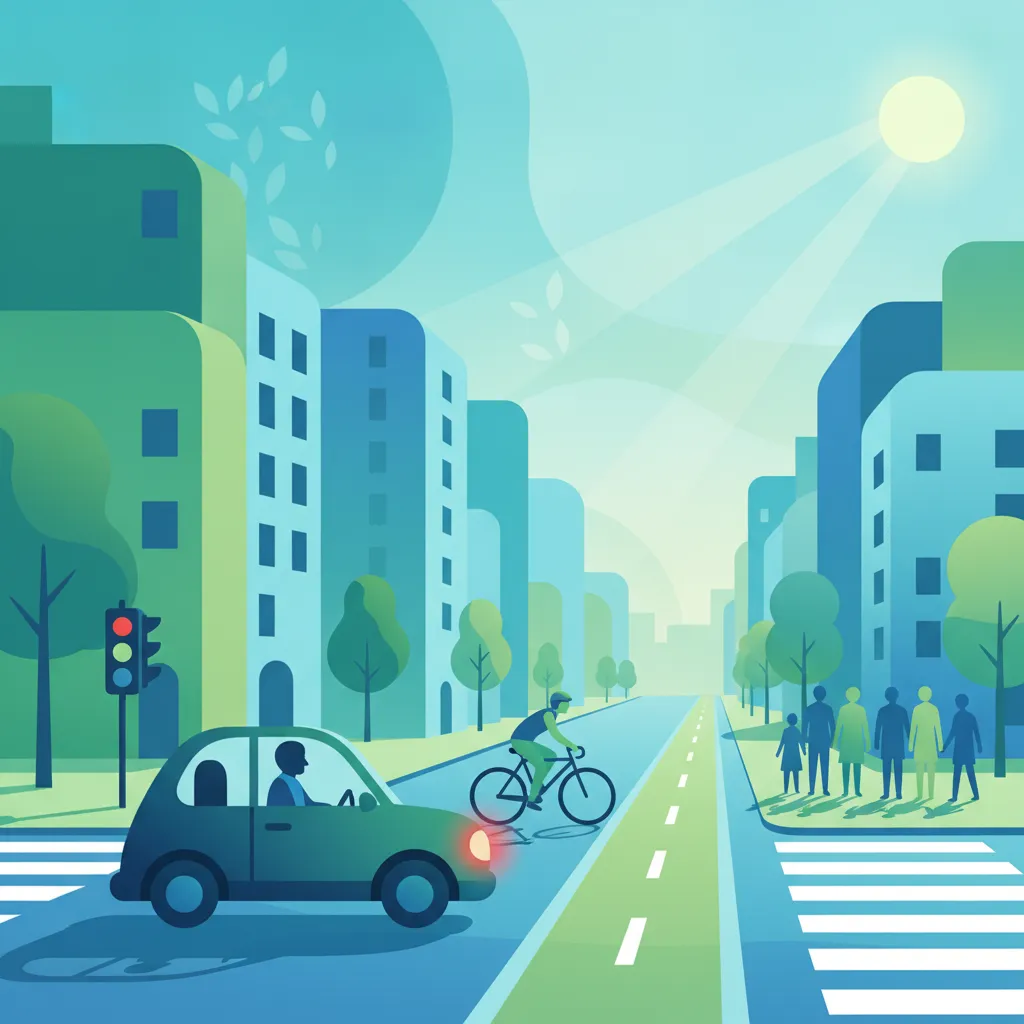
This lesson focuses on the safe integration of cyclists and pedestrians within the traffic system, a key feature of Danish roads. It covers the specific rights and common behaviors of cyclists, including those on e-bikes and cargo bikes, and explains procedures for yielding to pedestrians. The content emphasizes maintaining safe distances and heightened awareness to prevent accidents and promote harmonious road sharing.
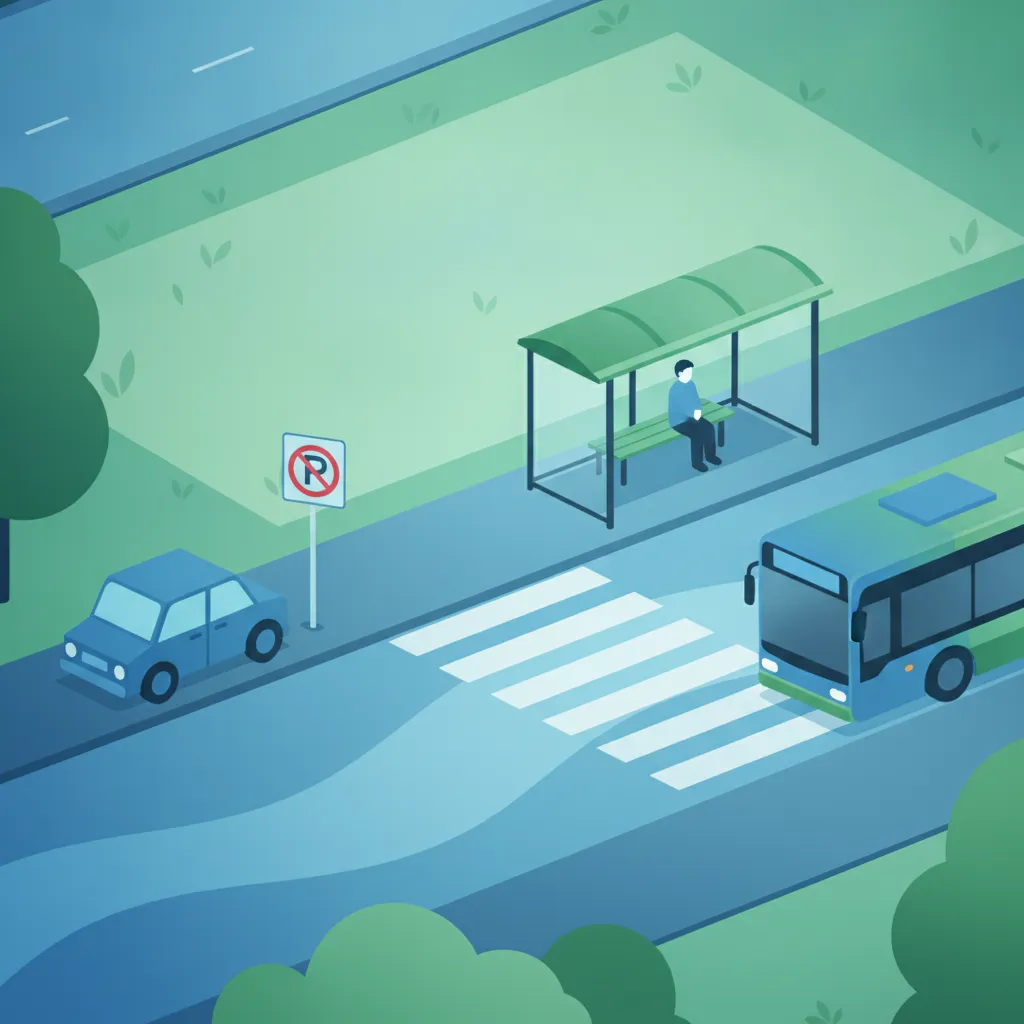
This lesson focuses on identifying and mitigating common hazards in built-up areas. It covers the risks associated with pedestrians emerging from behind buses or parked cars, and the danger of suddenly opening car doors. Learners will understand the importance of reducing speed and increasing observation in these high-risk environments.

This lesson explores non-verbal communication techniques for safer road sharing. It discusses the importance of making eye contact with other drivers and pedestrians to confirm they have seen you. The content also explains the appropriate and legal use of the horn to alert others of your presence.
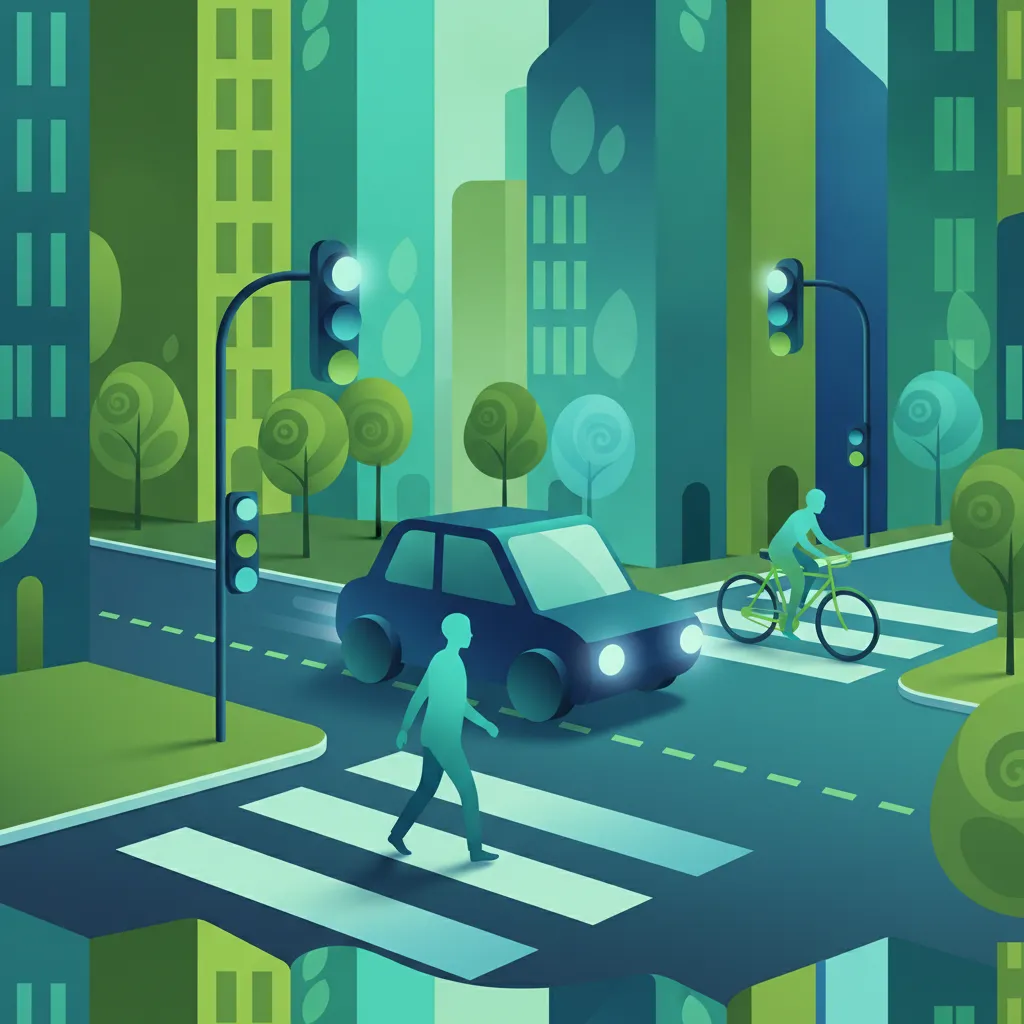
This lesson emphasizes the professional driver's heightened responsibility to protect vulnerable road users. It revisits Danish regulations concerning cyclist priority, particularly during right turns, and details the correct procedures for maintaining safe overtaking distances. The content focuses on developing advanced situational awareness, using mirrors and cameras effectively, and anticipating the behavior of pedestrians and cyclists in urban environments.
Find clear answers to common questions learners have about Ethical Riding and Community Impact. Learn how the lesson is structured, which driving theory objectives it supports, and how it fits into the overall learning path of units and curriculum progression in Denmark. These explanations help you understand key concepts, lesson flow, and exam focused study goals.
Danish road safety focuses on mutual respect and interaction. The exam tests your ability to act as a responsible road user who understands the consequences of their actions on others, especially vulnerable users like cyclists.
Yes, theory questions often present scenarios where a legal choice might be unsafe or inconsiderate. Choosing the ethical and safe option is crucial for demonstrating your understanding of road safety culture.
You can minimize your impact by avoiding unnecessary noise, staying within speed limits in urban areas, and anticipating the needs of pedestrians and cyclists, especially in residential or school zones.
No, it is about defensive riding and being aware of your presence. It includes communicating your intentions clearly, avoiding aggressive maneuvers, and showing patience, which helps prevent accidents and promotes traffic flow.
Use our powerful search tool to pinpoint specific Danish driving theory topics, road signs, or traffic situations you need to review. Start exploring relevant practice sets now to reinforce your knowledge and build confidence for your upcoming driving licence exam.