
This lesson explores the professional communication skills necessary for bus drivers in Denmark. You will learn how to manage passenger expectations through clear announcements and apply effective de-escalation strategies to maintain a calm and safe environment.

Lesson content overview
As a professional driver holding a Danish Category D Licence, your role extends far beyond merely operating a vehicle. You are the primary point of contact for passengers, a frontline representative of the public transport service, and crucially, a guardian of passenger safety and comfort. Clear, timely, and professional communication is an indispensable skill that underpins trust, manages expectations, and helps maintain a safe and harmonious environment for everyone on board.
This lesson delves into the critical aspects of communicating with passengers, from making routine announcements to managing complex situations like delays or conflicts. By mastering these techniques, you will enhance passenger experience, reduce stress, and ensure smoother operations, contributing significantly to your professional competence and public perception.
Effective communication is the cornerstone of a positive passenger experience and operational efficiency in public transport. It is not merely about conveying information; it is about building trust, ensuring safety, and fostering a calm atmosphere on board. When passengers are well-informed, they feel valued, secure, and are less likely to experience anxiety or engage in disruptive behaviour.
Drivers who communicate clearly and professionally contribute directly to accident prevention by ensuring passengers are prepared for stops or sudden movements. This proactive approach helps mitigate misunderstandings that could otherwise lead to unsafe actions, such as passengers attempting to alight from a moving vehicle or becoming agitated due to unannounced delays. Ultimately, superior communication reinforces the driver's professional identity and the overall reliability of the Danish public transport service.
Passenger safety is the paramount concern for any bus driver. Clear and concise communication directly contributes to this by guiding passenger behaviour. When drivers announce stops in advance, passengers have ample time to prepare, collect their belongings, and move safely towards the doors without haste or panic. This reduces the risk of falls or other incidents during boarding and alighting.
Moreover, in the event of an unexpected situation, such as an emergency stop or a route diversion, precise instructions from the driver can prevent confusion and ensure an orderly response. Passengers are more likely to comply with safety directives when they are delivered calmly and professionally, reinforcing the driver’s authority and commitment to their well-being.
The driver's communication style profoundly impacts passenger perception of the service. A professional, calm, and informative approach builds trust and confidence among passengers. They are more likely to view the driver as competent and caring, which enhances the overall reputation of the public transport system.
Conversely, a lack of communication, or communication that is unclear, rude, or inconsistent, can erode trust and lead to passenger frustration and dissatisfaction. As a Danish Category D Licence holder, embodying professionalism through effective communication is crucial for maintaining high standards of public service. This includes not just what is said, but also how it is delivered, reflecting the driver's duty of care and commitment to passenger comfort.
Verbal communication, particularly through announcements, is a primary tool for informing passengers. It involves audibly relaying critical information such as upcoming stops, unexpected delays, or changes to the planned route. The effectiveness of these announcements relies on clarity, timeliness, and the appropriate use of available technology.
Drivers must ensure their announcements are easily understood by all passengers, avoiding jargon and maintaining a calm, clear tone. This proactive sharing of information is essential for ensuring passengers are prepared for their journey, reducing anxiety, and preventing disruptions.
One of the most frequent and critical verbal communications is the announcement of upcoming stops. Providing sufficient advance notice allows passengers to prepare for alighting, collect their belongings, and move towards the doors safely and without rush. This significantly enhances passenger comfort and reduces the risk of falls or other incidents associated with sudden movements.
Typically, announcements regarding stops should be made at least 30 seconds before the vehicle arrives at the designated stop. This lead time is crucial, especially for passengers who may be unfamiliar with the route or have reduced mobility and require more time to move.
Always aim for clarity and conciseness when announcing stops. State the name of the stop clearly and confirm its immediacy.
Unexpected events such as traffic congestion, road accidents, or unforeseen detours can cause delays or necessitate route changes. In such scenarios, proactive communication is vital to manage passenger expectations and alleviate potential frustration. Ignoring delays or providing vague information can lead to passenger anxiety and disruptive behaviour.
As soon as a significant delay or route change becomes apparent, the driver should inform passengers, providing as much detail as possible about the cause, estimated duration, and potential alternative options if applicable. This transparency builds trust and empowers passengers to make informed decisions about their journey.
The practice of providing realistic and timely information to passengers regarding service reliability, expected delays, and alternative options to prevent frustration and build trust.
Most modern public transport vehicles are equipped with a Public Address (PA) system, which is designed to ensure that announcements are audible to all passengers throughout the vehicle. It is a mandatory operational requirement to use this system for all important announcements, rather than relying solely on the driver's unaided voice.
Using the PA system ensures that messages are broadcast clearly and uniformly, reaching passengers even in noisy environments or at the back of a crowded bus. This is particularly important for passengers with hearing impairments or those who may not be seated close to the driver.
Never attempt to make announcements by shouting over the vehicle's noise. Always use the PA system to ensure audibility and maintain professionalism.
Effective communication isn't just about reacting to situations; it's about proactively setting and managing passenger expectations. By providing realistic information about the service, potential delays, or unusual circumstances, drivers can significantly reduce passenger anxiety and prevent frustration from escalating into conflict. This approach fosters a sense of preparedness and understanding among passengers.
Drivers must be adept at conveying information clearly and empathetically, ensuring that passengers feel informed rather than simply dictated to. This practice builds a stronger relationship between the driver and passengers, making journeys more pleasant for everyone.
One of the most common sources of passenger frustration is unexpected delays. By being transparent and informing passengers about the reason for a delay and its estimated duration, drivers can transform a potentially negative experience into one of understanding. Passengers appreciate knowing what is happening, even if the news is not ideal.
For instance, a simple announcement like, "We are currently experiencing a delay due to heavy traffic ahead, and we expect to be about ten minutes behind schedule," can make a significant difference. This allows passengers to adjust their plans or communicate with others awaiting their arrival, reducing stress for all involved.
Occasionally, a bus route may need to be altered due to roadworks, special events, or unforeseen diversions. When such changes occur, it is paramount to communicate them clearly and as early as possible. Passengers rely on consistent routes and may become disoriented or miss their stops if changes are not effectively announced.
Provide specific details about the change, including the affected section of the route, alternative stops, and the reason for the diversion. If possible, suggest alternative transport options or connections. This level of detail demonstrates professionalism and a commitment to passenger service.
Drivers often operate under tight timetables, especially during peak hours. While timetable adherence is important, it should never compromise safety or lead to rushed, inadequate communication. Passengers are generally understanding if delays are communicated openly.
Drivers should avoid letting timetable pressure manifest as hurried announcements or impatience with passengers. Instead, if running late, explain the situation calmly and assure passengers that safety remains the priority. This manages expectations and prevents conflict arising from perceived driver impatience.
Despite best efforts in communication and expectation management, situations may arise where passengers become agitated, confrontational, or disruptive. As a professional driver, it is your duty to maintain a safe and orderly environment for all passengers, and this includes applying effective conflict management and de-escalation techniques. The goal is to calm the situation, resolve issues peacefully, and prevent escalation into unsafe behaviour or physical confrontations.
This requires a calm demeanor, empathy, and a structured approach to addressing passenger concerns while upholding rules and safety protocols. Knowing how to respond appropriately can defuse tension and protect both yourself and your passengers.
The first step in de-escalation is recognizing the early signs of passenger agitation. These can include:
Identifying these cues early allows a driver to intervene before the situation escalates further. It is much easier to de-escalate minor agitation than a full-blown conflict.
When faced with an upset passenger, your verbal response is critical. The following techniques can help diffuse tension:
The process of reducing the intensity of a potentially volatile or aggressive situation through calm communication, empathetic listening, and problem-solving techniques.
Your body language can reinforce or undermine your verbal de-escalation efforts.
While de-escalation is a primary responsibility, there are limits to what a driver can or should handle alone. If a situation escalates to a point where:
In such instances, drivers must be prepared to alert security personnel, traffic control, or the authorities, as per company policy and legal guidelines. Your priority is always the safety of all individuals on board.
While verbal announcements are crucial, non-verbal communication plays an equally significant role in conveying messages, reinforcing instructions, and establishing a professional presence. Gestures, facial expressions, and body language can enhance clarity, especially in noisy environments or for passengers with hearing impairments. These cues are often processed unconsciously by passengers, shaping their perception of the driver and the service.
Effective non-verbal communication aligns with verbal messages, creating a consistent and trustworthy persona. It can also be used proactively to prevent misunderstandings and to manage the flow of passengers during boarding and alighting.
Simple gestures can greatly enhance the effectiveness of verbal announcements. For example, when announcing an upcoming stop, a subtle nod towards the front doors can visually prompt passengers to prepare to alight. If instructing passengers to remain seated, a calming hand gesture can reinforce the verbal command.
These visual cues are particularly helpful for passengers who may not fully understand the spoken language or those with hearing difficulties. They add another layer of information, making the communication more robust and inclusive.
When speaking directly to a passenger or addressing a group, maintaining appropriate eye contact conveys attentiveness and sincerity. It shows that you are engaged and taking their concerns seriously. Combined with an approachable and neutral facial expression – avoiding scowls or overly serious looks – it contributes to a welcoming and professional atmosphere.
An open and friendly expression can encourage passengers to approach you with questions or concerns, rather than feeling intimidated. This accessibility fosters a better relationship between driver and passenger.
Your overall body language and posture communicate professionalism and control. Sitting upright and alert at the wheel demonstrates attentiveness to the road and passenger safety. When interacting with passengers, an open and relaxed stance (e.g., not rigidly crossed arms) conveys approachability.
Conversely, aggressive or impatient body language, such as leaning forward aggressively or tapping fingers, can escalate tensions and should be avoided. A calm and composed posture helps reassure passengers and maintains order within the vehicle.
As a Danish Category D Licence holder, you are bound by specific rules and regulations concerning passenger information and conflict management. These are not merely suggestions but mandatory requirements designed to ensure passenger safety, comfort, and the overall quality of public transport services. Compliance with these obligations is a cornerstone of professional conduct.
Understanding and adhering to these rules not only ensures legal compliance but also underpins the ethical responsibilities of a public transport driver. Failure to comply can lead to serious consequences, including disciplinary action and legal penalties.
Drivers have a clear obligation to keep passengers informed throughout their journey. This includes:
These obligations are mandated by transport regulations and internal company policies to ensure transparency and prevent passenger dissatisfaction or confusion. Using the Public Address system where available is typically a part of this obligation to ensure audibility for all.
Drivers are legally and professionally responsible for maintaining a safe and orderly environment within their vehicle. This "duty of care" extends to managing passenger behaviour and de-escalating conflicts. If a passenger's actions threaten the safety or comfort of others, the driver must intervene responsibly.
This duty aligns with conflict management techniques, requiring drivers to take reasonable steps to resolve disturbances calmly. If a situation cannot be de-escalated internally, the driver is obliged to follow established protocols for alerting security or emergency services.
Specific operational rules often dictate the exact timing for certain announcements. For example, many operators require stop announcements to be made a minimum of 30 seconds before arriving at the stop. This rule ensures consistency across the fleet and provides passengers with a predictable and safe travel experience.
Adhering to these timing requirements prevents late announcements that can cause passengers to miss their stops or rush, increasing the risk of accidents during alighting. Regular training and adherence to these guidelines are fundamental to safe and professional bus operation.
Even with the best training, bus drivers will encounter various challenges in passenger communication. Understanding these common pitfalls and knowing how to adapt communication strategies based on different contexts is crucial for effective service delivery and safety.
Whether it's dealing with noisy environments, diverse passenger demographics, or unexpected events, a flexible and prepared approach to communication is essential for maintaining control and ensuring passenger satisfaction.
Several factors can impede effective communication:
When communicating with passengers, always prioritize driving safety. Announcements should be made during safe driving moments, not when negotiating complex traffic.
Communication strategies need to be flexible and adaptable based on the specific circumstances:
Drivers should be mindful of common errors that can undermine communication efforts:
Understanding communication principles is one thing; applying them effectively in the dynamic environment of public transport is another. Let's explore some common scenarios that Danish Category D Licence holders might encounter and how to apply the learned communication techniques. These examples highlight the direct impact of good communication on passenger experience and safety.
Situation: You are driving through the busy centre of Copenhagen. The next stop, Nørreport Station, is a major interchange. The bus is moderately full, and there is ambient chatter.
Driver Action: Approximately 45 seconds before reaching the station, you activate the PA system and announce clearly: "Next stop, Nørreport Station. Please prepare to alight, and mind the gap when exiting the vehicle." As you slow down and approach the stop, you ensure the interior lights are fully on.
Outcome: Passengers hear the announcement with sufficient time, gather their belongings, and move calmly towards the doors. Those who are unsure look up and confirm the stop. The flow of passengers alighting and boarding is smooth and orderly.
Situation: You are on a morning commuter route, usually punctual, but encounter an unforeseen major traffic jam due to an accident ahead. Passengers are starting to look at their watches and murmur.
Driver Action: As soon as you confirm the delay through your radio system or traffic updates, you use the PA system to announce: "Ladies and gentlemen, we are currently experiencing a significant delay due to an accident further ahead on the road. We estimate a delay of approximately 15 to 20 minutes. We apologise for the inconvenience and appreciate your patience."
Outcome: While passengers may still be frustrated by the delay, they understand the reason and the estimated impact. This transparency significantly reduces agitation and prevents passengers from confronting the driver or making frantic phone calls in confusion. Many will use this information to adjust their schedules or inform their workplaces.
Situation: A passenger in a wheelchair has boarded and requested to alight at a specific stop, telling you they need extra time. The bus is approaching their requested stop.
Driver Action: About a minute before the stop, you use the PA system to announce: "Next stop: Vesterbrogade, and please allow extra time for a passenger to alight using the accessibility ramp. Thank you for your cooperation." You then slow down gently, ensuring a smooth stop, and prepare to deploy the ramp, maintaining eye contact with the passenger to confirm readiness.
Outcome: Other passengers are made aware and show consideration, making space for the wheelchair. The passenger feels supported and can alight safely and without feeling rushed, enhancing their confidence and comfort with the service.
Situation: A passenger approaches you aggressively, complaining loudly that you missed their stop, even though you made the announcement. They are visibly agitated and demanding to be let off immediately between stops.
Driver Action: You maintain a calm voice and posture. "Sir/Madam, I understand you're upset. The stop was announced, but I understand it's frustrating to miss your destination. For safety reasons, I cannot open the doors between designated stops. The next stop is just two minutes away, and I can help you with directions from there." You keep your tone empathetic but firm about safety rules.
Outcome: The passenger, confronted with a calm, solution-oriented response and clear safety boundary, eventually calms down and waits for the next stop. The situation is de-escalated without further incident or compromise to safety.
Effective communication is more than just a soft skill for a bus driver; it is a critical operational and safety requirement. As a Danish Category D Licence holder, your ability to communicate clearly, manage expectations, and de-escalate conflicts directly impacts passenger safety, comfort, and their overall experience of public transport.
Remember the following core principles:
By consistently applying these principles, you contribute significantly to the smooth operation of public transport, the well-being of your passengers, and your own professional standing.
This lesson covers the professional communication skills required for Danish Category D bus drivers, emphasizing that clear, timely announcements about stops, delays, and route changes are safety requirements that build passenger trust and prevent incidents. Drivers learn structured de-escalation techniques combining calm verbal communication with appropriate body language to manage agitated passengers without escalating conflict. The content outlines specific regulatory obligations including the duty of care, proper PA system usage, and the responsibility to maintain an orderly vehicle environment. Practical scenarios demonstrate how these principles apply in real driving situations, from routine stop announcements to handling accessibility needs and confrontational passengers.
A short set of high-value points that capture the most important learning from this lesson.
Passenger communication is a safety-critical skill, not merely a customer service nicety, directly preventing accidents during boarding and alighting.
Verbal announcements must be made well in advance using the PA system—typically at least 30 seconds before a stop—to allow passengers adequate preparation time.
Proactive transparency about delays and route changes builds trust and prevents passenger frustration from escalating into conflict.
De-escalation requires a calm tone, active listening, empathy acknowledgment, and solution-focused dialogue—not just authority assertion.
Non-verbal cues including open body language, appropriate eye contact, and visible gestures reinforce verbal messages and convey professionalism.
Explore all units and lessons included in this driving theory course.
Always use the PA system for announcements rather than shouting; audibility across the vehicle is mandatory for important messages.
When de-escalating, acknowledge emotions first ('I understand why you're frustrated'), then offer solutions—never dismiss concerns.
Physical aggression, threats to passenger safety, or inability to resolve conflict verbally require alerting security or authorities immediately.
Accessibility assistance requires announcing the stop earlier (about one minute) and clearly explaining the delay to other passengers.
Duty of care means drivers are legally responsible for maintaining a safe, orderly environment through responsible conflict management.
Making stop announcements only as the bus is arriving, leaving passengers no time to prepare and increasing fall risks.
Providing vague information about delays without causes or estimated durations, leaving passengers frustrated and uninformed.
Crossing arms or using defensive body language during conflict, which reinforces rather than reduces passenger agitation.
Over-relying on automated announcements and failing to manually clarify unexpected events or provide additional context.
Letting timetable pressure cause rushed, impatient communication that escalates rather than manages passenger frustration.
Lesson content overview
A short set of high-value points that capture the most important learning from this lesson.
Passenger communication is a safety-critical skill, not merely a customer service nicety, directly preventing accidents during boarding and alighting.
Verbal announcements must be made well in advance using the PA system—typically at least 30 seconds before a stop—to allow passengers adequate preparation time.
Proactive transparency about delays and route changes builds trust and prevents passenger frustration from escalating into conflict.
De-escalation requires a calm tone, active listening, empathy acknowledgment, and solution-focused dialogue—not just authority assertion.
Non-verbal cues including open body language, appropriate eye contact, and visible gestures reinforce verbal messages and convey professionalism.
Explore all units and lessons included in this driving theory course.
Always use the PA system for announcements rather than shouting; audibility across the vehicle is mandatory for important messages.
When de-escalating, acknowledge emotions first ('I understand why you're frustrated'), then offer solutions—never dismiss concerns.
Physical aggression, threats to passenger safety, or inability to resolve conflict verbally require alerting security or authorities immediately.
Accessibility assistance requires announcing the stop earlier (about one minute) and clearly explaining the delay to other passengers.
Duty of care means drivers are legally responsible for maintaining a safe, orderly environment through responsible conflict management.
Making stop announcements only as the bus is arriving, leaving passengers no time to prepare and increasing fall risks.
Providing vague information about delays without causes or estimated durations, leaving passengers frustrated and uninformed.
Crossing arms or using defensive body language during conflict, which reinforces rather than reduces passenger agitation.
Over-relying on automated announcements and failing to manually clarify unexpected events or provide additional context.
Letting timetable pressure cause rushed, impatient communication that escalates rather than manages passenger frustration.
Explore search topics learners often look for when studying Communication with Passengers and Managing Expectations. These topics reflect common questions about road rules, driving situations, safety guidance, and lesson level theory preparation for learners in Denmark.
Browse additional driving theory lessons that cover connected traffic rules, road signs, and common driving situations related to this topic. Improve your understanding of how different rules interact across everyday traffic scenarios.
Learn essential principles for clear communication with passengers on Danish bus routes. Covers making timely announcements, managing expectations during delays, and fostering a professional, safe travel environment.

This lesson provides drivers with tools to manage challenging interactions with passengers. It covers verbal and non-verbal de-escalation techniques to resolve conflicts peacefully and professionally. The content emphasizes maintaining a calm demeanor, setting clear boundaries, and knowing when and how to report incidents or request assistance while prioritizing everyone's safety.

This lesson covers strategies for safely managing passenger movement at bus stops. It provides guidance on directing passenger flow, encouraging the use of handrails, and providing assistance to those who need it. The content emphasizes the driver's observational role in preventing slips, trips, and falls, particularly during peak hours or in adverse weather.
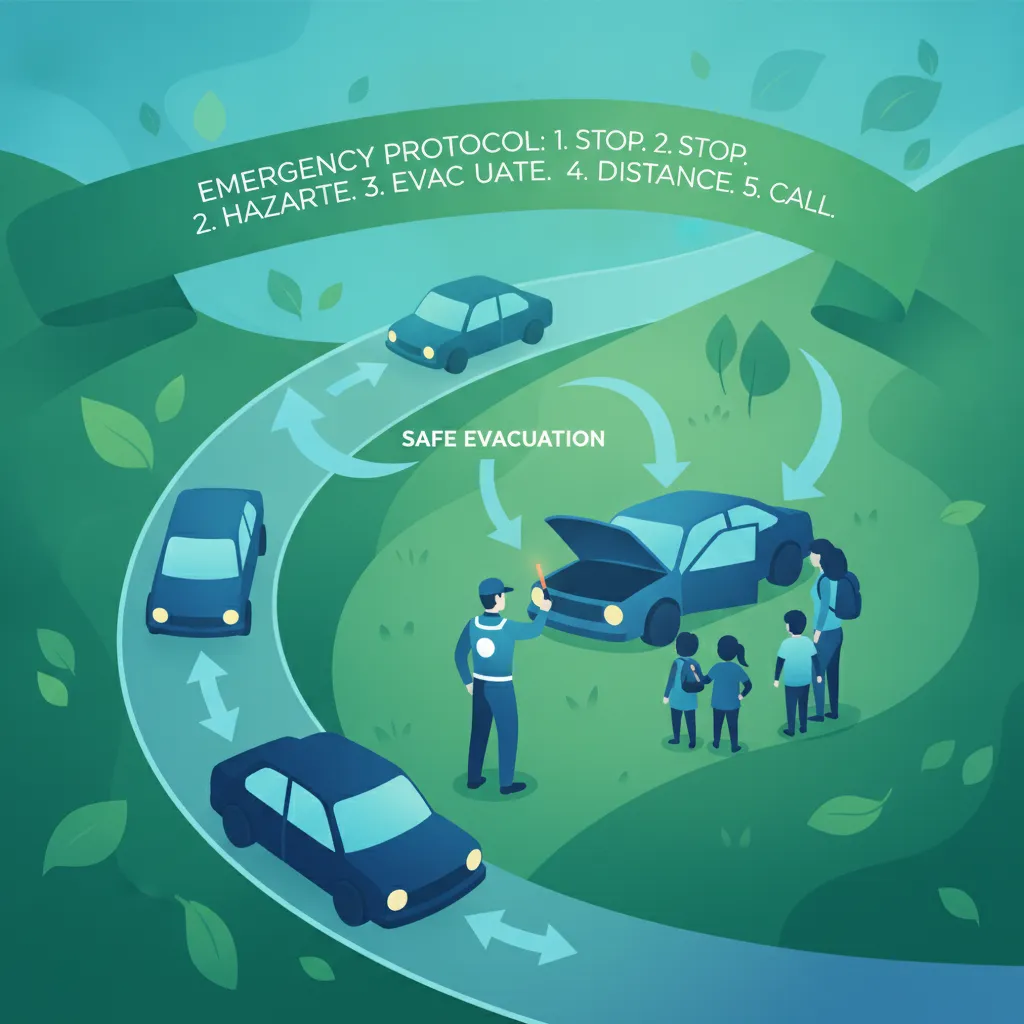
This lesson focuses on the driver's role as a leader during an emergency evacuation. It covers how to assess a situation, make the decision to evacuate, and provide clear, calm instructions to passengers. The content details the location and operation of all emergency exits and procedures for assisting passengers with reduced mobility to a safe gathering point.

This lesson addresses the unique challenges of driving in tourist-heavy urban centers alongside cyclists. It teaches drivers to anticipate the behavior of individuals who may be distracted or unfamiliar with local traffic rules. The content provides strategies for communicating intentions clearly and navigating safely around large groups, luggage, and cyclists.

This lesson explains the regulations governing the use of dedicated bus lanes in Denmark. It covers when it is permissible to enter and exit these lanes, how to merge safely with general traffic, and the meaning of specific road markings. The content also details how public transport priority systems at traffic lights work and how drivers should respond to them.

This lesson details the procedures for safe door operation during passenger boarding. It explains the driver's responsibility to visually clear the doorway and surrounding area before opening or closing doors. The content covers the function of safety features like sensors and interlock systems, ensuring compliance with Danish vehicle regulations to prevent passenger injuries.

This lesson focuses on the safe and correct operation of passenger vehicle doors. It covers the different types of door mechanisms and the importance of monitoring the door area to prevent injury during boarding and alighting. The content details Danish regulations regarding door safety systems and the driver's responsibility to ensure doors are fully closed and secured before moving.

This lesson covers the core principles of defensive driving in an urban context. It teaches drivers how to anticipate the actions of other road users, maintain safe following distances in dense traffic, and navigate complex intersections with multiple signals. The content emphasizes heightened awareness of pedestrians, cyclists, and unexpected events common in Danish city environments.

This lesson trains drivers to perform a risk assessment of bus stops along their route. It explains how to identify hazards such as poor visibility, proximity to busy intersections, or obstructed pedestrian access. The content provides proactive strategies for positioning the bus and managing passenger boarding and alighting to mitigate the identified risks effectively.

This lesson details the principles of smooth acceleration and braking, which are essential for passenger safety and comfort. It explains how to apply gradual and consistent pressure to the accelerator and brake pedals to prevent jerking motions that could cause passengers to lose their balance. The content also covers anticipation skills needed to manage speed effectively in varying Danish traffic and road conditions.
Explore techniques for de-escalating passenger conflicts and maintaining a safe environment in Danish public transport. This theory covers identifying agitation, empathetic communication, and knowing when to seek assistance.
This lesson provides drivers with tools to manage challenging interactions with passengers. It covers verbal and non-verbal de-escalation techniques to resolve conflicts peacefully and professionally. The content emphasizes maintaining a calm demeanor, setting clear boundaries, and knowing when and how to report incidents or request assistance while prioritizing everyone's safety.
This lesson focuses on the driver's role as a leader during an emergency evacuation. It covers how to assess a situation, make the decision to evacuate, and provide clear, calm instructions to passengers. The content details the location and operation of all emergency exits and procedures for assisting passengers with reduced mobility to a safe gathering point.
This lesson covers strategies for safely managing passenger movement at bus stops. It provides guidance on directing passenger flow, encouraging the use of handrails, and providing assistance to those who need it. The content emphasizes the driver's observational role in preventing slips, trips, and falls, particularly during peak hours or in adverse weather.
This lesson focuses on the safe and correct operation of passenger vehicle doors. It covers the different types of door mechanisms and the importance of monitoring the door area to prevent injury during boarding and alighting. The content details Danish regulations regarding door safety systems and the driver's responsibility to ensure doors are fully closed and secured before moving.
This lesson details the procedures for safe door operation during passenger boarding. It explains the driver's responsibility to visually clear the doorway and surrounding area before opening or closing doors. The content covers the function of safety features like sensors and interlock systems, ensuring compliance with Danish vehicle regulations to prevent passenger injuries.
This lesson addresses the unique challenges of driving in tourist-heavy urban centers alongside cyclists. It teaches drivers to anticipate the behavior of individuals who may be distracted or unfamiliar with local traffic rules. The content provides strategies for communicating intentions clearly and navigating safely around large groups, luggage, and cyclists.
This lesson covers the core principles of defensive driving in an urban context. It teaches drivers how to anticipate the actions of other road users, maintain safe following distances in dense traffic, and navigate complex intersections with multiple signals. The content emphasizes heightened awareness of pedestrians, cyclists, and unexpected events common in Danish city environments.

This lesson contrasts the driving techniques required for rural roads and motorways. It covers managing speed on narrow, winding lanes with potential hazards like farm machinery or animals. The content also explains the principles of safe motorway driving, including maintaining lane discipline, managing high-speed stability, and executing safe overtaking maneuvers.
This lesson trains drivers to perform a risk assessment of bus stops along their route. It explains how to identify hazards such as poor visibility, proximity to busy intersections, or obstructed pedestrian access. The content provides proactive strategies for positioning the bus and managing passenger boarding and alighting to mitigate the identified risks effectively.

This lesson explains the relationship between a bus's dimensions—length, width, and height—and its maneuverability. It covers key concepts such as turning radius, rear overhang, and swept path, which are critical for navigating turns and tight spaces safely. Learners will also understand how these physical characteristics create significant blind spots that require specific observation techniques to manage.
Find clear answers to common questions learners have about Communication with Passengers and Managing Expectations. Learn how the lesson is structured, which driving theory objectives it supports, and how it fits into the overall learning path of units and curriculum progression in Denmark. These explanations help you understand key concepts, lesson flow, and exam focused study goals.
Professional communication is a key component of the driver's duty of care. The exam tests whether you understand that providing timely information reduces passenger anxiety and prevents conflicts, which is crucial for maintaining a safe bus environment.
Always prioritize safety and de-escalation. The correct exam response typically involves remaining calm, using professional language, and strictly following the operator's safety protocols rather than engaging in an argument.
Yes, in Danish professional driving, it is mandatory to communicate significant route changes, delays, or safety incidents to passengers clearly and promptly to manage expectations and ensure they can plan their journey accordingly.
Use our powerful search tool to pinpoint specific Danish driving theory topics, road signs, or traffic situations you need to review. Start exploring relevant practice sets now to reinforce your knowledge and build confidence for your upcoming driving licence exam.