
This lesson introduces the proactive mindset of defensive driving, teaching you how to anticipate potential road hazards before they occur. It builds on your knowledge of traffic rules to help you develop the spatial awareness required for the Danish Category B theory exam and real-world safety.

Lesson content overview
Becoming a safe and confident driver for your Danish Category B driving license involves more than just knowing traffic rules and controlling your vehicle. It requires a proactive mindset, a set of skills known as defensive driving. This lesson introduces you to the essential principles that shift your focus from merely reacting to hazards to actively anticipating them. By understanding and applying these strategies, you will develop the foundational knowledge necessary to navigate Danish roads responsibly and minimize risks, contributing to a safer driving environment for everyone.
Defensive driving is a systematic approach to operating a motor vehicle that emphasizes anticipation, planning, and maintaining a continuous safety margin. It goes beyond simply following traffic laws; it involves anticipating potential hazards created by other road users or adverse conditions, and taking action to prevent accidents before they occur. This approach is deeply rooted in the physics of vehicle motion, understanding stopping distances and reaction times, and acknowledging human factors in perception and decision-making.
The core of defensive driving integrates broader safety concepts such as risk management, heightened situational awareness, and an unwavering commitment to driver responsibility. It directly connects to and builds upon your understanding of observation techniques, appropriate lane use, effective speed adaptation, and safe interactions with vulnerable road users, all crucial elements of the Danish Driving License Theory Course: Category B Preparation.
At the heart of defensive driving are several interconnected principles designed to keep you and those around you safe. Mastering these principles transforms your driving from a reactive experience to a controlled, foresightful one.
Proactive hazard anticipation is the practice of actively scanning your driving environment to identify potential dangers long before they materialize into immediate threats. Instead of waiting for a situation to become critical, a defensive driver is always looking for clues and predicting what might happen next. This forward-thinking approach allows you to prepare and react in a timely and measured manner, significantly reducing your reliance on sudden, emergency responses that can often lead to accidents. It demands that drivers allocate sufficient visual attention to all sectors of the road, adjusting their focus and scanning frequency based on current speed, traffic density, and prevailing conditions.
Systematic scanning is a structured method of visual observation that ensures you continuously cover the entire driving environment. This includes the road ahead, to the sides, behind you via mirrors, and checking blind spots in a predictable, rhythmic pattern. The purpose of this technique is to prevent "tunnel vision," where a driver's focus narrows to only what is directly in front of them, leading to missed hazards entering from the periphery or from behind. Effective scanning employs principles such as looking approximately 20 seconds ahead to assess road conditions and potential problems, and regularly checking your mirrors (e.g., every 5-8 seconds in moderate traffic) to maintain awareness of surrounding vehicles.
A safety cushion, or safety margin, refers to maintaining a sufficient buffer distance between your vehicle and others on the road. This distance is dynamically calculated based on your speed, current road conditions, and the overall flow of traffic. Its primary purpose is to provide you with additional reaction time and physical space to avoid collisions should an unexpected event occur. This cushion must be adjusted continuously; for instance, you'll need a larger safety margin at higher speeds, in adverse weather conditions like rain or snow, or when driving on roads with reduced friction.
Speed management in defensive driving means consistently adjusting your vehicle's speed to suit the current road conditions, traffic density, and environmental factors, not just adhering to posted speed limits. The goal is to drive at a speed that facilitates timely hazard response and allows you to preserve your established safety margins. Your speed directly dictates the size of the safety cushion you need: the faster you drive, the greater the distance required to stop safely, and thus the larger your safety cushion must be.
Predictive driving is the skill of foreseeing the actions of other road users – pedestrians, cyclists, and other drivers – based on their behavior, position, and various environmental cues. By developing this skill, you can anticipate potential conflicts or unexpected movements, thereby reducing surprise events and enabling smoother, safer adjustments to your driving. This relies on understanding common patterns of behavior and vehicle dynamics, allowing you to react preemptively rather than reactively. For example, recognizing a child playing near the road might prompt you to slow down, even if they aren't yet in the roadway.
Let's delve deeper into these core principles and explore practical strategies, specifically tailored for the Danish driving environment and traffic laws.
Systematic scanning is a comprehensive visual process crucial for anticipating hazards. It involves more than just looking straight ahead; it's a structured, continuous assessment of the entire driving environment.
Continuous assessment is key. For example, you should be looking for:
The Danish Road Traffic Act (Færdselsloven) mandates a clear observational duty. According to § 41, drivers must remain constantly aware of traffic ahead and any conditions that could affect safety. This legal requirement underscores the importance of systematic scanning. Failing to observe your surroundings adequately could lead to accidents and legal consequences.
Look 20 Seconds Ahead: In urban areas, this means scanning approximately two blocks ahead. On motorways, it means looking much further down the road. This gives you ample time to identify potential issues and plan your actions.
A safety cushion is your buffer zone, providing the critical time and space needed to react safely to unexpected events. It's not just about the distance to the car in front but also about maintaining space around your entire vehicle.
This is the distance you keep between your vehicle and the vehicle directly in front of you. It must be sufficient to allow you to stop safely, even if the vehicle ahead suddenly brakes or an unexpected obstacle appears. A commonly taught guideline is the "2-second rule" in good conditions, which means you should pick a fixed point on the road (e.g., a lamppost) and count how long it takes for your vehicle to reach that point after the vehicle in front of you passes it. This duration should be at least two seconds.
This refers to the space you maintain on either side of your vehicle. It's crucial for avoiding side-swipe collisions, especially when passing parked cars, navigating narrow streets, or driving alongside cyclists or motorcyclists. Always aim for at least one meter of clearance when passing cyclists, and more if conditions allow.
The Danish Road Traffic Act, § 37, states that drivers must keep a distance to the vehicle ahead that allows them to stop safely without endangering others. This rule is mandatory and applicable at all times, especially at higher speeds and in adverse conditions. The rationale is clear: sufficient distance prevents chain-reaction collisions and provides the necessary time and space for evasion. For example, on a wet road, your following distance should be significantly increased (e.g., to 3 or 4 seconds) to account for longer braking distances.
While the 2-second rule is a good general guideline, always adjust it based on:
Predictive driving is the advanced skill of anticipating potential hazards by interpreting the actions and positions of other road users and understanding the environment.
Vulnerable road users, such as pedestrians and cyclists, can be unpredictable. Defensive drivers look for cues:
Other drivers' actions can also be anticipated:
The Danish Traffic Code, § 3, includes the fundamental principle that road users must show consideration for others and exercise caution. This includes the duty to yield when a hazard is foreseeable, especially to pedestrians. For instance, slowing down when seeing children playing near a roadside, even if no crossing is indicated, aligns with this duty and the principles of predictive driving.
While speed limits are maximums, defensive driving dictates that your speed must always be appropriate for the conditions, which may be significantly lower than the posted limit.
Adverse weather conditions are a primary reason to reduce speed:
§ 39 of the Danish Road Traffic Act explicitly states that speed must be adjusted to the prevailing conditions, ensuring safe stopping within the visible distance. This rule is mandatory and applies under all circumstances, especially when visibility or road traction is reduced. For instance, driving at 40 km/h in dense fog, even if the general limit is 50 km/h, is an example of applying this principle to ensure the braking distance matches the available sight distance.
Never rely solely on posted speed limits. Always assess the conditions and adjust your speed downwards if safety demands it.
A fundamental aspect of defensive driving is a thorough understanding of stopping distance – the total distance your vehicle travels from the moment a hazard is perceived until it comes to a complete halt.
Drivers must constantly account for this total distance when maintaining a safety cushion. For example, at 80 km/h on dry asphalt, a typical total stopping distance might be around 50 meters. If you are following too closely, you simply will not have enough space to stop in time. This underscores why speed management and maintaining a safety cushion are inseparable from understanding stopping distances.
Even experienced drivers can fall into habits that compromise defensive driving principles. Being aware of these common pitfalls can help you avoid them.
Defensive driving is not a static set of rules; it's a dynamic approach that must adapt to constantly changing conditions.
Rain, snow, and fog drastically reduce visibility and road traction. In these conditions, drivers must:
Driving at night or in conditions of poor light (dawn/dusk) reduces your ability to perceive hazards early.
When sharing the road with pedestrians, cyclists, or motorcyclists, defensive drivers must:
Understanding the direct links between your driving behaviors and their outcomes reinforces the importance of defensive driving.
By internalizing these relationships, you empower yourself to make safer choices on the road, contributing to your own safety and that of others.
This lesson establishes defensive driving as a proactive approach emphasizing hazard anticipation, systematic visual scanning, and maintaining safety cushions around the vehicle. Key techniques include the 2-second rule for following distance, scanning 20 seconds ahead, and reading behavioral cues from other road users to predict their intentions. The content aligns with Danish Road Traffic Act requirements including observational duty (§41), safety distance obligations (§37), and speed adaptation mandates (§39). Understanding stopping distance components—perception, reaction, and braking distance—is essential for managing safety margins effectively. Conditional adjustments for weather, night driving, and different road types demonstrate that defensive driving is dynamic, requiring constant adaptation to conditions rather than rigid rule-following.
A short set of high-value points that capture the most important learning from this lesson.
Defensive driving shifts focus from reacting to hazards to actively anticipating them before they develop
Systematic scanning requires continuous visual coverage of the road ahead, mirrors, blind spots, and different heights to prevent tunnel vision
The 2-second rule establishes a minimum following distance in good conditions, requiring longer gaps in adverse weather or at higher speeds
Speed must always match prevailing conditions, not just posted limits, especially when visibility or road traction is reduced
Predictive driving involves reading behavioral cues from pedestrians, cyclists, and other drivers to anticipate their next move
Explore all units and lessons included in this driving theory course.
The Danish Road Traffic Act §37 mandates keeping sufficient distance to the vehicle ahead to stop safely at all times
Total stopping distance comprises perception distance, reaction distance, and braking distance—all affected by speed, road conditions, and driver alertness
Lateral safety cushion should include at least one meter of clearance when passing cyclists
Scanning should cover approximately 20 seconds ahead in urban areas, with mirror checks every 5-8 seconds in moderate traffic
Speed must be reduced when visibility is limited so you can stop within the distance you can clearly see ahead (Danish Road Traffic Act §39)
Tailgating—following another vehicle too closely—which dramatically reduces reaction time and violates §37 requirements
Assuming other road users will always follow rules without independently verifying their actions through observation
Failing to check blind spots before changing lanes or turning, leading to potential side collisions with vehicles or cyclists
Driving at the posted speed limit in adverse weather without reducing speed or increasing following distance
Relying excessively on driver-assistance systems instead of maintaining personal scanning vigilance and responsibility
Lesson content overview
A short set of high-value points that capture the most important learning from this lesson.
Defensive driving shifts focus from reacting to hazards to actively anticipating them before they develop
Systematic scanning requires continuous visual coverage of the road ahead, mirrors, blind spots, and different heights to prevent tunnel vision
The 2-second rule establishes a minimum following distance in good conditions, requiring longer gaps in adverse weather or at higher speeds
Speed must always match prevailing conditions, not just posted limits, especially when visibility or road traction is reduced
Predictive driving involves reading behavioral cues from pedestrians, cyclists, and other drivers to anticipate their next move
Explore all units and lessons included in this driving theory course.
The Danish Road Traffic Act §37 mandates keeping sufficient distance to the vehicle ahead to stop safely at all times
Total stopping distance comprises perception distance, reaction distance, and braking distance—all affected by speed, road conditions, and driver alertness
Lateral safety cushion should include at least one meter of clearance when passing cyclists
Scanning should cover approximately 20 seconds ahead in urban areas, with mirror checks every 5-8 seconds in moderate traffic
Speed must be reduced when visibility is limited so you can stop within the distance you can clearly see ahead (Danish Road Traffic Act §39)
Tailgating—following another vehicle too closely—which dramatically reduces reaction time and violates §37 requirements
Assuming other road users will always follow rules without independently verifying their actions through observation
Failing to check blind spots before changing lanes or turning, leading to potential side collisions with vehicles or cyclists
Driving at the posted speed limit in adverse weather without reducing speed or increasing following distance
Relying excessively on driver-assistance systems instead of maintaining personal scanning vigilance and responsibility
Explore search topics learners often look for when studying Principles of Defensive Driving. These topics reflect common questions about road rules, driving situations, safety guidance, and lesson level theory preparation for learners in Denmark.
Browse additional driving theory lessons that cover connected traffic rules, road signs, and common driving situations related to this topic. Improve your understanding of how different rules interact across everyday traffic scenarios.
Learn to proactively identify and anticipate complex hazards on Danish roads. This lesson builds on defensive driving principles, focusing on predicting other road users' actions and understanding subtle risk cues for safer driving.

This lesson covers the core principles of defensive driving in an urban context. It teaches drivers how to anticipate the actions of other road users, maintain safe following distances in dense traffic, and navigate complex intersections with multiple signals. The content emphasizes heightened awareness of pedestrians, cyclists, and unexpected events common in Danish city environments.

This lesson introduces cooperative driving as a fundamental element of road safety in Denmark. It highlights the social responsibility of drivers to act predictably, anticipate the actions of others, and maintain courteous interactions with all road users. By fostering mutual respect and cooperation, you will learn how to reduce the potential for conflict and enhance overall traffic safety.

This lesson addresses the unique challenges of driving in tourist-heavy urban centers alongside cyclists. It teaches drivers to anticipate the behavior of individuals who may be distracted or unfamiliar with local traffic rules. The content provides strategies for communicating intentions clearly and navigating safely around large groups, luggage, and cyclists.

This lesson provides critical guidance for driving in environments with heavy cycle traffic, typical of Danish cities. It focuses on identifying and yielding to cyclists in dedicated bike lanes, especially when turning right across their path. The content emphasizes advanced observation skills to detect cyclists in blind spots and the importance of giving adequate space.

This lesson teaches you to identify warning signs that alert drivers to upcoming hazards and changing road conditions. It covers common signs such as sharp curves, school zones, animal crossings, and temporary conditions like roadworks or slippery surfaces. Understanding these signs is crucial for anticipating risks and adjusting your driving to ensure safety on all types of Danish roads.
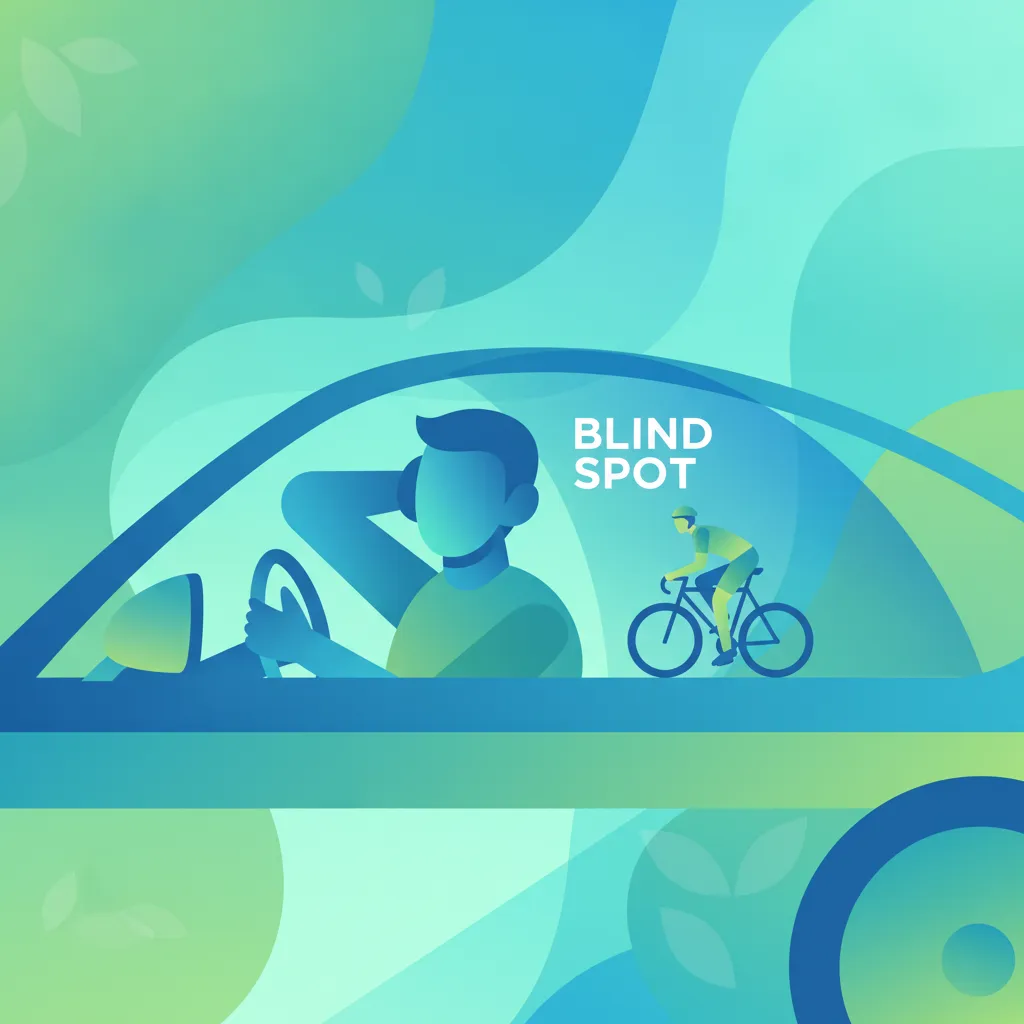
This lesson provides an in-depth analysis of the size and location of blind spots around a typical passenger bus. It teaches systematic scanning patterns that incorporate all mirrors, cameras, and direct head checks to maintain situational awareness. The content highlights high-risk areas where cyclists, pedestrians, or small vehicles can become hidden from view, especially during turns.

This lesson covers the correct techniques for various turning manoeuvres, including how to signal, position your vehicle, and judge gaps in traffic. It also details the legal and safety protocols for overtaking, emphasizing the importance of assessing speed, distance, and oncoming traffic. A thorough understanding of these procedures is crucial for navigating intersections and two-lane roads safely.

This lesson addresses the heightened risks faced by novice drivers, such as a tendency towards overconfidence, the influence of peer pressure, and the dangers of fatigue. It provides practical strategies for managing these risks, maintaining focus while driving, and cultivating a responsible attitude. The goal is to build a strong foundation of safe driving habits from the very beginning of your driving career.

This lesson addresses the unique challenges of streets with dedicated cycle lanes and numerous bus stops. It teaches riders how to anticipate pedestrians moving to and from buses and how to position themselves to avoid conflict with cyclists. The goal is to navigate these complex environments smoothly and safely.
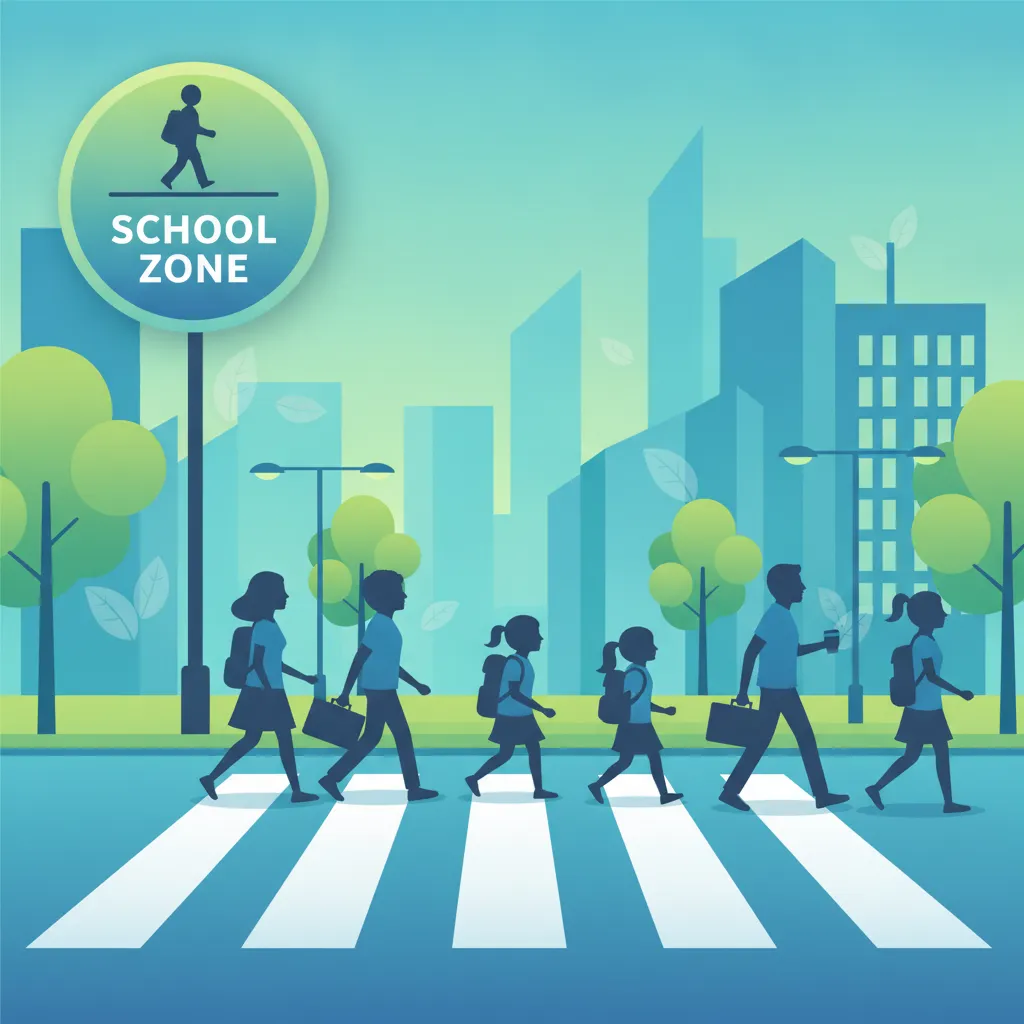
This lesson reinforces the driver's responsibility to protect pedestrians, particularly in busy urban areas and near schools. It details the procedures for approaching pedestrian crossings, the legal requirement to reduce speed significantly in marked school zones, and how to anticipate the unpredictable actions of pedestrians. The content covers traffic calming measures and the legal rights of pedestrians in various settings.
Explore the critical relationship between speed, stopping distances, and maintaining a safety cushion. Learn how to dynamically adjust your speed for various Danish road and weather conditions to ensure consistent safety.

This lesson breaks down the concept of total stopping distance into its core components: perception, reaction, and braking distances. It explains how variables such as vehicle speed, tyre quality, and road friction significantly impact how quickly you can stop. By understanding these principles, you will be ableto maintain a safe following distance and avoid collisions.

This lesson explains the components of total stopping distance: reaction distance and braking distance. It provides instruction on how to use both front and rear brakes effectively for a controlled and efficient stop. The content also highlights how factors like speed, road condition, and tyre quality influence how quickly you can stop.

This lesson teaches the importance of adapting your speed to prevailing conditions, rather than simply adhering to the posted limit. It explains how factors like traffic density, road surface quality, visibility, and adverse weather should influence your speed choice. Developing this risk-aware approach is crucial for maintaining vehicle control and ensuring safety in all driving environments.
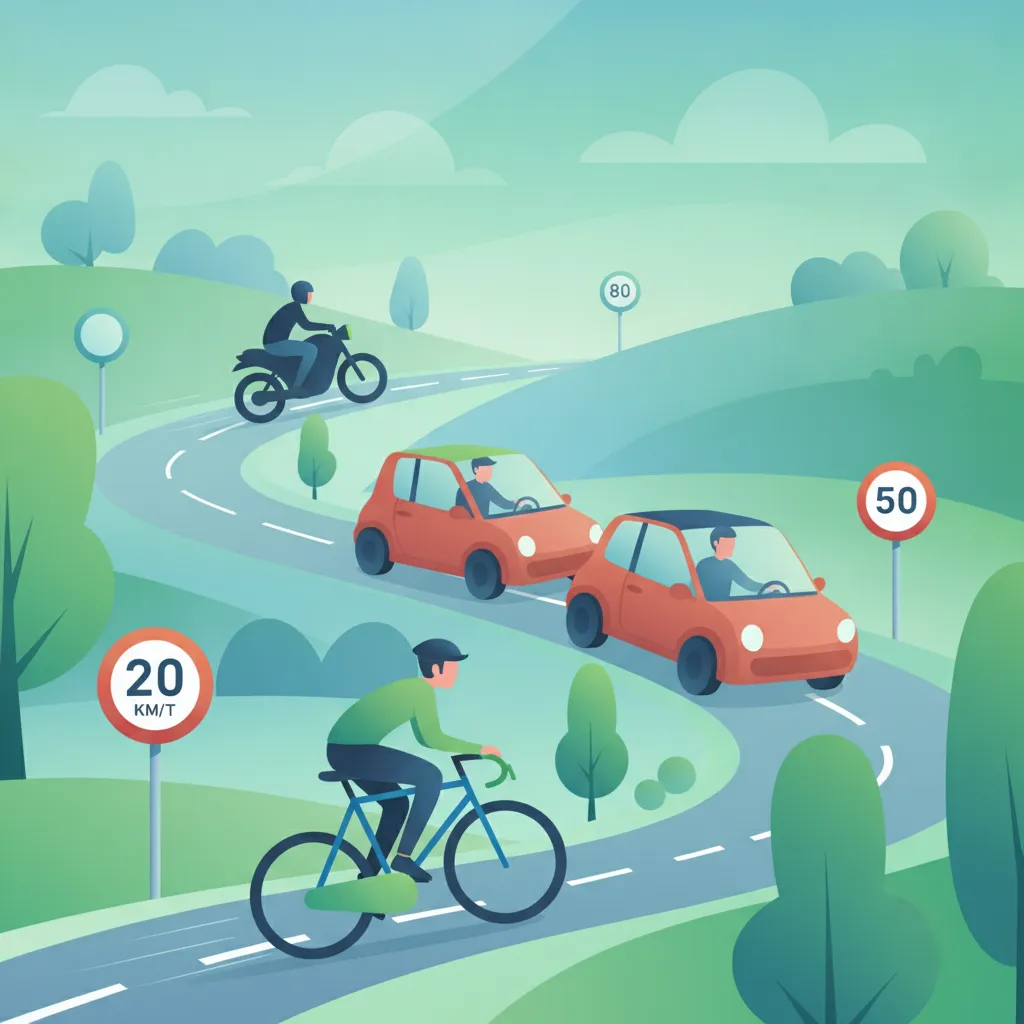
This lesson details the specific speed limits applicable to stor knallert riders in various Danish environments, including urban zones and rural roads. It emphasizes the concept of 'appropriate speed,' which requires adjusting speed based on weather, visibility, and traffic density. The content explains how to manage speed to ensure safety and legal compliance.

This lesson contrasts the driving techniques required for rural roads and motorways. It covers managing speed on narrow, winding lanes with potential hazards like farm machinery or animals. The content also explains the principles of safe motorway driving, including maintaining lane discipline, managing high-speed stability, and executing safe overtaking maneuvers.
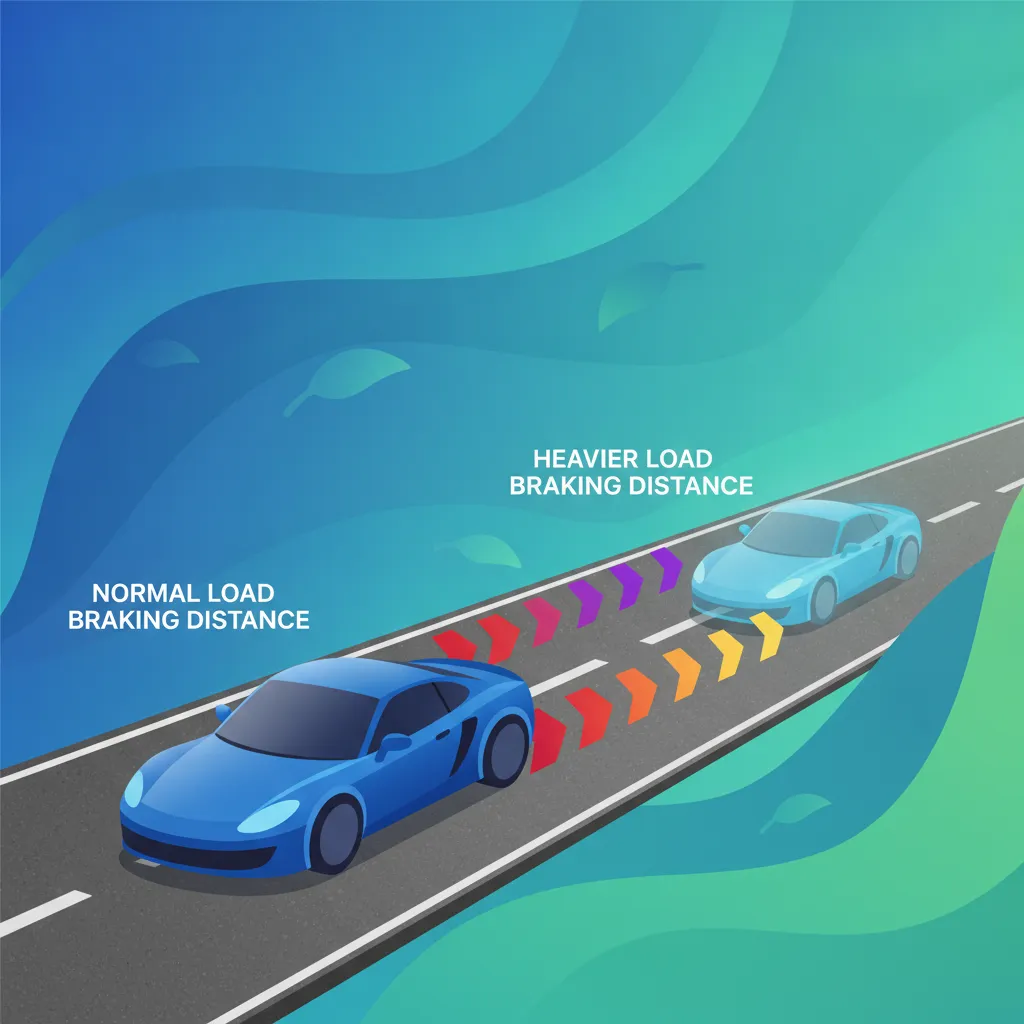
This lesson explores the direct relationship between a vehicle's mass, its speed, and the distance required to stop. It explains how increased load significantly lengthens the braking distance and details how road conditions like gradient and surface friction further affect this calculation. Learners will understand the importance of anticipating stops and maintaining a greater following distance to ensure safety.
This lesson introduces cooperative driving as a fundamental element of road safety in Denmark. It highlights the social responsibility of drivers to act predictably, anticipate the actions of others, and maintain courteous interactions with all road users. By fostering mutual respect and cooperation, you will learn how to reduce the potential for conflict and enhance overall traffic safety.

This lesson teaches the proper application of auxiliary speed control devices, such as retarders and engine brakes. It focuses on their use for maintaining a safe, controlled speed on long downhill gradients, which helps prevent service brake overheating and fade. The content also covers Danish regulations related to these systems and their benefits for reducing brake wear and improving overall safety.
This lesson focuses on interpreting the various markings painted on Danish road surfaces. It explains the rules associated with solid and broken lane lines, directional arrows, and special-purpose lanes for buses and cyclists. Understanding these markings is crucial for maintaining correct lane discipline and safely navigating complex road layouts.
Find clear answers to common questions learners have about Principles of Defensive Driving. Learn how the lesson is structured, which driving theory objectives it supports, and how it fits into the overall learning path of units and curriculum progression in Denmark. These explanations help you understand key concepts, lesson flow, and exam focused study goals.
The theory exam frequently tests your ability to anticipate dangers. A defensive driving mindset helps you correctly answer 'what would you do' scenarios by prioritizing safety and hazard mitigation over speed or convenience.
Rules provide the legal baseline, while defensive driving is about managing the unpredictability of others. It involves active scanning to compensate for other drivers' mistakes, cyclists' movements, or poor visibility.
In dense Danish urban traffic, maintain a following distance that accounts for speed and visibility, and stay aware of blind spots. Avoid clustering with other vehicles, especially near cyclists or public transport.
Yes, always anticipate that a cyclist might turn or stop suddenly, especially at intersections. Defensive driving requires you to slow down and verify the cyclist's position before committing to a turn or manoeuvre.
Use our powerful search tool to pinpoint specific Danish driving theory topics, road signs, or traffic situations you need to review. Start exploring relevant practice sets now to reinforce your knowledge and build confidence for your upcoming driving licence exam.