
This lesson guides you through the specific regulations for navigating around bus lanes and bus stops in Denmark. It is a critical part of the urban driving unit, building on your knowledge of road sharing and traffic hierarchy to prepare you for common scenarios in the official theory test.
Lesson content overview
Understanding the specific rules and safety considerations surrounding bus lanes and bus stops is crucial for any driver in Denmark preparing for their Category B driving license. These regulations are designed to ensure the smooth, efficient operation of public transport while prioritizing the safety of passengers and other vulnerable road users. Adhering to these guidelines not only prevents accidents but also contributes to better traffic flow in urban environments.
This lesson will detail when other vehicles may use bus lanes, the legal requirement to yield to buses pulling away from a stop, and the critical importance of being cautious around embarking or disembarking passengers. It builds upon foundational knowledge of basic priority rules, road markings, and general vehicle positioning.
Bus lanes are dedicated sections of the road reserved primarily for public transportation buses. Their main purpose is to allow buses to maintain their schedules by bypassing general traffic congestion, thereby promoting public transport efficiency. In many Danish cities, these lanes are a fundamental part of the urban traffic network.
Bus lanes are typically distinguished by specific road markings and signage. They are often marked with a broad, solid white line, and sometimes the lane itself is painted blue or features the word "BUS" prominently.
You will also encounter specific traffic signs indicating the presence and rules of a bus lane.
This sign, often accompanied by supplementary signs, clarifies which vehicles are permitted to use the lane and during what hours.
Not all bus lanes are exclusively for buses. Danish traffic law differentiates between various types, and it is vital to know the specific rules for each to avoid violations.
Always pay close attention to the signage and road markings. If a bus lane sign includes additional symbols (e.g., a taxi symbol or bicycle symbol), it indicates a mixed-use lane where those specific vehicles are also permitted. Time restrictions, such as "Mandag-Fredag 7-18" (Monday-Friday 7 AM - 6 PM), are also commonly displayed, indicating when the bus lane rules are active.
During operational hours, non-authorized vehicles are generally prohibited from entering or driving in a bus lane. This means:
Common Misunderstandings: A frequent mistake drivers make is assuming that an empty bus lane can be used freely, especially outside of peak hours or if no bus is immediately visible. The rules apply regardless of current traffic volume or bus presence. Another misunderstanding is believing that all lanes with a bicycle symbol automatically permit bikes to travel anywhere; this is often specific to mixed-use bus lanes.
A fundamental rule in Danish traffic law, designed to ensure safety and maintain public transport flow, dictates that drivers must yield to buses signalling their intention to pull away from a stop. This rule grants buses a special right-of-way in specific situations.
When a bus is stopped at a designated bus stop and signals its intention to re-enter traffic (typically by activating its left indicator), all other approaching vehicles in the adjacent lane are legally required to slow down and give way. This means you must adjust your speed, and if necessary, stop, to allow the bus to merge safely.
The mandatory obligation for drivers to give way to a public transport bus that is signalling its intention to leave a designated stop and merge into the flow of traffic.
This rule applies universally, regardless of whether you are driving a small car or a larger vehicle, and irrespective of the traffic conditions. The bus does not have to wait for a gap; it signals its intent, and other drivers must create that gap.
The rationale behind this rule is multifaceted:
Common Misunderstandings: Many drivers mistakenly believe that a bus stopped at a red light or a stop sign must yield to oncoming traffic like any other vehicle. This is incorrect when the bus is pulling away from a designated stop. While a bus must obey traffic signals, when it is leaving a marked stop, the special yielding rule takes precedence for vehicles in adjacent lanes. Similarly, it is dangerous and incorrect to assume you can safely overtake a bus that is signalling to pull away.
Beyond yielding to buses, drivers have a significant responsibility to prioritize the safety of passengers at and around bus stops. These are areas where pedestrians, especially children or those with limited mobility, may act unpredictably, and drivers must exercise extreme caution.
Passengers getting on or off a bus are pedestrians and are among the most vulnerable road users. They may be distracted, in a hurry, or their view of oncoming traffic might be obscured by the bus itself. Children, in particular, may dart out from behind or in front of a bus without looking.
Always assume that passengers may cross the road unexpectedly, even if there isn't a designated crossing nearby. Reduce your speed and be prepared to stop instantly.
It is generally prohibited to overtake a bus that is stopped at a designated stop for passengers to board or alight, especially if doing so could endanger those passengers. This rule is particularly stringent when the bus is positioned in a bus lane, where overtaking might bring you into conflict with other authorized vehicles or vulnerable pedestrians.
Even if the lane ahead appears clear, the risk of a passenger stepping out from behind or in front of the bus into your path is too great. The safest and legally compliant behavior is to wait patiently behind the bus until it has departed and the road ahead is clear of any potential pedestrian hazards.
When approaching a bus stop, even if the bus is not currently stopped there, it is good practice to reduce your speed. This provides you with more time to react if a bus suddenly pulls in or if pedestrians are waiting or crossing.
If a bus is stopped, maintain a generous safe distance. This gap is not just for avoiding a rear-end collision, but also to give you adequate space to react to passengers moving around the bus or crossing the road. Never attempt to squeeze past a bus if there isn't ample space, or if doing so would put passengers at risk.
The rules concerning bus lanes, yielding to buses, and passenger safety are enshrined in Danish traffic law. Violations are taken seriously and can result in significant penalties.
Penalties for these violations typically include monetary fines. Repeated or severe infractions could lead to further consequences, such as points on your license or even license suspension in extreme cases.
Your behavior around bus lanes and stops should always be adapted to the prevailing conditions.
Mastering interactions with buses and passengers at stops is fundamental for safe and responsible driving in Denmark.
These principles are not merely bureaucratic rules; they are essential safety guidelines that contribute to smooth traffic flow, prevent accidents, and protect the most vulnerable road users. By integrating these practices into your daily driving, you demonstrate a commitment to responsible and considerate road sharing, a cornerstone of Danish traffic culture.
This lesson covers Danish rules for navigating bus lanes and stops, which are essential for both the Category B theory test and safe urban driving. Bus lanes come in two types: vehicle-only lanes reserved strictly for buses, and mixed-use lanes that also permit taxis, bicycles, or emergency vehicles as shown on signage. A critical rule is the mandatory yielding requirement—when a bus signals to pull away from a designated stop, you must give way and allow it to merge into traffic. Passenger safety demands extra vigilance near stops, including reduced speed, maintaining safe distances, and never overtaking a bus that is stopped for boarding or alighting. These rules are enforced with fines, and violations can result in points or license suspension for repeated offenses.
A short set of high-value points that capture the most important learning from this lesson.
Bus lanes are either vehicle-only (strictly for buses) or mixed-use (allowing taxis, bicycles, and emergency vehicles as indicated by signage)
You must yield to any bus that signals its intention to pull away from a designated stop, regardless of traffic conditions or lane position
Never drive along a bus lane for extended distances; you may only cross it briefly when turning or entering/exiting a property
Do not overtake a stopped bus that is boarding or alighting passengers, as they may step into your path unexpectedly
Always respect operational hours displayed on bus lane signs, as restrictions apply regardless of whether a bus is currently visible
Explore all units and lessons included in this driving theory course.
Bus lane rules apply at all times during operational hours, even if the lane appears empty and no bus is visible
Mixed-use lanes show additional symbols (taxi, bicycle) on signs or road markings to indicate permitted vehicles
When a bus signals left to pull away from a stop, it has priority—you must create a gap and allow it to merge
Passengers boarding or alighting are vulnerable pedestrians who may cross unexpectedly from behind or in front of the bus
Larger vehicles, trailers, or driving in poor weather conditions require even greater caution and earlier planning around bus stops
Assuming an empty bus lane can be used freely outside peak hours—the rules apply based on signage, not current traffic
Believing a bus must yield to you when it signals to pull away—in fact, you must yield to the bus
Confusing all bicycle-marked lanes with mixed-use bus lanes; bicycle symbols alone don't indicate a bus lane
Attempting to overtake a stopped bus to save time, risking collision with passengers stepping onto the road
Crossing a bus lane and continuing to drive along it instead of only crossing for the minimum necessary distance
Lesson content overview
A short set of high-value points that capture the most important learning from this lesson.
Bus lanes are either vehicle-only (strictly for buses) or mixed-use (allowing taxis, bicycles, and emergency vehicles as indicated by signage)
You must yield to any bus that signals its intention to pull away from a designated stop, regardless of traffic conditions or lane position
Never drive along a bus lane for extended distances; you may only cross it briefly when turning or entering/exiting a property
Do not overtake a stopped bus that is boarding or alighting passengers, as they may step into your path unexpectedly
Always respect operational hours displayed on bus lane signs, as restrictions apply regardless of whether a bus is currently visible
Explore all units and lessons included in this driving theory course.
Bus lane rules apply at all times during operational hours, even if the lane appears empty and no bus is visible
Mixed-use lanes show additional symbols (taxi, bicycle) on signs or road markings to indicate permitted vehicles
When a bus signals left to pull away from a stop, it has priority—you must create a gap and allow it to merge
Passengers boarding or alighting are vulnerable pedestrians who may cross unexpectedly from behind or in front of the bus
Larger vehicles, trailers, or driving in poor weather conditions require even greater caution and earlier planning around bus stops
Assuming an empty bus lane can be used freely outside peak hours—the rules apply based on signage, not current traffic
Believing a bus must yield to you when it signals to pull away—in fact, you must yield to the bus
Confusing all bicycle-marked lanes with mixed-use bus lanes; bicycle symbols alone don't indicate a bus lane
Attempting to overtake a stopped bus to save time, risking collision with passengers stepping onto the road
Crossing a bus lane and continuing to drive along it instead of only crossing for the minimum necessary distance
Explore search topics learners often look for when studying Bus Lanes, Bus Stops, and Passenger Safety. These topics reflect common questions about road rules, driving situations, safety guidance, and lesson level theory preparation for learners in Denmark.
Browse additional driving theory lessons that cover connected traffic rules, road signs, and common driving situations related to this topic. Improve your understanding of how different rules interact across everyday traffic scenarios.
Understand specific Danish regulations for bus lanes and the mandatory rules for yielding to buses when they pull away from stops. Essential theory for safe urban driving and Category B license preparation.
This lesson explains the regulations governing the use of dedicated bus lanes in Denmark. It covers when it is permissible to enter and exit these lanes, how to merge safely with general traffic, and the meaning of specific road markings. The content also details how public transport priority systems at traffic lights work and how drivers should respond to them.
This lesson addresses the specific skills required to navigate around public transport and heavy goods vehicles safely. You will learn the rules for bus lanes, recognize when buses have priority at stops, and understand the unique challenges posed by large vehicles, such as wider turning circles and larger blind spots. The material also provides clear protocols for overtaking these vehicles while maintaining adequate safety margins.
This lesson covers the core principles of defensive driving in an urban context. It teaches drivers how to anticipate the actions of other road users, maintain safe following distances in dense traffic, and navigate complex intersections with multiple signals. The content emphasizes heightened awareness of pedestrians, cyclists, and unexpected events common in Danish city environments.
This lesson contrasts the driving techniques required for rural roads and motorways. It covers managing speed on narrow, winding lanes with potential hazards like farm machinery or animals. The content also explains the principles of safe motorway driving, including maintaining lane discipline, managing high-speed stability, and executing safe overtaking maneuvers.
This lesson addresses the unique challenges of streets with dedicated cycle lanes and numerous bus stops. It teaches riders how to anticipate pedestrians moving to and from buses and how to position themselves to avoid conflict with cyclists. The goal is to navigate these complex environments smoothly and safely.
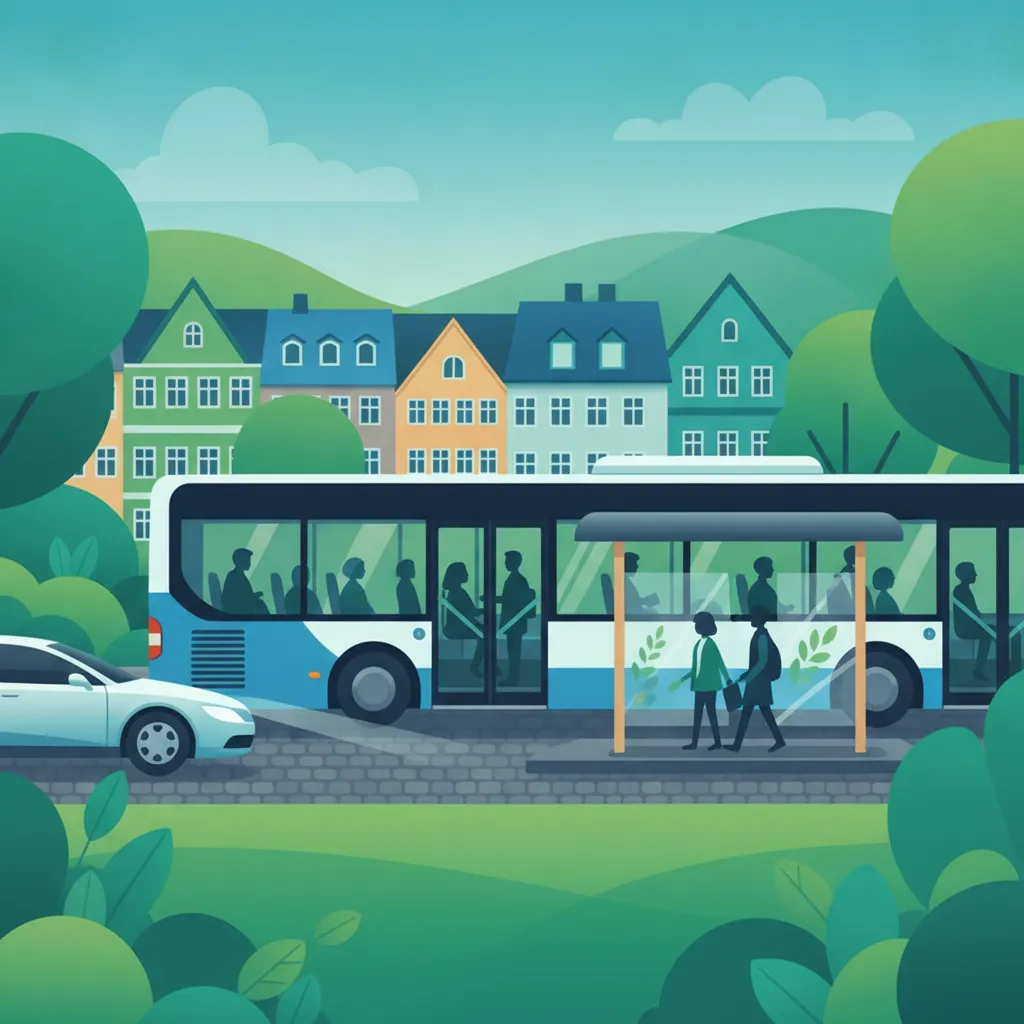
This lesson focuses on the precise maneuvers required for approaching and stopping at bus stops. It covers how to manage vehicle speed, align the bus parallel to the curb for safe access, and correctly position it relative to stop lines and shelters. The content also explains how to interpret Danish road signs and markings specific to public transport stops.
This lesson provides critical guidance for driving in environments with heavy cycle traffic, typical of Danish cities. It focuses on identifying and yielding to cyclists in dedicated bike lanes, especially when turning right across their path. The content emphasizes advanced observation skills to detect cyclists in blind spots and the importance of giving adequate space.
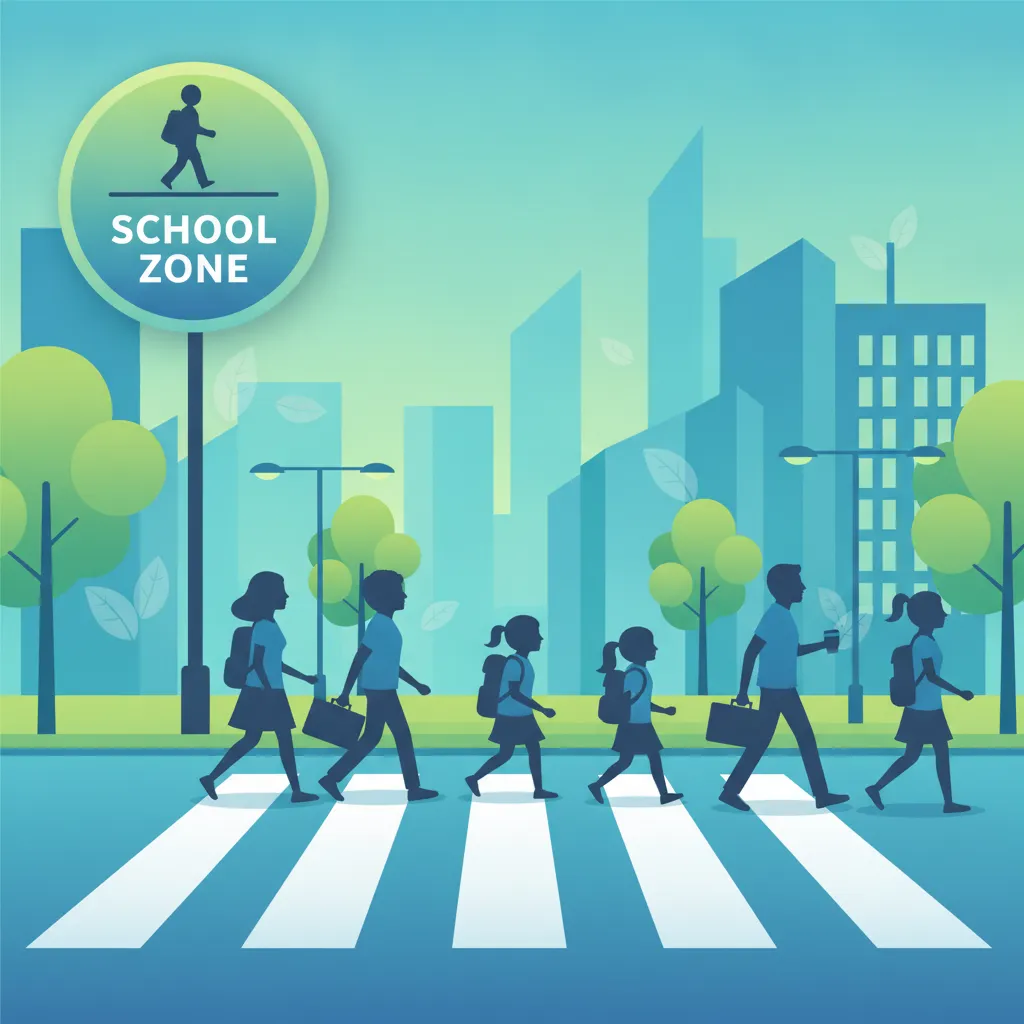
This lesson reinforces the driver's responsibility to protect pedestrians, particularly in busy urban areas and near schools. It details the procedures for approaching pedestrian crossings, the legal requirement to reduce speed significantly in marked school zones, and how to anticipate the unpredictable actions of pedestrians. The content covers traffic calming measures and the legal rights of pedestrians in various settings.
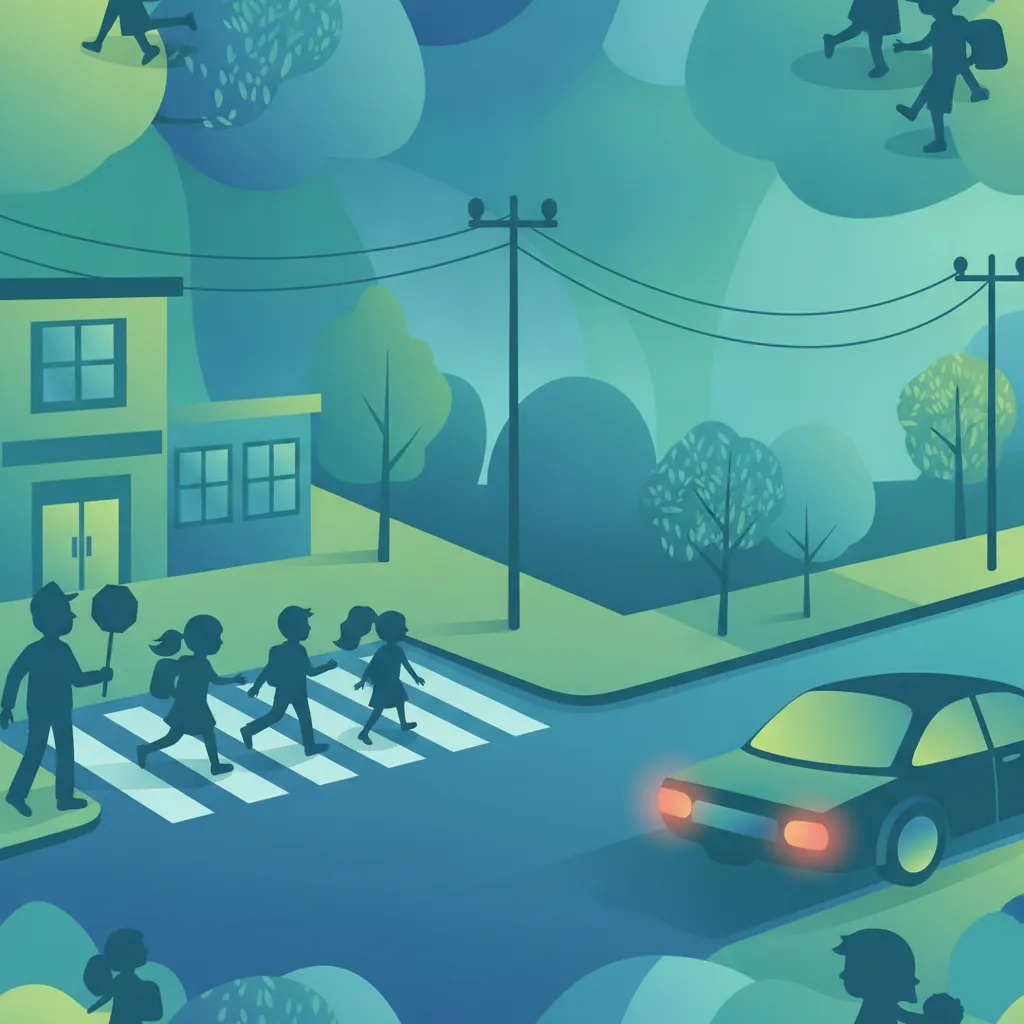
This lesson details the legal requirements and safety protocols for operating a bus near schools and pedestrian crossings. It covers mandatory speed reductions, the rules for yielding to pedestrians, and techniques for anticipating the sudden movements of children. The content emphasizes the importance of constant visual scanning and maintaining a high state of alert in these sensitive areas.
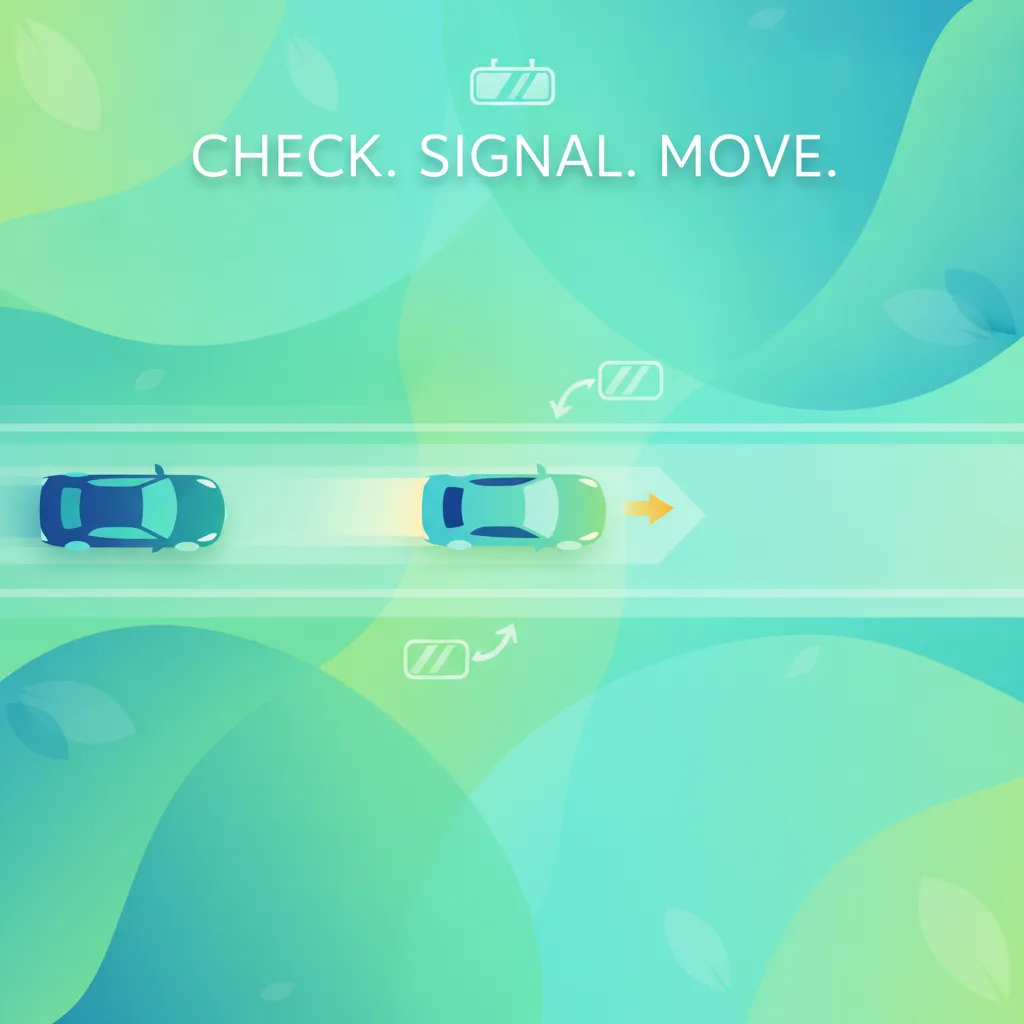
This lesson explains the principles of correct lane discipline, including proper positioning within your lane and adherence to road markings. It provides a clear, safe procedure for changing lanes, which includes signalling your intentions early, checking mirrors, and performing a final shoulder check for the blind spot. Mastering this process is essential for smooth and safe navigation in multi-lane traffic.
Learn about ensuring passenger safety and protecting vulnerable pedestrians around bus stops and in urban traffic. Essential theory for Danish drivers focusing on observation and defensive driving principles.
This lesson covers the core principles of defensive driving in an urban context. It teaches drivers how to anticipate the actions of other road users, maintain safe following distances in dense traffic, and navigate complex intersections with multiple signals. The content emphasizes heightened awareness of pedestrians, cyclists, and unexpected events common in Danish city environments.
This lesson reinforces the driver's responsibility to protect pedestrians, particularly in busy urban areas and near schools. It details the procedures for approaching pedestrian crossings, the legal requirement to reduce speed significantly in marked school zones, and how to anticipate the unpredictable actions of pedestrians. The content covers traffic calming measures and the legal rights of pedestrians in various settings.

This lesson addresses the unique challenges of driving in tourist-heavy urban centers alongside cyclists. It teaches drivers to anticipate the behavior of individuals who may be distracted or unfamiliar with local traffic rules. The content provides strategies for communicating intentions clearly and navigating safely around large groups, luggage, and cyclists.
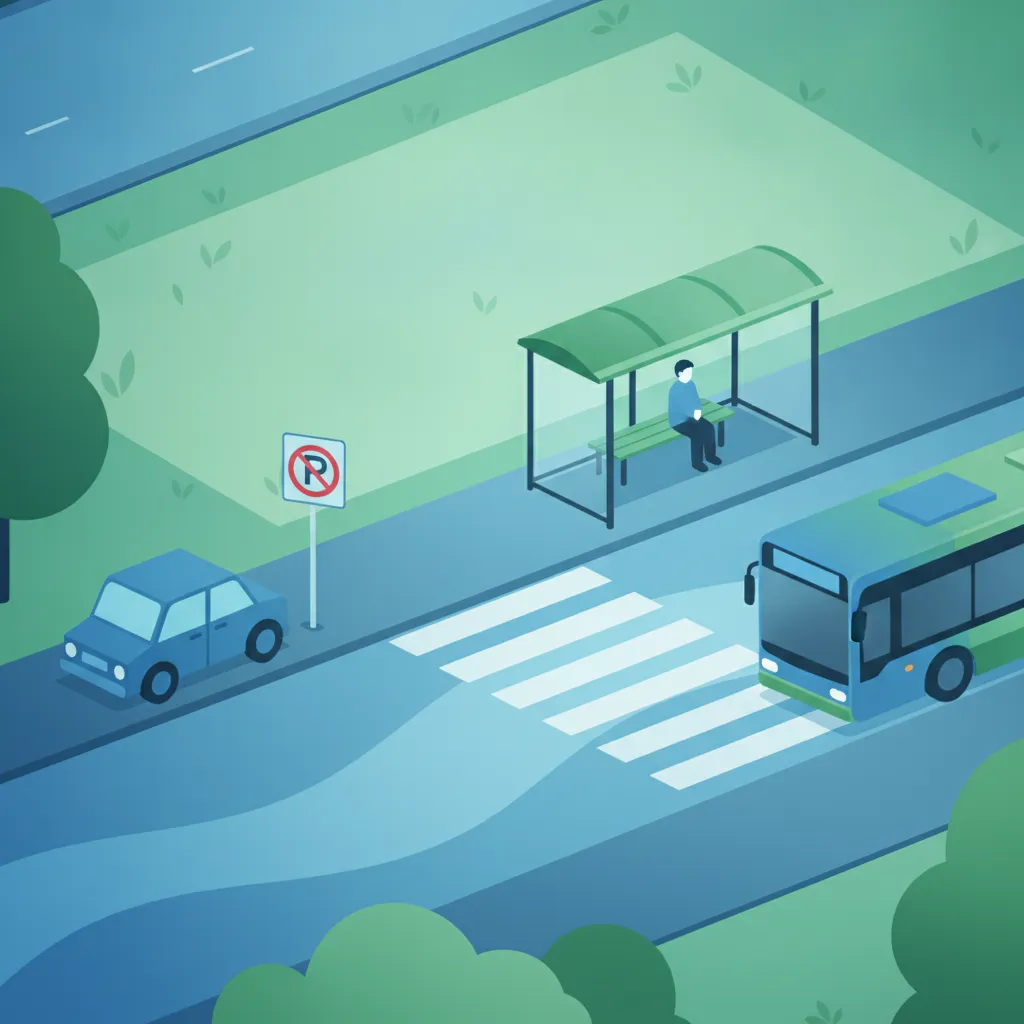
This lesson focuses on identifying and mitigating common hazards in built-up areas. It covers the risks associated with pedestrians emerging from behind buses or parked cars, and the danger of suddenly opening car doors. Learners will understand the importance of reducing speed and increasing observation in these high-risk environments.
This lesson provides critical guidance for driving in environments with heavy cycle traffic, typical of Danish cities. It focuses on identifying and yielding to cyclists in dedicated bike lanes, especially when turning right across their path. The content emphasizes advanced observation skills to detect cyclists in blind spots and the importance of giving adequate space.
This lesson details the legal requirements and safety protocols for operating a bus near schools and pedestrian crossings. It covers mandatory speed reductions, the rules for yielding to pedestrians, and techniques for anticipating the sudden movements of children. The content emphasizes the importance of constant visual scanning and maintaining a high state of alert in these sensitive areas.
This lesson addresses the unique challenges of streets with dedicated cycle lanes and numerous bus stops. It teaches riders how to anticipate pedestrians moving to and from buses and how to position themselves to avoid conflict with cyclists. The goal is to navigate these complex environments smoothly and safely.
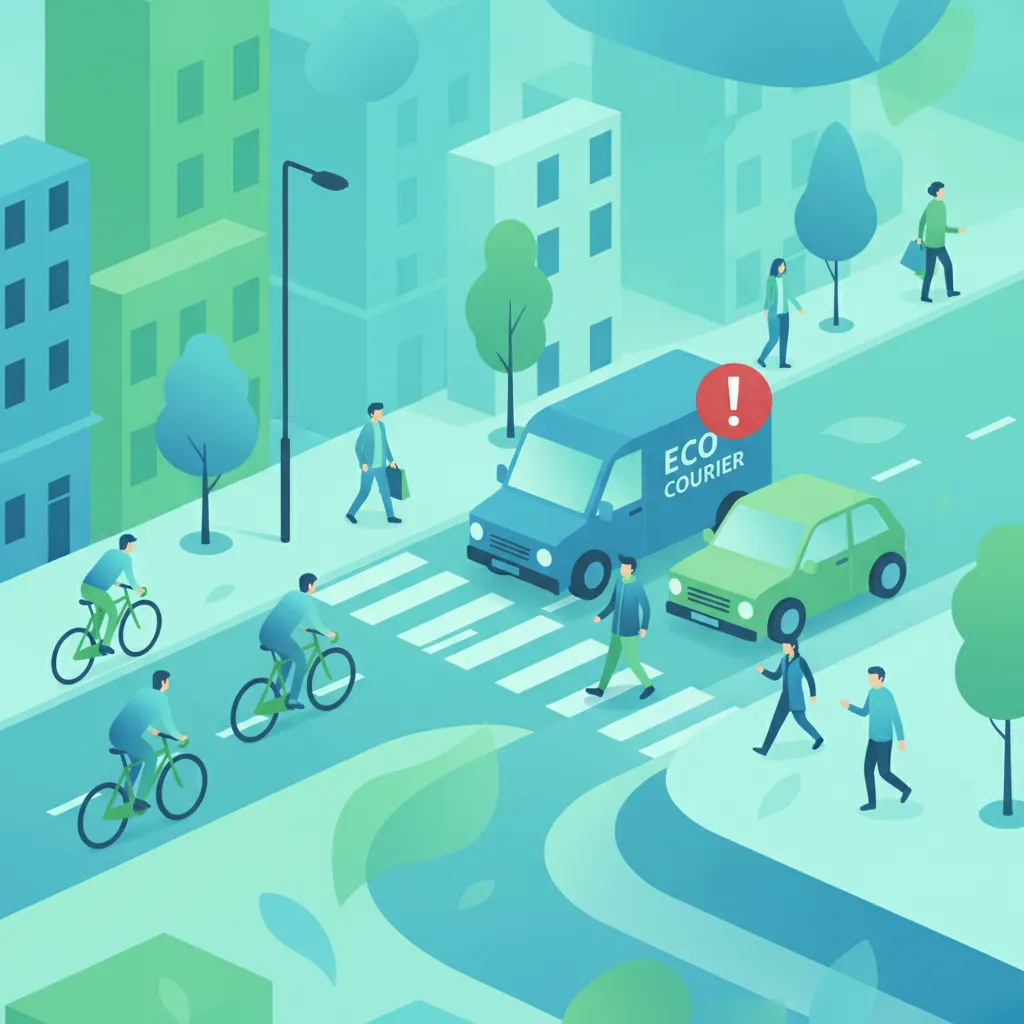
This lesson trains drivers to perform a risk assessment of bus stops along their route. It explains how to identify hazards such as poor visibility, proximity to busy intersections, or obstructed pedestrian access. The content provides proactive strategies for positioning the bus and managing passenger boarding and alighting to mitigate the identified risks effectively.
This lesson addresses the specific skills required to navigate around public transport and heavy goods vehicles safely. You will learn the rules for bus lanes, recognize when buses have priority at stops, and understand the unique challenges posed by large vehicles, such as wider turning circles and larger blind spots. The material also provides clear protocols for overtaking these vehicles while maintaining adequate safety margins.
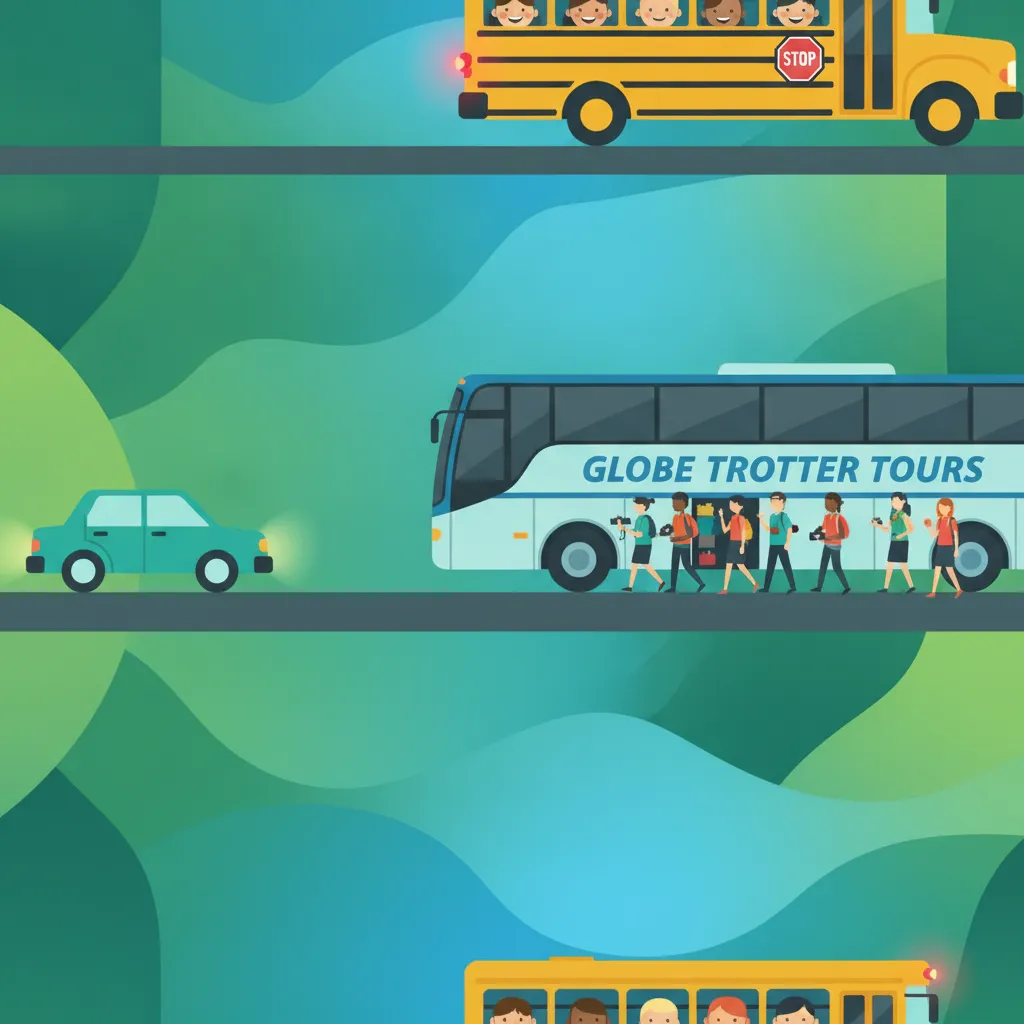
This lesson addresses the specific challenges of school and tourist transport. It outlines heightened safety protocols for stops near schools, including monitoring child behavior and working with school patrols. The content also covers techniques for managing large groups of tourists, dealing with luggage, and providing clear information at popular destinations.
Find clear answers to common questions learners have about Bus Lanes, Bus Stops, and Passenger Safety. Learn how the lesson is structured, which driving theory objectives it supports, and how it fits into the overall learning path of units and curriculum progression in Denmark. These explanations help you understand key concepts, lesson flow, and exam focused study goals.
Yes, if the bus is inside the built-up area and indicates its intention to pull out, you must reduce your speed or stop to allow the bus to enter the traffic flow, provided it does not create a dangerous situation for you or others.
In Denmark, bus lanes are exclusively for public transport. You may only cross them to turn off the road or to enter the road from a driveway, provided you do not obstruct buses.
The primary risk is passengers, especially children, stepping out from in front of or behind the bus to cross the road. You must always exercise extreme caution and be prepared to stop.
The test often presents images of buses at stops or lanes and asks if you should proceed, overtake, or yield. Understanding the specific 'when and where' is key to selecting the correct answer.
Use our powerful search tool to pinpoint specific Danish driving theory topics, road signs, or traffic situations you need to review. Start exploring relevant practice sets now to reinforce your knowledge and build confidence for your upcoming driving licence exam.