
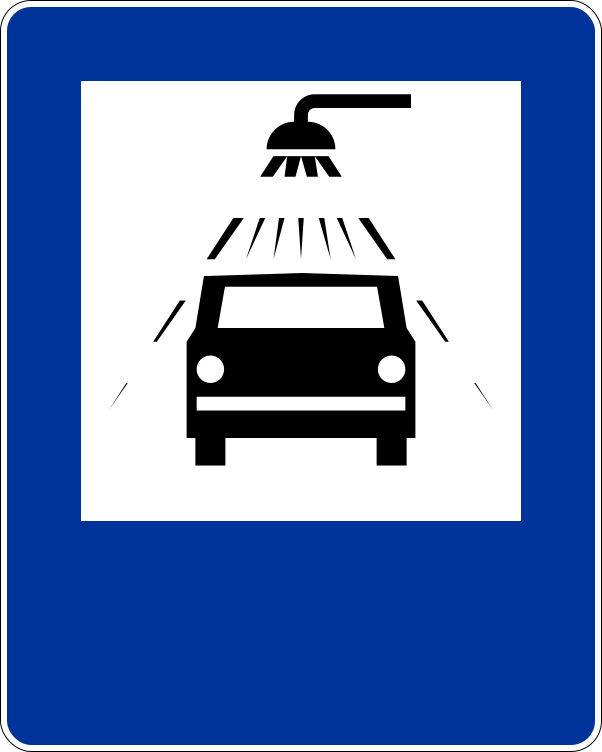
The D-26b sign, depicting a car being washed, informs drivers of an upcoming car wash facility. This sign is purely informational, guiding you to a place where you can clean your vehicle. While keeping your car clean is important for appearance, it's also crucial for safety, especially in winter to remove corrosive salt, and to ensure visibility through clean windows and lights. It's useful to note potential height restrictions at automatic washes.
The D-26b 'Car Wash' sign indicates facilities for vehicle cleanliness, essential for safe, legal driving in Poland. This traffic sign explanation is vital for your theory test, ensuring correct interpretation of information signs and their practical application.
The D-26b sign features a black shower-like symbol over a car. It indicates the location of a car wash (Myjnia), which could be a self-service jet wash, an automatic brush wash, or a professional hand-wash service. Keeping your car clean is not just about aesthetics; in winter, washing off road salt is crucial to prevent rust, and keeping windows/lights clean is a legal safety requirement.
Informs you that a vehicle washing facility is located nearby.
Get clear, practical answers to the most common questions about the D-26b - Car Wash road sign. Learn how the sign works, what rules it represents, and how it affects real driving situations. This FAQ strengthens your understanding and supports accurate decision making for the Polish driving theory exam in Poland.
The D-26b sign indicates that a car wash facility, also known as 'Myjnia', is located nearby. It's an informational sign to help drivers locate services for cleaning their vehicles.
No, the D-26b sign is not mandatory. It simply provides information about the availability of a car wash. You are not required to use the facility or change your driving route unless you choose to.
You should not use the car wash area for mechanical repairs or oil changes. Additionally, blocking the exit while drying or vacuuming, or washing a vehicle that is leaking oil or hazardous chemicals into the drains, is prohibited.
Yes, if you plan to use an automatic car wash, it's advisable to check for height restrictions, especially if you drive a larger vehicle like an SUV or have a roof rack, to prevent damage.
Keeping your car clean is vital for safety and maintenance. In winter, washing off road salt prevents rust. Ensuring windows and lights are clean is a legal requirement for good visibility and safe driving.
A clear reference image of the D-26b - Car Wash road sign used in Poland.
The D-26b - Car Wash road sign may also be known by these alternative names or terms.
The D-26b - Car Wash road sign is part of the Information Signs (D) category, which groups together signs with similar rules and functions.
Master Polish road signs by comparing similar ones, which aids in recognition and reduces errors during your theory test revision. Effective traffic sign comparison is key to understanding nuances and improving your exam preparation.
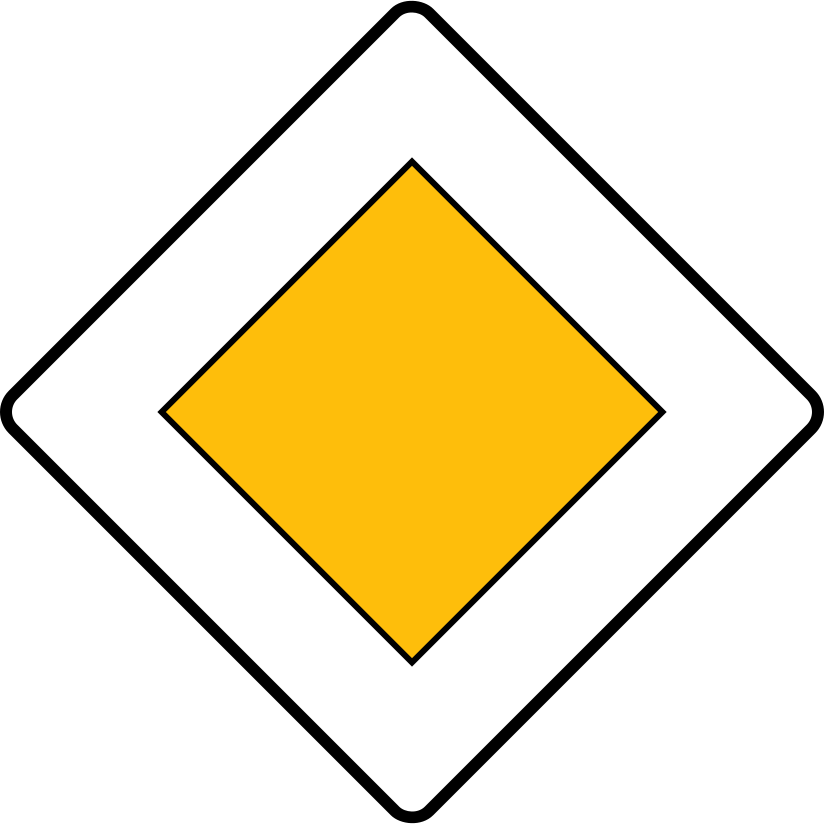
The D-1 Priority Road sign means you have the right of way.
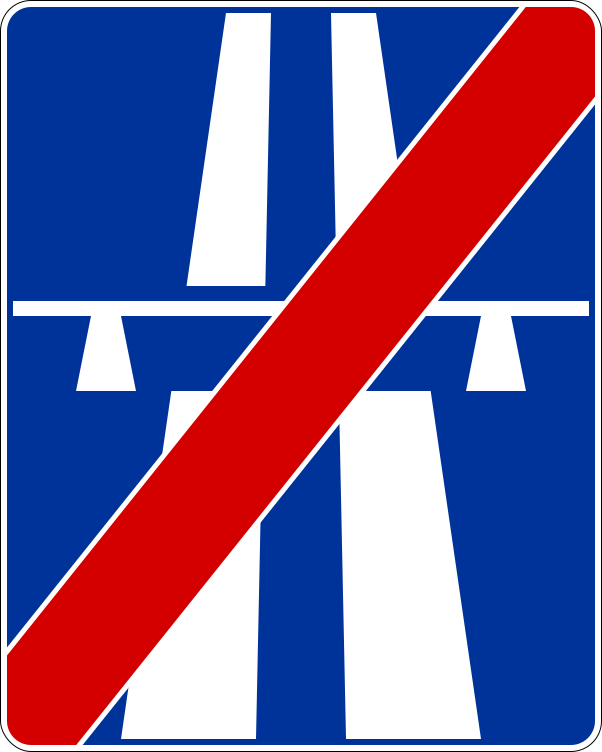
Prepare for the End of the Motorway with the D-10 Sign
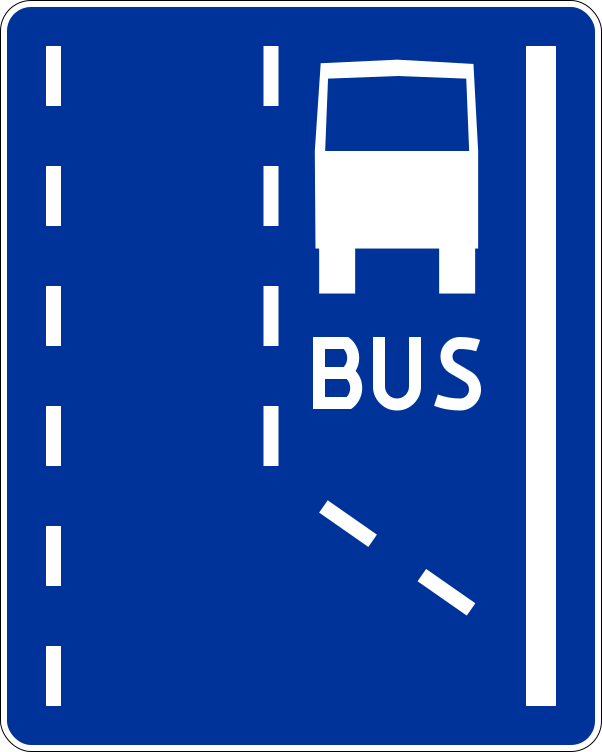
D-11 Road Sign: You're Approaching the Start of a Bus Lane
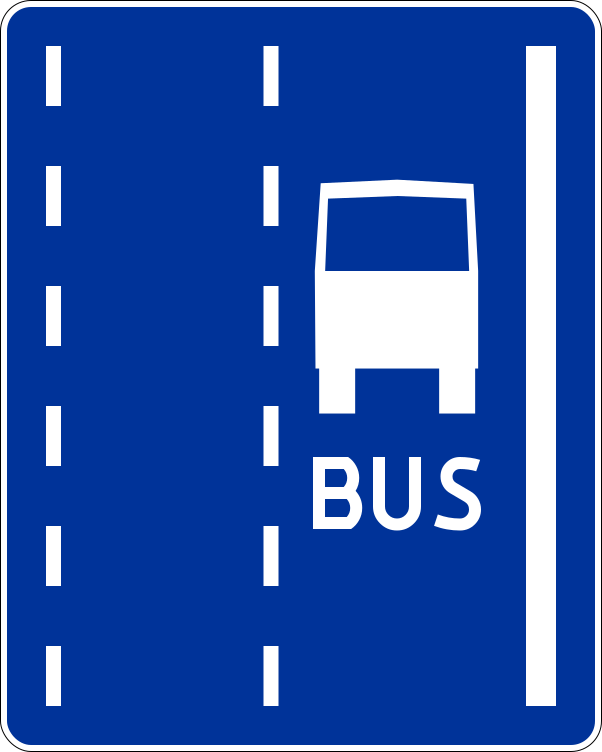
The D-12 'Bus Lane' sign confirms the lane remains exclusively for buses and authorized vehicles.
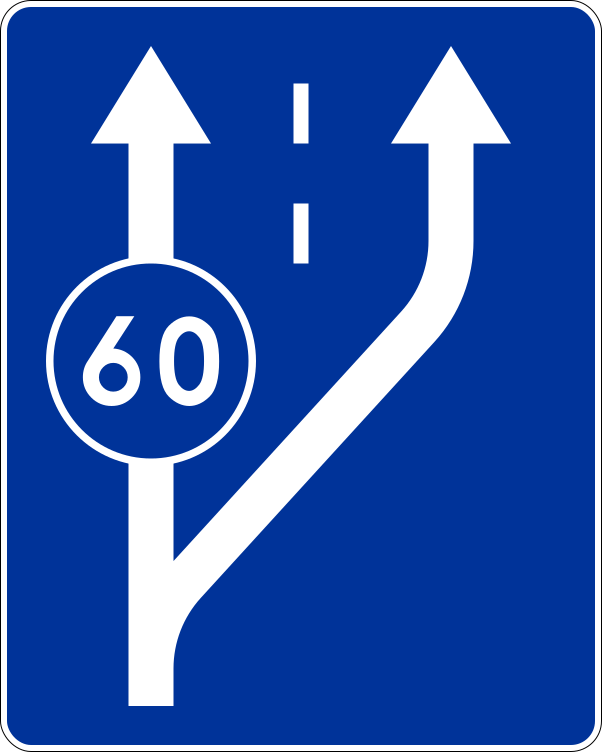
D-13 Sign: Prepare for the Start of a Slow-Moving Traffic Lane
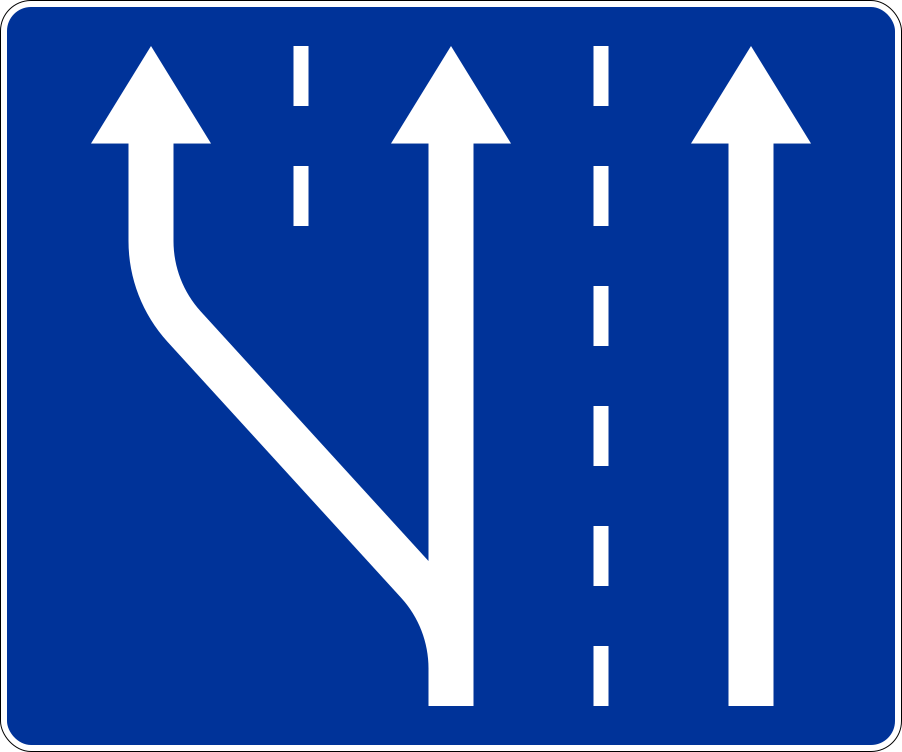
The D-13a 'Start of Lane' sign means a new lane is opening up ahead.
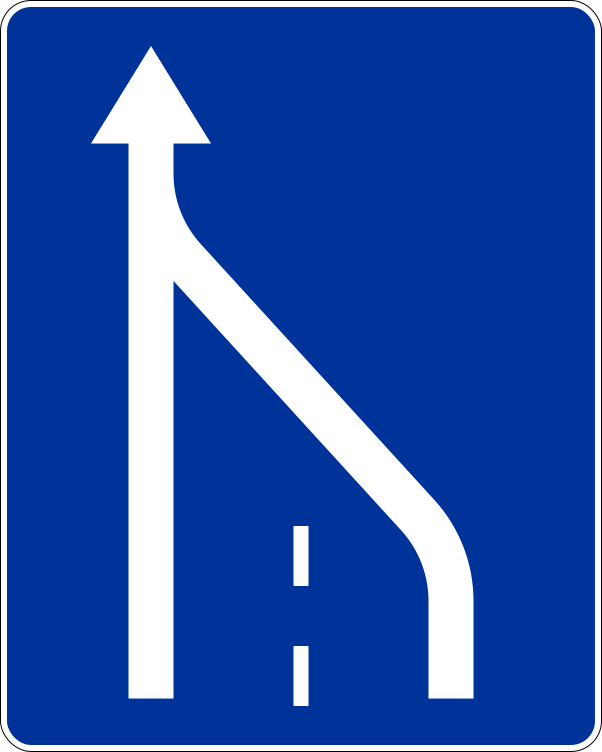
D-14 End of Lane: Know When and How to Merge Safely
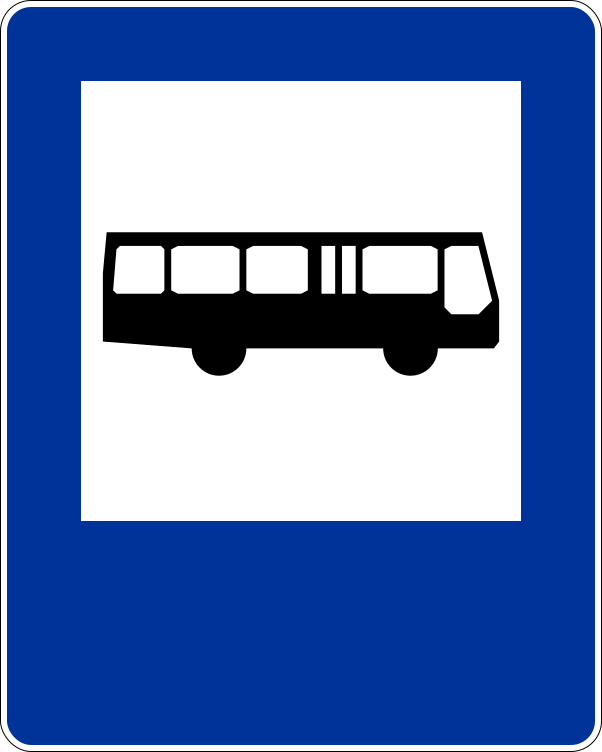
The D-15 'Bus Stop' Sign: Understanding and Reacting to Public Transport Stops
Deepen your understanding of specific road signs by reviewing official Polish traffic rules and associated real-world driving scenarios. These expert-led resources help you bridge the gap between visual recognition and practical exam application.
When selling a car in Poland, you have specific legal duties regarding insurance and registration that must be met promptly. This article clarifies these seller obligations, including the crucial 14-day window to inform your insurer and the 30-day deadline to notify the relevant communication department, ensuring a smooth and compliant transfer of ownership for both parties.
Learning to assess the state of your transmission fluid is a vital skill for every driver, helping you identify early warning signs of mechanical wear or contamination. By understanding what constitutes healthy fluid versus signs of potential damage, you can take proactive steps to protect your vehicle and improve driving safety. This guide focuses on observation and basic checks, aligning with the technical knowledge required for responsible vehicle ownership.
Don't Be a Road Block: Master Minimum Speeds and Smooth Traffic Flow for Your Polish Exam!
Know Your Obligations: What to Do After a Road Incident in Poland.
The D-17 sign marks a tram stop. It features a black tram silhouette on a blue and white background. Trams often stop in the middle of the road, meaning passengers must cross the car lane to reach the sidewalk. In such cases, drivers are legally required to stop and allow passengers safe passage between the tram and the curb. Even if the tram is not at the stop, drivers should be alert for people waiting near the tracks.
The D-21 sign is an informational sign showing a black hospital bed silhouette on a white background within a blue square. It alerts drivers to the presence of a medical facility nearby. Drivers should be aware that ambulances may be entering or exiting the area frequently with sirens and lights. It is also common for traffic around hospitals to be slower due to people looking for entrances or dropping off patients.
After reviewing the full list of Polish road signs, explore specific sign categories for in-depth understanding. Challenge your knowledge with practice questions focused on sign recognition and interpretation to solidify your preparation for the driving theory exam.
Browse All Polish Road Signs