
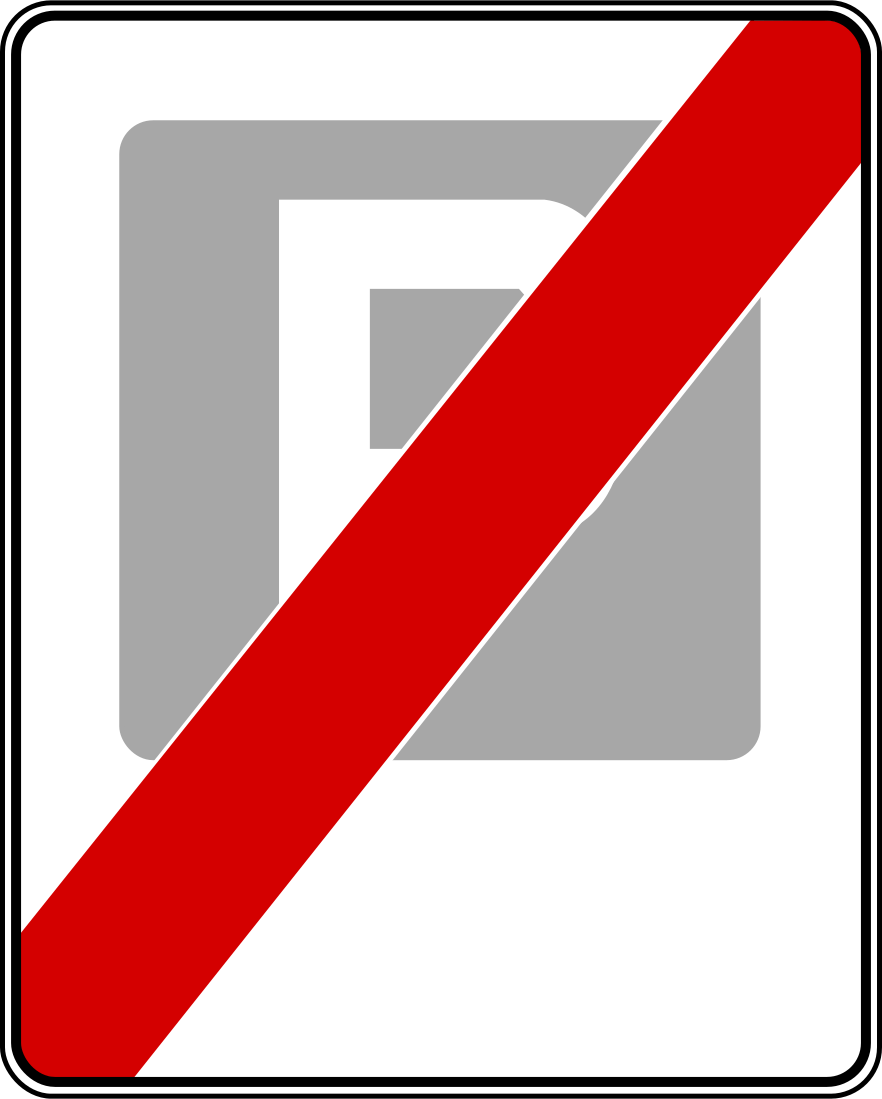
The D-45 'End of Paid Parking Zone' sign indicates that you are exiting an area where you were required to pay for parking. It signifies the end of metered parking regulations, meaning you no longer need to pay to park your vehicle if allowed. However, always check for other parking restriction signs, as parking might still be prohibited or regulated in this new area. This sign is crucial for drivers to avoid unnecessary parking fees and understand current regulations.
The D-45 sign is crucial for Polish drivers to recognize when leaving a designated paid parking zone, preventing unnecessary parking payments. Proper sign interpretation for this traffic sign explanation is vital for your driving theory test revision and ensuring compliance with Polish traffic rules.
The D-45 sign marks the exit from the metered parking zone. It features the D-44 symbol crossed out with a red line. Beyond this point, parking is either free (if allowed) or governed by standard parking signs. It's important for drivers to recognize this sign so they don't accidentally pay for parking in an area where it is no longer required.
You are leaving the area where parking fees are required.
Get clear, practical answers to the most common questions about the D-45 - End of Paid Parking Zone road sign. Learn how the sign works, what rules it represents, and how it affects real driving situations. This FAQ strengthens your understanding and supports accurate decision making for the Polish driving theory exam in Poland.
The D-45 sign, also known as 'End of Paid Parking Zone', means you are leaving an area where parking fees were mandatory. You no longer need to pay for parking just because you were in that zone. However, it's essential to look for other signs that might indicate parking is still prohibited or restricted.
Upon seeing the D-45 sign, you can stop assuming you need to pay for parking as you did in the zone you're exiting. You are now in an area where parking is likely free, or regulated differently. Always check for 'No Parking' (D-18) or 'No Standing' signs nearby, as these might still apply.
Not necessarily. The D-45 sign only indicates the end of the paid parking zone. Parking might still be prohibited by other signs like D-18 ('No Parking') or D-19 ('No Stopping'). You must always check the surrounding signs and road markings to confirm if parking is permitted in the new area.
Yes, the D-44 sign indicates the beginning of a paid parking zone, requiring you to pay for parking. The D-45 sign, which shows the D-44 symbol crossed out with a red line, marks the end of that zone. It signals that the requirement to pay for parking has ceased.
A common mistake is assuming that because the 'paid' zone has ended, parking is automatically allowed everywhere. Learners might forget to check for other applicable signs like 'No Parking' or specific permit requirements. Always remember that ending a paid zone doesn't guarantee a parking spot is available or legal.
A clear reference image of the D-45 - End of Paid Parking Zone road sign used in Poland.
The D-45 - End of Paid Parking Zone road sign may also be known by these alternative names or terms.
The D-45 - End of Paid Parking Zone road sign is part of the Information Signs (D) category, which groups together signs with similar rules and functions.
Reviewing related road signs side-by-side helps solidify your understanding and prevents confusion, crucial for accurate theory test revision. Comparing similar traffic signs improves your recognition accuracy and is a key part of effective sign recognition training.
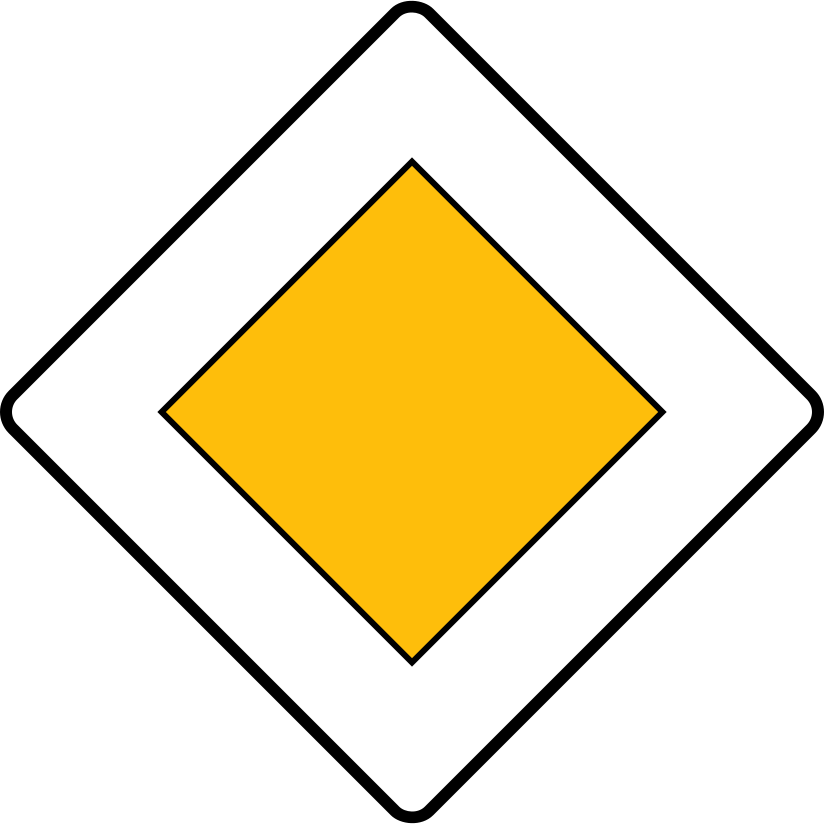
The D-1 Priority Road sign means you have the right of way.
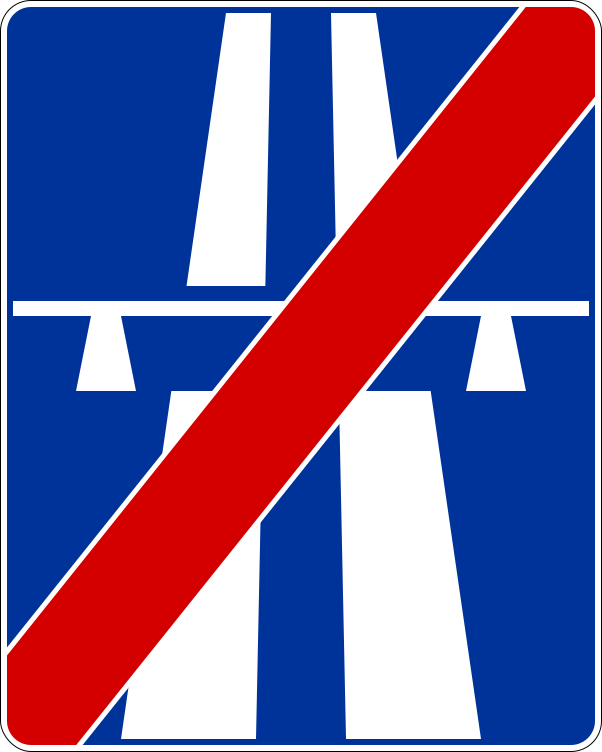
Prepare for the End of the Motorway with the D-10 Sign
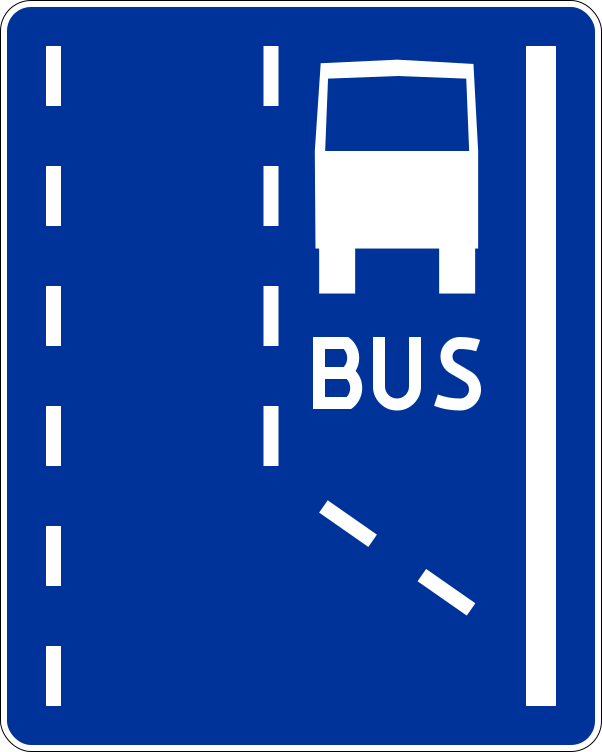
D-11 Road Sign: You're Approaching the Start of a Bus Lane
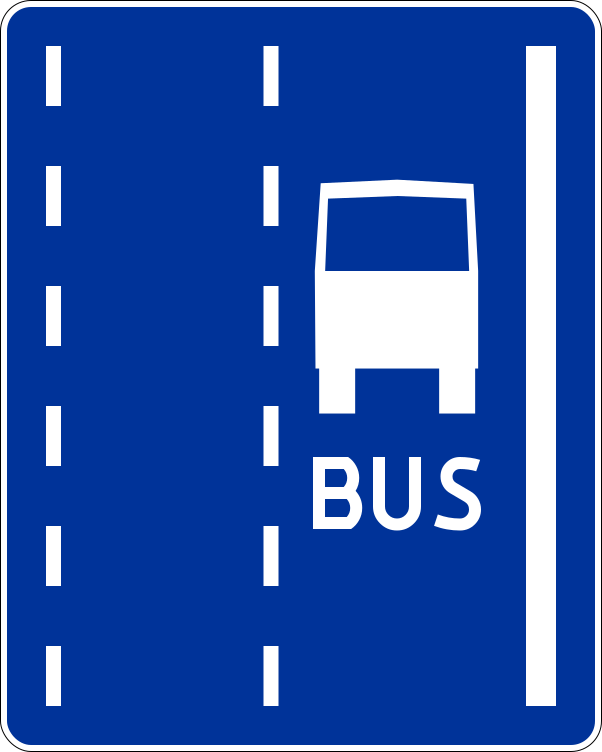
The D-12 'Bus Lane' sign confirms the lane remains exclusively for buses and authorized vehicles.
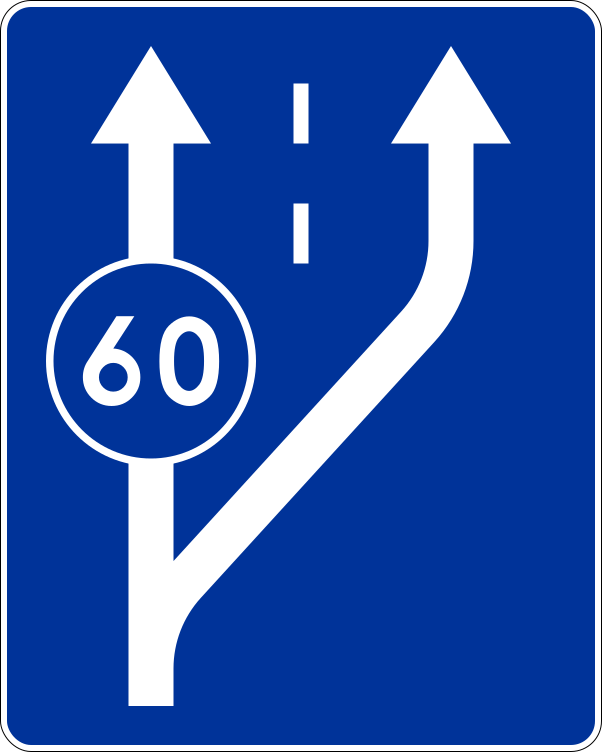
D-13 Sign: Prepare for the Start of a Slow-Moving Traffic Lane
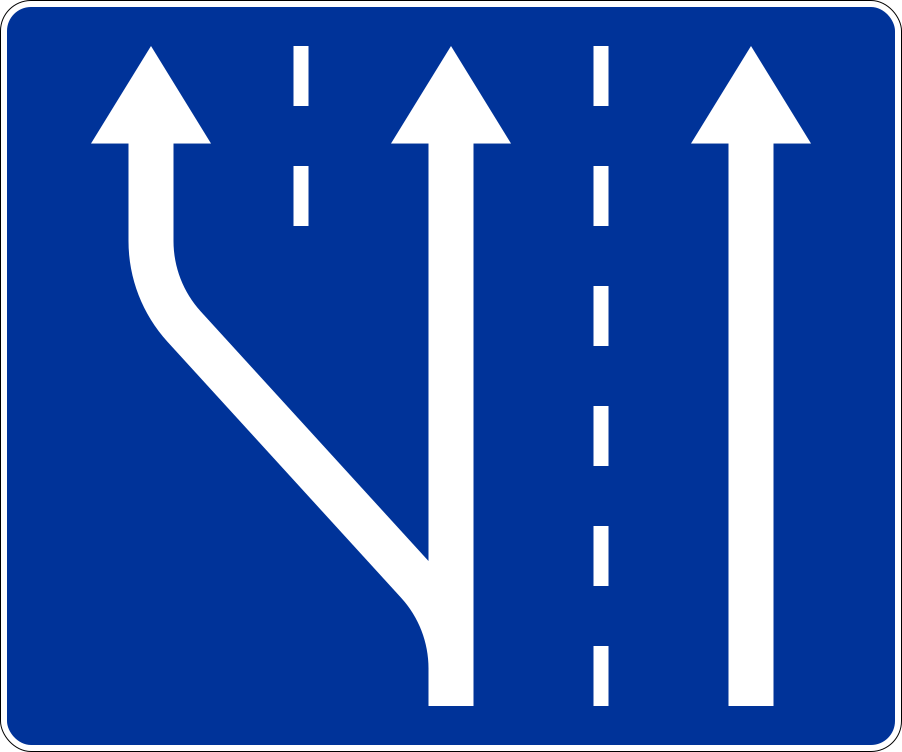
The D-13a 'Start of Lane' sign means a new lane is opening up ahead.
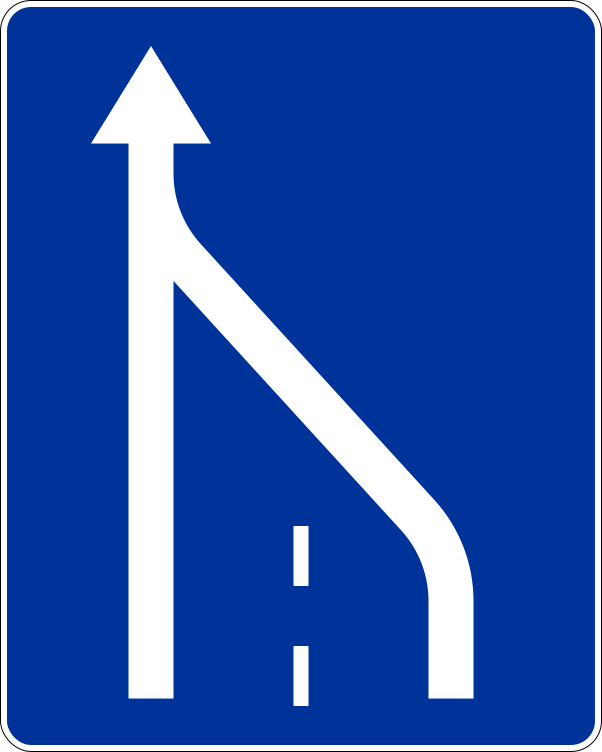
D-14 End of Lane: Know When and How to Merge Safely
The D-15 'Bus Stop' Sign: Understanding and Reacting to Public Transport Stops
Deepen your understanding of specific road signs by reviewing official Polish traffic rules and associated real-world driving scenarios. These expert-led resources help you bridge the gap between visual recognition and practical exam application.
This article provides a detailed explanation of how Polish traffic signs A-7 ('Ustąp Pierwszeństwa' - Yield), B-20 ('STOP'), and D-1 ('Droga z Pierwszeństwem' - Priority Road) dictate right-of-way at intersections. Understanding the nuances of these signs is a fundamental aspect of the Polish driving theory exam, and mastering them will significantly improve your preparedness for real-world driving scenarios.
Learn why driving in Poland with a foreign license is illegal if your Polish driving privileges have been revoked. This article explains the fundamental principle that driving entitlements are personal and singular under Polish law, as reinforced by court rulings, helping you understand the strict requirements for legal driving.
Master the Nuance: Drive Safely, Beyond Just the Law in Poland.
Go Beyond Obvious Dangers: Master Proactive Hazard Recognition for Your Polish Driving Exam.
The D-14 sign warns drivers that a lane is tapering off and will soon disappear. It is most commonly found when a slow-moving traffic lane (D-13) ends, when an expressway lane is dropped, or after an intersection. The sign shows which lane is ending with a bent arrow. This requires the 'zipper merge' technique (jazda na suwak) in congested traffic, where drivers from the ending lane should be allowed to merge one by one into the continuing lane.
The D-40 sign marks the entrance to a 'Strefa Zamieszkania'. Inside this zone, pedestrians are allowed to use the entire width of the road and have absolute priority over vehicles. The speed limit is strictly 20 km/h. Drivers must be extremely vigilant as children are legally allowed to play on the street without adult supervision. Additionally, parking is only permitted in designated spaces, and all speed bumps are considered 'marked' by this entry sign.
After reviewing the full list of Polish road signs, explore specific sign categories for in-depth understanding. Challenge your knowledge with practice questions focused on sign recognition and interpretation to solidify your preparation for the driving theory exam.
Browse All Polish Road Signs