
The B-40 'End of Limited Waiting Zone' sign marks the point where restrictions on parking, previously enforced throughout a designated area, no longer apply. Once you see this sign, you can resume normal parking practices, provided you adhere to general traffic laws and any new, individual signs that may appear. This sign is crucial for understanding parking freedom in urban areas and is a common topic in the driving theory exam.
The B-40 sign is crucial for drivers to understand its road sign meaning and ensure compliance with Polish parking regulations. Correct sign interpretation is essential for your driving theory test revision and for avoiding incorrect parking decisions in urban areas.
The B-40 sign marks the boundary where the zone-wide parking ban (established by B-39) ends. Once you pass this sign, you return to the standard parking rules for the area. This sign is grayed out with diagonal lines, similar to other 'end of restriction' signs.
Indicates the exit from the zone where parking restrictions applied to all roads.
Get clear, practical answers to the most common questions about the B-40 - End of Limited Waiting Zone road sign. Learn how the sign works, what rules it represents, and how it affects real driving situations. This FAQ strengthens your understanding and supports accurate decision making for the Polish driving theory exam in Poland.
The B-40 sign signifies that you are exiting an area where parking was restricted for all vehicles. After passing this sign, the specific limitations of the waiting zone are lifted, and you can park according to the standard rules applicable to that location.
No, the B-40 sign is not a command to stop. It indicates the end of a restriction, allowing you to continue driving and, if desired and permitted by other rules, park your vehicle. You should pass this sign without stopping.
A common trap is assuming all parking is now free and unrestricted. Learners might forget that even outside a limited waiting zone, parking is still prohibited near fire hydrants, intersections, or in ways that obstruct traffic. Always look for other signs after the B-40.
Not necessarily. The B-40 sign only cancels the 'limited waiting zone' restriction. You must still comply with general parking regulations and any other traffic signs, such as 'No Parking' (B-35) or 'No Stopping' (B-36) signs, that might be present after the B-40.
The B-39 sign indicates the beginning of a limited waiting zone. The B-40 sign is its counterpart, indicating the end of that same zone. Together, they define the start and end points of a specific parking restriction area.
A clear reference image of the B-40 - End of Limited Waiting Zone road sign used in Poland.

The B-40 - End of Limited Waiting Zone road sign may also be known by these alternative names or terms.
The B-40 - End of Limited Waiting Zone road sign is part of the Prohibitory Signs (B) category, which groups together signs with similar rules and functions.
Reviewing signs like the B-40 'End of Limited Waiting Zone' alongside other prohibitory signs helps solidify understanding and prevent common mistakes. Master traffic sign comparison and sign recognition for your theory test revision.

B-1 Sign: Road Closed to All Traffic in Both Directions
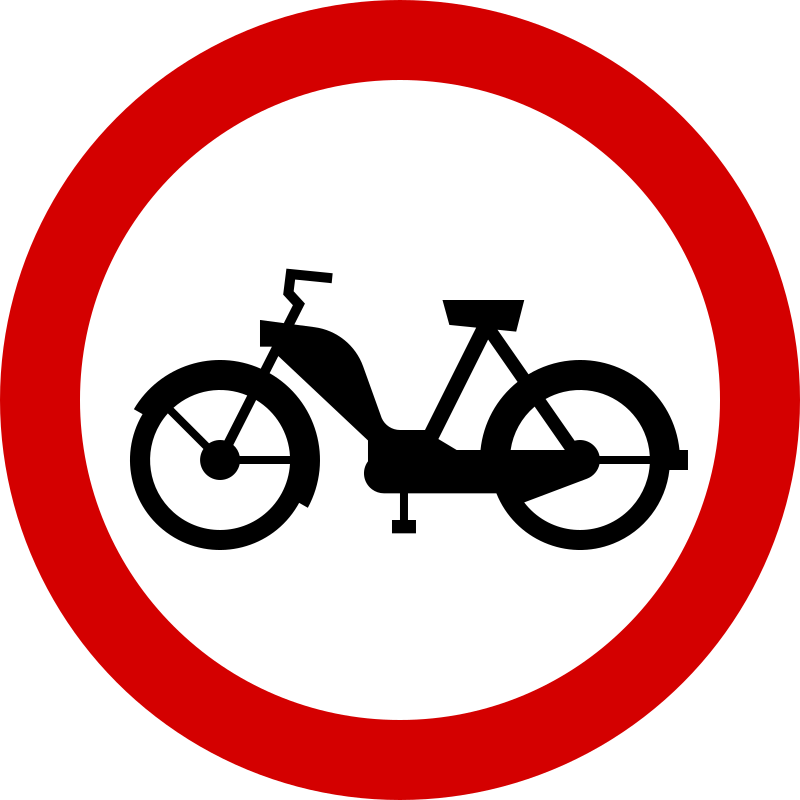
The B-10 'No Mopeds' sign prohibits entry for all mopeds past this point.
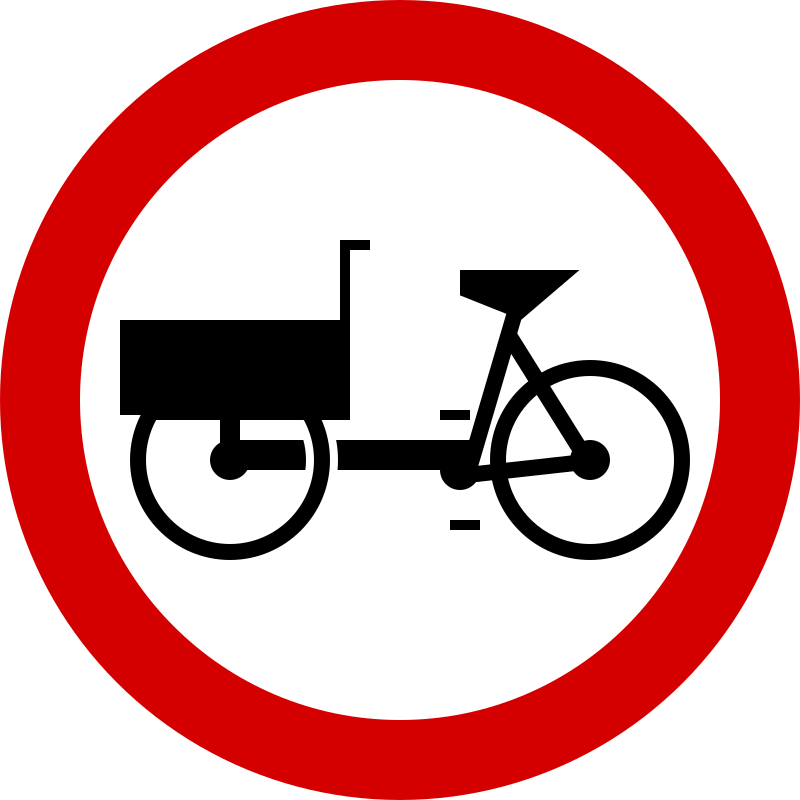
B-11: No Entry for Cycle Rickshaws and Multi-Track Carts
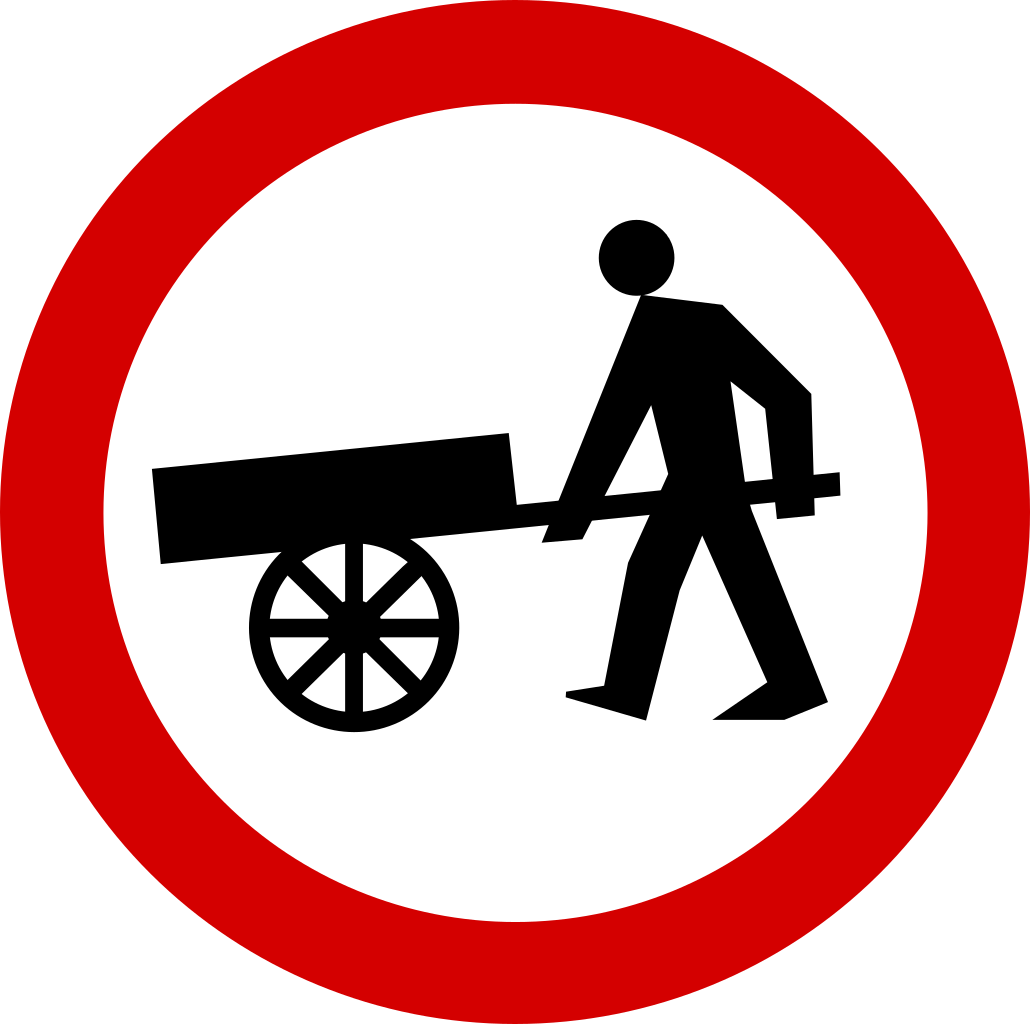
Understand the B-12 'No Handcarts' Road Sign
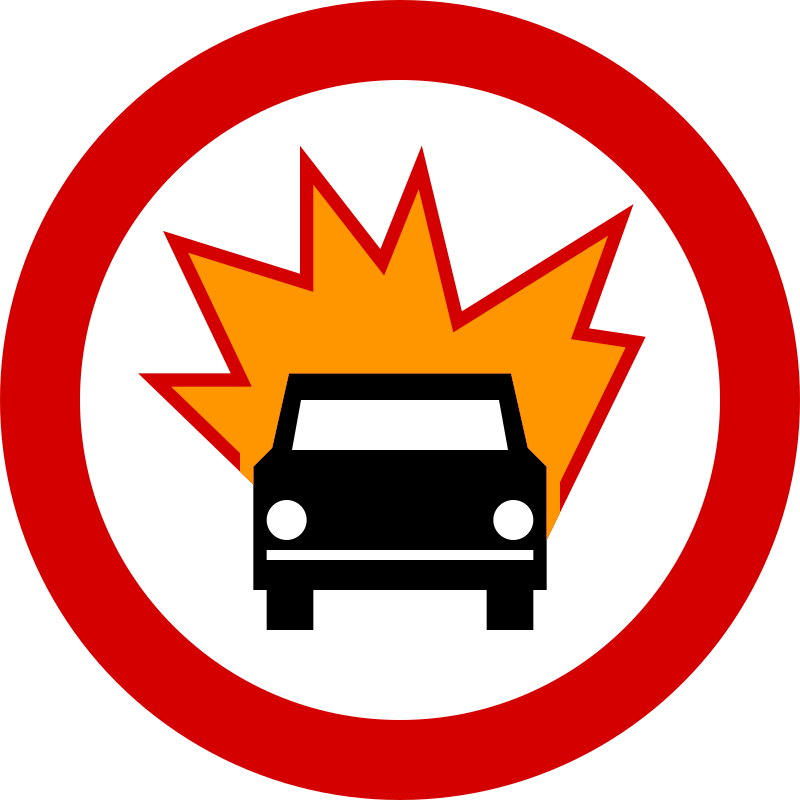
Understand the B-13 sign: No vehicles carrying explosives or flammable goods allowed.
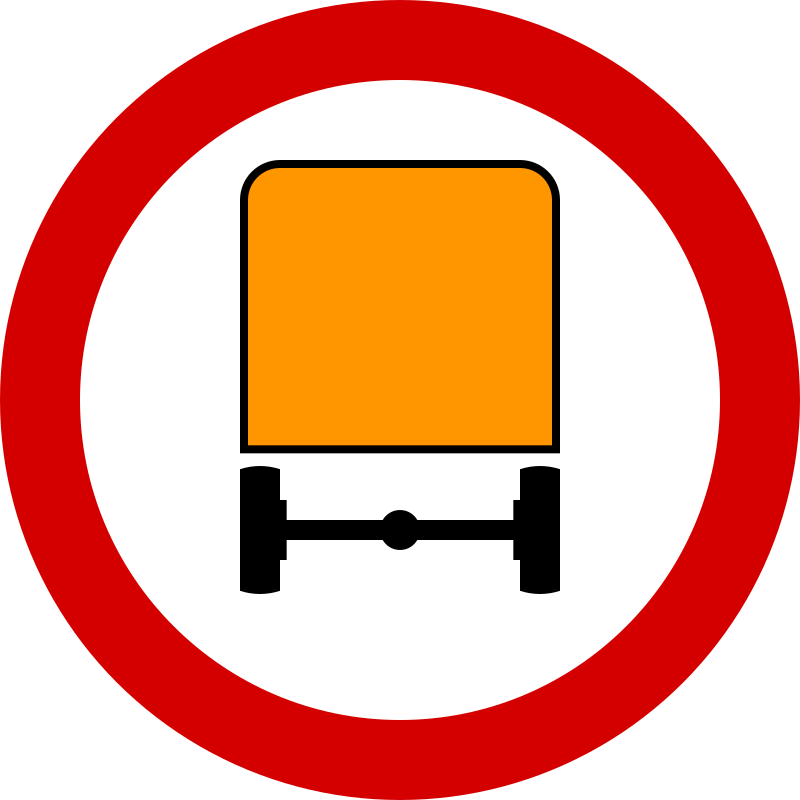
The B-13a sign means no vehicles carrying dangerous goods are allowed past this point.
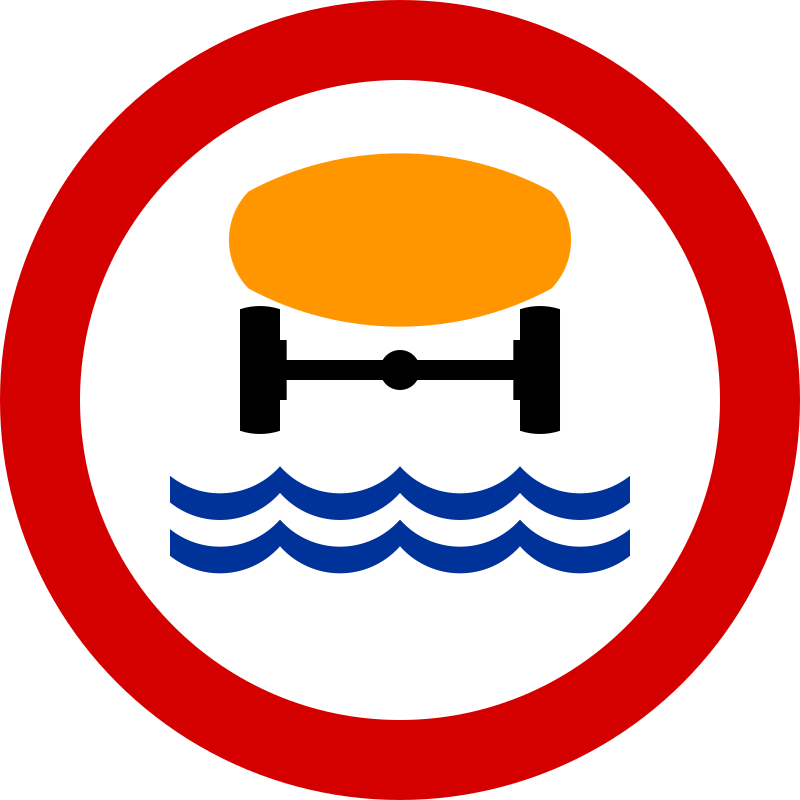
B-14 Sign: No Vehicles Carrying Water Contaminants
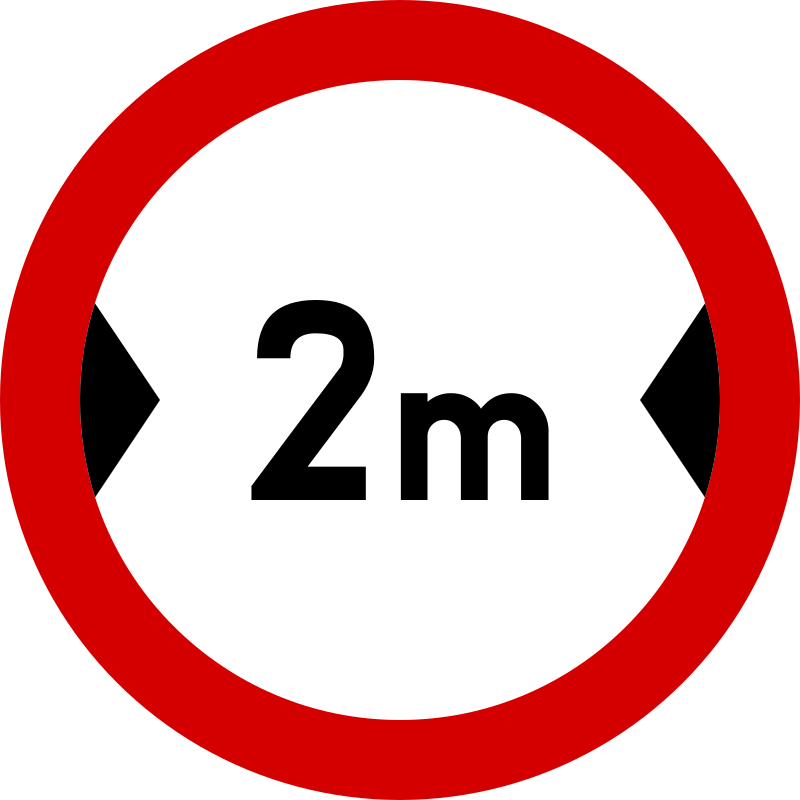
The B-15 sign prohibits vehicles wider than the specified limit from passing.
Deepen your understanding of specific road signs by reviewing official Polish traffic rules and associated real-world driving scenarios. These expert-led resources help you bridge the gap between visual recognition and practical exam application.
Prepare for your Polish driving theory exam by thoroughly understanding prohibitory signs, starting with the critical 'Zakaz Wjazdu' (B-2) marker. This article breaks down what this sign prohibits, common situations where it's used, and potential exceptions, ensuring you can confidently interpret and act upon these important traffic controls to drive safely and pass your test.
Navigate Poland's traffic regulations with confidence by understanding the subtle yet crucial differences between the B-35 'No Parking' sign and the B-36 'No Stopping' sign. This guide breaks down the exact time durations that distinguish stopping from parking, providing essential knowledge for passing your theory exam and driving safely in Poland.
Master the Rules: Avoid Fines and Accidents Caused by Improper Loading.
Master Polish Priority Signs and Navigate Intersections with Confidence
The B-42 sign is a 'master reset' sign. It cancels several previous restrictions at once: No U-turns (B-23), No Overtaking (B-25/B-26), No Honking (B-29), and Speed Limits (B-33). It is used on long stretches of road to clear all specific temporary or local rules, returning the driver to the general laws of the Polish Traffic Act.
The T-25c plate features a downward-pointing arrow. It marks the physical end of the zone governed by a B-35 or B-36 sign. From this post forward, the specific ban no longer applies. However, drivers must still ensure that parking after this point is legal according to general rules (e.g., not within 10m of an intersection or on a narrow sidewalk).
After reviewing the full list of Polish road signs, explore specific sign categories for in-depth understanding. Challenge your knowledge with practice questions focused on sign recognition and interpretation to solidify your preparation for the driving theory exam.
Browse All Polish Road Signs