
The B-41 sign clearly indicates a prohibition for pedestrians, meaning you must not walk on the side of the road where this sign is placed. This is a critical safety measure, often used in areas with high-speed traffic, no sidewalks, tunnels, or bridges, making it dangerous for pedestrians. You are expected to use the opposite side of the road or a designated pedestrian path instead. Understanding this sign is vital for your safety and passing the Polish driving theory exam.
This prohibitory sign, B-41, clearly indicates where pedestrians are forbidden to walk for their own safety. Understanding this road sign's meaning is crucial for your theory test revision and safe navigation in Poland.
The B-41 sign is used for pedestrian safety in areas where there is no sidewalk and high-speed or heavy vehicle traffic makes walking extremely dangerous. It applies only to the side of the road it is on. Pedestrians must use the other side of the road or a dedicated walking path nearby.
Prohibits pedestrians from walking on the side of the road where the sign is placed.
Get clear, practical answers to the most common questions about the B-41 - No Pedestrians road sign. Learn how the sign works, what rules it represents, and how it affects real driving situations. This FAQ strengthens your understanding and supports accurate decision making for the Polish driving theory exam in Poland.
The B-41 sign prohibits pedestrians from walking on the edge of the roadway or shoulder on the side where the sign is erected. This includes actions like walking, running, or pushing a stroller in the restricted area.
You'll commonly encounter the B-41 sign in dangerous locations where pedestrian presence is unsafe. This includes the entrances to tunnels, on bridges, near highway ramps, or any stretch of road lacking a sidewalk and experiencing fast or heavy traffic.
If you encounter the B-41 sign, you must not walk on that side of the road. You should safely cross to the opposite side of the road where this prohibition does not apply, or use any available designated pedestrian walkways, underpasses, or overpasses.
Yes, the B-41 sign specifically prohibits pedestrians. Motorized vehicles and bicycles are not affected by this sign and may proceed as normal, provided no other traffic rules are being violated.
A common trap is assuming the sign applies to both sides of the road. Remember, the B-41 sign only prohibits pedestrians on the side where it is placed. Always check which side the sign is on and adhere to the restriction for that specific side only.
A clear reference image of the B-41 - No Pedestrians road sign used in Poland.
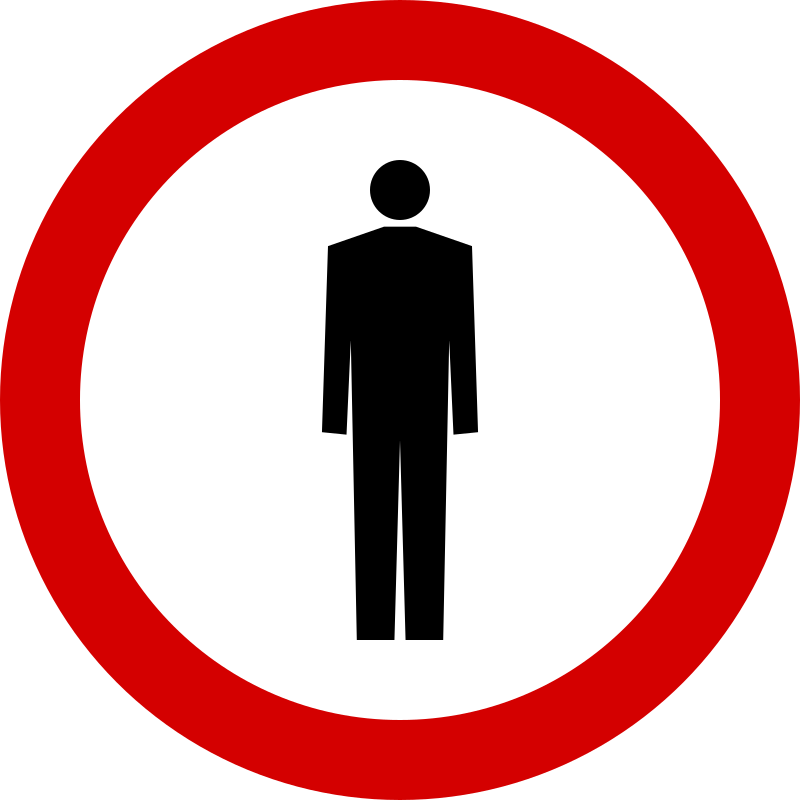
The B-41 - No Pedestrians road sign may also be known by these alternative names or terms.
The B-41 - No Pedestrians road sign is part of the Prohibitory Signs (B) category, which groups together signs with similar rules and functions.
Comparing signs like 'No Pedestrians' with others in the prohibitory group sharpens your sign recognition skills. Effective traffic sign comparison aids theory test revision and ensures you master official road rules.

B-1 Sign: Road Closed to All Traffic in Both Directions
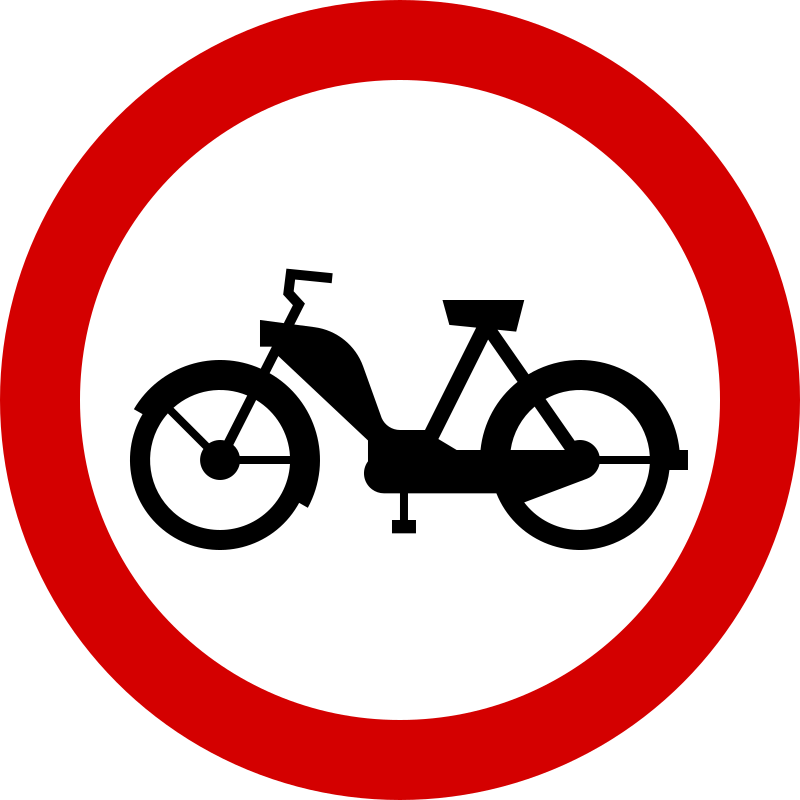
The B-10 'No Mopeds' sign prohibits entry for all mopeds past this point.
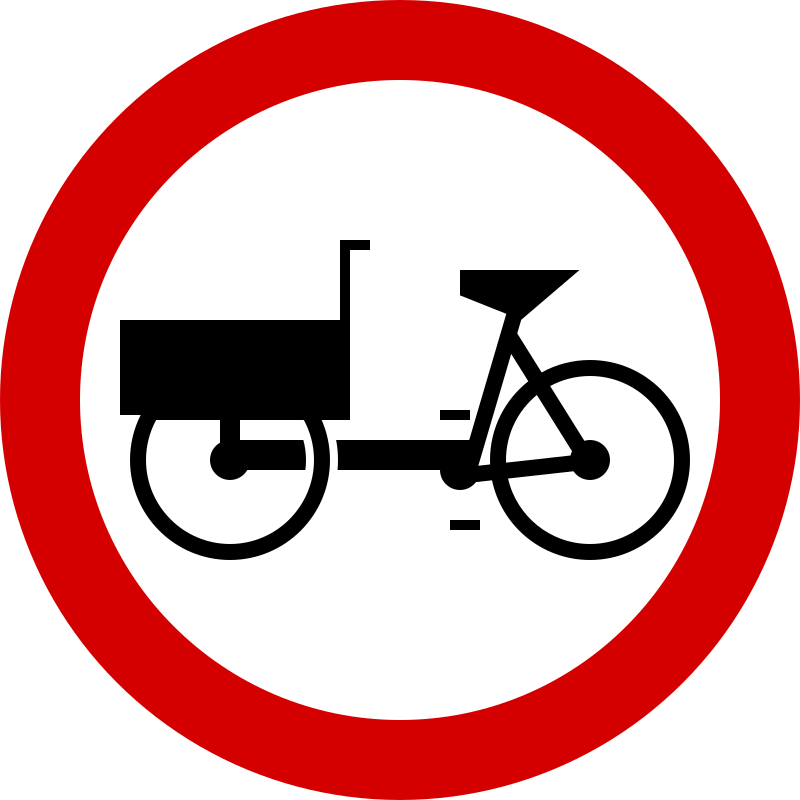
B-11: No Entry for Cycle Rickshaws and Multi-Track Carts
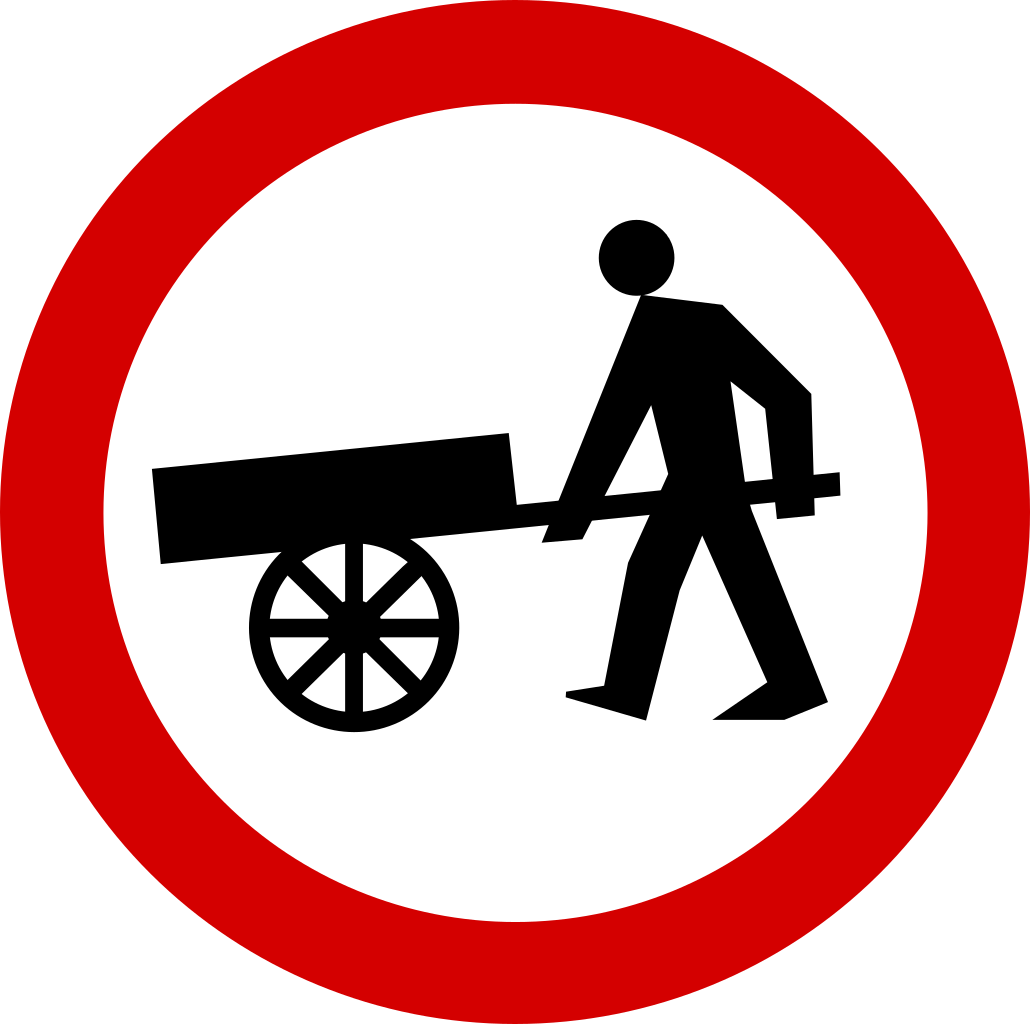
Understand the B-12 'No Handcarts' Road Sign
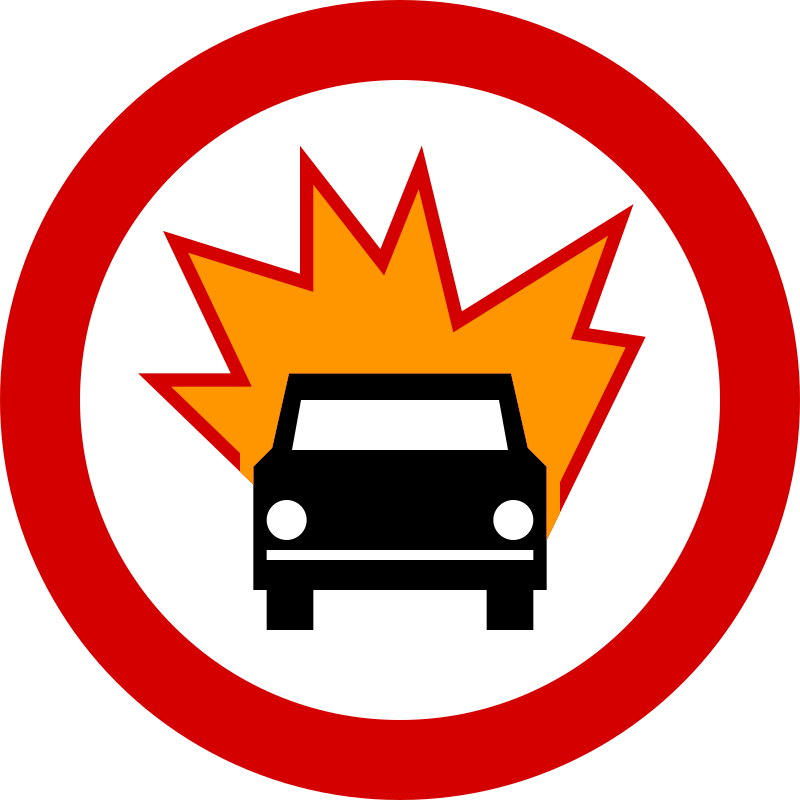
Understand the B-13 sign: No vehicles carrying explosives or flammable goods allowed.
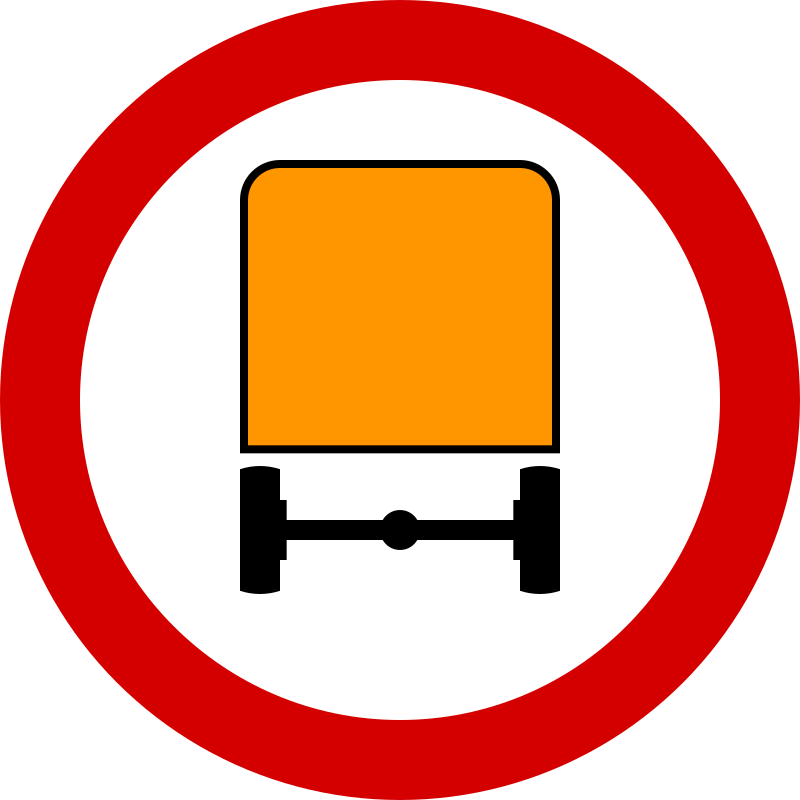
The B-13a sign means no vehicles carrying dangerous goods are allowed past this point.
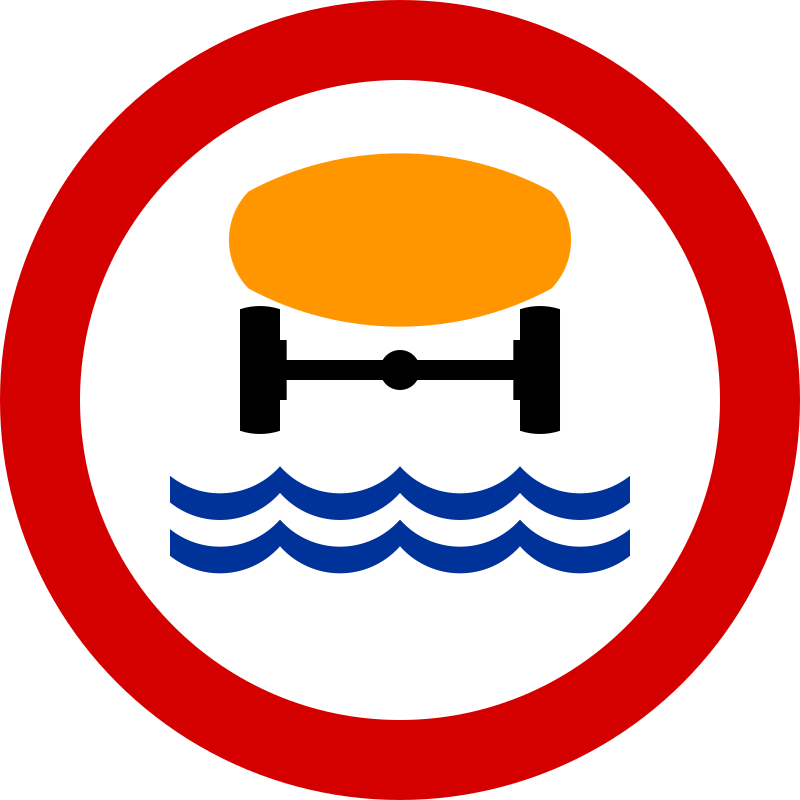
B-14 Sign: No Vehicles Carrying Water Contaminants
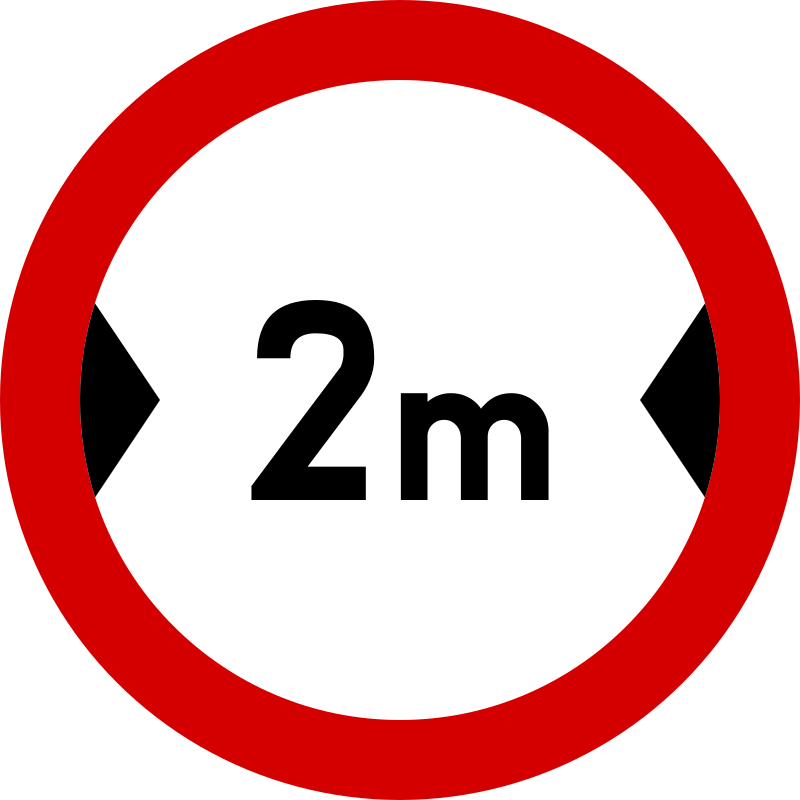
The B-15 sign prohibits vehicles wider than the specified limit from passing.
Deepen your understanding of specific road signs by reviewing official Polish traffic rules and associated real-world driving scenarios. These expert-led resources help you bridge the gap between visual recognition and practical exam application.
Learn the precise regulations for towing trailers in Poland with a Category B driving license. This guide breaks down the differences between the standard B license, the enhanced Code 96, and the full B+E category, focusing on weight limits and when each is necessary. This knowledge is vital for safe driving and for correctly answering exam questions on vehicle combinations.
This article provides a detailed explanation of how Polish traffic signs A-7 ('Ustąp Pierwszeństwa' - Yield), B-20 ('STOP'), and D-1 ('Droga z Pierwszeństwem' - Priority Road) dictate right-of-way at intersections. Understanding the nuances of these signs is a fundamental aspect of the Polish driving theory exam, and mastering them will significantly improve your preparedness for real-world driving scenarios.
Master Roadworks: Prioritize Temporary Markings for a Safer Drive and Exam Pass.
Don't Be a Road Block: Master Minimum Speeds and Smooth Traffic Flow for Your Polish Exam!
The B-35 sign allows for a very brief stop—up to 60 seconds—to drop off a passenger or quickly unload a bag. Anything longer than 1 minute is legally considered 'parking' (postój) and is prohibited. The ban applies to the side of the road where the sign is placed and lasts until the next intersection.
The B-5 sign is designed to keep heavy traffic out of residential areas, city centers, or off roads with limited load-bearing capacity. It applies to trucks, special vehicles, and tractors over 3.5t. If the prohibition is meant for a different weight (e.g., 5t or 10t), that number will be written directly on the truck symbol or a plate below.
After reviewing the full list of Polish road signs, explore specific sign categories for in-depth understanding. Challenge your knowledge with practice questions focused on sign recognition and interpretation to solidify your preparation for the driving theory exam.
Browse All Polish Road Signs