
The B-36 sign signifies an absolute prohibition on stopping your vehicle, except when traffic conditions such as a red light or a traffic jam force you to halt. This is a crucial prohibition sign, much stricter than 'No Waiting', and is typically placed on busy or narrow roads where any stop could impede traffic flow or create a hazard. Understanding its implications is vital for safe driving and passing your Polish driving theory test.
This crucial sign prohibits any stopping of your vehicle, even briefly, unless mandated by traffic flow. Master its strict meaning for effective Polish theory test revision and safe driving interpretation.
The B-36 sign is much stricter than the 'No Waiting' sign. It forbids you from stopping your vehicle for any reason other than a traffic jam or a red light. You cannot pull over to drop off passengers, check a map, or take a phone call. This is typically used on very busy roads or narrow passages where even a momentary stop would block traffic or cause an accident.
Prohibits any stopping of the vehicle, even for a few seconds, unless required by traffic.
Get clear, practical answers to the most common questions about the B-36 - No Stopping road sign. Learn how the sign works, what rules it represents, and how it affects real driving situations. This FAQ strengthens your understanding and supports accurate decision making for the Polish driving theory exam in Poland.
The B-36 'No Stopping' sign is significantly stricter. It forbids any stop, even for a moment, unless unavoidable due to traffic queues or signal lights. 'No Waiting' signs typically allow brief stops for passengers or loading/unloading, as long as traffic is not obstructed.
A common trap is mistaking the B-36 for a 'No Waiting' sign. Learners might assume they can briefly drop someone off or check their phone, which is strictly forbidden under B-36. Always remember that only traffic necessity, like a red light or a complete standstill, permits stopping here.
Yes, you are allowed to stop if your vehicle experiences a mechanical breakdown that forces you to halt. In such a situation, you must immediately activate your hazard warning lights and deploy a warning triangle to alert other road users. This is an exception to the 'no stopping' rule.
You'll typically encounter the B-36 sign on busy main roads, narrow urban streets, tunnels, or high-speed routes where even a short stop could cause significant disruption or danger. It's often used in areas where traffic must keep moving continuously to maintain safety and flow.
Stopping where the B-36 sign is displayed, unless for a mandatory traffic reason or breakdown, is a serious traffic violation. Vehicles parked or stopped illegally are often subject to immediate towing at the owner's expense. This can also be a tricky question in the theory exam, testing your understanding of strict prohibitions.
A clear reference image of the B-36 - No Stopping road sign used in Poland.
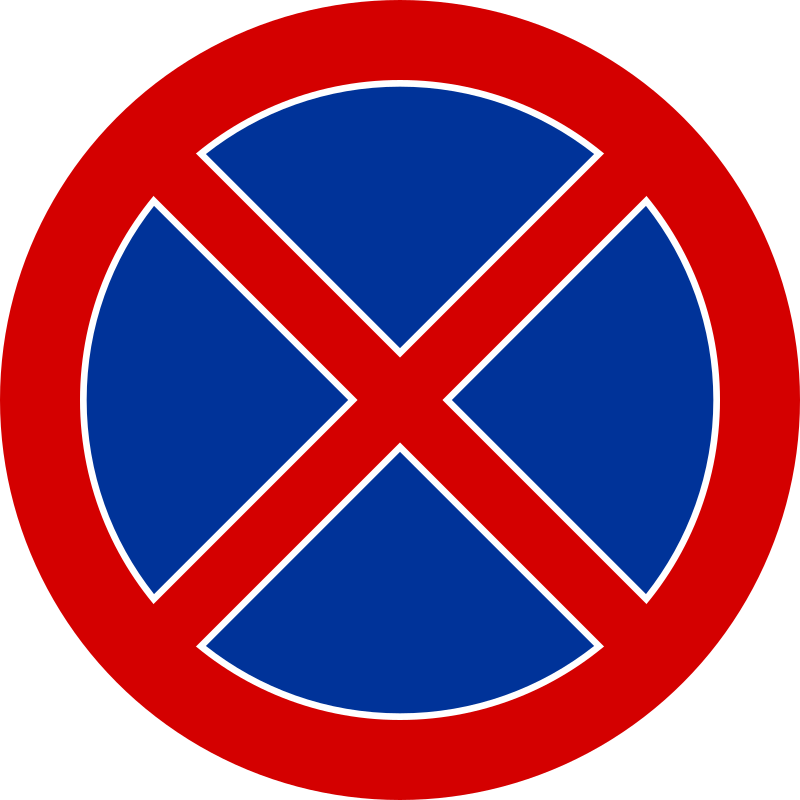
The B-36 - No Stopping road sign may also be known by these alternative names or terms.
The B-36 - No Stopping road sign is part of the Prohibitory Signs (B) category, which groups together signs with similar rules and functions.
Comparing similar Polish road signs aids theory test revision by highlighting key differences, enhancing sign recognition and reducing exam mistakes. Reviewing this set of traffic signs side-by-side will solidify your understanding for better theory test preparation.

B-1 Sign: Road Closed to All Traffic in Both Directions
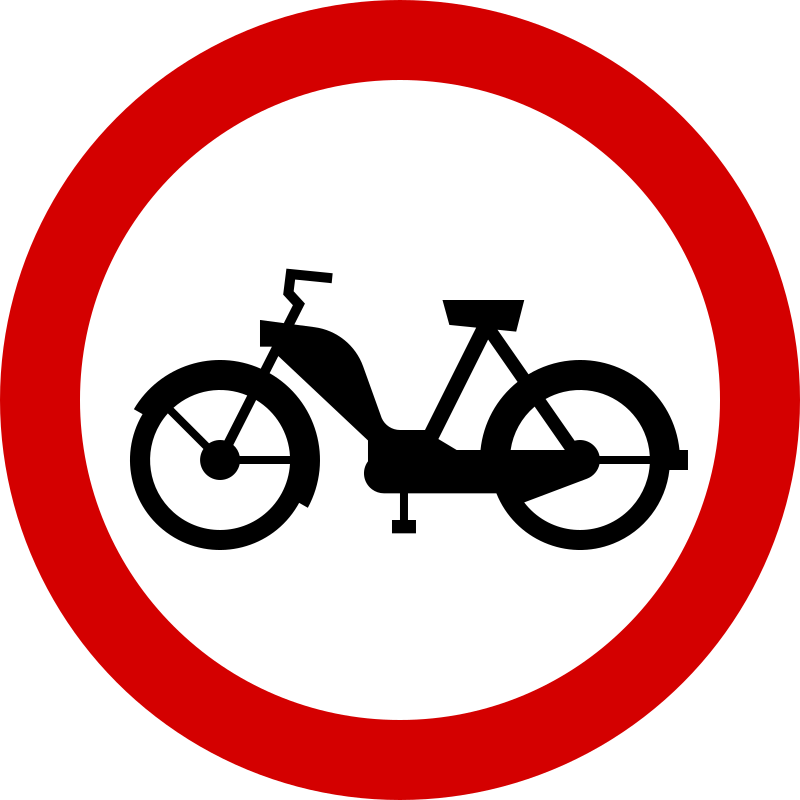
The B-10 'No Mopeds' sign prohibits entry for all mopeds past this point.
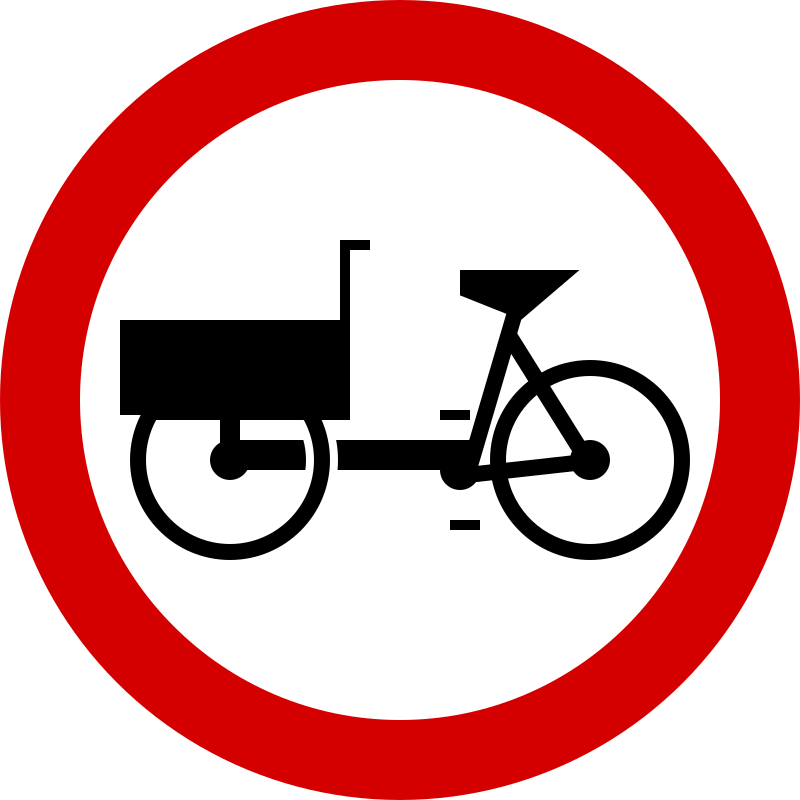
B-11: No Entry for Cycle Rickshaws and Multi-Track Carts
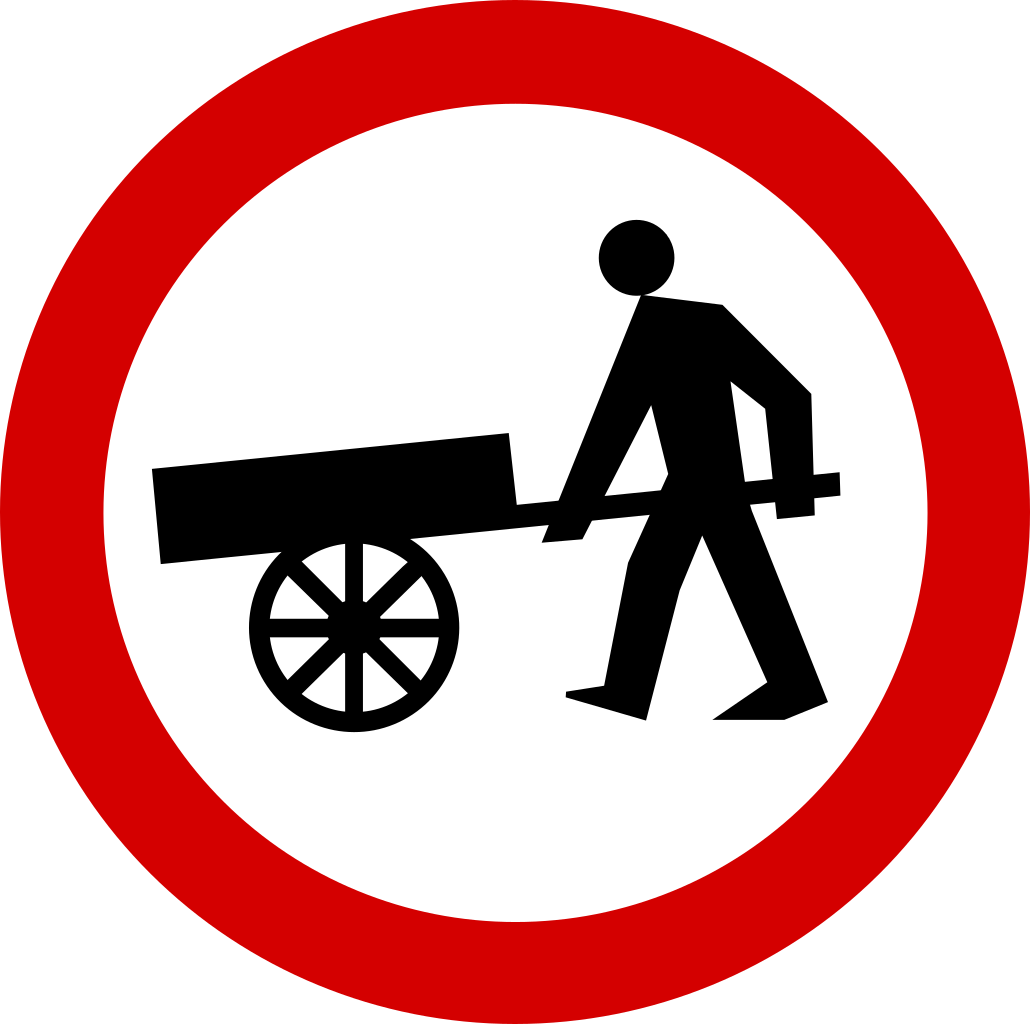
Understand the B-12 'No Handcarts' Road Sign
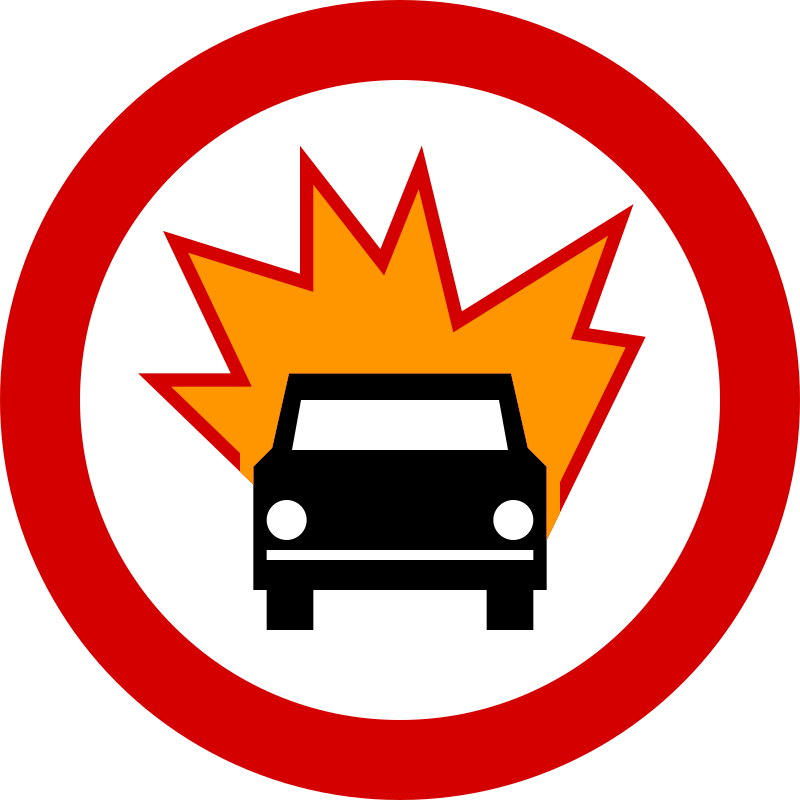
Understand the B-13 sign: No vehicles carrying explosives or flammable goods allowed.
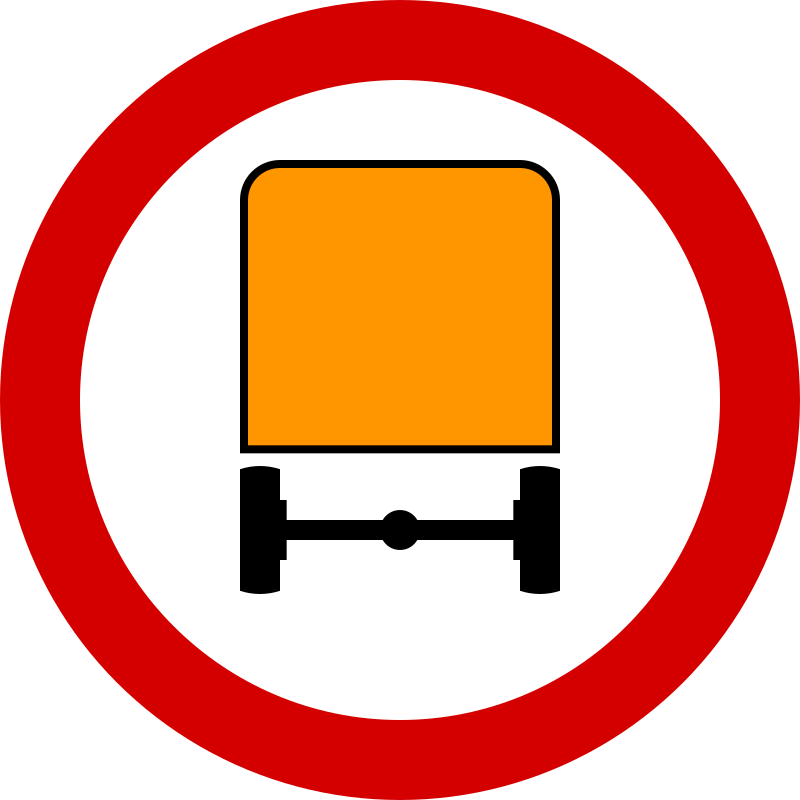
The B-13a sign means no vehicles carrying dangerous goods are allowed past this point.
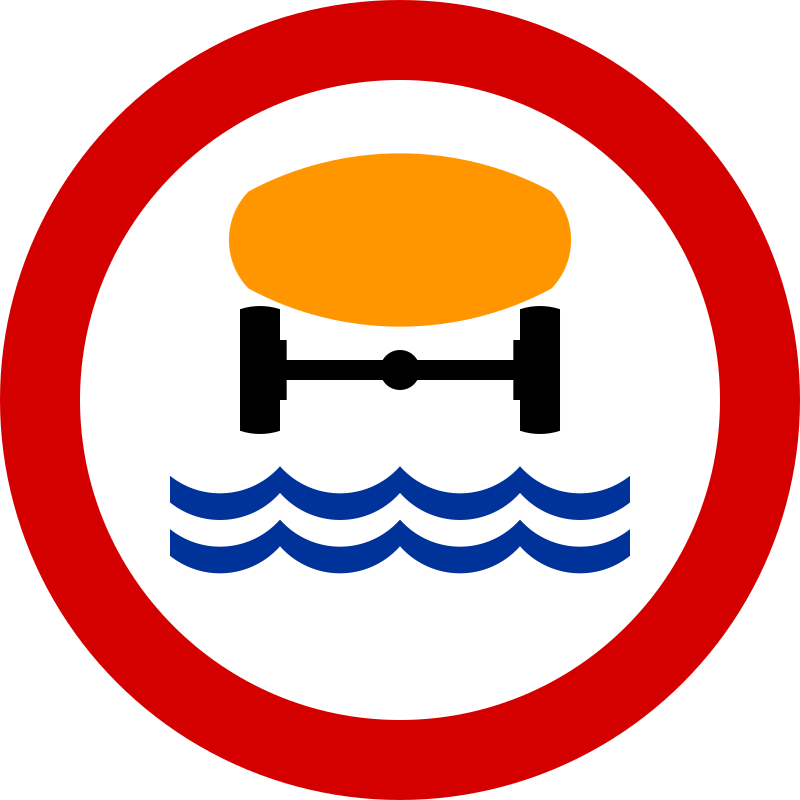
B-14 Sign: No Vehicles Carrying Water Contaminants
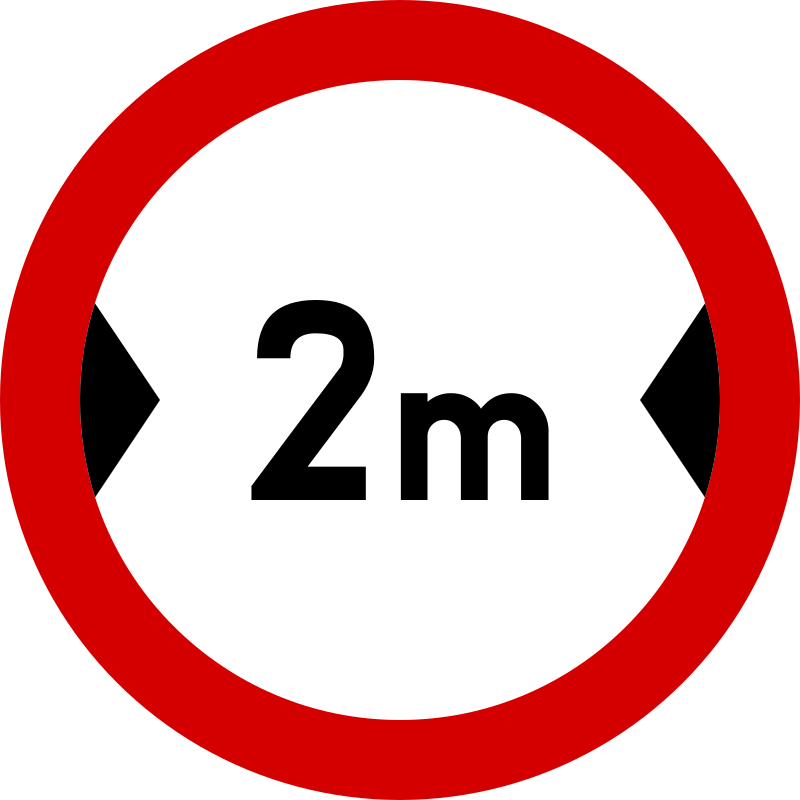
The B-15 sign prohibits vehicles wider than the specified limit from passing.
Deepen your understanding of specific road signs by reviewing official Polish traffic rules and associated real-world driving scenarios. These expert-led resources help you bridge the gap between visual recognition and practical exam application.
Learn the precise, legally mandated steps for securing an accident scene in Poland, a vital component of the Polish driving theory test. This guide clarifies the correct order of actions, from stopping your vehicle to deploying warning signals, ensuring you know how to react safely and effectively to minimize further danger and meet legal requirements.
Master Your Duties: Avoid Severe Penalties for Leaving an Accident Scene in Poland.
Prepare for your Polish driving theory exam by thoroughly understanding prohibitory signs, starting with the critical 'Zakaz Wjazdu' (B-2) marker. This article breaks down what this sign prohibits, common situations where it's used, and potential exceptions, ensuring you can confidently interpret and act upon these important traffic controls to drive safely and pass your test.
Master the Critical First Steps After a Road Accident
The T-25a plate features an upward-pointing arrow. It is used when a ban (B-35 or B-36) starts at a location other than an intersection—for example, in the middle of a block. It tells the driver that from the post of the sign forward, they cannot park or stop. This is essential for maintaining visibility or traffic flow in specific road segments.
The T-25c plate features a downward-pointing arrow. It marks the physical end of the zone governed by a B-35 or B-36 sign. From this post forward, the specific ban no longer applies. However, drivers must still ensure that parking after this point is legal according to general rules (e.g., not within 10m of an intersection or on a narrow sidewalk).
After reviewing the full list of Polish road signs, explore specific sign categories for in-depth understanding. Challenge your knowledge with practice questions focused on sign recognition and interpretation to solidify your preparation for the driving theory exam.
Browse All Polish Road Signs