
The D-35 sign, depicting a person descending stairs, informs pedestrians and drivers about an available underpass. For drivers, it means pedestrians are expected to use the tunnel rather than crossing at road level, which is why you might not see zebra crossings in such areas. These signs are commonly placed on busy roads or near transport hubs where safe pedestrian crossing is critical. Cyclists with strollers or heavy luggage may also find ramps available to assist them.
The D-35 sign alerts you to a designated pedestrian underpass, ensuring safe road crossings away from traffic. Reviewing this road sign meaning is vital for your theory test revision and understanding Polish traffic rules.
The D-35 sign shows a person walking down stairs. It informs pedestrians that there is a safe way to cross a busy road or railway without having to interact with traffic. For drivers, this sign explains why there may be no zebra crossings on a busy stretch—pedestrians are expected to go under the road. These are often found at large intersections or near train stations.
Informs you that pedestrians can cross the road through a tunnel underneath.
Get clear, practical answers to the most common questions about the D-35 - Pedestrian Underpass road sign. Learn how the sign works, what rules it represents, and how it affects real driving situations. This FAQ strengthens your understanding and supports accurate decision making for the Polish driving theory exam in Poland.
The D-35 sign's primary purpose is to guide pedestrians to a safe crossing point beneath the road or railway. It informs drivers that pedestrian activity should occur underground, not on the roadway, ensuring traffic flow and safety.
When you see the D-35 sign, understand that pedestrians are directed to use an underpass. This means you should not expect pedestrians to be crossing the road at surface level, potentially allowing for a more consistent speed and fewer unexpected stops.
Often, pedestrian underpasses are equipped with ramps or elevators to accommodate strollers, wheelchairs, and cyclists carrying heavy luggage. The D-35 sign indirectly signals that there's a dedicated, safer passage for all pedestrians, including those with mobility aids.
While the D-35 sign primarily directs pedestrians, it implies certain behaviours. For drivers, stopping near the underpass entrance to drop off passengers might be discouraged to maintain traffic flow. Pedestrians should not attempt to cross the roadway above the underpass if barriers are present, and littering or damaging the underpass facilities is prohibited.
Generally, pedestrian underpasses are for pedestrians. However, cyclists may be allowed to dismount and walk their bicycles through, especially if the underpass is narrow or there are designated lanes. Ramps, if available, can also facilitate cyclists with heavy luggage.
A common exam trap is assuming that the absence of a zebra crossing on a busy road means there are no pedestrian crossing facilities. The D-35 sign indicates that the crossing is via an underpass, and drivers should anticipate pedestrian movement below, not on the carriageway.
A clear reference image of the D-35 - Pedestrian Underpass road sign used in Poland.
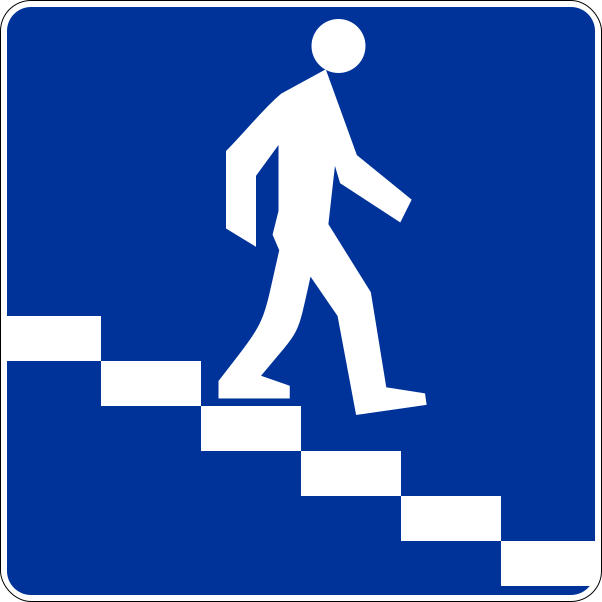
The D-35 - Pedestrian Underpass road sign may also be known by these alternative names or terms.
The D-35 - Pedestrian Underpass road sign is part of the Information Signs (D) category, which groups together signs with similar rules and functions.
Reviewing related road signs side-by-side sharpens your recognition skills and helps avoid common confusion, crucial for your theory test revision. Comparing similar traffic signs aids memory retention and ensures you can quickly identify the correct sign during your exam.

The D-1 Priority Road sign means you have the right of way.
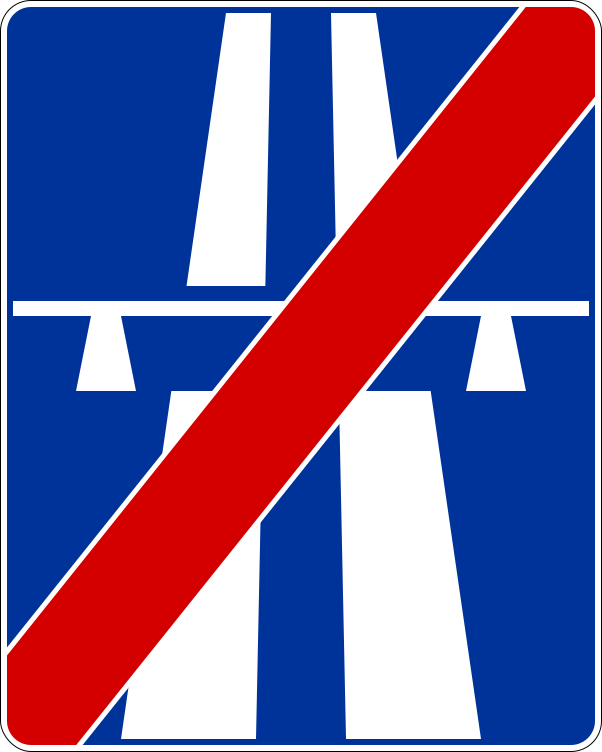
Prepare for the End of the Motorway with the D-10 Sign
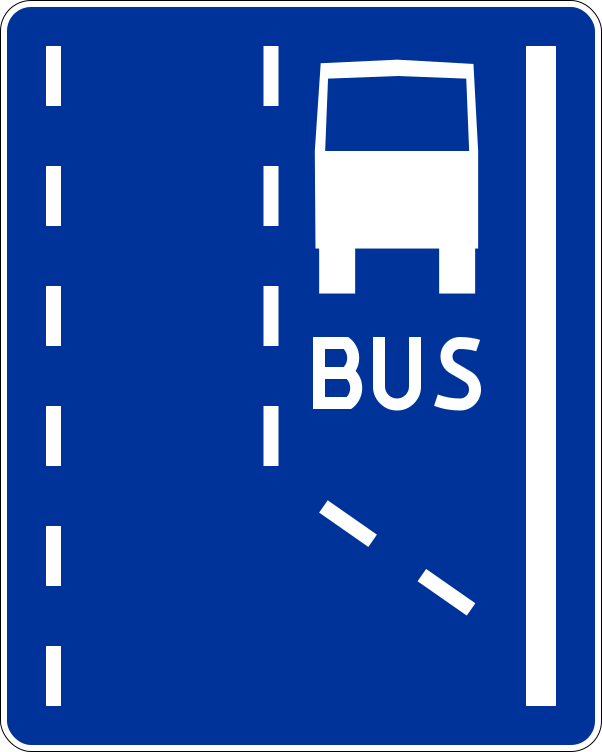
D-11 Road Sign: You're Approaching the Start of a Bus Lane
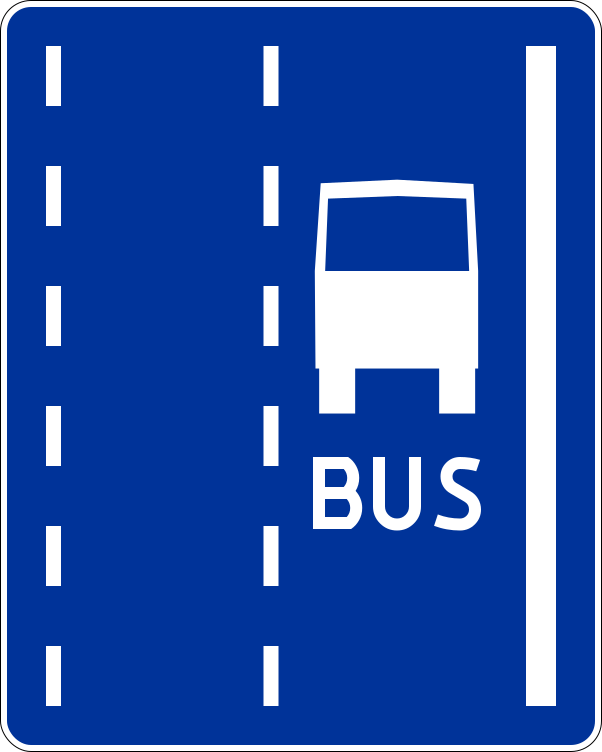
The D-12 'Bus Lane' sign confirms the lane remains exclusively for buses and authorized vehicles.
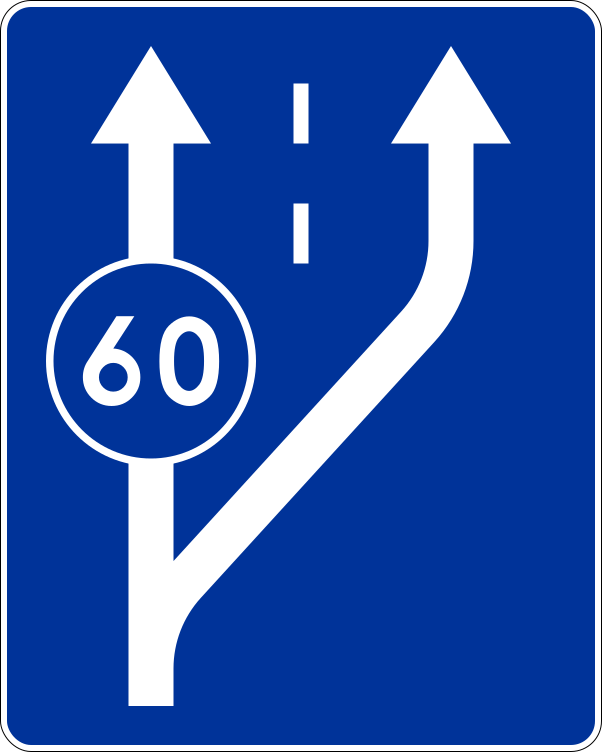
D-13 Sign: Prepare for the Start of a Slow-Moving Traffic Lane
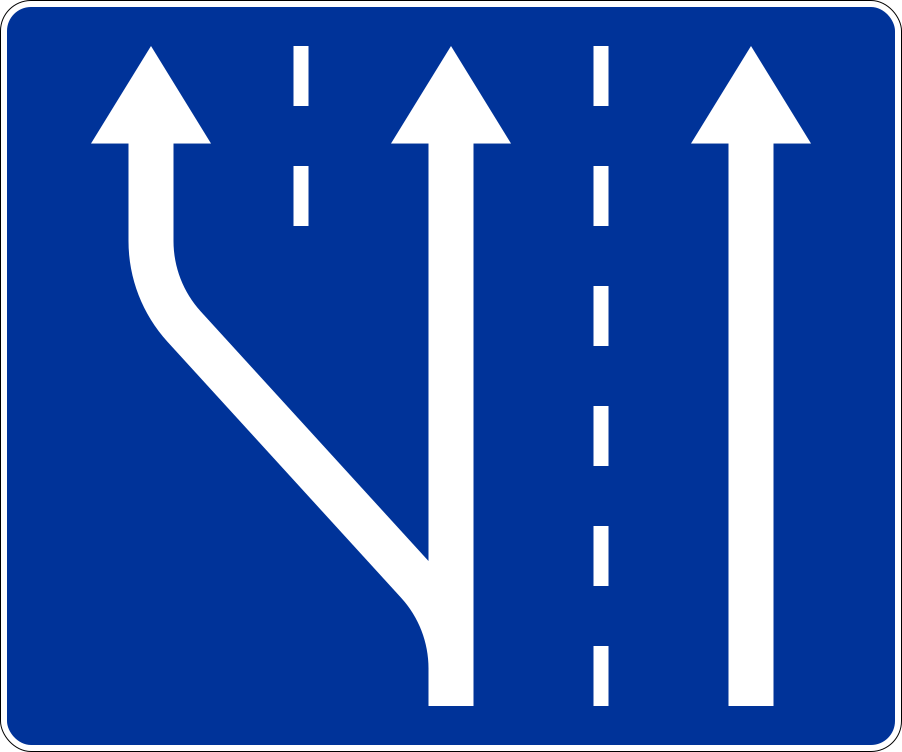
The D-13a 'Start of Lane' sign means a new lane is opening up ahead.
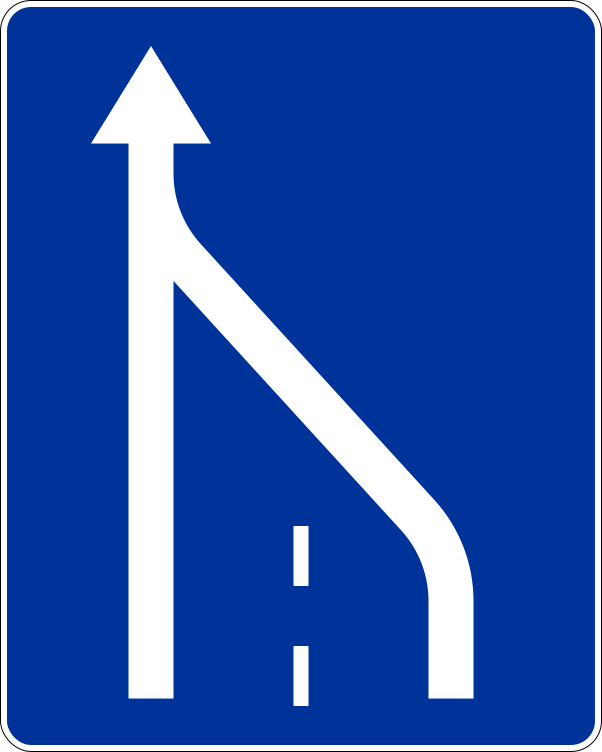
D-14 End of Lane: Know When and How to Merge Safely
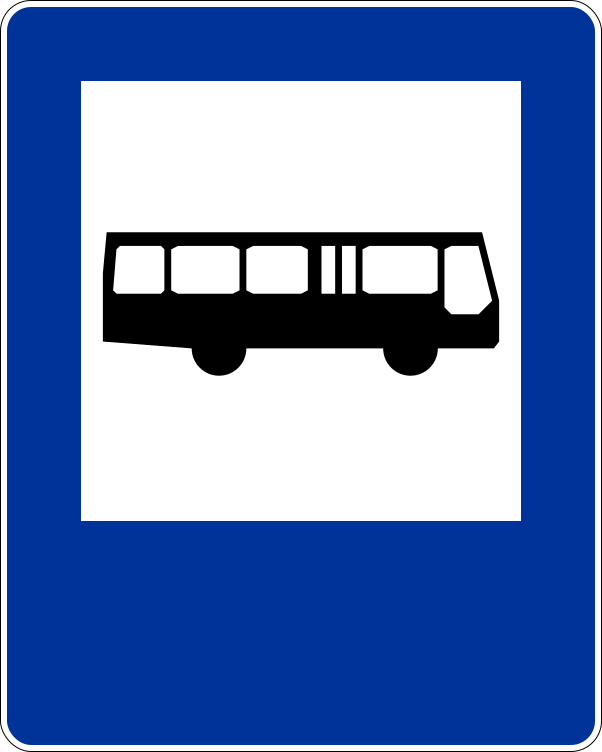
The D-15 'Bus Stop' Sign: Understanding and Reacting to Public Transport Stops
Deepen your understanding of specific road signs by reviewing official Polish traffic rules and associated real-world driving scenarios. These expert-led resources help you bridge the gap between visual recognition and practical exam application.
Master Polish Crossing Markings for a Safer Drive and Exam Success.
Learn the critical distinctions between the Polish A-16 warning sign and the D-6 pedestrian crossing sign. This guide explains your legal responsibilities when approaching these areas, including the mandatory speed reduction and yielding requirements. Understand the significant penalties, such as hefty fines and accumulating penalty points, especially the 'recydywa' (repeat offender) system in Poland, which can lead to immediate license suspension.
Learn the exact Polish traffic regulations for yielding to pedestrians at crossings, a crucial element of the national driving theory test. We clarify what constitutes 'yielding' and the significant consequences of non-compliance, including a common €1500 PLN fine and 10 penalty points. This essential knowledge will help you navigate pedestrian areas safely and pass your theory exam.
Even a Second Can Be Fatal: Understand Microsleep to Drive Safely in Poland.
The D-6b sign combines the functions of the D-6 and D-6a signs. It is used in locations where a sidewalk and a bicycle path run parallel and cross the road at the same point. The sign displays both the pedestrian and the bicycle silhouettes within the white triangle on a blue background. Drivers are obligated to treat this crossing with extreme care, yielding to both people on foot and those on bikes. The same rules regarding overtaking and parking apply here as with standard crossings.
The A-24 sign is used before bicycle crossings on high-speed roads or where a cycle path ends and joins the main road. Cyclists are vulnerable road users and can be harder to see than cars. This sign is a reminder to check your mirrors and blind spots carefully. In many cases, cyclists on a designated crossing have priority, similar to pedestrians on a zebra crossing.
After reviewing the full list of Polish road signs, explore specific sign categories for in-depth understanding. Challenge your knowledge with practice questions focused on sign recognition and interpretation to solidify your preparation for the driving theory exam.
Browse All Polish Road Signs