
The T-23h plate is an important traffic sign in Poland that alerts you to the presence of vehicles transporting hazardous materials under ADR regulations. This orange plate signifies a higher risk, prompting specific traffic management measures to protect public safety and the environment, especially in sensitive areas. Drivers should be aware of these vehicles and any associated restrictions, such as mandatory routes or areas where they are forbidden.
Mastering the T-23h road sign meaning is vital for drivers, especially those operating vehicles that might carry hazardous materials or need to understand Polish traffic sign interpretation. This supplementary plate protects sensitive areas by directing dangerous goods vehicles away, a key topic for your driving theory test preparation.
The T-23h plate shows an orange truck silhouette, representing vehicles marked with orange plates for carrying dangerous goods (flammable liquids, chemicals, etc.). It is used to keep these high-risk vehicles away from city centers, tunnels, or water protection zones where a spill or accident could be catastrophic for public safety and the environment.
Indicates that the sign applies to vehicles carrying hazardous materials (ADR).
Get clear, practical answers to the most common questions about the T-23h - Vehicles with Dangerous Goods (ADR) road sign. Learn how the sign works, what rules it represents, and how it affects real driving situations. This FAQ strengthens your understanding and supports accurate decision making for the Polish driving theory exam in Poland.
The T-23h road sign, featuring an orange truck silhouette, indicates that the vehicle is carrying hazardous materials (ADR) and requires special attention or is subject to specific route restrictions. It serves as a warning to other road users and signifies that the vehicle must comply with ADR transport regulations.
Understanding the T-23h sign is crucial for the Polish theory exam as it relates to safety regulations for transporting dangerous goods. You need to know how to react to these vehicles and understand any associated route restrictions or prohibitions, such as those found in tunnels or city centers, to ensure safe driving.
When a T-23h sign indicates restrictions, prohibited actions may include entering areas designated as off-limits for ADR vehicles (like certain city zones or tunnels), ignoring mandatory routes set for hazardous goods transport, or parking such vehicles in crowded public spaces where it poses a significant risk.
If the T-23h sign is accompanied by other signs indicating a restriction, such as a 'C-17' mandatory route sign for dangerous goods, you must follow the designated path. Ensure you are aware of any specific instructions related to tunnels, city centers, or water protection zones where these vehicles might be prohibited.
The T-23h sign is placed to indicate that the specific vehicle or vehicles in a convoy are carrying hazardous materials under ADR regulations. While you don't need to take direct action yourself unless you are driving such a vehicle, you should be aware of their presence and any associated restrictions or dangers, especially in sensitive zones.
A clear reference image of the T-23h - Vehicles with Dangerous Goods (ADR) road sign used in Poland.
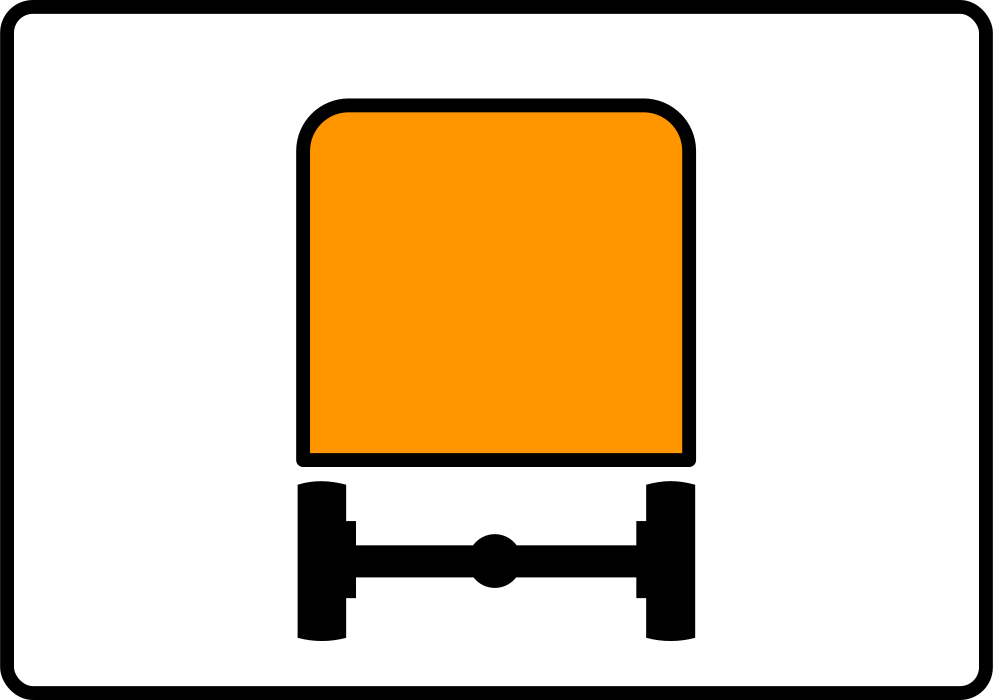
The T-23h - Vehicles with Dangerous Goods (ADR) road sign may also be known by these alternative names or terms.
The T-23h - Vehicles with Dangerous Goods (ADR) road sign is part of the Supplementary Plates (T) category, which groups together signs with similar rules and functions.
Reviewing similar traffic signs side-by-side aids in distinguishing subtle differences, crucial for accurate recall during your theory test revision. Understanding these distinctions helps you master sign recognition and avoid common errors when preparing for your driving theory exam.
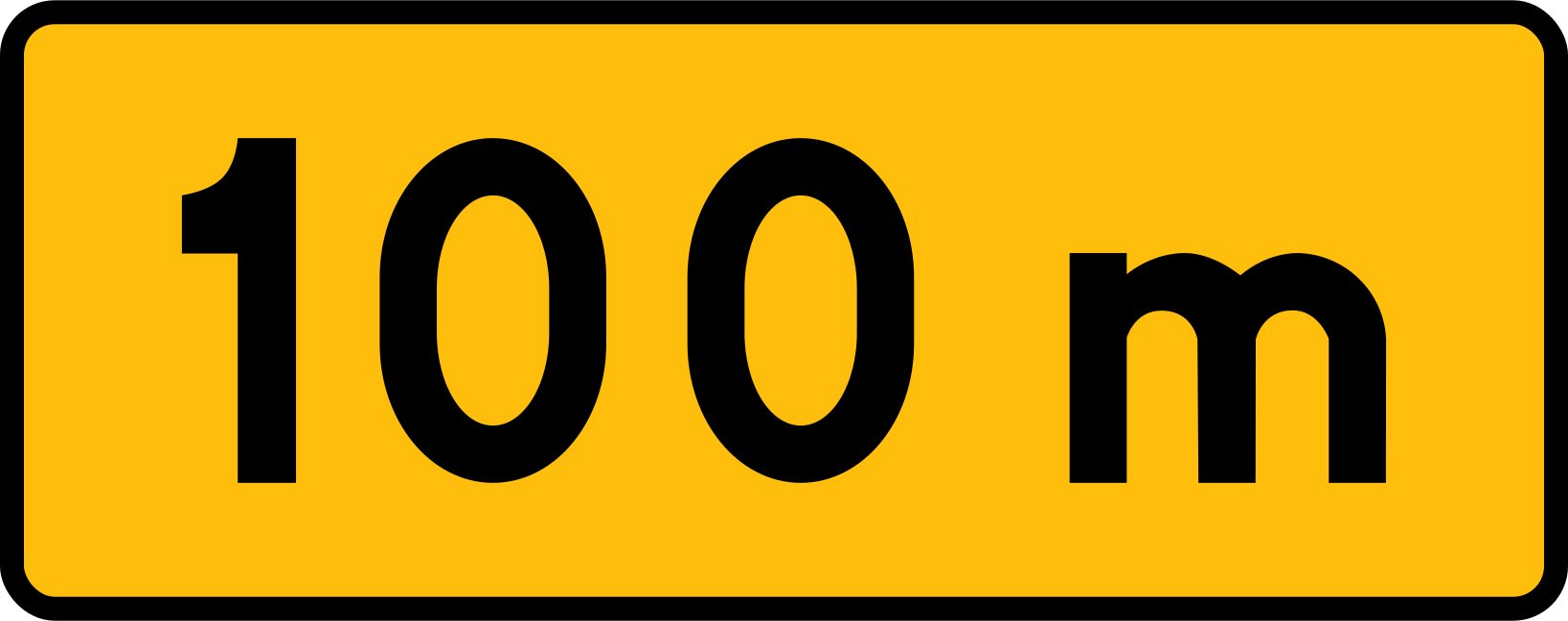
Understand the T-1 'Distance to Hazard' Plate for Safe Driving
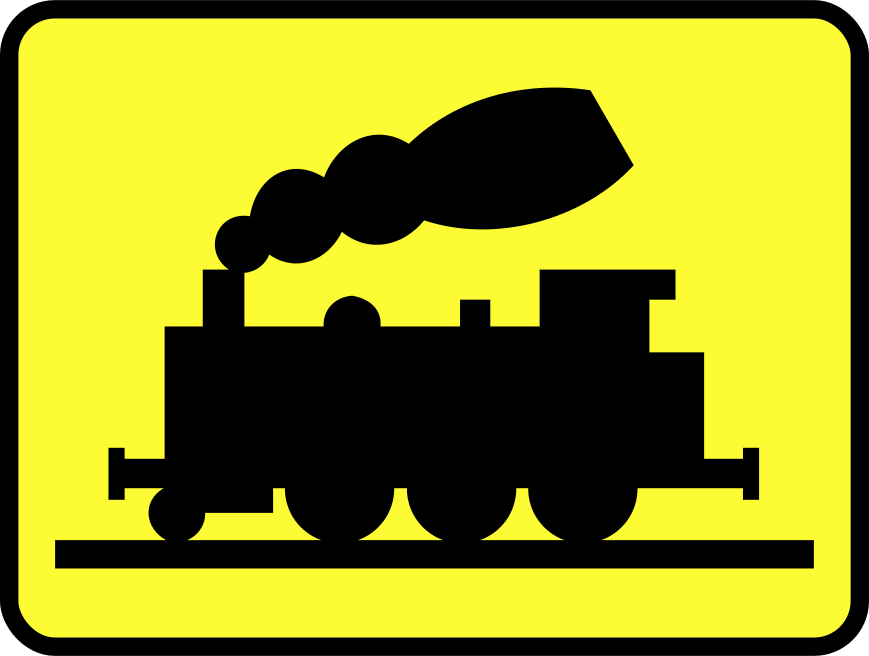
Beware of the T-10 sign: Industrial Railway Siding Ahead
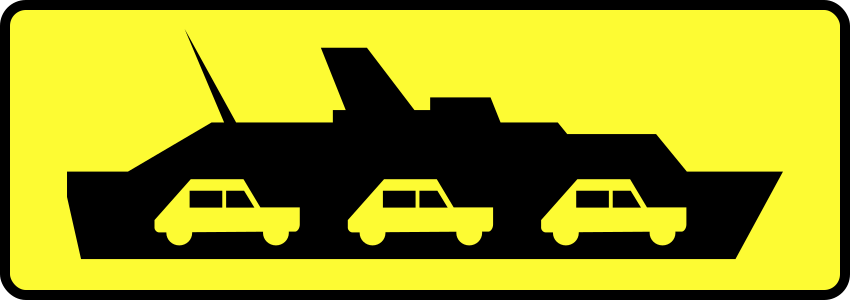
Prepare for a Ferry Crossing with the T-11 Warning Sign
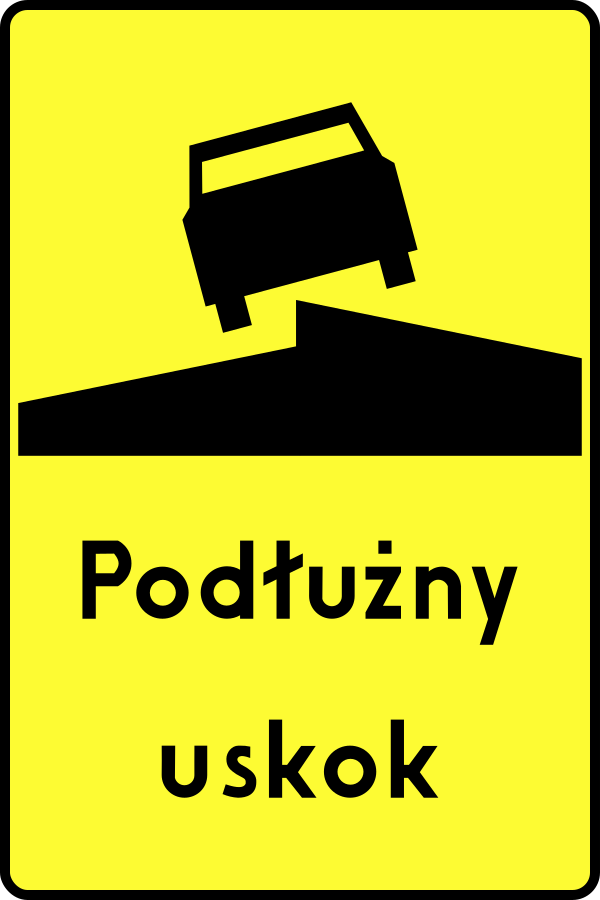
Watch out for the T-12 sign warning of a longitudinal step in the road surface!
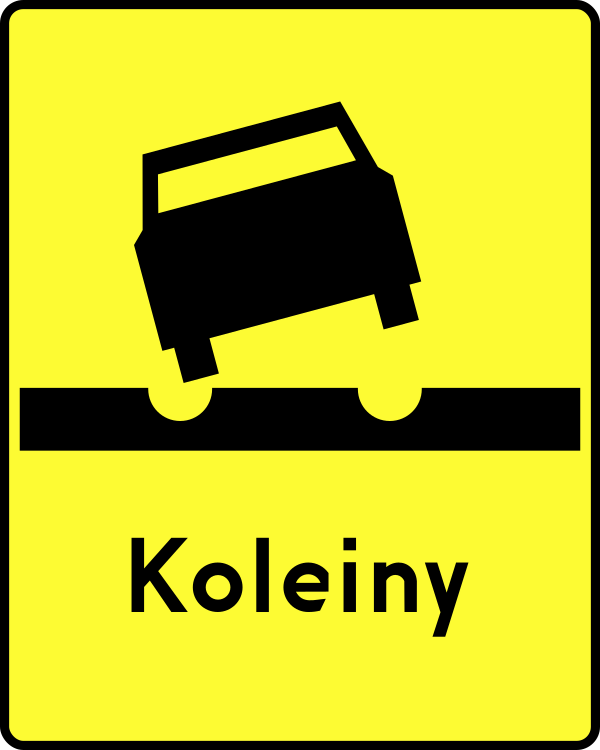
Warning: Deep Road Surface Ruts Ahead (T-13)
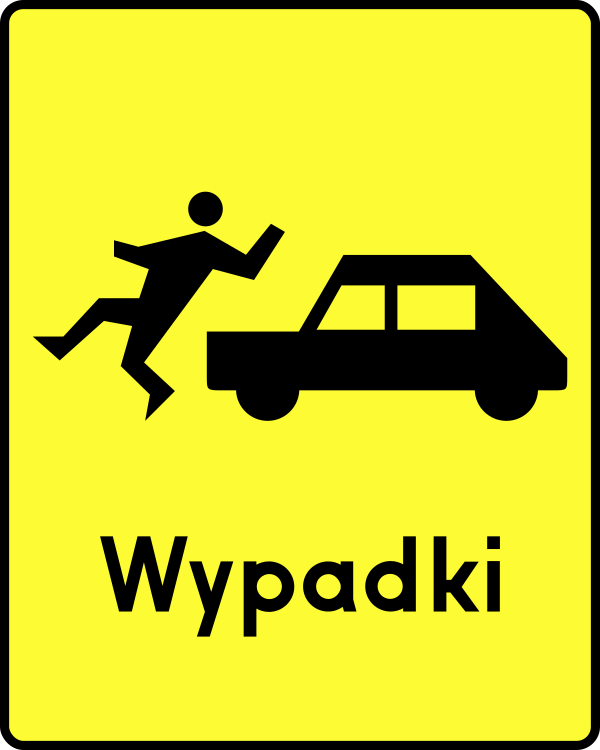
T-14: Beware of Frequent Pedestrian Accidents Ahead!
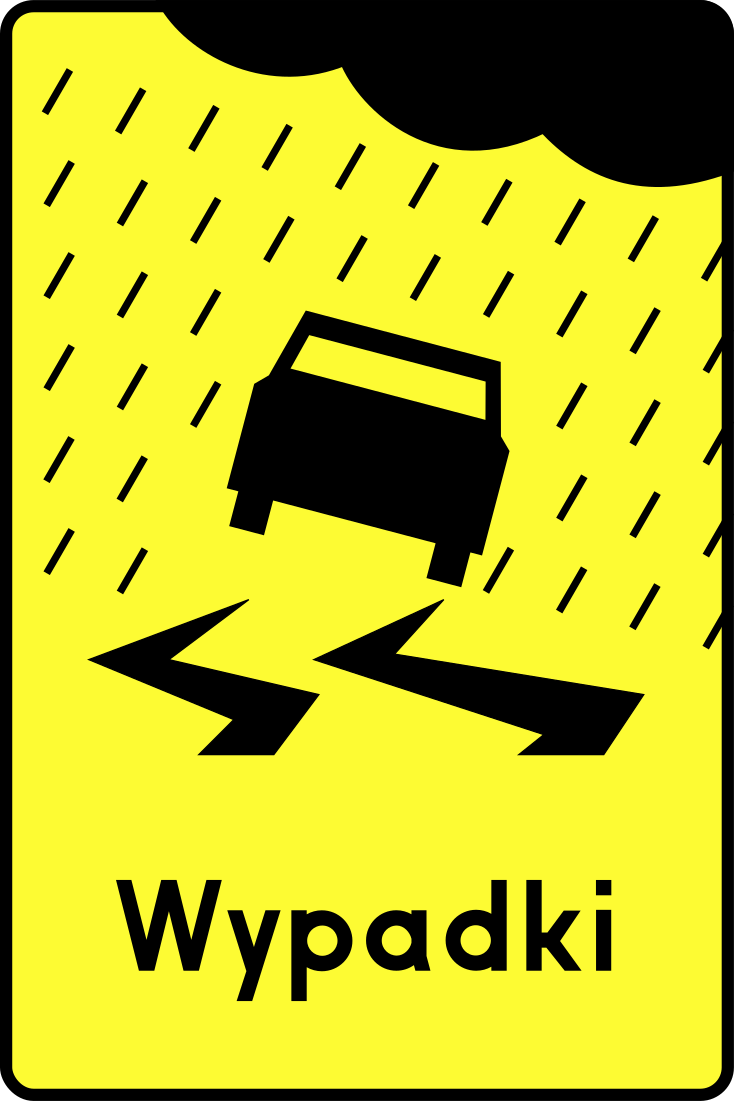
Beware: This Road Can Become Extremely Slippery When Wet!
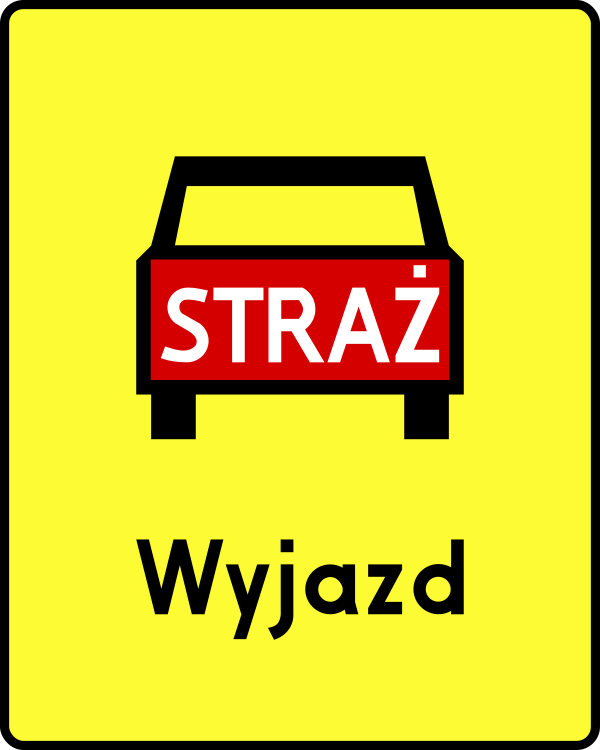
Prepare for sudden fire truck departures with the T-16 Fire Engine Exit sign.
Deepen your understanding of specific road signs by reviewing official Polish traffic rules and associated real-world driving scenarios. These expert-led resources help you bridge the gap between visual recognition and practical exam application.
Master Your Duties: Avoid Severe Penalties for Leaving an Accident Scene in Poland.
Being involved in a car accident in Poland requires immediate, specific actions to ensure safety and legal compliance. This guide clarifies your obligations, from securing the accident scene and rendering aid to reporting the incident correctly. Mastering these post-accident procedures is vital for safe driving and is a common focus area in the Polish driving theory exam.
Know Your Obligations: What to Do After a Road Incident in Poland.
Learn the precise, legally mandated steps for securing an accident scene in Poland, a vital component of the Polish driving theory test. This guide clarifies the correct order of actions, from stopping your vehicle to deploying warning signals, ensuring you know how to react safely and effectively to minimize further danger and meet legal requirements.
The D-11 sign is used to designate a specific lane for public transport vehicles. Its purpose is to allow buses and trolleybuses to bypass traffic congestion in busy urban areas. The sign is blue with a white bus silhouette and an arrow pointing to the lane it applies to. In many cities, additional text like 'TAXI' or 'MOP' may be included on the sign to allow other specific vehicles to use the lane as well.
The F-12 sign is used to guide through-traffic (transit) away from city centers or sensitive areas. It features a symbol of a specific vehicle (usually a truck) and an arrow. By following this sign, long-distance drivers can stay on roads designed for heavy traffic, avoiding narrow streets or residential zones. This sign is an advance warning placed before the junction where the turn must be made.
After reviewing the full list of Polish road signs, explore specific sign categories for in-depth understanding. Challenge your knowledge with practice questions focused on sign recognition and interpretation to solidify your preparation for the driving theory exam.
Browse All Polish Road Signs