
The D-44 road sign, featuring a blue 'P' with a coin symbol, indicates that you are entering a 'Strefa płatnego parkowania' – a paid parking zone in Poland. Drivers must pay for parking within this area during specified hours, often using a parking meter or a mobile app. Failing to do so, or overstaying your paid time, can result in a fine, so always check the meter for operational times and any potential exemptions for residents or on weekends.
Recognize the D-44 sign indicating a paid parking zone in Poland, crucial for your driving theory test revision. This sign explains the requirement to pay for parking, so understand its meaning to avoid fines and demonstrate your knowledge of Polish traffic rules.
The D-44 sign shows a blue 'P' with a coin symbol underneath. It marks the boundary of a 'Strefa płatnego parkowania'. Inside this zone, you must pay for parking at a meter (parkanometr) or via a mobile app during the specified hours. Failure to pay or display a ticket can result in a significant fine (opłata dodatkowa). Some zones are designated as 'Downtown' zones (Śródmiejska strefa), which may have higher rates and longer operating hours.
Informs you that you are entering a zone where you must pay to park.
Get clear, practical answers to the most common questions about the D-44 - Paid Parking Zone road sign. Learn how the sign works, what rules it represents, and how it affects real driving situations. This FAQ strengthens your understanding and supports accurate decision making for the Polish driving theory exam in Poland.
The D-44 sign means you are entering an area where you must pay to park your vehicle. You will typically find parking meters or need to use a mobile app to purchase a parking ticket for the duration you intend to stay. Always check the meter for operating hours and payment instructions.
As soon as you see the D-44 sign, you should look for an available parking space within the zone and locate a parking meter or instructions for mobile payment. You must purchase a ticket or initiate a parking session before leaving your vehicle unattended or before the time limit expires if you are already parked.
Yes, the D-44 sign indicates a zone where payment is required, but often parking meters specify operating hours. Many paid parking zones in Poland are free on weekends or during certain off-peak hours. Always check the information displayed on the parking meter or local signage for specific details.
A common trap is assuming parking is always free outside of specified hours without checking. Another is not understanding that payment is required even for short stops. Also, remember that paying for parking doesn't give you the right to block pavements or traffic; you must park safely and legally.
No, paying for parking in a D-44 zone only grants you permission to use a parking space for the time purchased. You must still ensure your vehicle is parked correctly, not obstructing traffic, pavements, or other road users, and within designated parking bays where applicable.
A clear reference image of the D-44 - Paid Parking Zone road sign used in Poland.
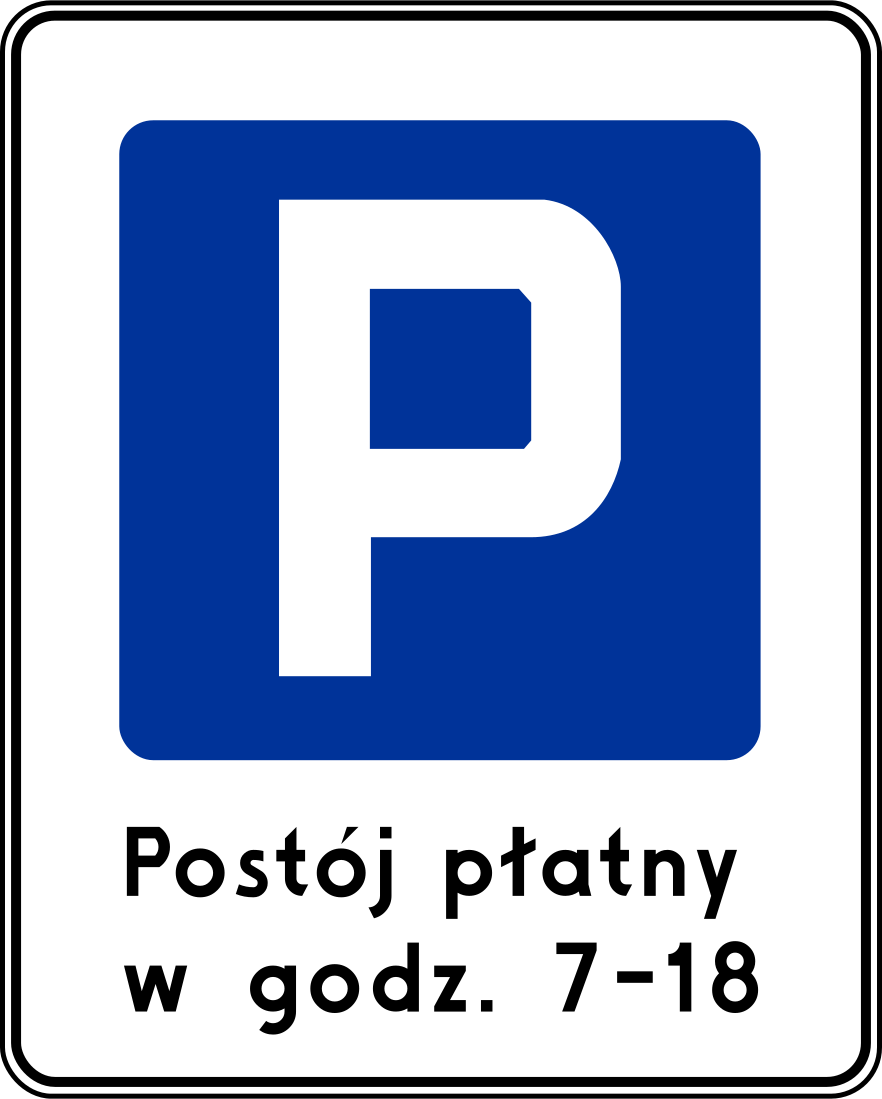
The D-44 - Paid Parking Zone road sign may also be known by these alternative names or terms.
The D-44 - Paid Parking Zone road sign is part of the Information Signs (D) category, which groups together signs with similar rules and functions.
Comparing related road signs like the Paid Parking Zone (D-44) with others aids in precise recognition and reduces exam errors. This focused traffic sign comparison is key for effective theory test revision and mastering all Polish road signs.
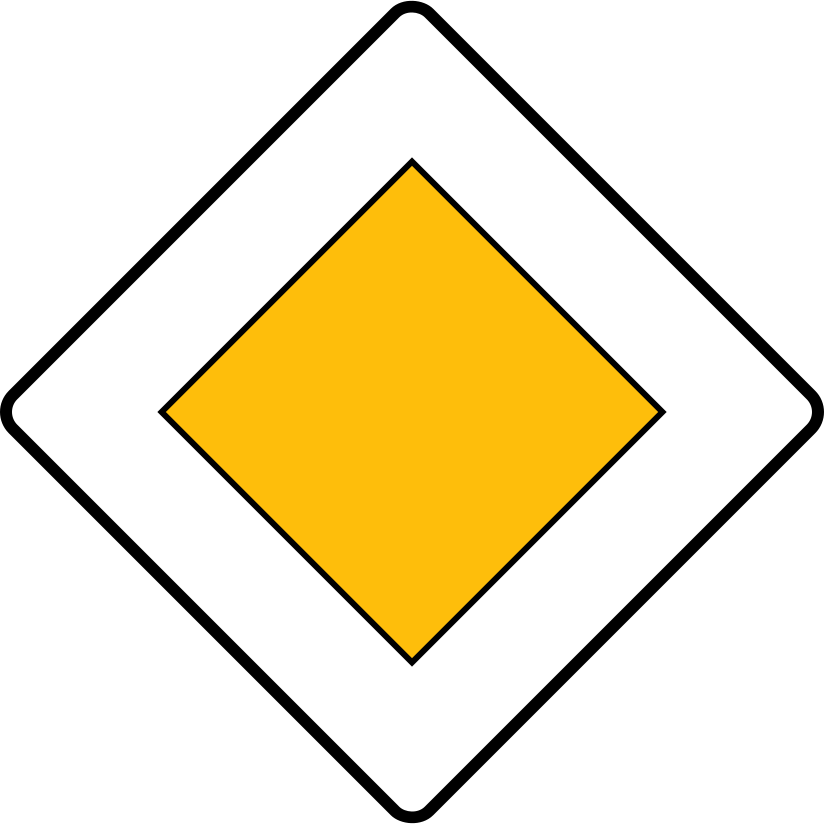
The D-1 Priority Road sign means you have the right of way.
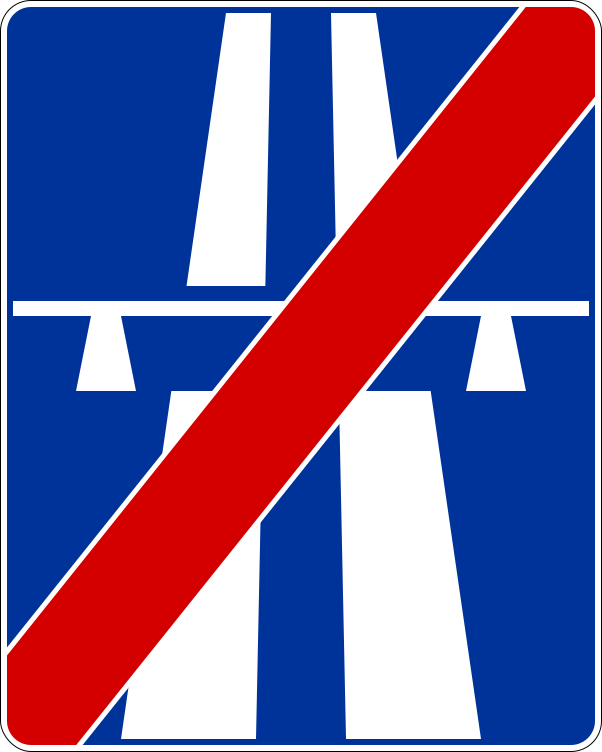
Prepare for the End of the Motorway with the D-10 Sign
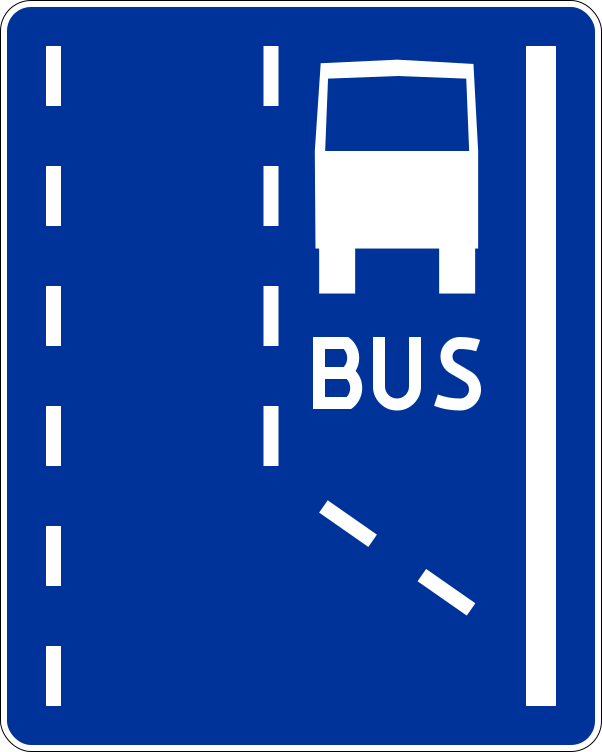
D-11 Road Sign: You're Approaching the Start of a Bus Lane
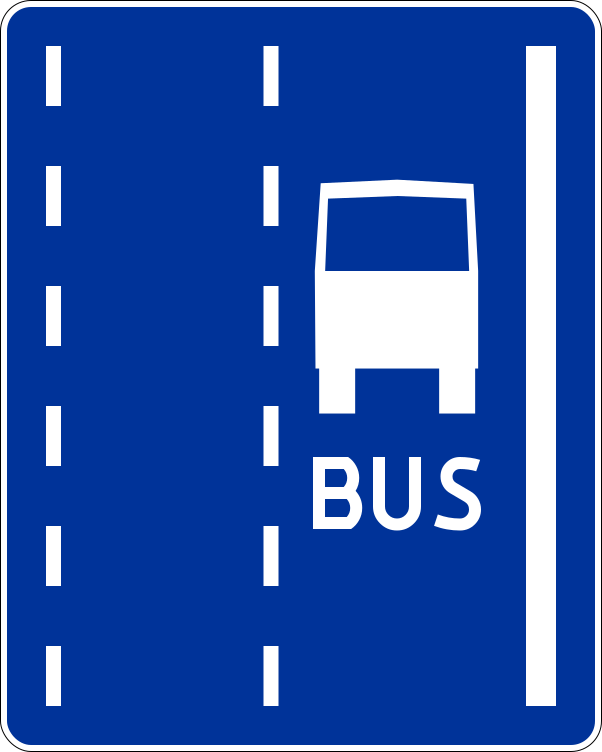
The D-12 'Bus Lane' sign confirms the lane remains exclusively for buses and authorized vehicles.
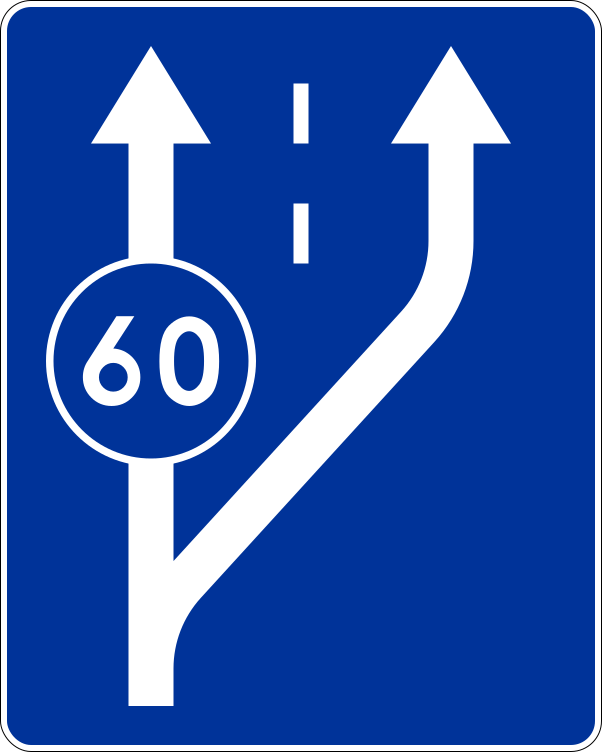
D-13 Sign: Prepare for the Start of a Slow-Moving Traffic Lane
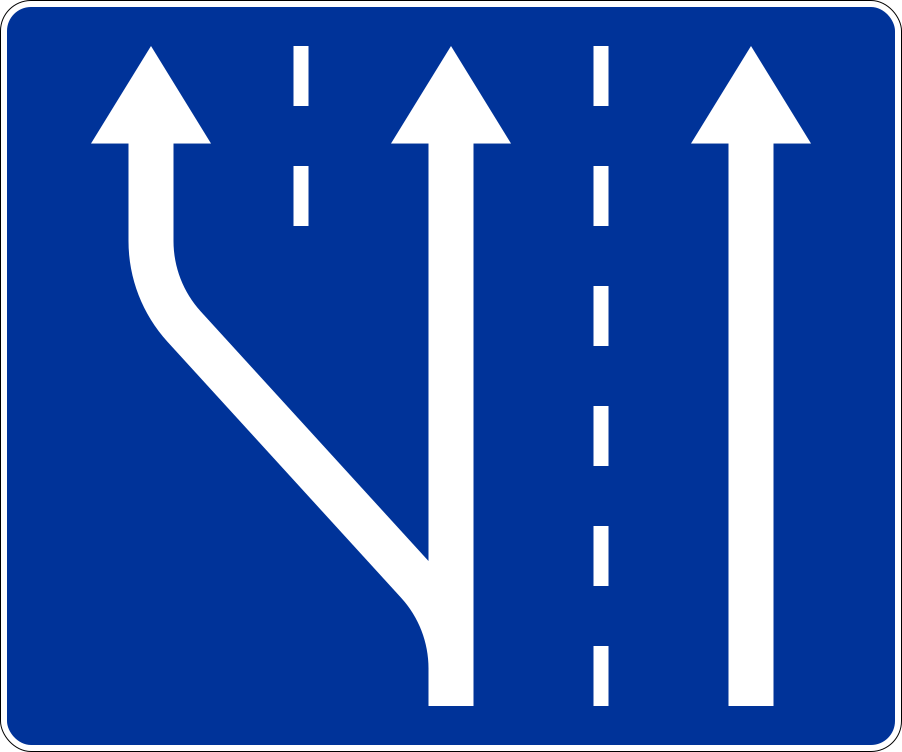
The D-13a 'Start of Lane' sign means a new lane is opening up ahead.
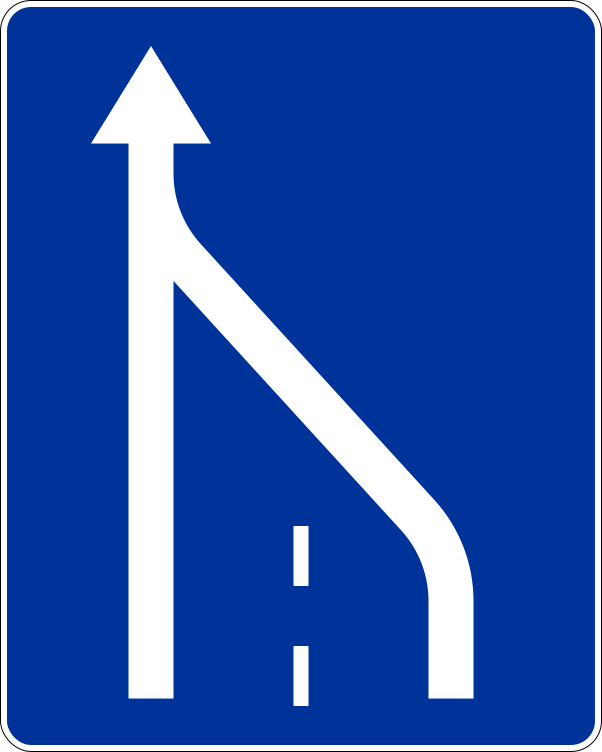
D-14 End of Lane: Know When and How to Merge Safely
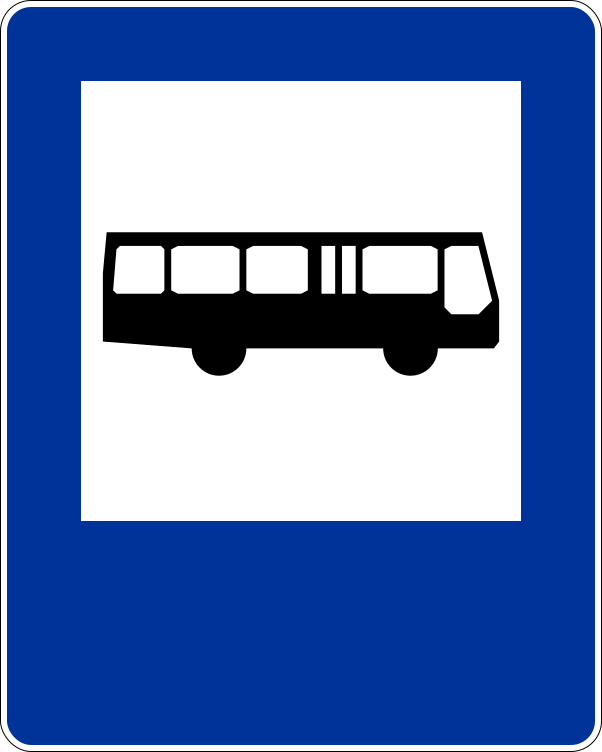
The D-15 'Bus Stop' Sign: Understanding and Reacting to Public Transport Stops
Deepen your understanding of specific road signs by reviewing official Polish traffic rules and associated real-world driving scenarios. These expert-led resources help you bridge the gap between visual recognition and practical exam application.
Learn the critical distinctions between the Polish A-16 warning sign and the D-6 pedestrian crossing sign. This guide explains your legal responsibilities when approaching these areas, including the mandatory speed reduction and yielding requirements. Understand the significant penalties, such as hefty fines and accumulating penalty points, especially the 'recydywa' (repeat offender) system in Poland, which can lead to immediate license suspension.
This article provides a detailed explanation of how Polish traffic signs A-7 ('Ustąp Pierwszeństwa' - Yield), B-20 ('STOP'), and D-1 ('Droga z Pierwszeństwem' - Priority Road) dictate right-of-way at intersections. Understanding the nuances of these signs is a fundamental aspect of the Polish driving theory exam, and mastering them will significantly improve your preparedness for real-world driving scenarios.
Master Polish Priority Signs and Navigate Intersections with Confidence
Even a Second Can Be Fatal: Understand Microsleep to Drive Safely in Poland.
The D-6b sign combines the functions of the D-6 and D-6a signs. It is used in locations where a sidewalk and a bicycle path run parallel and cross the road at the same point. The sign displays both the pedestrian and the bicycle silhouettes within the white triangle on a blue background. Drivers are obligated to treat this crossing with extreme care, yielding to both people on foot and those on bikes. The same rules regarding overtaking and parking apply here as with standard crossings.
The D-34b sign acts as a summary for a rest area or a nearby town. Instead of multiple separate signs, it groups symbols together on one large blue board. For example, it might show symbols for a petrol station, a restaurant, and a hotel simultaneously. This allows drivers to see at a glance what services are available at an upcoming exit or stop without cluttering the roadside with too many individual signs.
After reviewing the full list of Polish road signs, explore specific sign categories for in-depth understanding. Challenge your knowledge with practice questions focused on sign recognition and interpretation to solidify your preparation for the driving theory exam.
Browse All Polish Road Signs