
The D-36 sign, featuring a person ascending stairs, indicates the presence of a pedestrian overpass. This sign is an information sign used to guide pedestrians to safely cross busy roadways, especially motorways or expressways, without interacting with traffic. For drivers, it signifies that pedestrians should be using the bridge above and not crossing at road level, ensuring their safety and maintaining traffic flow. Familiarising yourself with this sign is crucial for your Polish driving licence theory exam and for safe navigation.
Master the D-36 'Pedestrian Overpass' road sign meaning for your Polish theory test. This explanation helps you recognize this important information sign and understand its implications for safe driving and pedestrian safety on Polish roads.
The D-36 sign shows a person walking up stairs. It signifies a pedestrian bridge (overpass) crossing the roadway. These are commonly built over wide motorways or expressways where a ground-level crossing would be impossible or too dangerous. For drivers, it serves as a landmark and a reminder that pedestrians should not be on the roadway itself.
Informs you that pedestrians can cross the road via a bridge above.
Get clear, practical answers to the most common questions about the D-36 - Pedestrian Overpass road sign. Learn how the sign works, what rules it represents, and how it affects real driving situations. This FAQ strengthens your understanding and supports accurate decision making for the Polish driving theory exam in Poland.
The D-36 sign's main purpose is to direct pedestrians to use a designated overpass (bridge) to cross the road safely. For drivers, it confirms that pedestrians will be crossing above the carriageway, so you should not expect them to be on the road itself.
As a driver, seeing the D-36 sign doesn't usually require you to change your speed or behaviour directly, as it primarily guides pedestrians. However, it serves as a reminder that the road below should be clear of pedestrians and that the overpass is the designated crossing point for people on foot.
While the D-36 sign is for pedestrians, drivers should avoid stopping directly underneath the overpass unless it's an emergency. The primary concern is ensuring pedestrians use the bridge safely, and drivers should remain aware of their surroundings, especially if the overpass is near an exit or entry ramp.
A common trap is confusing the D-36 sign with pedestrian crossing signs where pedestrians cross at road level. Learners might incorrectly assume they need to slow down or yield to pedestrians when seeing D-36, but the sign's purpose is to indicate pedestrians are separated from the roadway by a bridge.
Yes, the notes suggest that modern overpasses may include elevators for accessibility. If an overpass is particularly high or steep, pedestrians are encouraged to use available facilities like elevators to reach the bridge safely and conveniently.
A clear reference image of the D-36 - Pedestrian Overpass road sign used in Poland.
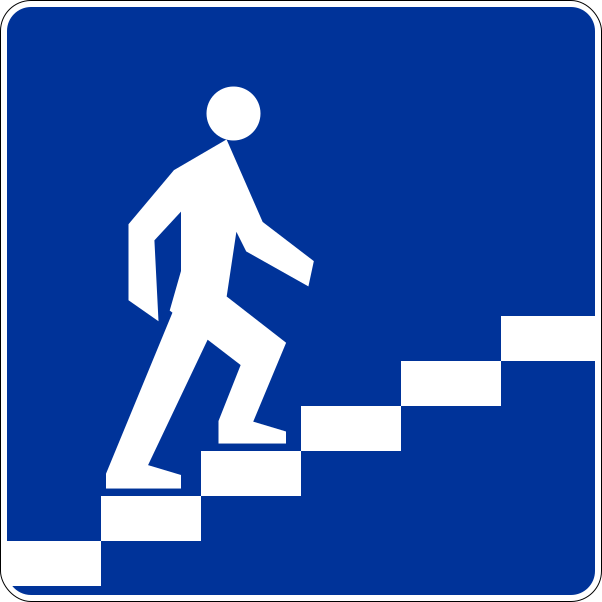
The D-36 - Pedestrian Overpass road sign may also be known by these alternative names or terms.
The D-36 - Pedestrian Overpass road sign is part of the Information Signs (D) category, which groups together signs with similar rules and functions.
Reviewing related signs like the D-36 Pedestrian Overpass alongside others in the Information category aids in distinguishing their unique meanings. This focused traffic sign comparison is essential for accurate theory test revision and improving overall sign recognition.
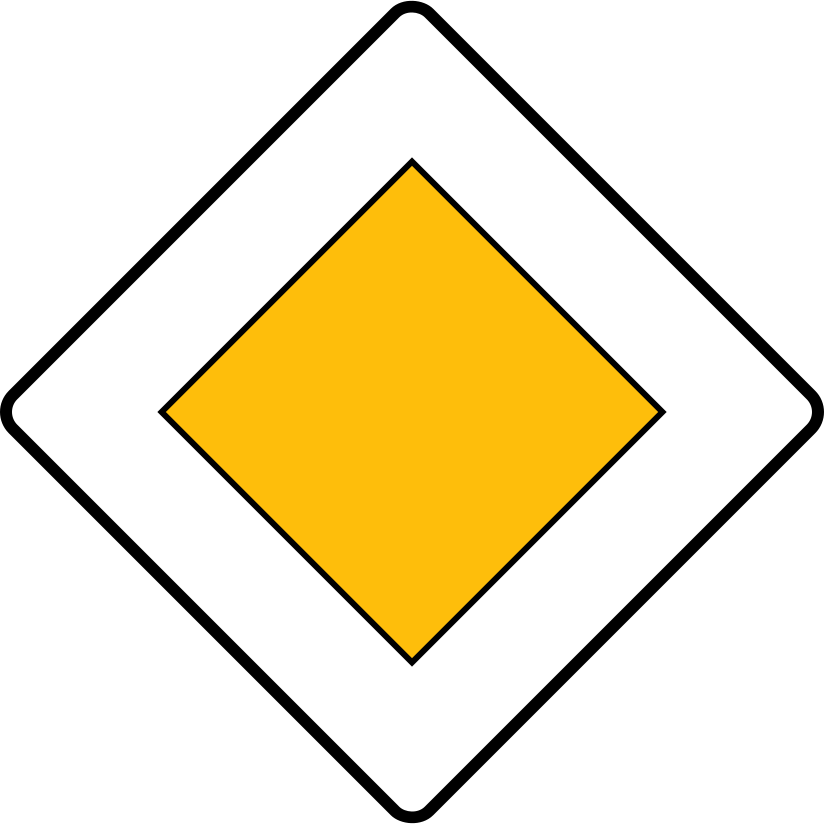
The D-1 Priority Road sign means you have the right of way.
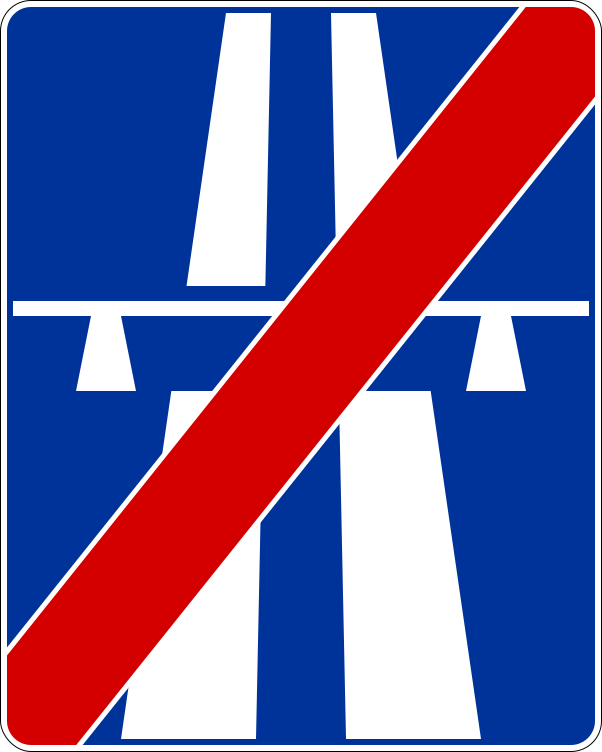
Prepare for the End of the Motorway with the D-10 Sign
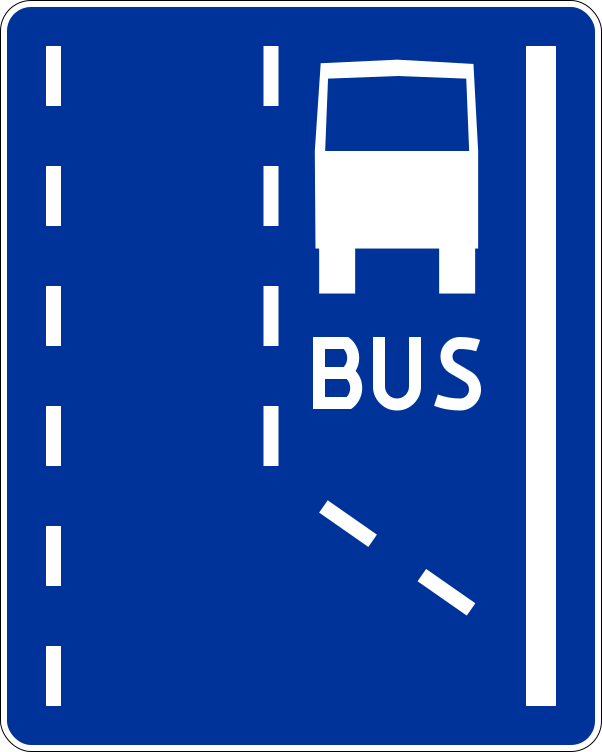
D-11 Road Sign: You're Approaching the Start of a Bus Lane
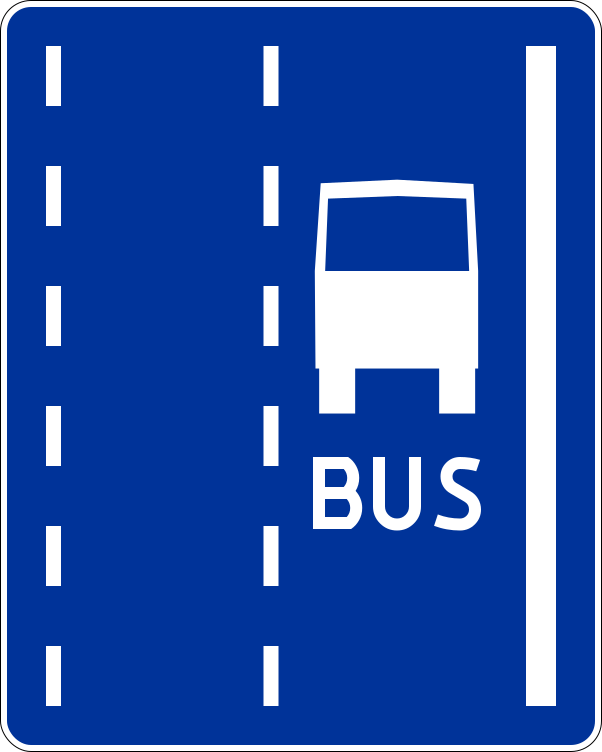
The D-12 'Bus Lane' sign confirms the lane remains exclusively for buses and authorized vehicles.
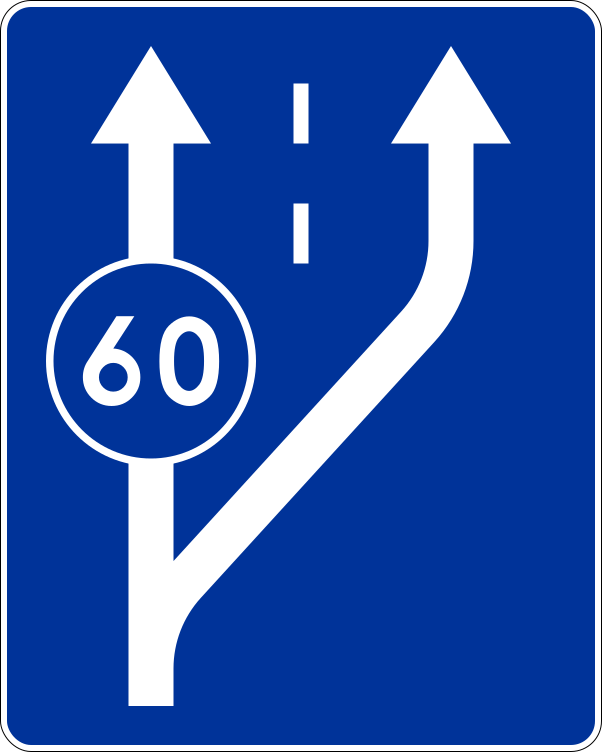
D-13 Sign: Prepare for the Start of a Slow-Moving Traffic Lane
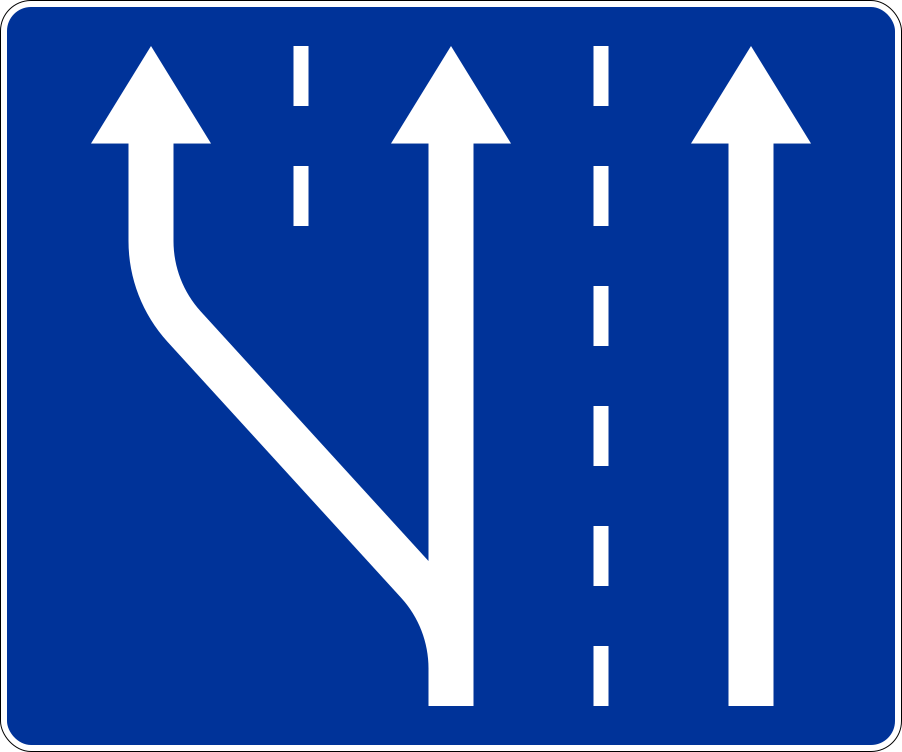
The D-13a 'Start of Lane' sign means a new lane is opening up ahead.
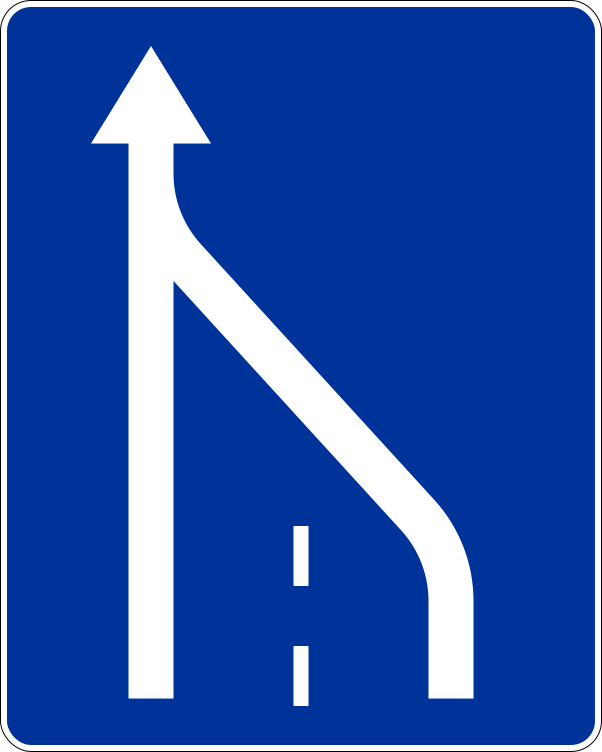
D-14 End of Lane: Know When and How to Merge Safely
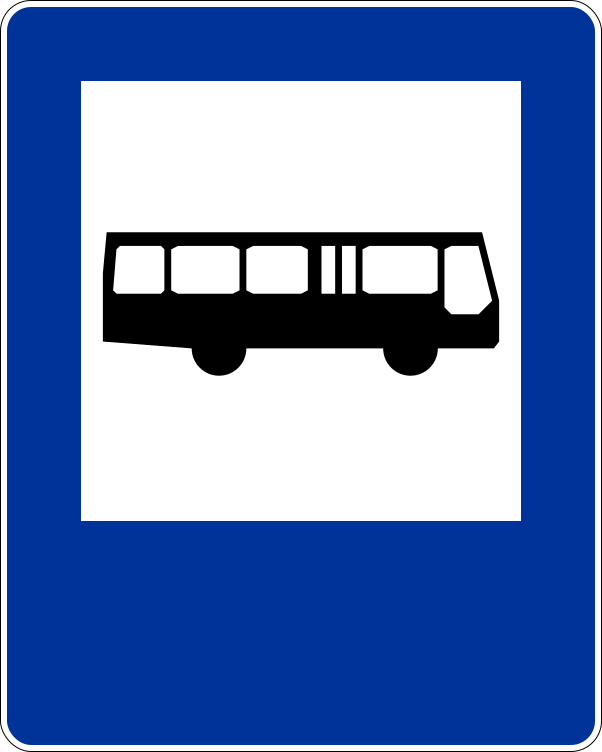
The D-15 'Bus Stop' Sign: Understanding and Reacting to Public Transport Stops
Deepen your understanding of specific road signs by reviewing official Polish traffic rules and associated real-world driving scenarios. These expert-led resources help you bridge the gap between visual recognition and practical exam application.
Even a Second Can Be Fatal: Understand Microsleep to Drive Safely in Poland.
Don't Be a Road Block: Master Minimum Speeds and Smooth Traffic Flow for Your Polish Exam!
Learn why driving in Poland with a foreign license is illegal if your Polish driving privileges have been revoked. This article explains the fundamental principle that driving entitlements are personal and singular under Polish law, as reinforced by court rulings, helping you understand the strict requirements for legal driving.
Navigating Polish roads requires a precise understanding of rules for overtaking slow-moving vehicles, especially on continuous solid lines. This article will detail when such maneuvers are legal, the legal obligations of tractor drivers, and the consequences of violations according to Polish traffic law. Mastering this topic is essential for safe driving and succeeding in your theory exam.
The D-43 sign is the city skyline with a red diagonal line. It signals that you are entering a rural environment. For most vehicles, the speed limit increases to 90 km/h (for single carriageways). However, you should still be cautious of farm vehicles, wild animals, and hidden driveways that are common in rural Poland. This sign also marks where you can once again use your horn for purposes other than immediate danger, such as before overtaking in low visibility.
The A-17 sign indicates locations where children between the ages of 7 and 15 are likely to be present. Unlike adults, children can be unpredictable and may suddenly run into the street without looking. This sign is a signal to slow down significantly and be extra alert. It is common near primary schools, daycare centers, and organized sports fields.
After reviewing the full list of Polish road signs, explore specific sign categories for in-depth understanding. Challenge your knowledge with practice questions focused on sign recognition and interpretation to solidify your preparation for the driving theory exam.
Browse All Polish Road Signs