
The B-31 road sign, often seen at narrow sections like bridges or roadworks, means you must yield to oncoming vehicles. If you encounter this sign, and the red arrow points towards you, you must stop and wait for any vehicles already in or approaching the narrow passage. The oncoming driver will see a D-5 sign indicating they have priority. Understanding this sign is crucial for navigating restricted passages safely and is a common topic in the driving theory exam.
This prohibitory sign, B-31, mandates yielding to oncoming traffic on narrow passages, ensuring safe passage for both drivers. Master its meaning for your theory test revision and safe driving practice in Poland.
The B-31 sign is placed at one end of a narrow passage (like a bridge or roadworks) where two vehicles cannot safely pass each other. If you see this sign (with the red arrow on your side), you MUST stop and wait for any oncoming vehicles that are already in or approaching the narrow section. The driver on the other side will see a blue D-5 sign, indicating they have priority.
You must yield to oncoming vehicles at a narrow section of the road.
Get clear, practical answers to the most common questions about the B-31 - Priority for Oncoming Traffic road sign. Learn how the sign works, what rules it represents, and how it affects real driving situations. This FAQ strengthens your understanding and supports accurate decision making for the Polish driving theory exam in Poland.
The B-31 sign means you must give priority to oncoming traffic. It is placed at a narrow section of road where two vehicles cannot safely pass each other simultaneously. You must stop and wait for oncoming vehicles to clear the narrow passage before proceeding.
You must stop if an oncoming vehicle is already in the narrow section or is approaching it and would be obstructed by your passage. The red arrow on the B-31 sign indicates you do not have priority and must yield.
The D-5 sign is the counterpart to B-31. It indicates that the driver approaching it has priority. When you see a B-31 sign, the driver on the other side likely sees a D-5 sign, confirming the priority arrangement.
Yes, you are prohibited from entering the narrow passage if an oncoming vehicle is already present or too close, forcing them to stop or brake. You also must not ignore the sign, even if you believe your vehicle is smaller; the priority rules must be obeyed.
Yes, you can proceed if you are certain there are no oncoming vehicles that would be hindered by your passage. Always ensure the narrow section is clear and safe to enter before proceeding. If in doubt, it's better to wait.
These signs are commonly placed at locations where road width is significantly reduced, such as narrow bridges, underpasses, roadworks, or temporary construction sites where two vehicles cannot pass each other comfortably at the same time.
A clear reference image of the B-31 - Priority for Oncoming Traffic road sign used in Poland.

The B-31 - Priority for Oncoming Traffic road sign may also be known by these alternative names or terms.
The B-31 - Priority for Oncoming Traffic road sign is part of the Prohibitory Signs (B) category, which groups together signs with similar rules and functions.
Comparing signs like B-31, Priority for Oncoming Traffic, with others helps solidify your understanding of Polish traffic rules. Effective traffic sign comparison is key to mastering road signs and succeeding in your theory test revision.

B-1 Sign: Road Closed to All Traffic in Both Directions
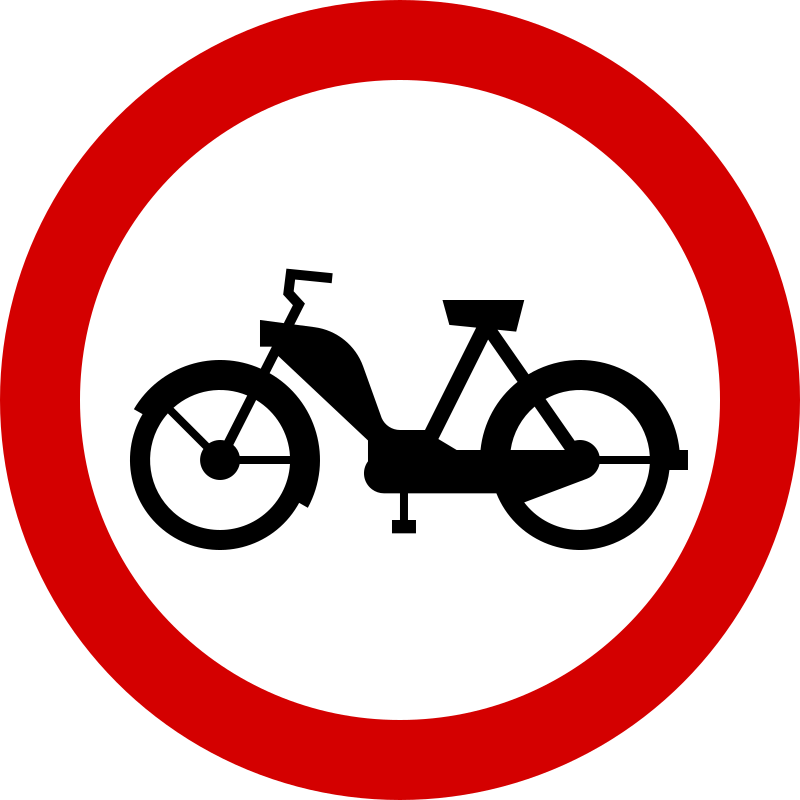
The B-10 'No Mopeds' sign prohibits entry for all mopeds past this point.
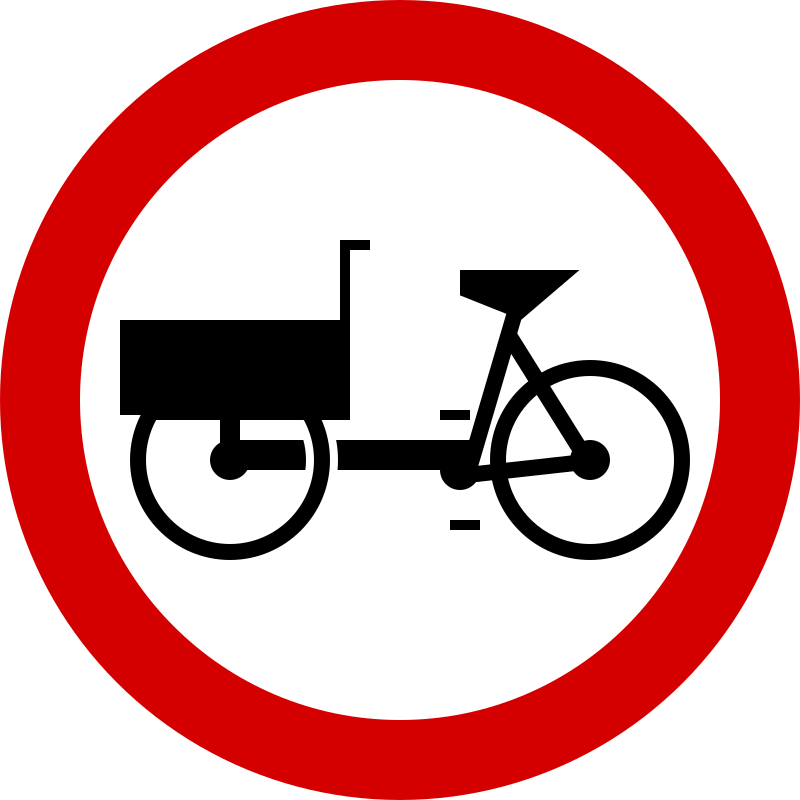
B-11: No Entry for Cycle Rickshaws and Multi-Track Carts
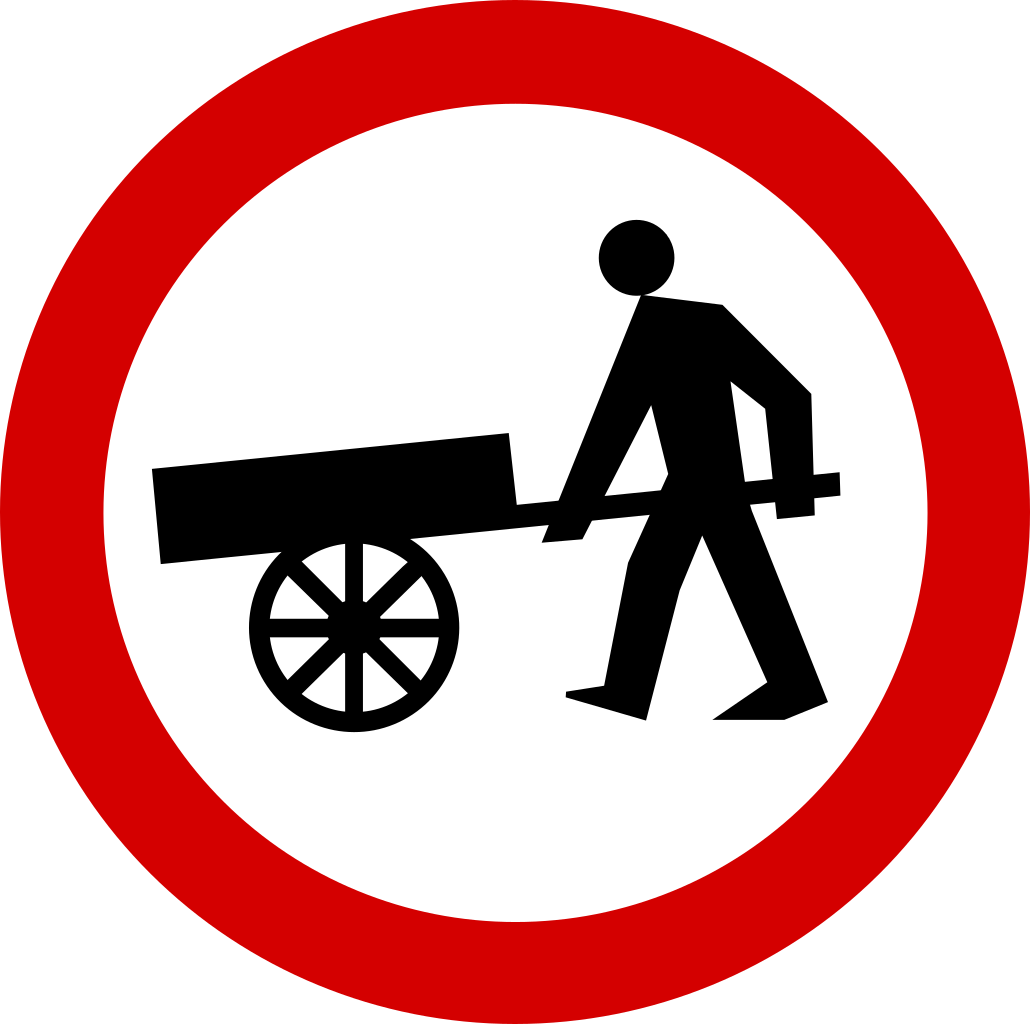
Understand the B-12 'No Handcarts' Road Sign
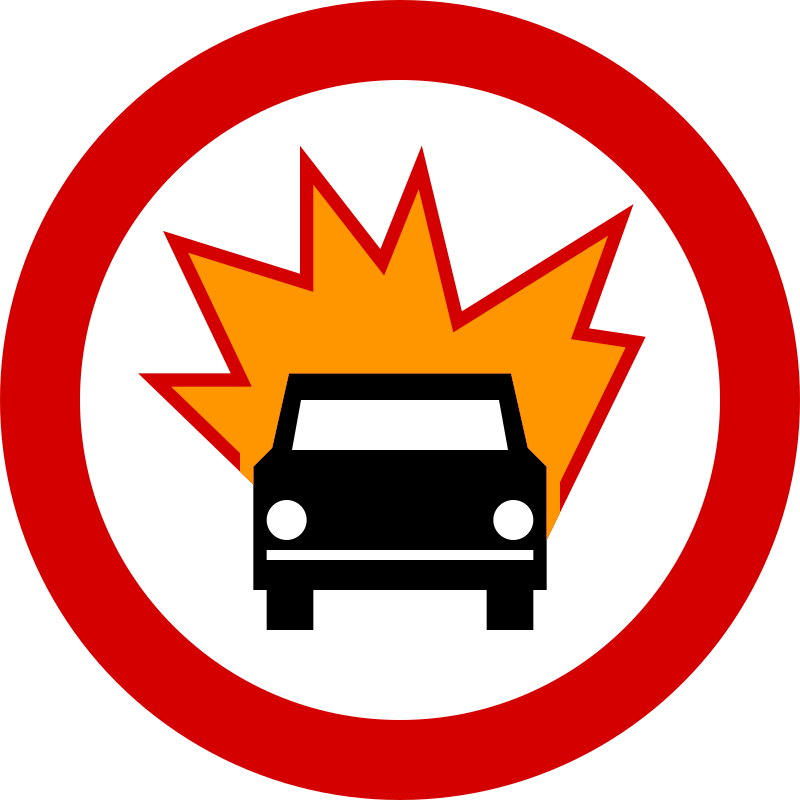
Understand the B-13 sign: No vehicles carrying explosives or flammable goods allowed.
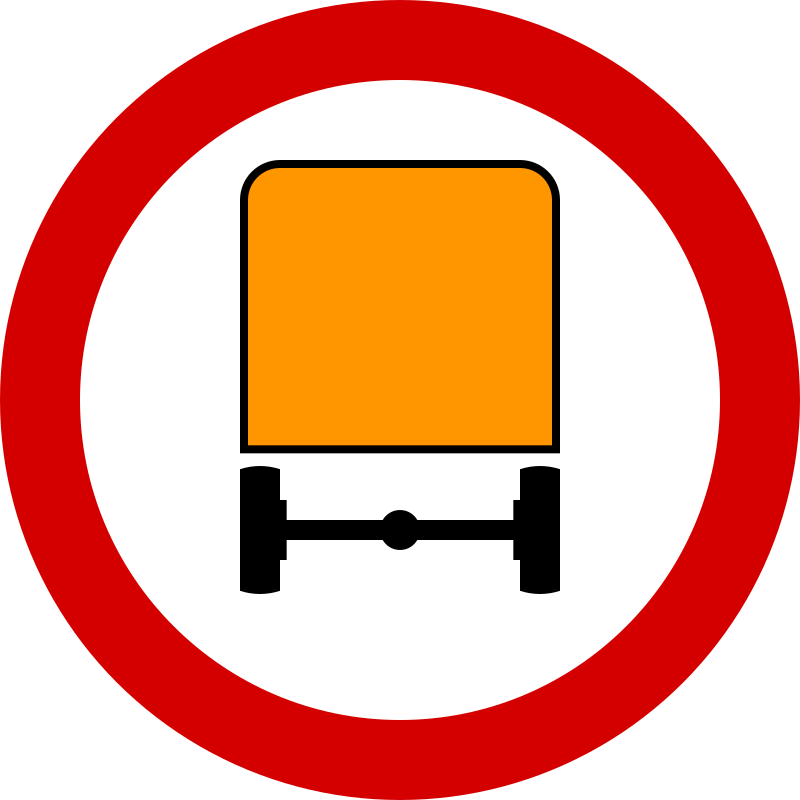
The B-13a sign means no vehicles carrying dangerous goods are allowed past this point.
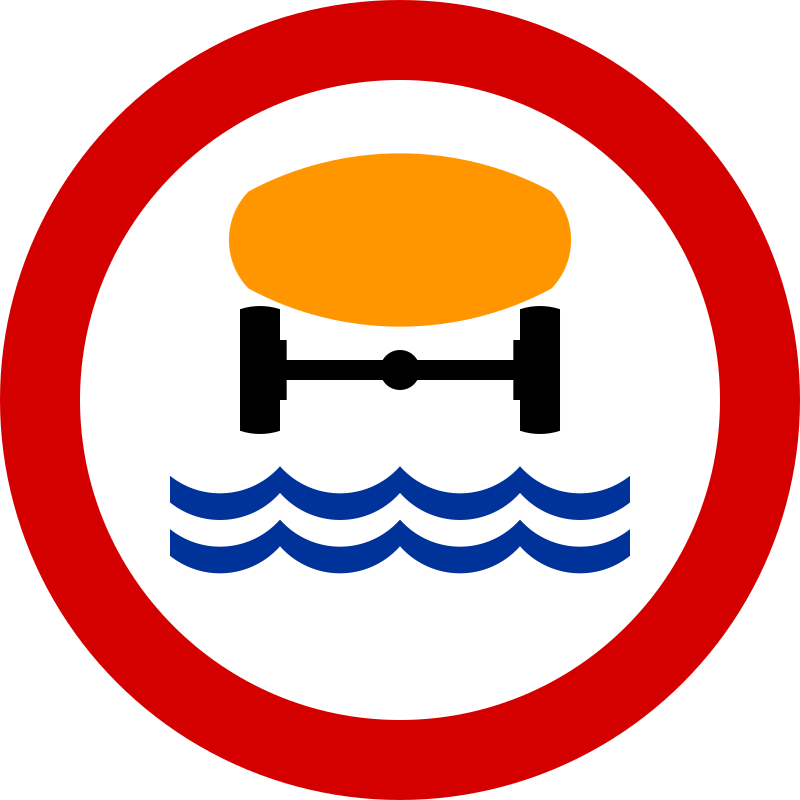
B-14 Sign: No Vehicles Carrying Water Contaminants
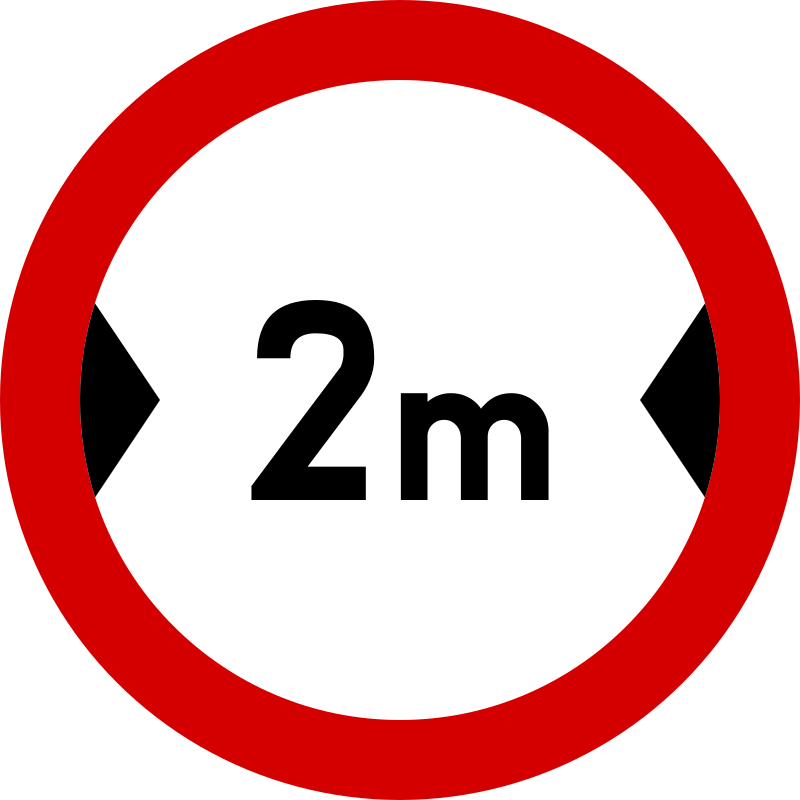
The B-15 sign prohibits vehicles wider than the specified limit from passing.
Deepen your understanding of specific road signs by reviewing official Polish traffic rules and associated real-world driving scenarios. These expert-led resources help you bridge the gap between visual recognition and practical exam application.
This article provides a detailed explanation of how Polish traffic signs A-7 ('Ustąp Pierwszeństwa' - Yield), B-20 ('STOP'), and D-1 ('Droga z Pierwszeństwem' - Priority Road) dictate right-of-way at intersections. Understanding the nuances of these signs is a fundamental aspect of the Polish driving theory exam, and mastering them will significantly improve your preparedness for real-world driving scenarios.
Mastering Lane Discipline and Priority at Polish Intersections with Arrow Signals
Learn the precise regulations for towing trailers in Poland with a Category B driving license. This guide breaks down the differences between the standard B license, the enhanced Code 96, and the full B+E category, focusing on weight limits and when each is necessary. This knowledge is vital for safe driving and for correctly answering exam questions on vehicle combinations.
Master Polish Crossing Markings for a Safer Drive and Exam Success.
The E-15c sign features white letters and numbers on a blue background. In Poland, motorways are the highest class of road, featuring at least two lanes in each direction, a hard shoulder, and no flat intersections. These are often toll roads. The blue color is the primary indicator that you are on or approaching an 'Autostrada'.
The C-5 sign features a white arrow pointing vertically upward on a blue background. It mandates that vehicles proceed only in a straight direction at the nearest intersection or where a change of direction is possible. It is frequently used on high-traffic roads to prevent congestion caused by turning vehicles or to stop drivers from entering narrow side streets that cannot handle current traffic volumes.
After reviewing the full list of Polish road signs, explore specific sign categories for in-depth understanding. Challenge your knowledge with practice questions focused on sign recognition and interpretation to solidify your preparation for the driving theory exam.
Browse All Polish Road Signs