
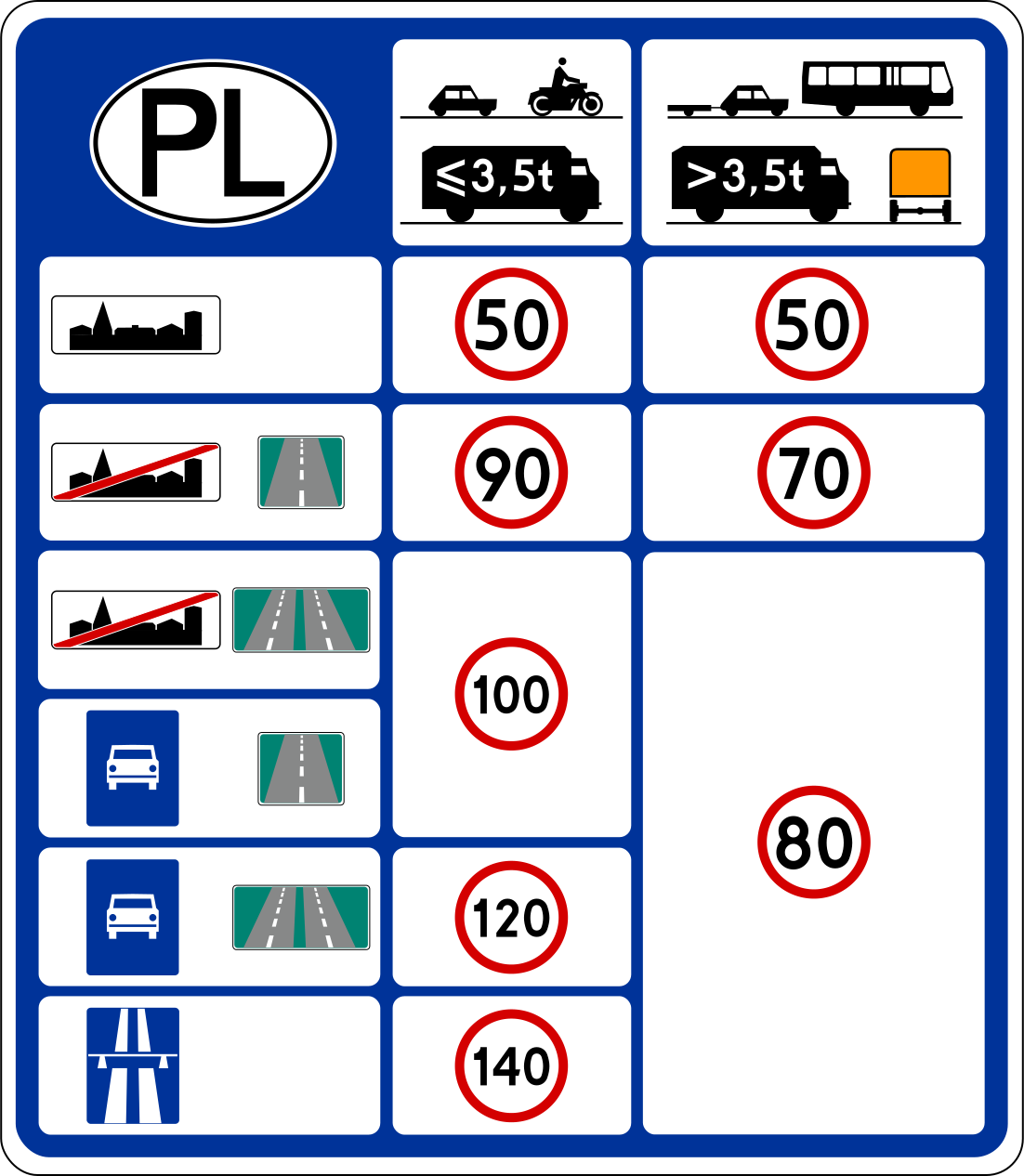
The D-39 sign, often seen at border crossings, is crucial for understanding Poland's standard speed limits. It displays maximum speeds for different road types: 50 km/h in built-up areas, 90 km/h on rural roads, 120 km/h on expressways, and 140 km/h on motorways. This information helps both local and foreign drivers comply with Polish traffic laws, especially when specific speed limit signs are absent.
Master the D-39 sign for crucial theory test revision, detailing Poland's standard speed limits across built-up areas, rural roads, and motorways. This sign interpretation is vital for safe driving and legal compliance on Polish roads.
The D-39 sign is typically found at border crossings. It is a large blue board showing the general speed limits for: built-up areas (50 km/h), rural roads (90 km/h), expressways (120 km/h), and motorways (140 km/h). This is essential for foreign drivers to understand the local legal framework without needing to see individual speed limit signs on every single road.
Informs you of the standard speed limits for different types of roads in Poland.
Get clear, practical answers to the most common questions about the D-39 - General Speed Limits road sign. Learn how the sign works, what rules it represents, and how it affects real driving situations. This FAQ strengthens your understanding and supports accurate decision making for the Polish driving theory exam in Poland.
The D-39 sign's main purpose is to inform drivers, particularly those entering Poland from abroad, about the standard legal speed limits applicable to different types of roads within the country. It serves as a quick reference to ensure compliance with Polish traffic regulations.
The D-39 sign typically indicates the following general speed limits: 50 km/h in built-up areas, 90 km/h on other roads (rural roads), 120 km/h on expressways, and 140 km/h on motorways. Always pay attention to these limits and adjust your speed accordingly.
No, the general speed limits shown on the D-39 sign are usually for passenger cars. Trucks, buses, and vehicles with trailers often have lower speed limits, which might not be explicitly detailed on this sign. Always be aware of specific regulations for your vehicle type.
You should pay close attention to the D-39 sign when entering Poland, especially at border crossings, as it provides the baseline speed limits. It's also a good reminder to follow these general limits even if no other specific speed signs are present on the road ahead.
Exceeding the general speed limits indicated by the D-39 sign, or any other speed limit signs, can result in fines and penalty points. It's crucial to adhere to these limits for your safety and to avoid legal consequences. Always ensure your speed is appropriate for the road conditions and posted limits.
A clear reference image of the D-39 - General Speed Limits road sign used in Poland.
The D-39 - General Speed Limits road sign may also be known by these alternative names or terms.
The D-39 - General Speed Limits road sign is part of the Information Signs (D) category, which groups together signs with similar rules and functions.
Understanding related speed limit signs is key to theory test revision and accurate sign recognition. Comparing similar traffic signs helps cement correct meanings, reducing confusion and improving your exam preparation for Polish roads.
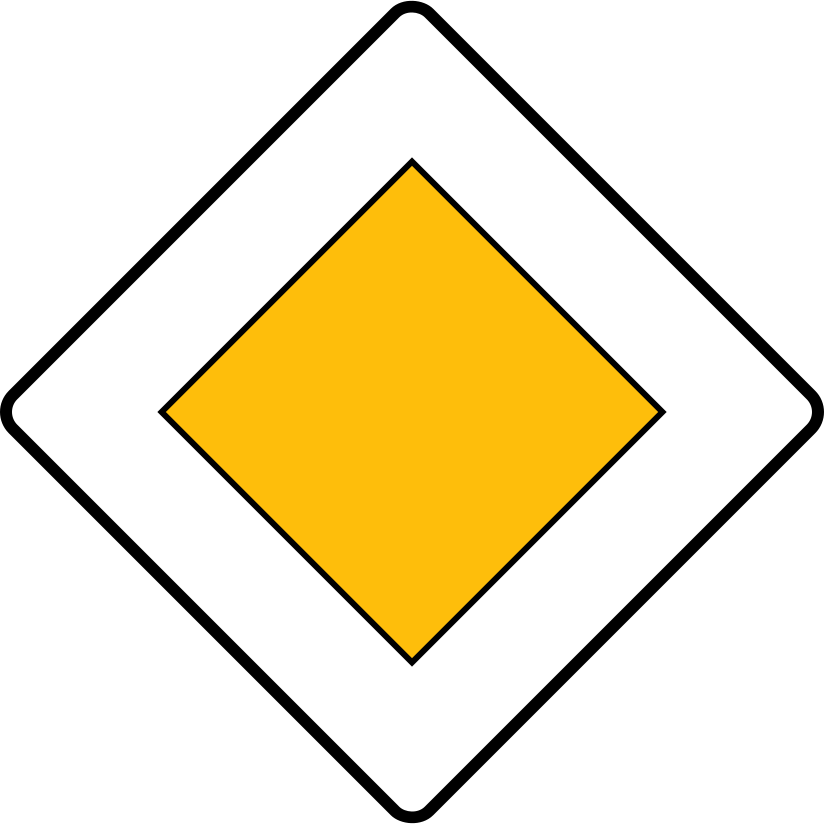
The D-1 Priority Road sign means you have the right of way.
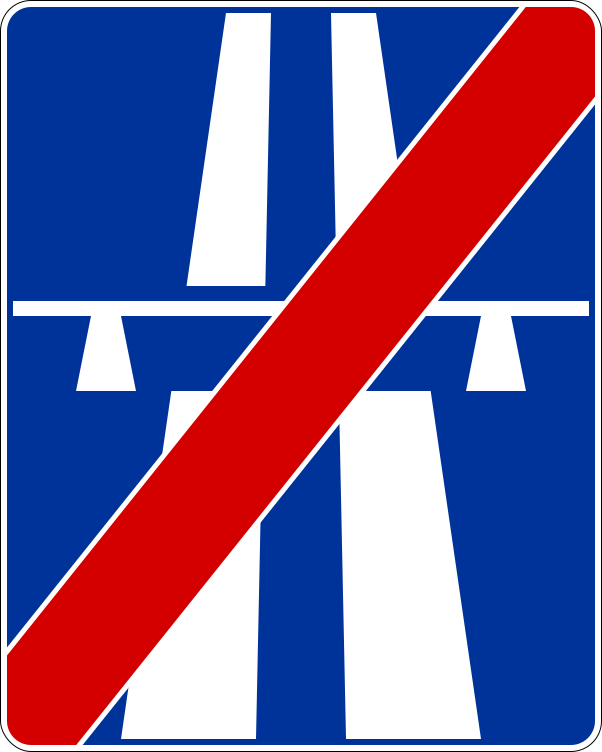
Prepare for the End of the Motorway with the D-10 Sign
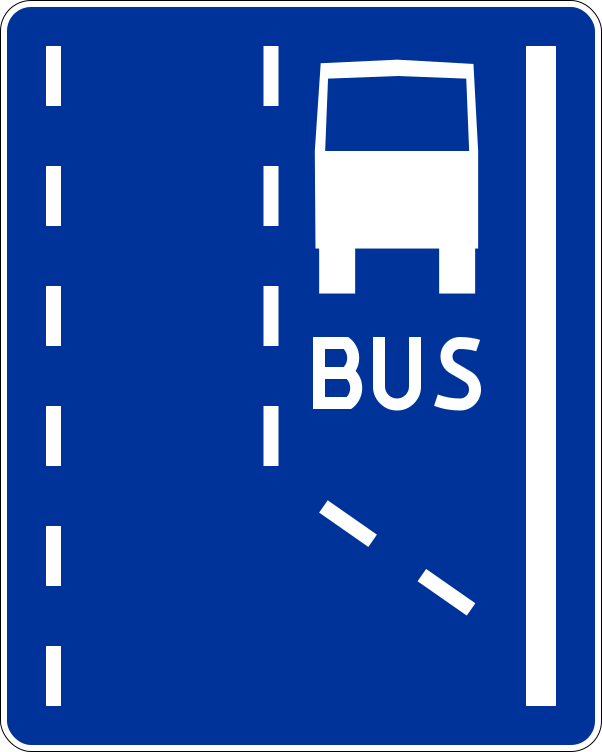
D-11 Road Sign: You're Approaching the Start of a Bus Lane
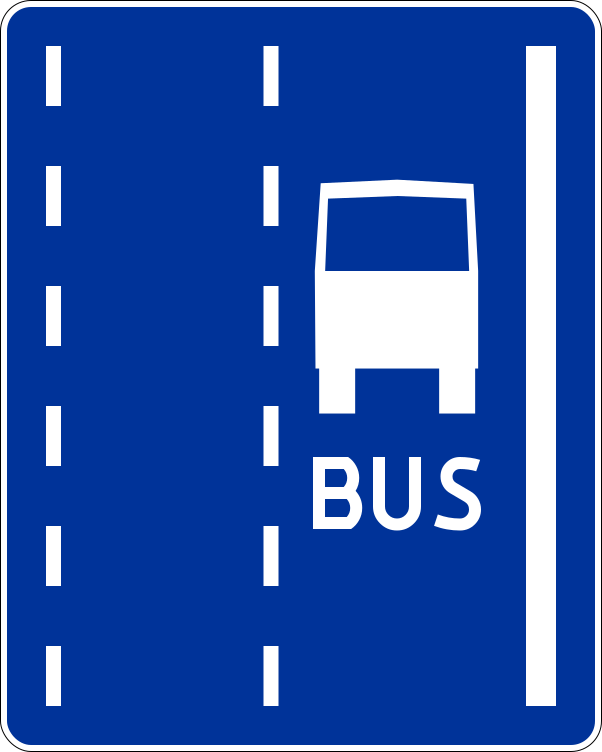
The D-12 'Bus Lane' sign confirms the lane remains exclusively for buses and authorized vehicles.
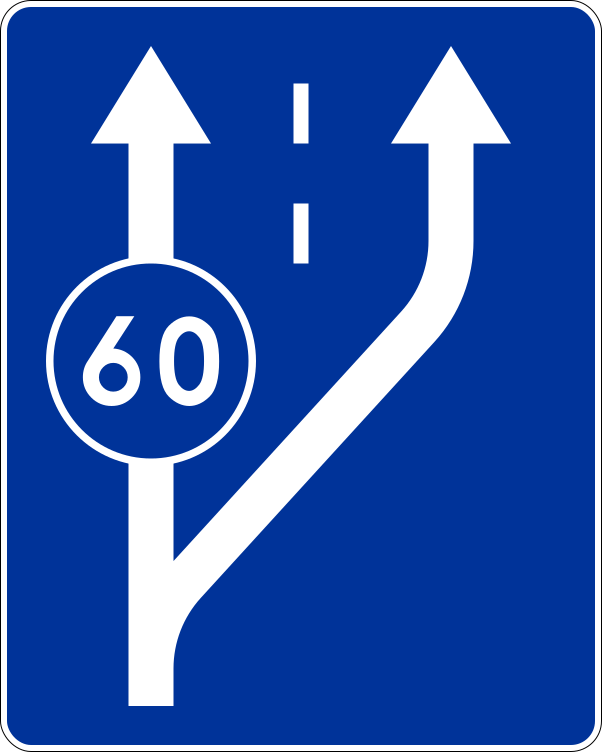
D-13 Sign: Prepare for the Start of a Slow-Moving Traffic Lane
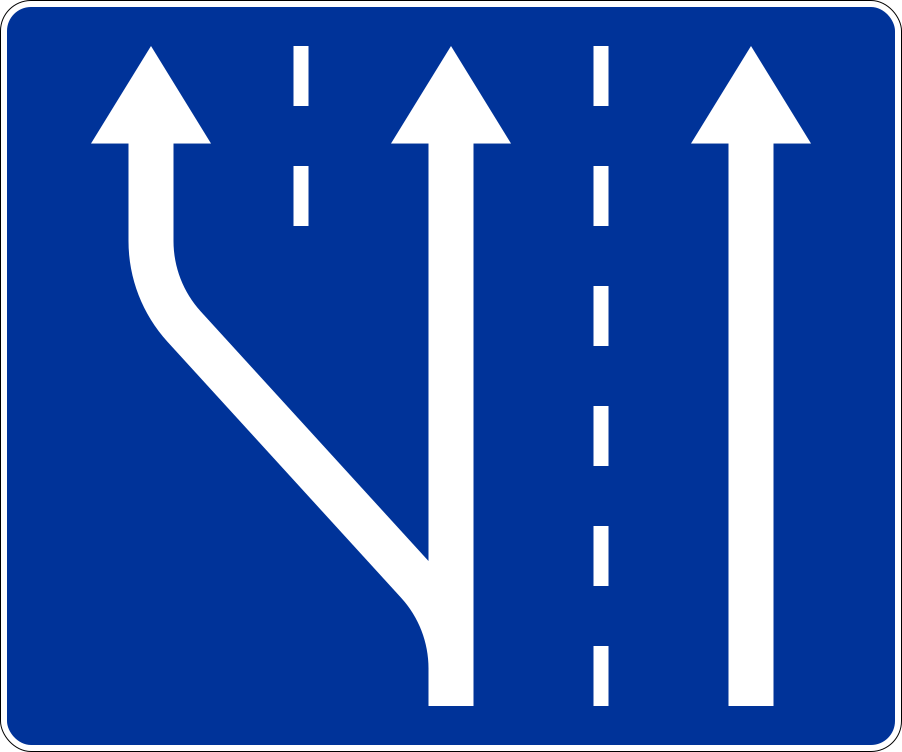
The D-13a 'Start of Lane' sign means a new lane is opening up ahead.
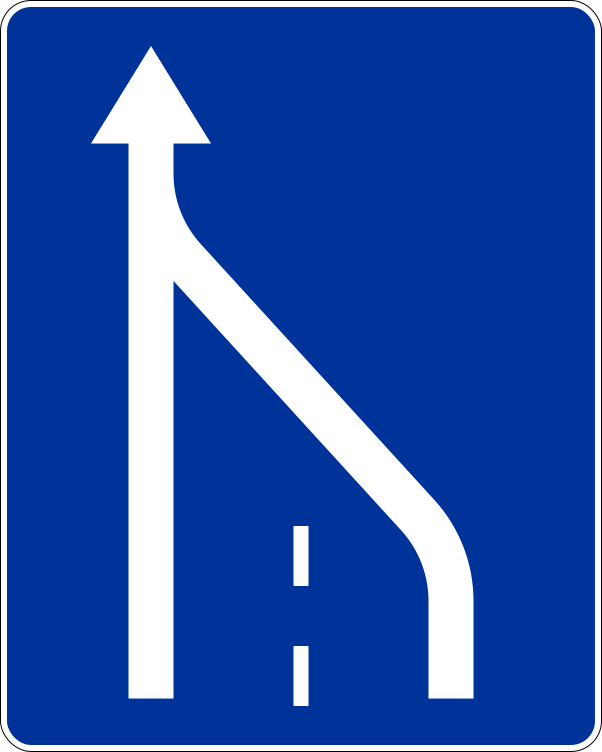
D-14 End of Lane: Know When and How to Merge Safely
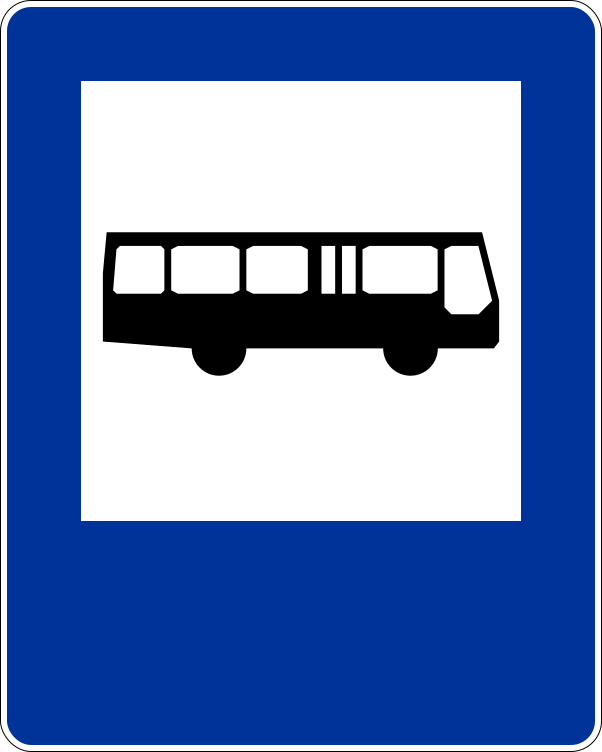
The D-15 'Bus Stop' Sign: Understanding and Reacting to Public Transport Stops
Deepen your understanding of specific road signs by reviewing official Polish traffic rules and associated real-world driving scenarios. These expert-led resources help you bridge the gap between visual recognition and practical exam application.
This article delves into the crucial meaning of the Polish D-42 'Obszar Zabudowany' (Built-up Area) sign, a key topic for your Polish driving theory exam. You will learn why this sign automatically enforces a 50 km/h speed limit and the severe penalties, including fines up to 5,000 PLN and potential license revocation, for violations. Understanding and respecting the D-42 sign is essential for safe driving and passing your theory test.
Master Polish Crossing Markings for a Safer Drive and Exam Success.
Navigate Tram Intersections Like a Pro: Essential for Your Polish Driving Exam.
Learn the exact Polish traffic regulations for yielding to pedestrians at crossings, a crucial element of the national driving theory test. We clarify what constitutes 'yielding' and the significant consequences of non-compliance, including a common €1500 PLN fine and 10 penalty points. This essential knowledge will help you navigate pedestrian areas safely and pass your theory exam.
The D-34b sign acts as a summary for a rest area or a nearby town. Instead of multiple separate signs, it groups symbols together on one large blue board. For example, it might show symbols for a petrol station, a restaurant, and a hotel simultaneously. This allows drivers to see at a glance what services are available at an upcoming exit or stop without cluttering the roadside with too many individual signs.
The D-10 sign indicates the end of the motorway section. It features the motorway symbol crossed by a red diagonal line. This is a critical point for safety, as drivers who have been traveling at 140 km/h for a long time may suffer from 'speed adaptation'—where 90 km/h feels much slower than it actually is. The sign warns you that the road may now have at-grade intersections, oncoming traffic without a median, and significantly lower speed limits.
After reviewing the full list of Polish road signs, explore specific sign categories for in-depth understanding. Challenge your knowledge with practice questions focused on sign recognition and interpretation to solidify your preparation for the driving theory exam.
Browse All Polish Road Signs