
The A-20 road sign warns you that the road you are travelling on, which may currently be one-way, will soon have traffic approaching from the opposite direction. This crucial warning is often seen at the end of motorways, where dual carriageways merge, or during roadworks. It's vital to understand that you must stop assuming a one-way environment and be prepared for oncoming vehicles.
Prepare for opposing traffic with the A-20 warning sign, indicating your road is about to become two-way. Mastering this sign's meaning is vital for theory test revision and safe driving decisions on Polish roads.
The A-20 sign is used to alert drivers that traffic will soon be coming toward them in the opposite lane. This often occurs at the end of a motorway, when a dual carriageway merges into a single road, or during roadworks where traffic is diverted. It is a critical reminder to stay in your lane and not attempt to overtake as if you were still on a one-way street.
Warns that the one-way road or dual carriageway you are on is about to become a two-way road.
Get clear, practical answers to the most common questions about the A-20 - Two-way Traffic road sign. Learn how the sign works, what rules it represents, and how it affects real driving situations. This FAQ strengthens your understanding and supports accurate decision making for the Polish driving theory exam in Poland.
The A-20 sign is a warning sign indicating that the road ahead is about to become a two-way road, meaning traffic will be coming towards you. You must prepare to adjust your driving behaviour accordingly.
Upon seeing the A-20 sign, you should immediately be more vigilant. Reduce your speed slightly, stay in your lane, and be prepared for oncoming traffic. Avoid overtaking unless you have a completely clear view and it is safe to do so.
The A-20 sign tests your understanding of changing road conditions and your ability to react safely. Failing to anticipate oncoming traffic after this sign is a common cause of accidents and a typical area where learners make mistakes in the theory exam. Knowing how to interpret this warning is essential for safe driving.
Overtaking after seeing the A-20 sign is highly discouraged and potentially dangerous. You should only consider overtaking if the road configuration clearly allows it and you have excellent visibility of any oncoming traffic. It's safer to wait until you are certain it is safe or until the road layout explicitly permits it.
While both indicate changes in traffic flow, the A-20 specifically warns of opposing traffic on the *same roadway*. A general 'end of one-way street' sign might imply a more complex junction or road layout change. The A-20's core message is: 'Traffic is coming towards you on this road, so be cautious.'
A clear reference image of the A-20 - Two-way Traffic road sign used in Poland.
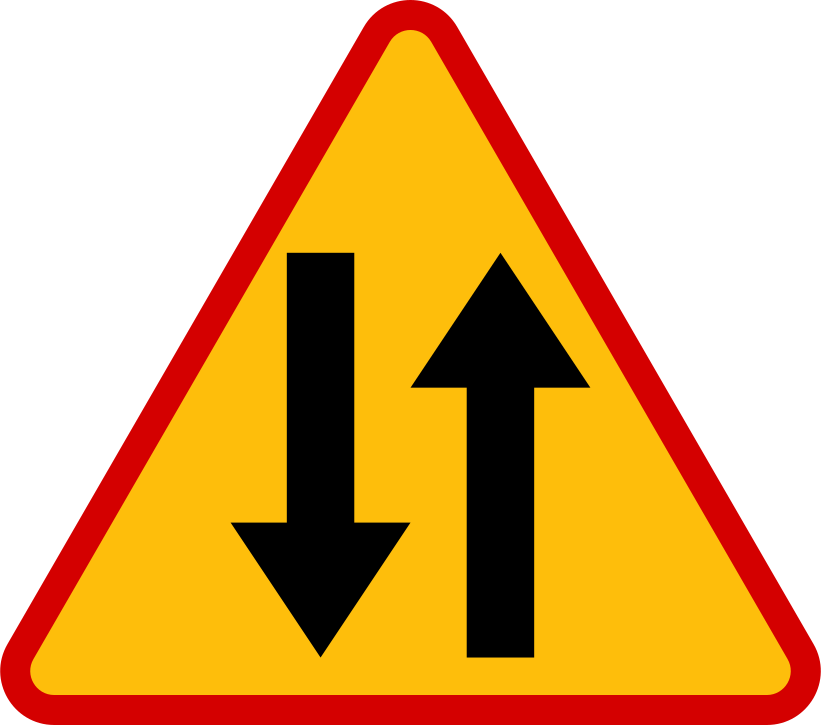
The A-20 - Two-way Traffic road sign may also be known by these alternative names or terms.
The A-20 - Two-way Traffic road sign is part of the Warning Signs (A) category, which groups together signs with similar rules and functions.
Reviewing related road signs like this one helps solidify your understanding and reduce confusion. Use traffic sign comparison tools to master recognition and prepare effectively for your theory test revision.
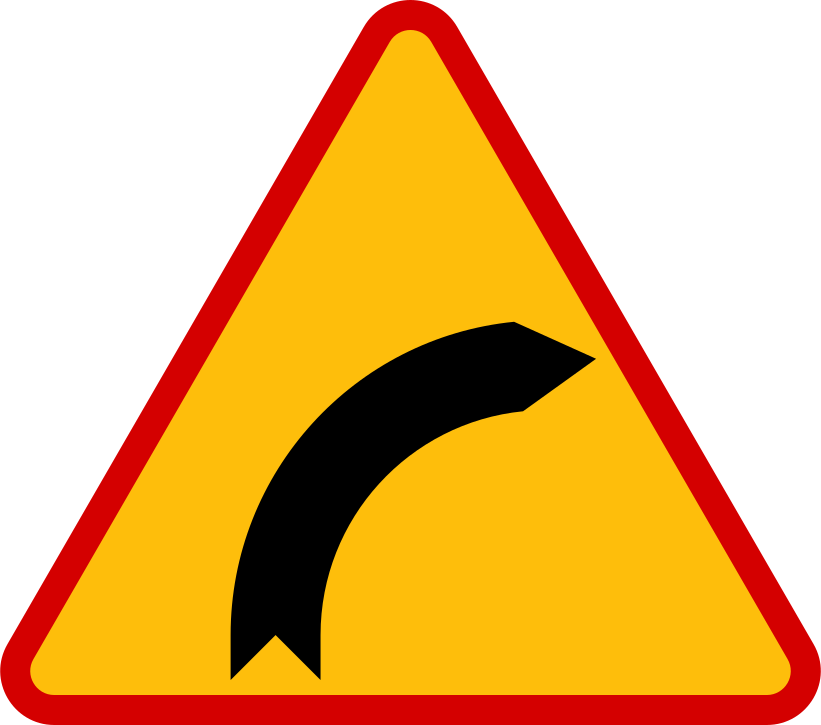
Watch Out for Dangerous Bends to the Right with the A-1 Sign
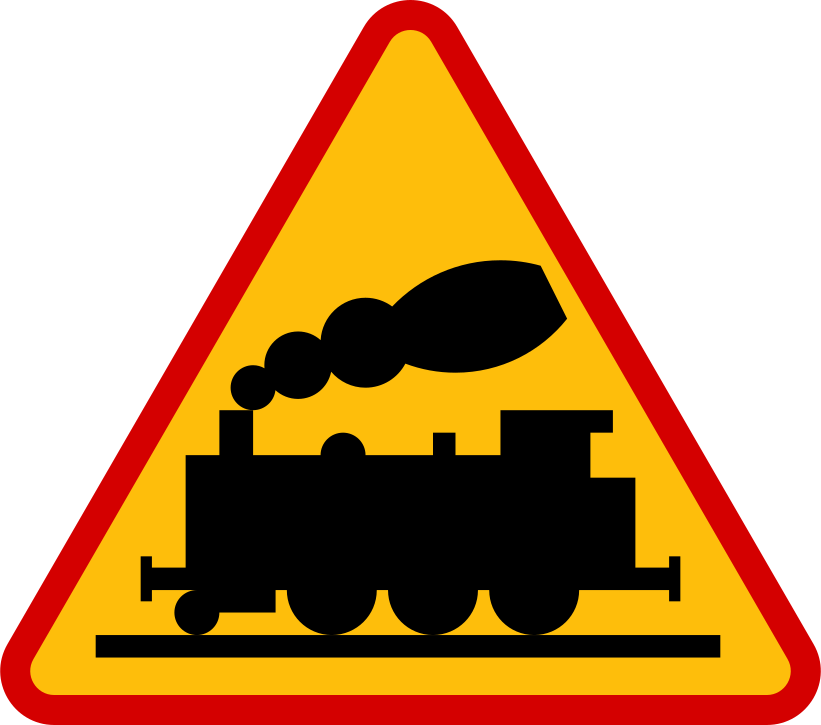
Beware of Ungated Railway Crossings with the A-10 Sign!
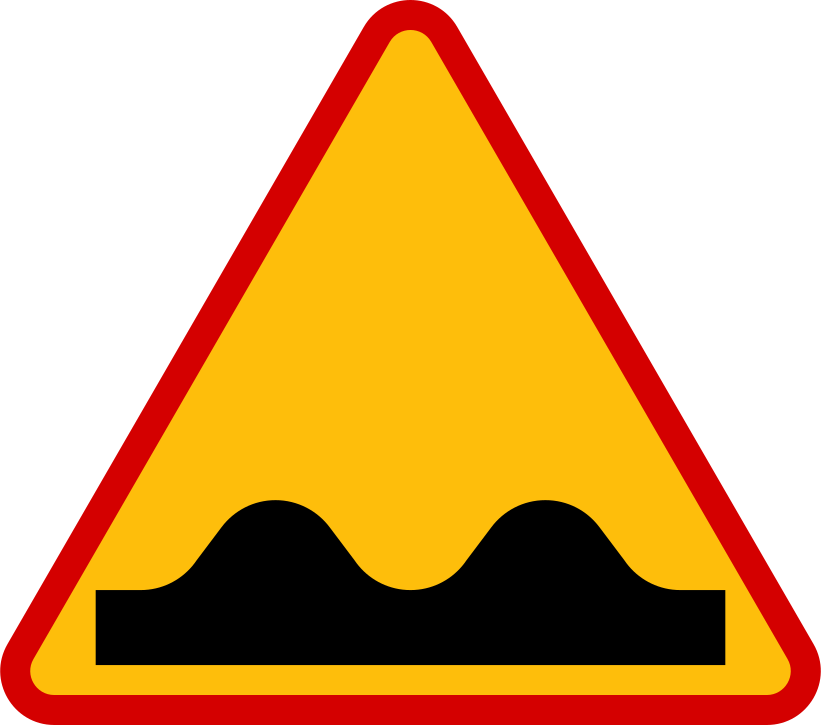
Warning: Prepare for an Uneven Road Surface Ahead!
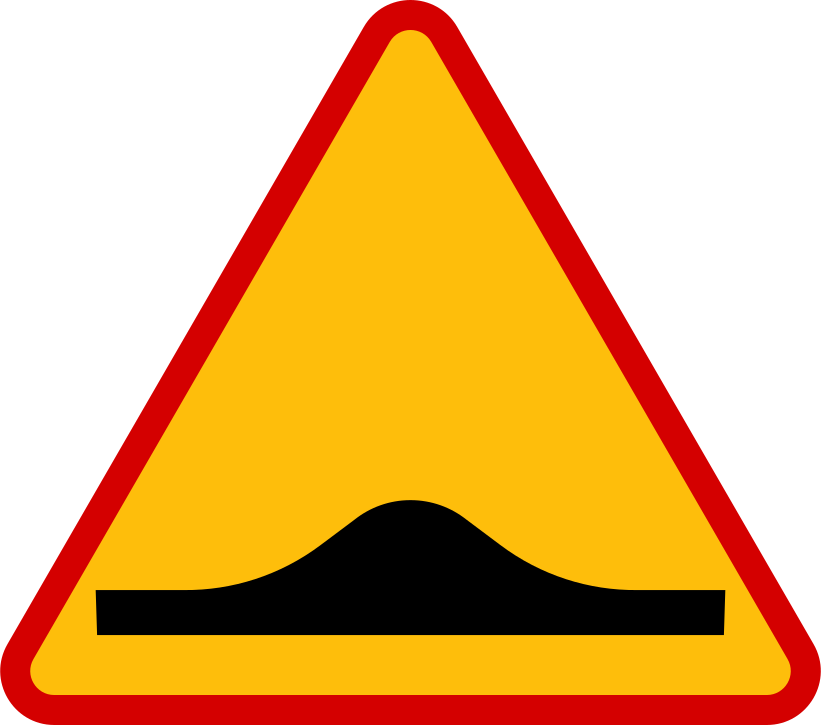
The A-11a Speed Bump sign warns you to significantly reduce your speed.
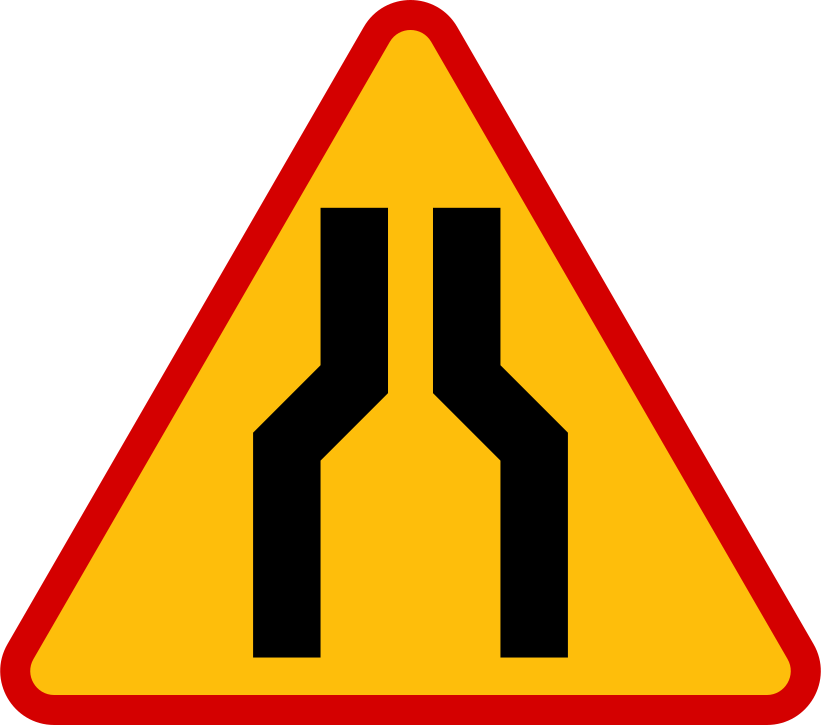
Prepare for Road Narrows on Both Sides with the A-12a Warning Sign
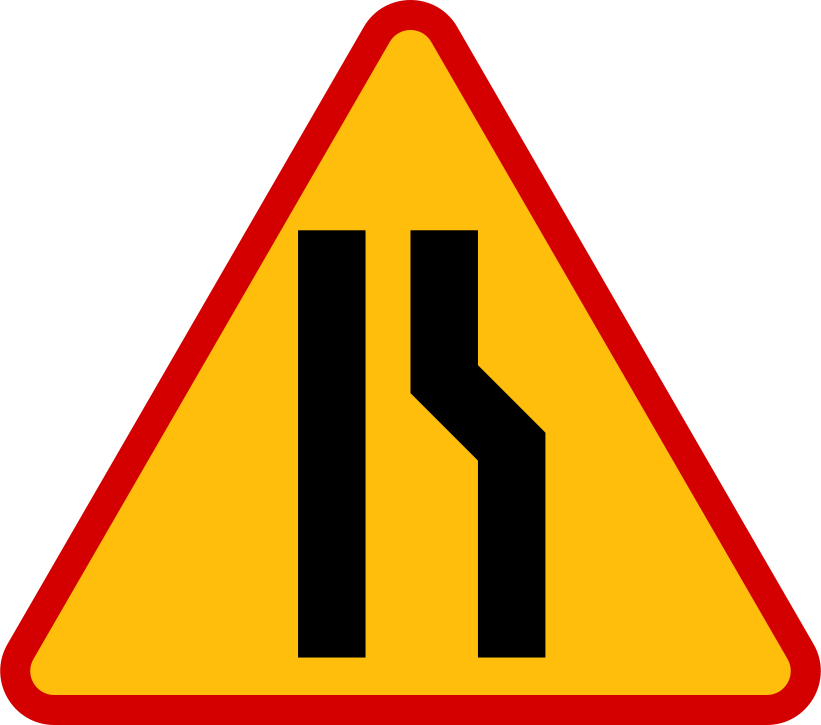
A-12b: Road Narrows Ahead on the Right – Prepare to Merge Left
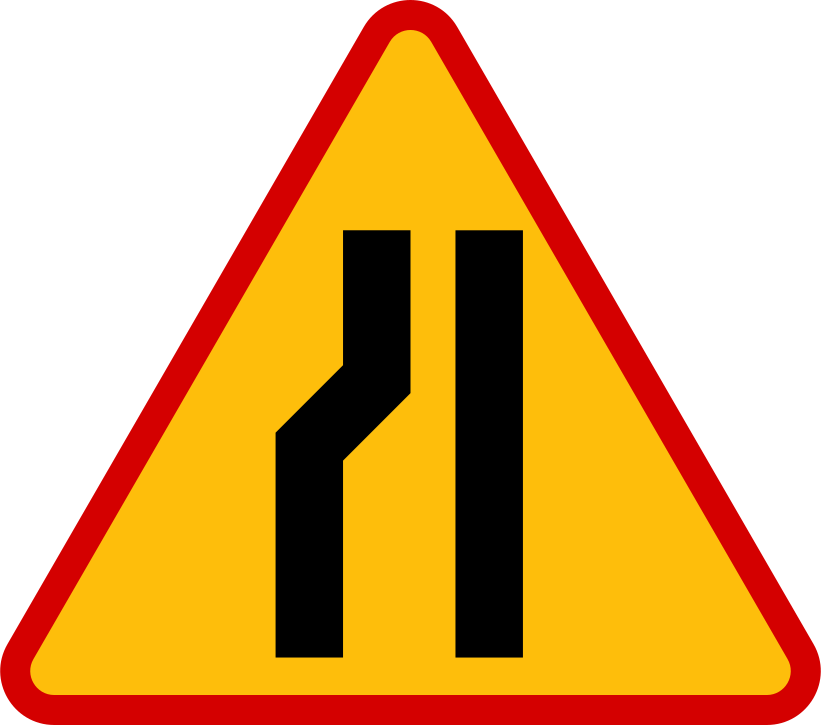
Warning: The Road Narrows Ahead on the Left!
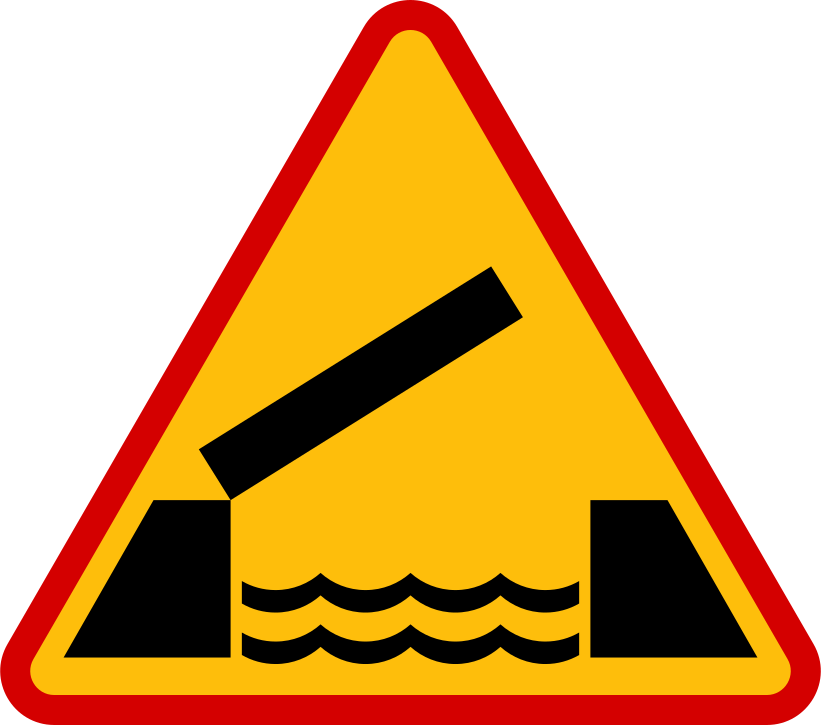
Prepare to stop for a Movable Bridge ahead!
Deepen your understanding of specific road signs by reviewing official Polish traffic rules and associated real-world driving scenarios. These expert-led resources help you bridge the gap between visual recognition and practical exam application.
Don't Be a Road Block: Master Minimum Speeds and Smooth Traffic Flow for Your Polish Exam!
When selling a car in Poland, you have specific legal duties regarding insurance and registration that must be met promptly. This article clarifies these seller obligations, including the crucial 14-day window to inform your insurer and the 30-day deadline to notify the relevant communication department, ensuring a smooth and compliant transfer of ownership for both parties.
Learning how to interact with law enforcement is a crucial part of your driver training in Poland, as it helps you understand the legal procedures governing roadside controls. This guide clarifies how officers identify themselves, what behaviors are expected of you as a driver, and how traffic enforcement impacts your penalty points and record. Mastery of these rules ensures you remain compliant with the law and prepared for any roadside situation you may encounter.
Master Your Rights and Obligations During a Polish Roadside Inspection
The A-12a sign is used when the width of the road decreases by more than 0.2 meters on each side and the resulting passage is less than 5.5 meters wide. This often happens at bridges, tunnels, or older sections of road. It requires drivers to be careful about their vehicle's width and to be prepared to yield to larger oncoming vehicles like trucks or buses.
The A-17 sign indicates locations where children between the ages of 7 and 15 are likely to be present. Unlike adults, children can be unpredictable and may suddenly run into the street without looking. This sign is a signal to slow down significantly and be extra alert. It is common near primary schools, daycare centers, and organized sports fields.
After reviewing the full list of Polish road signs, explore specific sign categories for in-depth understanding. Challenge your knowledge with practice questions focused on sign recognition and interpretation to solidify your preparation for the driving theory exam.
Browse All Polish Road Signs