Secure your Spanish driving licence by mastering child safety regulations. This section focuses on the DGT's requirements for passengers under 135 cm, optimal seating positions, and the correct use of child restraint systems (SRI) for safer journeys.
Reinforce your knowledge of mandatory child restraint systems (SRI) and passenger safety rules for the Spanish driving theory exam. These practice questions cover height and weight regulations, proper car seat installation, and legal requirements to avoid common learner mistakes. Prepare effectively for DGT questions on safeguarding children on Spain's roads.
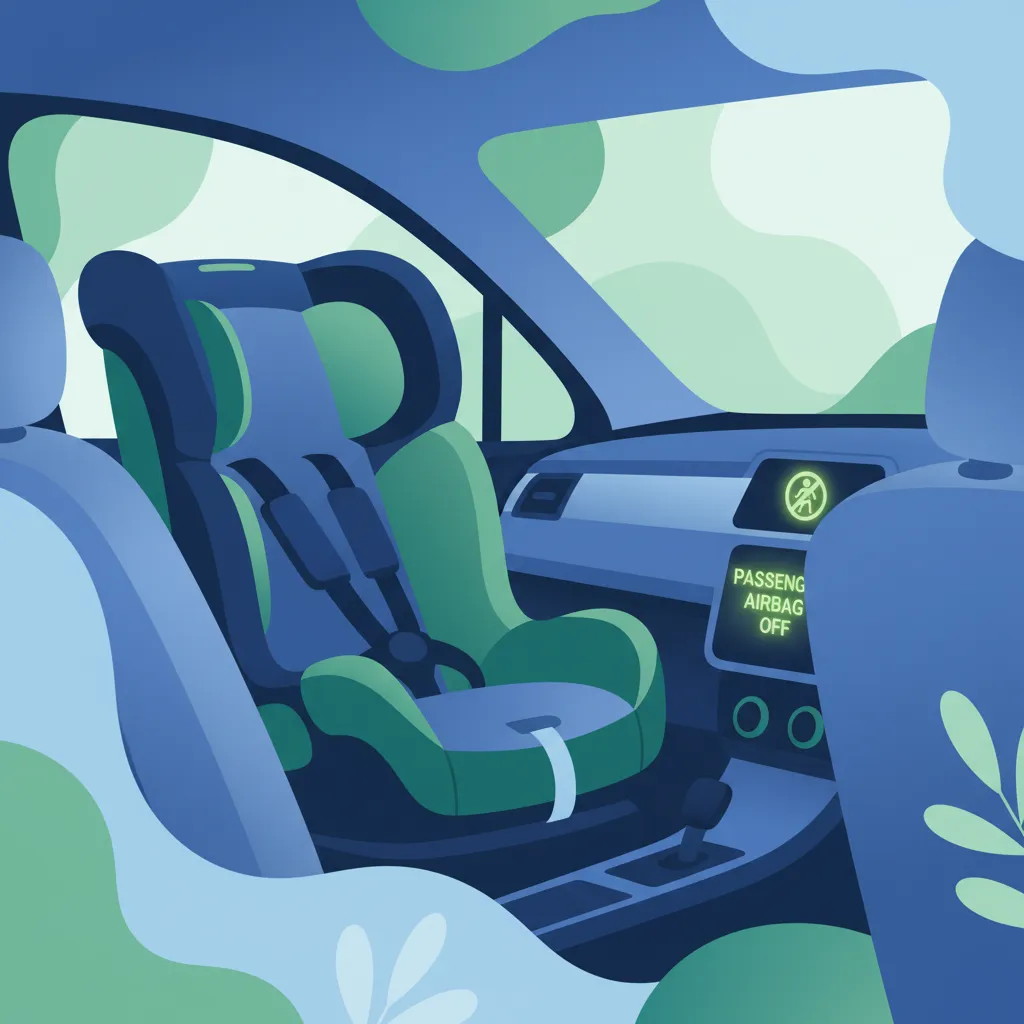
Protecting Our Youngest: Essential Rules for Rear-Facing Child Seats and Airbags

Master Spanish DGT Rules for Child Safety in Vehicles

Protecting Young Passengers: Master Spanish SRI Rules for Your Driving Theory Exam.
Passing the DGT driving theory exam requires understanding child safety rules. This category ensures you grasp crucial aspects like SRI usage, seat placement, and height regulations, which directly feature in exam questions and are vital for protecting young lives on Spanish roads.
Learners in Spain choose Child Safety and Car Seats practice to prepare for realistic exam questions and difficult scenarios that often appear in the official theory test. This category is popular because it helps strengthen rule knowledge, reduce common mistakes, and build confidence before taking the Spanish driving theory exam.
All practice sets available
Practice sets in Child Safety and Car Seats
Practising Child Safety and Car Seats helps you understand key rules and situations tested in the Spanish driving theory exam in Spain.
Get answers to common questions learners have about practising Child Safety and Car Seats. This section highlights what is tested, how practice helps, and how to improve your results for the Spanish driving theory exam in Spain.
The DGT theory exam includes questions about child safety regulations, such as the mandatory use of child restraint systems (CRS), the minimum height for traveling in the front seat, and the consequences of not complying with these rules.
The 135 cm rule is crucial in Spain because it determines when a child must use a child restraint system and when they can travel without one, as well as which seat they should occupy. Knowing this is essential for road safety and for passing the theory exam.
Child restraint systems (CRS) are devices designed to protect children in case of an accident. They are mandatory for children below a certain height and age in Spain, as they significantly reduce the risk of serious or fatal injuries. The theory exam tests this knowledge.
These practice questions familiarize you with the specific child safety questions that appear in the DGT theory exam. By practicing common scenarios and regulations, you improve your understanding and your ability to answer correctly, increasing your chances of passing.
If a child under 135 cm travels in the front seat without an appropriate child restraint system and, if required, without deactivating the front airbag, it is considered a serious offense. The DGT theory exam may include questions about this situation and its consequences.
Explore other practice categories connected to Child Safety and Car Seats. These sections help you practise additional topics, strengthen your understanding of driving theory in Spain, and prepare more completely for the theory exam.
Dive deeper into your Spanish DGT driving theory preparation by selecting a specific practice category. Whether you need to review road signs, master traffic priority rules, or understand vehicle safety, pick a topic to begin targeted exercises and reinforce your knowledge for the official exam.