
Understand the critical differences between stopping and parking in Spain, and learn where these actions are prohibited. This module covers essential DGT rules on 'vados', curves, and other restricted zones, directly preparing you for your theory test and safer driving.
Master the distinctions between 'parada' (stopping) and 'estacionamiento' (parking) as defined by Spanish traffic law with these targeted practice questions. This essential topic revision helps identify prohibited zones like 'vados' and blind curves, crucial for DGT theory test preparation and avoiding common learner mistakes.
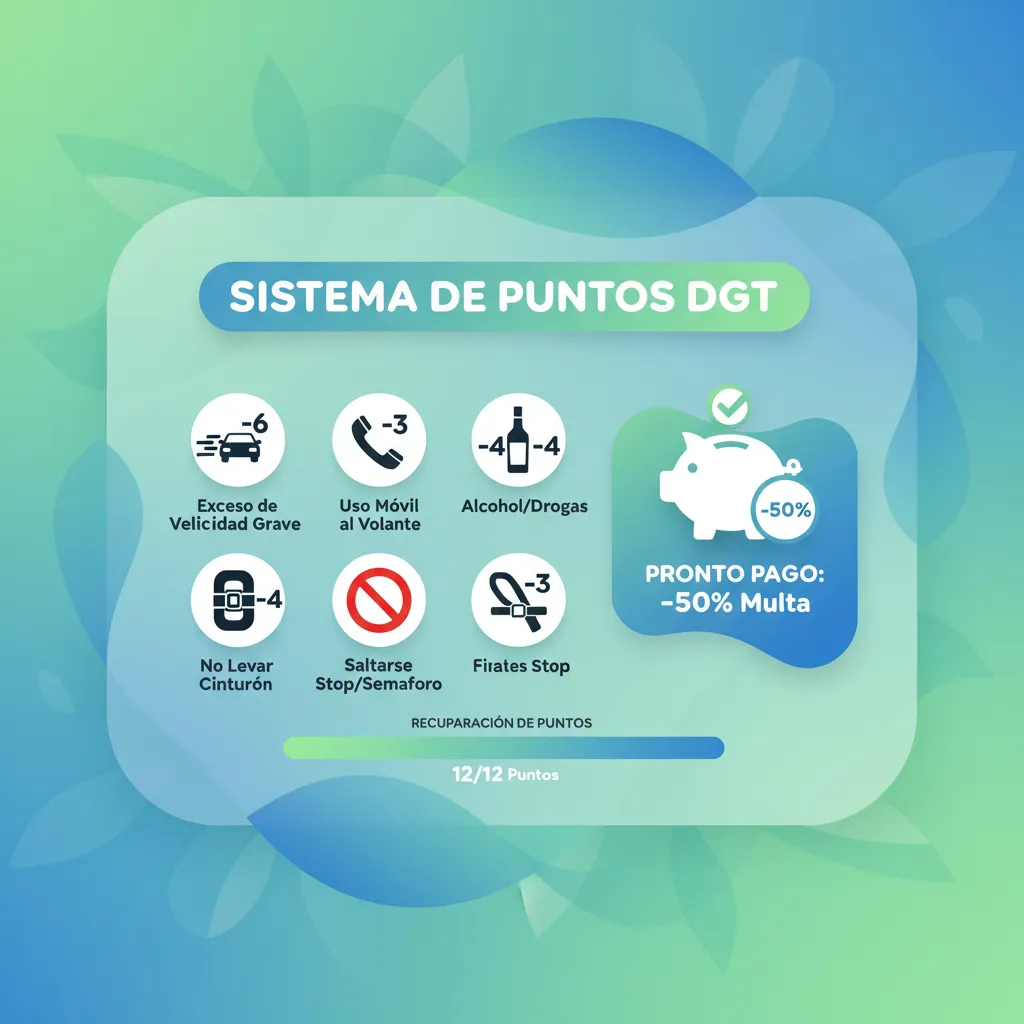
Go beyond the basics: master the Spanish points system and avoid licence suspension.

Master Spanish Loading Zones: Avoid Fines and Keep Traffic Flowing

Master Spanish DGT Rules: Avoid Critical Mistakes in Stopping and Parking Zones.

Secure Your Vehicle: Crucial Parking Techniques for Spanish Slopes

Master the key distinctions between stopping, parking, and involuntary halts to ace your DGT theory test.

Master Spanish Stopping & Parking: Avoid Fines and Pass Your DGT Exam!
Mastering stopping and parking rules is vital for safe driving and passing the DGT theory exam. Understanding these regulations prevents traffic obstruction, ensures safety on dangerous road sections, and helps you avoid costly fines.
Learners in Spain choose Stopping and Parking Rules in Spain practice to prepare for realistic exam questions and difficult scenarios that often appear in the official theory test. This category is popular because it helps strengthen rule knowledge, reduce common mistakes, and build confidence before taking the Spanish driving theory exam.
All practice sets available
Practice sets in Stopping and Parking Rules in Spain
Practising Stopping and Parking Rules in Spain helps you understand key rules and situations tested in the Spanish driving theory exam in Spain.
Get answers to common questions learners have about practising Stopping and Parking Rules in Spain. This section highlights what is tested, how practice helps, and how to improve your results for the Spanish driving theory exam in Spain.
In Spain, 'parada' refers to a temporary stop where the driver remains with the vehicle and can immediately resume driving, while 'estacionamiento' is leaving the vehicle unattended or being stopped for longer than necessary for boarding/alighting or loading/unloading.
The DGT driving theory exam includes questions about correct stopping and parking procedures, prohibited areas, and the distinctions between 'parada' and 'estacionamiento' to ensure road safety and traffic flow.
'Vados' indicate restricted zones, typically private driveways, where stopping or parking is prohibited to allow access. Failing to recognise and respect these can result in fines and impact traffic.
Knowing prohibited areas prevents traffic obstruction, ensures emergency access, maintains safety on curves and intersections, and avoids fines. It's a fundamental aspect of responsible driving tested in the DGT exam.
Practicing these specific rules helps you correctly answer exam questions about 'parada', 'estacionamiento', and prohibited zones, increasing your confidence and accuracy on the DGT theory test.
Explore other practice categories connected to Stopping and Parking Rules in Spain. These sections help you practise additional topics, strengthen your understanding of driving theory in Spain, and prepare more completely for the theory exam.
Dive deeper into your Spanish DGT driving theory preparation by selecting a specific practice category. Whether you need to review road signs, master traffic priority rules, or understand vehicle safety, pick a topic to begin targeted exercises and reinforce your knowledge for the official exam.