
Understand the critical aspects of tire and braking system maintenance, including tread depth, pressure, and fluid checks. This knowledge is vital for your DGT theory exam and for ensuring vehicle safety on Spanish roads.
This section provides essential practice questions on vehicle tires and braking systems. You will learn about minimum tread depth, correct tire pressure, brake fluid checks, and identifying wear. This topic revision is vital for your Spanish driving theory exam preparation, ensuring you understand DGT safety standards and avoid penalties.
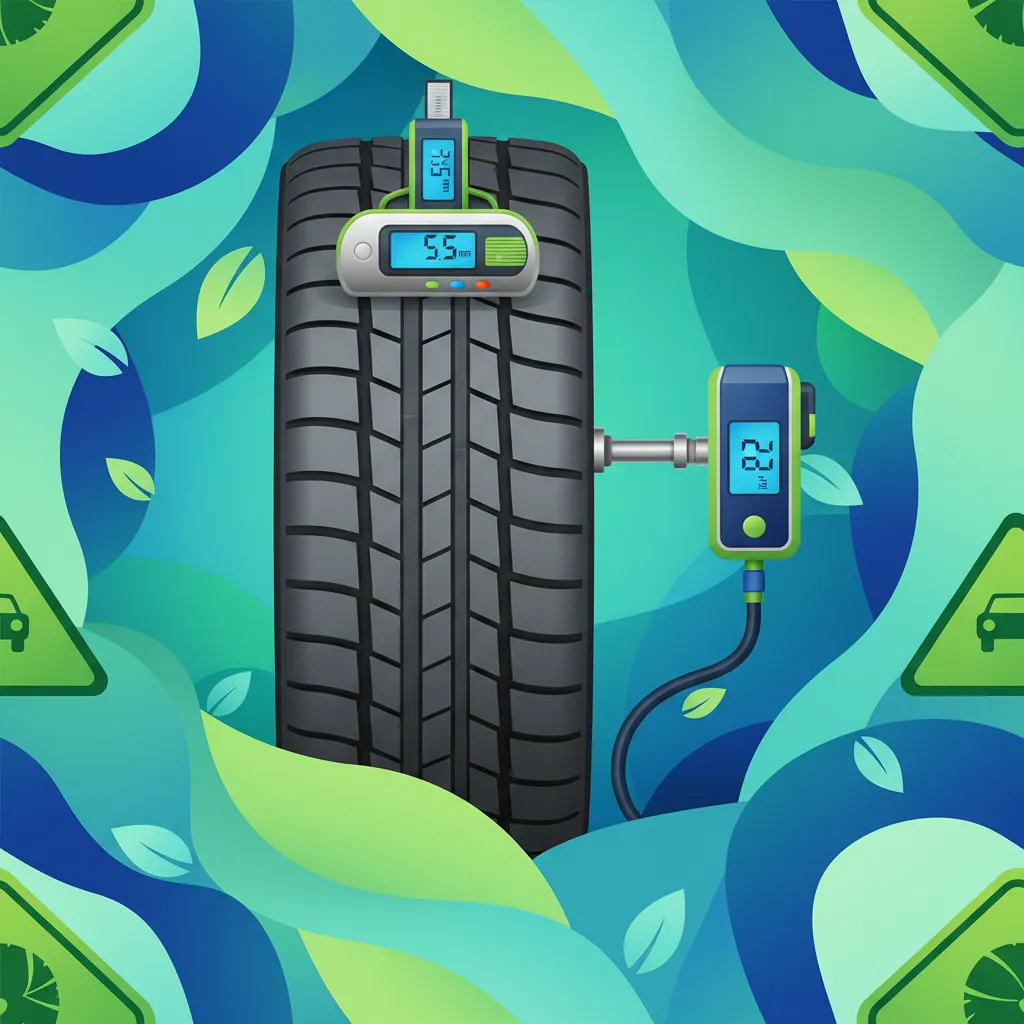
Your tires are your only contact with the road. Master their maintenance for DGT exam success and safety.
Stop Safely: Essential Braking System Knowledge for Your Spanish Driving Exam
Proper vehicle maintenance, especially tires and brakes, is fundamental for road safety in Spain. Practising these topics ensures you understand critical safety checks, helps you score better on the DGT theory exam, and promotes responsible driving habits.
Learners in Spain choose Tires and Braking System Maintenance practice to prepare for realistic exam questions and difficult scenarios that often appear in the official theory test. This category is popular because it helps strengthen rule knowledge, reduce common mistakes, and build confidence before taking the Spanish driving theory exam.
All practice sets available
Practice sets in Tires and Braking System Maintenance
Practising Tires and Braking System Maintenance helps you understand key rules and situations tested in the Spanish driving theory exam in Spain.
Get answers to common questions learners have about practising Tires and Braking System Maintenance. This section highlights what is tested, how practice helps, and how to improve your results for the Spanish driving theory exam in Spain.
It is recommended to check your tire pressure at least once a month and always before long trips. Correct pressure is essential for safety, fuel efficiency, and tire durability, and it is commonly tested in the DGT theory exam.
The legal minimum tire tread depth in Spain is 1.6 mm. Driving with worn tires can lead to fines and reduced road safety, and this is a frequent topic in the DGT theory exam.
Signs such as squealing when braking, a soft or spongy brake pedal, or vibrations during braking may indicate that your brakes need inspection. Understanding these signs is important for both safety and the theory exam.
Brake fluid is essential for proper braking system performance. Its level and condition should be checked regularly, as low or contaminated fluid can seriously reduce braking effectiveness.
Yes, the DGT theory exam may include questions about tire wear patterns and how to identify them, as irregular wear can indicate alignment or suspension problems and affect road safety.
Explore other practice categories connected to Tires and Braking System Maintenance. These sections help you practise additional topics, strengthen your understanding of driving theory in Spain, and prepare more completely for the theory exam.
Dive deeper into your Spanish DGT driving theory preparation by selecting a specific practice category. Whether you need to review road signs, master traffic priority rules, or understand vehicle safety, pick a topic to begin targeted exercises and reinforce your knowledge for the official exam.