
This lesson guides you through the technical and safety aspects of operating passenger bus doors and the associated interlock systems. It builds upon your knowledge of vehicle controls from Unit 2 to ensure you can manage boarding and alighting safely as a professional driver. Mastering these procedures is essential for your Category D theory exam and your daily practice on Swiss roads.

Lesson content overview
Operating a bus or coach requires a heightened sense of responsibility, particularly when it comes to passenger safety during boarding and alighting. Modern passenger vehicles are equipped with sophisticated door mechanisms and safety systems designed to protect occupants and pedestrians. However, the driver remains the ultimate guardian of safety, responsible for ensuring that doors are operated correctly and that the vehicle only moves when it is entirely safe to do so.
This lesson, part of your Swiss Category D Driving License Theory Course, delves into the proper procedures for opening and closing passenger doors, emphasizing the critical need to verify that no person or object is at risk of being trapped or struck. We will explore how advanced brake interlock systems function to prevent vehicle movement while doors are open, and how a diligent driver integrates these systems into a comprehensive safety routine. Mastering these practices is not just about compliance; it is about upholding the highest standards of professional passenger transport safety.
The driver of a bus or coach bears the primary responsibility for the safety of all passengers, as well as other road users, particularly during stops and passenger exchanges. This responsibility extends unequivocally to the safe operation of all passenger doors. While modern vehicles incorporate advanced safety features, these systems are aids, not replacements, for the driver's continuous vigilance and professional judgment.
Every time a door is opened or closed, or the vehicle prepares to move, the driver must conduct thorough checks to confirm that the environment is clear and that all safety systems are engaged. This proactive approach minimizes the risk of incidents such as passengers being trapped in doors, falling during premature movement, or collisions with vulnerable road users near the vehicle. Adhering to these strict safety protocols is fundamental to a professional driver's duty of care.
Passenger doors on buses and coaches are essential for efficient and safe passenger flow. Understanding their various types and operational mechanisms is crucial for a professional driver, as correct usage directly impacts safety and passenger comfort.
Buses and coaches feature a variety of door types, each designed for specific purposes and vehicle configurations. The most common include front doors (for boarding and driver access), middle doors, and rear doors. These can be:
Regardless of the type, each door contributes to the vehicle's structural integrity when closed and represents a potential hazard when open or in motion.
Most modern bus doors are operated electrically, pneumatically, or hydraulically, controlled via switches or buttons on the driver's dashboard. These controls typically allow the driver to select specific doors (e.g., front door only, all doors) and initiate their opening or closing sequence.
Automatic doors often incorporate pressure-sensitive edges or infrared sensors that detect obstructions and can reverse the closing motion or prevent it entirely. However, these sensors are supplementary safety features; they do not absolve the driver of the responsibility to visually confirm a clear path. For manual doors, the driver must physically operate the latch and visually verify its full engagement.
One of the most critical safety features in modern passenger transport vehicles is the interlock system. This technology provides a vital layer of protection, acting as a failsafe to prevent hazardous situations.
An interlock system is a safety device or mechanism designed to prevent the vehicle from moving while any passenger door is not fully closed and secured. Its primary purpose is to eliminate the risk of the bus accelerating or drifting with an open door, which could lead to severe passenger injury or even fatalities. This system is mandatory for most Category D vehicles operating in Switzerland and other European countries.
Interlock systems function by establishing a direct connection between the status of the passenger doors and the vehicle's propulsion system. There are typically two main types:
The interlock system ensures that even if a driver inadvertently attempts to accelerate or shift into gear with an open door, the vehicle will not respond. This mechanical or electronic safeguard significantly reduces the potential for accidents arising from human error or momentary lapses in concentration. The driver must always confirm that the interlock system indicates all doors are fully closed before attempting to move the vehicle.
Effective and safe door operation is a systematic process involving meticulous checks and clear communication, all aimed at protecting passengers and others in the vicinity of the bus.
Before moving the vehicle from a stop, the driver must conduct a comprehensive series of checks to confirm that all doors are fully closed and secured. This includes both visual and, where available, auditory confirmations.
Never rely solely on one method of confirmation. The combination of indicator lights, auditory cues, and thorough visual checks provides the most robust safety protocol.
Mirrors are indispensable tools for safe door operation and departure. Professional drivers must develop a habit of using them diligently.
The "Look-Last" mirror check is a critical final verification step. After closing all doors and before releasing the brakes, perform a final sweep of your exterior mirrors to identify any last-minute hazards, such as an unexpected pedestrian or cyclist approaching. This check is detailed in Lesson 5.6.
The moment of departure is critical. It is imperative that all doors are not just "almost" closed, but fully closed and latched before the vehicle is set in motion. A partially open door poses several immediate risks:
The interlock system will provide a critical safeguard here, but the driver's visual and auditory checks provide necessary redundancy. Do not proceed until you have positive confirmation from all sources that every door is securely shut.
Managing the flow of passengers during boarding and alighting is an integral part of safe door operation. The driver dictates the pace and ensures safety throughout this process.
Positioning: Bring the bus to a complete stop, as close and parallel to the kerb as safely possible, aligning doors with designated boarding/alighting areas.
Securing the Vehicle: Engage the service brake, and on inclines or during longer stops, apply the parking brake.
Opening Doors: Activate the appropriate door controls. Open doors fully and observe the immediate surroundings to ensure no one is struck by the opening door.
Supervising Exchange: Monitor passengers as they board and alight. Prioritize vulnerable passengers such as wheelchair users, the elderly, or those with young children, allowing them ample time.
Confirming Clearance: Before initiating door closure, make a final visual check, both inside and outside the vehicle, that all passengers are clear of the door area and no obstructions are present.
Closing Doors: Activate door closure controls smoothly. Continue to monitor the door path as they close.
Final Checks: Perform all pre-movement checks (interlock confirmation, mirror checks) before releasing the brakes and moving.
Never rush the passenger exchange. A few extra seconds at a stop can prevent serious injury and legal repercussions.
The relationship between door operation and the vehicle's braking system is crucial for preventing unintentional movement and ensuring stability during passenger exchange.
Modern buses integrate door operation with the braking system to enhance safety. The vehicle must be fully stationary before doors can be opened, and it must remain stationary while they are open. This is achieved through various mechanisms:
This ensures that the bus cannot drift or roll while passengers are boarding or alighting, even on slight inclines. It is a fundamental safety design principle that the driver must understand and respect.
The parking brake is a vital tool for securing the vehicle, especially when doors are in use.
Never rely solely on the service brake (foot brake) to hold the bus stationary when passengers are boarding or alighting, especially on slopes. The service brake can be released unintentionally or lose pressure over time. The parking brake offers a mechanical lock.
The driver relies on a suite of visual and auditory indicators to confirm door status. Furthermore, knowing how to handle emergencies involving door systems is vital.
Dashboard indicator lights and audible alarms are critical safety cues that provide immediate feedback on the status of your doors and the interlock system.
A dashboard light that displays the operational status of a vehicle system, in this context, whether a door is open or closed, usually by colour (e.g., green for closed, red/amber for open).
Ignoring these signals constitutes a serious safety violation and can lead to dangerous situations. Always investigate the cause of an alert before proceeding.
Despite advanced technology, system failures can occur. Professional drivers must know how to operate doors manually in an emergency.
Manual overrides are for emergency use only. Using them to bypass safety systems for convenience or speed is highly dangerous and unprofessional. Always ensure the vehicle is absolutely stationary and secure before using any manual override.
In Switzerland, as in many other nations, strict legal frameworks govern the operation of passenger transport vehicles. These regulations underscore the driver's profound accountability for safety.
The fundamental legal principle is unambiguous: all passenger doors must be completely closed and secured before a bus or coach is allowed to move. This is not merely a best practice; it is a mandatory requirement.
Furthermore, all Category D vehicles operating in Switzerland are expected to be equipped with a functional interlock system that prevents the vehicle from being set in motion if any door is detected as open. Drivers must not attempt to override or tamper with this system, as it is a critical safety component designed to prevent accidents. Failure to adhere to these rules can result in severe legal consequences, including fines, license suspension, and criminal charges in the event of an accident causing injury or death.
Swiss traffic laws and professional driving standards reinforce the need for specific safety actions:
These regulations reflect the high duty of care placed upon professional bus and coach drivers in Switzerland, ensuring that every operational step prioritizes the safety of all individuals.
Despite clear regulations and robust vehicle systems, certain unsafe practices related to door operation continue to occur. Understanding these common violations is key to adopting best practices and enhancing safety.
The most dangerous and frequently cited violation is attempting to move the bus before all passenger doors are fully closed and the interlock system is engaged. This can happen due to:
Best Practice: Always perform a multi-layered check:
Bus doors, particularly swing-out types, can create significant blind spots. Cyclists, pedestrians, and even small children can enter these areas unnoticed.
Door systems, like any mechanical or electronic component, can fail. Ignoring these malfunctions is a serious breach of safety.
Attempting to drive a bus with a known, unaddressed door or interlock system malfunction is highly dangerous and exposes the driver to significant legal liability.
Safety protocols for door operation are not static; they must be adapted to various environmental and operational conditions. A professional driver accounts for these variables to maintain consistent safety standards.
Weather and visibility significantly impact the ease and safety of door operations:
The environment and the vehicle's state also influence safe door operation:
Specific attention is required for vulnerable road users:
Beyond the rules and procedures, understanding the fundamental principles behind door safety helps foster a deeper commitment to vigilance.
The physics of a large vehicle like a bus or coach are a critical consideration.
Human factors play a substantial role in safety incidents.
Statistical data consistently highlights the importance of rigorous door operation protocols.
Safe operation of doors and interlock systems is a cornerstone of professional driving for the Swiss Category D license. It transcends mere compliance, embodying the driver's fundamental duty to ensure the well-being of every passenger and other road user.
By diligently performing pre-movement visual and auditory checks, utilizing interlock systems as a vital safeguard, and consistently applying the 'Look-Last' mirror check, you actively mitigate risks. Understanding the nuances of door types, the critical relationship between door status and the braking system, and adapting procedures to varying environmental conditions further strengthens your safety approach. Remember, the combination of advanced vehicle technology and an alert, responsible driver creates the safest possible environment for public transport.
This lesson covers the critical safety procedures for operating bus passenger doors and their associated interlock systems, which are mandatory for Swiss Category D drivers. It emphasizes that while modern vehicles include sophisticated safety features like electronic door interlocks that prevent movement with open doors, the driver carries ultimate legal and ethical responsibility for verifying safe conditions through multi-layered checks. Key procedures include systematic pre-departure verification using dashboard indicators, mirrors, and auditory cues; proper use of the parking brake on inclines; and specific protocols for managing passenger flow at stops. The lesson also addresses emergency manual override procedures, legal accountability under Swiss traffic law, and the need to adapt procedures for weather conditions and vulnerable road users.
A short set of high-value points that capture the most important learning from this lesson.
The driver remains the ultimate guardian of safety and is legally responsible for confirming all doors are fully closed before moving, regardless of automated systems.
Modern interlock systems (electronic or mechanical) prevent vehicle movement when doors are open, but they supplement rather than replace visual and auditory driver checks.
A three-layer confirmation protocol—dashboard indicator lights, auditory signals, and direct visual observation—is required before departure.
Different door types (automatic sliding, pneumatic swing-out, manual) each create specific blind spots and hazards requiring adapted checking procedures.
The parking brake must be engaged on any incline before opening doors, as the service brake alone cannot reliably hold the vehicle stationary.
Explore all units and lessons included in this driving theory course.
Green dashboard light = all doors closed and interlock engaged; amber/red = door open or fault detected—vehicle must not move.
The 'Look-Last' mirror check is a mandatory final verification step to catch late-approaching cyclists or pedestrians before departure.
Manual overrides are emergency-only tools; using them to bypass faulty systems for convenience is dangerous and unprofessional.
On slippery or icy surfaces, allow extra time for door closure and verify latch engagement visually, as mechanisms may operate slower.
If an interlock alarm sounds or warning light persists, stop immediately, investigate the cause, and address it before moving—never ignore or tamper with safety systems.
Relying exclusively on the interlock system or dashboard light without physically verifying door closure through mirrors and direct sight.
Closing doors or departing without checking mirrors for vulnerable road users (cyclists, children, pedestrians) who may be in blind spots.
Assuming the service brake alone is sufficient to hold the bus stationary during passenger exchange, particularly on slopes.
Misusing manual override mechanisms to bypass a faulty door system for schedule reasons rather than genuine emergency.
Rushing passenger exchanges due to schedule pressure, which increases the risk of trapping passengers or missing hazards.
Lesson content overview
A short set of high-value points that capture the most important learning from this lesson.
The driver remains the ultimate guardian of safety and is legally responsible for confirming all doors are fully closed before moving, regardless of automated systems.
Modern interlock systems (electronic or mechanical) prevent vehicle movement when doors are open, but they supplement rather than replace visual and auditory driver checks.
A three-layer confirmation protocol—dashboard indicator lights, auditory signals, and direct visual observation—is required before departure.
Different door types (automatic sliding, pneumatic swing-out, manual) each create specific blind spots and hazards requiring adapted checking procedures.
The parking brake must be engaged on any incline before opening doors, as the service brake alone cannot reliably hold the vehicle stationary.
Explore all units and lessons included in this driving theory course.
Green dashboard light = all doors closed and interlock engaged; amber/red = door open or fault detected—vehicle must not move.
The 'Look-Last' mirror check is a mandatory final verification step to catch late-approaching cyclists or pedestrians before departure.
Manual overrides are emergency-only tools; using them to bypass faulty systems for convenience is dangerous and unprofessional.
On slippery or icy surfaces, allow extra time for door closure and verify latch engagement visually, as mechanisms may operate slower.
If an interlock alarm sounds or warning light persists, stop immediately, investigate the cause, and address it before moving—never ignore or tamper with safety systems.
Relying exclusively on the interlock system or dashboard light without physically verifying door closure through mirrors and direct sight.
Closing doors or departing without checking mirrors for vulnerable road users (cyclists, children, pedestrians) who may be in blind spots.
Assuming the service brake alone is sufficient to hold the bus stationary during passenger exchange, particularly on slopes.
Misusing manual override mechanisms to bypass a faulty door system for schedule reasons rather than genuine emergency.
Rushing passenger exchanges due to schedule pressure, which increases the risk of trapping passengers or missing hazards.
Explore search topics learners often look for when studying Safe Operation of Doors and Interlock Systems. These topics reflect common questions about road rules, driving situations, safety guidance, and lesson level theory preparation for learners in Switzerland.
Browse additional driving theory lessons that cover connected traffic rules, road signs, and common driving situations related to this topic. Improve your understanding of how different rules interact across everyday traffic scenarios.
Explore advanced safety procedures for bus door operation and how to handle malfunctions of interlock systems. Essential theory for Swiss Category D professional drivers facing complex situations and system failures.
Departing from a bus stop is a high-risk manoeuvre. This lesson details the critical sequence of actions: checking all passengers are clear of the doors, performing a comprehensive mirror and blind spot check, signalling, and waiting for a safe gap in traffic. This systematic approach is essential for preventing collisions with overtaking vehicles, cyclists, or pedestrians.
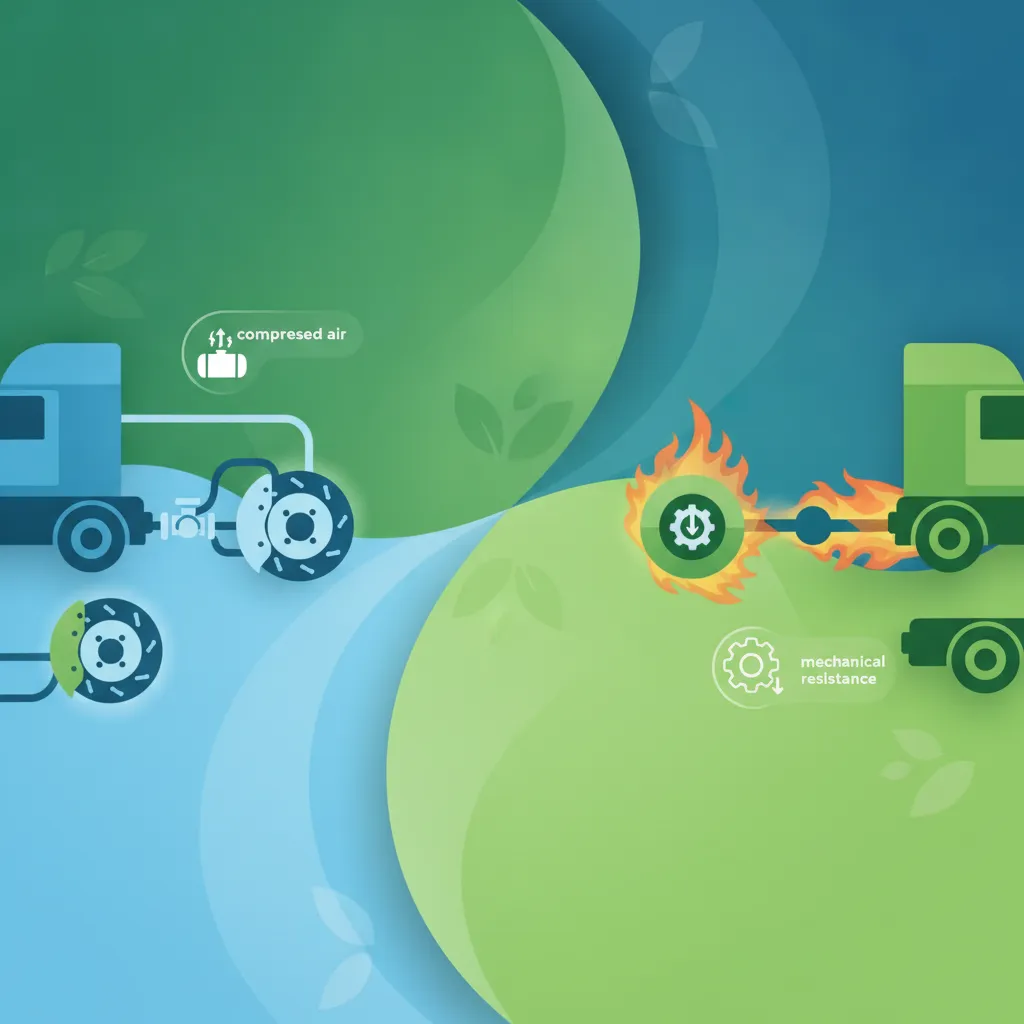
Large passenger vehicles rely on powerful air brake systems. This lesson explains how these systems work, including the importance of monitoring air pressure. It also details the function and proper use of auxiliary braking systems (retarders) to control speed on long descents and reduce wear on the service brakes.
This lesson focuses on the legally required safety equipment that must be on board every passenger vehicle. You will learn how to locate and check the fire extinguisher, first aid kit, and emergency hammers. It also covers the inspection of emergency exits to ensure they are unobstructed and functional.
This lesson provides step-by-step instructions on how to safely deploy, operate, and stow wheelchair ramps and lifts. It covers pre-operation checks, correct positioning of the vehicle, and the procedures for safely securing a wheelchair inside the bus. Proper use of this equipment is vital for the safety of both the passenger and the driver.
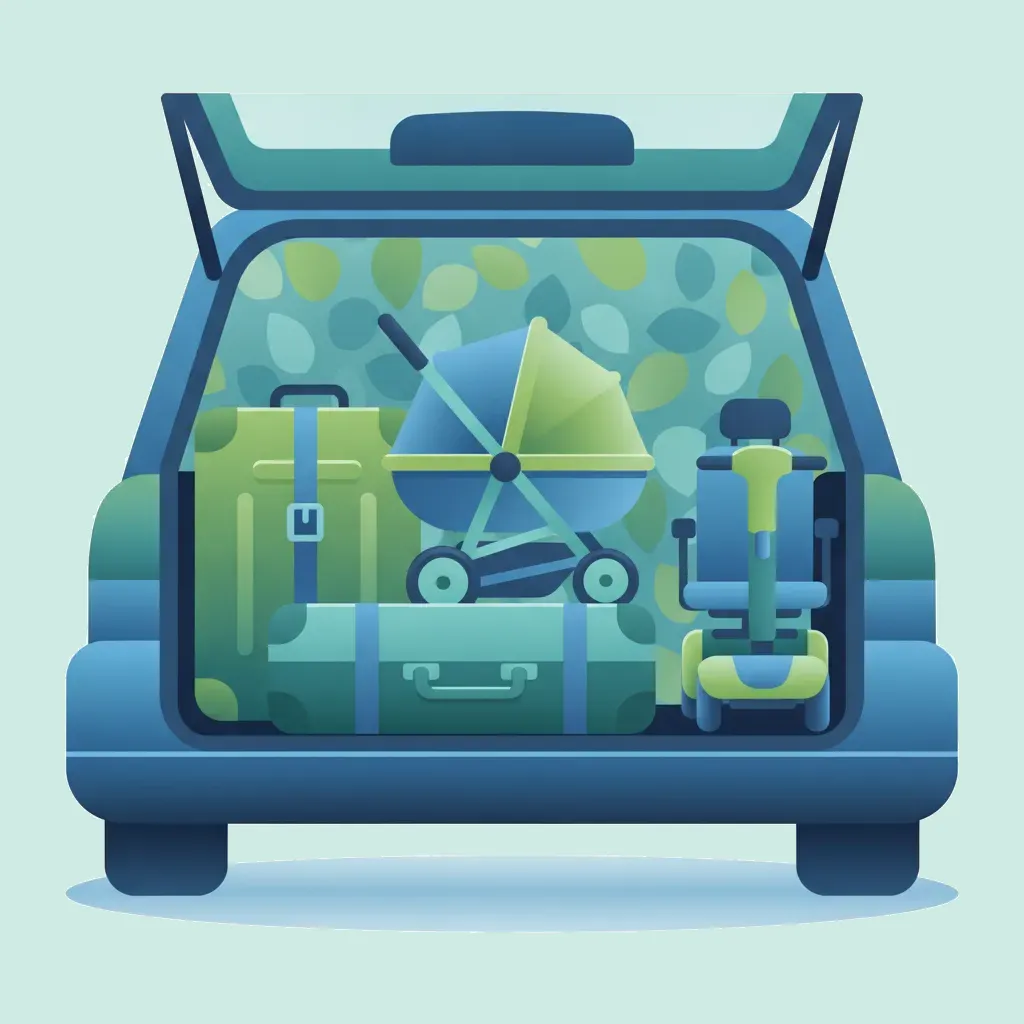
Unsecured items can become dangerous projectiles in the event of a sudden stop or collision. This lesson covers the driver's responsibility for overseeing the secure stowage of passenger belongings. It includes rules for using luggage compartments on coaches and designated spaces for prams and mobility aids on city buses.

Reversing is the most dangerous manoeuvre a large vehicle can perform and should be avoided whenever possible. This lesson details a safe system of work for when reversing is unavoidable. It covers the importance of a 360-degree check before starting, the use of a banksman, and how to interpret standard hand signals.
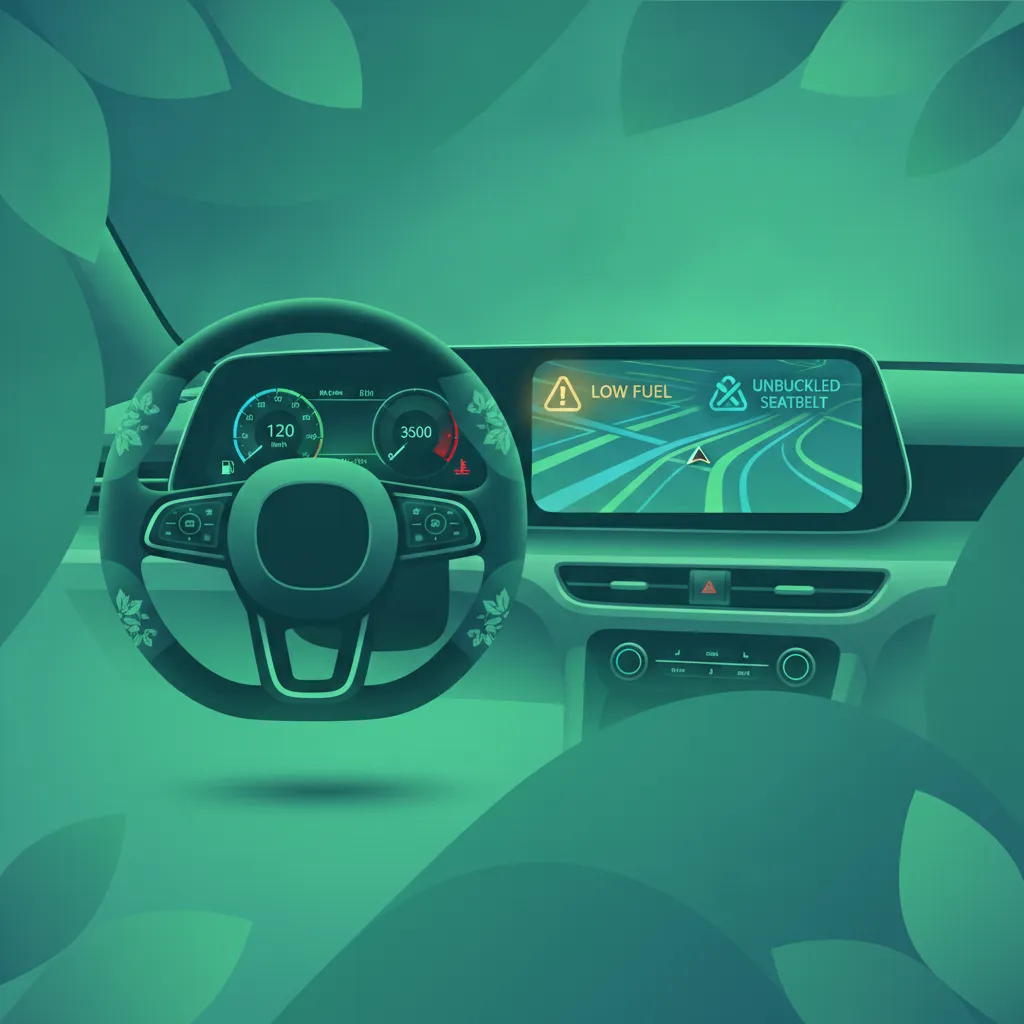
This lesson provides a detailed tour of the driver's area in a typical bus or coach. You will learn the function of every switch, lever, and button, from the main driving controls to secondary systems like heating and door operation. Interpreting the instrument panel and responding correctly to warning lights is a key focus.
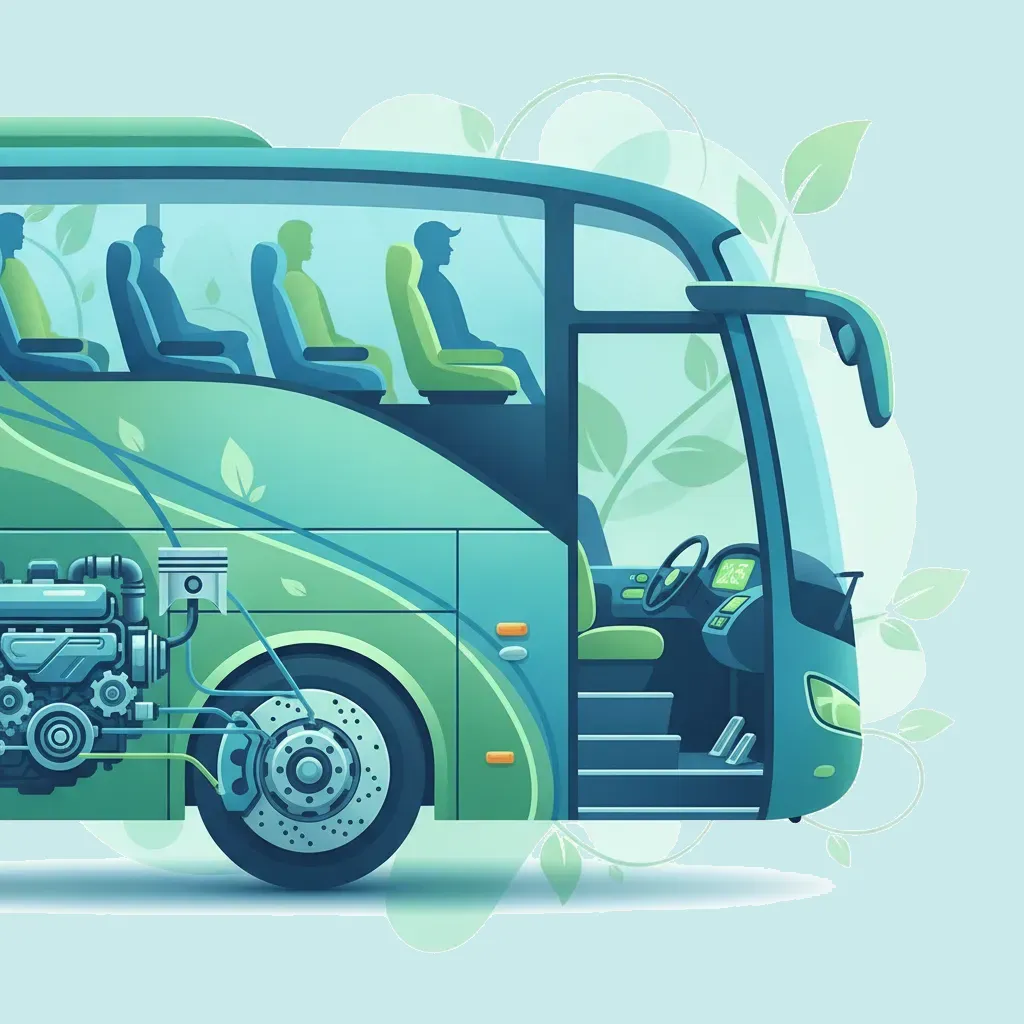
This lesson provides a foundational overview of a passenger vehicle's main components. You will learn to identify and understand the function of the engine, transmission, suspension, and electrical systems. This knowledge is essential for effective pre-trip checks and for communicating with maintenance staff about potential vehicle issues.
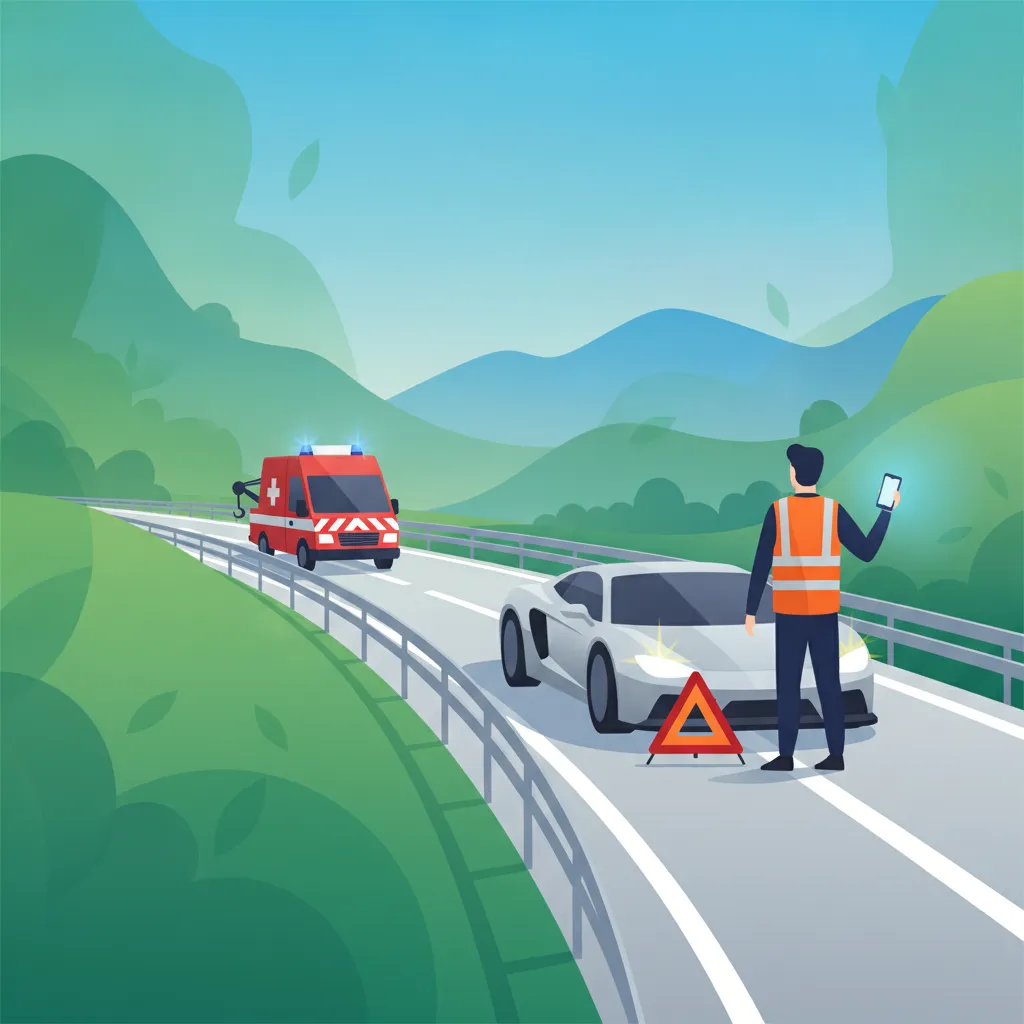
A breakdown can be a dangerous situation, especially on a busy road or motorway. This lesson provides a clear, sequential guide to follow. It includes pulling over to a safe location, activating hazard lights, placing the warning triangle, ensuring passenger safety, and contacting the appropriate services for assistance.

Relying solely on the service brakes on a long downhill stretch can lead to overheating and complete brake failure (brake fade). This lesson explains the function of auxiliary brakes like retarders. You will learn how and when to engage them to maintain a safe, controlled speed, preserving the main brakes for when they are truly needed.
Understand the legal framework and driver accountability surrounding bus door operation and safety systems in Switzerland. Essential theory for Category D drivers regarding compliance with traffic laws and passenger safety protocols.
Transporting children carries the highest level of responsibility. This lesson covers the specific legal requirements for school buses in Switzerland, including the use of special signs and warning lights. It details the safe procedures for stopping, boarding, and alighting, and the driver's role in supervising children.
This lesson details the specific documents that must be present in the vehicle and on the driver's person during service. It covers the driving license, OACP card, vehicle registration, and tachograph records. You will learn the importance of ensuring all paperwork is current and correct to ensure legal compliance at all times.
Departing from a bus stop is a high-risk manoeuvre. This lesson details the critical sequence of actions: checking all passengers are clear of the doors, performing a comprehensive mirror and blind spot check, signalling, and waiting for a safe gap in traffic. This systematic approach is essential for preventing collisions with overtaking vehicles, cyclists, or pedestrians.
This lesson focuses on the legally required safety equipment that must be on board every passenger vehicle. You will learn how to locate and check the fire extinguisher, first aid kit, and emergency hammers. It also covers the inspection of emergency exits to ensure they are unobstructed and functional.
The driver must ensure all boarding passengers are safely on board and stable before moving off. This lesson covers managing the flow of passengers, dealing with fares or tickets efficiently, and encouraging people to move away from the doorway. The primary goal is to prevent falls that can occur if the vehicle moves prematurely.
This lesson provides step-by-step instructions on how to safely deploy, operate, and stow wheelchair ramps and lifts. It covers pre-operation checks, correct positioning of the vehicle, and the procedures for safely securing a wheelchair inside the bus. Proper use of this equipment is vital for the safety of both the passenger and the driver.

This lesson focuses on the heightened legal and ethical responsibilities a driver holds when carrying passengers. It explains the concept of duty of care, covering the obligation to ensure passenger safety from boarding to alighting. You will understand the potential consequences of negligence and the importance of upholding professional standards to protect every individual on board.
The driver is legally responsible for the roadworthiness of their vehicle at the start of and during every journey. This lesson outlines the formal process for reporting any identified defects to the transport manager or maintenance staff. It stresses the critical rule that a vehicle with a known safety-critical defect must not be driven until it has been professionally repaired and declared safe.

A daily walk-around check is a legal requirement and a critical safety routine. This lesson teaches a logical sequence for inspecting the exterior and interior of the bus. You will learn what to look for, from fluid leaks and body damage to the condition of passenger areas, ensuring the vehicle is safe before starting service.

Being seen and being able to see are critical for safety. This lesson covers the systematic check of all exterior lights, including headlights, brake lights, and indicators. It also emphasizes the importance of ensuring all mirrors and camera lenses are clean, undamaged, and properly adjusted for maximum visibility.
Find clear answers to common questions learners have about Safe Operation of Doors and Interlock Systems. Learn how the lesson is structured, which driving theory objectives it supports, and how it fits into the overall learning path of units and curriculum progression in Switzerland. These explanations help you understand key concepts, lesson flow, and exam focused study goals.
The interlock system is a safety feature that prevents the bus from accelerating while the doors are open. It acts as an automated safeguard to prevent passengers from falling or being dragged if the bus moves before they have safely boarded or alighted.
Absolutely not. While the interlock is a critical safety backup, the driver is always ultimately responsible. You must visually check the interior and exterior mirrors to ensure no person or object is near the doors before closing them.
If the interlock system is malfunctioning, you must assess the risk immediately. Usually, you should secure the vehicle, inform dispatch or your maintenance department, and refrain from continuing service until the system is operational, as operating without a working interlock significantly increases passenger risk.
Exam questions often present scenarios where you must decide the safest sequence of actions at a bus stop. You will be tested on your understanding that the doors must be fully closed and the area cleared before the parking brake is released and the bus moves forward.
Pinpoint specific Swiss traffic rules, road signs, or driving situations you need to master. Use the practice search to start a focused revision session now and build confidence for your official driving theory exam.