
This lesson focuses on the vital safety procedure of the final mirror check before moving your bus. It is a critical component of unit 5, ensuring you can manage high-risk stop environments and protect vulnerable road users during the boarding and alighting cycle.

Lesson content overview
For professional bus and coach drivers in Switzerland, ensuring passenger safety is paramount. Every departure from a stop carries potential risks, especially if a final check is overlooked. This lesson introduces the crucial 'look-last' interior and exterior mirror check, a systematic and deliberate final verification process performed immediately before moving the vehicle. It is designed to prevent incidents involving late-running passengers, unexpected obstructions, or vulnerable road users within the passenger cabin or the immediate vicinity of the bus. Mastering this routine is a cornerstone of safe and responsible passenger transport operations, vital for your Swiss Category D driving license theory.
The moment a passenger vehicle begins to move after a stop is one of the highest-risk periods in public transport. Even after initial external mirror checks, situations can change rapidly. A passenger might rush to board at the last second, a child could wander near the rear door, or an item might fall, creating an obstruction. The 'look-last' check serves as your ultimate safety net, providing a final, comprehensive view of the passenger cabin and the immediate stop area before the vehicle departs.
Driver's Duty of Care: As a professional Category D driver, your duty of care extends to ensuring all passengers are safely on board, properly positioned, and that the vehicle's immediate surroundings are clear before commencing any movement. The 'look-last' check directly fulfills this critical responsibility.
This final check mitigates the limitations of human perception, which can be affected by ambient noise, vibrations, and the natural focus on the road ahead. By instilling a systematic final glance, drivers can identify and react to hazards that might otherwise be missed, thereby preventing serious injuries, ejections, or even fatalities during vehicle departure. It is a mandatory step that complements mechanical safety features like door interlock systems, providing an indispensable layer of human vigilance.
A safe departure involves more than just glancing at a single mirror. It requires a systematic and deliberate sequence of mirror checks, culminating in the critical interior mirror scan. This integrated approach ensures that all potential hazard zones around and within the bus are accounted for.
Before initiating any movement, especially from a bus stop or kerb, a professional bus driver must perform a sequential scan of all mirrors. This methodical approach standardises driver behaviour, significantly reducing the chance of omitting a crucial check. The recommended sequence is:
Left Exterior Mirror: Check for traffic approaching from the rear-left, cyclists, pedestrians, or any obstructions along the left side of the vehicle. This is particularly important for merging back into traffic.
Right Exterior Mirror: Inspect the area along the right side of the vehicle, paying close attention to the kerb, any passengers who may have alighted and are moving away, or new pedestrians approaching. This mirror is vital for ensuring the space alongside the bus is clear.
Interior Rearview Mirror: Perform the 'look-last' check, focusing on the passenger cabin and the area immediately behind the vehicle through the rear window (if visible). This is where you confirm passengers are safely seated or standing, and no one is lingering near the doors or in potential blind spots inside the bus.
Each step in this sequence is critical and must not be rushed or omitted. A quick, focused scan ensures you have the most up-to-date information about your vehicle's immediate environment.
While exterior mirrors provide vital information about the external environment, the interior rearview mirror is uniquely positioned to offer a direct view into the passenger cabin. This mirror allows you to monitor the rear passenger area and, in some bus designs, the immediate area behind the vehicle through the rear window.
A mirror mounted inside the vehicle, typically on the front windscreen or overhead, designed to reflect the rear passenger area and any visible part of the area directly behind the vehicle.
The interior mirror check is essential for:
Professional drivers must ensure their interior mirror is always correctly adjusted to provide the broadest possible view of the passenger cabin. This might involve tilting the mirror or, in some cases, slightly adjusting your seating position for an optimal perspective.
The exterior side mirrors (left and right) are integral to understanding the traffic situation surrounding your bus. Before moving off, they provide essential information about:
While the interior mirror focuses on internal safety, the exterior mirrors address external hazards. Together, they form a complete picture of your immediate environment.
Modern buses and coaches are equipped with a door interlock system, a critical safety mechanism designed to prevent the vehicle from moving while any passenger door is open or not securely locked.
A safety mechanism that electrically or mechanically prevents a vehicle from being driven unless all passenger doors are fully closed and securely locked.
This system provides a vital mechanical and often visual (via dashboard indicator lights) confirmation that all doors are secured. As a driver, you must:
The door interlock system is a mandatory safety feature under Swiss public transport regulations. Should the system malfunction or an alarm sound, you must not proceed until the issue is resolved and all doors are confirmed closed.
In Switzerland, the operation of Category D vehicles (buses and coaches) is governed by stringent regulations designed to maximise public safety. The 'look-last' mirror check is not merely good practice; it is a direct fulfillment of legal duties outlined in the Swiss Road Traffic Act (SVG) and the Swiss Vehicle Code (VTS).
Swiss traffic law mandates that drivers of passenger vehicles ensure the path ahead and the interior cabin are clear of any hazards or persons before initiating movement. This is a fundamental principle of professional passenger transport.
The rationale behind this regulation is clear: to prevent passengers from being injured, ejected, or left behind. By systematically checking exterior and interior mirrors, a driver provides due diligence, demonstrating they have taken all reasonable steps to ensure safety. Neglecting this duty can lead to severe legal penalties, including fines, license suspension, and criminal charges in the event of an incident.
The Swiss Vehicle Code explicitly requires that mirrors must be used effectively to check traffic and the immediate vicinity before movement. This implies a continuous state of awareness, particularly when stationary and before moving off.
This rule reinforces the need for the full systematic mirror scan, not just a casual glance. It highlights that the driver is responsible for being aware of potential hazards from all critical angles, encompassing the areas visible in the exterior side mirrors and the interior rearview mirror.
Swiss public transport regulations stipulate that passenger vehicles must not move unless all passenger doors are closed and securely locked, enforced by the door interlock system. This requirement is paramount to prevent doors from opening inadvertently during transit, which could lead to passengers falling out or objects being ejected.
The driver's role is not just to rely on the system but to actively verify its status through dashboard indicators and, importantly, through visual confirmation using the interior mirror for the passenger cabin doors. A malfunctioning interlock system or an ignored alarm is a serious safety and legal violation.
Developing the 'look-last' check into a consistent habit requires understanding its nuances and integrating it seamlessly into your pre-departure routine.
Proper mirror adjustment is foundational to effective scanning.
Always take a moment to confirm your mirrors are correctly aligned before starting your shift and periodically throughout the day.
The 'look-last' check is called "last" for a reason. It must be performed immediately before you engage the drive gear and begin to move. This ensures that you are reacting to the most current situation. Any delay between the final check and vehicle movement allows time for new hazards to emerge.
Avoid Premature Checks: Do not perform your final check, then engage in another task (e.g., adjusting radio, checking schedule) before moving. The final glance must directly precede the initiation of vehicle motion.
This brief pause for the final check, even a few seconds, dramatically increases safety margins. It allows your brain to process the visual information and confirm the all-clear before committing to movement.
All vehicles have blind spots, and buses, with their large size and internal layouts, have them both externally and internally. The interior mirror is your primary tool for mitigating internal blind spots within the passenger cabin, particularly around the rear doors and at the very back of the bus.
Even with properly adjusted side mirrors, you cannot see everything inside the bus without the interior mirror. This final check consciously addresses those hidden areas, ensuring no passenger is inadvertently left in a precarious position.
Beyond simply looking, the 'look-last' check involves active confirmation:
The effectiveness of the 'look-last' check can be influenced by various conditions. Professional drivers must adapt their approach to maintain optimal safety.
Failing to perform the 'look-last' check correctly can lead to serious consequences. Being aware of common violations helps to reinforce correct behaviour.
Ignoring the Interlock Alarm: If the door interlock alarm sounds, never proceed. This is a critical safety warning that a door is not closed or locked. Stop, identify the issue, resolve it, and then re-perform your mirror checks.
| Violation | Description | Correct Behavior | Consequence |
|---|---|---|---|
| Skipping Interior Mirror Check | Driver moves after checking only exterior mirrors, assuming the cabin is clear. | Always perform a final, deliberate interior mirror check before any movement. | Potential passenger injury (e.g., fall, caught in door), legal liability, license sanctions. |
| Rushing Departure | Driver initiates movement too quickly, cutting short the systematic scan. | Pause briefly after every stop to complete the full systematic mirror scan. | Increased risk of missing hazards, higher chance of incidents. |
| Partial Mirror Adjustment | Interior mirror is poorly adjusted, offering an incomplete view of the cabin. | Properly adjust the interior mirror to cover the entire passenger cabin and door areas. | Obstructed view, leading to missed passengers or hazards. |
| Blind Spot Neglect | Driver relies solely on side mirrors, missing a passenger near the rear door. | Actively use the interior mirror to cover internal blind spots and rear cabin areas. | Passenger may be struck or left behind, leading to injury. |
| Distraction Before Departure | Driver checks mirrors, then gets distracted before moving (e.g., phone, paperwork). | The 'look-last' check must be the final action before engaging drive and moving. | A new hazard can emerge in the interim, rendering the prior check invalid. |
The 'look-last' interior and exterior mirror check, when performed habitually, offers profound benefits beyond immediate incident prevention:
Studies have shown that regular, systematic mirror checks, including the final interior glance, can significantly reduce the incidence of passenger-related accidents at bus stops. This simple yet profound habit is a testament to proactive safety management in professional driving.
The 'look-last' interior and exterior mirror check is an indispensable safety procedure for all Swiss Category D bus and coach drivers. It is a mandatory, final visual verification, performed immediately before vehicle departure, to ensure the passenger cabin is clear, all doors are secure, and no late-running passengers or obstructions are present. This lesson has detailed the systematic mirror scanning process, the unique importance of the interior rearview mirror, the legal obligations under Swiss regulations, and practical strategies for addressing various driving conditions.
By diligently adopting this habit, you not only prevent potential injuries and fulfill your legal duties but also cultivate a proactive approach to safety that defines a professional driver. Make the 'look-last' check a fundamental part of every departure, ensuring the safety and well-being of every passenger you transport.
The Look-Last mirror check is a mandatory final safety verification performed immediately before a Swiss Category D bus departs any stop. It follows a systematic sequence: checking the left exterior mirror for traffic and cyclists, the right exterior mirror for pedestrians and kerb clearance, and crucially the interior rearview mirror to confirm the passenger cabin is clear of late-running passengers, unsecured individuals, or obstructions. This check directly fulfills legal duties under the Swiss Road Traffic Act and Vehicle Code, complementing mechanical safety features like door interlock systems. Developing this habit prevents passenger injuries, provides legal protection through demonstrated due diligence, and forms a cornerstone of professional bus driver safety standards.
A short set of high-value points that capture the most important learning from this lesson.
The Look-Last check must be performed in a specific sequence: left exterior mirror, right exterior mirror, then interior rearview mirror immediately before vehicle movement.
The interior rearview mirror is uniquely critical for bus drivers because it provides direct visibility into the passenger cabin and rear door areas that exterior mirrors cannot cover.
Door interlock systems provide mechanical confirmation of closed doors, but the interior mirror check provides essential visual confirmation that no passenger is caught in a door.
Swiss traffic law mandates that Category D drivers verify the cabin and immediate surroundings are clear before initiating movement, making this a legal duty of care.
The Look-Last check must directly precede vehicle movement; any intervening task or delay renders the prior check potentially invalid.
Explore all units and lessons included in this driving theory course.
The systematic mirror scan sequence: exterior left → exterior right → interior rearview mirror (Look-Last)
If the door interlock alarm sounds, you must stop and resolve the issue before any movement—no exceptions
Interior mirror must be adjusted to provide the broadest possible view of the entire passenger cabin, especially near doors
Late-running passengers may approach after your initial checks, making the final Look-Last essential at every stop
Poor weather, full passenger loads, and child passengers require increased vigilance during the interior mirror check
Skipping the interior mirror check and relying solely on exterior mirrors, assuming the cabin is clear without visual confirmation
Rushing departure by cutting short the systematic scan sequence, reducing the time available to detect emerging hazards
Inadequate interior mirror adjustment that leaves blind spots in the passenger cabin, particularly near rear doors
Getting distracted between the mirror checks and vehicle movement, allowing new hazards to emerge unnoticed
Ignoring the door interlock alarm and proceeding despite the warning that a door is not properly closed and locked
Lesson content overview
A short set of high-value points that capture the most important learning from this lesson.
The Look-Last check must be performed in a specific sequence: left exterior mirror, right exterior mirror, then interior rearview mirror immediately before vehicle movement.
The interior rearview mirror is uniquely critical for bus drivers because it provides direct visibility into the passenger cabin and rear door areas that exterior mirrors cannot cover.
Door interlock systems provide mechanical confirmation of closed doors, but the interior mirror check provides essential visual confirmation that no passenger is caught in a door.
Swiss traffic law mandates that Category D drivers verify the cabin and immediate surroundings are clear before initiating movement, making this a legal duty of care.
The Look-Last check must directly precede vehicle movement; any intervening task or delay renders the prior check potentially invalid.
Explore all units and lessons included in this driving theory course.
The systematic mirror scan sequence: exterior left → exterior right → interior rearview mirror (Look-Last)
If the door interlock alarm sounds, you must stop and resolve the issue before any movement—no exceptions
Interior mirror must be adjusted to provide the broadest possible view of the entire passenger cabin, especially near doors
Late-running passengers may approach after your initial checks, making the final Look-Last essential at every stop
Poor weather, full passenger loads, and child passengers require increased vigilance during the interior mirror check
Skipping the interior mirror check and relying solely on exterior mirrors, assuming the cabin is clear without visual confirmation
Rushing departure by cutting short the systematic scan sequence, reducing the time available to detect emerging hazards
Inadequate interior mirror adjustment that leaves blind spots in the passenger cabin, particularly near rear doors
Getting distracted between the mirror checks and vehicle movement, allowing new hazards to emerge unnoticed
Ignoring the door interlock alarm and proceeding despite the warning that a door is not properly closed and locked
Explore search topics learners often look for when studying The 'Look-Last' Interior and Exterior Mirror Check. These topics reflect common questions about road rules, driving situations, safety guidance, and lesson level theory preparation for learners in Switzerland.
Browse additional driving theory lessons that cover connected traffic rules, road signs, and common driving situations related to this topic. Improve your understanding of how different rules interact across everyday traffic scenarios.
Learn about critical internal and external mirror checks required before departing from bus stops in Switzerland. Understand the 'look-last' procedure to ensure passenger safety and comply with Category D regulations.
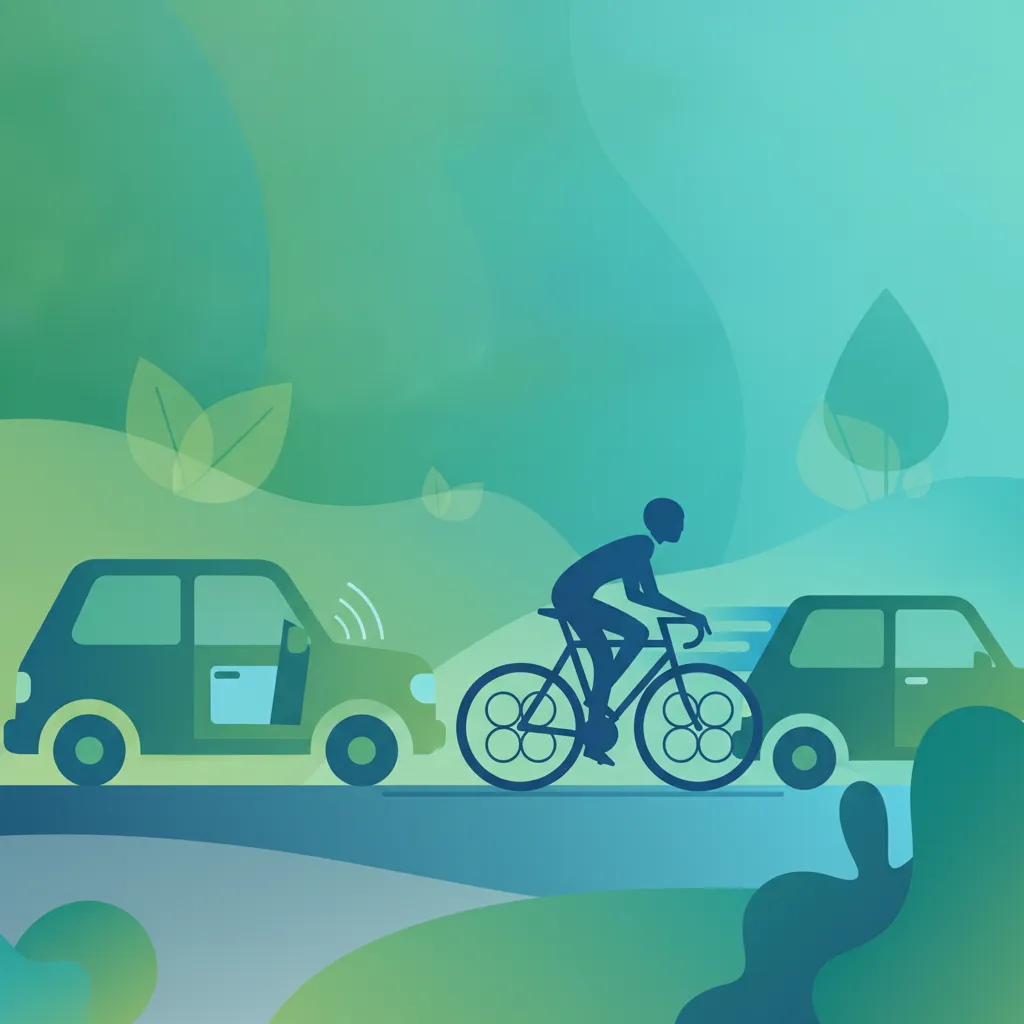
Departing from a bus stop is a high-risk manoeuvre. This lesson details the critical sequence of actions: checking all passengers are clear of the doors, performing a comprehensive mirror and blind spot check, signalling, and waiting for a safe gap in traffic. This systematic approach is essential for preventing collisions with overtaking vehicles, cyclists, or pedestrians.
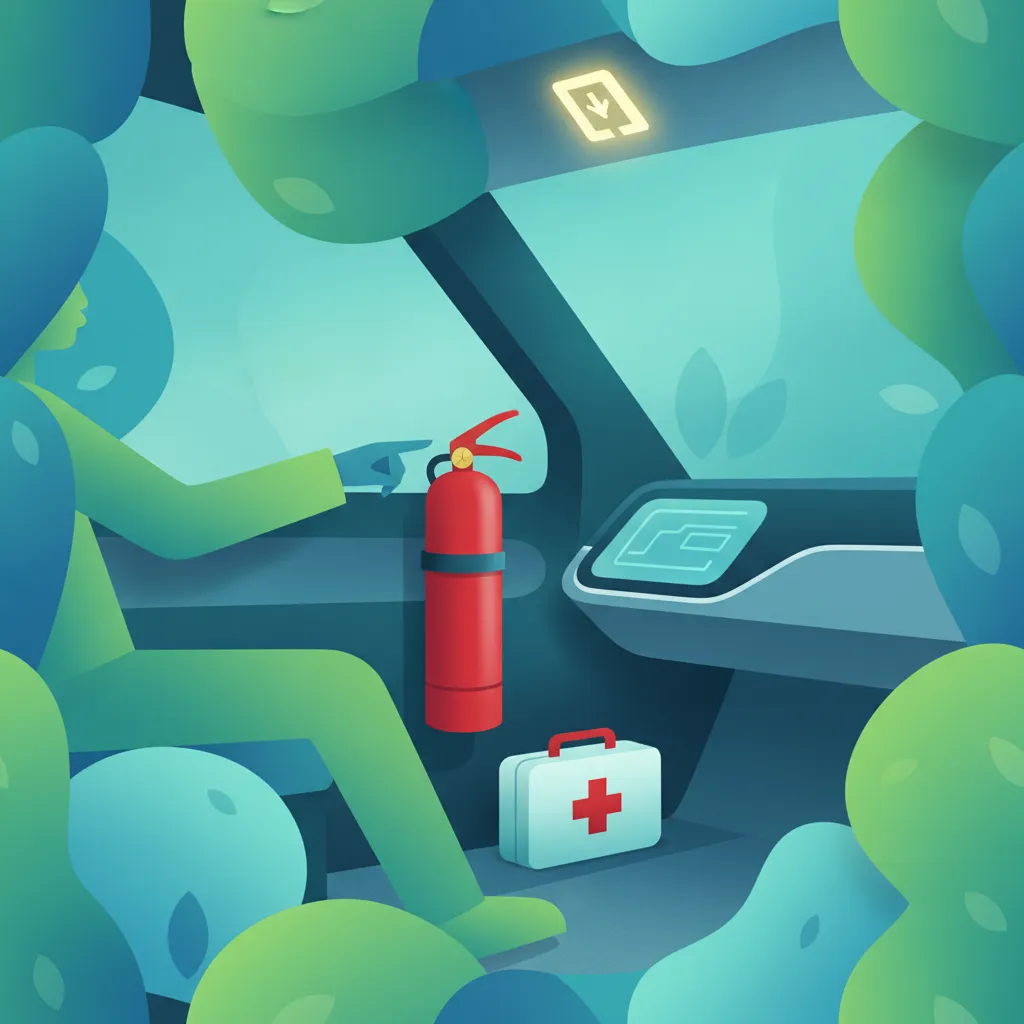
This lesson focuses on the legally required safety equipment that must be on board every passenger vehicle. You will learn how to locate and check the fire extinguisher, first aid kit, and emergency hammers. It also covers the inspection of emergency exits to ensure they are unobstructed and functional.

The condition of tyres and wheels is paramount to safety. This lesson details how to check tyre pressures, tread depth, and sidewalls for any damage or defects. You will also learn to inspect wheel nuts for security and look for signs of issues with the suspension system.
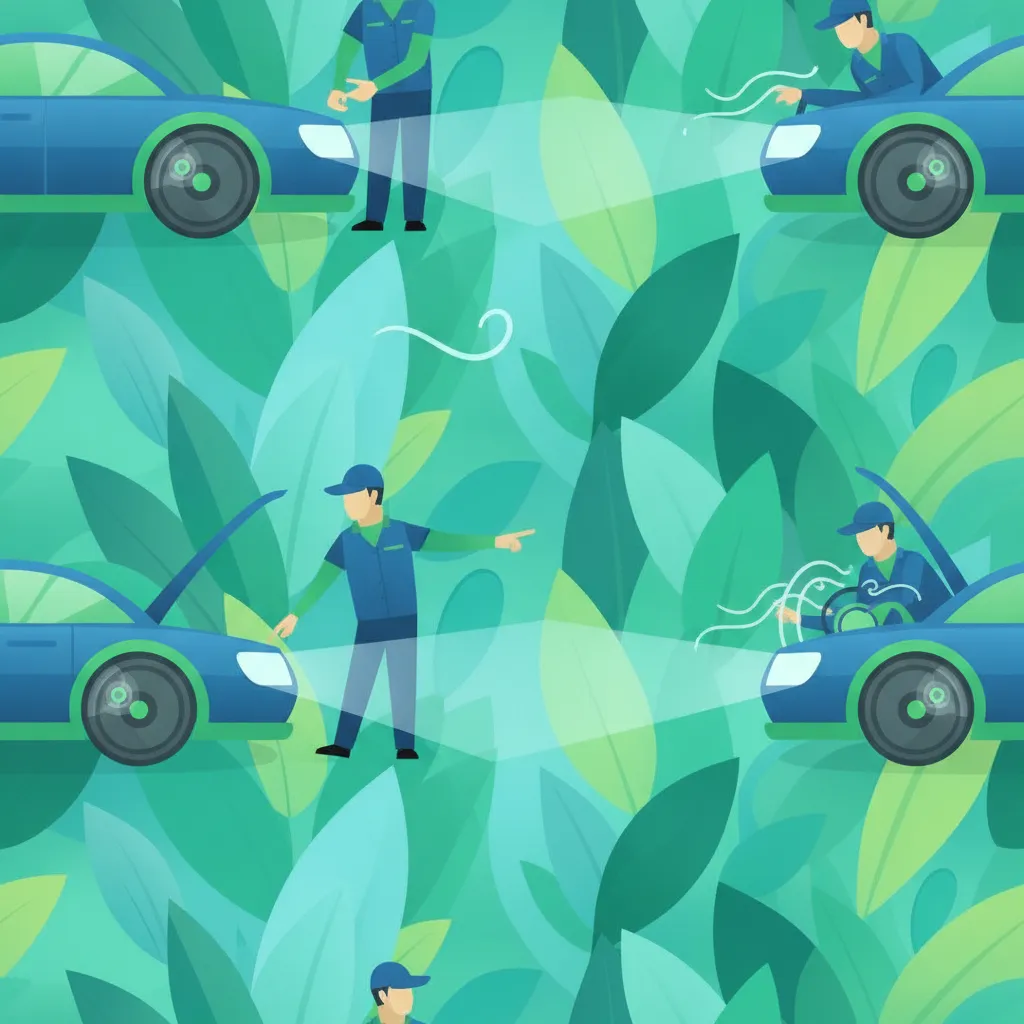
A daily walk-around check is a legal requirement and a critical safety routine. This lesson teaches a logical sequence for inspecting the exterior and interior of the bus. You will learn what to look for, from fluid leaks and body damage to the condition of passenger areas, ensuring the vehicle is safe before starting service.
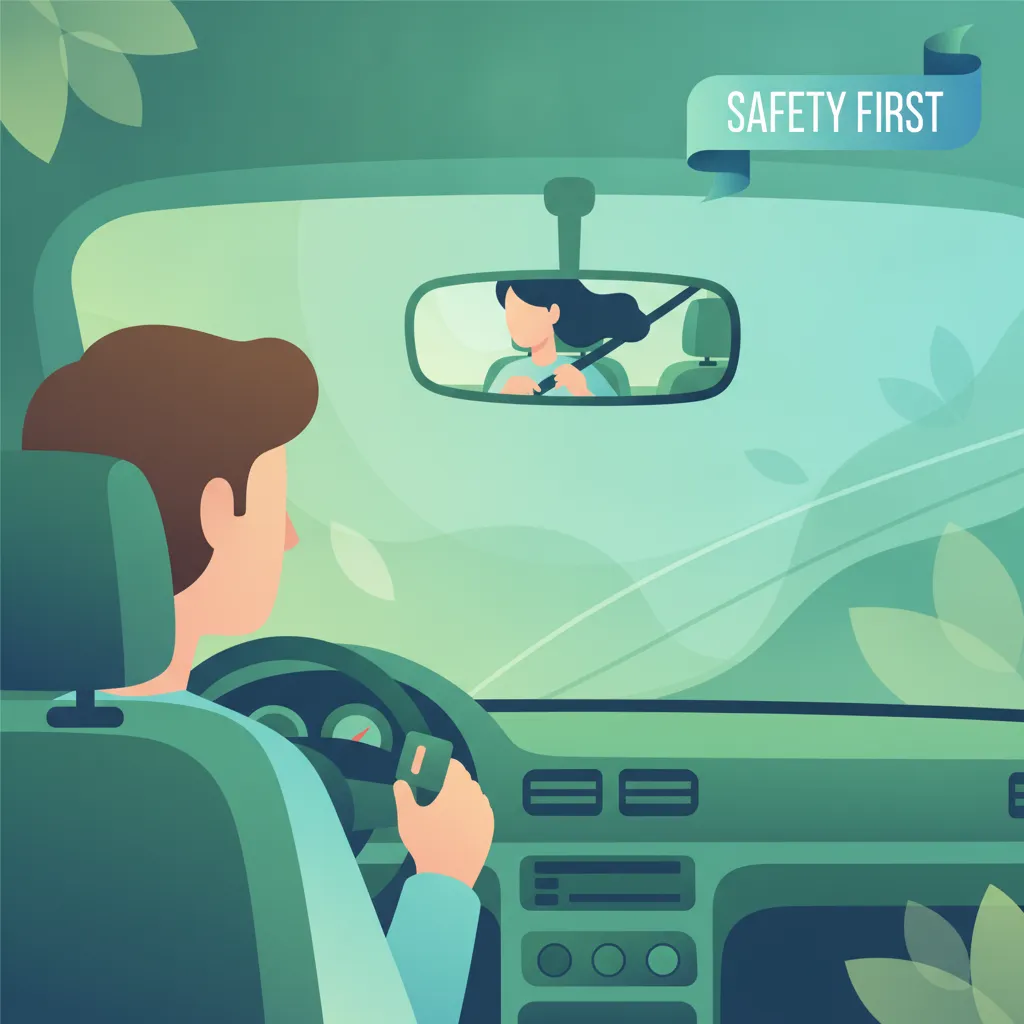
The driver must ensure all boarding passengers are safely on board and stable before moving off. This lesson covers managing the flow of passengers, dealing with fares or tickets efficiently, and encouraging people to move away from the doorway. The primary goal is to prevent falls that can occur if the vehicle moves prematurely.
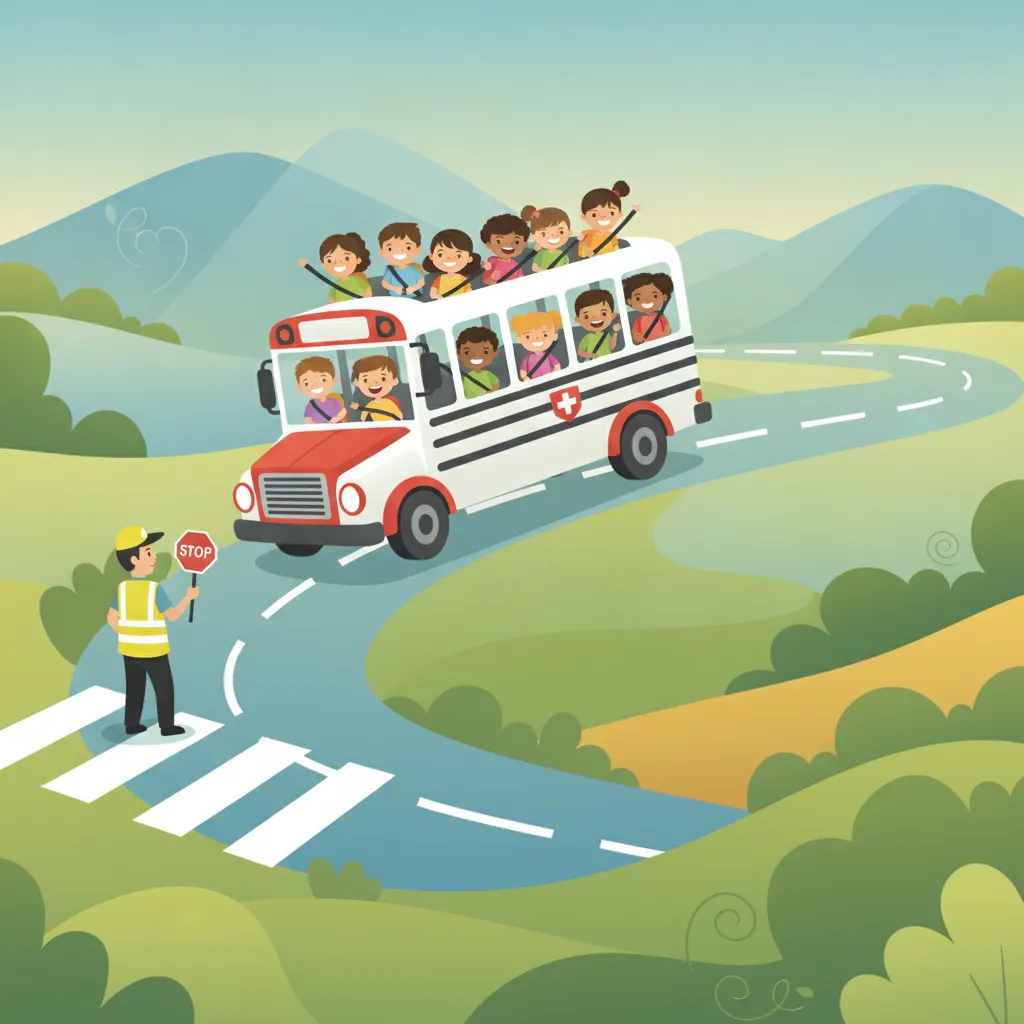
Transporting children carries the highest level of responsibility. This lesson covers the specific legal requirements for school buses in Switzerland, including the use of special signs and warning lights. It details the safe procedures for stopping, boarding, and alighting, and the driver's role in supervising children.
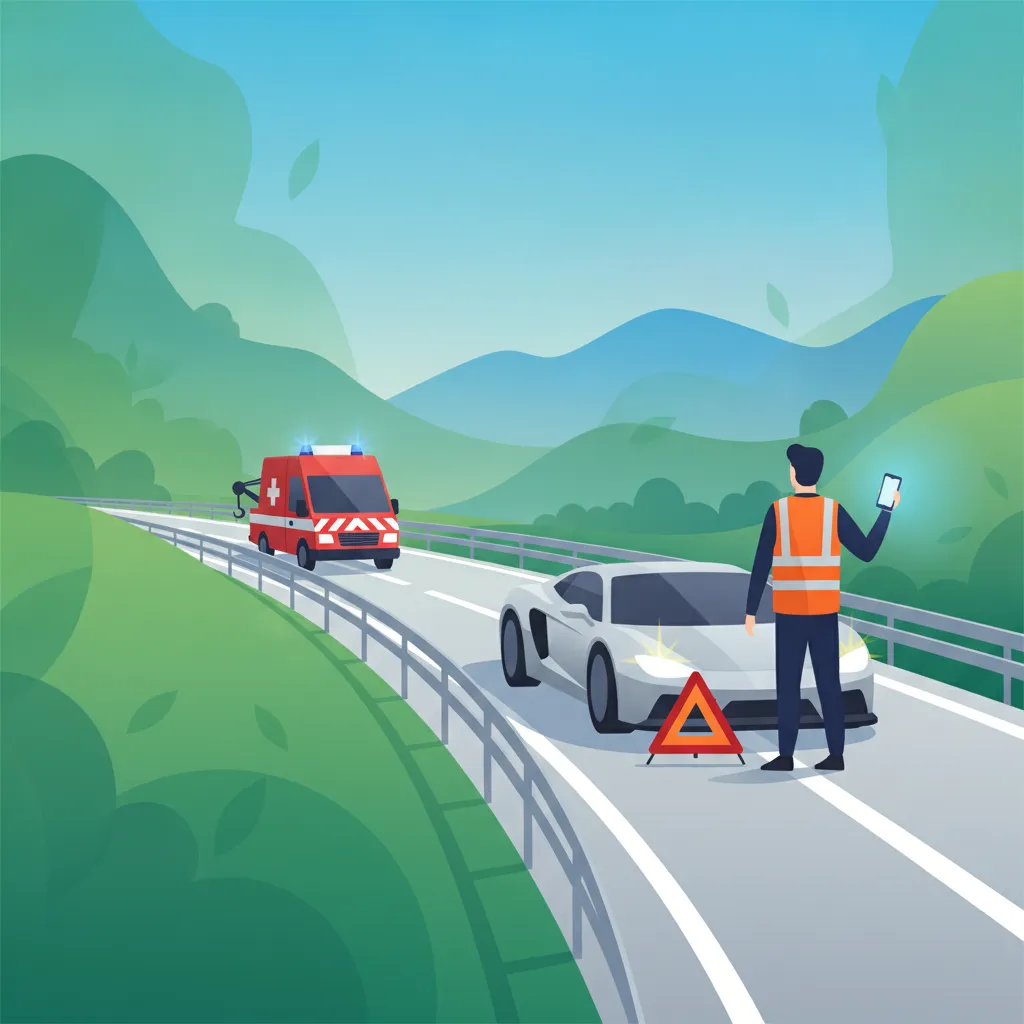
A breakdown can be a dangerous situation, especially on a busy road or motorway. This lesson provides a clear, sequential guide to follow. It includes pulling over to a safe location, activating hazard lights, placing the warning triangle, ensuring passenger safety, and contacting the appropriate services for assistance.

Being seen and being able to see are critical for safety. This lesson covers the systematic check of all exterior lights, including headlights, brake lights, and indicators. It also emphasizes the importance of ensuring all mirrors and camera lenses are clean, undamaged, and properly adjusted for maximum visibility.
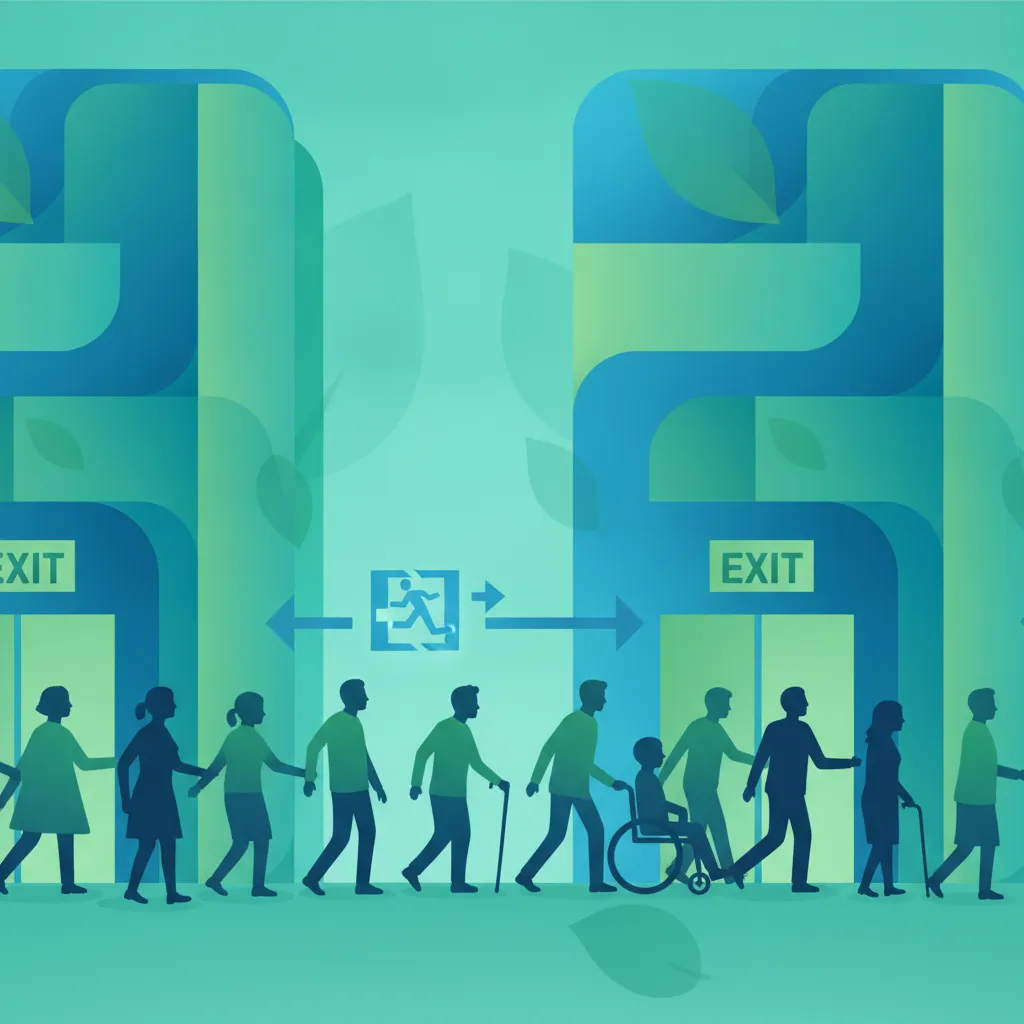
In the event of a fire or other serious danger, a driver must be able to lead an evacuation. This lesson covers the decision-making process, how to use all available emergency exits, and the importance of clear, authoritative communication to guide passengers. The goal is to move everyone to a safe location away from the vehicle and any traffic.
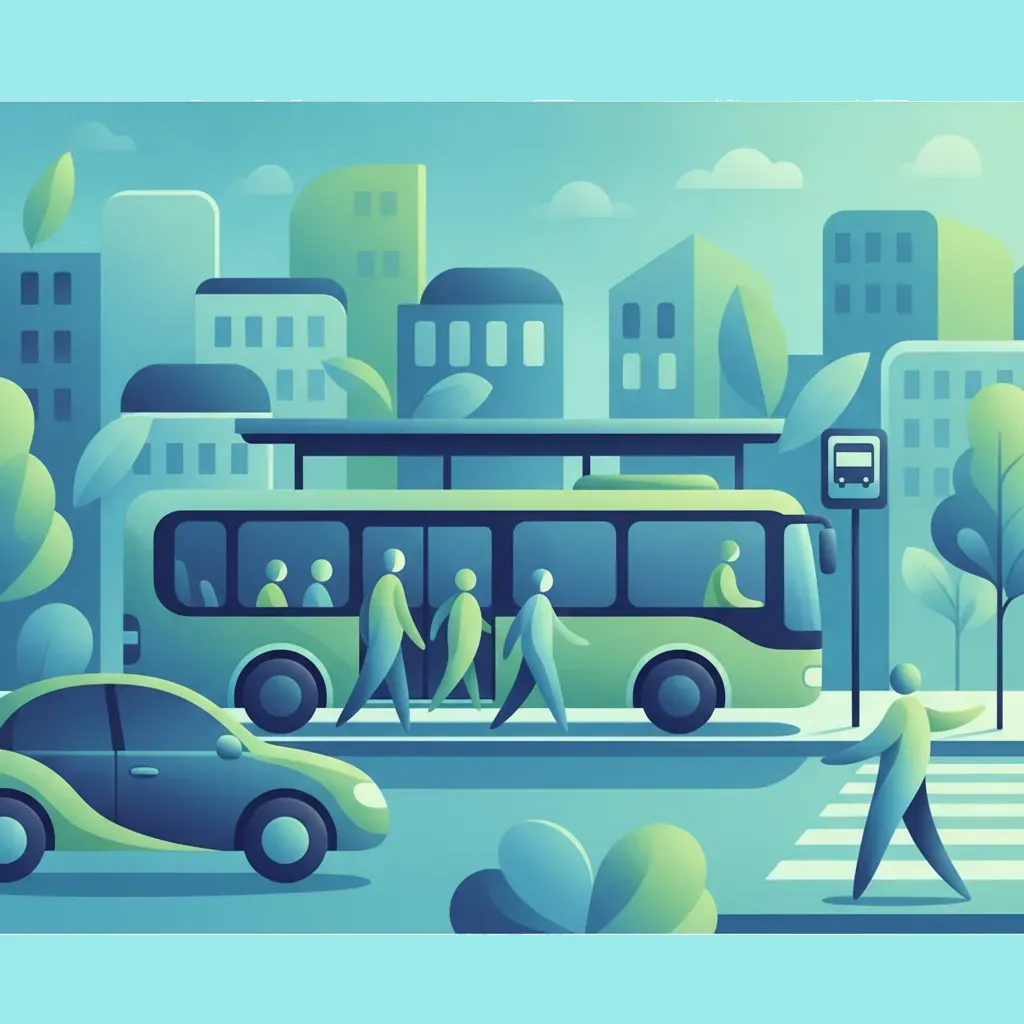
The approach to a stop sets the stage for a safe passenger exchange. This lesson covers signalling in good time, decelerating smoothly, and aiming for a final position that is close and parallel to the kerb. Proper positioning minimizes the step for passengers and prevents them from having to step into traffic.
Explore how to properly adjust and use interior and exterior mirrors on Swiss Category D buses to cover blind spots. Essential techniques for identifying passengers and hazards before moving off.
Passenger vehicles are equipped with multiple mirrors, each designed for a specific purpose. This lesson explains how to correctly use standard, wide-angle, and kerb-side mirrors to build a complete picture of the surroundings. It also covers how modern camera systems supplement, but do not replace, the fundamental skill of effective mirror use.

Buses and coaches have significant blind spots to the front, sides, and rear. This lesson maps out these 'no-zones' and teaches a continuous and active scanning process using all available mirrors and direct vision. The goal is to minimize the time any other road user spends undetected in a blind spot.
This lesson covers the systematic use of rearview and side mirrors, combined with head checks, to maintain full awareness of surrounding traffic. It emphasizes frequent observation to detect vehicles in blind spots, especially during lane changes and turns. The content also details the proper timing for head checks and the role of scanning techniques in preventing collisions.
Being seen and being able to see are critical for safety. This lesson covers the systematic check of all exterior lights, including headlights, brake lights, and indicators. It also emphasizes the importance of ensuring all mirrors and camera lenses are clean, undamaged, and properly adjusted for maximum visibility.
A lorry is equipped with multiple mirrors (up to six) to cover different fields of view. This lesson explains the function of each type: the main mirrors, wide-angle mirrors, and close-proximity (kerb and front) mirrors. It stresses the importance of adjusting them properly before every journey and developing a routine of constantly scanning all mirrors to maintain situational awareness.
This lesson teaches the correct techniques for positioning and using mirrors to maintain situational awareness. It emphasizes that mirrors alone are insufficient and must be supplemented with physical shoulder and head checks to cover blind spots. Combining these observation methods is essential for making safe lane changes and maneuvers in traffic.
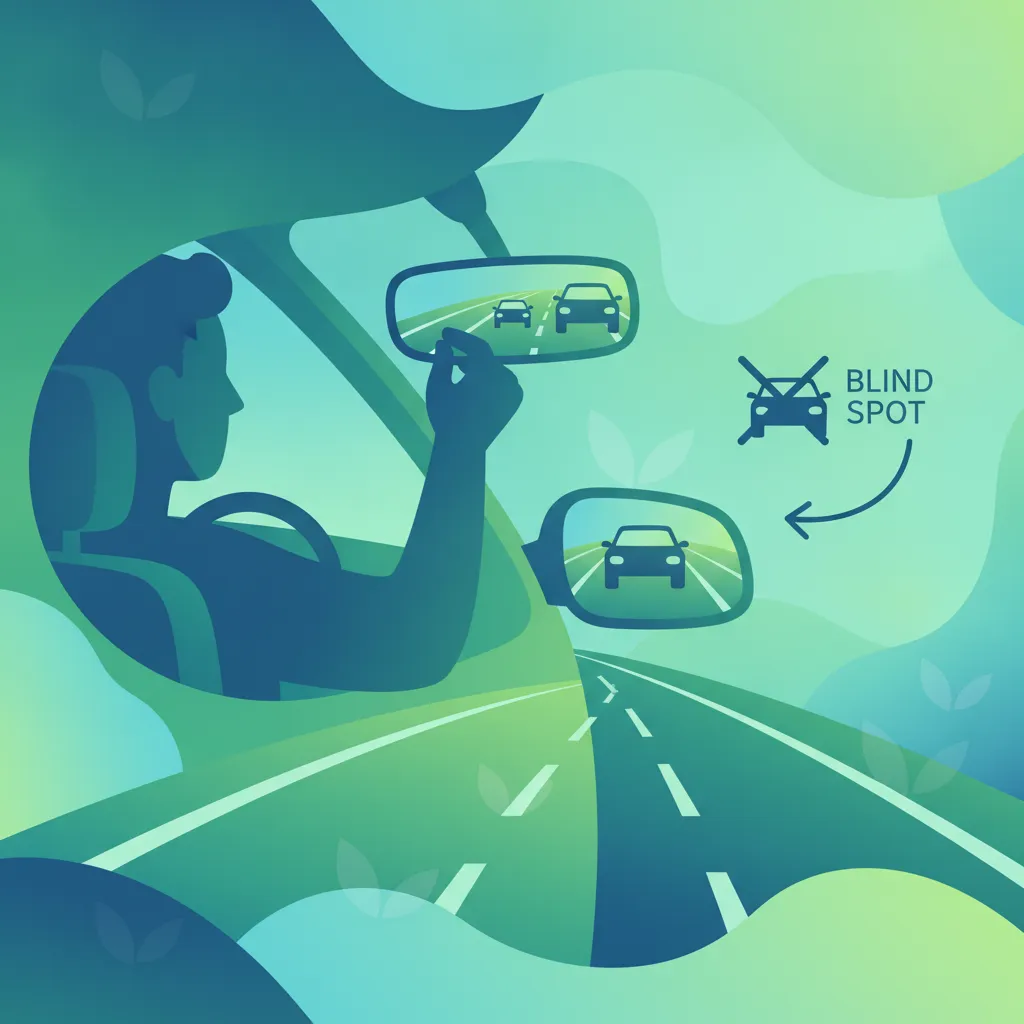
Despite the complex mirror systems, large areas around a truck remain hidden from the driver's view. This lesson maps out these significant blind spots: directly in front, behind, and along both sides of the vehicle. It teaches drivers to be constantly aware of these 'no-zones' and to anticipate that smaller vehicles, cyclists, or pedestrians may be hidden within them, especially before changing lanes or turning.
A stopped bus creates a significant visual obstruction for other road users. This lesson focuses on the risk of pedestrians stepping out from in front of the bus and cyclists passing unexpectedly on either side. It reinforces the need for exhaustive mirror and blind spot checks before moving off to prevent tragic 'pull-away' accidents.

Reversing is the most dangerous manoeuvre a large vehicle can perform and should be avoided whenever possible. This lesson details a safe system of work for when reversing is unavoidable. It covers the importance of a 360-degree check before starting, the use of a banksman, and how to interpret standard hand signals.
Find clear answers to common questions learners have about The 'Look-Last' Interior and Exterior Mirror Check. Learn how the lesson is structured, which driving theory objectives it supports, and how it fits into the overall learning path of units and curriculum progression in Switzerland. These explanations help you understand key concepts, lesson flow, and exam focused study goals.
Because large vehicles have significant blind spots and passengers may move toward the doors at the last second. A final check ensures no one is in a dangerous position before you engage the drive gear.
Yes, it must be performed before every departure from a stop, regardless of whether you believe the platform is clear. Habitualizing this check is the only way to guarantee passenger safety.
The biggest risk is a passenger or pedestrian entering the danger zone near the doors or the rear of the bus just as you begin to accelerate. The Look-Last check is specifically designed to identify these individuals.
The exam tests your awareness of these specific high-risk scenarios. You will encounter questions requiring you to identify the correct sequence of mirror checks to ensure the bus is safe to move.
Pinpoint specific Swiss traffic rules, road signs, or driving situations you need to master. Use the practice search to start a focused revision session now and build confidence for your official driving theory exam.