
This lesson details the critical safety procedures required for handling heavy vehicle breakdowns, an essential skill for all C, C1, C1E, and CE license holders. By mastering these protocols, you ensure compliance with the Italian Codice della Strada and protect yourself and other road users during roadside emergencies.

Lesson content overview
This lesson covers the critical safety procedures for handling heavy goods vehicle breakdowns in Italy, with particular relevance for C and CE license candidates. The step-by-step protocol emphasizes immediate hazard mitigation through hazard light activation, followed by securing the vehicle on the hard shoulder or road edge, donning high-visibility clothing, exiting away from traffic, and deploying the warning triangle at legally specified distances. Key Italian traffic law references include Articles 149, 149 bis, and 150 of the Codice della Strada, which mandate specific behaviors and carry penalties for non-compliance. The lesson includes detailed adaptation strategies for motorways versus rural roads, adverse weather conditions, and two comprehensive real-world scenarios demonstrating correct procedures.
A short set of high-value points that capture the most important learning from this lesson.
Activate hazard warning lights immediately upon breakdown to alert other drivers of your stationary vehicle on the roadway.
Place the warning triangle at the legally mandated distance: 150m on motorways, 50m on roads over 60 km/h, 30m on roads up to 60 km/h.
Always don high-visibility clothing before exiting the vehicle, regardless of time of day or weather conditions.
Exit heavy goods vehicles from the side furthest away from moving traffic and move to a safe waiting distance, ideally 100m on motorways.
Contact roadside assistance from your safe waiting position, providing exact location, vehicle type, and breakdown description.
Explore all units and lessons included in this driving theory course.
Article 149 requires hazard lights activation; Article 149 bis governs triangle placement distances and hard shoulder use; Article 150 mandates safe egress from the traffic-facing side.
Triangle distances: 150 meters on autostrade, 50 meters on roads above 60 km/h, 30 meters on roads 60 km/h or less.
High-visibility vest must be worn before opening the vehicle door in any roadside situation, day or night.
Move at least 100 meters away from your vehicle on motorways, preferably behind a safety barrier, while awaiting assistance.
On motorways, always use the hard shoulder (corsia di emergenza); on other roads, pull as far right as safely possible.
Failing to activate hazard lights promptly leaves other drivers with no warning of your stationary heavy goods vehicle.
Stopping in a travel lane when a hard shoulder is available creates a major obstruction and is illegal under Art. 149 bis.
Placing the warning triangle too close to the vehicle, especially on motorways, provides insufficient reaction time for high-speed traffic.
Exiting the vehicle on the traffic-facing side (such as the driver's side on a motorway) puts the driver directly in the path of oncoming traffic.
Remaining next to the broken-down vehicle while waiting for assistance exposes the driver to passing traffic and potential secondary collisions.
Lesson content overview
A short set of high-value points that capture the most important learning from this lesson.
Activate hazard warning lights immediately upon breakdown to alert other drivers of your stationary vehicle on the roadway.
Place the warning triangle at the legally mandated distance: 150m on motorways, 50m on roads over 60 km/h, 30m on roads up to 60 km/h.
Always don high-visibility clothing before exiting the vehicle, regardless of time of day or weather conditions.
Exit heavy goods vehicles from the side furthest away from moving traffic and move to a safe waiting distance, ideally 100m on motorways.
Contact roadside assistance from your safe waiting position, providing exact location, vehicle type, and breakdown description.
Explore all units and lessons included in this driving theory course.
Article 149 requires hazard lights activation; Article 149 bis governs triangle placement distances and hard shoulder use; Article 150 mandates safe egress from the traffic-facing side.
Triangle distances: 150 meters on autostrade, 50 meters on roads above 60 km/h, 30 meters on roads 60 km/h or less.
High-visibility vest must be worn before opening the vehicle door in any roadside situation, day or night.
Move at least 100 meters away from your vehicle on motorways, preferably behind a safety barrier, while awaiting assistance.
On motorways, always use the hard shoulder (corsia di emergenza); on other roads, pull as far right as safely possible.
Failing to activate hazard lights promptly leaves other drivers with no warning of your stationary heavy goods vehicle.
Stopping in a travel lane when a hard shoulder is available creates a major obstruction and is illegal under Art. 149 bis.
Placing the warning triangle too close to the vehicle, especially on motorways, provides insufficient reaction time for high-speed traffic.
Exiting the vehicle on the traffic-facing side (such as the driver's side on a motorway) puts the driver directly in the path of oncoming traffic.
Remaining next to the broken-down vehicle while waiting for assistance exposes the driver to passing traffic and potential secondary collisions.
Explore search topics learners often look for when studying Breakdown Handling and Roadside Assistance. These topics reflect common questions about road rules, driving situations, safety guidance, and lesson level theory preparation for learners in Italy.
Browse additional driving theory lessons that cover connected traffic rules, road signs, and common driving situations related to this topic. Improve your understanding of how different rules interact across everyday traffic scenarios.
Learn essential procedures for handling heavy vehicle breakdowns in Italy. Covers safe stopping, warning triangle placement, high-visibility clothing, and contacting roadside assistance according to the Codice della Strada.
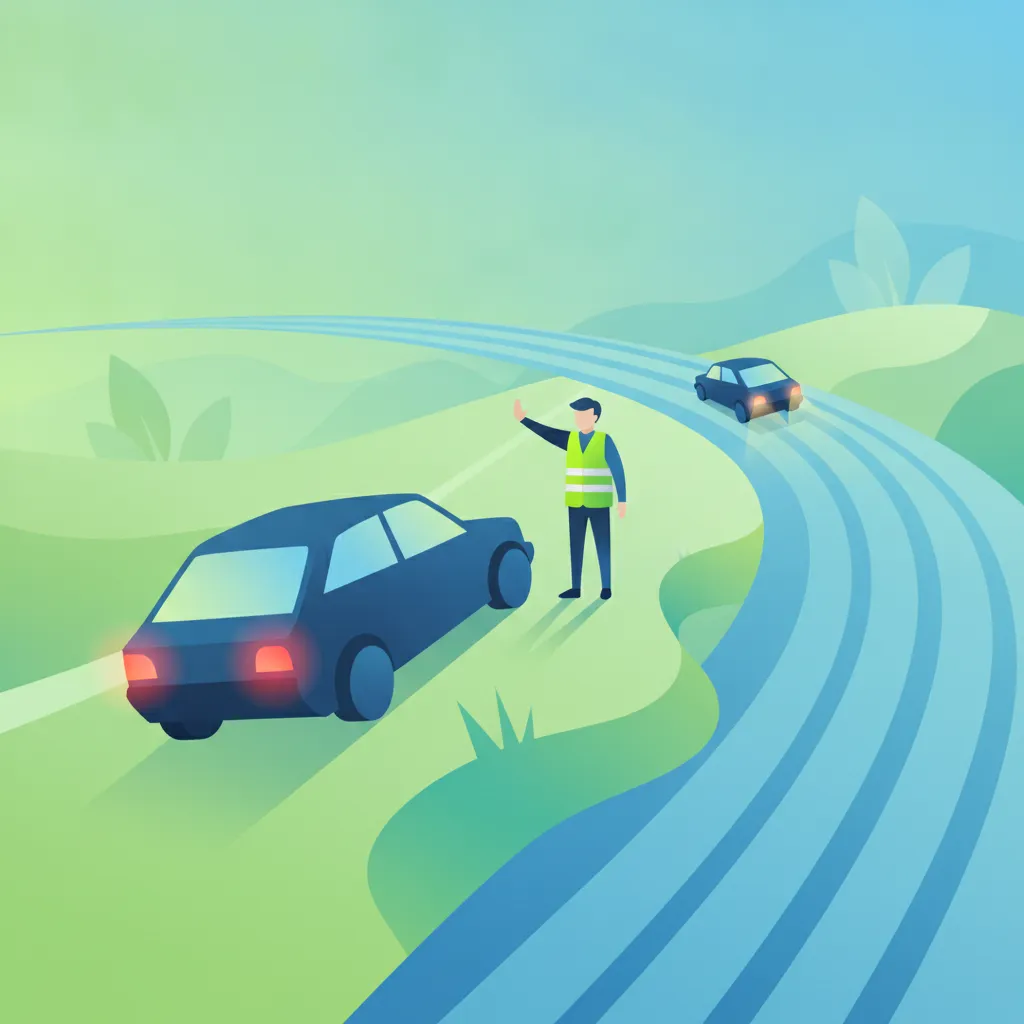
This lesson prepares drivers for unexpected emergencies that may occur far from base. It provides a clear, step-by-step guide on what to do in the event of a breakdown on a motorway, including how to stop safely on the hard shoulder, make the vehicle visible, and call for assistance. Basic procedures for dealing with a vehicle fire or being the first at an accident scene are also covered, prioritizing personal safety at all times.

This lesson provides a clear, step-by-step guide for handling a mechanical breakdown on the road. It emphasizes the priority of moving the motorcycle to a safe location away from traffic flow and making oneself visible by using hazard lights and wearing a high-visibility vest. The content covers the correct procedure for contacting roadside assistance or emergency services and waiting for help in a secure position.
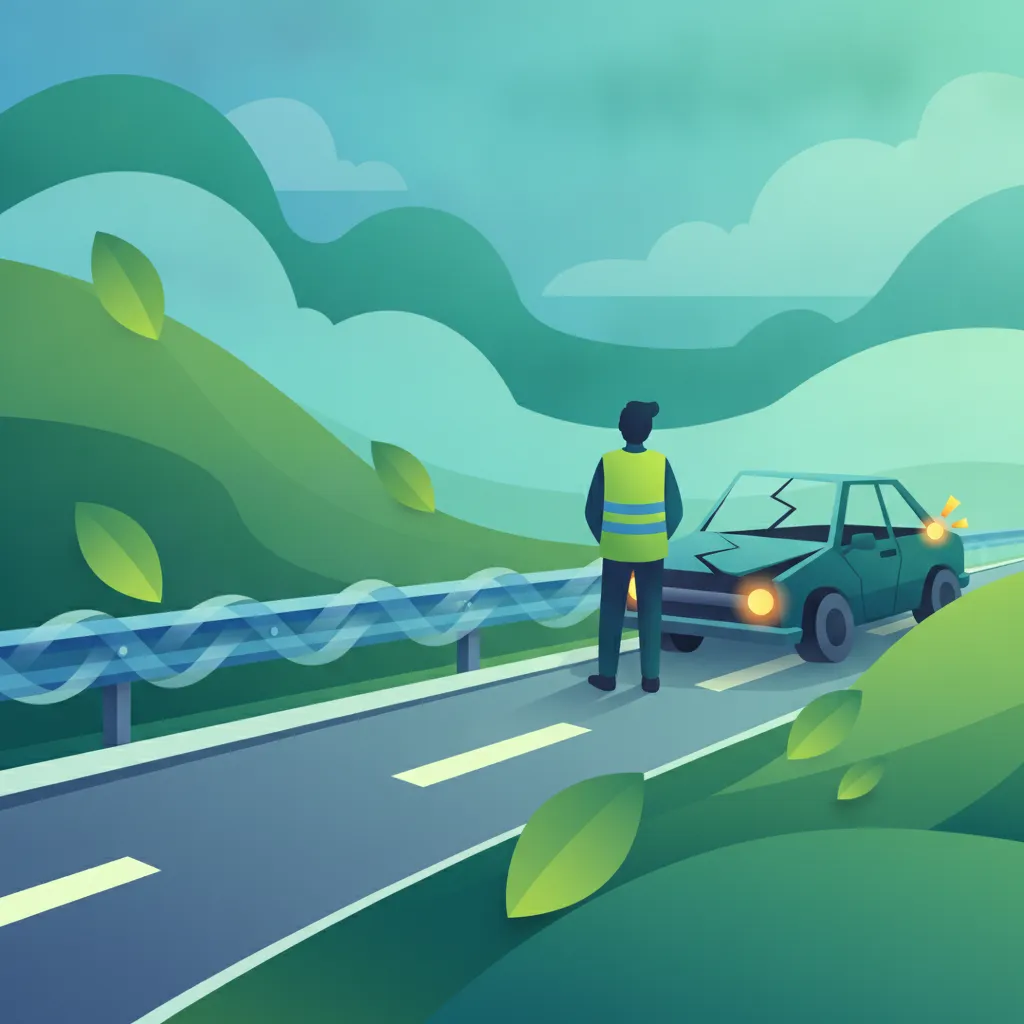
This lesson equips riders with the correct procedures to follow in the event of a breakdown or accident. It covers how to move the vehicle to a safe location, alert other traffic, and contact emergency services using the universal 112 number. You will also learn the basics of accident scene management and the necessary steps for reporting the incident to police and insurance.

This lesson focuses on the specific regulations and techniques for operating a heavy vehicle on high-speed motorways. It covers mandatory lane discipline for trucks, the rules governing overtaking other heavy vehicles, and the specific speed limits that apply. Best practices for merging onto and exiting the motorway, maintaining safe following distances, and using the hard shoulder only in genuine emergencies are also detailed.

This lesson outlines the correct protocols for stopping to make a delivery in a public area. It covers the legal use of designated loading bays, the importance of making the vehicle highly visible with hazard lights, and ensuring that the parking brake is securely applied. The lesson stresses the need to conduct loading and unloading activities efficiently and safely, without causing undue obstruction or danger to other road users and pedestrians.

This lesson details the specific rules and safety considerations for driving through the extensive tunnels and high viaducts common in Italy. It covers pre-entry checks, maintaining a safe following distance, and the correct procedures to follow in case of a breakdown or fire inside a tunnel. The lesson also addresses the hazard of strong crosswinds on exposed viaducts and how to maintain vehicle control.
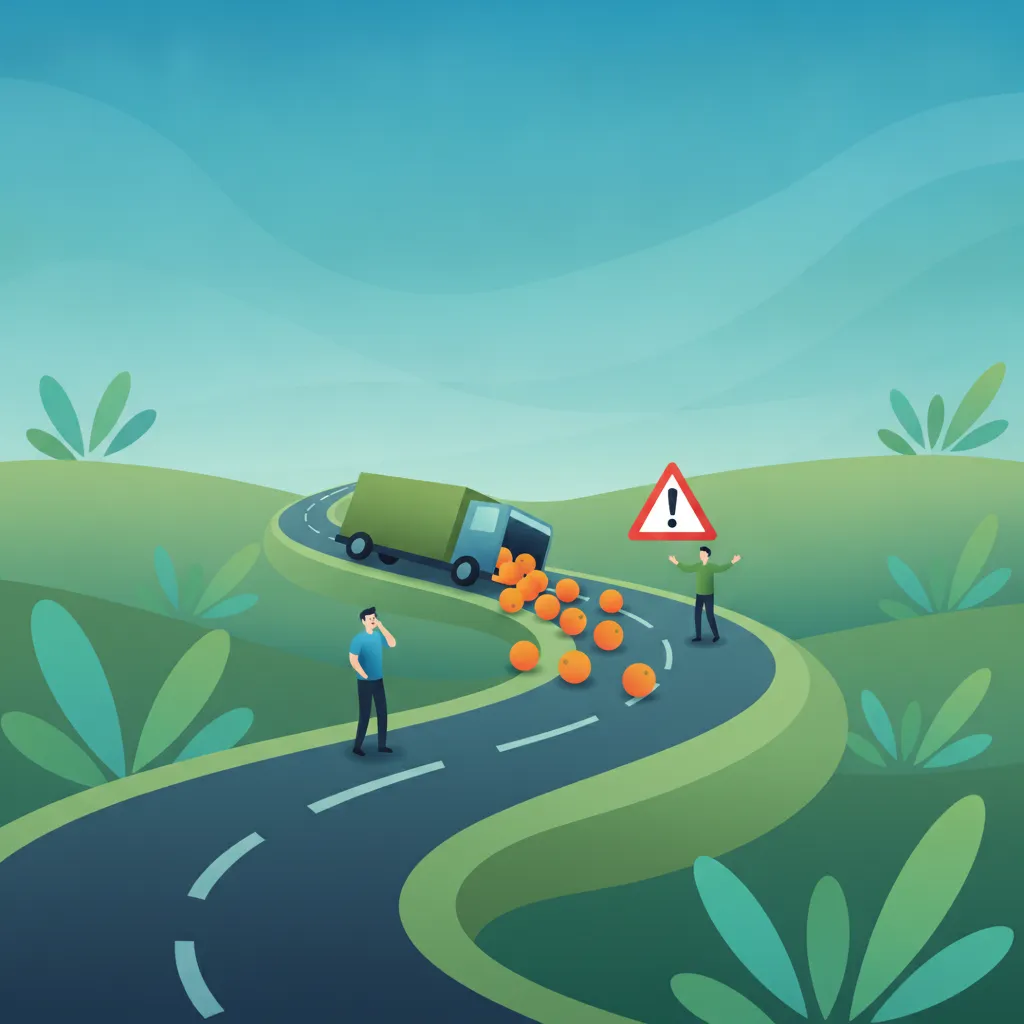
This lesson prepares drivers for incidents beyond a simple breakdown, such as losing part of the load onto the roadway or dealing with a spillage. It outlines the immediate priorities: ensuring personal safety, warning other traffic of the hazard, and notifying the authorities. The lesson also covers the fundamental principles of managing an accident scene, including protecting the area, assessing for casualties, and providing essential information to emergency services.

This lesson reinforces the correct procedures for interacting with emergency vehicles that are responding to a call with sirens and lights active. It explains the legal obligation to yield the right-of-way by safely moving to the side of the road and stopping if necessary. The content emphasizes making smooth, predictable movements to create a clear path, allowing emergency responders to proceed without delay.
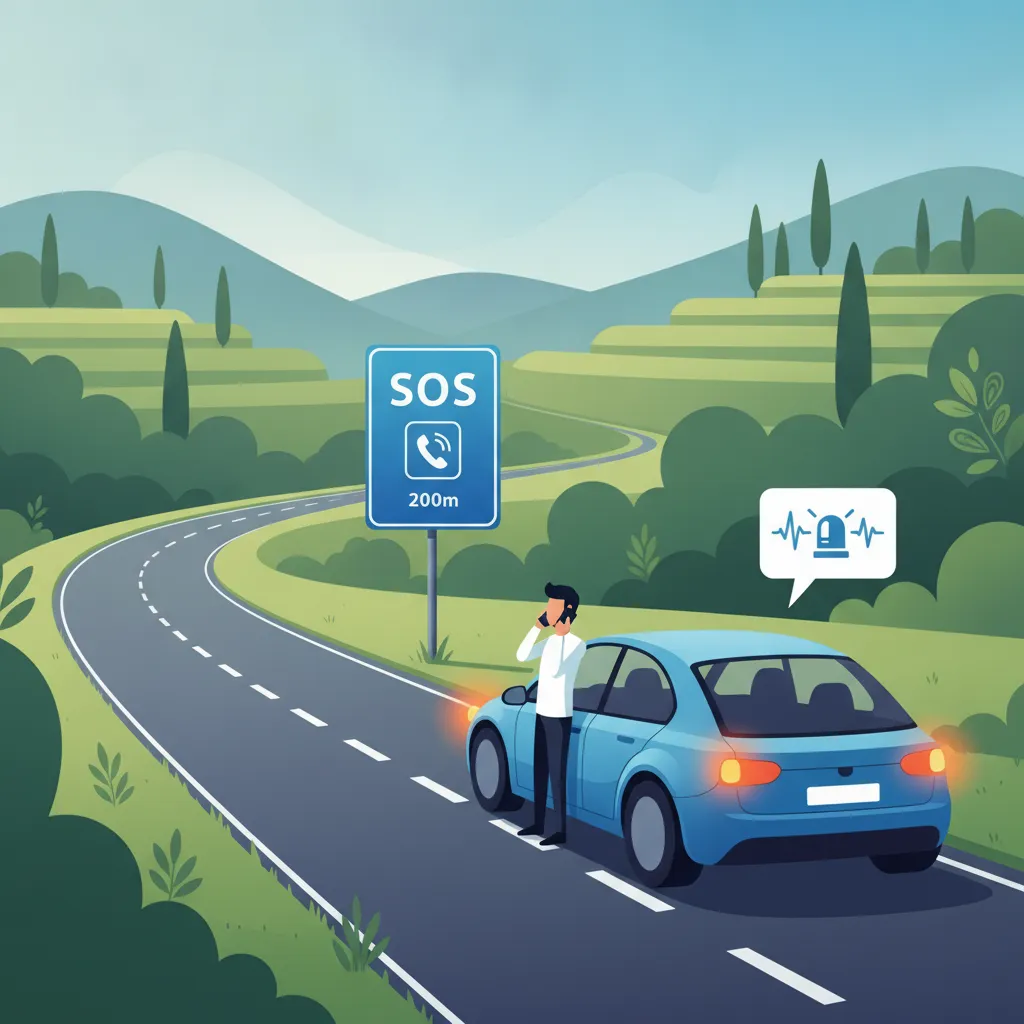
This lesson outlines the proper conduct when encountering emergency vehicles on the road or interacting with responders at an incident. It details the rules for yielding the right-of-way to ambulances, police, and fire services, ensuring they have a clear path. You will also learn how to provide clear and concise information to authorities to facilitate an effective emergency response.
This lesson provides a detailed, safety-focused procedure for detaching a tractor from a semitrailer. It covers selecting a suitable, firm, and level location, correctly deploying the trailer's landing gear to support its weight, and disconnecting the air and electrical lines in the proper order. Following these systematic steps is essential to prevent the trailer from tipping over or rolling away, ensuring the safety of the driver and anyone nearby.
Explore the risks associated with heavy vehicle breakdowns on Italian roads, including adverse weather and load stability. Understand key principles for safe management and preventative measures for professional drivers.
This lesson prepares drivers for unexpected emergencies that may occur far from base. It provides a clear, step-by-step guide on what to do in the event of a breakdown on a motorway, including how to stop safely on the hard shoulder, make the vehicle visible, and call for assistance. Basic procedures for dealing with a vehicle fire or being the first at an accident scene are also covered, prioritizing personal safety at all times.
This lesson prepares drivers for incidents beyond a simple breakdown, such as losing part of the load onto the roadway or dealing with a spillage. It outlines the immediate priorities: ensuring personal safety, warning other traffic of the hazard, and notifying the authorities. The lesson also covers the fundamental principles of managing an accident scene, including protecting the area, assessing for casualties, and providing essential information to emergency services.

This lesson addresses how adverse weather can compromise load securing arrangements. It explains how rain and ice can reduce the friction between the load and the vehicle bed, and how some lashing materials like webbing straps can stretch when wet, losing tension. Learners will understand the need to check and re-tighten securing equipment during journeys in bad weather and to take extra precautions to account for reduced friction.

This lesson vividly illustrates the dangers of a load that moves during transit. It explains how a sudden load shift during braking can increase stopping distance or cause a jack-knife, while a shift during cornering can easily lead to a rollover. By understanding these dynamic forces, learners will appreciate the absolute necessity of ensuring every piece of cargo is properly and robustly secured before starting a journey.

This lesson covers three critical risks associated with heavy vehicle braking systems. It explains 'brake lag' in air brake systems, the delay between pedal application and brake activation, and 'brake fade', the loss of braking efficiency due to overheating. Learners will be taught to recognize the warning signs and, more importantly, to use correct driving techniques, such as utilizing endurance brakes, to prevent these potentially catastrophic failures.

This lesson provides essential guidance on how to adjust driving techniques for a range of hazardous weather conditions. It covers reducing speed and increasing following distances in rain to prevent aquaplaning, using lights correctly in fog, and understanding the vehicle's reduced traction on snow and ice. It also explains how to anticipate and counteract the effects of strong crosswinds on high-sided vehicles.
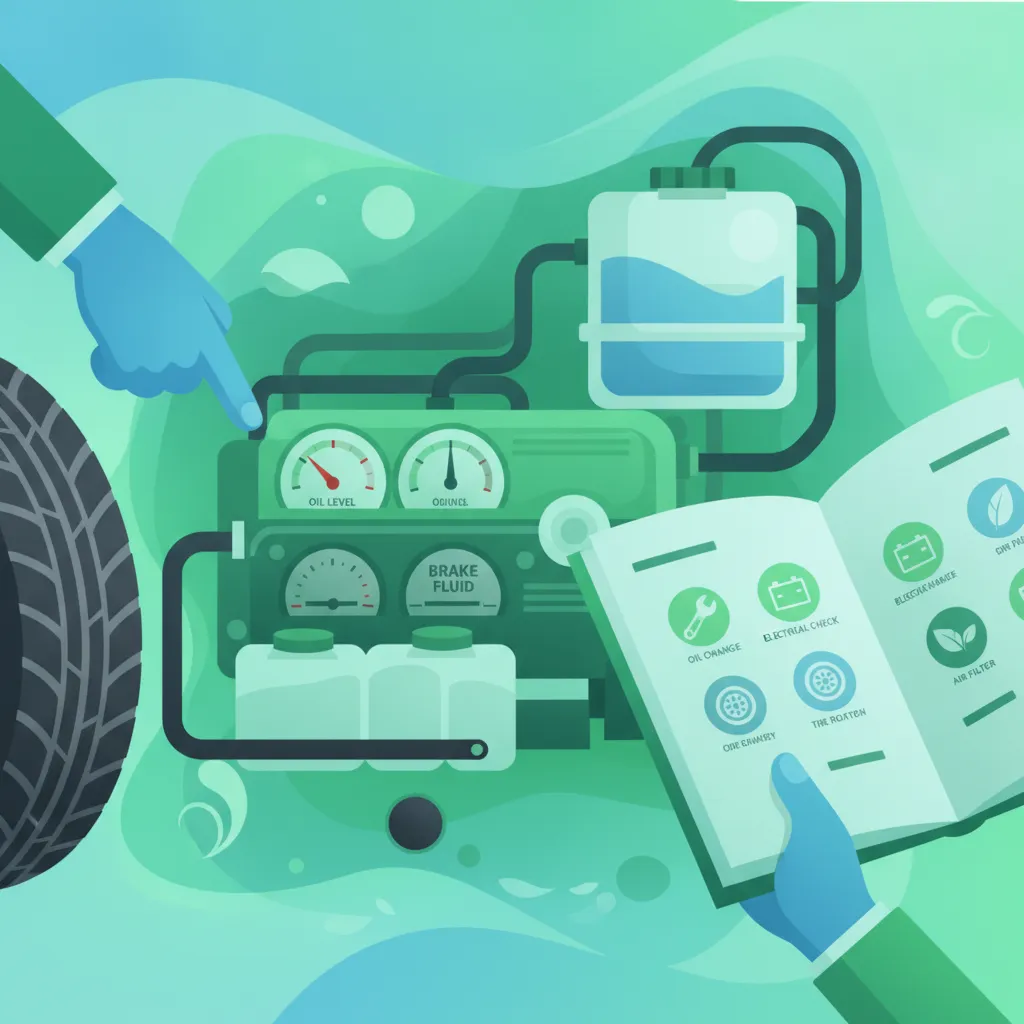
This lesson explains the difference between daily checks and long-term scheduled maintenance. It covers the legal requirement for periodic technical inspections ('revisione') to certify a vehicle's roadworthiness and the importance of adhering to manufacturer-recommended service intervals. Learners will understand their crucial role in reporting any mechanical defects promptly to ensure issues are rectified, maintaining the vehicle's safety and reliability over its service life.
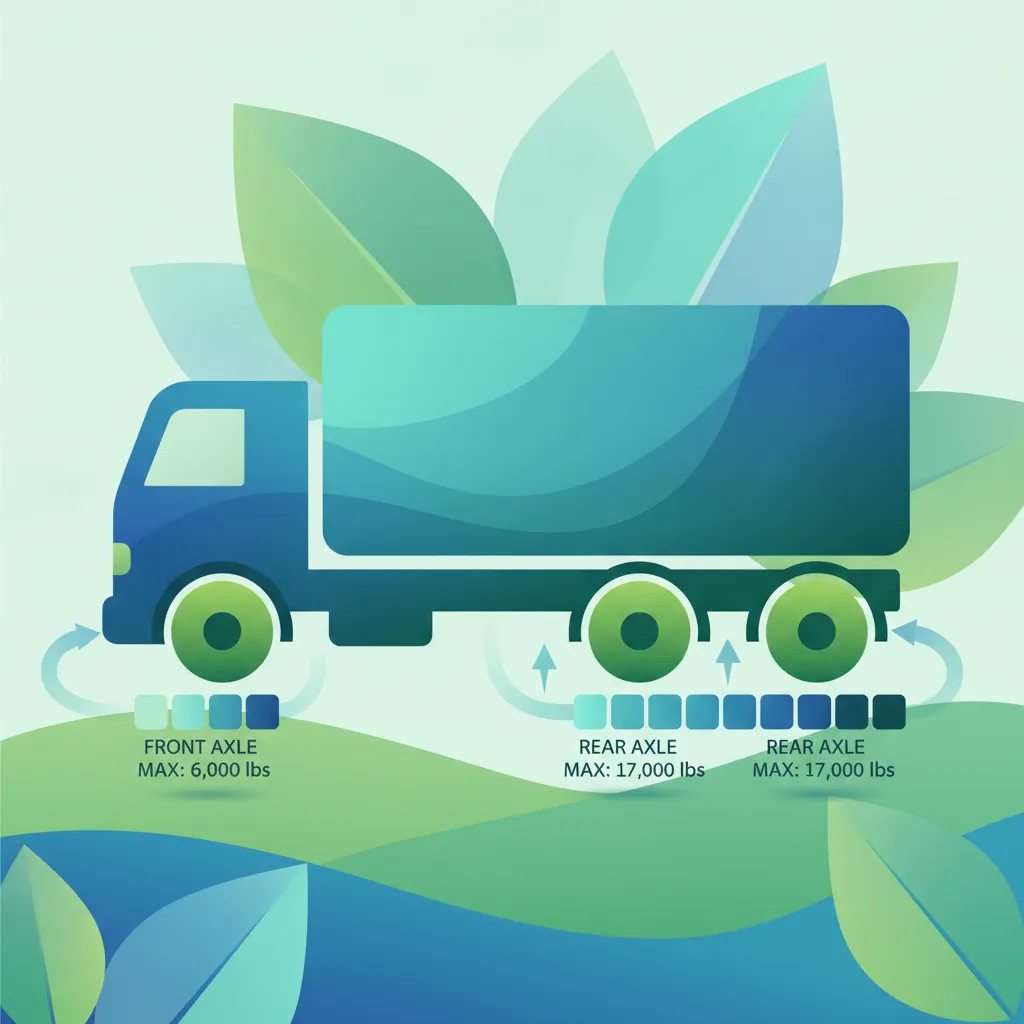
This lesson details the legal restrictions on the weight that can be supported by a single axle or a group of axles. It explains the importance of distributing the load correctly across the vehicle's length to prevent exceeding these limits, which can cause significant road damage and compromise vehicle safety. Learners will understand the relationship between load placement, axle pressure, and overall stability, particularly during braking and cornering.

This lesson covers the complete set of lighting, reflective equipment, and protective guards mandated for heavy vehicles. It explains the function of each light, from headlights to side markers, and the importance of keeping them clean and operational to ensure the vehicle is visible to others. The lesson also details the legal requirements and safety purpose of side guards and rear underrun protection, which are designed to protect vulnerable road users in a collision.

This lesson explains the principles of safe load management to maintain vehicle stability and comply with legal requirements. It covers how to properly distribute and secure cargo inside the vehicle, the rules for using roof racks, and the specific signaling required for loads that project beyond the vehicle's rear. The content also provides a basic introduction to the rules and safety considerations when towing a small trailer.
Find clear answers to common questions learners have about Breakdown Handling and Roadside Assistance. Learn how the lesson is structured, which driving theory objectives it supports, and how it fits into the overall learning path of units and curriculum progression in Italy. These explanations help you understand key concepts, lesson flow, and exam focused study goals.
On motorways, the warning triangle must be placed at a distance that allows approaching traffic to see it in sufficient time. In Italy, it is generally recommended to place it at least 50 meters behind the vehicle, though safety conditions may dictate further placement to ensure visibility.
Yes, for professional drivers, wearing a high-visibility, reflective vest is mandatory whenever you exit the vehicle on a public road, especially in emergency situations on motorways or busy urban roads, to ensure you are seen by other drivers.
Always exit from the side of the vehicle facing away from moving traffic. Never step directly into the flow of traffic; check mirrors and blind spots carefully before opening any door, and ensure you remain behind safety barriers if available.
You should generally remain with the vehicle or in a safe place nearby (such as behind a guardrail) to monitor the situation. However, if the vehicle poses a significant danger to others, prioritize moving yourself to safety and contacting authorities immediately.
Start searching now to pinpoint exactly which Italian driving theory topics, road signs, or traffic rules you need to master. Use our advanced filters to build a custom practice session and ensure you're fully prepared for every aspect of your official driving licence exam.