This lesson provides a crucial overview of the Polish Road Traffic Act, focusing on its specific provisions for public transport. You'll explore the legal framework that governs bus operations, building upon your understanding of Category D eligibility. This knowledge is essential for both your theory exam success and ensuring safe, compliant driving in Poland.
Lesson content overview
Operating a public transport vehicle, especially a bus, comes with significant responsibilities. These responsibilities are deeply rooted in Polish road traffic law and European Union regulations, designed to ensure the safety of passengers, other road users, and the driver. This lesson provides a comprehensive overview of the legal framework governing bus operations in Poland, covering everything from vehicle classification to specific driver obligations and potential penalties. Mastery of these fundamentals is crucial for passing the Polish Category D theory examination and for a successful, lawful career in public transport.
The Polish legal system defines vehicles for passenger transport based on their capacity and intended use. For professional bus drivers, understanding these classifications is the bedrock of compliance.
In Poland, a bus is legally defined as a motor vehicle designed and constructed for the transport of more than eight passengers in addition to the driver. This specific definition places such vehicles under the Category D driving licence requirement. This classification is critical because it dictates not only the type of driving licence required but also a host of other regulations concerning vehicle construction, mandatory safety equipment, operational procedures, and inspection standards.
While all vehicles carrying more than eight passengers plus the driver fall under Category D, there are practical distinctions often used in public transport:
The classification of a vehicle is determined by its legal registration and technical specifications, not merely the number of seats present. For example, a large van converted to carry more than eight passengers, if properly registered and compliant with bus safety standards, would still require a Category D licence and operate under bus regulations.
Public transport buses in Poland must be equipped with a specific set of safety features and devices. These items are not optional extras; they are legally required to ensure the safety of passengers and enable an effective response in emergencies. Bus drivers are responsible for ensuring this equipment is present, functional, and easily accessible before and during every journey.
The mandatory safety equipment for buses includes:
Failure to equip a bus with the mandatory items, or operating with equipment that is expired, non-functional, or inaccessible, can lead to severe penalties. Traffic police or transport inspectors may issue fines, order the vehicle to be taken out of service until deficiencies are corrected, or impose penalty points on the driver's licence. The ultimate goal of these regulations is to reduce the risk of injury and ensure a rapid, effective emergency response should an incident occur.
The principle of hierarchy among road users is fundamental to traffic safety, especially for large vehicles like buses. It establishes a clear order of priority, aiming to protect the most vulnerable participants in traffic. Bus drivers must internalize this hierarchy to prevent accidents and ensure smooth traffic flow.
Polish traffic law, particularly as detailed in the Road Traffic Act (Ustawa Prawo o Ruchu Drogowym), establishes a clear priority order. While the full hierarchy is extensive, key aspects relevant to bus drivers include:
This hierarchy directly impacts a bus driver's daily operational conduct:
Common Misunderstanding: Buses do not automatically have priority, even on dedicated bus lanes. They must always yield to pedestrians at marked crossings and often to cyclists, as defined by the Road Traffic Act.
A professional bus driver's role extends far beyond merely operating a vehicle. They are responsible for the safety and comfort of their passengers, compliance with a complex web of legal provisions, and maintaining the integrity of their vehicle. These duties are crucial for the smooth operation of public transport.
Bus drivers in Poland must adhere to several key obligations during their operational conduct:
Remember, the speed limiter restricts the maximum possible speed of the bus, but you must always drive at or below the posted legal speed limit for the road you are on.
Beyond the specific obligations above, bus drivers must, of course, adhere to all general traffic regulations, including:
During any bus operation in Poland, the driver must carry specific official documents. These documents serve as proof of the vehicle's legality, the driver's qualifications, and compliance with operational requirements. Failure to produce these documents during a roadside check can lead to significant penalties.
The driver must have the following documents readily available for inspection:
Common Misunderstanding: While digital copies of some documents might be convenient, Polish law often requires original paper copies for official inspections, unless explicitly stated otherwise for specific documents. Always ensure you carry the required originals.
These documents enable authorities to verify:
Compliance with Polish traffic law and transport regulations is rigorously enforced. Violations by bus drivers can result in a range of penalties, designed to deter non-compliance and ensure public safety. These sanctions can affect a driver's career and personal finances.
The penalty structure for traffic offences by bus drivers in Poland includes:
Enforcement is carried out by:
Understanding the penalty structure motivates compliance. Even minor infractions, such as a missing reflective triangle, can lead to fines and potentially penalty points, underlining the importance of thorough pre-shift checks.
Driving a bus safely requires not only adherence to fixed rules but also the ability to adapt to dynamic conditions. Weather, road type, vehicle state, and interactions with vulnerable road users all demand specific adjustments to driving technique and decision-making.
Every traffic law and regulation governing public transport is designed with a core purpose: to enhance safety and efficiency. Understanding the underlying rationale behind these rules provides a deeper appreciation for their importance and encourages voluntary compliance.
By understanding these cause-and-effect relationships, bus drivers can connect legal requirements to real-world safety outcomes, fostering a culture of proactive and responsible driving.
Mastering the fundamentals of Polish traffic law for public transport is more than just passing an exam; it's about embracing a professional responsibility for the safety of countless lives. This lesson has explored the critical areas of bus classification, mandatory safety equipment, the hierarchy of road users, the specific obligations of a bus driver, essential documentation, and the consequences of non-compliance.
Remember that driving conditions are rarely static. The ability to adapt your driving based on weather, road type, vehicle load, and the presence of vulnerable road users is paramount. By internalizing these principles and understanding the underlying safety rationale, you will be well-equipped to operate a public transport vehicle safely and lawfully within Poland.
This foundational knowledge directly supports upcoming modules in your Polish Category D Driving Licence Theory Course for Bus Drivers, particularly those focusing on specific traffic rules and priority for buses, as well as safe maneuvering and urban operations.
This lesson covers the essential provisions of Polish traffic law for Category D bus drivers, including vehicle classification (urban, intercity, and mini-buses), mandatory safety equipment requirements (fire extinguisher, first-aid kit, reflective triangles, speed limiter, tachograph), and the road user hierarchy that gives pedestrians and cyclists priority in specific situations. Key driver obligations include observing speed limits, using the tachograph correctly, ensuring safe passenger boarding and alighting, and carrying all required operational documentation. Penalties for violations range from administrative fines and penalty points to vehicle detention and criminal liability, with enforcement by traffic police and the Road Transport Inspection. Safe driving requires adapting to weather, road type, vehicle load, and the presence of vulnerable road users.
A short set of high-value points that capture the most important learning from this lesson.
In Poland, a Category D vehicle is any motor vehicle designed to transport more than eight passengers in addition to the driver, including urban buses, intercity buses, and mini-buses.
Mandatory safety equipment includes a fire extinguisher (minimum 6 kg ABC type), first-aid kit, two reflective triangles, high-visibility vests, a speed limiter (typically 100 km/h), and a functioning tachograph.
Pedestrians have the highest priority on Polish roads; bus drivers must yield at marked crossings even when they have a green light.
Drivers must record all driving time, breaks, and rest periods using the tachograph, complying with EU working-time regulations to prevent fatigue-related accidents.
Exceeding Maximum Authorized Mass (MAM) critically compromises braking, steering, and stability, making the bus prone to loss of control.
Explore all units and lessons included in this driving theory course.
Urban areas: 50 km/h; single carriageway: 80 km/h; motorways/expressways: 80–100 km/h, always subject to posted limits and the speed limiter.
Buses do not automatically have priority on dedicated bus lanes—they must always yield to pedestrians at crossings and to cyclists on cycle paths.
When turning, buses must yield to cyclists going straight on a cycle path alongside the road the bus is turning from.
Required documents include the registration card, roadworthiness certificate, medical certificate, psychological certificate, Category D licence, tachograph logs, and insurance policy.
Enforcement is carried out by traffic police (Policja drogowa) and the Road Transport Inspection (Inspekcja Transportu Drogowego - ITD).
Assuming buses have priority over pedestrians at crossings just because the traffic light is green for the bus.
Forgetting that mini-buses carrying 8–16 passengers plus the driver also require a Category D licence.
Confusing the speed limiter setting (maximum possible speed) with the actual legal speed limit for the road being driven.
Not performing pre-shift vehicle checks, leading to fines or vehicle impoundment for missing or non-functional safety equipment.
Neglecting to adjust driving style for fully loaded conditions, which significantly increases braking distance and affects handling.
Lesson content overview
A short set of high-value points that capture the most important learning from this lesson.
In Poland, a Category D vehicle is any motor vehicle designed to transport more than eight passengers in addition to the driver, including urban buses, intercity buses, and mini-buses.
Mandatory safety equipment includes a fire extinguisher (minimum 6 kg ABC type), first-aid kit, two reflective triangles, high-visibility vests, a speed limiter (typically 100 km/h), and a functioning tachograph.
Pedestrians have the highest priority on Polish roads; bus drivers must yield at marked crossings even when they have a green light.
Drivers must record all driving time, breaks, and rest periods using the tachograph, complying with EU working-time regulations to prevent fatigue-related accidents.
Exceeding Maximum Authorized Mass (MAM) critically compromises braking, steering, and stability, making the bus prone to loss of control.
Explore all units and lessons included in this driving theory course.
Urban areas: 50 km/h; single carriageway: 80 km/h; motorways/expressways: 80–100 km/h, always subject to posted limits and the speed limiter.
Buses do not automatically have priority on dedicated bus lanes—they must always yield to pedestrians at crossings and to cyclists on cycle paths.
When turning, buses must yield to cyclists going straight on a cycle path alongside the road the bus is turning from.
Required documents include the registration card, roadworthiness certificate, medical certificate, psychological certificate, Category D licence, tachograph logs, and insurance policy.
Enforcement is carried out by traffic police (Policja drogowa) and the Road Transport Inspection (Inspekcja Transportu Drogowego - ITD).
Assuming buses have priority over pedestrians at crossings just because the traffic light is green for the bus.
Forgetting that mini-buses carrying 8–16 passengers plus the driver also require a Category D licence.
Confusing the speed limiter setting (maximum possible speed) with the actual legal speed limit for the road being driven.
Not performing pre-shift vehicle checks, leading to fines or vehicle impoundment for missing or non-functional safety equipment.
Neglecting to adjust driving style for fully loaded conditions, which significantly increases braking distance and affects handling.
Explore search topics learners often look for when studying Polish Traffic Law Fundamentals for Public Transport. These topics reflect common questions about road rules, driving situations, safety guidance, and lesson level theory preparation for learners in Poland.
Browse additional driving theory lessons that cover connected traffic rules, road signs, and common driving situations related to this topic. Improve your understanding of how different rules interact across everyday traffic scenarios.
Understand the core legal duties and responsibilities of professional bus drivers in Poland. This lesson covers driver conduct, passenger safety obligations, and adherence to the Road Traffic Act for public transport.
This lesson outlines the legal responsibilities of tractor drivers as stipulated by Polish traffic law, emphasizing the duty to comply with all rules of the road. It discusses the liability framework for accidents involving agricultural vehicles, including the need for appropriate insurance and potential penalties. The lesson also explains the importance of maintaining accurate documentation, such as registration papers and a driver’s licence.
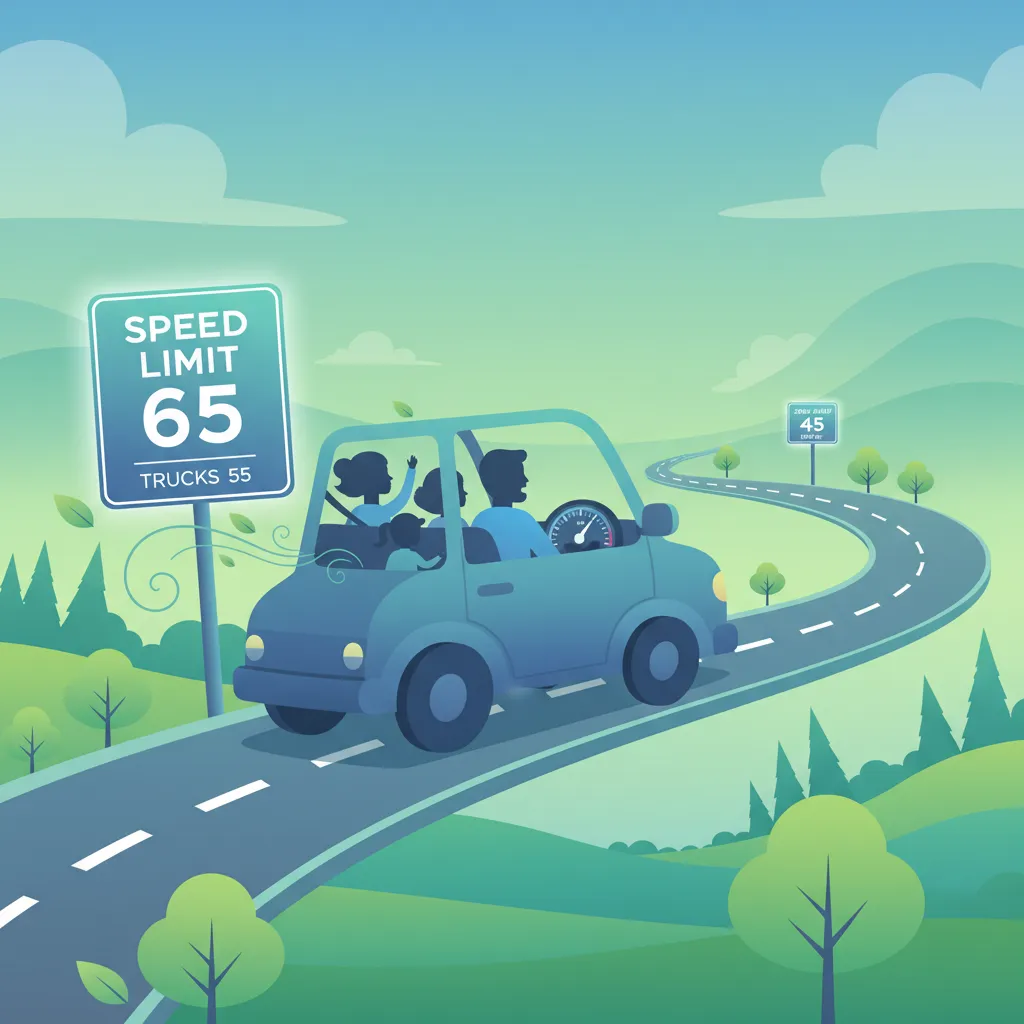
This lesson details the speed limits applicable to buses in Poland across urban, rural, and motorway settings. It emphasizes how vehicle size and passenger load influence safe operating speeds and required stopping distances. The content also covers speed-control device usage and practical techniques for maintaining consistent speed while ensuring passenger comfort.
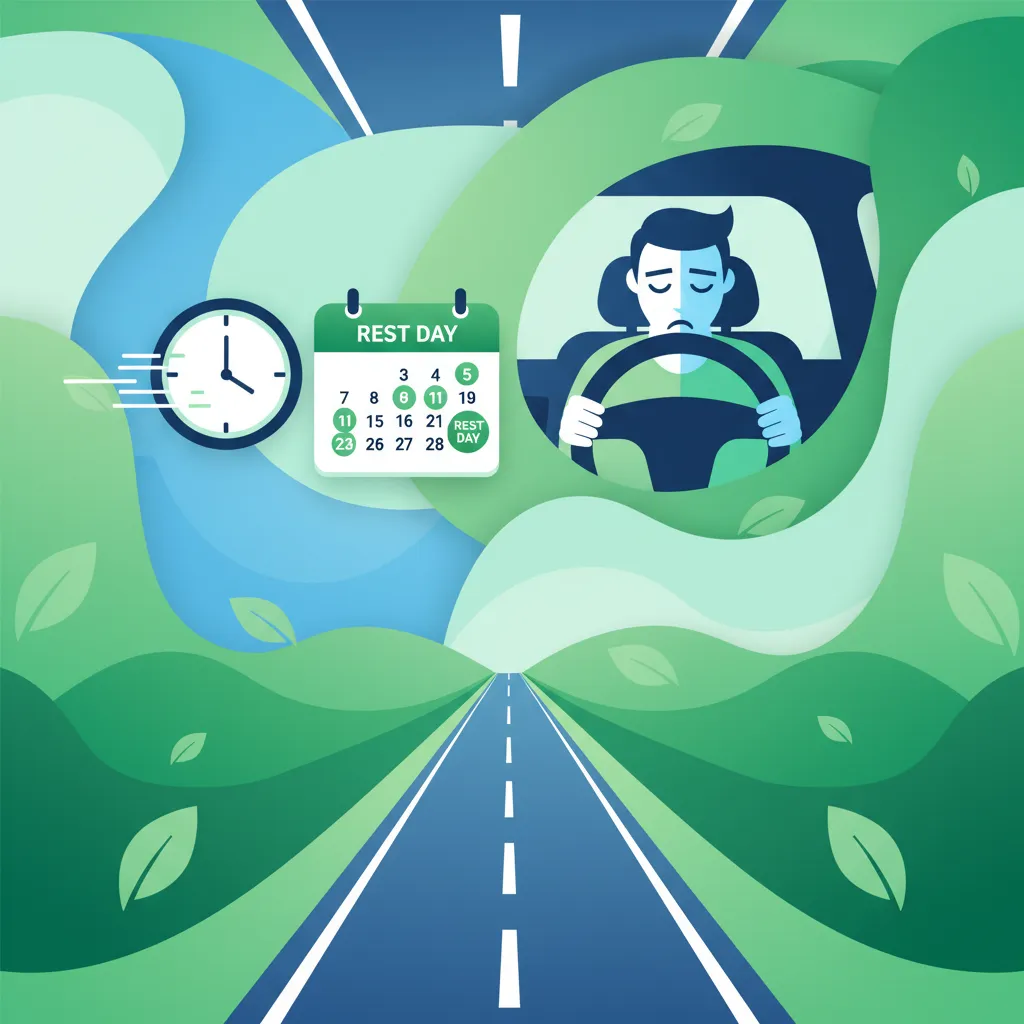
This lesson explores the physiological and psychological aspects of driver fatigue, covering its warning signs and strategies for maintaining concentration. It outlines the legal framework for work-time limits and mandatory rest periods, monitored via tachograph. Practical advice on schedule planning and nutrition is provided to help sustain alertness and reduce accident risk.

This lesson outlines the essential legal paperwork associated with freight transport. It details the purpose and content of key documents like the load manifest, cargo declaration, and official weight certificates. Learners will understand their legal responsibility to verify that all documentation is accurate and complete before departure, and the importance of maintaining proper records for potential inspections by transport authorities or for cross-border customs procedures.
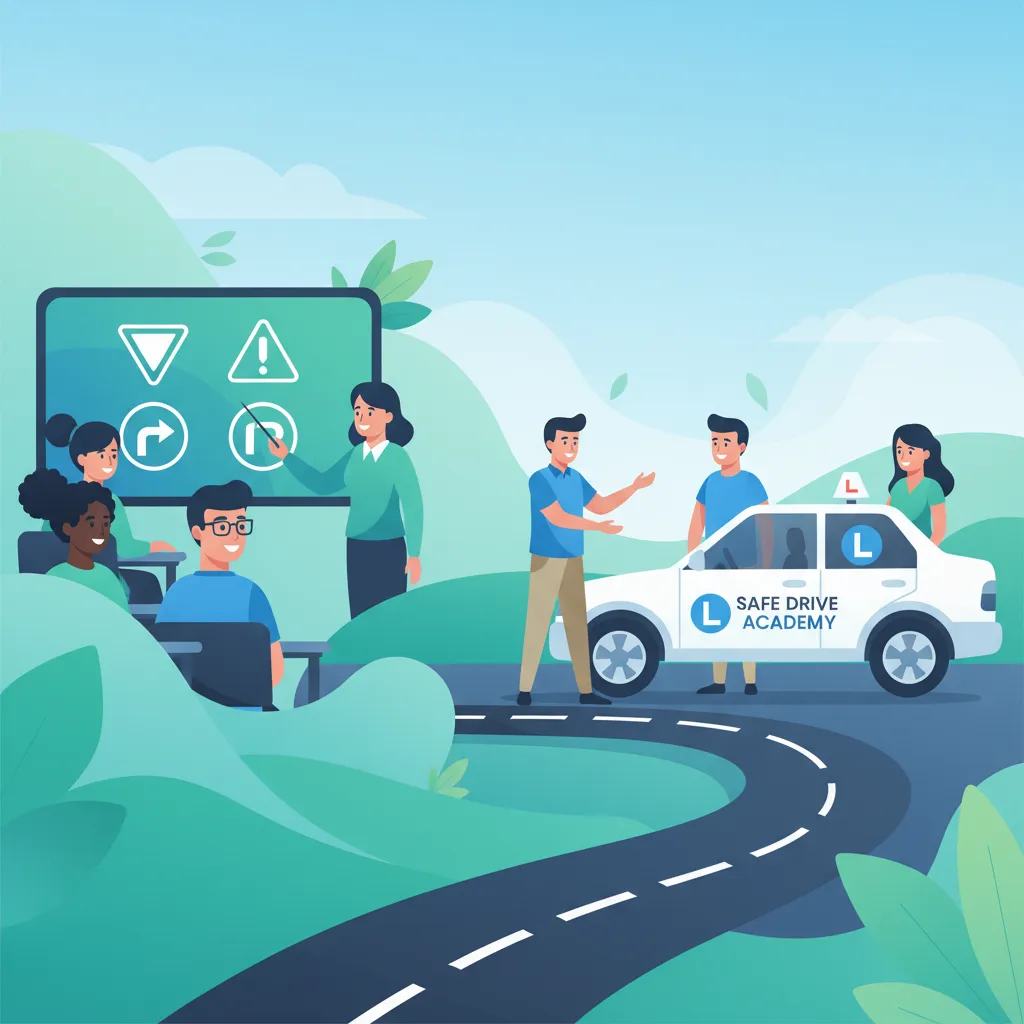
This lesson examines the compulsory training structure for professional Category C drivers. It outlines the required components of certified training programs, including both theoretical instruction and practical driving experience. Learners will understand the standards for competence assessment, the structure of the official licensing examinations, and the legal obligation to maintain accurate training records to demonstrate compliance with professional driver qualifications.
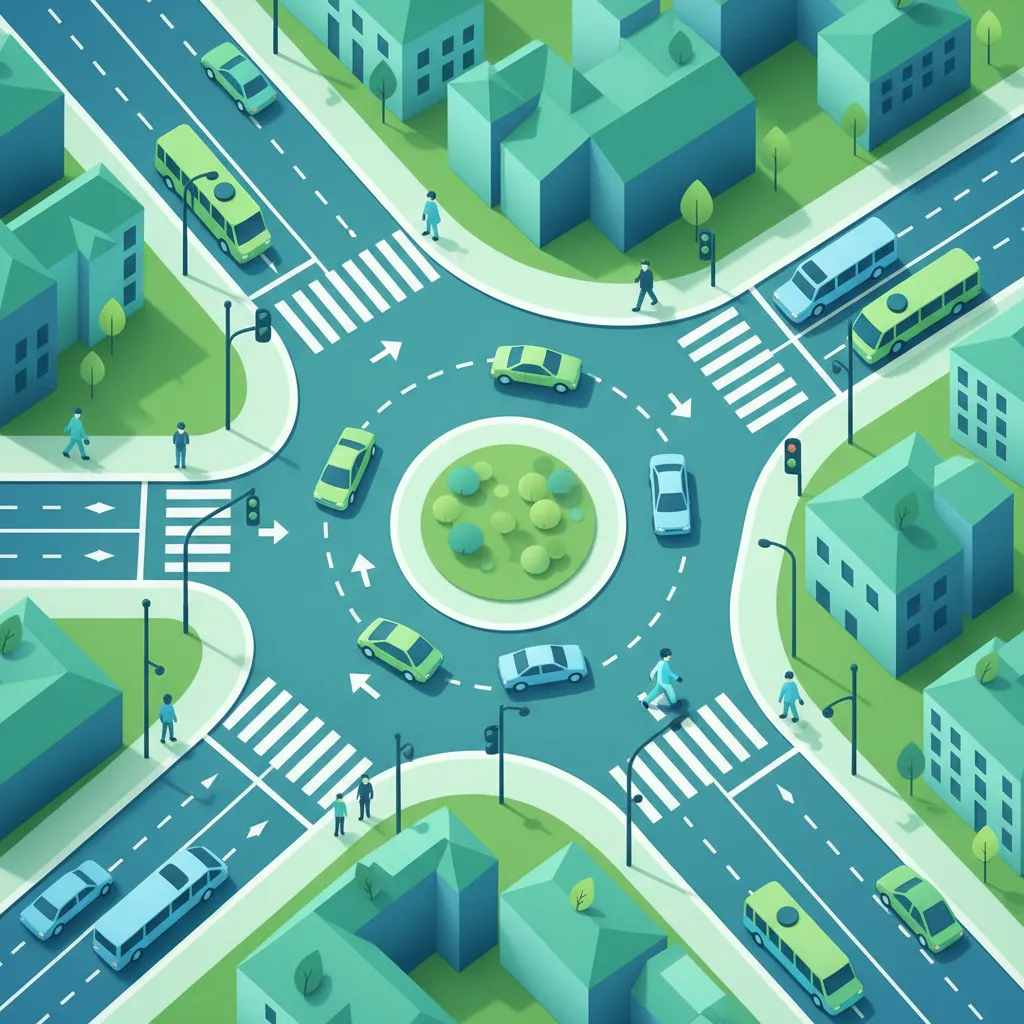
This lesson explores the priority hierarchy for buses at different intersections, roundabouts, and pedestrian crossings. Learners will understand how traffic signals and signs affect their approach and how to safely navigate roundabouts with correct lane discipline. Special attention is given to yielding to pedestrians, especially near bus stops.

This lesson equips drivers with knowledge of emergency procedures, including how to conduct a rapid evacuation. Learners will identify the location and use of fire extinguishers and first-aid kits and learn to guide passengers to emergency exits. The content also covers legal reporting obligations and coordination with emergency services following an incident.
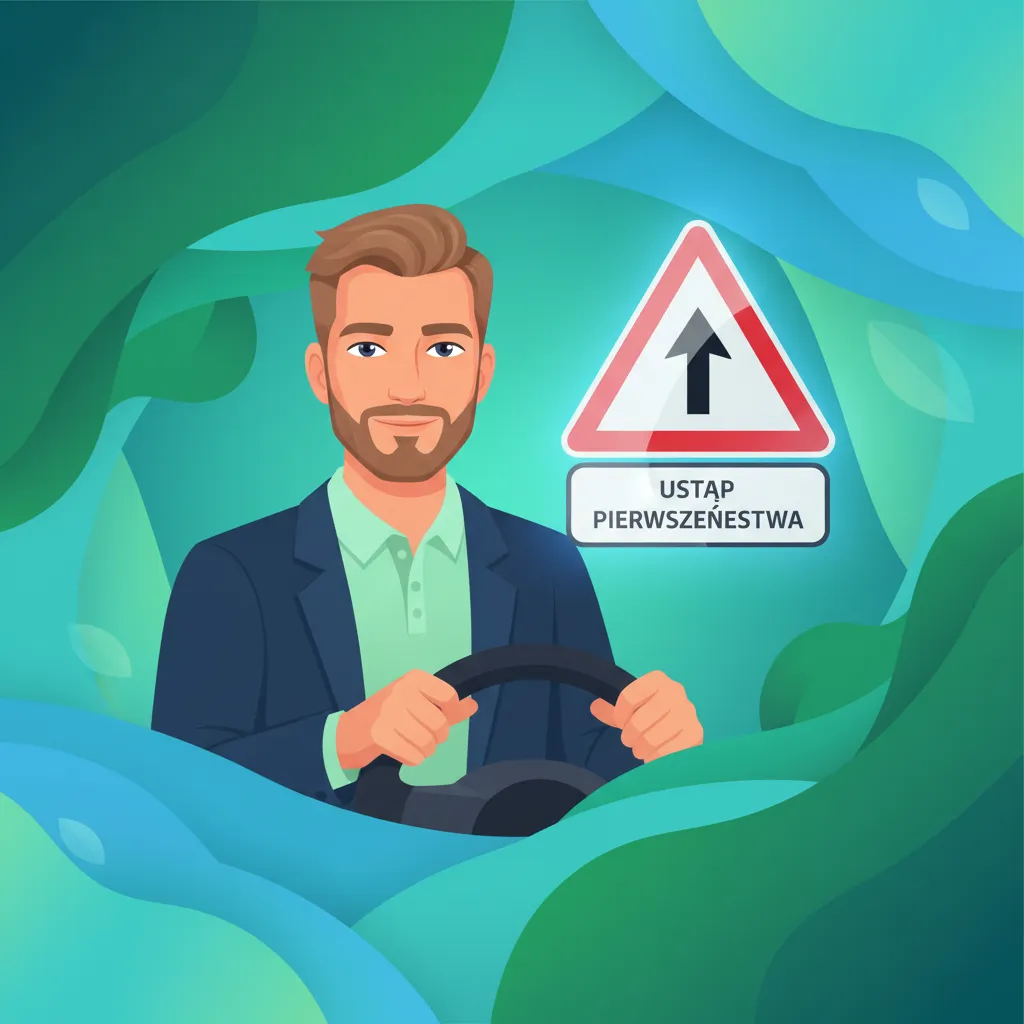
In this lesson, learners examine the core legal obligations that apply to motorcyclists operating on Polish roads, including the mandatory use of helmets, periodic vehicle inspections, and the necessity of valid insurance and registration. The content details the classification of traffic offences and explains the associated penalty system, including fines, demerit points, and potential licence suspension. Additionally, the lesson outlines procedural requirements for accident reporting and interaction with law enforcement, providing a comprehensive view of a rider’s legal responsibilities.
This lesson provides a comprehensive overview of EU working-time regulations for professional bus drivers. It covers maximum daily driving hours, mandatory breaks, and weekly rest periods to prevent fatigue. You will learn the function of the tachograph for recording driving times and the legal responsibility to maintain accurate records for compliance.
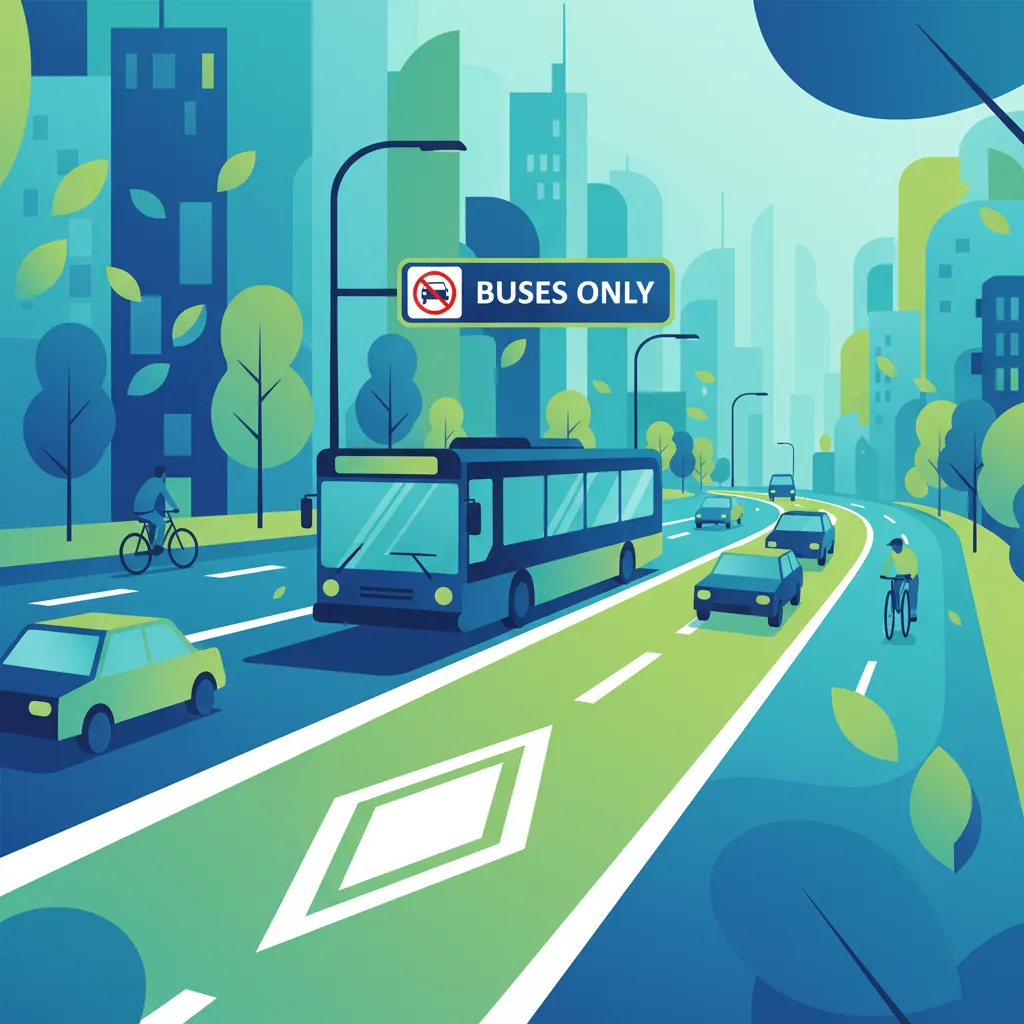
This lesson teaches learners to identify and understand road signs that govern bus movement, including dedicated bus lane (buspas) signs. It explains the visual characteristics, legal standing, and consequences of non-compliance. The content also covers how to adapt to temporary restrictions in construction zones while maintaining schedule and safety.
Master the hierarchy of road users in Polish traffic law, focusing on bus driver duties towards pedestrians, cyclists, and other vulnerable road participants. Learn how to ensure safety and compliance in complex scenarios.
This lesson explores the priority hierarchy for buses at different intersections, roundabouts, and pedestrian crossings. Learners will understand how traffic signals and signs affect their approach and how to safely navigate roundabouts with correct lane discipline. Special attention is given to yielding to pedestrians, especially near bus stops.
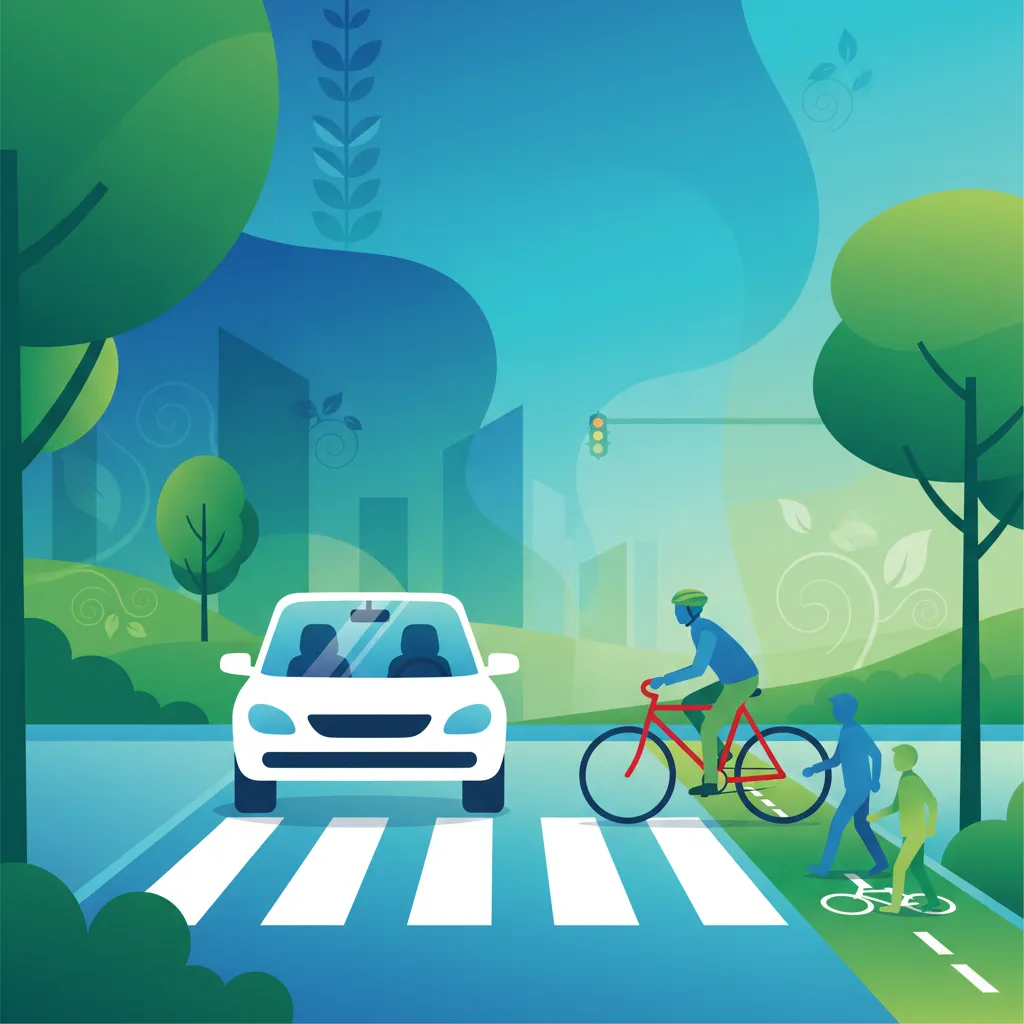
This lesson focuses on safe coexistence with cyclists and pedestrians, who are prevalent in urban areas. It covers the rules for driving alongside dedicated bicycle lanes and the legal requirement to yield to pedestrians at marked crossings. The content stresses the importance of constant awareness, especially when turning at intersections, to prevent conflicts with vulnerable road users.
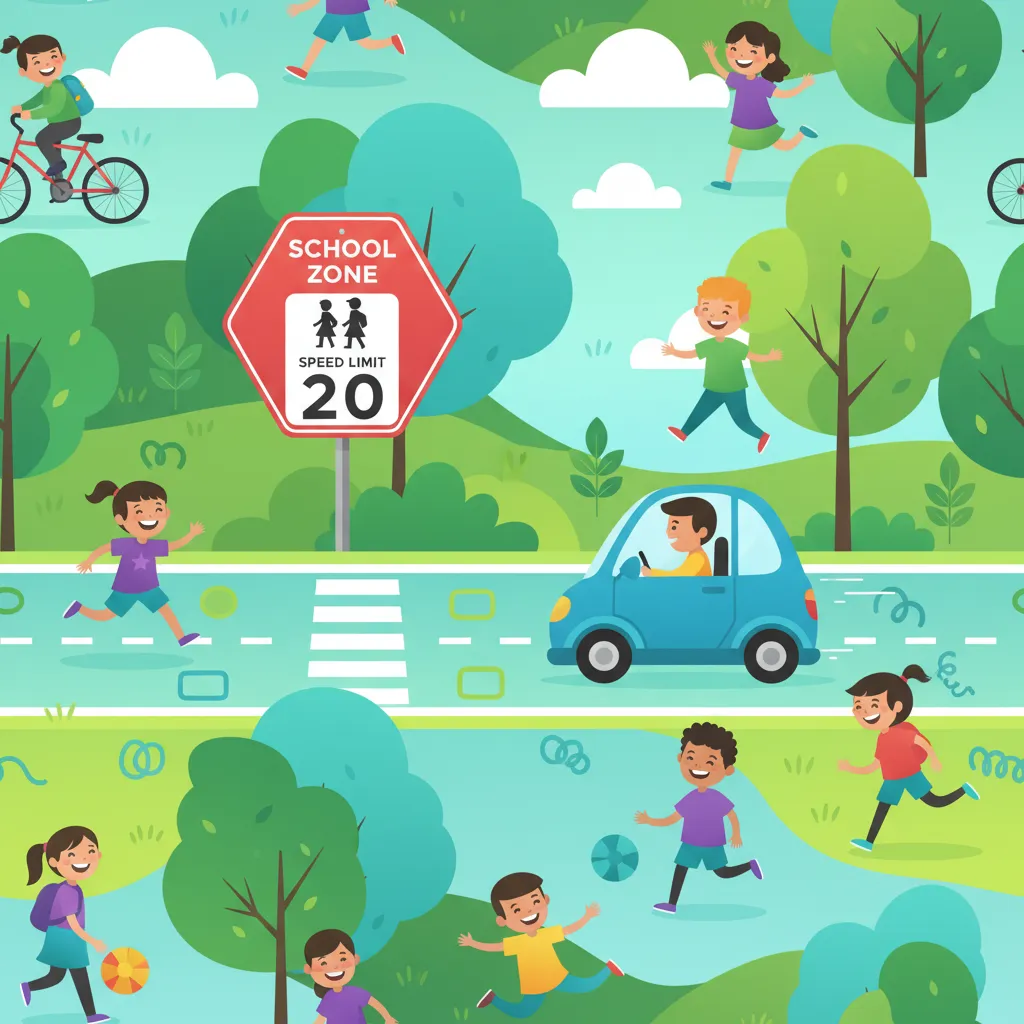
This lesson focuses on areas with high pedestrian activity, requiring special caution. It covers the rules for 'living zones' (strefa zamieszkania), where pedestrians have priority and the speed limit is 20 km/h. The content also addresses regulations for school zones and other designated pedestrian areas to ensure the safety of the most vulnerable road users.

This lesson addresses advanced scenarios, including multi-lane intersections and interactions with vulnerable road users. It reinforces the legal obligation to give absolute priority to pedestrians at marked crossings (zebra crossings). The content also covers navigating around traffic islands and using dedicated turning lanes in complex urban environments.
This lesson introduces the fundamental principles of right-of-way on Polish roads, explaining how priority road signs determine the flow of traffic at intersections. Learners will explore the hierarchy of vehicle classes and the specific obligations that arise when approaching a yield line or a give-way sign. The content details the legal precedence of main road traffic over secondary road traffic, helping riders safely navigate intersections and avoid right-of-way infractions.
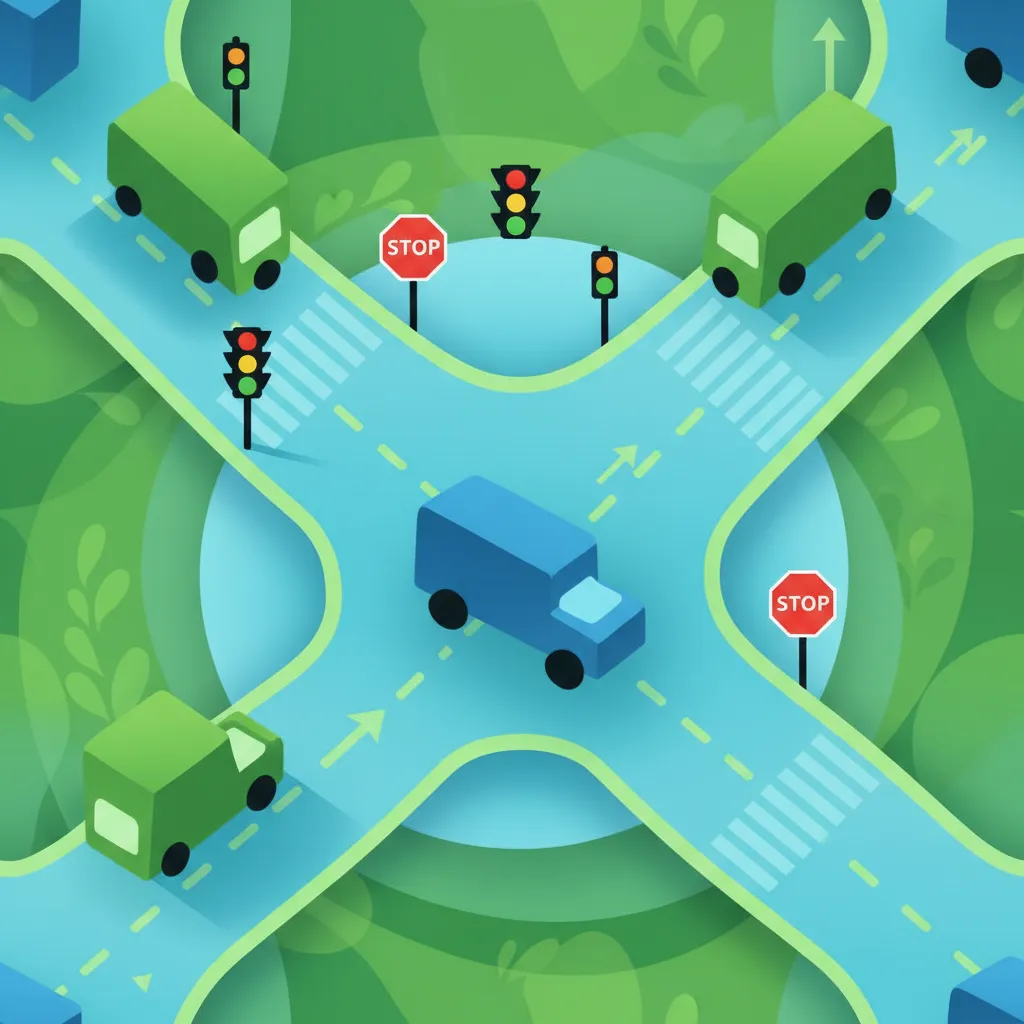
This lesson provides a comprehensive breakdown of the right-of-way rules that govern intersections. It explains the clear directives given by traffic lights, stop signs, and yield signs, and clarifies the procedures at unmarked or uncontrolled intersections, where the 'priority to the right' rule often applies. Learners will understand the legal hierarchy of these rules to make correct, safe, and predictable decisions when navigating through any junction, reducing the risk of conflict with other traffic.

This lesson examines the responsibilities of motorcyclists when approaching pedestrian crossings and interacting with cyclists, emphasizing the marked right-of-way for pedestrians at zebra crossings. Learners will study how to determine safe passing distances, adjust speed, and use visual cues such as eye contact to ensure pedestrians have cleared the crossing. The content also covers interactions with cyclists sharing the road, highlighting the need for anticipation and adequate passing gaps.
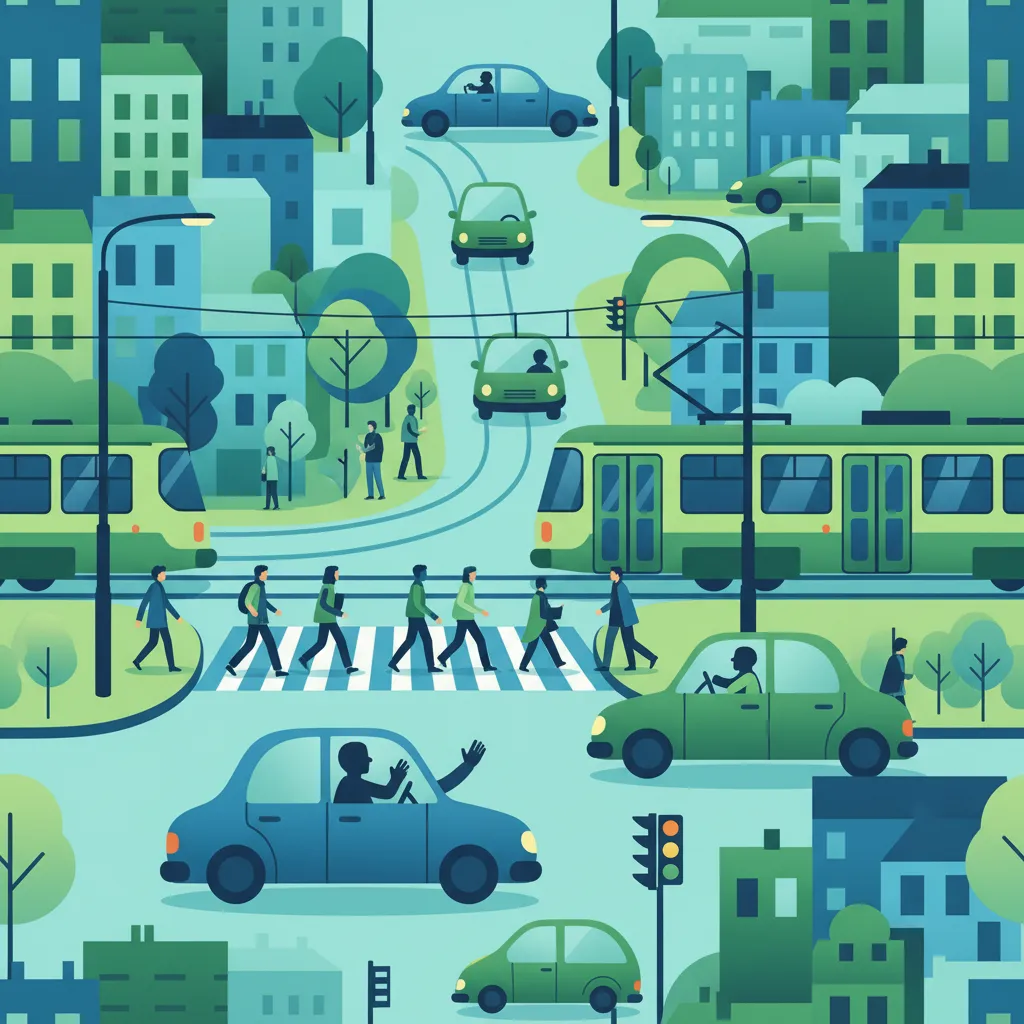
This lesson introduces the core concept of priority, or 'pierwszeństwo przejazdu,' in Polish traffic law. It explains the general rule of yielding to traffic from the right at intersections of equal status. This principle forms the foundation for navigating uncontrolled junctions and is a critical piece of knowledge for all drivers.
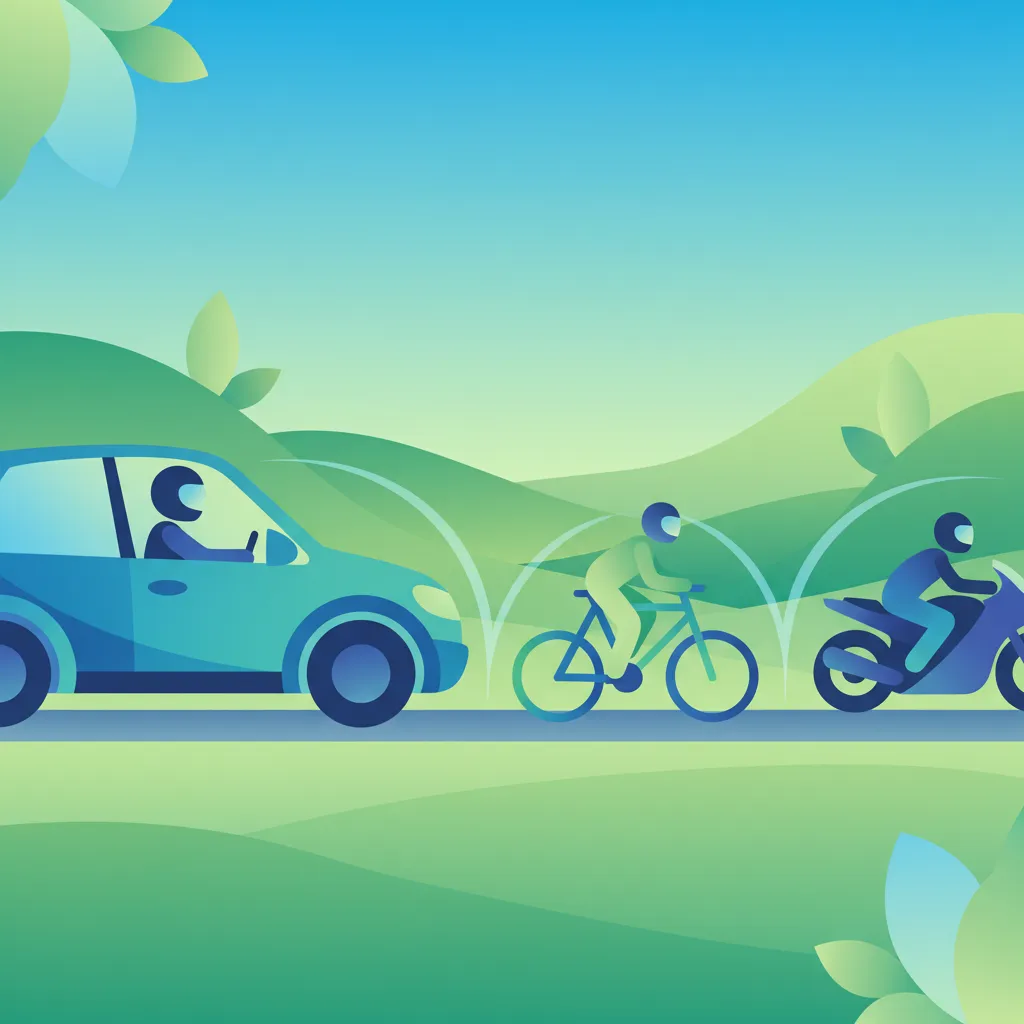
This lesson is dedicated to the safe overtaking of two-wheeled vehicles. It explains the legal requirement to leave a sufficient lateral distance (at least 1 meter) when passing cyclists. The content highlights the vulnerability of these road users and the need for patience, reduced speed, and careful judgment.
This lesson highlights the professional driver's heightened responsibility to protect vulnerable road users. It focuses on the significant blind spots around a large truck, particularly during turns in urban areas where pedestrians and cyclists are common. The content teaches strategies for anticipating the unpredictable movements of these users, providing ample space when passing, and using warning signals to communicate intentions clearly, fostering a culture of shared road safety.
Find clear answers to common questions learners have about Polish Traffic Law Fundamentals for Public Transport. Learn how the lesson is structured, which driving theory objectives it supports, and how it fits into the overall learning path of units and curriculum progression in Poland. These explanations help you understand key concepts, lesson flow, and exam focused study goals.
In Poland, a bus is legally classified as a motor vehicle designed and constructed to transport more than 9 persons, including the driver. This classification influences specific regulations regarding speed limits, required equipment, and driver qualifications for Category D licence holders.
Polish regulations require buses to carry specific mandatory safety equipment, including a first-aid kit, a fire extinguisher, and a warning triangle. These items must be easily accessible and in good working order to ensure passenger safety and compliance during inspections.
Yes, Category D bus drivers are subject to the same penalties as other drivers for minor infringements, but some offences may carry higher fines or additional consequences due to their professional responsibility and the number of passengers. Examples include speeding, improper lane usage, or failing to carry required documents.
A Category D bus driver in Poland must always carry their driving licence, vehicle registration document (dowód rejestracyjny), proof of insurance, and often a tachograph card. Depending on the route and type of transport, additional documents like a passenger list or route authorization may also be required.
Build custom practice sessions tailored precisely to your needs. Focus on areas requiring improvement, review specific Polish road signs, or master complex traffic rules to ensure full preparation for your official driving license exam.