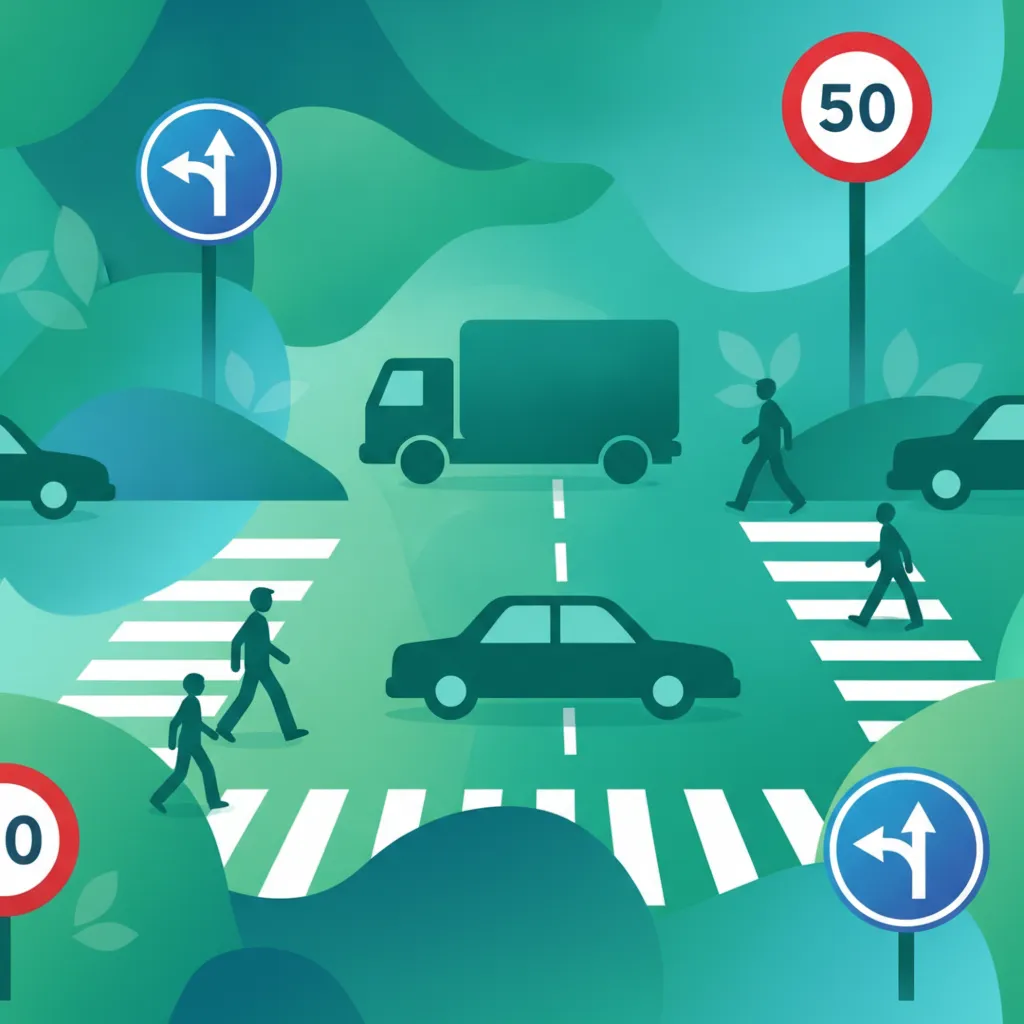
This lesson introduces the mandatory regulatory signs you will encounter on Belgian roads while operating your moped or speed pedelec. Mastering these signs is a vital step in your Category AM theory course, ensuring you understand the legal obligations and prohibitions that govern daily traffic. You will build the foundation needed to interpret official signage correctly, which is critical for both your upcoming theory exam and your safety as a road user.
Lesson content overview
Road signs are the silent communicators of the road, guiding drivers, ensuring safety, and enforcing legal requirements. Among these, regulatory signs hold a critical position. They are the authoritative voice of the Belgian Highway Code, prescribing mandatory actions, defining prohibitions, and setting limits that all road users, including Category AM riders, must rigorously obey. Understanding these signs is not just a recommendation; it is a fundamental aspect of safe driving and legal compliance, crucial for obtaining your Official Belgian Driving Theory Course for Category AM License.
Regulatory signs are designed to create a predictable and safe traffic environment. For operators of Category AM vehicles – such as mopeds and speed pedelecs – comprehending these signs is even more vital. As vulnerable road users, AM riders must be acutely aware of their legal obligations and restrictions to protect themselves and interact safely with larger vehicles and pedestrians. Ignoring a regulatory sign can lead to severe consequences, including fines, penalties, and a significantly increased risk of accidents. This lesson will provide a comprehensive overview of the different types of regulatory signs, their specific meanings, and how they apply to your journey as a Category AM rider in Belgium.
Regulatory signs are distinguished by several key principles that underscore their importance and function within the Belgian traffic system:
Regulatory signs fall into several categories, each conveying a distinct type of command or prohibition. Understanding these categories and their specific signs is paramount for safe and legal driving.
Speed limit signs are among the most common and crucial regulatory signs. They inform you of the absolute maximum speed permitted on a particular stretch of road.
These signs are fundamental for directing traffic flow and preventing dangerous head-on collisions, especially in urban environments.
Understanding the nuanced difference between stopping and parking is crucial for avoiding fines and ensuring clear passage for other road users.
Many regulatory signs specifically prohibit certain actions or restrict access for particular vehicle types.
Mandatory action signs are easily recognisable by their circular blue design with white symbols. They indicate actions that drivers must take.
While not regulatory in themselves, informational signs often provide context or indicate the beginning or end of regulated zones. They are typically rectangular or square.
Adherence to regulatory signs is not merely a suggestion; it's a legal obligation under the Belgian Highway Code. Violations carry specific penalties designed to deter unsafe driving practices and ensure road safety.
While regulatory signs provide clear rules, safe driving always requires contextual awareness. As a Category AM rider, you must always consider external factors that might necessitate even greater caution or a reduction in speed, even if the sign allows for more.
Even with clear signage, misunderstandings can occur. Being aware of these common pitfalls can help Category AM riders stay safe and compliant.
By internalising the meaning and implications of regulatory signs, Category AM riders can navigate Belgian roads safely, legally, and with confidence. This fundamental knowledge forms the bedrock of responsible road use and contributes significantly to overall traffic safety for all.
This lesson covers Belgian regulatory road signs essential for Category AM riders, including speed limits, no entry, no parking versus no stopping, and mandatory action signs. It emphasizes that all regulatory signs carry legal force under the Belgian Highway Code, with specific implications for mopeds and speed pedelecs as vulnerable road users. The content highlights critical distinctions such as the difference between prohibition and mandatory signs, and between brief stops and complete cessation. Learners must understand that posted limits are maximums requiring conditional adjustments, and that vehicle-specific prohibition signs directly affect AM riders. Mastering these signs is crucial for both theory exam success and safe, compliant daily riding on Belgian roads.
A short set of high-value points that capture the most important learning from this lesson.
Regulatory signs are legally binding commands and prohibitions that all Category AM riders must obey without exception
Speed limit signs set maximum speeds, but riders must always adjust speed to weather, visibility, and traffic conditions
No Entry signs create absolute prohibitions; driving against traffic flow is extremely dangerous and a serious violation
No Parking allows brief stops for passenger/goods exchange while remaining ready to move, but No Stopping prohibits any stopping
Prohibition signs with specific vehicle pictograms (moped, bicycle) apply directly to your Category AM vehicle
Explore all units and lessons included in this driving theory course.
Regulatory signs use circular shapes: red borders indicate prohibitions, blue backgrounds indicate mandatory actions
An End of Speed Limit sign reverts to the default speed for that road type (e.g., 50 km/h urban), not unlimited speed
No Parking requires you to stay with or near your vehicle ready to move; No Stopping allows no pause except due to traffic conditions
Speed pedelecs and mopeds may face additional access restrictions shown by specific prohibition signs
The posted speed limit is a maximum, not a target—safety always takes priority over the sign's number
Assuming an End of Speed Limit sign means you can accelerate to the highest national limit instead of reverting to default speeds
Believing a brief stop is acceptable under a No Parking sign; the definition requires stopping only when strictly necessary for passenger/goods exchange
Overlooking prohibition signs that specifically restrict mopeds or bicycles, assuming restrictions only apply to cars or trucks
Treating regulatory signs as optional or advisory rather than mandatory legal requirements
Disregarding additional pictograms or text on signs that modify the standard meaning for specific vehicle categories or zones
Lesson content overview
A short set of high-value points that capture the most important learning from this lesson.
Regulatory signs are legally binding commands and prohibitions that all Category AM riders must obey without exception
Speed limit signs set maximum speeds, but riders must always adjust speed to weather, visibility, and traffic conditions
No Entry signs create absolute prohibitions; driving against traffic flow is extremely dangerous and a serious violation
No Parking allows brief stops for passenger/goods exchange while remaining ready to move, but No Stopping prohibits any stopping
Prohibition signs with specific vehicle pictograms (moped, bicycle) apply directly to your Category AM vehicle
Explore all units and lessons included in this driving theory course.
Regulatory signs use circular shapes: red borders indicate prohibitions, blue backgrounds indicate mandatory actions
An End of Speed Limit sign reverts to the default speed for that road type (e.g., 50 km/h urban), not unlimited speed
No Parking requires you to stay with or near your vehicle ready to move; No Stopping allows no pause except due to traffic conditions
Speed pedelecs and mopeds may face additional access restrictions shown by specific prohibition signs
The posted speed limit is a maximum, not a target—safety always takes priority over the sign's number
Assuming an End of Speed Limit sign means you can accelerate to the highest national limit instead of reverting to default speeds
Believing a brief stop is acceptable under a No Parking sign; the definition requires stopping only when strictly necessary for passenger/goods exchange
Overlooking prohibition signs that specifically restrict mopeds or bicycles, assuming restrictions only apply to cars or trucks
Treating regulatory signs as optional or advisory rather than mandatory legal requirements
Disregarding additional pictograms or text on signs that modify the standard meaning for specific vehicle categories or zones
Explore search topics learners often look for when studying Regulatory Signs and Their Meaning. These topics reflect common questions about road rules, driving situations, safety guidance, and lesson level theory preparation for learners in Belgium.
Browse additional driving theory lessons that cover connected traffic rules, road signs, and common driving situations related to this topic. Improve your understanding of how different rules interact across everyday traffic scenarios.
Understand the specific meanings of Belgian regulatory signs, including prohibitions like no entry and no overtaking, and mandatory actions. Essential for safe and legal Category AM driving.
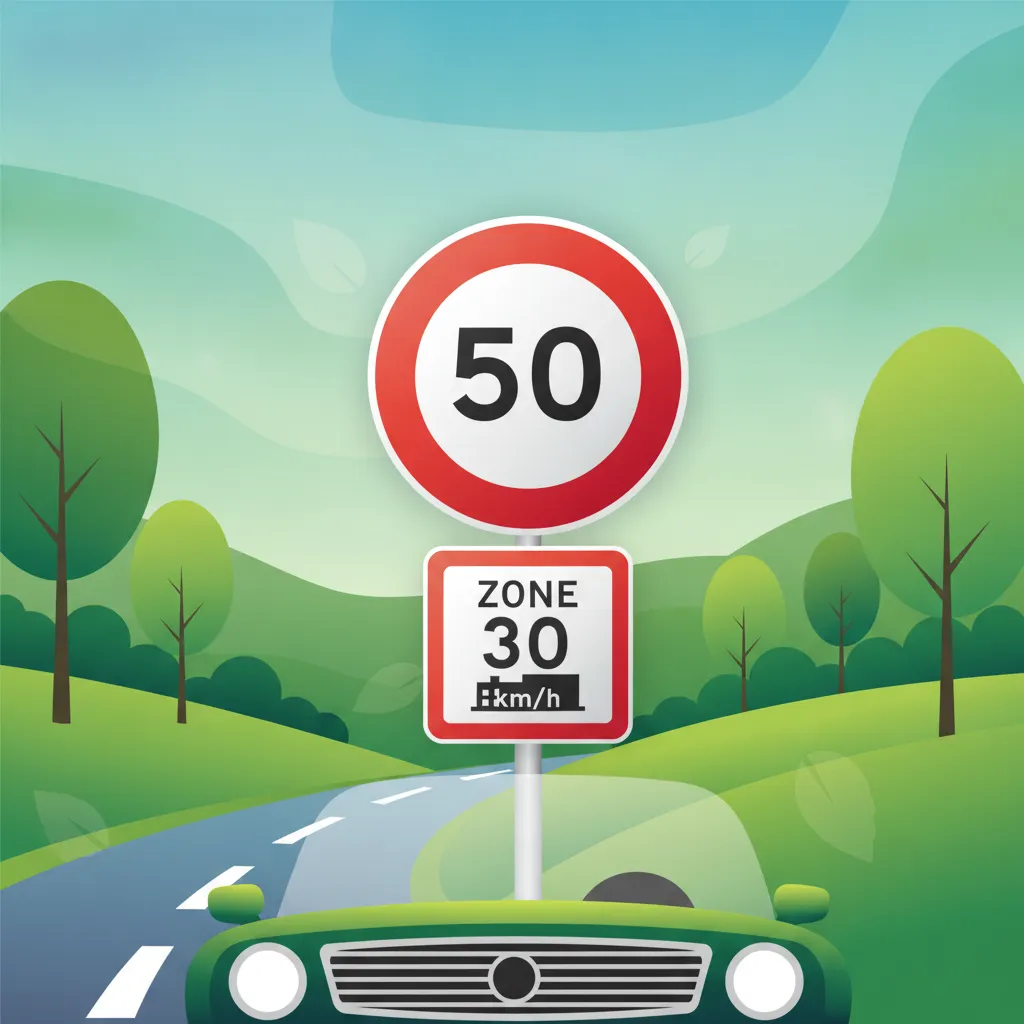
In this lesson, learners explore the full range of regulatory signs used throughout Belgium to enforce traffic laws. It covers signs that prescribe actions, such as stop and give way, as well as those that restrict actions, like speed limits and overtaking bans. Understanding these signs enables drivers to comply accurately with enforced traffic regulations.

This lesson is dedicated to warning signs, which are designed to alert drivers to potential dangers ahead. It covers the interpretation of signs indicating sharp curves, steep gradients, slippery surfaces, and the presence of pedestrians or animals. By understanding these warnings, riders can anticipate potential hazards and adjust their speed and position proactively for safer travel.

This lesson focuses on the legal duties and responsibilities that an AM vehicle operator must uphold on Belgian roads. It covers critical rules such as adhering to speed limits, correctly applying right-of-way principles, and following regulations for overtaking other vehicles. The lesson also explains the system of fines and penalty points for traffic violations, emphasizing the legal consequences of non-compliance to foster responsible driving habits.
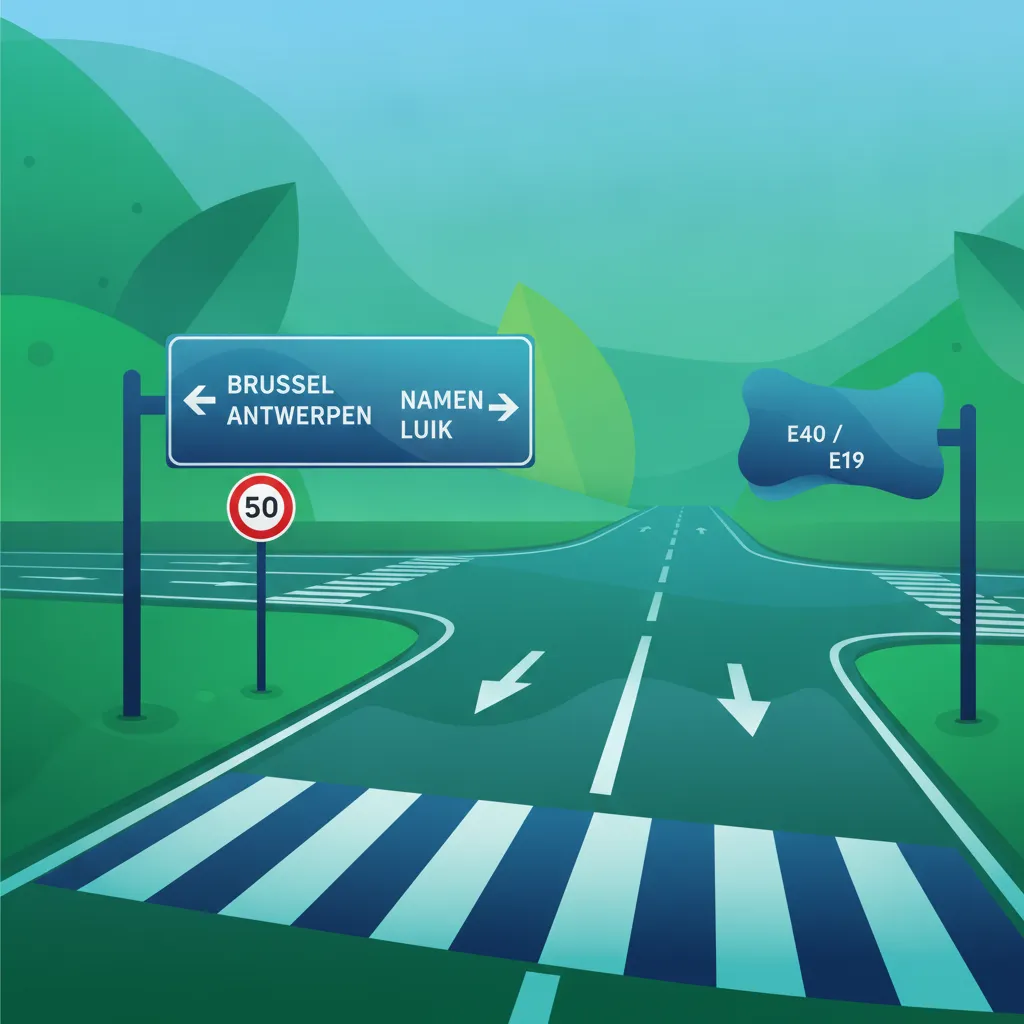
This lesson explains the role of information signs and road markings in guiding road users. It covers directional signs that help with navigation and markings that delineate lanes, pedestrian crossings, and zones for specific users like cyclists. Learners will understand how to use this information to maintain correct lane positioning and navigate their route efficiently and safely.

This lesson focuses on warning signs designed to alert drivers to potential hazards ahead. Topics include warnings for sharp curves, steep gradients, slippery surfaces, and zones with high pedestrian or wildlife activity. Learners will understand how to correctly interpret these signs and adjust their driving behavior to maintain safety on the road.
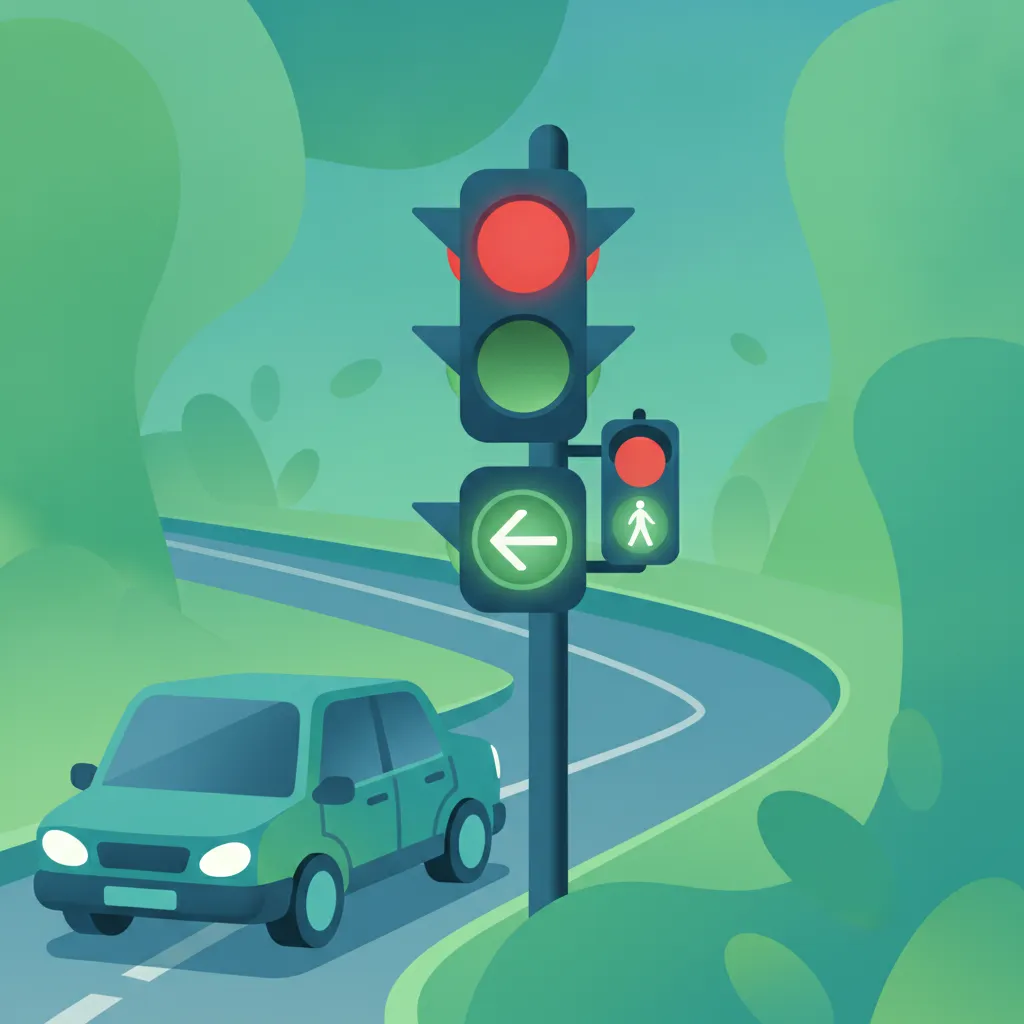
This lesson provides a detailed explanation of traffic light systems and the correct response to each signal. It covers the standard red, amber, and green light sequence, as well as specific signals for pedestrians and cyclists that AM riders must also obey. The meaning of flashing amber and red lights is also clarified to ensure correct and safe behavior at signalized intersections.

This lesson provides a clear definition of the Category AM license as specified by Belgian law. It details the specific types of vehicles covered, such as mopeds, light quadricycles, and speed pedelecs, outlining their legal limits on engine capacity and maximum speed. Learners will understand the permissions granted by an AM license and the specific context of their participation in public traffic as motor vehicle operators.

This lesson provides a comprehensive overview of the mandatory lighting systems for all Category AM vehicles under Belgian law. It details the required functions of headlamps, rear lights, brake lights, and turn signals, explaining their importance for communication and visibility. Learners will understand the legal standards for this equipment and how to perform simple pre-ride checks to ensure all lights are functioning correctly.
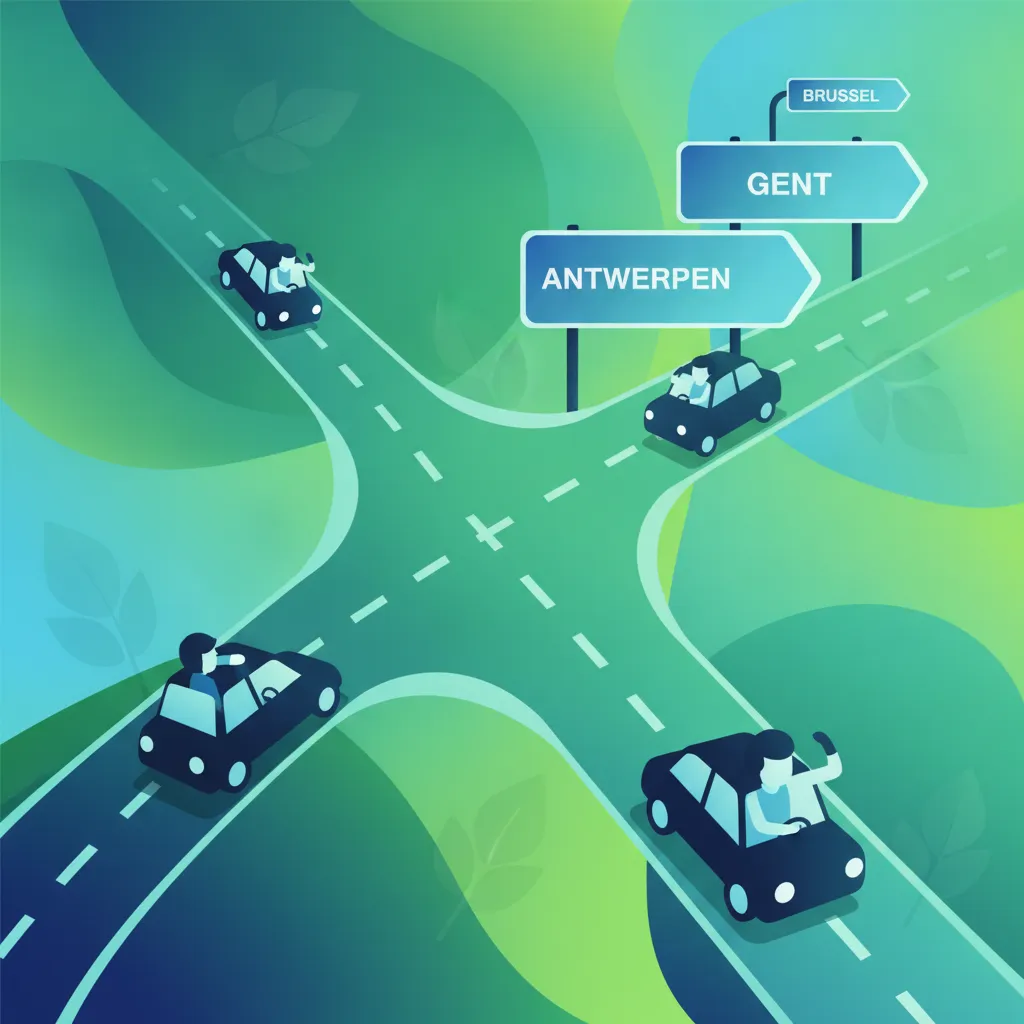
Information signs provide drivers with essential guidance about destinations, services, and the road layout. This lesson covers signs indicating distances, directions to towns, availability of services like fuel stations, and specific lane guidance. Learners will know how to read these signs to navigate efficiently and locate necessary facilities while driving.
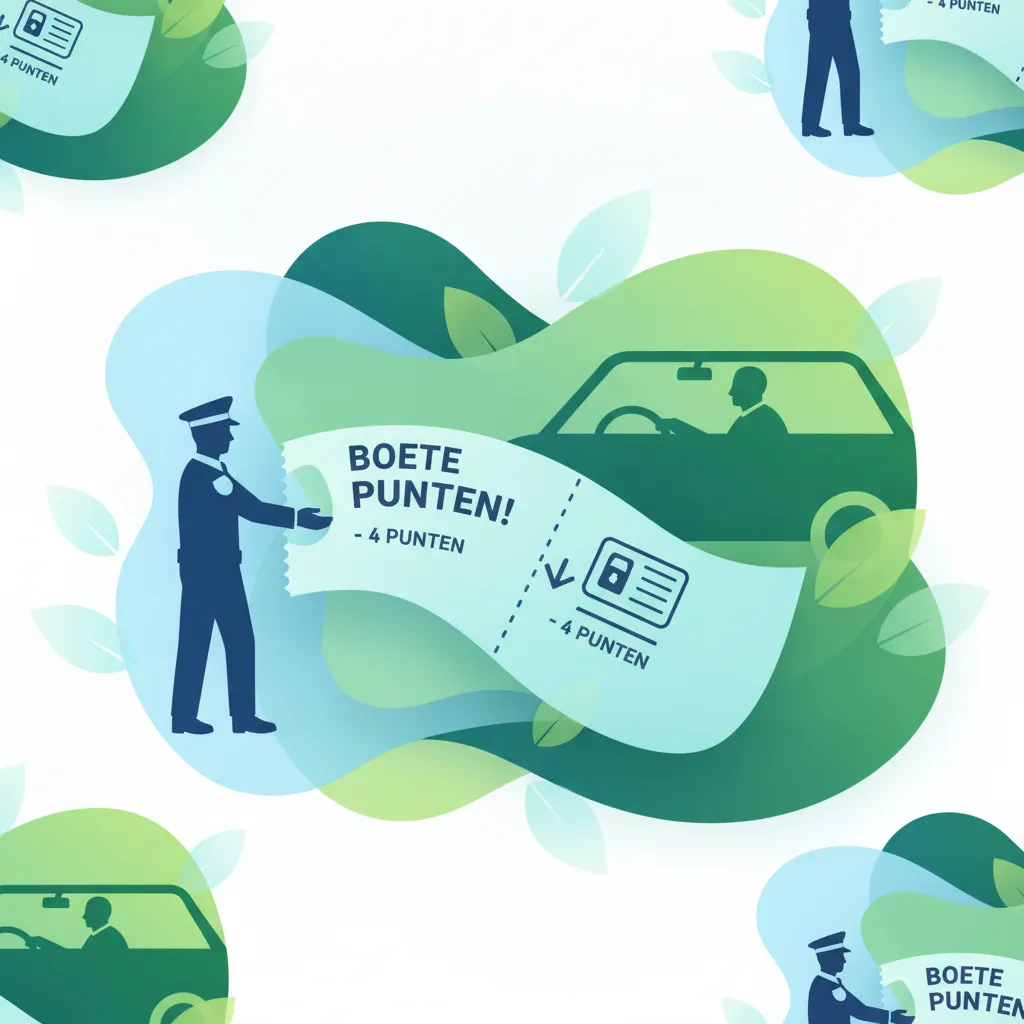
This lesson outlines the system of penalties for traffic violations in Belgium, ensuring riders are fully aware of the consequences of illegal behavior. It covers common offenses like speeding and explains the structure of fines and the demerit point system that can lead to license suspension. The content emphasizes the significant financial and legal repercussions of non-compliance, reinforcing the importance of lawful and responsible riding.
Learn how regulatory signs apply in various Belgian traffic contexts, including urban areas and adverse conditions. Avoid common misunderstandings for Category AM riders.
This lesson provides a detailed explanation of traffic light systems and the correct response to each signal. It covers the standard red, amber, and green light sequence, as well as specific signals for pedestrians and cyclists that AM riders must also obey. The meaning of flashing amber and red lights is also clarified to ensure correct and safe behavior at signalized intersections.
This lesson explains the role of information signs and road markings in guiding road users. It covers directional signs that help with navigation and markings that delineate lanes, pedestrian crossings, and zones for specific users like cyclists. Learners will understand how to use this information to maintain correct lane positioning and navigate their route efficiently and safely.
This lesson is dedicated to warning signs, which are designed to alert drivers to potential dangers ahead. It covers the interpretation of signs indicating sharp curves, steep gradients, slippery surfaces, and the presence of pedestrians or animals. By understanding these warnings, riders can anticipate potential hazards and adjust their speed and position proactively for safer travel.
In this lesson, learners explore the full range of regulatory signs used throughout Belgium to enforce traffic laws. It covers signs that prescribe actions, such as stop and give way, as well as those that restrict actions, like speed limits and overtaking bans. Understanding these signs enables drivers to comply accurately with enforced traffic regulations.
This lesson focuses on warning signs designed to alert drivers to potential hazards ahead. Topics include warnings for sharp curves, steep gradients, slippery surfaces, and zones with high pedestrian or wildlife activity. Learners will understand how to correctly interpret these signs and adjust their driving behavior to maintain safety on the road.
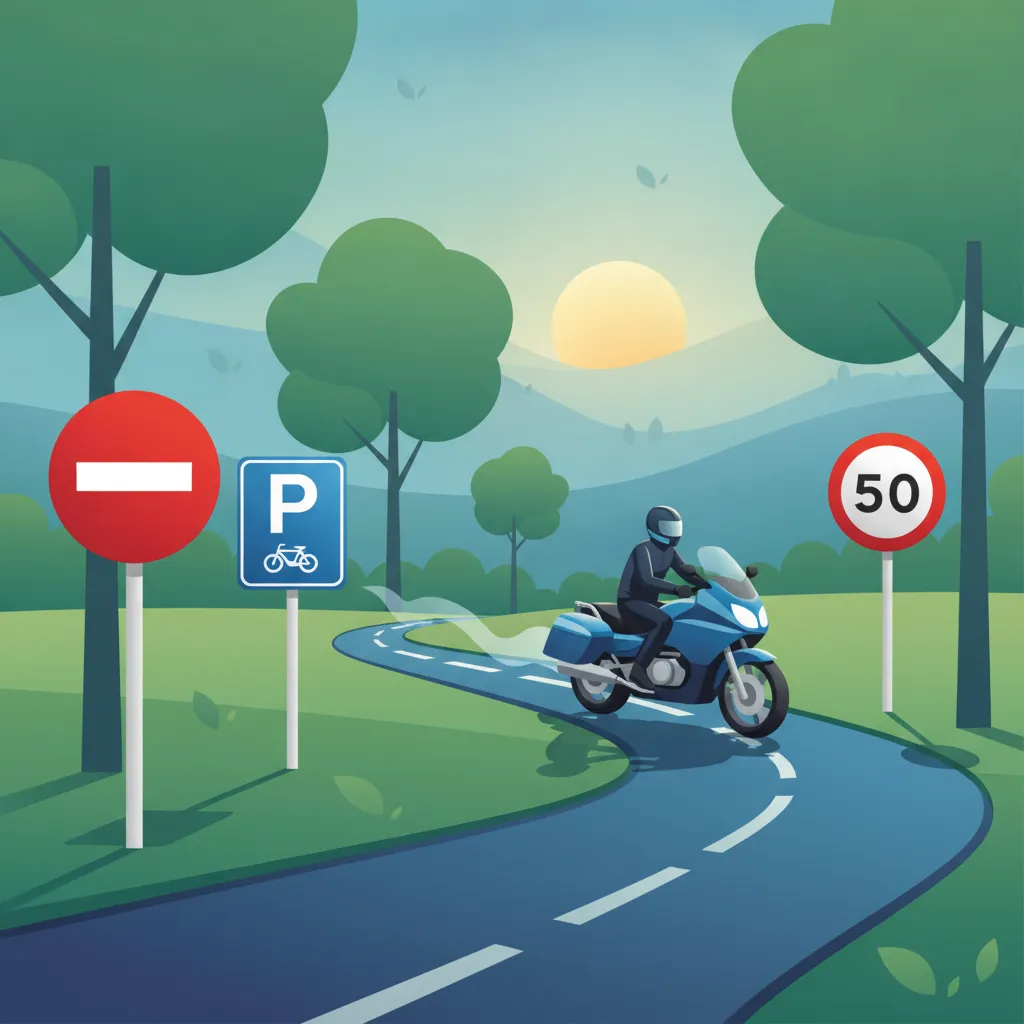
This lesson focuses on the correct identification and interpretation of regulatory and informative road signs that are particularly relevant to motorcyclists. It covers signs that dictate speed limits, prohibit overtaking, and indicate compulsory routes or turns. You will learn to recognize different sign categories based on their distinct shapes and colors as defined by Belgian traffic law.

This lesson provides specific instructions for navigating roundabouts, a common feature on Belgian roads. It covers the rules of priority upon entry, the correct lane choice based on the intended exit, and the proper use of signals. Learners will understand how to safely circulate and exit, while being mindful of other vehicles, particularly larger ones with significant blind spots.
Directional symbols and arrows painted on the road surface guide drivers on permitted lane movements and turning directions. This lesson explains the interpretation of these arrows, covering rules for one-way streets, mandatory turns, and lane-specific instructions. Learners will understand how to comply with these symbols to navigate complex intersections safely and efficiently.
This lesson focuses on the legal duties and responsibilities that an AM vehicle operator must uphold on Belgian roads. It covers critical rules such as adhering to speed limits, correctly applying right-of-way principles, and following regulations for overtaking other vehicles. The lesson also explains the system of fines and penalty points for traffic violations, emphasizing the legal consequences of non-compliance to foster responsible driving habits.
This lesson introduces the core principles of priority that govern traffic flow in Belgium, with a primary focus on the 'priority from the right' rule. It explains how to identify priority roads indicated by signs and how to act at uncontrolled intersections where the default rule applies. Understanding these rules is critical for AM riders to navigate junctions, intersections, and roundabouts safely and without conflict.
Find clear answers to common questions learners have about Regulatory Signs and Their Meaning. Learn how the lesson is structured, which driving theory objectives it supports, and how it fits into the overall learning path of units and curriculum progression in Belgium. These explanations help you understand key concepts, lesson flow, and exam focused study goals.
Instruction signs (often blue) indicate a mandatory action, such as 'must turn left'. Prohibition signs (often circular with a red border) forbid a specific action, such as 'no entry' or 'no moped access'. Understanding this distinction is crucial for the Category AM theory exam.
Yes, on public roads in Belgium, speed pedelecs must obey all regulatory signs, including speed limits and access restrictions, just like mopeds. Always check for supplementary signs that may specifically exempt or include certain vehicle classes.
Focus on the shape and color coding: circular signs with red borders are almost always restrictive or prohibitive, while blue signs are usually mandatory. Regular practice with our visual flashcards will help solidify these meanings before your official test.
Missing a sign can lead to dangerous situations, such as entering a one-way street the wrong way or violating a speed limit. In the exam, missing a sign usually leads to an incorrect answer, so prioritize identifying the sign's intent immediately when looking at an intersection.
Ready to focus your Belgian driving theory revision? Utilize our powerful search tool to pinpoint exact topics, road signs, or difficulty levels. Engage with practice questions that directly address your learning needs and solidify your understanding of Belgian traffic laws for your upcoming exam.