
This lesson provides an essential overview of the legal consequences for traffic violations in Belgium. By understanding the penalty structure, including fines and the impact of offenses on your licensing status, you will be better prepared to make safe decisions on the road. This final lesson concludes the AM course by reinforcing the importance of legal compliance and responsible behaviour.
Lesson content overview
Operating a Category AM vehicle in Belgium comes with specific responsibilities, and adherence to traffic laws is paramount for your safety and the safety of others. This lesson provides a comprehensive overview of the penalties, points, and legal consequences associated with traffic violations in Belgium. Understanding these repercussions is crucial for all riders, as it reinforces the importance of lawful and responsible behavior on the road.
Traffic penalty systems are designed to foster a safe driving environment for all road users. In Belgium, the system of fines, demerit points, and potential license sanctions serves multiple critical purposes. Primarily, these penalties act as a strong deterrent against risky and illegal behaviors, encouraging drivers and riders to comply with the highway code.
Beyond deterrence, the system ensures accountability for actions that endanger public safety. It also provides a structured framework for progressive discipline, meaning that consequences escalate for repeat offenders. By clearly outlining the financial and legal impacts of non-compliance, the Belgian penalty system aims to reduce accidents, protect vulnerable road users, and maintain order on public roads. Prioritizing safety over convenience or risk-taking is not just a moral obligation but a legal one, with tangible consequences for those who fail to comply.
The Belgian system for traffic offenses is multifaceted, combining immediate financial penalties with a long-term point-based system that can affect your driving privileges. This dual approach ensures that both isolated infractions and a pattern of unsafe behavior are addressed effectively.
Monetary fines are the most common and immediate consequence of traffic violations. These standardized financial penalties are imposed for various offenses, with amounts typically reflecting the severity of the infraction. The purpose of fines extends beyond mere punishment; they also help to cover the administrative costs associated with enforcing traffic laws and managing the judicial system. It's important to understand that fines are generally payable within a specific timeframe, and neglecting this obligation can lead to escalating penalties, including late fees and further legal action.
In addition to fines, Belgium operates a demerit point system for many traffic offenses. This structured system assigns points to a rider's record for each qualifying infraction. The primary goal of the demerit point system is to promote long-term compliance with traffic laws by increasing the consequences for repeated infractions. It encourages riders to learn from their mistakes and improve their behavior on the road. The accumulation of these points can ultimately lead to the temporary or permanent withdrawal of your driving privileges, which is why understanding how points are allocated and managed is essential.
License suspension or revocation represents the most severe consequence within the penalty system. This legal action temporarily (suspension) or permanently (revocation) withdraws a driver's privilege to operate a vehicle. The purpose of these measures is to protect public safety by removing individuals who demonstrate a consistent pattern of risky or dangerous behavior on the road. A suspended or revoked license has significant implications, often requiring a complex re-qualification process, which may include retaking theoretical and practical exams, before driving privileges can be reinstated.
Traffic violations in Belgium are categorized based on their severity, which directly influences the financial penalty and potential impact on your driving privileges. These categories are designed to reflect the risk posed by different types of infractions.
Minor offenses are violations with a relatively lower danger level. These typically involve less severe breaches of traffic regulations that might not immediately endanger others but still represent non-compliance. While they still incur a financial penalty, they generally do not result in demerit points being added to your record.
Example: Using a mobile phone while stationary at a red light is typically classified as a minor offense.
For minor offenses, fines generally range from €12 to €46. Prompt payment is crucial to avoid any escalation of the penalty.
Serious offenses involve violations that pose a higher risk to road safety. These infractions carry more significant financial penalties and typically result in the addition of demerit points to your record, increasing the risk of license suspension.
Example: Speeding up to 20 km/h above the limit or running a red light (without specific conditions for a green arrow) are common serious offenses.
Fines for serious offenses range from €82 to €277. Depending on the specific nature and severity, these offenses can add 3 or 6 points to your record.
Very serious offenses are the most severe category of violations, characterized by a high degree of danger to public safety. These infractions carry the most substantial financial penalties and a significant number of demerit points, often leading to immediate or rapid license suspension.
Example: Driving under the influence of alcohol or drugs, or excessive speeding (e.g., more than 40 km/h above the limit), falls into this category.
Fines for very serious offenses start at €298 and can increase substantially, especially for repeated infractions. These offenses typically add 9 points to your record, significantly accelerating the accumulation towards the suspension threshold.
The demerit point system is a cornerstone of traffic law enforcement in Belgium, designed to manage and penalize persistent unsafe driving behaviors. Understanding how points are allocated, accumulated, and expire is critical for every Category AM rider.
Points are assigned based on the severity of the offense. Minor infractions typically do not incur points, focusing solely on a monetary fine. However, more serious violations will lead to points being added to your driving record. The allocation is usually:
These points are recorded centrally and linked to your driver's license. Each offense contributes to a cumulative total that determines your overall status within the system.
Points accumulate over time with each new qualifying offense. However, points do not remain on your record indefinitely. They have a specific validity period, after which they automatically expire if no further offenses occur. This system allows riders to "clear" their record over time by demonstrating consistent adherence to traffic laws. The exact expiration period can vary depending on the specific type of offense, but typically points expire after a few years. It's crucial to ride responsibly to allow points to expire rather than accumulate.
The demerit point system operates with a critical threshold: accumulating 12 points results in a mandatory license suspension. Once this threshold is reached, your privilege to operate any vehicle is temporarily withdrawn.
Rule: If a driver accumulates 12 demerit points, their license is suspended for a minimum period of six months.
This suspension is a serious consequence designed to remove drivers who have repeatedly demonstrated a disregard for traffic safety from the roads. It underscores the progressive discipline aspect of the system, where a pattern of infractions ultimately leads to significant restrictions.
Receiving a traffic fine initiates a legal process that requires timely and appropriate action. Ignoring a fine or failing to comply with administrative requirements can lead to significantly harsher penalties.
When you receive a traffic fine, it will typically include a specified payment deadline, often around two weeks from the date of issuance. It is imperative to adhere to this timeframe. Various payment options are usually available, including:
Always ensure you keep proof of payment, such as a transaction receipt or bank statement, in case of any discrepancies.
Failing to pay a fine by the deadline can lead to escalating consequences. Initially, late payments may incur additional administrative costs. For example, a small fee might be added after two weeks, potentially increasing significantly after a couple of months. Persistent non-payment can lead to:
Rule: Non-payment of fines after a specific period (e.g., two months) will invoke court enforcement, potential asset seizure, or default monetary penalties.
Beyond moving violations, there are specific penalties for administrative non-compliance related to your vehicle. Riding a moped (Category AM) without proper registration or with non-conforming license plates is a serious offense.
Rule: Driving a vehicle without proper registration or with non-conforming plates incurs a fine, typically €111 per day the vehicle circulates without proper plates, up to a maximum of €1110 for overdue taxes.
These fines underscore the importance of ensuring all administrative aspects of your Category AM vehicle are in order before using it on public roads.
A license suspension is a significant event with immediate and long-term implications for a rider. It goes beyond a simple fine, directly impacting your mobility and future driving privileges.
Once your license is suspended, you are legally prohibited from operating any motor vehicle. This means you must immediately surrender your license to the issuing authority. Failure to do so, or continuing to drive during a suspension period, constitutes a severe offense with even more drastic legal consequences, including extended suspensions, larger fines, and potential imprisonment. The practical implications are significant: you will need to find alternative transportation, which can affect your daily routine, work, and personal life.
After the specified suspension period has ended, your license is not automatically reinstated. You will typically be required to undergo a re-qualification process. This often involves:
This re-qualification process is designed to ensure that you have addressed the issues that led to your suspension and are prepared to be a responsible road user once again. It can be time-consuming and involve additional costs.
Beyond fines and license actions, traffic violations and especially license suspensions can have a profound impact on your insurance. Insurers view drivers with a history of infractions or suspensions as higher risk. This typically leads to:
These financial implications serve as another powerful incentive to drive responsibly and avoid violations.
Understanding specific common violations can help you anticipate risks and make better decisions on the road. For Category AM riders, certain infractions are particularly relevant due to the nature of the vehicle.
Speed limits are put in place for safety, and exceeding them is a common offense with varying degrees of severity.
Correct Behavior: Always adhere to posted speed limits and adjust your speed further based on road, weather, and traffic conditions.
For Category AM riders, wearing a certified helmet is not optional; it is a legal requirement.
Correct Behavior: Always wear a helmet that meets official safety standards (e.g., ECE 22.05 or ECE 22.06) and ensure it is correctly fastened.
Operating any motor vehicle under the influence of alcohol or drugs is one of the most dangerous and severely penalized offenses.
Correct Behavior: Never drive after consuming alcohol or drugs. Arrange for alternative transport if you plan to drink.
Several other common violations can lead to fines and points:
The severity of a traffic offense and the resulting penalties can often be influenced by various contextual factors. These conditions highlight that merely following the letter of the law might not always be enough; responsible riding also involves adapting to circumstances.
Adverse weather conditions significantly heighten the risks associated with driving. For Category AM riders, rain, snow, ice, or dense fog reduce visibility and grip, making even minor infractions more dangerous.
Connection: This links directly to lessons on "Riding in Rain and Wet Conditions" and "Night Riding and Visibility Challenges".
While many traffic laws apply universally, certain regulations and penalties are specific to Category AM vehicles due to their size, vulnerability, and typical operating environments.
The Belgian penalty system strongly emphasizes progressive discipline for repeat offenders. This means that individuals who commit the same or similar offenses within a specific timeframe face significantly harsher penalties.
Understanding the system of penalties, demerit points, and legal consequences in Belgium is not merely about avoiding fines; it's about internalizing the principles of responsible road behavior. Every decision you make as a Category AM rider has potential implications, not just for your safety, but for your legal standing and financial well-being.
By adhering to speed limits, respecting traffic signs, maintaining your vehicle, and refraining from risky behaviors like driving under the influence or using a mobile phone, you ensure safer road interactions for everyone. Such compliance helps you avoid fines, prevents the accumulation of demerit points, and safeguards your driving privileges, ensuring you can continue to enjoy the freedom of riding your Category AM vehicle without interruption.
Remember that the penalties are designed to protect public safety and encourage responsible conduct. By embracing these principles, you contribute to a safer and more orderly road environment for yourself and all others sharing the Belgian roads.
This lesson covers the Belgian traffic penalty system for Category AM riders, distinguishing between three severity tiers of offenses with corresponding fine ranges and demerit point allocations. The demerit point system assigns 3, 6, or 9 points depending on offense severity, with 12 accumulated points triggering mandatory six-month license suspension and a requalification process involving both theoretical and practical exams. Key violation categories include speeding thresholds, helmet requirements, alcohol limits, and administrative offenses like unregistered vehicles or improper license plates. The system includes progressive discipline with escalated minimum fines (€298 for repeat serious offenses, €657 for repeat very serious offenses) and contextual factors such as weather conditions that can intensify penalties for the same infraction.
A short set of high-value points that capture the most important learning from this lesson.
Belgium categorizes traffic violations into minor (€12-46, no points), serious (€82-277, 3-6 points), and very serious (€298+, 9 points) offenses.
Accumulating 12 demerit points triggers automatic license suspension for a minimum of six months, requiring a full requalification process to reinstate driving privileges.
New AM riders face stricter alcohol limits (0.2‰ BAC) compared to the general limit of 0.5‰, making DUI penalties particularly severe.
Non-payment of fines leads to escalating consequences including late fees, court enforcement, asset seizure, and potential imprisonment.
Repeat serious offenses within three years trigger minimum fines of €298, while repeat very serious offenses carry minimum fines of €657.
Explore all units and lessons included in this driving theory course.
Minor offenses like using a phone at a red light still constitute a violation despite the vehicle being stationary—you are considered to be in traffic.
Points accumulate over time and expire if no further offenses occur, but reaching 12 points at any time triggers suspension.
Driving without a helmet incurs a €46 fine and is a direct violation of critical safety regulations for AM riders.
Driving an unregistered vehicle or one with non-conforming plates can result in fines of €111 per day up to €1110 maximum.
Adverse weather conditions can escalate penalties because the same offense poses greater danger to public safety.
Assuming that stopping at a red light means you are no longer subject to traffic rules regarding mobile phone use or other offenses.
Believing that points automatically expire after a fixed period without understanding that new offenses reset or extend the accumulation window.
Confusing the general BAC limit (0.5‰) with the lower limit applicable to new AM riders (0.2‰).
Thinking license suspension automatically restores after the period ends without requiring theoretical and practical re-examination.
Underestimating the severity of crossing solid white lines, which is a serious offense adding 3 points and an €82 fine.
Lesson content overview
A short set of high-value points that capture the most important learning from this lesson.
Belgium categorizes traffic violations into minor (€12-46, no points), serious (€82-277, 3-6 points), and very serious (€298+, 9 points) offenses.
Accumulating 12 demerit points triggers automatic license suspension for a minimum of six months, requiring a full requalification process to reinstate driving privileges.
New AM riders face stricter alcohol limits (0.2‰ BAC) compared to the general limit of 0.5‰, making DUI penalties particularly severe.
Non-payment of fines leads to escalating consequences including late fees, court enforcement, asset seizure, and potential imprisonment.
Repeat serious offenses within three years trigger minimum fines of €298, while repeat very serious offenses carry minimum fines of €657.
Explore all units and lessons included in this driving theory course.
Minor offenses like using a phone at a red light still constitute a violation despite the vehicle being stationary—you are considered to be in traffic.
Points accumulate over time and expire if no further offenses occur, but reaching 12 points at any time triggers suspension.
Driving without a helmet incurs a €46 fine and is a direct violation of critical safety regulations for AM riders.
Driving an unregistered vehicle or one with non-conforming plates can result in fines of €111 per day up to €1110 maximum.
Adverse weather conditions can escalate penalties because the same offense poses greater danger to public safety.
Assuming that stopping at a red light means you are no longer subject to traffic rules regarding mobile phone use or other offenses.
Believing that points automatically expire after a fixed period without understanding that new offenses reset or extend the accumulation window.
Confusing the general BAC limit (0.5‰) with the lower limit applicable to new AM riders (0.2‰).
Thinking license suspension automatically restores after the period ends without requiring theoretical and practical re-examination.
Underestimating the severity of crossing solid white lines, which is a serious offense adding 3 points and an €82 fine.
Explore search topics learners often look for when studying Penalties, Points, and Legal Consequences. These topics reflect common questions about road rules, driving situations, safety guidance, and lesson level theory preparation for learners in Belgium.
Browse additional driving theory lessons that cover connected traffic rules, road signs, and common driving situations related to this topic. Improve your understanding of how different rules interact across everyday traffic scenarios.
Understand the structure of monetary fines for traffic violations in Belgium. This lesson covers payment deadlines, options, and the consequences of non-payment for Category AM riders.
This lesson focuses on the legal duties and responsibilities that an AM vehicle operator must uphold on Belgian roads. It covers critical rules such as adhering to speed limits, correctly applying right-of-way principles, and following regulations for overtaking other vehicles. The lesson also explains the system of fines and penalty points for traffic violations, emphasizing the legal consequences of non-compliance to foster responsible driving habits.
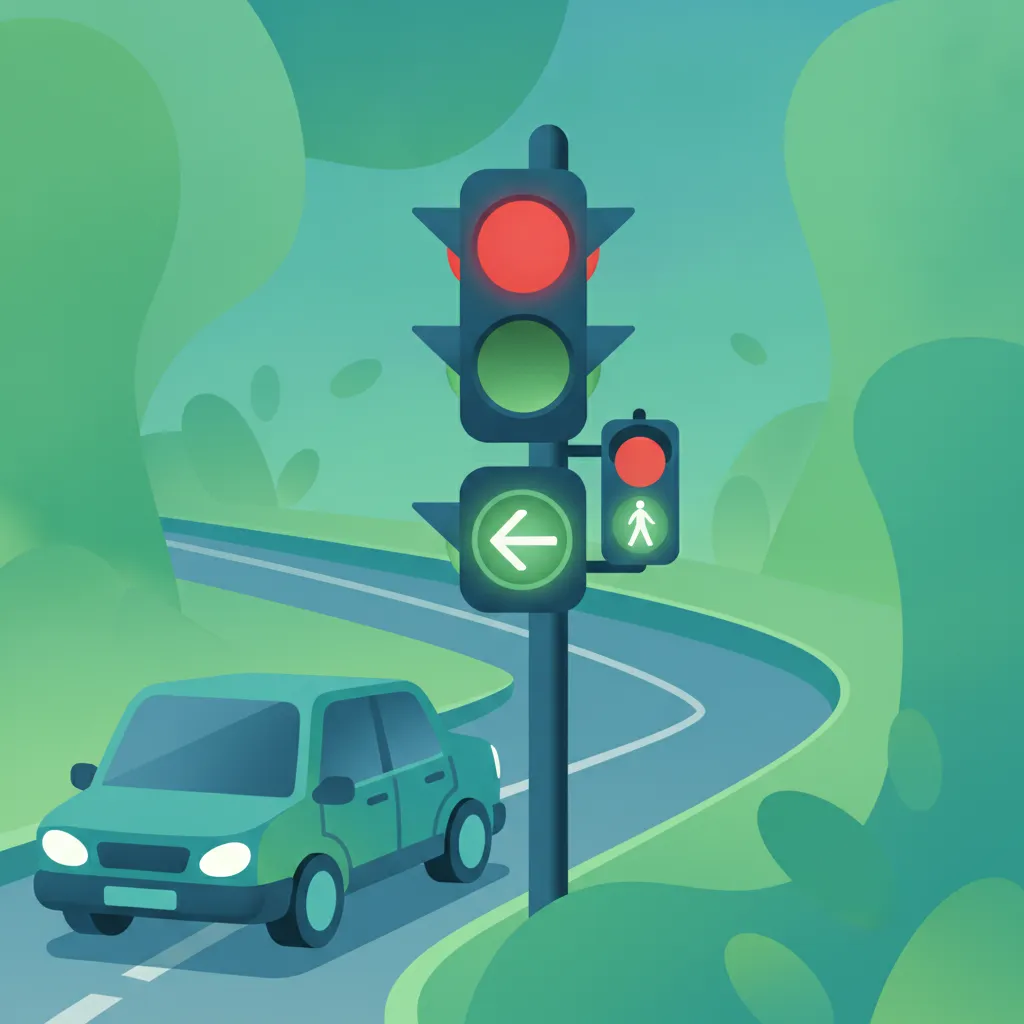
This lesson provides a detailed explanation of traffic light systems and the correct response to each signal. It covers the standard red, amber, and green light sequence, as well as specific signals for pedestrians and cyclists that AM riders must also obey. The meaning of flashing amber and red lights is also clarified to ensure correct and safe behavior at signalized intersections.

This lesson outlines the complete process for obtaining a Category AM license in Belgium, starting with the minimum age and health requirements. It details the sequence of theoretical and practical exams that candidates must pass to demonstrate their competence. The content also explains the administrative procedures for vehicle registration and securing mandatory insurance, ensuring all legal prerequisites are understood before riding.
This lesson outlines the legal penalties for traffic offences, including fines and potential licence suspension. It also covers correct emergency protocols, such as what to do at an accident scene, how to call 112, and the basics of first aid. The lesson concludes by emphasizing the importance of responsible driving to foster a safer road safety culture for everyone.
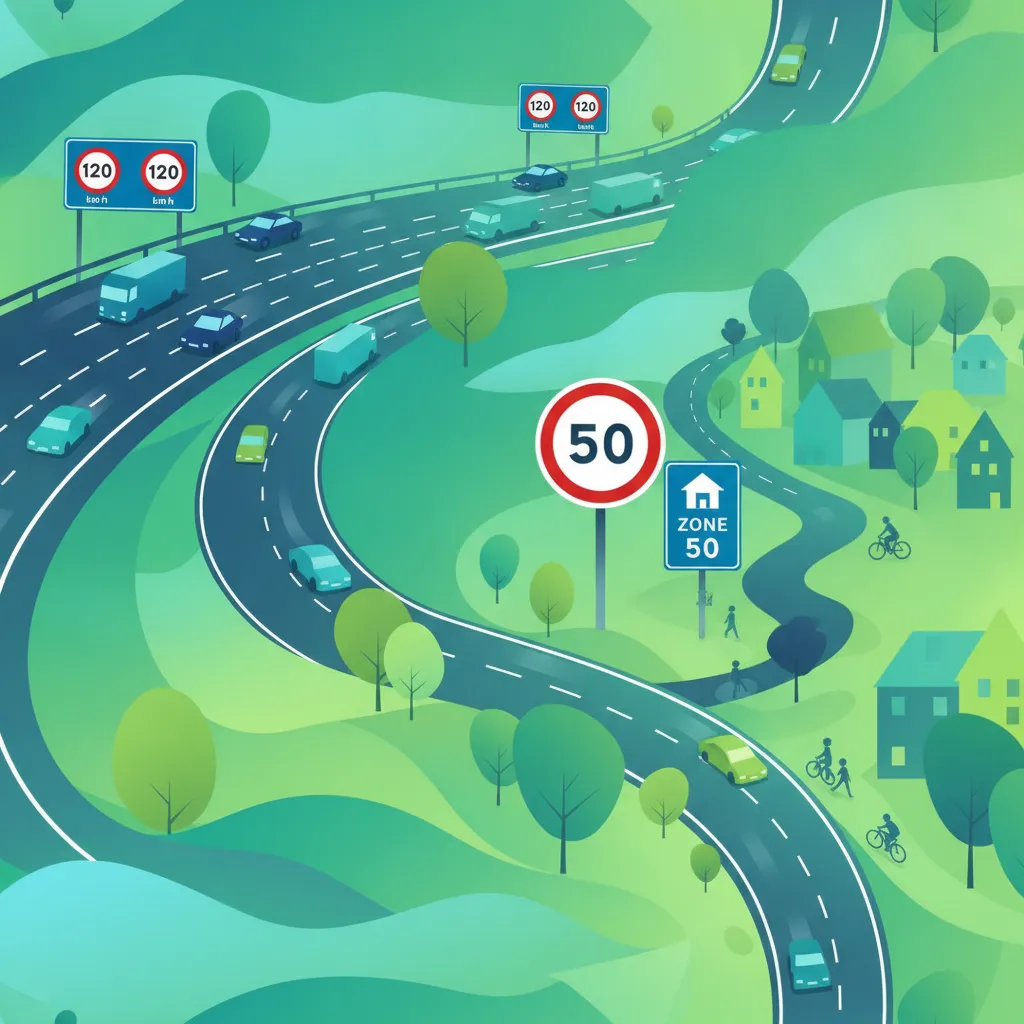
This lesson details the various legal speed limits applicable in Belgium, including those for urban, residential, and school zones. It explains the underlying safety rationale for these limits, linking speed to the severity of accidents and the time available to react to hazards. Learners will understand the difference between the maximum legal speed and a safe, appropriate speed for the prevailing conditions.
This lesson provides a clear definition of the Category AM license as specified by Belgian law. It details the specific types of vehicles covered, such as mopeds, light quadricycles, and speed pedelecs, outlining their legal limits on engine capacity and maximum speed. Learners will understand the permissions granted by an AM license and the specific context of their participation in public traffic as motor vehicle operators.
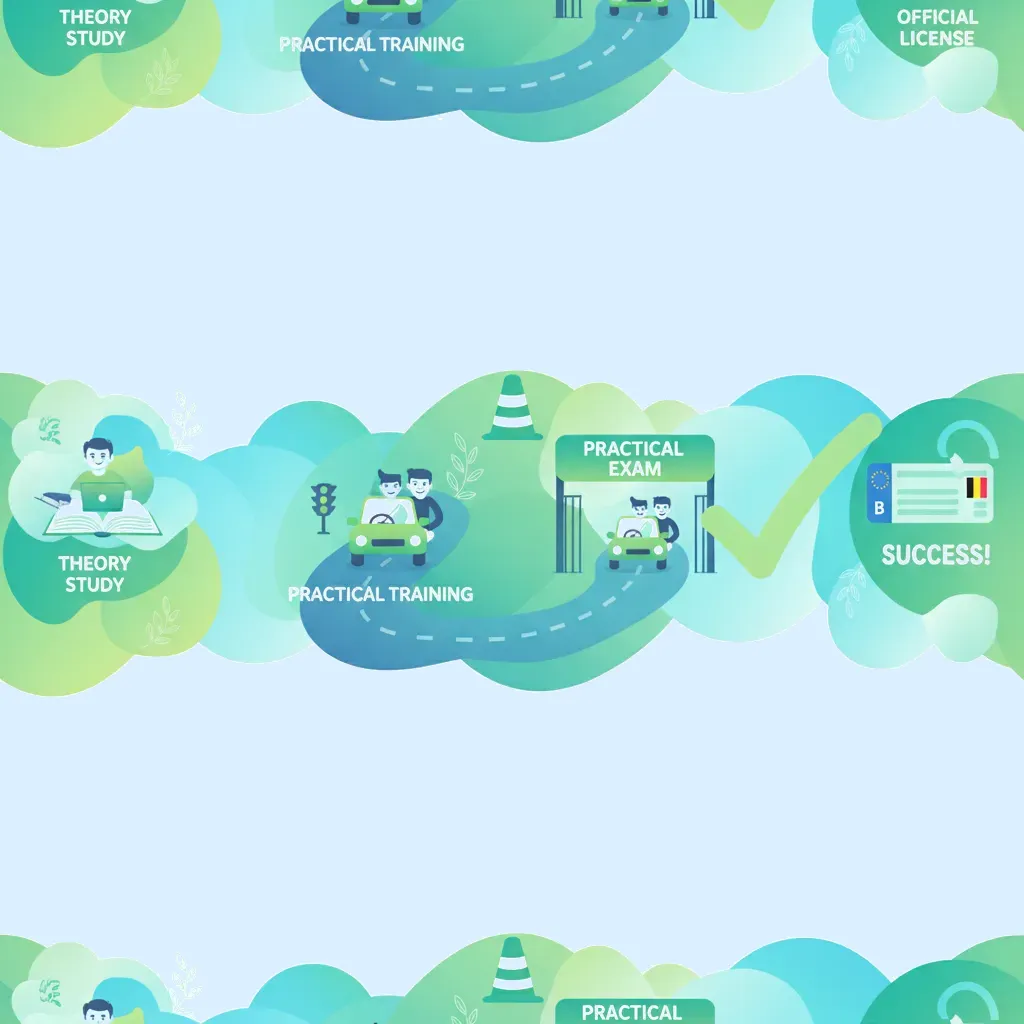
This lesson explains the complete procedure for acquiring a Belgian motorcycle licence, from registering for the theory examination to successfully passing the practical test. It provides a comprehensive list of required documentation, such as identity proof and medical certificates, and clarifies the associated fees. You will also learn about the progression routes available for moving from A1 to A2 and ultimately to a full Category A licence.
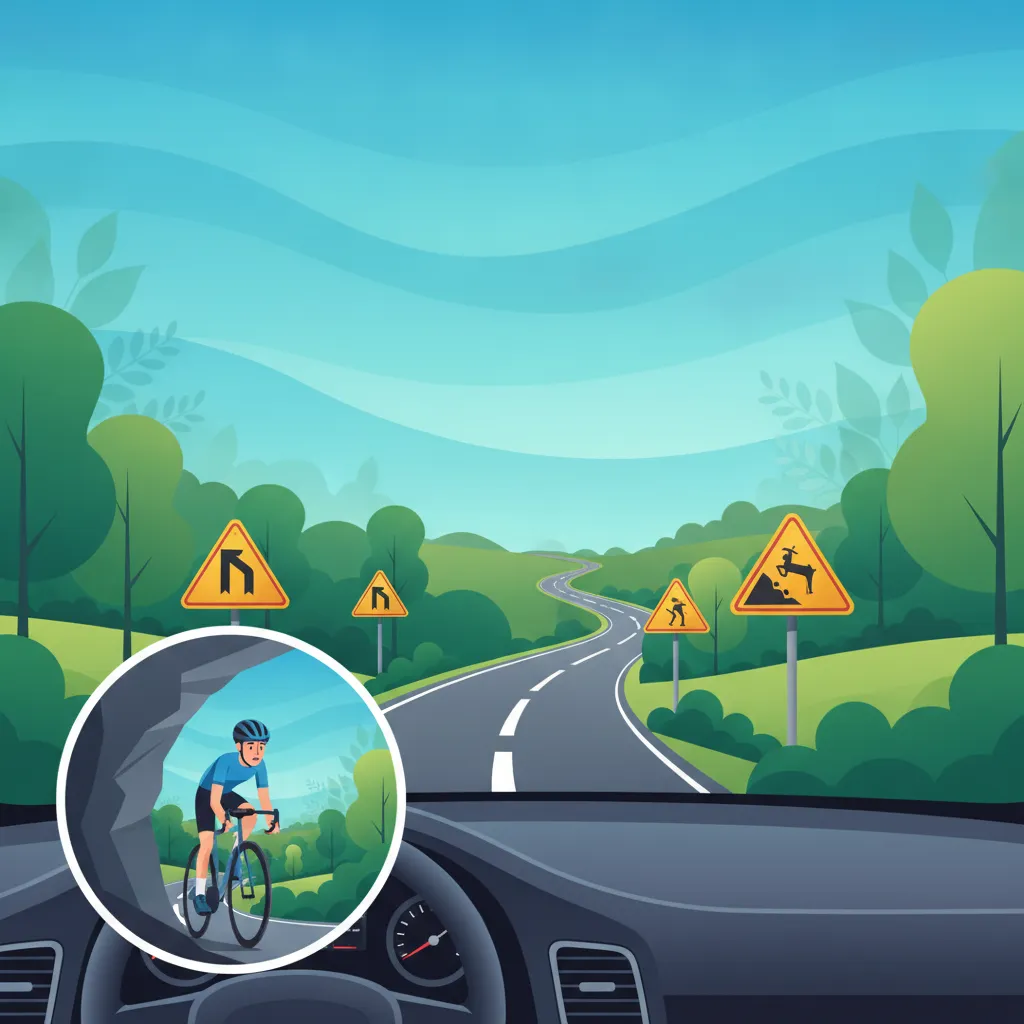
This lesson is dedicated to warning signs, which are designed to alert drivers to potential dangers ahead. It covers the interpretation of signs indicating sharp curves, steep gradients, slippery surfaces, and the presence of pedestrians or animals. By understanding these warnings, riders can anticipate potential hazards and adjust their speed and position proactively for safer travel.
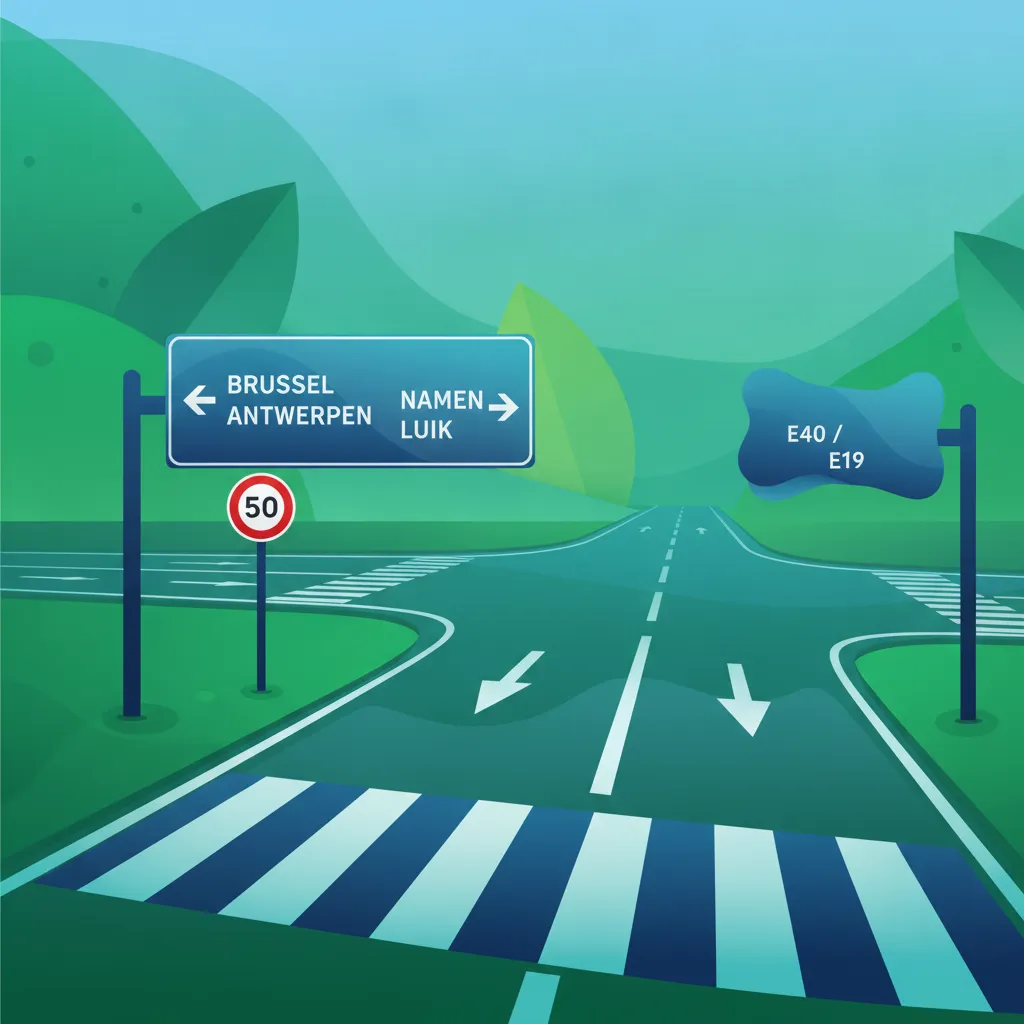
This lesson explains the role of information signs and road markings in guiding road users. It covers directional signs that help with navigation and markings that delineate lanes, pedestrian crossings, and zones for specific users like cyclists. Learners will understand how to use this information to maintain correct lane positioning and navigate their route efficiently and safely.
Learn how the demerit point system works in Belgium, what triggers license suspension, and the requalification process for Category AM riders to regain driving privileges.
This lesson focuses on the legal duties and responsibilities that an AM vehicle operator must uphold on Belgian roads. It covers critical rules such as adhering to speed limits, correctly applying right-of-way principles, and following regulations for overtaking other vehicles. The lesson also explains the system of fines and penalty points for traffic violations, emphasizing the legal consequences of non-compliance to foster responsible driving habits.

This lesson addresses the critical danger of riding under the influence of alcohol or drugs. It explains how these substances severely impair essential skills like reaction time, coordination, and judgment. The content clearly states the legal blood alcohol limits in Belgium and details the severe legal, financial, and personal consequences of being convicted of DUI.
This lesson outlines the complete process for obtaining a Category AM license in Belgium, starting with the minimum age and health requirements. It details the sequence of theoretical and practical exams that candidates must pass to demonstrate their competence. The content also explains the administrative procedures for vehicle registration and securing mandatory insurance, ensuring all legal prerequisites are understood before riding.
This lesson provides a clear definition of the Category AM license as specified by Belgian law. It details the specific types of vehicles covered, such as mopeds, light quadricycles, and speed pedelecs, outlining their legal limits on engine capacity and maximum speed. Learners will understand the permissions granted by an AM license and the specific context of their participation in public traffic as motor vehicle operators.
This lesson provides a detailed explanation of traffic light systems and the correct response to each signal. It covers the standard red, amber, and green light sequence, as well as specific signals for pedestrians and cyclists that AM riders must also obey. The meaning of flashing amber and red lights is also clarified to ensure correct and safe behavior at signalized intersections.
This lesson is dedicated to warning signs, which are designed to alert drivers to potential dangers ahead. It covers the interpretation of signs indicating sharp curves, steep gradients, slippery surfaces, and the presence of pedestrians or animals. By understanding these warnings, riders can anticipate potential hazards and adjust their speed and position proactively for safer travel.
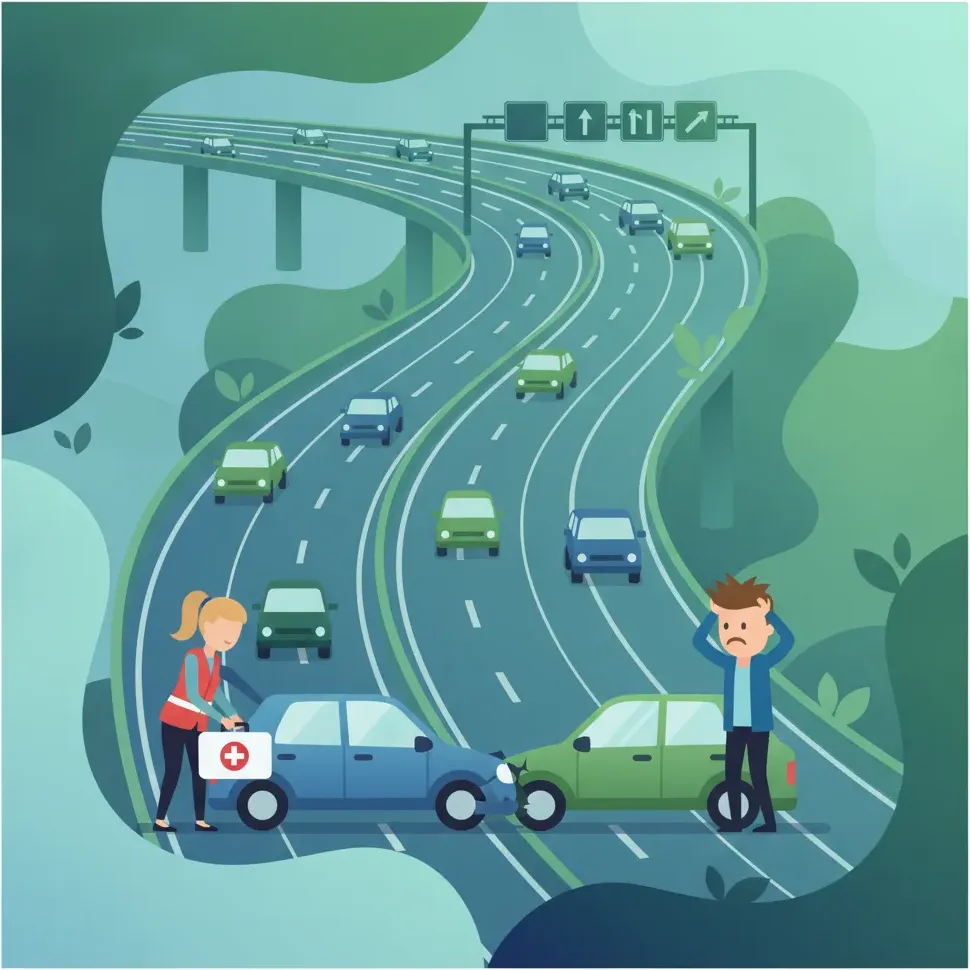
This lesson provides a clear and structured guide for responding to on-road emergencies such as a mechanical breakdown or a traffic accident. It details the steps for securing the scene safely, including the use of a warning triangle and high-visibility vest. Learners will understand how and when to contact emergency services via the 112 number and the basic principles of assisting anyone who may be injured.
This lesson details the various legal speed limits applicable in Belgium, including those for urban, residential, and school zones. It explains the underlying safety rationale for these limits, linking speed to the severity of accidents and the time available to react to hazards. Learners will understand the difference between the maximum legal speed and a safe, appropriate speed for the prevailing conditions.
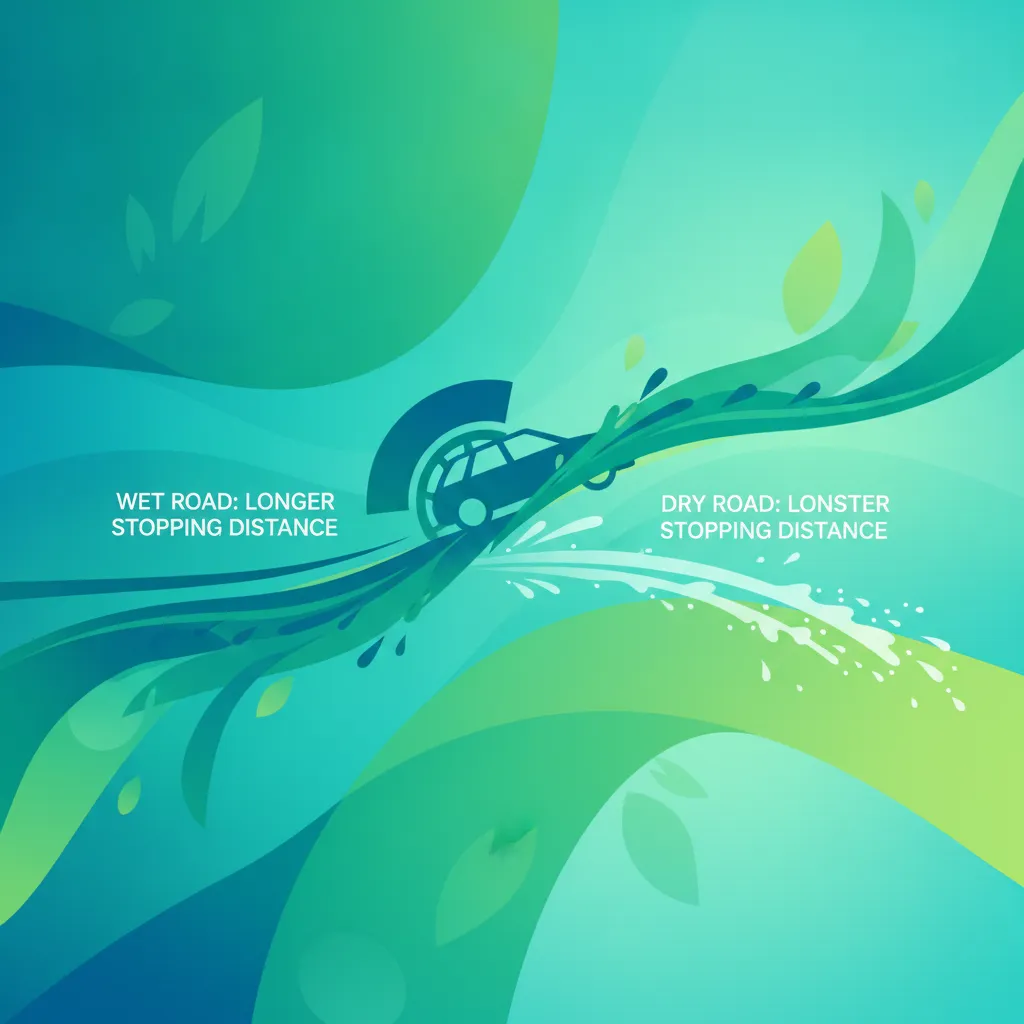
This lesson covers the principles of effective braking, distinguishing between controlled, progressive braking and emergency braking techniques. It breaks down the total stopping distance into reaction distance and braking distance, explaining how speed and road surface conditions dramatically affect the latter. Learners will understand how to use both front and rear brakes correctly to stop quickly and safely without losing control.
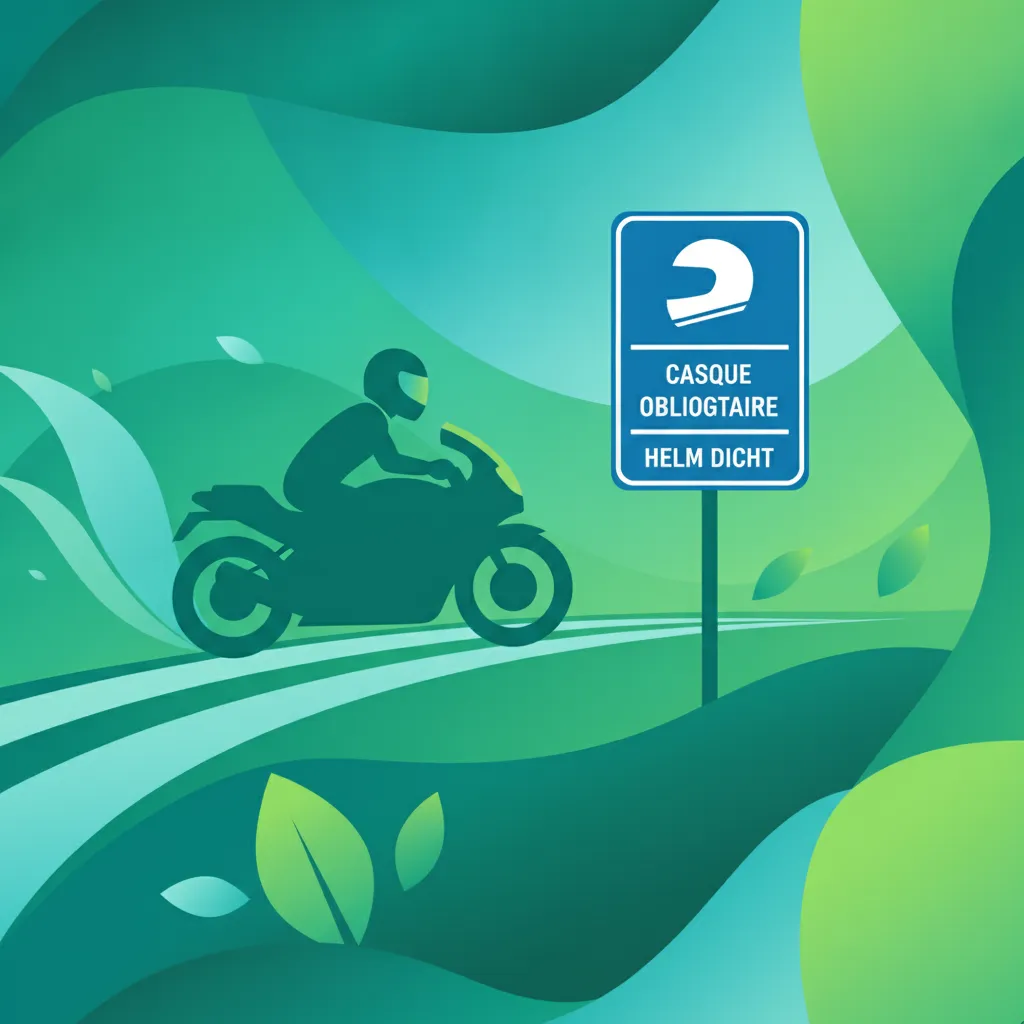
This lesson covers the absolute legal requirement for all Category AM vehicle operators in Belgium to wear a safety helmet. It explains the specific safety standards and certifications that helmets must meet to be legally compliant. Learners will be taught how to select the correct size, achieve a secure fit, and conduct regular inspections to ensure the helmet's protective integrity is maintained.
Find clear answers to common questions learners have about Penalties, Points, and Legal Consequences. Learn how the lesson is structured, which driving theory objectives it supports, and how it fits into the overall learning path of units and curriculum progression in Belgium. These explanations help you understand key concepts, lesson flow, and exam focused study goals.
Yes, traffic rules and the penalty system in Belgium apply to all motorized road users, including those with a Category AM license. Serious offenses can result in fines and, depending on the severity and frequency, impact your ability to hold a license.
Driving under the influence of alcohol or drugs is considered a serious traffic offense in Belgium. It leads to heavy fines, potential immediate license suspension, and mandatory court appearances, regardless of the vehicle category.
Generally, minor parking offenses result in fixed fines. However, persistent non-compliance or serious traffic violations that endanger other road users are treated with greater severity and are more likely to result in point accumulation or formal sanctions.
The exam often presents scenario-based questions asking you to identify the level of an offense or the likely consequence of specific dangerous behaviours, testing your understanding of legal responsibilities rather than just rote memorization.
Ready to focus your Belgian driving theory revision? Utilize our powerful search tool to pinpoint exact topics, road signs, or difficulty levels. Engage with practice questions that directly address your learning needs and solidify your understanding of Belgian traffic laws for your upcoming exam.