
This lesson provides the foundational knowledge required for safe manoeuvring on Danish roads. You will learn the precise steps for executing turns, overtaking other vehicles, and conducting legal U-turns while observing traffic and maintaining constant awareness.

Lesson content overview
Successfully navigating the road involves more than just driving straight; it demands mastery of critical maneuvers such as turning, overtaking, and executing U-turns. These actions are fundamental to safe and efficient driving, enabling you to change direction, pass slower vehicles, and adapt to varying traffic conditions. In the Danish Driving License Theory Course: Category B Preparation, understanding these techniques is paramount not only for passing your theory test but also for developing into a responsible and confident driver.
This comprehensive guide will delve into the proper procedures, legal requirements, and essential safety considerations for each maneuver. We will explore how to signal your intentions effectively, position your vehicle correctly, and accurately judge gaps in traffic to ensure smooth and secure execution, protecting yourself and other road users, including vulnerable ones like pedestrians and cyclists.
Before initiating any maneuver, a driver must prioritize continuous observation, anticipation, and clear communication. These core principles form the bedrock of safe driving practices and are especially crucial when turning, overtaking, or making a U-turn.
Systematically scanning the road ahead, to the sides, and behind using mirrors and head checks to detect other road users, potential hazards, and relevant road signs or markings.
Predicting the likely actions of other road users and foreseeing potential hazards based on observations and an understanding of traffic rules and common driving behaviors.
Your eyes should constantly be moving, checking mirrors (rear-view and side mirrors), and performing quick head checks to cover blind spots. Early anticipation allows you to plan your actions well in advance, giving other drivers sufficient time to react. Signaling your intentions clearly and in good time is a legal requirement and a vital communication tool. It informs other road users of your planned actions, significantly reducing the risk of collisions.
Turning is a fundamental driving skill performed at intersections, junctions, and when changing direction. Executing turns safely requires precision in signaling, speed adjustment, and vehicle positioning, along with a keen awareness of priority rules.
Proper preparation is key to a smooth and safe turn. This involves a sequence of actions that ensure you inform other road users and maintain control of your vehicle.
Observe and Assess: Begin observing the intersection or junction well in advance. Check your mirrors (rear-view and side mirrors) for following traffic, and look for pedestrians or cyclists who might be approaching or already in your path. Assess traffic flow, road markings, and any relevant signs.
Signal Your Intention: Activate your turn indicator lights (blinkers) early to inform other road users of your intention to turn.
In Denmark, you must signal for at least 5 seconds before initiating a turn or lane change. This early warning allows other drivers and cyclists to adjust their speed and position.
Adjust Your Speed: Gradually reduce your speed to a safe level, allowing you to maintain full control of the vehicle throughout the turn. The appropriate speed will depend on road conditions, the sharpness of the turn, and traffic volume. Use your brakes smoothly.
Position Your Vehicle Correctly: Position your vehicle in the correct lane and within that lane according to the direction of your turn. Proper positioning is crucial for guiding your vehicle safely and clearly communicating your path to others.
Right turns typically involve less interaction with oncoming traffic but still demand careful observation, particularly for cyclists and pedestrians on your right.
When making a right turn:
Left turns are generally more complex as they often involve crossing the path of oncoming traffic. They require meticulous timing and judgment.
When making a left turn:
On multi-lane roads, remember the Danish rule: when turning, the lane to the right should be turned into before the lane to the left, unless specific signals or road markings dictate otherwise. This helps prevent collisions with other turning vehicles.
A three-point turn, also known as a K-turn, is a maneuver used to reverse the direction of your vehicle in a confined space where a U-turn is not possible or practical. It typically involves three distinct movements: forward, reverse, and forward again.
Find a Safe Location: Choose a quiet spot with minimal traffic, good visibility, and sufficient width to execute the maneuver without difficulty. Avoid hills, curves, or busy roads.
Signal Right and Position: Signal right and pull over to the right edge of the road, as close to the curb as possible. Stop.
First Forward Movement: Check all mirrors and blind spots. Signal left. Turn the steering wheel fully to the left. When the path is clear, move slowly forward, aiming to get as close to the opposite curb as possible without hitting it. Stop before touching the curb.
Reverse Movement: Shift to reverse gear. Turn the steering wheel fully to the right. Check all mirrors and perform a head check over your right shoulder for any traffic, pedestrians, or obstacles. Slowly reverse in an arc until your vehicle is positioned to move forward in the opposite direction. Stop.
Second Forward Movement: Shift to a forward gear. Turn the steering wheel to the left as needed to straighten your wheels. Check traffic from both directions, and when clear, accelerate smoothly into the correct lane, proceeding in the new direction.
Overtaking, or passing, is the act of moving ahead of a slower vehicle traveling in the same direction. This maneuver requires careful judgment of speed, distance, and road conditions to ensure it is executed safely and legally.
The decision to overtake must always be based on safety, visibility, and compliance with traffic laws. Before even considering an overtake, ask yourself: Is it necessary? Is it safe? Is it legal?
Check Mirrors and Blind Spots: Thoroughly check your rear-view and side mirrors, then perform a quick head check over your shoulder to ensure no vehicle is in your blind spot or attempting to overtake you.
Assess Road Conditions: Confirm that the road ahead is clear for a sufficient distance to complete the maneuver safely. Consider visibility (weather, curves, hills), road surface, and potential hazards.
Evaluate Speed and Distance: Ensure you can complete the overtaking maneuver quickly and efficiently without exceeding the speed limit or cutting off the vehicle you are passing.
Check for Prohibitory Signs/Markings: Look for "No Overtaking" signs or continuous solid white lines on your side of the road, which indicate that overtaking is prohibited.
Confirm Driver's Intentions: Never overtake a vehicle that is signaling to turn left, as this could lead to a head-on collision or side swipe.
Once you have determined that overtaking is safe and legal, follow these steps:
Signal: Signal your intention to move into the overtaking lane well in advance.
Move Out: When safe, steer smoothly into the overtaking lane, ensuring you maintain a safe distance from the vehicle you are passing.
Accelerate: Accelerate firmly and smoothly to pass the slower vehicle quickly, but always stay within the legal speed limit.
Maintain Clearance: Ensure you maintain sufficient lateral clearance between your vehicle and the vehicle you are passing.
Check Mirrors: Once you can see the headlights of the vehicle you just passed in your rear-view mirror, it indicates you have sufficient space to return to your original lane.
Signal and Move In: Signal your intention to return to your lane. Perform a final mirror check and head check, and when clear, steer smoothly back into your lane. Cancel your signal.
Danish traffic law strictly prohibits overtaking in certain areas and under specific conditions to ensure maximum safety.
A U-turn is a maneuver where a vehicle makes a 180-degree turn to proceed in the opposite direction. While convenient for reversing course, U-turns must only be performed where legally permitted and safe.
In Denmark, U-turns are permitted only under specific conditions. You must look for signs that explicitly allow U-turns, such as those at designated intersections.
When a U-turn is permitted and safe to execute:
Observation and Signal: Begin observing traffic well in advance. Check mirrors, blind spots, and assess the width of the road and traffic flow. Signal your intention to turn left.
Position Your Vehicle: Position your vehicle close to the center line or, if applicable, in the designated U-turn lane.
Reduce Speed: Slow down significantly, preparing to stop if necessary.
Yield: Wait for a safe and substantial gap in oncoming traffic. A U-turn takes longer than a standard left turn, so you need a larger gap. Also, check for pedestrians and cyclists.
Execute the Turn: When clear, turn the steering wheel fully to the left and execute the turn smoothly. Aim to complete the turn in one continuous motion if the road width allows.
Enter Lane and Accelerate: Once the turn is completed, straighten your wheels and accelerate smoothly into the correct lane in the new direction.
U-turns are generally prohibited:
Adhering to the specific rules and regulations governing turns, overtaking, and U-turns is not just about avoiding fines; it's about ensuring the safety and fluidity of Danish traffic.
As reiterated, proper signaling is a legal requirement. In Denmark, you must use your directional lights for at least 5 seconds before initiating a turn or lane change. This applies to all maneuvers where you intend to change your lateral position or direction on the road.
During any turning maneuver, drivers in Denmark must always give way to pedestrians and cyclists using a crossing. Vulnerable road users have specific protections under Danish traffic law, and it is the driver's responsibility to ensure their safety. This also applies when entering or exiting driveways.
Always adjust your speed to conditions. Even if you have the right-of-way, it's safer to yield if there is any doubt about another road user's intentions or ability to stop.
The procedures for turning, overtaking, and U-turns must always be adapted to various external factors.
Understanding and correctly performing turns, overtakes, and U-turns are crucial for several reasons:
By consistently applying the principles outlined in this lesson, you will not only be well-prepared for your Danish Category B driving license theory test but also become a more capable and safer driver on the road.
This lesson covers the essential procedures for safe turning, overtaking, and U-turns on Danish roads. Proper signaling (minimum 5 seconds), systematic observation using mirrors and blind spot checks, and correct lane positioning are fundamental to all maneuvers. Left turns require yielding to oncoming traffic, while right turns demand attention to cyclists and pedestrians on your path. Overtaking must only occur where legally permitted, with sufficient visibility, and never on limited visibility sections, at intersections, or across solid white lines. U-turns require explicit signage permission and a substantial traffic gap due to the maneuver's extended duration. All maneuvers must adapt to road type (motorway, rural, urban), weather conditions, and vehicle load.
A short set of high-value points that capture the most important learning from this lesson.
Signal for at least 5 seconds before any turn or lane change to give other road users time to react.
When turning left, always yield to oncoming traffic and ensure you have a sufficiently large gap since U-turns take longer than standard turns.
Never overtake a vehicle that is signaling to turn left, as this creates a high risk of head-on collision.
U-turns are only permitted where explicitly signposted; without signage, assume they are prohibited or use a three-point turn.
Always give vulnerable road users (pedestrians and cyclists) priority during any turning maneuver.
Explore all units and lessons included in this driving theory course.
The Danish rule for multi-lane turns: turn into the lane to the right before the lane to the left, unless road markings indicate otherwise.
Overtaking is prohibited on curves, hills, at intersections, across continuous solid white lines, and before reaching no-overtaking zones.
Maintain at least 1.5 meters lateral clearance when overtaking cyclists in urban areas.
A three-point turn (K-turn) uses three movements: forward, reverse, forward again, and should only be performed in quiet areas with good visibility.
Always check mirrors and perform head checks for blind spots before any lateral vehicle movement.
Late signaling: not giving the full 5-second warning before turning or changing lanes causes confusion for other road users.
Cutting corners when turning right: this risks hitting the curb, pedestrians, cyclists, or oncoming traffic.
Returning to the original lane too early when overtaking: this cuts off the passed vehicle and forces them to brake.
Attempting a U-turn without sufficient oncoming traffic gap: a U-turn requires more space and time than a standard left turn.
Overtaking at pedestrian crossings: never pass a vehicle that has stopped at a crosswalk as it may be yielding to pedestrians you cannot see.
Lesson content overview
A short set of high-value points that capture the most important learning from this lesson.
Signal for at least 5 seconds before any turn or lane change to give other road users time to react.
When turning left, always yield to oncoming traffic and ensure you have a sufficiently large gap since U-turns take longer than standard turns.
Never overtake a vehicle that is signaling to turn left, as this creates a high risk of head-on collision.
U-turns are only permitted where explicitly signposted; without signage, assume they are prohibited or use a three-point turn.
Always give vulnerable road users (pedestrians and cyclists) priority during any turning maneuver.
Explore all units and lessons included in this driving theory course.
The Danish rule for multi-lane turns: turn into the lane to the right before the lane to the left, unless road markings indicate otherwise.
Overtaking is prohibited on curves, hills, at intersections, across continuous solid white lines, and before reaching no-overtaking zones.
Maintain at least 1.5 meters lateral clearance when overtaking cyclists in urban areas.
A three-point turn (K-turn) uses three movements: forward, reverse, forward again, and should only be performed in quiet areas with good visibility.
Always check mirrors and perform head checks for blind spots before any lateral vehicle movement.
Late signaling: not giving the full 5-second warning before turning or changing lanes causes confusion for other road users.
Cutting corners when turning right: this risks hitting the curb, pedestrians, cyclists, or oncoming traffic.
Returning to the original lane too early when overtaking: this cuts off the passed vehicle and forces them to brake.
Attempting a U-turn without sufficient oncoming traffic gap: a U-turn requires more space and time than a standard left turn.
Overtaking at pedestrian crossings: never pass a vehicle that has stopped at a crosswalk as it may be yielding to pedestrians you cannot see.
Explore search topics learners often look for when studying Turning, Overtaking, and U-Turns. These topics reflect common questions about road rules, driving situations, safety guidance, and lesson level theory preparation for learners in Denmark.
Browse additional driving theory lessons that cover connected traffic rules, road signs, and common driving situations related to this topic. Improve your understanding of how different rules interact across everyday traffic scenarios.
Explore complex scenarios and advanced legal requirements for executing turns, overtaking, and U-turns in Denmark. This lesson covers challenging intersections, priority nuances, and specific vehicle interactions to refine your driving maneuvers.
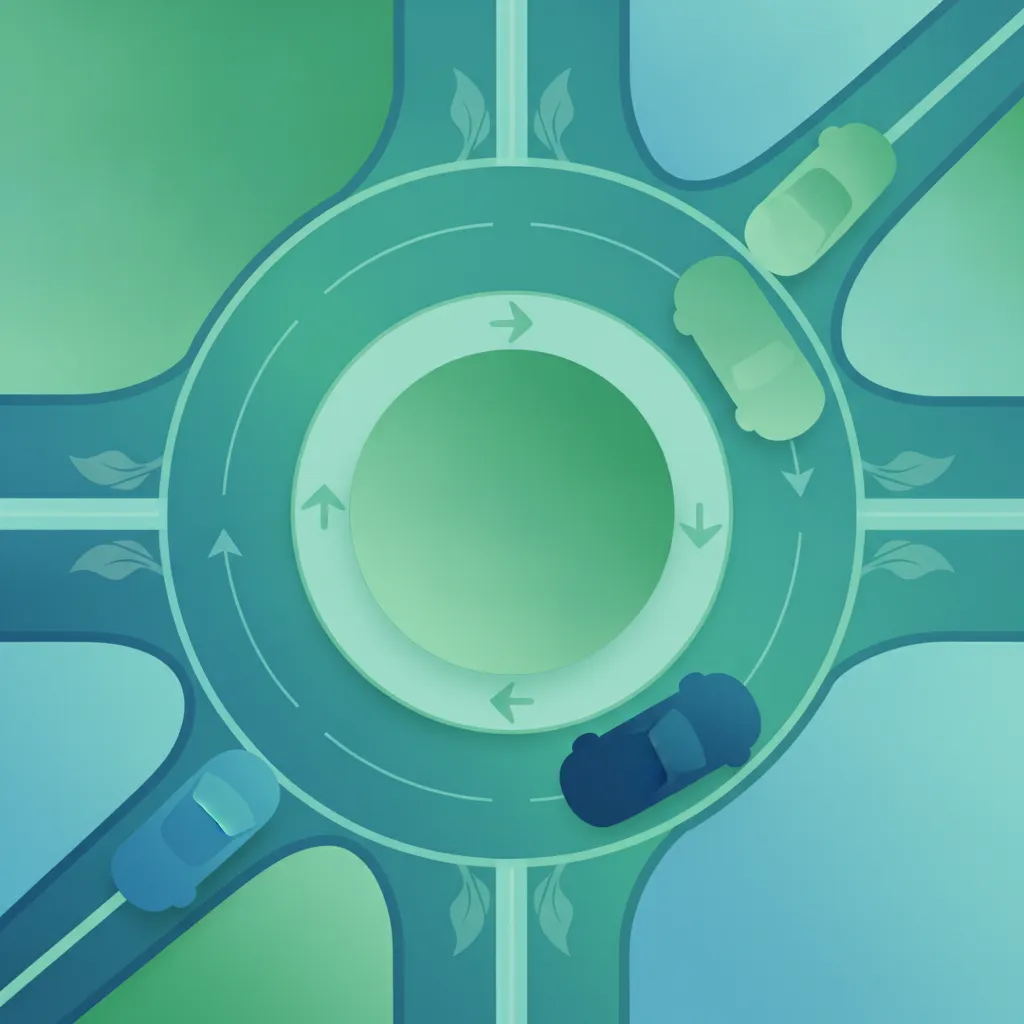
This lesson provides detailed instructions for navigating Danish roundabouts. It covers the rules for yielding upon entry, selecting the correct lane based on the intended exit, and signalling intentions clearly. The lesson also highlights the specific rules regarding priority for cyclists crossing entry and exit lanes.
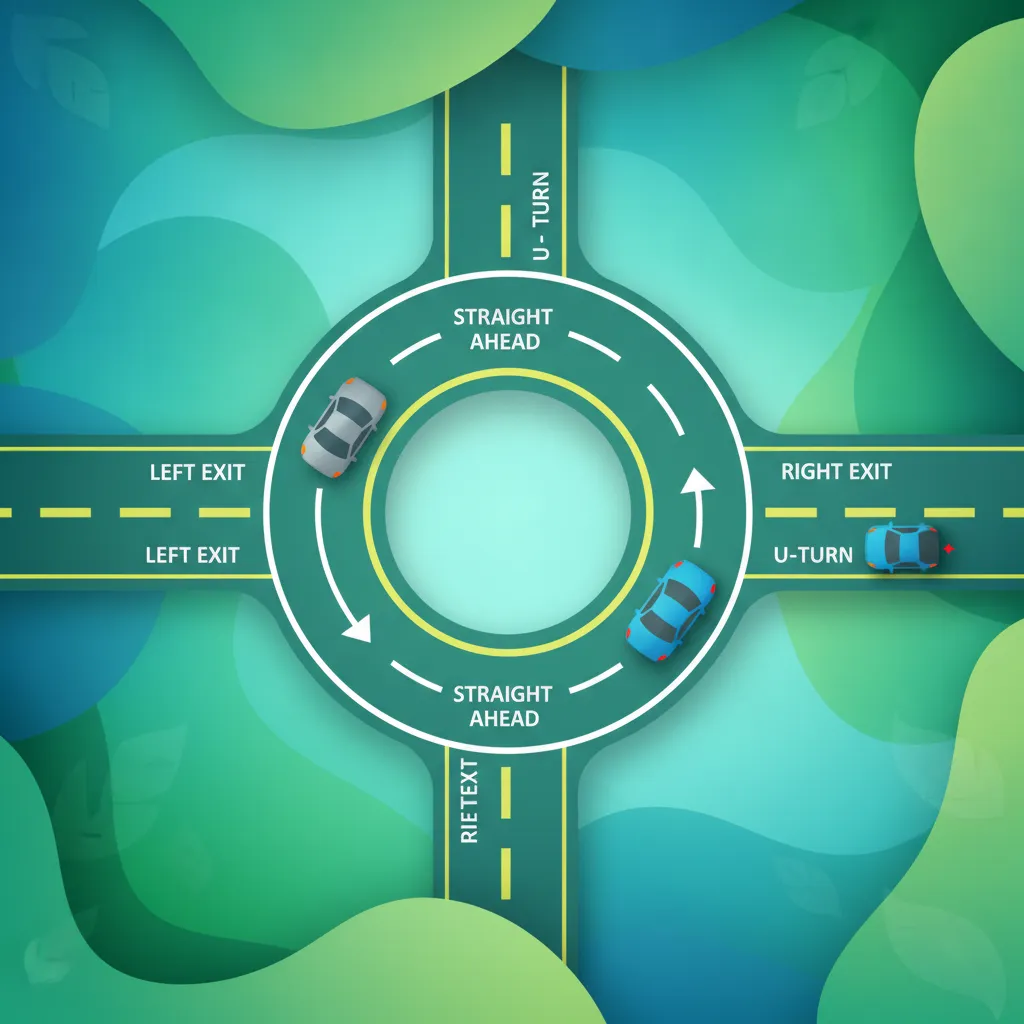
This lesson offers a step-by-step guide to navigating roundabouts in Denmark. You will learn how to approach and enter a roundabout, the requirement to yield to circulating traffic, and how to select the appropriate lane for your intended exit. Special attention is given to safely managing interactions with cyclists and pedestrians who may be present at roundabout entrances and exits.
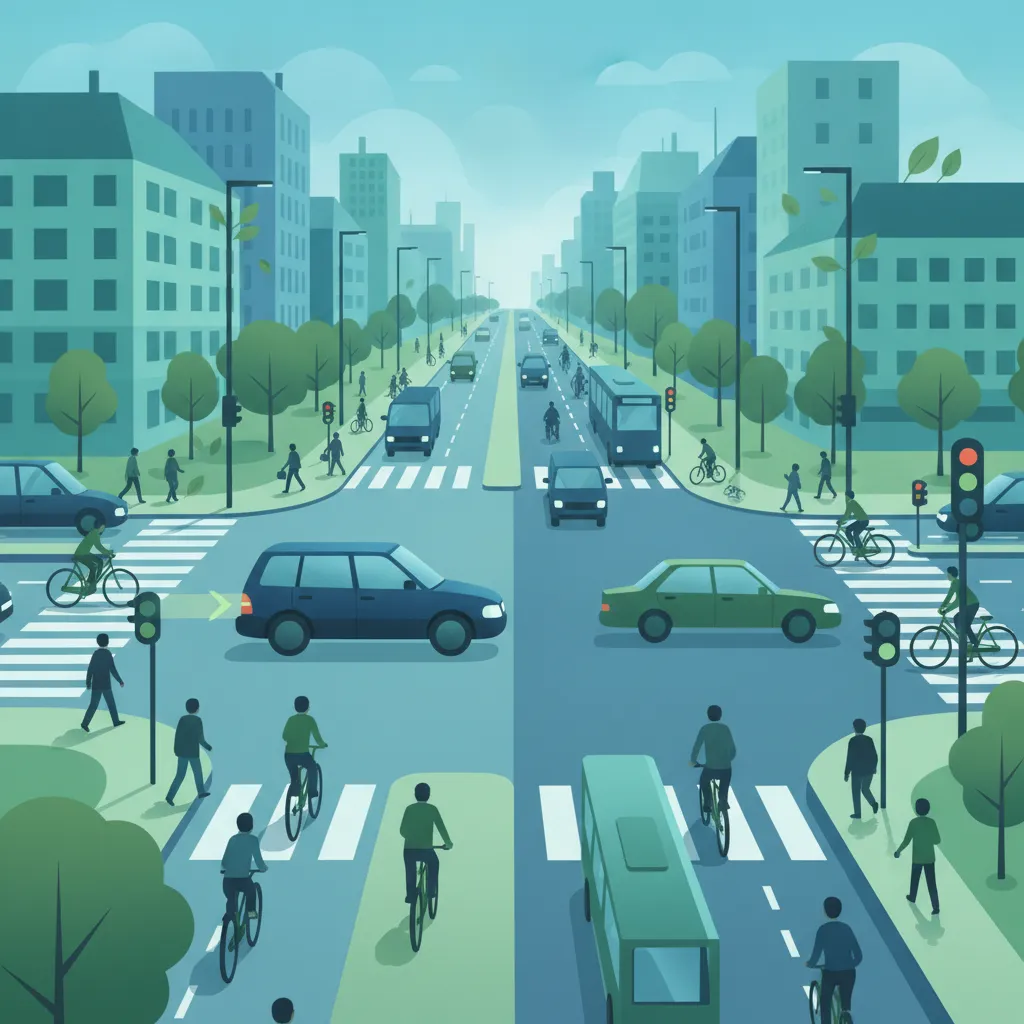
This lesson provides a structured method for approaching and crossing intersections safely. It reinforces the application of priority rules, the interpretation of signs and signals, and the importance of thorough observation. Specific attention is given to looking for cyclists and pedestrians who may be crossing the rider's path.
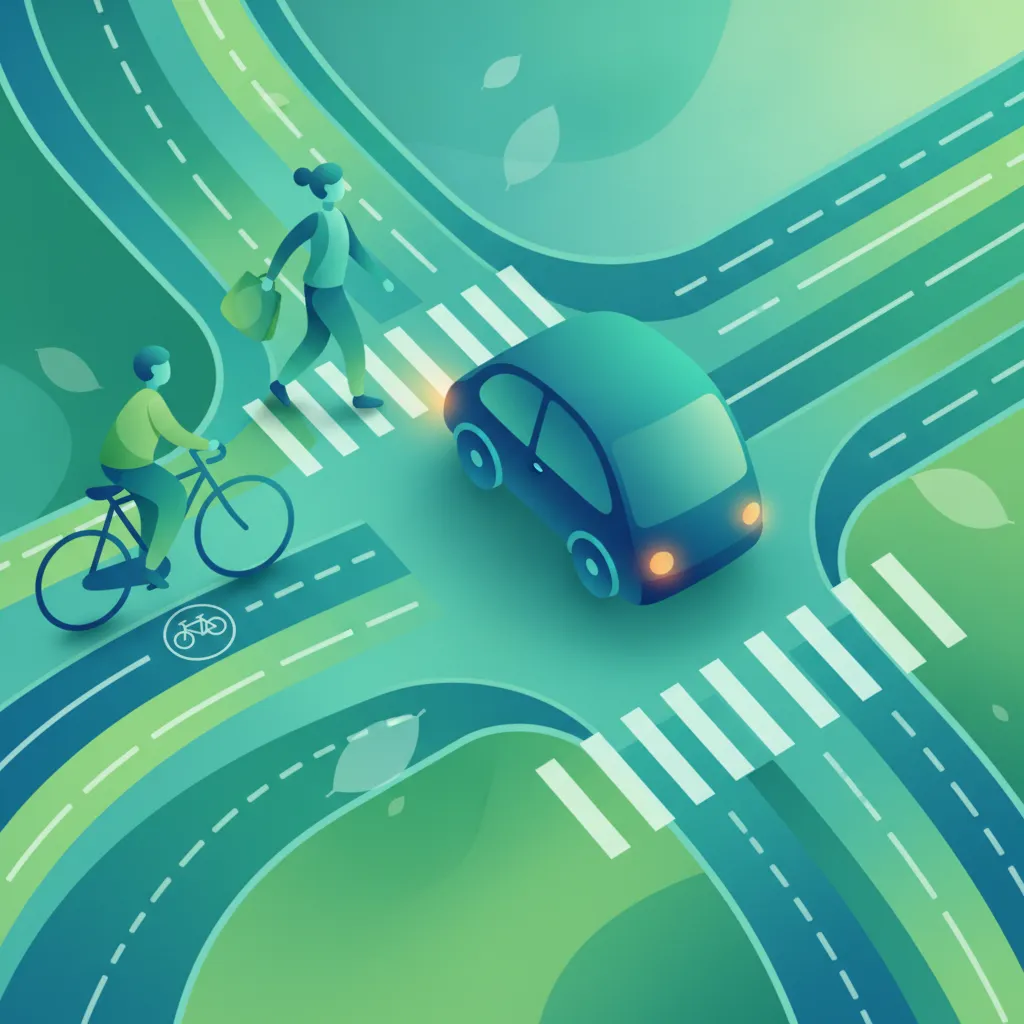
This lesson provides a systematic approach to safely navigating intersections. It covers how to interpret priority signs and traffic signals, establish right-of-way, and scan for potential conflicts from all directions. The importance of clear sightlines and anticipating the movements of other vehicles is a key focus.
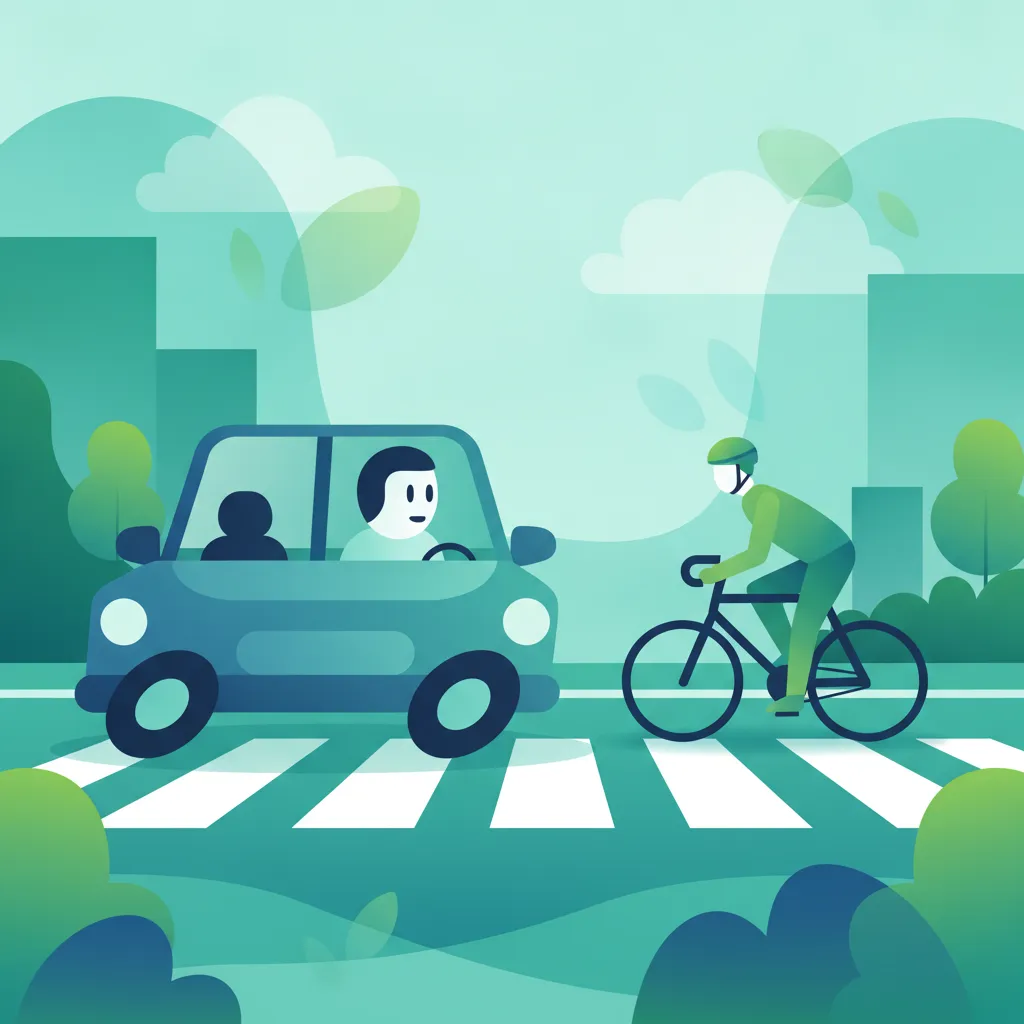
This lesson provides critical instruction on executing right turns safely, a high-risk maneuver for heavy vehicles in urban settings. It places strong emphasis on Danish traffic laws concerning cyclist priority and teaches drivers how to position their vehicle to account for off-tracking. The content focuses on defensive driving techniques, such as scanning for cyclists and making intentions clear, to prevent right-turn collisions.

This lesson explains the concept of off-tracking, where the rear wheels follow a tighter path than the front wheels during a turn. It provides techniques for positioning the bus correctly before a turn to avoid striking curbs or obstacles. The content also outlines the systematic safety checks and procedures for reversing, including the proper use of mirrors, cameras, and a guide.
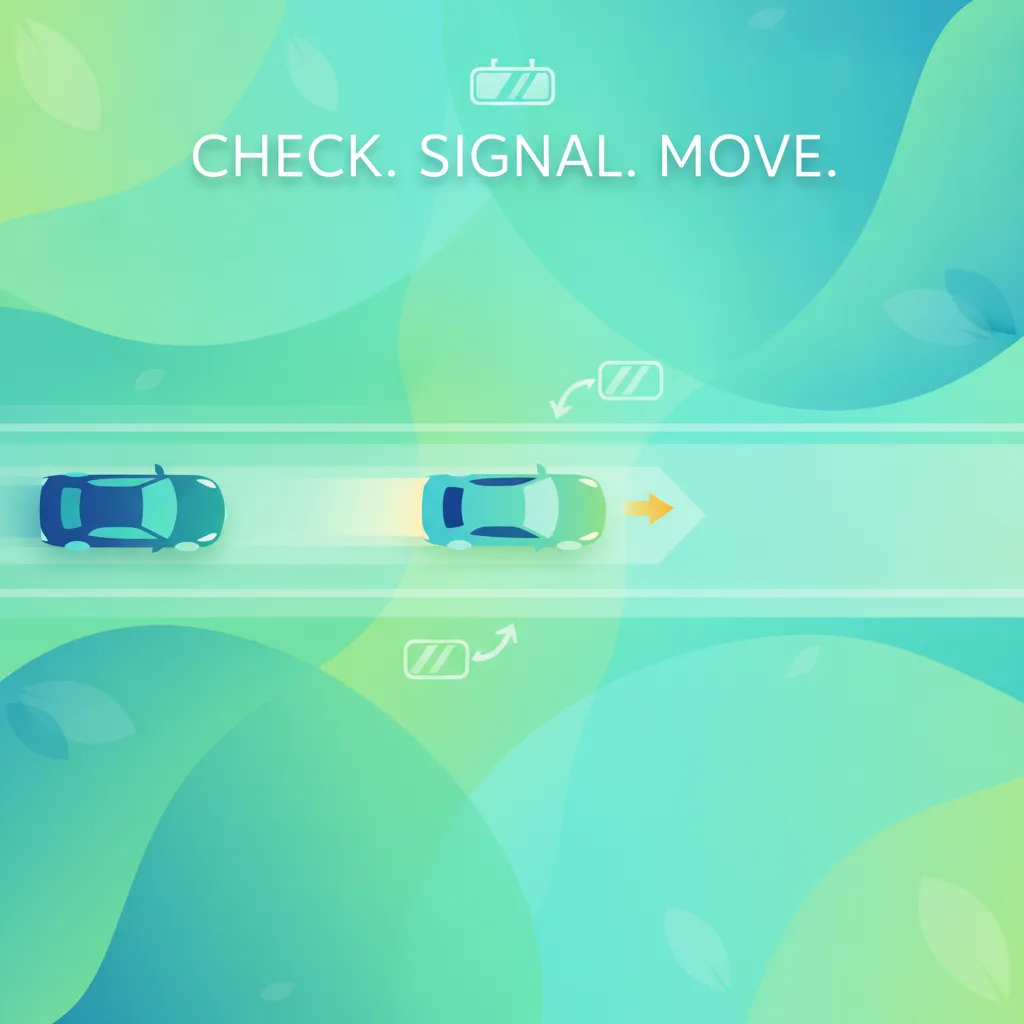
This lesson explains the principles of correct lane discipline, including proper positioning within your lane and adherence to road markings. It provides a clear, safe procedure for changing lanes, which includes signalling your intentions early, checking mirrors, and performing a final shoulder check for the blind spot. Mastering this process is essential for smooth and safe navigation in multi-lane traffic.
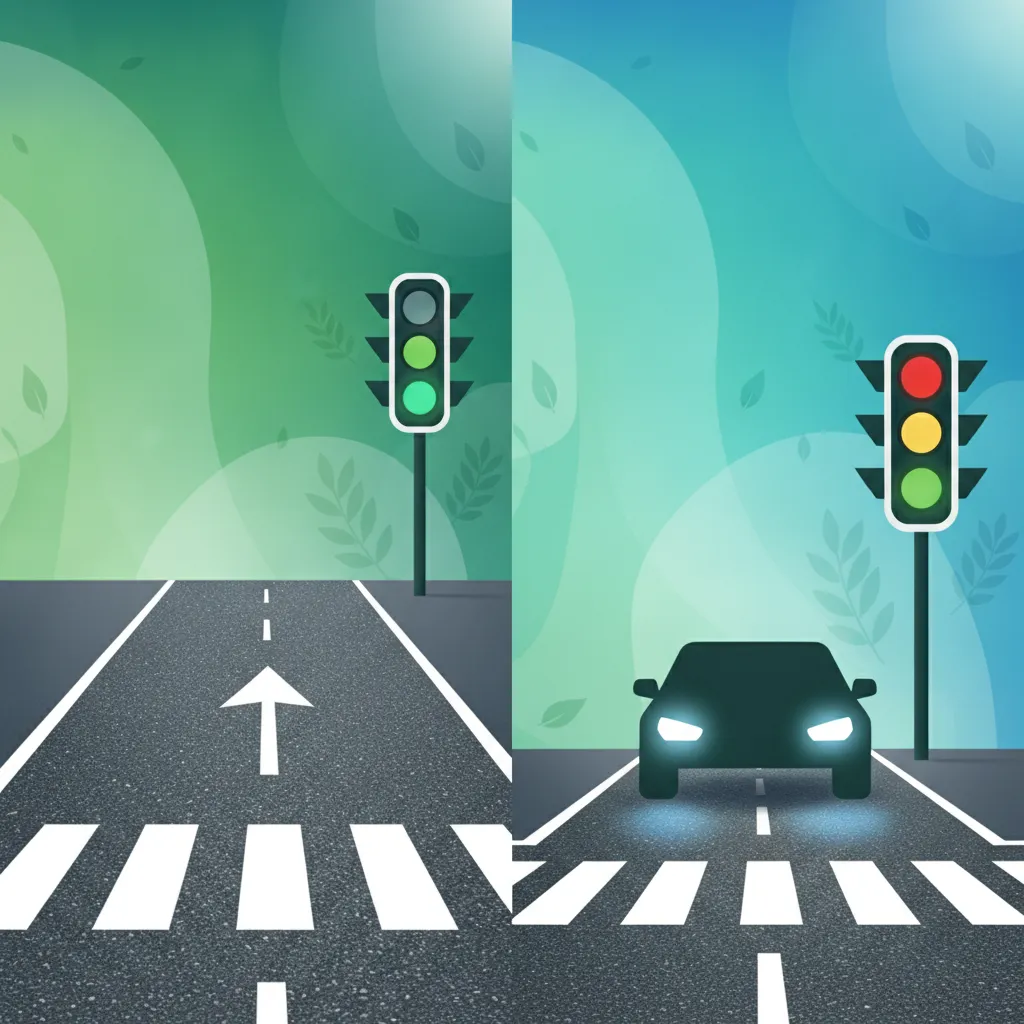
This lesson details the meaning and application of various road surface markings, including lane dividers, solid and broken lines, and directional arrows. You will also learn to interpret the full sequence of traffic light signals, including the specific rules for the amber (yellow) light phase. A proper understanding of these systems is vital for maintaining correct lane discipline and adhering to traffic controls.

This lesson provides an in-depth explanation of Denmark's priority rules, known as 'vigepligt.' It differentiates between unconditional priority ('ubetinget vigepligt'), often indicated by signs, and the default right-hand priority rule ('højre vigepligt'). Applying these rules correctly is essential for preventing collisions at junctions without traffic signals.

This lesson addresses the unique driving situations presented by bridges, tunnels, and ferries. It explains the need for speed adjustments, awareness of changing light conditions in tunnels, and following lane controls on long bridges. The material also provides practical guidance for safely boarding and disembarking from a vehicle ferry, including following crew instructions for parking.
Identify and understand common errors learners make when turning, overtaking, and performing U-turns. This lesson focuses on avoiding dangerous situations and ensuring safe execution of essential driving maneuvers in Denmark.
This lesson offers a step-by-step guide to navigating roundabouts in Denmark. You will learn how to approach and enter a roundabout, the requirement to yield to circulating traffic, and how to select the appropriate lane for your intended exit. Special attention is given to safely managing interactions with cyclists and pedestrians who may be present at roundabout entrances and exits.
This lesson explains the concept of off-tracking, where the rear wheels follow a tighter path than the front wheels during a turn. It provides techniques for positioning the bus correctly before a turn to avoid striking curbs or obstacles. The content also outlines the systematic safety checks and procedures for reversing, including the proper use of mirrors, cameras, and a guide.

This lesson breaks down the critical skill of overtaking into a safe, repeatable process. It covers how to judge the time and space needed, check for oncoming traffic, and execute the maneuver decisively. The importance of signaling and returning to the lane safely is also emphasized.
This lesson provides critical instruction on executing right turns safely, a high-risk maneuver for heavy vehicles in urban settings. It places strong emphasis on Danish traffic laws concerning cyclist priority and teaches drivers how to position their vehicle to account for off-tracking. The content focuses on defensive driving techniques, such as scanning for cyclists and making intentions clear, to prevent right-turn collisions.
This lesson provides detailed instructions for navigating Danish roundabouts. It covers the rules for yielding upon entry, selecting the correct lane based on the intended exit, and signalling intentions clearly. The lesson also highlights the specific rules regarding priority for cyclists crossing entry and exit lanes.
This lesson explains the principles of correct lane discipline, including proper positioning within your lane and adherence to road markings. It provides a clear, safe procedure for changing lanes, which includes signalling your intentions early, checking mirrors, and performing a final shoulder check for the blind spot. Mastering this process is essential for smooth and safe navigation in multi-lane traffic.
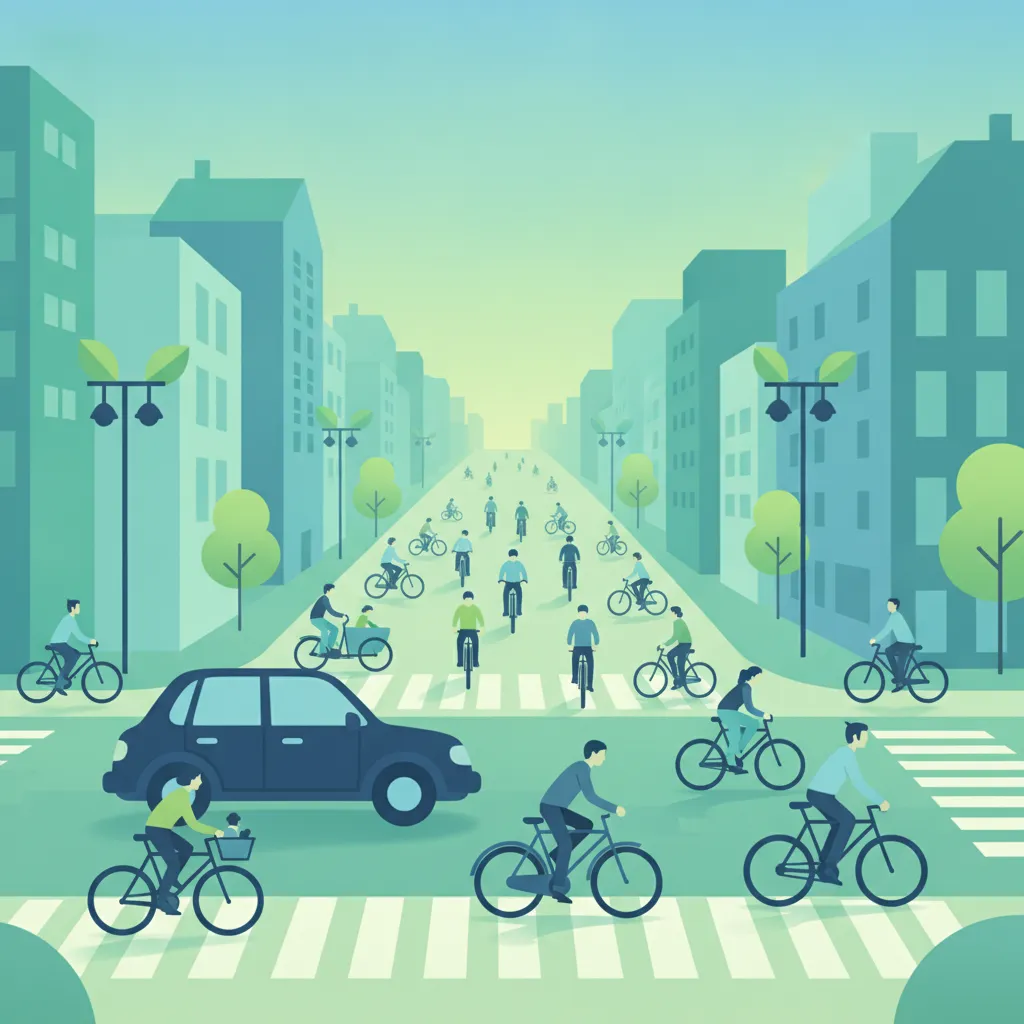
This lesson provides critical guidance for driving in environments with heavy cycle traffic, typical of Danish cities. It focuses on identifying and yielding to cyclists in dedicated bike lanes, especially when turning right across their path. The content emphasizes advanced observation skills to detect cyclists in blind spots and the importance of giving adequate space.

This lesson teaches you to identify warning signs that alert drivers to upcoming hazards and changing road conditions. It covers common signs such as sharp curves, school zones, animal crossings, and temporary conditions like roadworks or slippery surfaces. Understanding these signs is crucial for anticipating risks and adjusting your driving to ensure safety on all types of Danish roads.
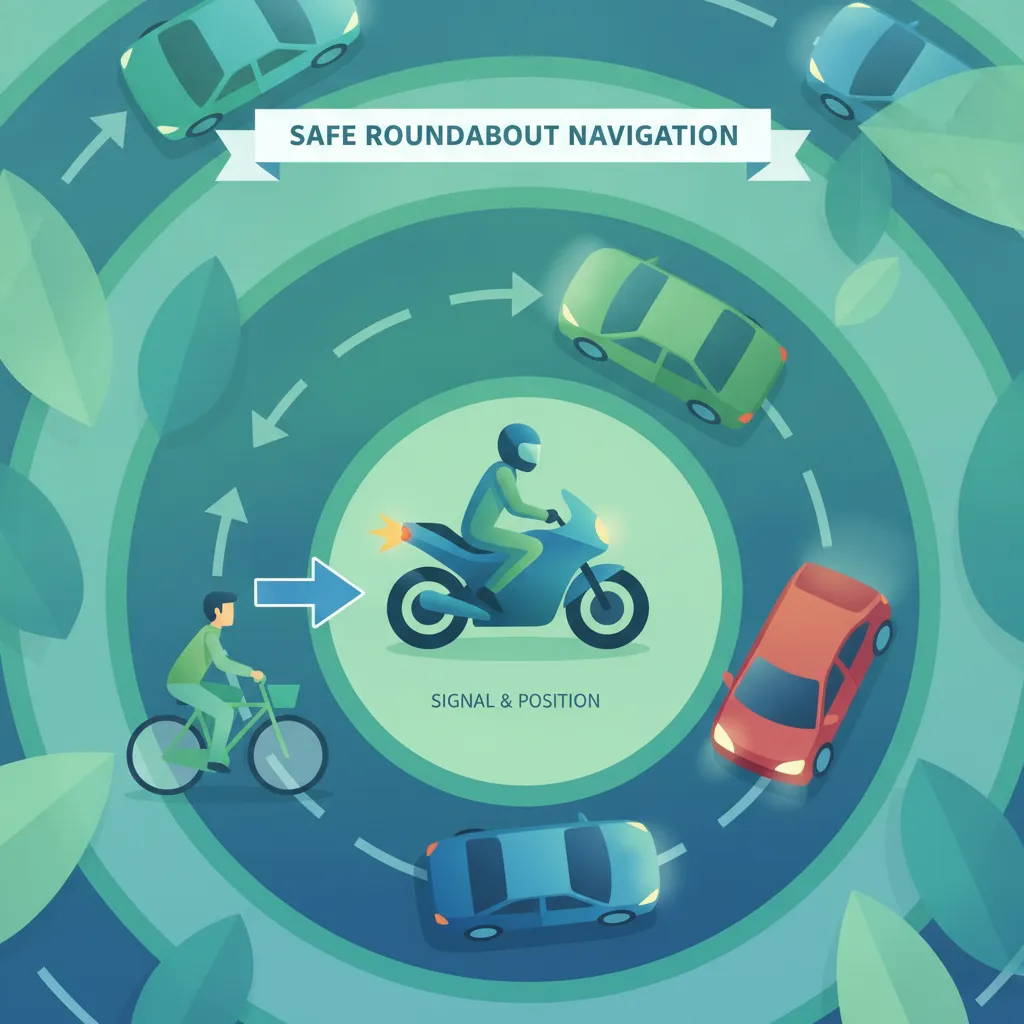
This lesson details the specific skills needed to navigate roundabouts on a motorcycle. It explains how to approach at a safe speed, select the correct lane based on your intended exit, and yield to circulating traffic. Proper use of signals to indicate intentions when entering and exiting is also covered.
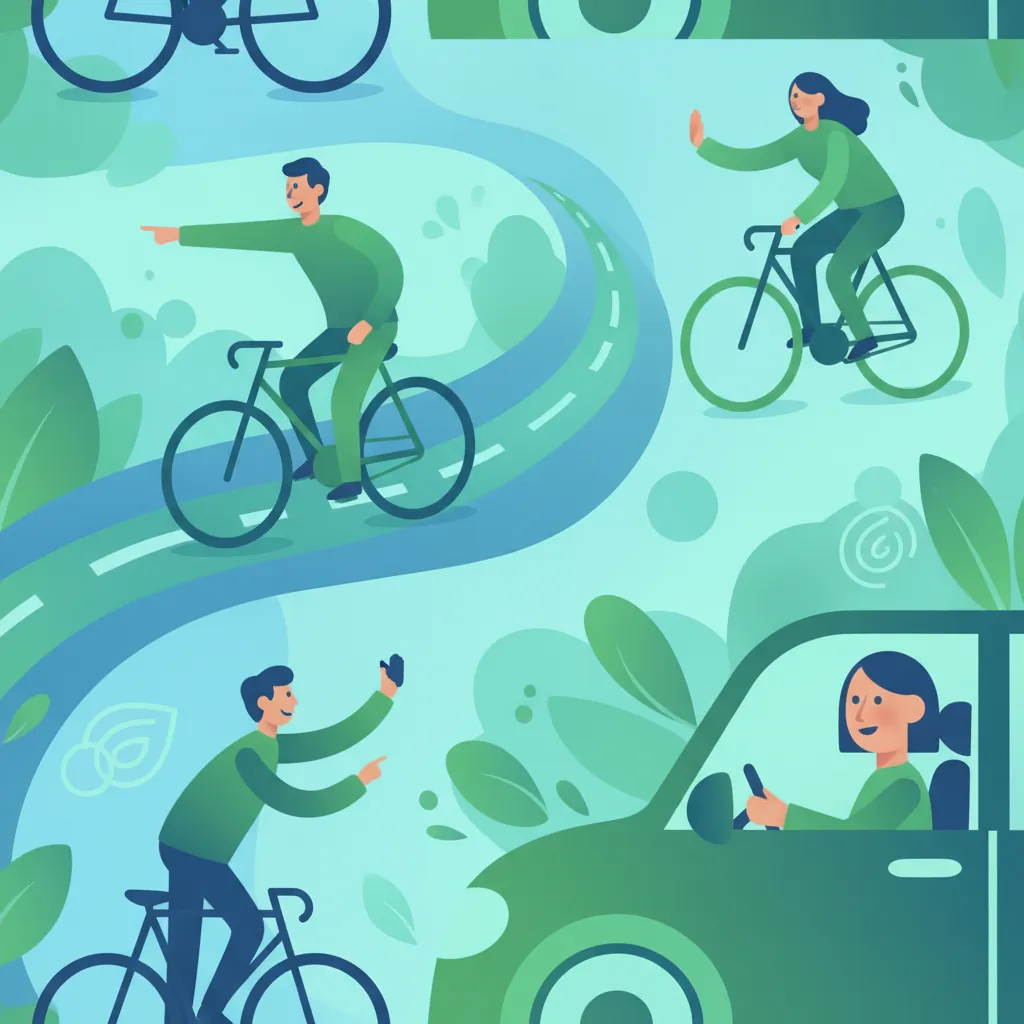
This lesson introduces cooperative driving as a fundamental element of road safety in Denmark. It highlights the social responsibility of drivers to act predictably, anticipate the actions of others, and maintain courteous interactions with all road users. By fostering mutual respect and cooperation, you will learn how to reduce the potential for conflict and enhance overall traffic safety.
Find clear answers to common questions learners have about Turning, Overtaking, and U-Turns. Learn how the lesson is structured, which driving theory objectives it supports, and how it fits into the overall learning path of units and curriculum progression in Denmark. These explanations help you understand key concepts, lesson flow, and exam focused study goals.
U-turns are generally prohibited where they would cause danger or unnecessary obstruction, such as on motorways, busy intersections, or where road markings like solid lines forbid crossing.
You must check your interior mirror, exterior mirror, and conduct a shoulder check (blind spot) to ensure no one is already attempting to overtake you or approaching rapidly from behind.
Yes, you must always signal your intention to turn or change direction in good time to allow other road users, especially cyclists, to adjust their speed or position accordingly.
Generally, you must overtake on the left. Overtaking on the right is only permitted in specific situations, such as when the vehicle ahead is clearly preparing to turn left or is in a lane marked for a different destination.
Use our powerful search tool to pinpoint specific Danish driving theory topics, road signs, or traffic situations you need to review. Start exploring relevant practice sets now to reinforce your knowledge and build confidence for your upcoming driving licence exam.