
This lesson details the specific regulations governing bus lanes and priority rules for professional passenger vehicle drivers in Germany. You will learn how to interpret road markings and signals to effectively manage your vehicle in dense urban environments while ensuring passenger safety. This knowledge is crucial for both your theoretical examination and your daily professional practice.
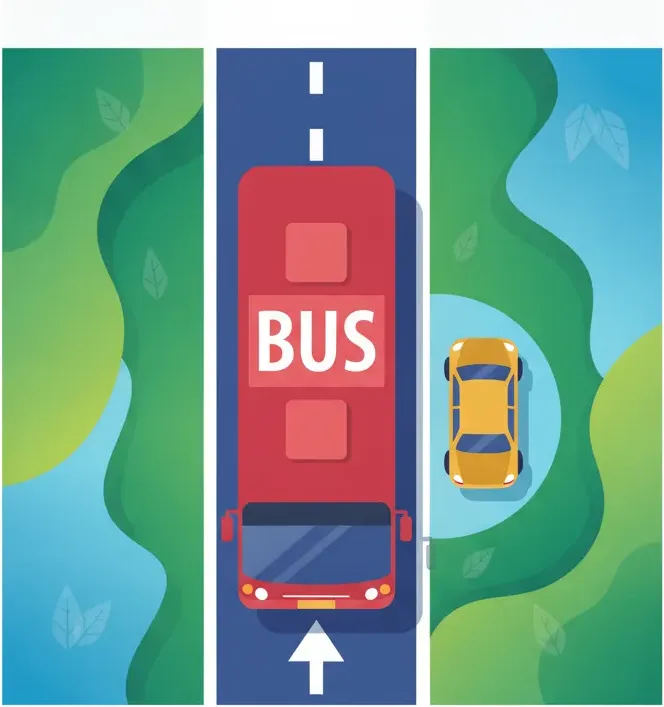
Lesson content overview
Understanding the regulations surrounding dedicated bus lanes and the specific priority rules for buses is a fundamental aspect of professional driving in Germany, particularly for those operating passenger vehicles in categories D1, D1E, D, and DE. These rules are designed to enhance the efficiency of public transport, reduce traffic congestion, and significantly improve safety for all road users, including pedestrians and cyclists.
This comprehensive lesson will delve into the intricacies of bus lane markings, time-based restrictions, and the critical situations where buses are granted preferential right-of-way. Mastering this knowledge is not only crucial for legal compliance but also for contributing to a smoother, safer, and more predictable urban traffic flow.
Dedicated bus lanes, known in German as Bussonderfahrstreifen or simply Busspuren, are specific sections of the roadway reserved for public transport vehicles. Their primary purpose is to ensure that buses and, sometimes, trams or other authorized vehicles, can travel without being delayed by general traffic. This exclusivity helps public transport systems maintain their schedules, making them a reliable and attractive option for commuters.
The core principles governing bus lanes include:
These concepts are vital for professional drivers, as they directly impact route planning, interaction with other road users, and overall passenger safety and schedule adherence.
Identifying and interpreting bus lanes correctly is the first step towards lawful and efficient driving. Bus lanes are clearly delineated on the road surface and complemented by specific traffic signs.
Bus lanes are distinguished by distinct road surface markings. These markings indicate not only the presence of a bus lane but also the conditions under which it can be used.
Traffic signs provide the definitive legal information regarding bus lane usage, especially concerning time restrictions.
This sign, Zeichen 245, specifically designates a Bussonderfahrstreifen (special bus lane). It typically features a bus symbol on a blue background. Accompanying supplementary signs are crucial for understanding the specific rules.
Always pay close attention to both the road surface markings and the accompanying traffic signs. A continuous white line almost always means no entry, while a broken line requires careful verification of time restrictions and permitted vehicles.
Time-based restrictions are a critical element of bus lane management, ensuring public transport efficiency during peak demand while allowing for greater road utility during quieter periods.
Traffic signs clearly indicate when a bus lane is reserved. Examples include:
As a professional passenger vehicle driver, understanding these restrictions is paramount.
One of the most important aspects of interacting with public transport is understanding the priority rules that grant buses the right-of-way in specific situations. These rules are designed to prevent delays for public transport and enhance safety, particularly in busy urban environments.
In Germany, a critical rule dictates that drivers must yield to buses signaling their intent to pull out from a designated bus stop (Bushaltestelle) or layover area (Buswarteplatz) and merge into the flow of traffic.
In German traffic law, buses signaling their intention to pull out from a marked bus stop into the main carriageway have priority over other vehicles traveling in the adjacent lane. Drivers must slow down or stop to allow the bus to merge safely.
How it Works:
When approaching a bus stop, especially if passengers are boarding or alighting, always be ready to react to a bus signaling its departure. A momentary delay for you ensures the smooth flow of public transport.
While bus lanes are generally exclusive, there are specific situations and vehicle types that may be exempt from the standard restrictions. These exceptions are usually clearly indicated by supplementary signage or are defined by law for specific functions.
Emergency vehicles, such as police cars (Polizei), fire trucks (Feuerwehr), and ambulances (Rettungsdienst), are generally permitted to use bus lanes regardless of any time restrictions or markings, provided they are on an urgent mission and using flashing blue lights and/or sirens. This ensures they can reach their destinations quickly and safely, even in heavy traffic.
In some German cities or specific routes, taxis may be explicitly permitted to use bus lanes. This permission is always indicated by a supplementary sign that reads "Taxi" or "Taxen frei" below the main bus lane sign (Zeichen 245). Without such a sign, taxis are considered general traffic and must adhere to all bus lane restrictions.
Certain vehicles involved in the transport of severely disabled persons may, under specific local regulations, be granted temporary or conditional access to bus lanes. This is less common and would always be specified by local authority signs or permits. It is not a general right.
Occasionally, local regulations might authorize other specific vehicle types to use bus lanes, such as electric vehicles (e.g., "Elektrofahrzeuge frei"). Again, this must be explicitly stated on the signage accompanying the bus lane.
Never assume that your vehicle falls under an exception unless it is clearly indicated by specific signage or you are operating an authorized emergency vehicle on an urgent mission. Unauthorized use of a bus lane is a violation.
The rules governing bus lanes and bus priority in Germany are enshrined in the Straßenverkehrs-Ordnung (StVO), the German Road Traffic Regulations. Violations of these rules carry specific legal consequences designed to deter improper use and ensure traffic safety and efficiency.
The strict enforcement of bus lane and priority rules stems from several key objectives:
Professional drivers, by adhering to these regulations, play a crucial role in supporting Germany's public transport infrastructure and ensuring road safety.
Even experienced drivers can sometimes make errors regarding bus lanes and priority rules. Being aware of these common mistakes can help prevent violations and ensure safe driving.
Driving conditions and the immediate environment can influence how bus lane rules and priority situations play out. Professional drivers must be prepared for these variations.
By anticipating these variables, professional drivers can navigate bus lanes and priority situations safely and efficiently, ensuring the well-being of their passengers and other road users.
Navigating Germany's road network as a professional passenger vehicle driver requires a precise understanding of bus lanes (Bussonderfahrstreifen) and priority rules for buses.
Adhering to these rules is not just a legal requirement but a commitment to enhancing road safety and promoting the efficient operation of Germany's public transport system.
This lesson covers the essential regulations for bus lanes and priority rules in Germany, critical for professional passenger vehicle drivers. Bus lanes are identified by road markings (continuous white lines for absolute restriction, broken lines for conditional access) and the Zeichen 245 traffic sign, with time restrictions specified on supplementary signs. A key priority rule (Vorfahrt für Busse) requires all vehicles to yield to buses signaling departure from marked stops. Exceptions exist only for emergency vehicles on urgent missions with activated blue lights, or other vehicles explicitly listed on signage such as taxis with 'Taxen frei' permission. Violations including unauthorized lane entry or failing to yield to buses result in fines and potential license points under StVO regulations.
A short set of high-value points that capture the most important learning from this lesson.
Bus lanes in Germany (Bussonderfahrstreifen) are marked with either a continuous white line (never enter) or a broken white line (conditional entry depending on signage).
The Zeichen 245 sign designates a dedicated bus lane, but always check supplementary signs for specific time restrictions and permitted vehicles.
Drivers must yield to buses signaling to pull out from a marked bus stop (Einfahren von einem Halt), regardless of whether the bus turns right or left.
Time restrictions on bus lanes are legally binding—entering during restricted hours results in fines and potentially points on your license.
Emergency vehicles with activated blue lights and sirens may use bus lanes; private vehicles have no general emergency exception.
Explore all units and lessons included in this driving theory course.
A continuous white line (Durchgezogene Linie) means absolute prohibition—no entry under any non-emergency circumstances.
A broken white line (Unterbrochene Linie) only suggests conditional access; you must always verify time restrictions via accompanying signs.
Zeichen 245 with no time specification means the bus lane is restricted 24/7.
Vorfahrt für Busse applies when a bus at a stop activates its left indicator—other traffic must slow or stop.
Taxi access to bus lanes requires explicit 'Taxen frei' signage; without it, taxis are treated as general traffic.
Entering a bus lane during restricted hours because the driver misread or ignored the supplementary time signs.
Assuming a broken white line automatically permits entry at any time without checking the specific conditions on the signage.
Accelerating or failing to yield when a bus signals to pull out from a stop, forcing the bus to wait unnecessarily.
Using a restricted bus lane as a shortcut to bypass traffic, even for a short distance, during operational hours.
Assuming an emergency vehicle using a bus lane means the lane is open for all vehicles in emergencies.
Lesson content overview
A short set of high-value points that capture the most important learning from this lesson.
Bus lanes in Germany (Bussonderfahrstreifen) are marked with either a continuous white line (never enter) or a broken white line (conditional entry depending on signage).
The Zeichen 245 sign designates a dedicated bus lane, but always check supplementary signs for specific time restrictions and permitted vehicles.
Drivers must yield to buses signaling to pull out from a marked bus stop (Einfahren von einem Halt), regardless of whether the bus turns right or left.
Time restrictions on bus lanes are legally binding—entering during restricted hours results in fines and potentially points on your license.
Emergency vehicles with activated blue lights and sirens may use bus lanes; private vehicles have no general emergency exception.
Explore all units and lessons included in this driving theory course.
A continuous white line (Durchgezogene Linie) means absolute prohibition—no entry under any non-emergency circumstances.
A broken white line (Unterbrochene Linie) only suggests conditional access; you must always verify time restrictions via accompanying signs.
Zeichen 245 with no time specification means the bus lane is restricted 24/7.
Vorfahrt für Busse applies when a bus at a stop activates its left indicator—other traffic must slow or stop.
Taxi access to bus lanes requires explicit 'Taxen frei' signage; without it, taxis are treated as general traffic.
Entering a bus lane during restricted hours because the driver misread or ignored the supplementary time signs.
Assuming a broken white line automatically permits entry at any time without checking the specific conditions on the signage.
Accelerating or failing to yield when a bus signals to pull out from a stop, forcing the bus to wait unnecessarily.
Using a restricted bus lane as a shortcut to bypass traffic, even for a short distance, during operational hours.
Assuming an emergency vehicle using a bus lane means the lane is open for all vehicles in emergencies.
Explore search topics learners often look for when studying Bus Lanes and Priority Rules. These topics reflect common questions about road rules, driving situations, safety guidance, and lesson level theory preparation for learners in Germany.
Browse additional driving theory lessons that cover connected traffic rules, road signs, and common driving situations related to this topic. Improve your understanding of how different rules interact across everyday traffic scenarios.
Understand the specific German traffic regulations (StVO) concerning bus priority rules and dedicated bus lanes. This lesson clarifies how to interpret road markings and traffic signals to legally navigate urban environments and ensure smooth public transport flow.
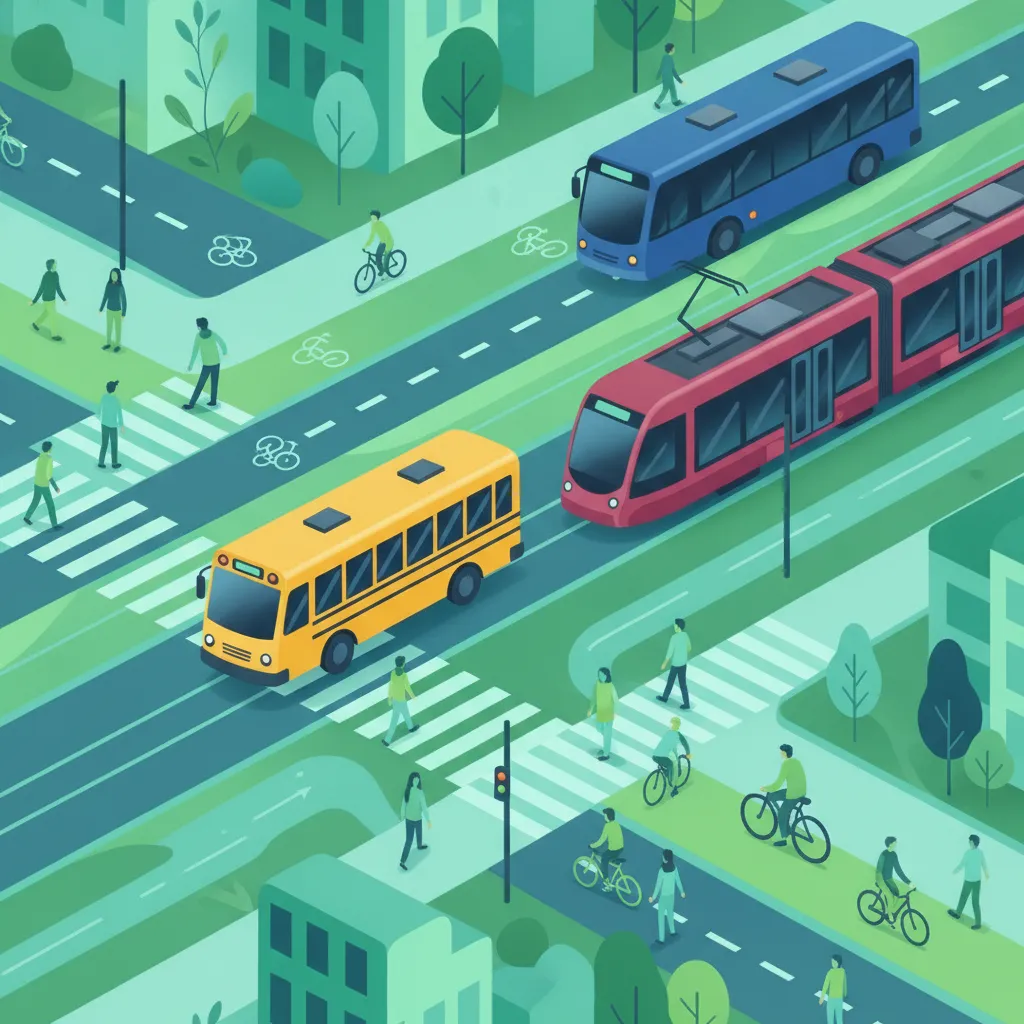
This lesson explains the specific regulations when encountering public transport. It covers the legal requirement to yield to public buses signaling to leave a bus stop and the strict rules for passing school buses with flashing hazard lights. You will also learn about the absolute priority of trams ('Straßenbahn') and how to safely drive on or across their tracks.
This lesson details the critical right-of-way regulations according to the German StVO. It covers the default 'right before left' rule, the meaning of priority road signs, and specific rules for roundabouts and yielding to pedestrians. A thorough understanding of these priority rules is fundamental for preventing accidents at junctions.
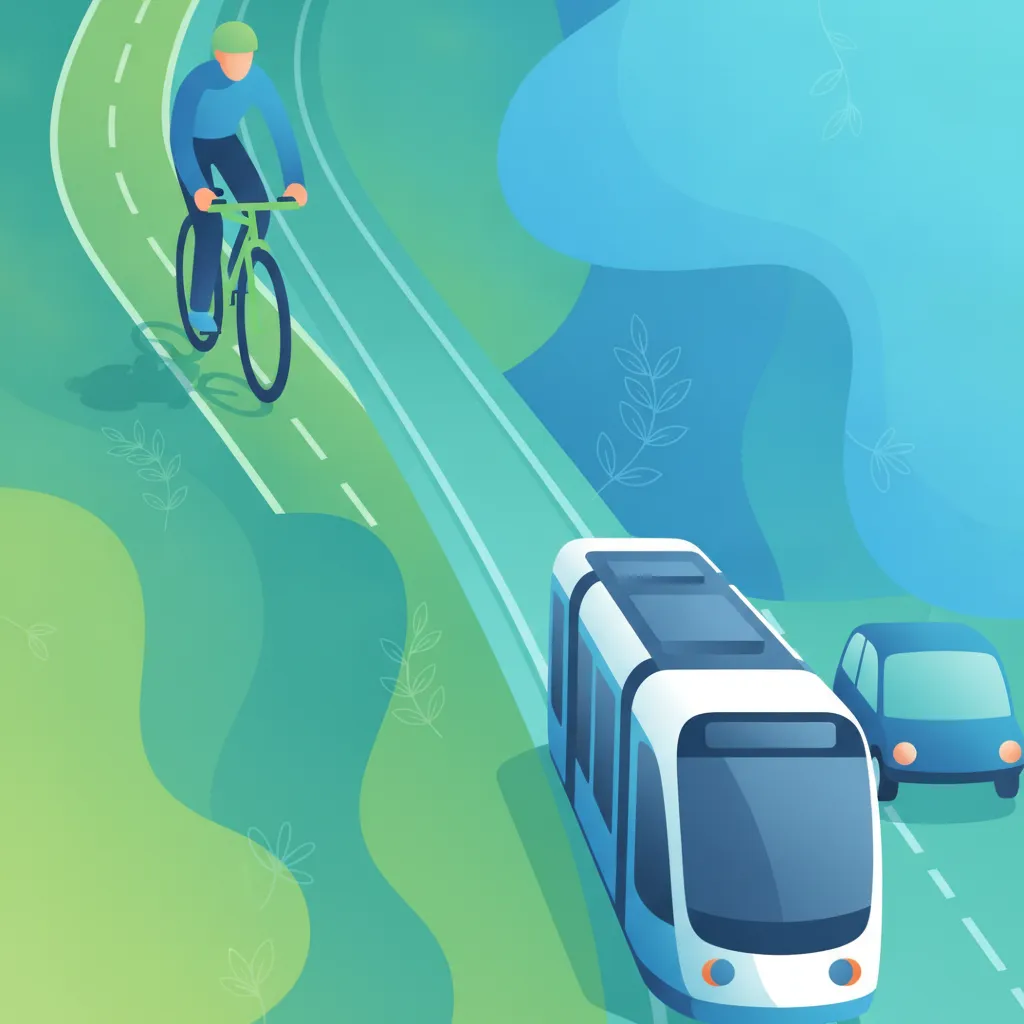
This lesson focuses on complex traffic environments where different types of road users share the same space. It provides guidance on situations like driving on streets with integrated tram tracks or where bus and bicycle lanes are part of the roadway. The content emphasizes understanding the specific priority rules and being extra vigilant to anticipate potential conflicts in these busy, shared zones.
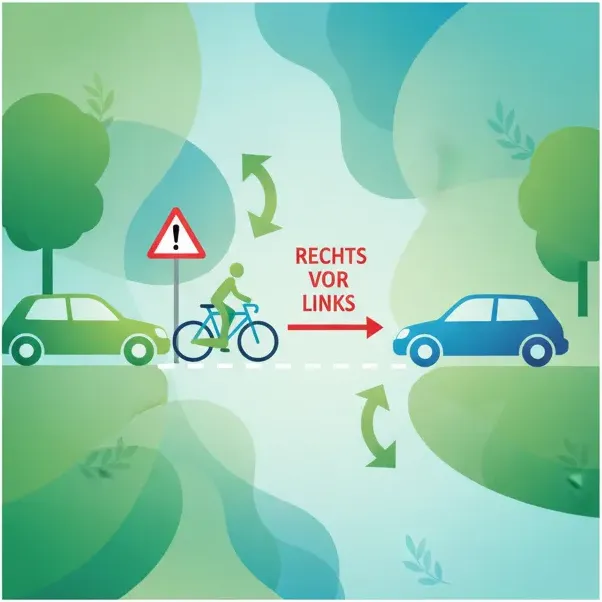
This lesson provides a detailed guide to navigating various types of intersections safely and correctly. It explains how priority is determined by traffic signs (such as the priority road, yield, and stop signs) and traffic lights. The lesson also covers complex scenarios, including the rules for turning left across oncoming traffic, to ensure you can handle any junction with confidence.
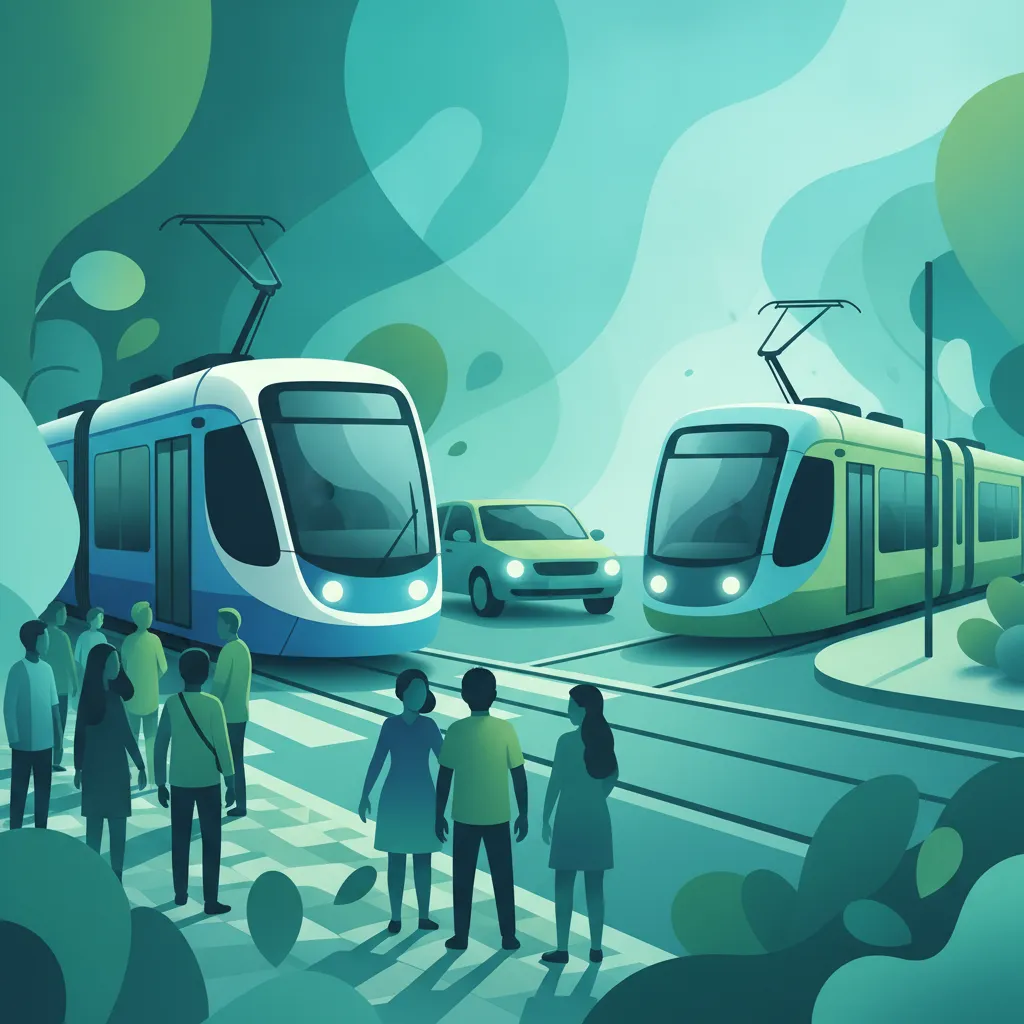
This lesson focuses on the unique challenges and safety protocols required when operating alongside trams and light rail systems. It clarifies the strict right-of-way rules that typically favor trams and explains how to safely navigate shared roadways and cross tracks. Learners will be taught to recognize specific signals and markings related to tramways to prevent conflicts and ensure the safety of all road users.

This lesson provides an overview of the various types of bus stops, such as scheduled, request, and marked station stops. It explains the legal regulations governing stopping procedures, including how to interpret official signage and the importance of adhering to the route timetable. Learners will understand their obligations and the correct procedures for each type of stop to ensure legal compliance and efficient service.
This lesson familiarizes drivers with the various special traffic signals and signs that apply exclusively to buses and other public transport vehicles. It covers the interpretation of bus-only signals (often showing bars or letters), flashing priority indicators, and lane-use control signs. Correctly understanding these signals is crucial for legal compliance and for taking advantage of public transport priority measures in urban areas.
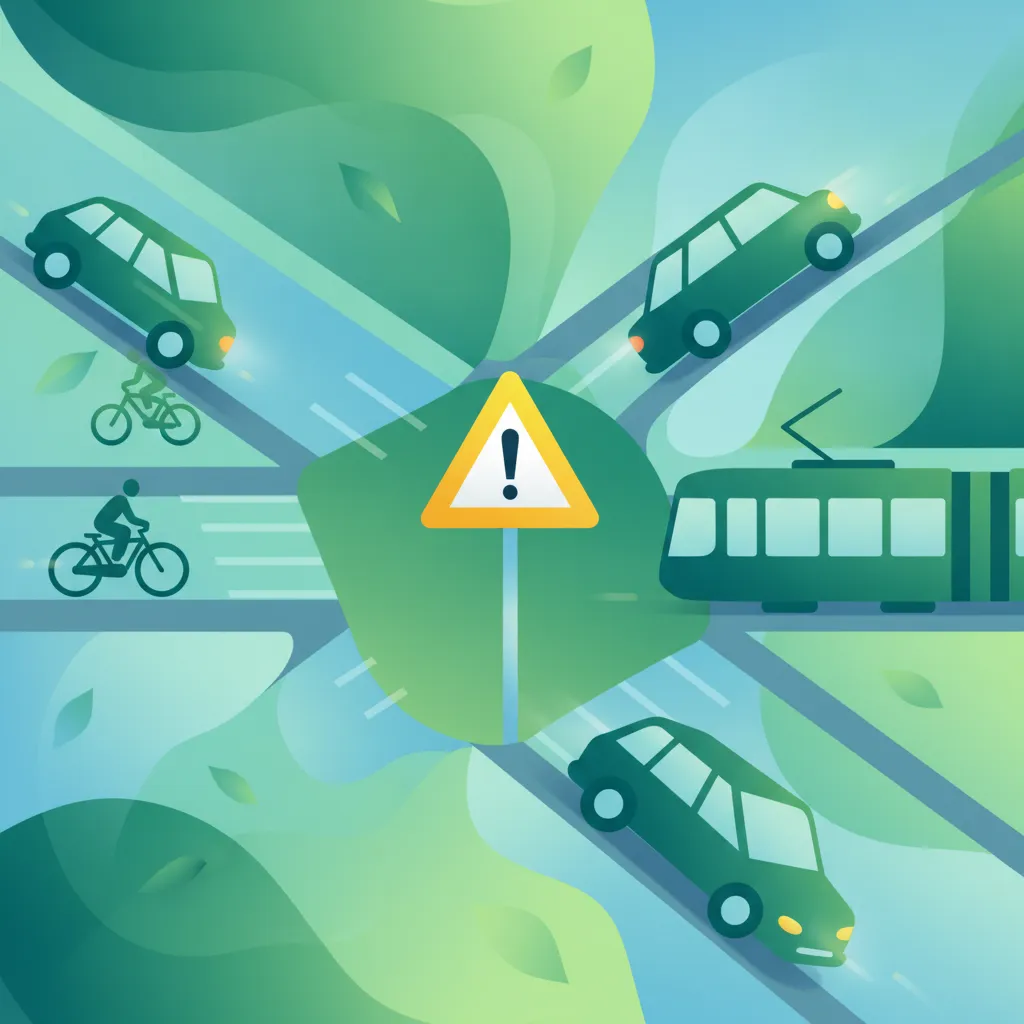
This lesson explains the concept of a priority road ('Vorfahrtstraße'), where you have right-of-way over traffic from intersecting roads. You will learn to recognize the signs that mark the beginning and end of a priority road. The lesson also covers how priority is managed through signals, including standard traffic lights, the special 'Grünpfeil' (green arrow) sign, and the overriding authority of a police officer directing traffic.

This lesson covers the essential behavioral rules mandated by the German Road Traffic Act (StVO) that form the foundation of safe driving. Key principles discussed include the mandatory rule to drive on the right side of the road, maintaining a safe following distance, and adapting speed to conditions. It also explains the regulations for overtaking, merging, and parking to ensure smooth and safe traffic flow.
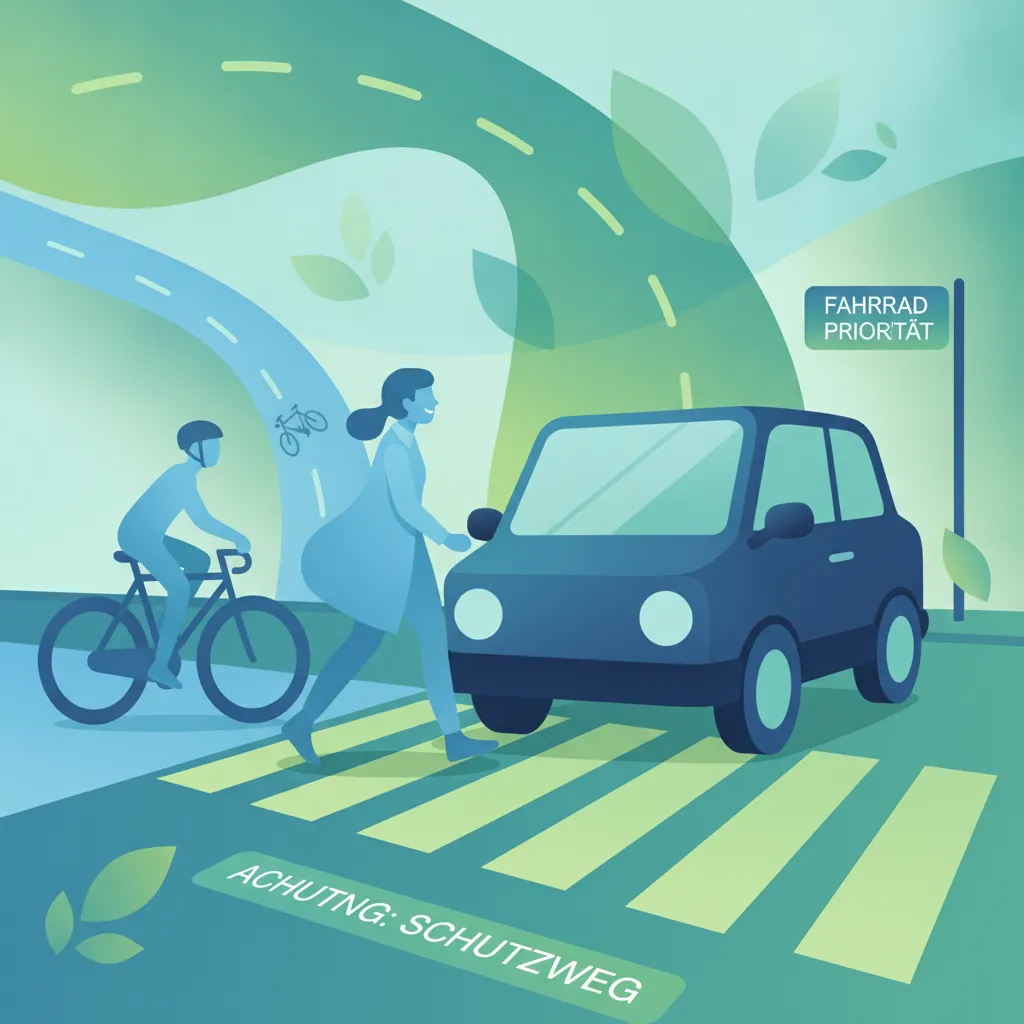
This lesson provides specific guidance on how to safely share the road with pedestrians and cyclists, who are among the most vulnerable road users. It covers the rules of conduct at zebra crossings, traffic lights for pedestrians, and designated cycle lanes. The content emphasizes the importance of vigilance, yielding right-of-way, and maintaining a safe distance to prevent accidents in urban and rural environments.
Explore the intricate details of bus lane markings and time-based restrictions as applied in Germany. This lesson provides in-depth understanding for professional drivers on how to legally use or avoid these lanes, ensuring compliance with traffic laws and efficient route management.
This lesson familiarizes drivers with the various special traffic signals and signs that apply exclusively to buses and other public transport vehicles. It covers the interpretation of bus-only signals (often showing bars or letters), flashing priority indicators, and lane-use control signs. Correctly understanding these signals is crucial for legal compliance and for taking advantage of public transport priority measures in urban areas.
This lesson focuses on complex traffic environments where different types of road users share the same space. It provides guidance on situations like driving on streets with integrated tram tracks or where bus and bicycle lanes are part of the roadway. The content emphasizes understanding the specific priority rules and being extra vigilant to anticipate potential conflicts in these busy, shared zones.
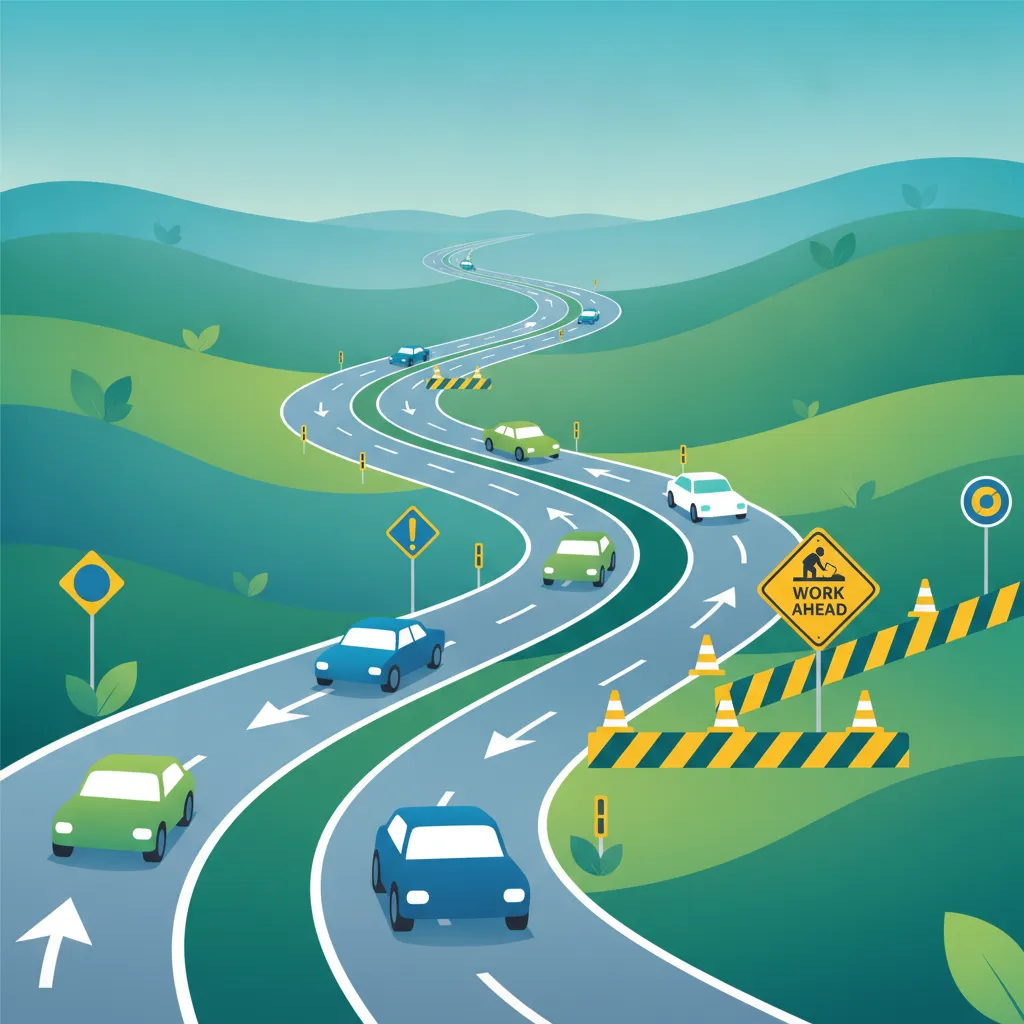
This lesson focuses on interpreting various road markings, from lane lines and directional arrows to stop lines and pedestrian crossings. It explains the rules associated with solid versus broken lines and how to navigate temporary markings found in construction zones. Correctly reading these markings is vital for proper lane discipline and safety.
This lesson provides an overview of the various types of bus stops, such as scheduled, request, and marked station stops. It explains the legal regulations governing stopping procedures, including how to interpret official signage and the importance of adhering to the route timetable. Learners will understand their obligations and the correct procedures for each type of stop to ensure legal compliance and efficient service.
This lesson explains the specific regulations when encountering public transport. It covers the legal requirement to yield to public buses signaling to leave a bus stop and the strict rules for passing school buses with flashing hazard lights. You will also learn about the absolute priority of trams ('Straßenbahn') and how to safely drive on or across their tracks.

This lesson explains the various types of road markings and their significance for guiding traffic and ensuring safety. It covers the difference between solid and broken lines for lane separation and overtaking rules, the function of stop lines at intersections, and the markings for pedestrian crosswalks. You will also learn to interpret directional arrows, bicycle lane markings, and other symbols painted on the road.
This lesson focuses on the unique challenges and safety protocols required when operating alongside trams and light rail systems. It clarifies the strict right-of-way rules that typically favor trams and explains how to safely navigate shared roadways and cross tracks. Learners will be taught to recognize specific signals and markings related to tramways to prevent conflicts and ensure the safety of all road users.
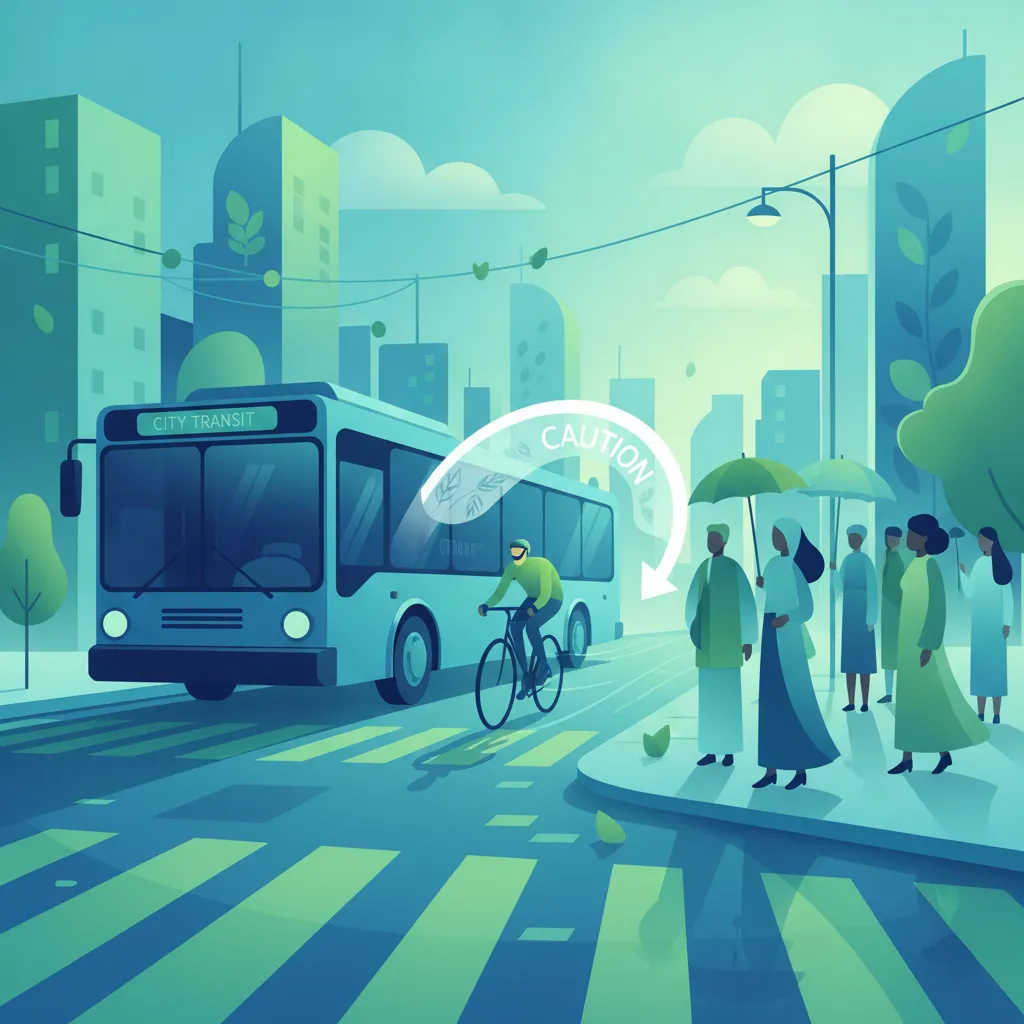
This lesson focuses on the critical moments of interaction with pedestrians and cyclists near bus stops, a common location for accidents. It reinforces the importance of reducing speed, yielding right-of-way, and constantly monitoring blind spots during the stopping process. Learners will practice techniques like making eye contact and using signals to communicate intentions, creating a safer environment for everyone around the vehicle.

This lesson provides instruction on the rules and best practices for operating a large passenger vehicle on the Autobahn. It covers the principles of strict lane discipline, regulations for minimum speed, and correct procedures for overtaking and merging. The importance of maintaining significantly increased following distances at high speeds and planning for exits well in advance is a key focus.
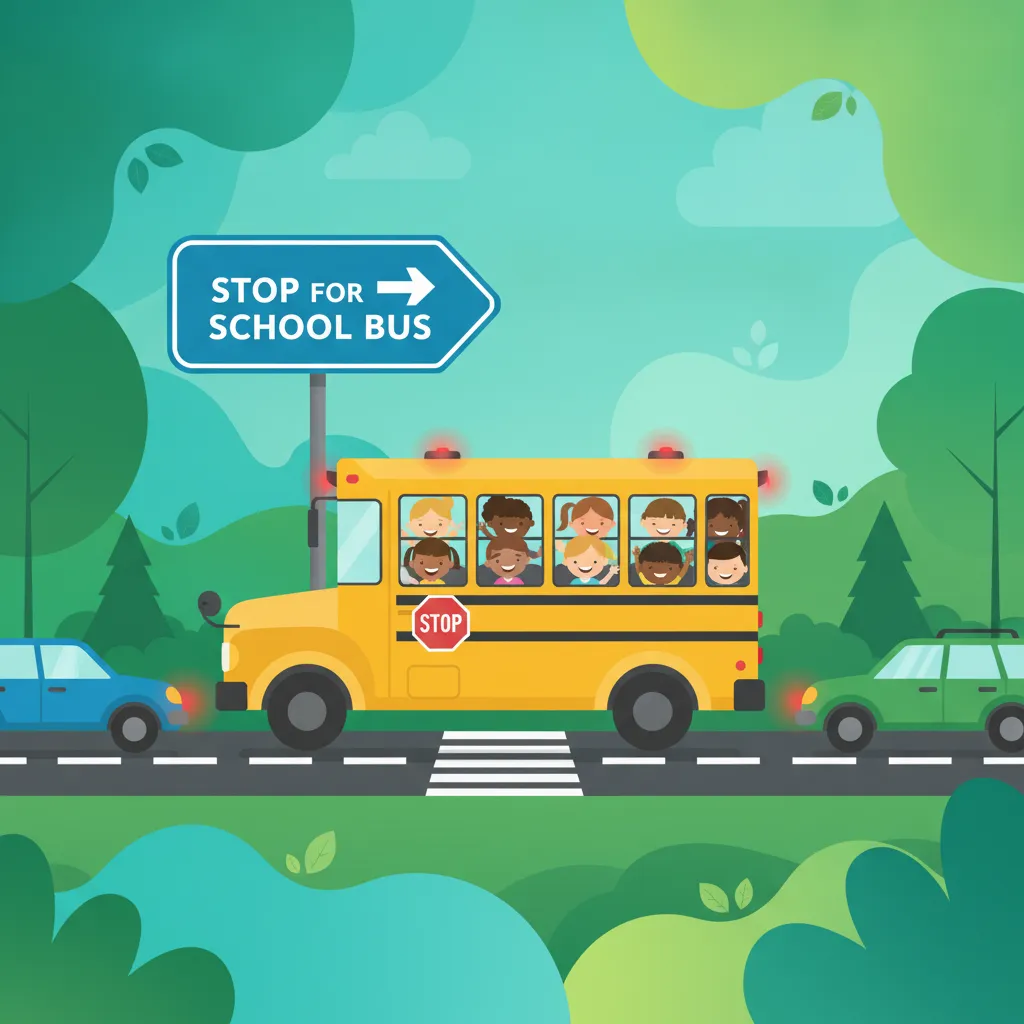
This lesson details the specific legal obligations and safety protocols required for transporting schoolchildren. It covers the correct procedures for pick-up and drop-off, the use of warning lights, and the importance of supervised boarding and alighting. The lesson also explains how to interact with school crossing guards and navigate school zones safely to ensure the highest level of protection for children.
Find clear answers to common questions learners have about Bus Lanes and Priority Rules. Learn how the lesson is structured, which driving theory objectives it supports, and how it fits into the overall learning path of units and curriculum progression in Germany. These explanations help you understand key concepts, lesson flow, and exam focused study goals.
Not necessarily. You may only use a bus lane if it is specifically designated for buses or if a supplementary sign explicitly includes your vehicle type. Always check for time-based restrictions indicated on signs.
In Germany, other road users must facilitate the departure of a bus from a marked stop when it indicates its intention to pull out. However, as the bus driver, you must still ensure it is safe to proceed and cannot force your way into traffic if it presents a danger.
Bus lanes are typically marked with a continuous white line and the word BUS painted on the road surface. Specific signs identify the start and end of these lanes and indicate which vehicles are permitted to use them.
Not always. While some bus lanes allow taxis or bicycles, this must be explicitly indicated by additional signs beneath the bus lane sign. Never assume you can share the lane with other vehicles unless permitted by signage.
Begin your targeted revision now. Use our practice search to quickly find specific German driving theory questions. Filter by StVO rules, road signs, or hazard perception to create your focused study plan. Master challenging areas and prepare confidently for your theoretical driving test.