
This lesson guides you through the complex right-of-way requirements when operating heavy vehicles near vulnerable road users in urban settings. Understanding these rules is critical for ensuring safety and achieving success in your German C1, C1E, C, and CE theory examination.
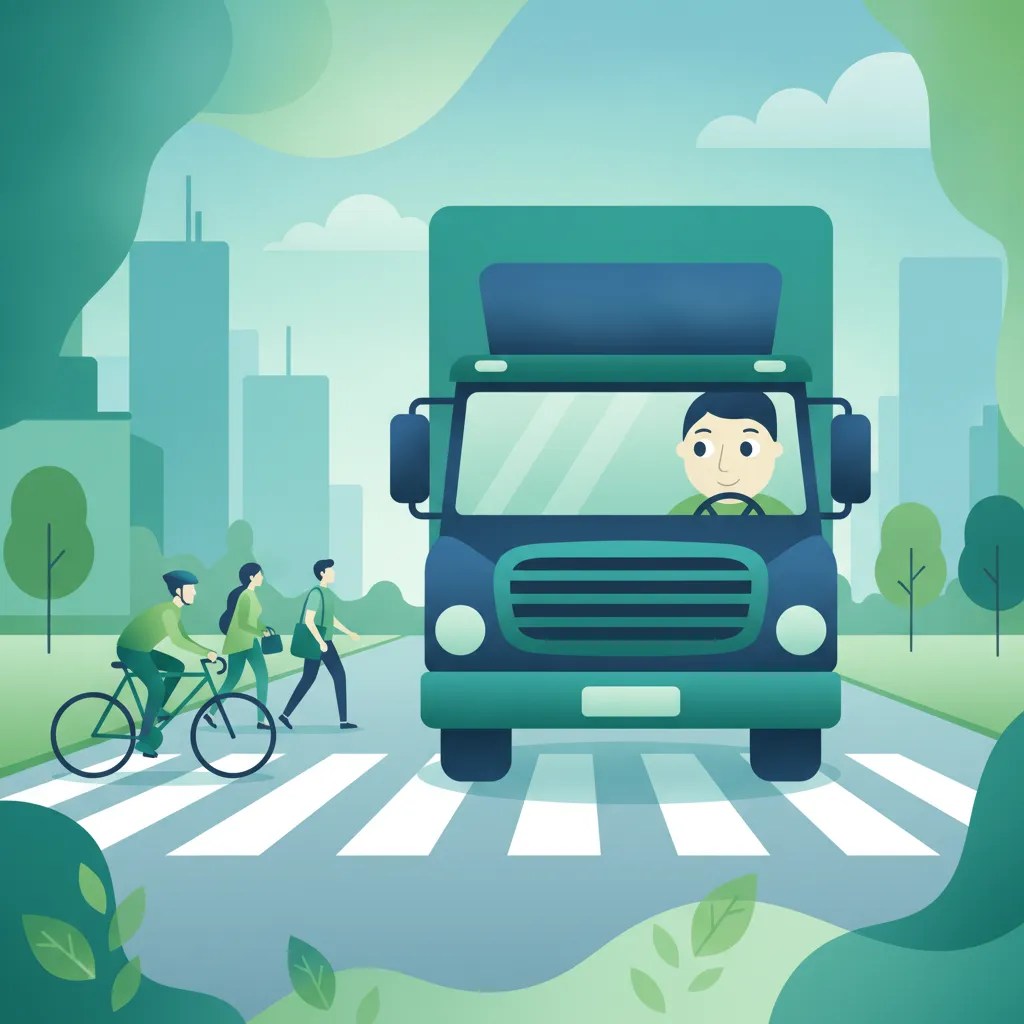
Lesson content overview
Driving heavy vehicles, such as those covered by the German Heavy Vehicle Driving License Theory for categories C1, C1E, C, and CE, demands a heightened awareness of surrounding traffic, especially when interacting with vulnerable road users. This lesson delves into the specific right-of-way rules that truck drivers must meticulously follow to ensure the safety of pedestrians and cyclists, particularly in complex urban environments and at various types of crossings. Understanding and rigorously applying these rules is not merely a legal requirement but a fundamental aspect of professional and responsible heavy vehicle operation.
Vulnerable road users (VRUs) are defined as pedestrians, cyclists, and motorcyclists, who lack the physical protection offered by a vehicle's chassis. Their relative fragility means that any collision, especially with a heavy vehicle, carries a significantly higher risk of severe injury or fatality. Consequently, traffic regulations, particularly in Germany, place a strong emphasis on protecting these users by granting them priority in many scenarios.
For heavy vehicle drivers, this prioritization translates into specific obligations to yield, maintain safe distances, and exercise extreme caution. The sheer size, weight, and operational characteristics of trucks mean they require more space and time to react and stop, making proactive measures essential to prevent accidents involving VRUs. Adhering to these principles is crucial for accident prevention and maintaining public safety.
Operating a heavy vehicle presents distinct challenges that drivers must actively manage, particularly when sharing the road with pedestrians and cyclists. These challenges fundamentally influence how right-of-way rules must be interpreted and applied.
One of the most critical differences between heavy vehicles and passenger cars is their stopping distance. Due to their immense mass and momentum, trucks, especially when fully loaded, require significantly longer distances to come to a complete stop. This inherent characteristic means that a heavy vehicle driver must anticipate potential hazards much earlier than a driver of a lighter vehicle.
When approaching intersections, pedestrian crossings, or areas where cyclists might be present, truck drivers must adjust their speed well in advance. Late braking is not an option, as it dramatically increases the risk of a collision. This requirement underscores the need for a proactive and defensive driving style, always allowing for ample braking room.
Heavy vehicles are inherently designed with multiple blind spots, which are areas around the truck that are not directly visible to the driver through mirrors or windows. These blind spots can effectively conceal smaller road users like cyclists and pedestrians, making their detection particularly challenging. The areas directly in front of the cab, along the sides, and immediately behind the vehicle are notorious blind spots.
Drivers must be acutely aware of these danger zones and take proactive steps to mitigate the risk. This includes regular and diligent mirror checks, especially before turning or changing lanes, and physically turning the head to get a direct view if possible. Advanced truck designs may include additional mirrors or camera systems to help, but driver vigilance remains paramount.
When turning right, cyclists attempting to proceed straight often fall into the truck's right-side blind spot. Always check your right-hand mirrors meticulously and be prepared to yield.
German traffic law (StVO – Straßenverkehrs-Ordnung) provides specific regulations designed to protect vulnerable road users. Heavy vehicle drivers must be intimately familiar with these rules to ensure safe operation.
Zebra crossings, or Fußgängerüberwege, are clearly marked pedestrian crossings indicated by broad white stripes on the road. At these crossings, pedestrians have absolute priority.
A marked pedestrian crossing with white stripes where pedestrians have absolute right-of-way.
Rule: A heavy vehicle must stop completely before a zebra crossing if pedestrians are waiting to cross or are already on the crossing. The vehicle must stop far enough back to allow pedestrians a clear view of other traffic. This means stopping at least one vehicle length or ensuring no part of the vehicle obstructs the crossing itself.
Failure to yield at a zebra crossing is a serious offense that can lead to significant penalties, including fines and points on the driver's license, in addition to the inherent danger it poses to pedestrians.
In many urban areas, particularly city centers, specific zones are designated as pedestrian zones. In these areas, vehicle traffic is often restricted or permitted only under specific conditions, and pedestrians generally have priority. When heavy vehicles are permitted, such as for deliveries, they must operate at a walking pace (Schrittgeschwindigkeit) and be prepared to stop at any moment.
Similarly, shared spaces (Begegnungszonen) are designed to integrate all road users, where vehicles are expected to operate cautiously and yield to pedestrians and cyclists. In these environments, the default assumption is that vulnerable users have precedence, and heavy vehicles must adapt their speed and driving behavior accordingly.
Intersections where bike paths (Radwege) cross a road can be particularly hazardous for heavy vehicles. The right-of-way at these crossings is often regulated by traffic signs, but even without explicit signage, drivers must exercise extreme caution.
A designated lane or separate path specifically for cyclists, often crossing roads at intersections.
Rule: If a bike path crosses a road and the cyclist has priority (e.g., due to a Vorfahrt gewähren sign for the road traffic or due to the 'right before left' rule if unmarked), heavy vehicles must yield. Even when the heavy vehicle technically has priority, it is a best practice to ensure the cyclist has seen the truck and is not proceeding, given the potential for severe consequences in a collision. Pay close attention to cyclists approaching from your right, especially when making a right turn.
Cyclists can sometimes appear quickly and silently. Always assume a cyclist might be present, especially when turning, and double-check your blind spots.
Traffic signs play a crucial role in regulating right-of-way. Heavy vehicle drivers must have an immediate and accurate understanding of these signs to navigate intersections and crossings safely.
The Vorfahrt gewähren (Yield) sign (StVO sign 205) is a triangular sign with a red border and white interior, pointing downwards. It indicates that drivers must yield the right-of-way to traffic on the intersecting road. This includes yielding to vulnerable road users who might be using that intersecting road or crossing. When encountering this sign, heavy vehicle drivers must be prepared to slow down significantly or stop completely, ensuring the path is clear before proceeding.
The Halt! Vorfahrt gewähren (Stop! Yield right-of-way) sign (StVO sign 206) is an octagonal red sign with white lettering. This sign is more stringent than a yield sign, requiring all vehicles to come to a complete stop before the stop line. Only after a full stop and ensuring the way is clear can the driver proceed. This rule applies equally to heavy vehicles and includes yielding to any vulnerable road users already in or approaching the intersection or crossing. An "All-Way Stop" scenario means that all directions must stop, and the general rule is to yield to the first vehicle to arrive or those already in the intersection.
The weight of the cargo significantly affects a heavy vehicle's braking capability. This is a critical factor that must always be considered when interacting with vulnerable road users.
A fully loaded truck carries an enormous amount of kinetic energy. The heavier the load, the longer it takes to dissipate this energy through braking, resulting in considerably extended stopping distances. Ignoring this fact is a common cause of serious accidents involving vulnerable road users.
Implication: Heavy vehicle drivers must continuously factor in their current load when assessing braking needs. This means maintaining even greater following distances, approaching crossings at reduced speeds, and initiating braking much earlier than they would with an empty vehicle or a passenger car. Understanding the principles of braking systems and load securing (as covered in Lesson 5) is essential for anticipating these effects.
Even with advanced braking systems, the laws of physics dictate that greater mass requires more force and distance to stop. Never underestimate the impact of your load.
German traffic law places stringent requirements on heavy vehicle drivers regarding VRU safety. Non-compliance can lead to severe legal consequences and, more importantly, tragic accidents.
Heavy vehicles are legally obligated to yield in scenarios such as:
Vorfahrt gewähren (Yield) or Halt! Vorfahrt gewähren (Stop) sign dictates yielding to crossing traffic, which includes pedestrians and cyclists.Failing to yield to vulnerable road users is considered a serious traffic offense in Germany. Penalties can range from substantial fines and points on the driver's license to temporary or permanent driving bans, depending on the severity of the violation and whether an accident occurred. In cases of injury or fatality, criminal charges may also apply. Beyond legal ramifications, such incidents can cause significant emotional and professional distress for the driver.
Safe driving practices around vulnerable road users are not static; they must adapt to various environmental and situational factors.
Adverse weather conditions significantly increase the risk of incidents involving VRUs. Rain, fog, snow, or icy conditions reduce visibility for both the driver and VRUs, and they also increase stopping distances.
Implication: In poor weather, heavy vehicle drivers must further reduce their speed, increase safety margins, and be even more vigilant in checking for pedestrians and cyclists. Wet roads drastically extend braking distances for heavy vehicles.
The type of road and environment plays a crucial role. In residential areas and urban centers, pedestrians and cyclists are far more prevalent and may appear unexpectedly from driveways, parked cars, or side streets. These areas demand constant readiness to react. On the other hand, on rural roads, while VRUs may be less common, they are often less visible, especially at night or on unlit roads.
A unique challenge occurs when cyclists overtake a heavy vehicle, especially on the right, or when a truck intends to turn right where a cyclist is also proceeding. Drivers must constantly check mirrors and blind spots to be aware of cyclists' positions. If a cyclist is passing the truck, the driver must ensure sufficient lateral distance and only proceed with maneuvers when it is safe to do so.
The ultimate responsibility for preventing accidents involving vulnerable road users largely rests with the heavy vehicle driver. Given the disparity in protection and mass, the driver of the truck must adopt a highly proactive and defensive driving mindset.
As a professional driver holding a German heavy vehicle driving license (C1, C1E, C, CE), you carry a heightened legal and moral responsibility. This involves:
Applying these principles ensures not only legal compliance but also contributes to safer roads for everyone.
For a deeper understanding of general right-of-way rules and vehicle dynamics, consider reviewing related lessons. Practicing specific scenarios will help reinforce these critical safety principles.
This lesson covers the critical right-of-way obligations for heavy vehicle drivers (C1, C1E, C, CE) when sharing roads with vulnerable road users in Germany. Key topics include the absolute priority pedestrians have at zebra crossings, the significant blind spot dangers around trucks particularly when turning right, and how vehicle load directly impacts braking performance. German traffic law (StVO) requires heavy vehicles to yield at designated crossings, maintain walking pace in pedestrian zones, and exercise extreme caution at cyclist crossings (Radwege). The lesson emphasizes that heavy vehicle drivers carry heightened legal and moral responsibility due to the potential severity of collisions with unprotected road users, making a proactive and defensive driving mindset essential for both exam success and real-world safety.
A short set of high-value points that capture the most important learning from this lesson.
Heavy vehicle drivers must yield to pedestrians at zebra crossings (Fußgängerüberwege) and operate at walking pace (Schrittgeschwindigkeit) in pedestrian zones
Blind spots around trucks are critical danger zones where cyclists and pedestrians can be completely hidden, especially during right turns
Stopping distance increases significantly with vehicle mass and load, requiring earlier braking and greater following distances
Traffic signs Vorfahrt gewähren (Sign 205) and Halt! Vorfahrt gewähren (Sign 206) mandate specific yielding and stopping behaviors that include vulnerable road users
The driver of a heavy vehicle bears heightened responsibility for accident prevention due to the disparity in mass and protection compared to VRUs
Explore all units and lessons included in this driving theory course.
Pedestrians have absolute priority at zebra crossings and must never be obstructed by a truck's position
When turning right, cyclists proceeding straight often fall into the truck's right-side blind spot and must be actively checked for
Yield signs require slowing or stopping to give priority to all intersecting traffic, including cyclists on Radwege
Weather conditions and vehicle load both dramatically increase stopping distance beyond normal calculations
In shared spaces (Begegnungszonen) and pedestrian zones, the default assumption is that vulnerable users have precedence
Assuming a cyclist has seen the truck and will yield, rather than proactively ensuring the path is clear before turning
Stopping too close to a zebra crossing, obstructing the pedestrian's view of other traffic instead of yielding from a safe distance
Failing to check mirrors and blind spots repeatedly before turning, especially the right side where cyclists commonly travel
Underestimating braking distance when the vehicle is fully loaded, leading to late braking at crossings
Misjudging cyclist speed and assuming they will wait, when they may be proceeding with priority
Lesson content overview
A short set of high-value points that capture the most important learning from this lesson.
Heavy vehicle drivers must yield to pedestrians at zebra crossings (Fußgängerüberwege) and operate at walking pace (Schrittgeschwindigkeit) in pedestrian zones
Blind spots around trucks are critical danger zones where cyclists and pedestrians can be completely hidden, especially during right turns
Stopping distance increases significantly with vehicle mass and load, requiring earlier braking and greater following distances
Traffic signs Vorfahrt gewähren (Sign 205) and Halt! Vorfahrt gewähren (Sign 206) mandate specific yielding and stopping behaviors that include vulnerable road users
The driver of a heavy vehicle bears heightened responsibility for accident prevention due to the disparity in mass and protection compared to VRUs
Explore all units and lessons included in this driving theory course.
Pedestrians have absolute priority at zebra crossings and must never be obstructed by a truck's position
When turning right, cyclists proceeding straight often fall into the truck's right-side blind spot and must be actively checked for
Yield signs require slowing or stopping to give priority to all intersecting traffic, including cyclists on Radwege
Weather conditions and vehicle load both dramatically increase stopping distance beyond normal calculations
In shared spaces (Begegnungszonen) and pedestrian zones, the default assumption is that vulnerable users have precedence
Assuming a cyclist has seen the truck and will yield, rather than proactively ensuring the path is clear before turning
Stopping too close to a zebra crossing, obstructing the pedestrian's view of other traffic instead of yielding from a safe distance
Failing to check mirrors and blind spots repeatedly before turning, especially the right side where cyclists commonly travel
Underestimating braking distance when the vehicle is fully loaded, leading to late braking at crossings
Misjudging cyclist speed and assuming they will wait, when they may be proceeding with priority
Explore search topics learners often look for when studying Right-of-Way Rules for Trucks and Cyclists/Pedestrians. These topics reflect common questions about road rules, driving situations, safety guidance, and lesson level theory preparation for learners in Germany.
Browse additional driving theory lessons that cover connected traffic rules, road signs, and common driving situations related to this topic. Improve your understanding of how different rules interact across everyday traffic scenarios.
Explore more complex right-of-way scenarios involving heavy vehicles, cyclists, and pedestrians in German urban and rural traffic. Understand specific legal interpretations and safe interaction strategies beyond basic rules for C1, C1E, C, CE licence categories.
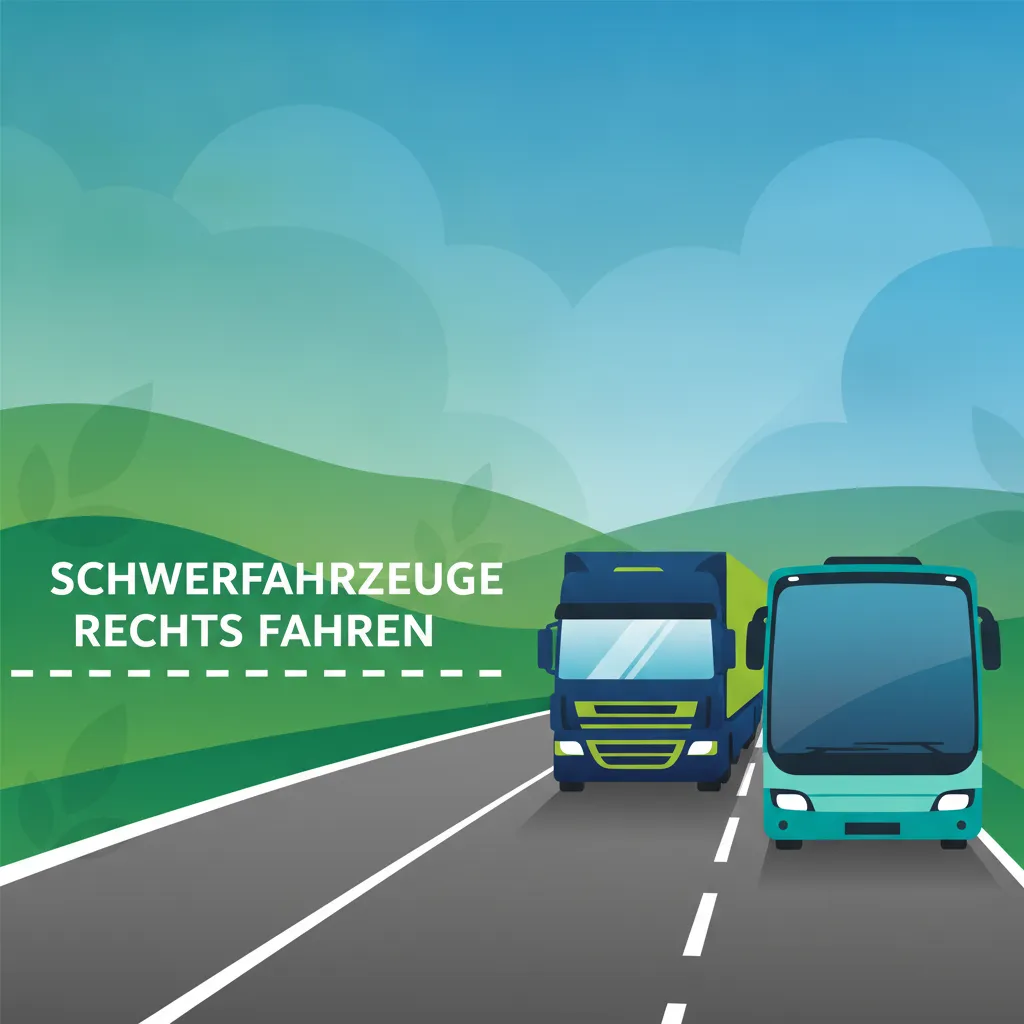
This lesson explains the specific regulations for operating heavy vehicles on Autobahnen, including speed limits, lane discipline, and overtaking rules. It discusses the use of dedicated truck lanes and the importance of maintaining appropriate following distances. The content also covers procedures for merging and exiting high-speed roads safely.
This lesson covers the dimensional limits for heavy vehicles, focusing on height, width, and length restrictions. It explains how to interpret clearance signage for bridges, tunnels, and overhead obstacles, and discusses the implications for route planning. The content also addresses the importance of understanding turning radii and swept paths to avoid collisions.
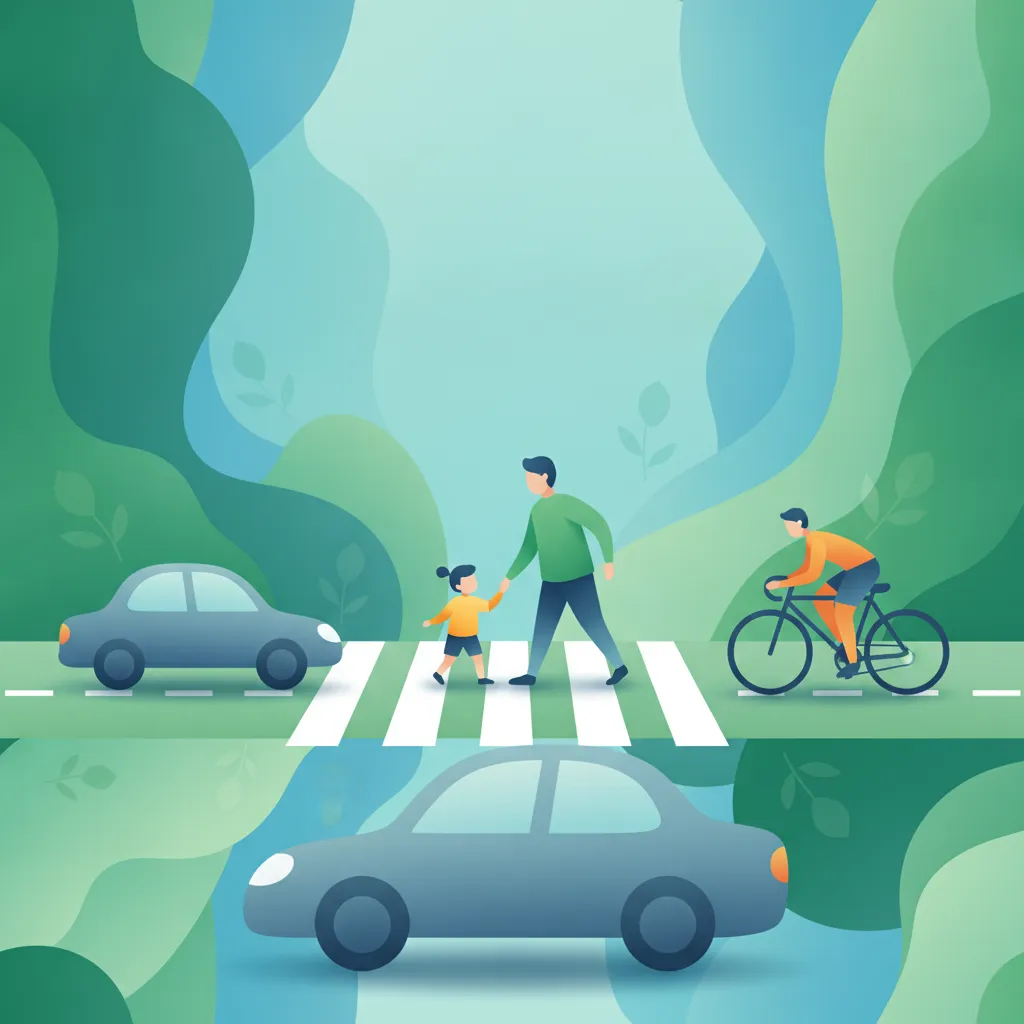
This lesson focuses on the interaction between heavy vehicles and vulnerable road users at crossings, particularly when turning right. It covers the need for heightened vigilance, the importance of properly using mirrors, and correct signaling to alert others. The content highlights legal responsibilities and safe distance requirements to prevent accidents.
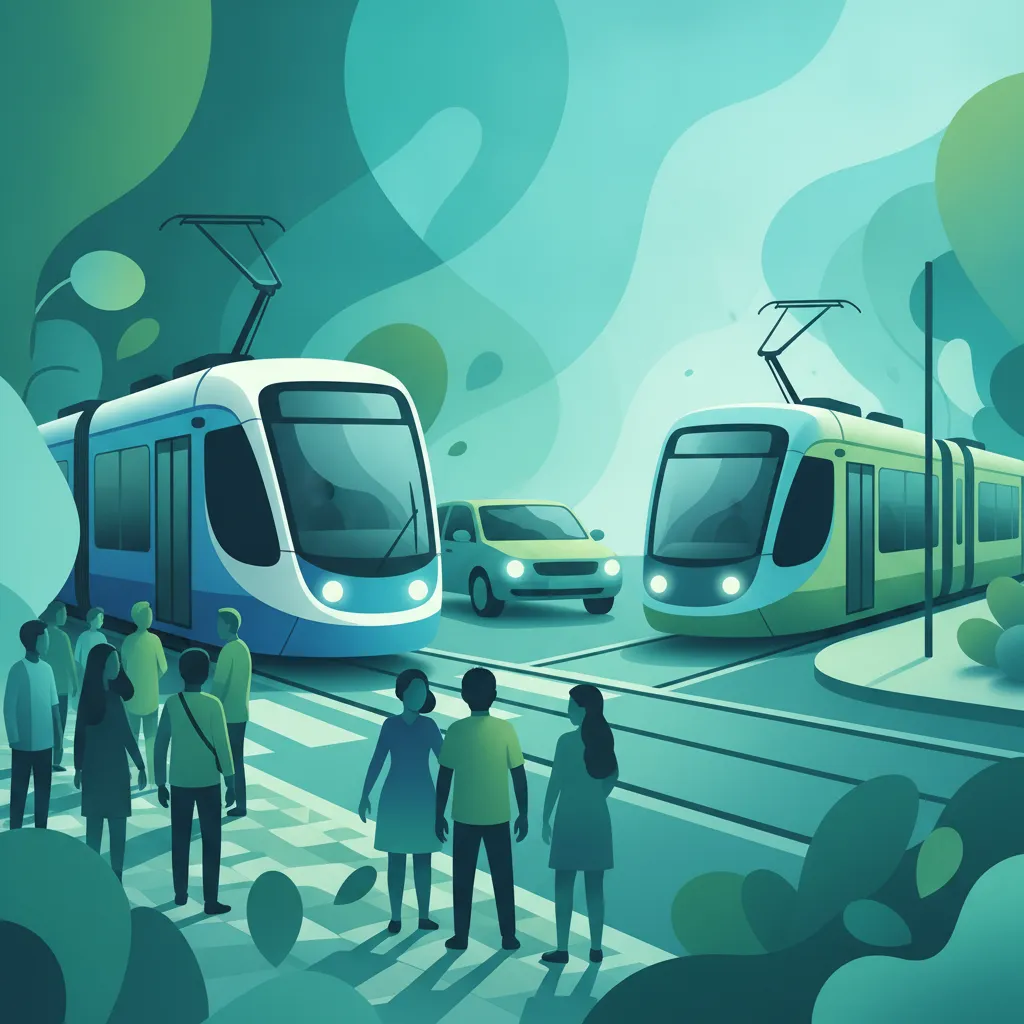
This lesson focuses on the unique challenges and safety protocols required when operating alongside trams and light rail systems. It clarifies the strict right-of-way rules that typically favor trams and explains how to safely navigate shared roadways and cross tracks. Learners will be taught to recognize specific signals and markings related to tramways to prevent conflicts and ensure the safety of all road users.
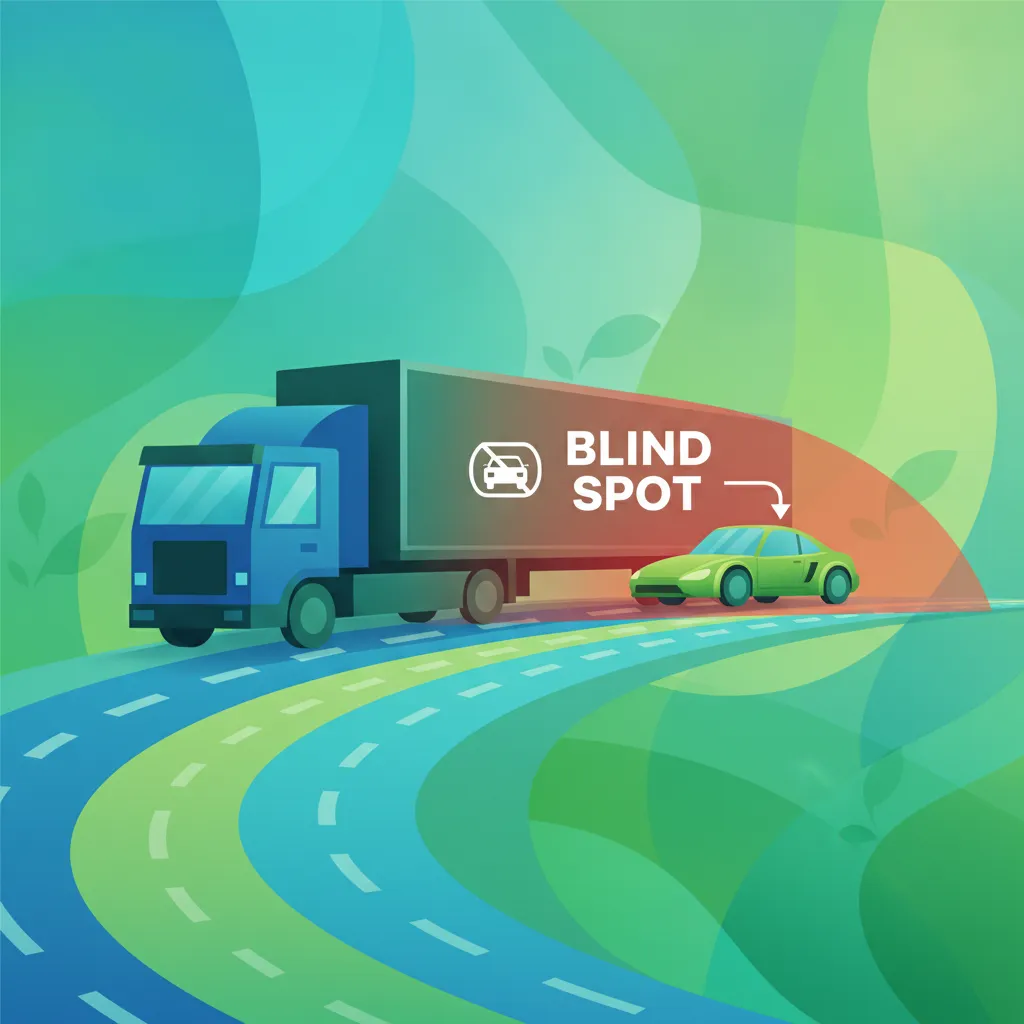
This lesson focuses on the blind spot zones specific to trucks and vehicle combinations, explaining where these zones are located. It covers the use of blind spot mirrors and other aids to enhance driver awareness during lane changes and turns. The content stresses the importance of maintaining safe distances from vulnerable road users.
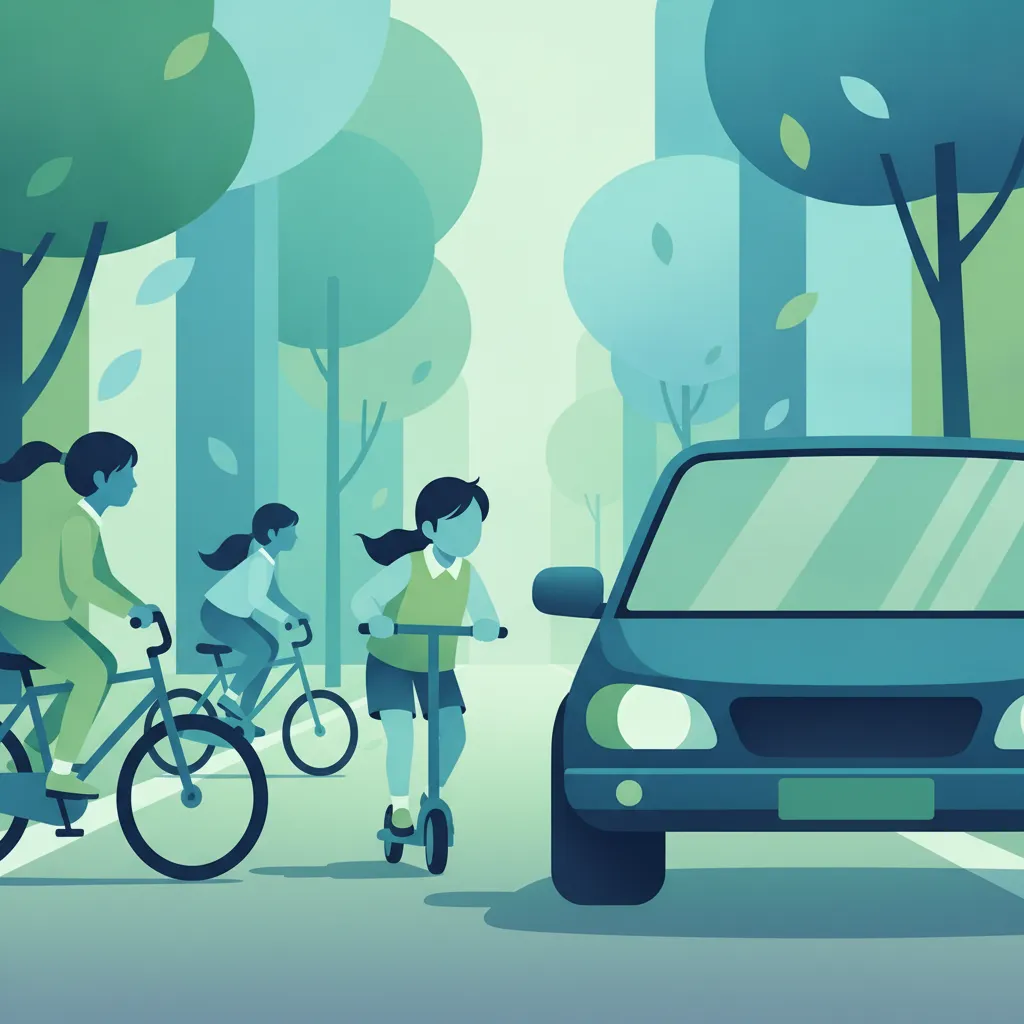
This lesson focuses on identifying road users who require special attention and caution, such as children, the elderly, and individuals with disabilities. It details the appropriate behavior when encountering school buses and public transport, which often involve unpredictable pedestrian movement. A critical topic covered is the legal requirement to form an emergency corridor ('Rettungsgasse') for responding emergency vehicles.
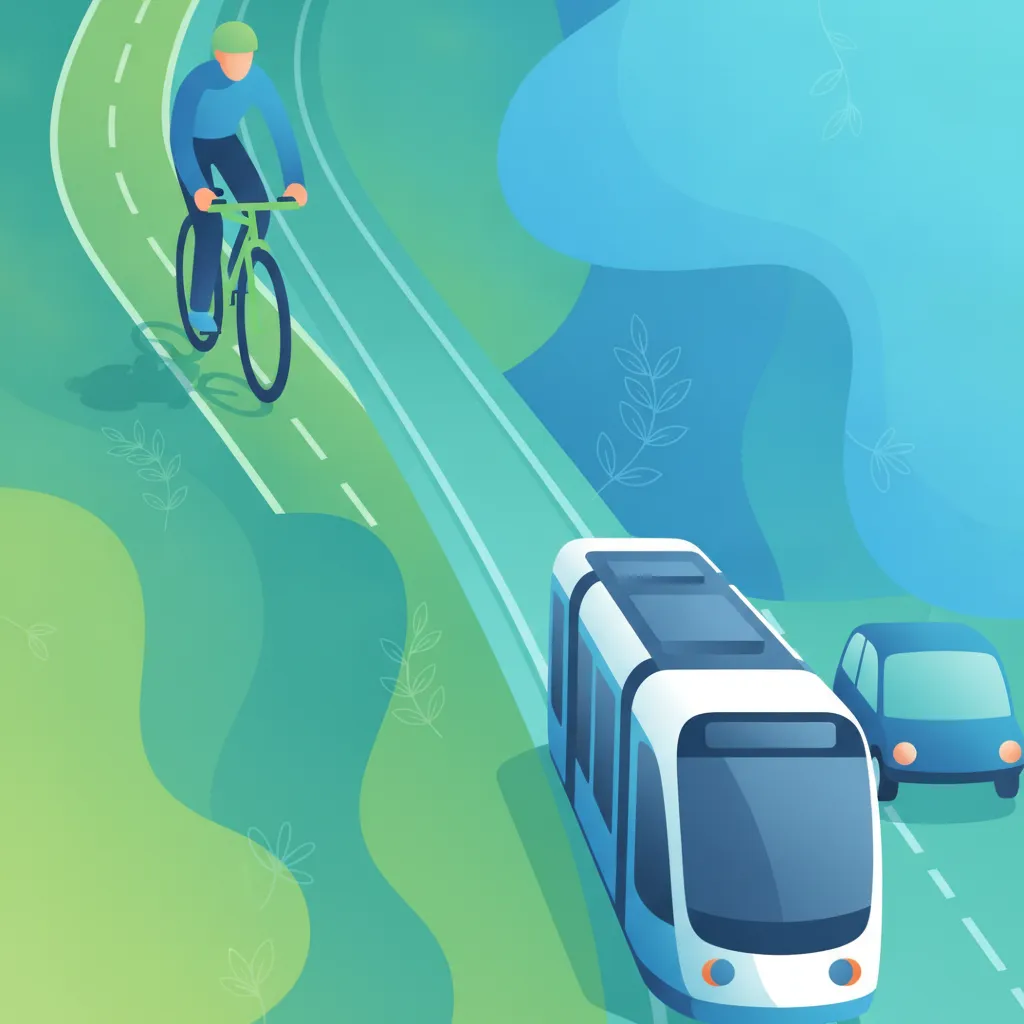
This lesson focuses on complex traffic environments where different types of road users share the same space. It provides guidance on situations like driving on streets with integrated tram tracks or where bus and bicycle lanes are part of the roadway. The content emphasizes understanding the specific priority rules and being extra vigilant to anticipate potential conflicts in these busy, shared zones.
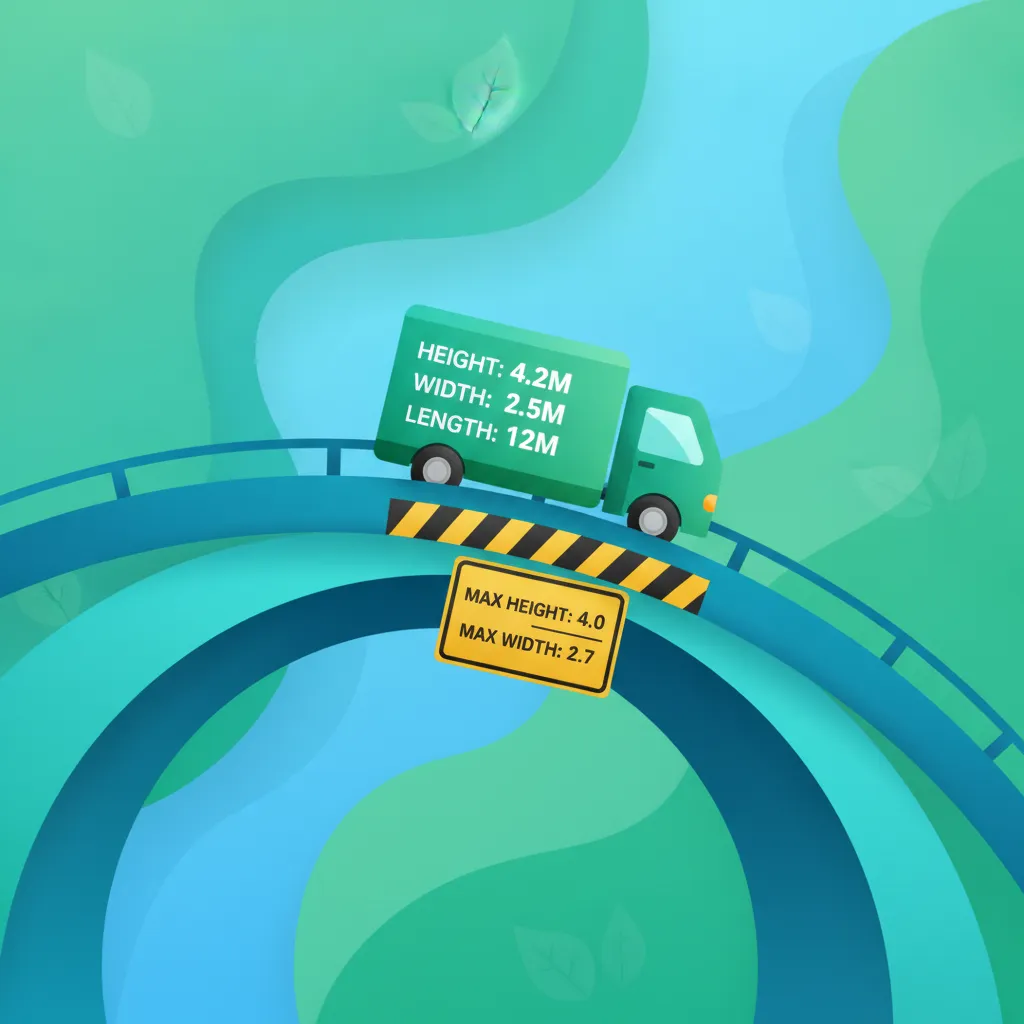
This lesson examines the specific height, width, and length constraints that affect heavy vehicle operation, including bridge and tunnel clearances. It discusses how to interpret and comply with traffic signs indicating dimensional limits and the consequences of violating these restrictions. The content also covers practical strategies for route planning to avoid restricted areas.
This lesson focuses on the importance of thorough route planning for heavy vehicles, taking into account dimensional and weight limits. It discusses how to use mapping tools and road signage to identify bridges, tunnels, and roads with restrictions. The content also covers how to plan alternative routes to avoid impassable areas.

This lesson explores the legal framework governing heavy vehicle operation in Germany, focusing on the Straßenverkehrs-Ordnung (StVO) and specific commercial transport regulations. It details the professional duty of care required from drivers, including responsibilities for vehicle inspection and documentation. You will understand the enforcement mechanisms and potential penalties for non-compliance.
This lesson details the specific challenges and right-of-way rules for trucks interacting with pedestrians and cyclists in dense urban environments across Germany. It covers critical concepts for safe navigation, understanding local traffic signs, and legal compliance for driving theory.
This lesson focuses on the interaction between heavy vehicles and vulnerable road users at crossings, particularly when turning right. It covers the need for heightened vigilance, the importance of properly using mirrors, and correct signaling to alert others. The content highlights legal responsibilities and safe distance requirements to prevent accidents.
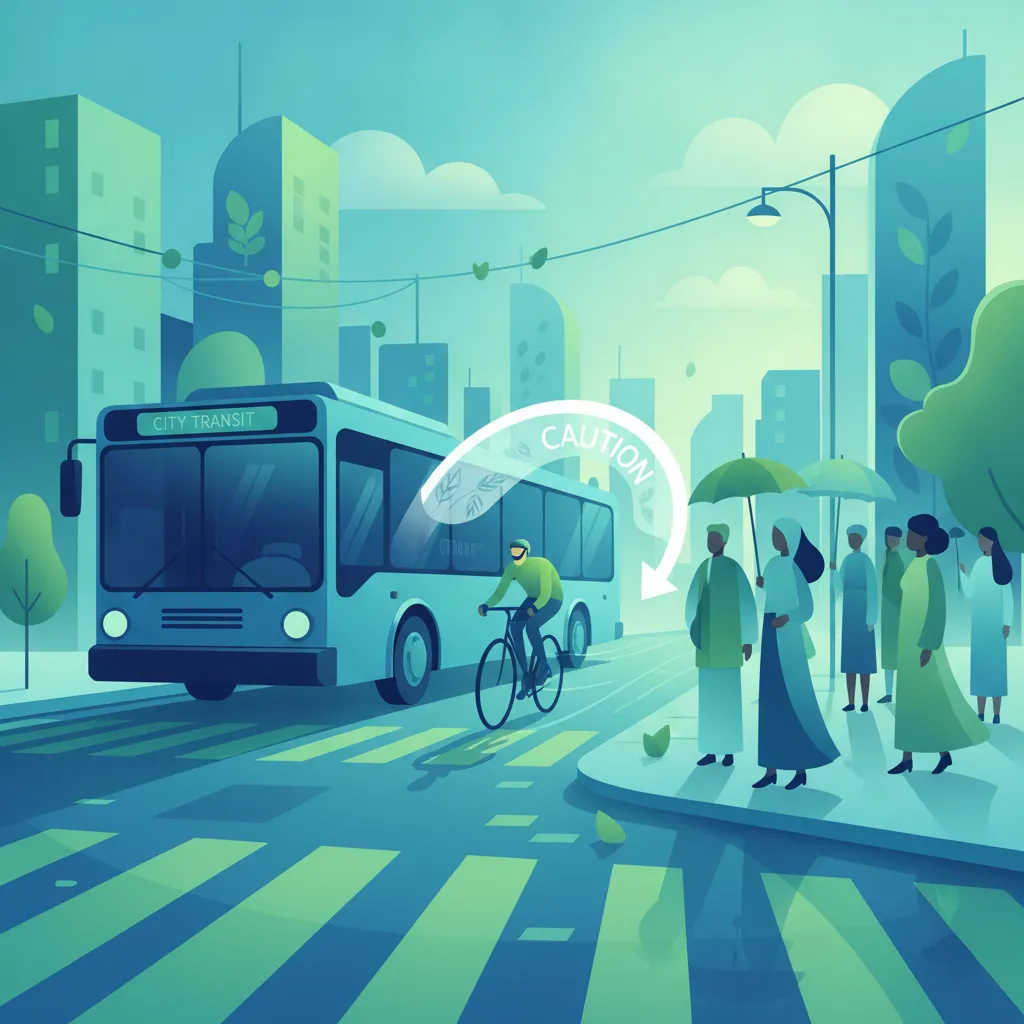
This lesson focuses on the critical moments of interaction with pedestrians and cyclists near bus stops, a common location for accidents. It reinforces the importance of reducing speed, yielding right-of-way, and constantly monitoring blind spots during the stopping process. Learners will practice techniques like making eye contact and using signals to communicate intentions, creating a safer environment for everyone around the vehicle.
This lesson focuses on the unique challenges and safety protocols required when operating alongside trams and light rail systems. It clarifies the strict right-of-way rules that typically favor trams and explains how to safely navigate shared roadways and cross tracks. Learners will be taught to recognize specific signals and markings related to tramways to prevent conflicts and ensure the safety of all road users.
This lesson focuses on complex traffic environments where different types of road users share the same space. It provides guidance on situations like driving on streets with integrated tram tracks or where bus and bicycle lanes are part of the roadway. The content emphasizes understanding the specific priority rules and being extra vigilant to anticipate potential conflicts in these busy, shared zones.
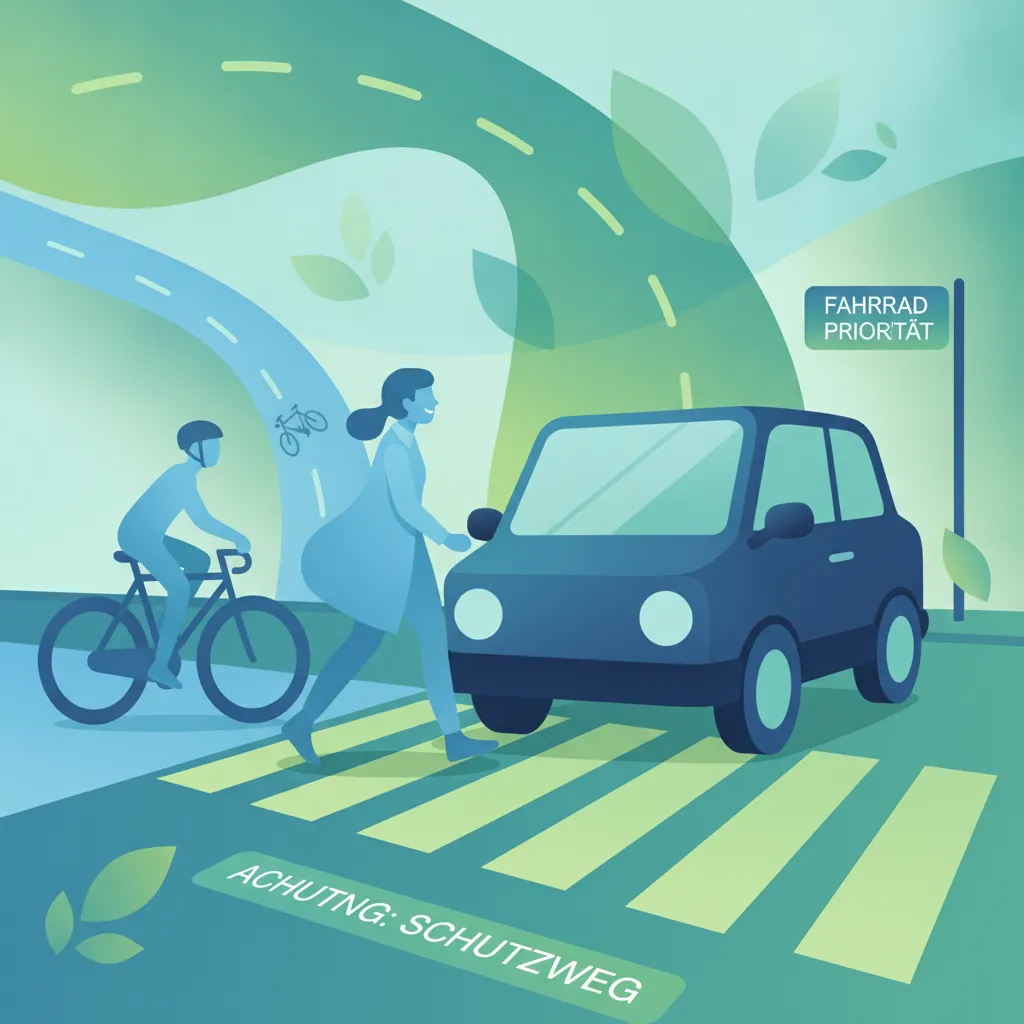
This lesson provides specific guidance on how to safely share the road with pedestrians and cyclists, who are among the most vulnerable road users. It covers the rules of conduct at zebra crossings, traffic lights for pedestrians, and designated cycle lanes. The content emphasizes the importance of vigilance, yielding right-of-way, and maintaining a safe distance to prevent accidents in urban and rural environments.
This lesson teaches riders how to interact safely and predictably with pedestrians, cyclists, and public transport vehicles. It highlights the importance of yielding at designated crossings, maintaining a safe passing distance, and anticipating the movements of buses and trams. The content emphasizes using eye contact and clear signaling to foster safe and respectful interactions with all road users.
This lesson focuses on the particular care required when driving near pedestrians, with a special emphasis on children and the elderly, whose behavior can be unpredictable. It covers the rules for yielding at zebra crossings and the importance of reducing speed near schools, playgrounds, and residential areas. The goal is to instill a habit of constant vigilance and readiness to stop.
This lesson explores the complex and fast-paced nature of urban traffic environments. It covers topics such as high traffic density, frequent pedestrian crossings, and complex intersections that require heightened awareness. Learners will develop strategies for adapting their speed and lane positioning to navigate these challenges safely, especially during peak rush hour periods and in areas with traffic calming measures.
This lesson addresses the critical skill of safely interacting with other road users, particularly vulnerable ones like pedestrians and cyclists. It covers rules for yielding at crosswalks, maintaining a safe passing distance, and being aware of the limited visibility of a moped to car drivers. The focus is on fostering a defensive and cooperative mindset in mixed traffic.
Find clear answers to common questions learners have about Right-of-Way Rules for Trucks and Cyclists/Pedestrians. Learn how the lesson is structured, which driving theory objectives it supports, and how it fits into the overall learning path of units and curriculum progression in Germany. These explanations help you understand key concepts, lesson flow, and exam focused study goals.
Not always, but the legal requirement for professional drivers involves a higher duty of care. You must yield when turning or if a sign dictates it, and you must always anticipate the unpredictability of cyclists near your vehicle.
Even when you technically have the right of way, your duty as a professional driver is to avoid an accident. If a cyclist enters your blind spot during a maneuver, you must stop or slow down, as the legal liability often falls on the truck driver due to the vehicle's size.
Ignoring priority rules, especially at pedestrian crossings or when turning in urban areas, will likely lead to an immediate fail in the theory exam and represents a dangerous driving practice in the real world.
While most priority signs apply to all vehicles, certain weight or vehicle-length restrictions may create unique routing situations. You must follow the specific rules indicated by signs that prohibit or restrict heavy goods vehicle entry or movement.
Begin your targeted revision now. Use our practice search to quickly find specific German driving theory questions. Filter by StVO rules, road signs, or hazard perception to create your focused study plan. Master challenging areas and prepare confidently for your theoretical driving test.