
This lesson delves into the critical internal factors affecting driver performance, such as fatigue, distractions, alcohol, and drug use. Understanding how these elements can significantly slow your reaction time and impair judgment is essential for safe driving and passing your Category B theory exam in Poland. It builds upon foundational knowledge of road rules by focusing on driver condition.
Lesson content overview
Safe driving relies on a driver's ability to perceive hazards, make quick decisions, and react effectively. This complex sequence, known as perception-reaction time, is not constant. Numerous internal human factors can significantly alter a driver's performance, increasing reaction time and impairing judgment. Understanding these variables is crucial for every driver, especially for those preparing for the Polish Category B theory test, as it forms a cornerstone of responsible driving practices under Polish law.
This lesson explores how elements such as fatigue, distraction, alcohol, and drug influence, stress, age, and health conditions can compromise driving safety. By recognizing the risks associated with these human factors, you can make informed decisions to protect yourself and other road users, ensuring compliance with Polish traffic regulations.
Perception-reaction time (PRT) is a critical concept in safe driving, representing the total duration from when a driver first detects a hazard to the moment they initiate a physical response, such as pressing the brake pedal or steering away. This interval, though often brief, can account for a significant distance traveled, especially at higher speeds. It is a fundamental component of the overall stopping distance of a vehicle.
PRT is the psychological and physiological lag between seeing a stimulus and executing a motor response. It encapsulates the intricate cognitive processes involved in driving, from basic sensory input to complex decision-making. A shorter PRT generally indicates a more alert and responsive driver, capable of acting swiftly in dynamic traffic situations.
The total perception-reaction time can be broken down into three distinct, sequential stages:
Collectively, these components result in a typical, healthy driver's reaction time ranging from 1.0 to 1.5 seconds under ideal conditions. However, various human factors can significantly prolong this interval, compromising safety.
The distance covered during a driver's perception-reaction time is often underestimated. While the driver is reacting, the vehicle continues to travel at its current speed, covering what is known as the perception-reaction distance. This distance must be added to the vehicle's braking distance to calculate the total stopping distance.
For instance, when traveling at 90 km/h, a typical PRT of 1.5 seconds translates to a distance of approximately 38 meters covered before any braking even begins. At 50 km/h, the same 1.5-second PRT results in roughly 21 meters traveled. These distances highlight why even a slight delay in reaction due to human factors can have severe consequences, particularly in emergency situations. Polish regulations for stopping distance calculations explicitly require the inclusion of this reaction component, underscoring its importance in road safety.
A driver's performance is a dynamic state, constantly influenced by a range of internal, human factors. These elements can degrade perception, decision-making, and motor response capabilities, leading to increased reaction times and a higher risk of accidents.
Fatigue is a significant yet often underestimated risk factor in driving. It is a physiological state caused by prolonged wakefulness, insufficient rest, or monotonous driving conditions, leading to reduced alertness and slower response speeds.
Fatigue can manifest in various forms:
Regardless of its type, fatigue impairs crucial driving abilities. Drivers experiencing drowsiness may suffer from:
These effects can be as dangerous as driving under the influence of alcohol. Driving while tired, especially during periods of natural alertness dips (e.g., between 2:00-6:00 AM and 13:00-15:00 PM), significantly increases the likelihood of a crash.
While specific legal limits for fatigue in private driving are not extensively codified in Poland, the Polish Road Traffic Act (Prawo o ruchu drogowym) implicitly requires drivers to be in a fit state to operate a vehicle safely. For professional drivers, strict limits apply under EU Regulation 165/2014, dictating a maximum of 4 hours of continuous driving followed by at least a 45-minute break, with a total daily driving limit of 9 hours. These regulations highlight the serious risks associated with prolonged driving without rest.
For all drivers, it is highly recommended to:
Distraction is any activity that diverts a driver’s attention away from the primary task of operating the vehicle safely. Even momentary distractions can significantly increase reaction time and the risk of an accident.
Distractions can be categorized into three main types, often occurring simultaneously:
The use of mobile phones is a prominent source of distraction. In Poland, the law is clear:
Hands-free devices are permitted, allowing drivers to make calls without physically holding the phone. However, it is crucial to understand that even hands-free conversations pose a significant cognitive distraction. While your hands are on the wheel and eyes on the road, your mind may be elsewhere, delaying your ability to process critical traffic information and react effectively. Therefore, even with hands-free technology, minimizing phone calls and keeping conversations brief is a best practice for safety.
Alcohol consumption severely impairs a driver's cognitive and motor functions, making driving extremely dangerous. The level of impairment is directly related to the Blood Alcohol Concentration (BAC).
Even small amounts of alcohol can begin to affect your ability to drive. Alcohol acts as a depressant on the central nervous system, leading to:
Studies show that even a BAC of 0.1‰ (0.01%) can begin to increase reaction time and impair judgment. The risk of a fatal crash escalates significantly with every increase in BAC.
Polish law on alcohol and driving is stringent, reflecting the serious risks involved. The legal limits are expressed in per mille (‰):
Driving with a BAC above 0.5‰ is considered a crime (przestępstwo) under Polish law, leading to substantial fines, long-term driving bans, and even imprisonment. Random breath tests are common, and drivers are legally obliged to comply.
Similar to alcohol, various psychoactive substances can significantly impair a driver's ability to operate a vehicle safely. This includes not only illicit drugs but also certain prescription and over-the-counter (OTC) medications.
Many substances can affect the central nervous system, leading to:
Examples include:
Under Polish law, driving under the influence of any psychoactive substance that impairs driving ability is strictly prohibited. The legal framework encompasses a wide range of substances, with specific blood concentration thresholds existing for many common drugs. Police can conduct drug tests if they suspect impairment.
Drivers with medical conditions requiring medication that may affect driving might be granted an exemption, provided they have a medical certificate confirming their fitness to drive safely under treatment. However, it remains the driver's responsibility to understand and manage these risks.
A driver's emotional state can have a profound impact on their driving performance. Elevated physiological arousal due to stress, anger, anxiety, or even extreme happiness can narrow attention and lead to impulsive or reckless decisions.
When stressed or emotional, drivers may experience:
While there isn't a direct law prohibiting driving while upset, reckless or aggressive driving behaviors stemming from emotional states are penalized under Polish law (e.g., Article 86 of the Road Traffic Act for dangerous driving). Maintaining emotional regulation is essential for safe driving. If you are feeling overwhelmed, it is best to pull over safely, calm down, or postpone your journey.
As drivers age, natural physiological changes can influence driving ability. These include a decline in sensory acuity (vision, hearing), slower processing speed, and diminished motor coordination.
The practical impact for older drivers can include:
In Poland, medical examinations are required for drivers over 75 years of age for licence renewal, ensuring that older drivers remain medically fit to drive. This measure helps to assess any age-related impairments and ensure road safety. While age alone does not disqualify someone from driving, older drivers are encouraged to assess their personal limits, adapt their driving style (e.g., increase following distances, avoid high-speed environments), and undergo regular health checks.
Various chronic health conditions and the medications used to treat them can directly impair driving ability. Conditions such as diabetes, epilepsy, heart conditions, severe sleep apnea, and vision disorders can compromise alertness, concentration, or physical control.
Key implications for drivers include:
Under Polish law, drivers are legally required to report any medical condition that may affect their ability to drive safely to the licensing authority. In some cases, a medical certificate confirming fitness to drive, possibly with specific restrictions (e.g., requiring glasses, no night driving), may be necessary. It is a common mistake to assume a "stable condition" has "no impact on driving"; vigilance and professional medical advice are always necessary.
While this lesson primarily focuses on human factors, it's important to note that vehicle-related conditions can indirectly influence a driver's perception and reaction by increasing their workload or altering vehicle dynamics.
The Polish Road Traffic Act (Ustawa Prawo o ruchu drogowym) provides the legal framework governing driver conduct, with many provisions directly addressing human factors to ensure road safety. Understanding these regulations is essential for all drivers in Poland.
Here's a summary of regulations pertinent to human factors:
| Regulation | Applicability | Legal Status | Rationale |
|---|---|---|---|
| Hand-held mobile phone prohibition | All drivers on public roads. | Mandatory (Art. 86a, Polish Road Traffic Act). | Prevents visual and manual distraction, reducing accident risk. |
| Alcohol limits for Category B drivers | All Category B drivers. | Mandatory (Art. 87, Polish Road Traffic Act). | Reduces impairment-related crashes. (0.0‰ for beginners, ≤ 0.2‰ for experienced). |
| Drug-driving prohibition | All drivers. | Mandatory (Art. 87, Polish Road Traffic Act). | Prevents cognitive and motor impairment from psychoactive substances. |
| Professional driver fatigue limits | Professional Category C/E drivers; advisory for private drivers. | Mandatory for professionals (EU Regulation 165/2014, implemented in PL). | Counteracts fatigue-related performance degradation. |
| Overloading ban | All motor vehicles. | Mandatory (Art. 80, Polish Road Traffic Act). | Preserves vehicle handling and braking capability, indirectly affecting driver workload. |
| Medical fitness declaration | Drivers with certain chronic conditions. | Mandatory (Art. 85, Polish Road Traffic Act). | Ensures health-related impairments are managed and declared. |
| Speed-dependent following-distance | All drivers. | Recommended (part of safe-driving guidelines). | Accommodates longer reaction times at higher speeds and ensures safe stopping distance. |
These regulations are not merely bureaucratic rules; they are designed to save lives by enforcing standards of driver alertness, judgment, and responsibility. Non-compliance can lead to severe penalties, including fines, penalty points, and driving license suspension.
Understanding human factors is the first step; actively mitigating their risks is the essence of safe driving. Drivers can adopt several strategies to counteract the negative effects of fatigue, distraction, and other impairments.
Reaction time and human factors are not merely theoretical concepts; they are fundamental to everyday driving safety and a core component of the Polish Category B driving theory curriculum. Every driver must acknowledge that their performance behind the wheel is variable and can be compromised by a multitude of internal influences.
From the critical milliseconds added by fatigue or distraction to the profound impairment caused by alcohol or drugs, these factors directly impact the ability to perceive, decide, and act in traffic. Polish traffic law, with its strict prohibitions on mobile phone use and clear alcohol limits, underscores the legal and ethical responsibility drivers bear.
By proactively managing personal well-being, eliminating distractions, avoiding impairing substances, and adapting driving strategies to personal and external conditions, you can significantly reduce risks. Cultivating an awareness of your own human limitations and adopting compensatory strategies is not just about passing your driving test; it's about building a strong foundation for a lifetime of safe and responsible driving on Polish roads.
Understanding human factors and reaction time is essential for safe driving and passing the Polish Category B theory exam. Perception-reaction time includes perception, decision, and motor response stages, averaging 1.0-1.5 seconds—a period during which the vehicle continues traveling at speed. Key impairments include fatigue causing dangerous microsleeps, distraction from mobile phones in all three forms (visual, manual, cognitive), and substance influence with distinct Polish legal thresholds (0.0‰ for beginners, 0.2‰ experienced, 0.5‰+ criminal). Stress and emotional states also compromise performance by narrowing attention and encouraging risky behavior. Drivers must recognize these risks, respect legal limits, and actively manage their condition before and during driving.
A short set of high-value points that capture the most important learning from this lesson.
Perception-reaction time (PRT) consists of three sequential stages: perception (~0.5s), decision (~0.5s), and motor response (~0.2s), totaling 1.0-1.5 seconds under ideal conditions.
Fatigue is a major risk factor that can cause microsleeps and dangerously slow reaction times, with peak danger during early morning (2:00-6:00) and afternoon (13:00-15:00) hours.
Mobile phone use causes visual, manual, AND cognitive distraction simultaneously; even hands-free calls impair driving through mental load.
Polish alcohol limits are stricter for beginners (0.0‰ absolute limit for first 2 years) than experienced drivers (0.2‰), with 0.5‰+ constituting a criminal offense.
Distracted driving occurs in three forms—visual, manual, and cognitive—and all types increase reaction time and crash risk.
Explore all units and lessons included in this driving theory course.
Article 86a of the Polish Road Traffic Act prohibits holding a mobile phone while driving, even when stopped at traffic lights.
Beginner drivers (Category B, licensed under 2 years) have zero tolerance for alcohol: 0.0‰ limit.
Fatigue can be as dangerous as alcohol impairment; even mild tiredness degrades driving ability significantly.
Both illegal drugs and certain prescription/OTC medications (e.g., antihistamines) can impair driving and are prohibited.
At 90 km/h, a 1.5-second reaction time means traveling approximately 38 meters before braking begins.
Assuming that being slightly tired but not actually sleepy is safe—you can still be significantly impaired.
Believing hands-free phone use eliminates distraction; cognitive load still delays hazard perception.
Thinking a small amount of alcohol is safe because it won't make you 'feel' drunk; even 0.1‰ increases reaction time.
Underestimating stress and strong emotions (anger, anxiety, extreme happiness) as factors that narrow attention and cause impulsive decisions.
Neglecting to check medication side effects; common remedies like cold tablets can cause severe drowsiness.
Lesson content overview
A short set of high-value points that capture the most important learning from this lesson.
Perception-reaction time (PRT) consists of three sequential stages: perception (~0.5s), decision (~0.5s), and motor response (~0.2s), totaling 1.0-1.5 seconds under ideal conditions.
Fatigue is a major risk factor that can cause microsleeps and dangerously slow reaction times, with peak danger during early morning (2:00-6:00) and afternoon (13:00-15:00) hours.
Mobile phone use causes visual, manual, AND cognitive distraction simultaneously; even hands-free calls impair driving through mental load.
Polish alcohol limits are stricter for beginners (0.0‰ absolute limit for first 2 years) than experienced drivers (0.2‰), with 0.5‰+ constituting a criminal offense.
Distracted driving occurs in three forms—visual, manual, and cognitive—and all types increase reaction time and crash risk.
Explore all units and lessons included in this driving theory course.
Article 86a of the Polish Road Traffic Act prohibits holding a mobile phone while driving, even when stopped at traffic lights.
Beginner drivers (Category B, licensed under 2 years) have zero tolerance for alcohol: 0.0‰ limit.
Fatigue can be as dangerous as alcohol impairment; even mild tiredness degrades driving ability significantly.
Both illegal drugs and certain prescription/OTC medications (e.g., antihistamines) can impair driving and are prohibited.
At 90 km/h, a 1.5-second reaction time means traveling approximately 38 meters before braking begins.
Assuming that being slightly tired but not actually sleepy is safe—you can still be significantly impaired.
Believing hands-free phone use eliminates distraction; cognitive load still delays hazard perception.
Thinking a small amount of alcohol is safe because it won't make you 'feel' drunk; even 0.1‰ increases reaction time.
Underestimating stress and strong emotions (anger, anxiety, extreme happiness) as factors that narrow attention and cause impulsive decisions.
Neglecting to check medication side effects; common remedies like cold tablets can cause severe drowsiness.
Explore search topics learners often look for when studying Reaction Time and Human Factors. These topics reflect common questions about road rules, driving situations, safety guidance, and lesson level theory preparation for learners in Poland.
Browse additional driving theory lessons that cover connected traffic rules, road signs, and common driving situations related to this topic. Improve your understanding of how different rules interact across everyday traffic scenarios.
Understand the critical impact of fatigue, illness, stress, and other human factors on your reaction time and decision-making. Essential Polish driving theory for safe road conduct.

This lesson addresses the critical importance of the driver's physical and mental state. It details the dangers of driving under the influence of alcohol or drugs, explaining the legal blood alcohol concentration limit in Poland. The content also covers the subtle but significant risks of fatigue and distractions, advocating for full attentiveness behind the wheel.
This lesson explores the physiological and psychological aspects of driver fatigue, covering its warning signs and strategies for maintaining concentration. It outlines the legal framework for work-time limits and mandatory rest periods, monitored via tachograph. Practical advice on schedule planning and nutrition is provided to help sustain alertness and reduce accident risk.
This lesson addresses the critical safety issue of driver fatigue. It explains the physiological causes of fatigue, including disruption to circadian rhythms, and teaches drivers to recognize its early warning signs. The content reviews the legal requirements for breaks and rest periods in detail and provides practical strategies for managing sleep hygiene and using alertness techniques to ensure they remain focused and responsive while on duty, thereby preventing fatigue-related incidents.
This lesson provides essential guidance for driving in fog, one of the most dangerous conditions. It instructs on the correct use of low-beam headlights and fog lights to maximize visibility without causing glare. The core advice is to significantly reduce speed and use the edge of the road or markings as a guide.
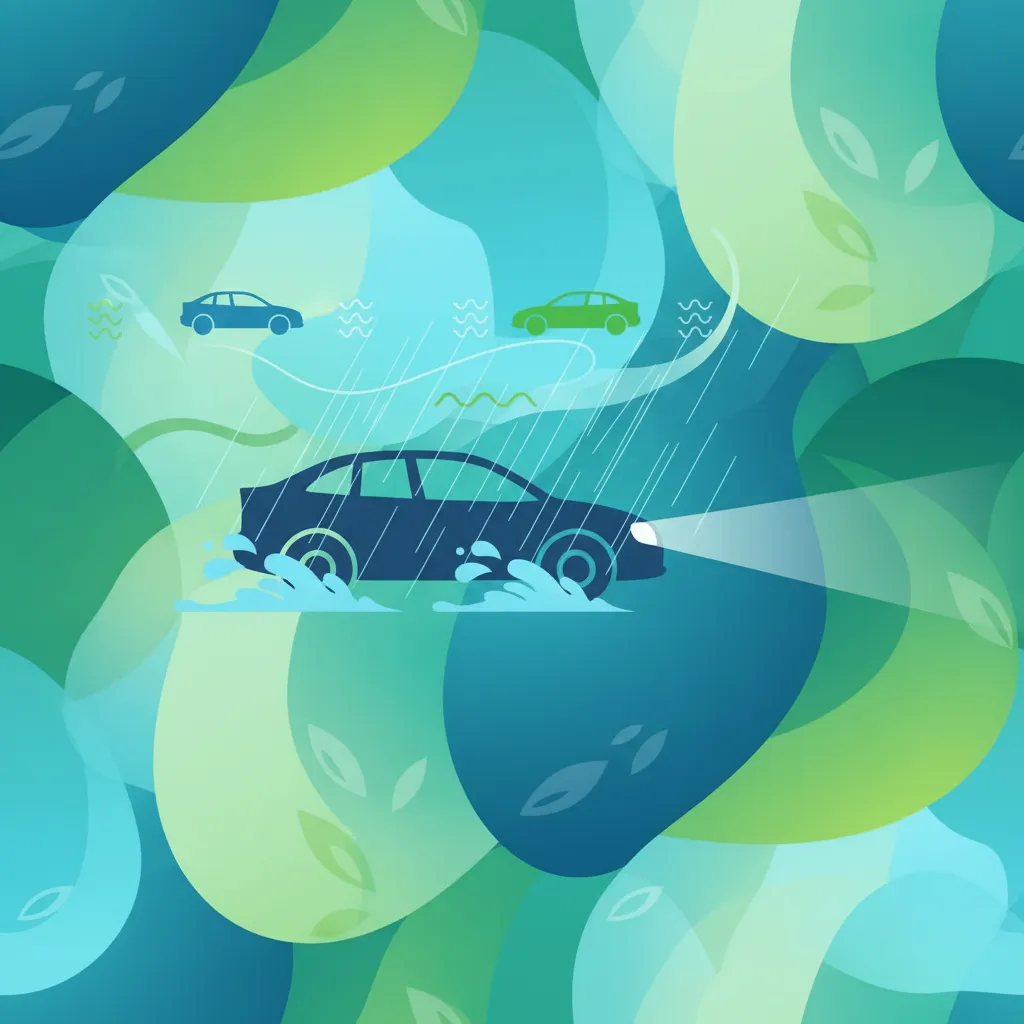
This lesson teaches the crucial concept that drivers must always adapt their speed to the current conditions. It explains how factors like rain, fog, ice, heavy traffic, and poor visibility reduce safety margins and require a lower speed than the posted limit. This principle of defensive driving is essential for preventing accidents in challenging situations.

This lesson addresses the challenges of driving after dark. It covers the correct use of high and low beam headlights to see and be seen, and techniques to avoid being dazzled by oncoming traffic. The content also touches on the increased risk of fatigue and reduced ability to judge speed and distance at night.

This lesson explores the unique characteristics of driving on rural roads. It highlights potential hazards such as sharp, unbanked curves, poor road surfaces, and limited visibility due to hills and vegetation. The content teaches drivers to anticipate these conditions and adjust their speed and position to navigate safely.
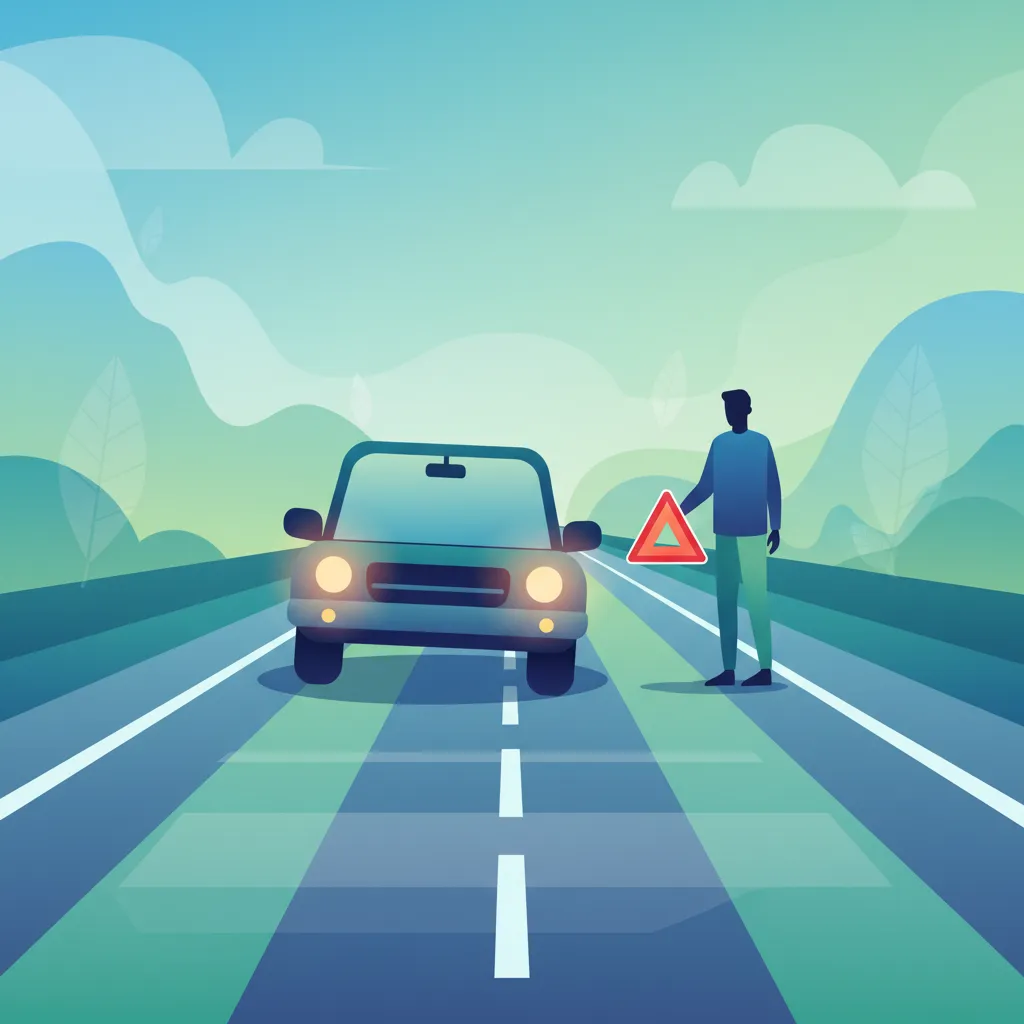
This lesson prepares drivers for the event of a vehicle breakdown on a motorway or expressway. It details the correct procedure: pulling over to the emergency lane, activating hazard lights, and placing the warning triangle at the legally required distance. The importance of wearing a reflective vest when outside the vehicle is also a key safety point.
This lesson introduces defensive driving principles for rural settings, teaching learners how to continually scan the environment and anticipate potential hazards. It discusses the unique challenges posed by slow-moving agricultural traffic, field entrances, and unpredictable farm equipment maneuvers. The lesson emphasizes proactive decision-making and early brake application to avoid collisions in mixed traffic.
Learn about the strict Polish legal limits for alcohol, the dangers of driving under the influence of drugs, and the severe penalties for impaired driving.
This lesson addresses the critical importance of the driver's physical and mental state. It details the dangers of driving under the influence of alcohol or drugs, explaining the legal blood alcohol concentration limit in Poland. The content also covers the subtle but significant risks of fatigue and distractions, advocating for full attentiveness behind the wheel.
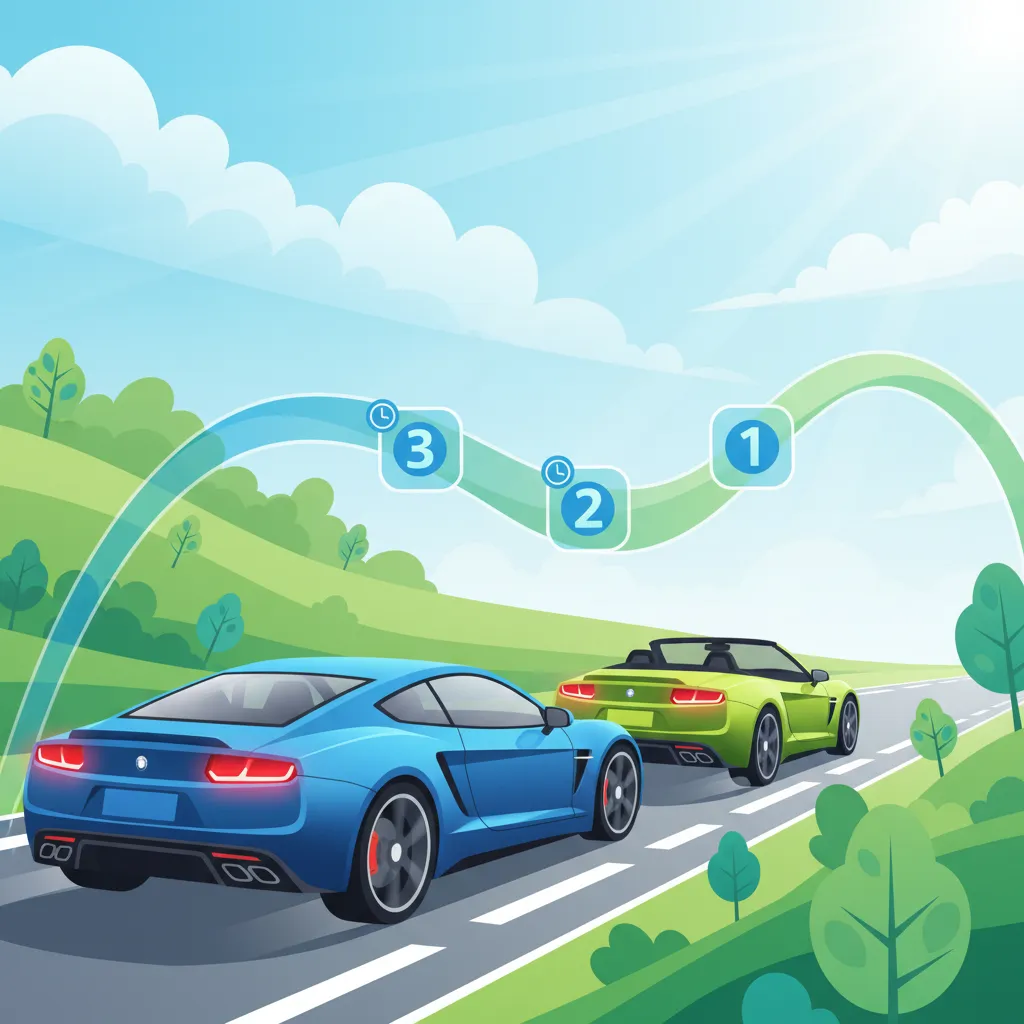
This lesson provides practical methods for maintaining a safe buffer zone behind the vehicle in front. It explains the 'two-second rule' as a minimum following distance in good conditions and how to increase it to three or more seconds in adverse weather. This skill is critical for allowing enough time to react and brake safely to avoid rear-end collisions.
This lesson details the rules and best practices for driving on Poland's fastest roads. It covers the higher speed limits, the strict lane discipline of keeping right except to overtake, and prohibitions on stopping. The aim is to ensure drivers can handle the demands of sustained high-speed travel safely and efficiently.
This lesson details the legal framework for overtaking in Poland. It explains how to interpret road markings, such as solid and double solid lines, and prohibition signs that forbid passing. The content emphasizes the critical need for sufficient sight distance and a clear path before initiating an overtaking maneuver to ensure safety.
This lesson teaches the crucial concept that drivers must always adapt their speed to the current conditions. It explains how factors like rain, fog, ice, heavy traffic, and poor visibility reduce safety margins and require a lower speed than the posted limit. This principle of defensive driving is essential for preventing accidents in challenging situations.
This lesson provides essential guidance for driving in fog, one of the most dangerous conditions. It instructs on the correct use of low-beam headlights and fog lights to maximize visibility without causing glare. The core advice is to significantly reduce speed and use the edge of the road or markings as a guide.
This lesson addresses the challenges of driving after dark. It covers the correct use of high and low beam headlights to see and be seen, and techniques to avoid being dazzled by oncoming traffic. The content also touches on the increased risk of fatigue and reduced ability to judge speed and distance at night.
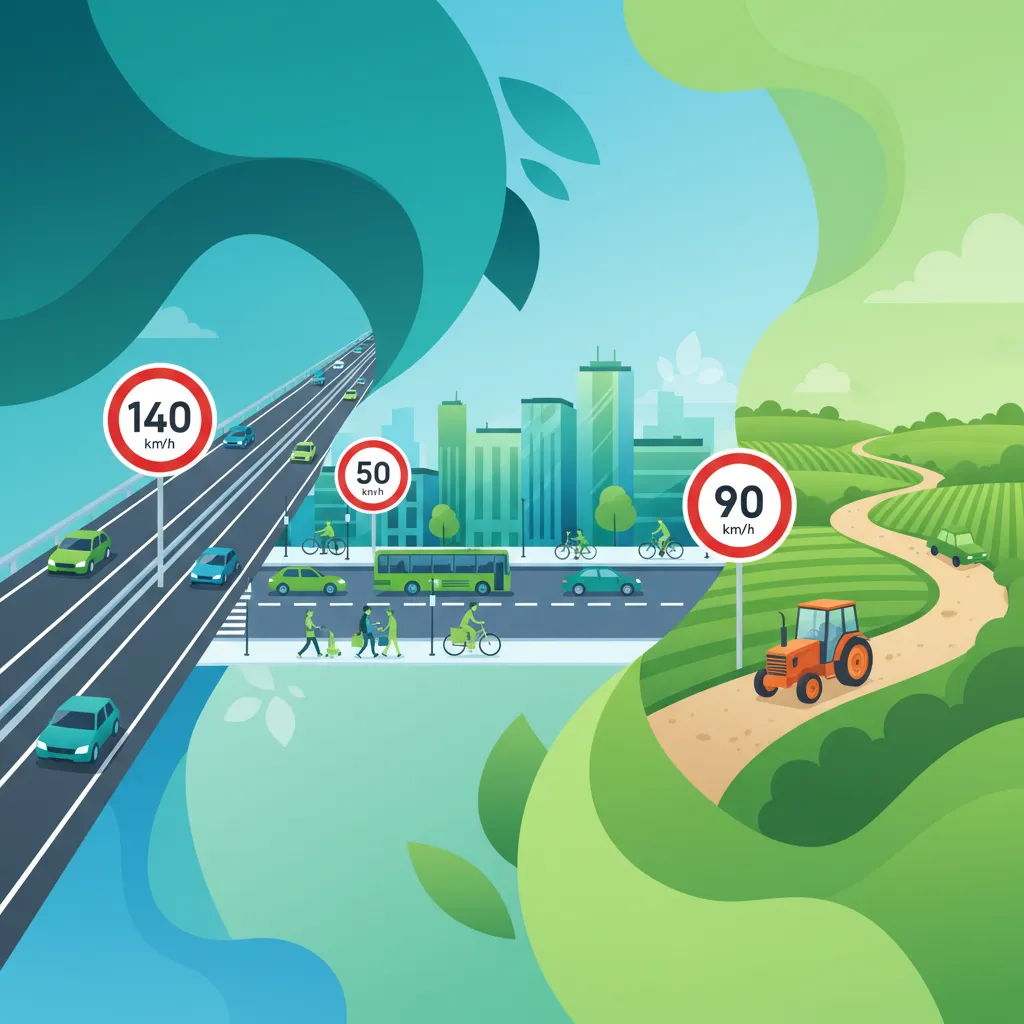
This lesson provides a comprehensive overview of the statutory speed limits applicable to different categories of Polish roads, including urban areas, residential zones, rural roads, highways, and motorways. Learners will examine the visual cues of speed limit signs and learn how speed limit transitions affect rider behavior. The content also covers how enforcement mechanisms impact compliance and the importance of real-time speed adaptation to remain within legal thresholds.
This lesson explains the function of circular prohibition signs, which impose legal restrictions on drivers. It details common prohibitions such as speed limits, 'no entry' signs, and restrictions on overtaking or parking. Compliance with these signs is mandatory, and this lesson ensures learners can correctly identify and obey them.
This lesson focuses on the specific challenges of driving in rainy conditions. It explains the phenomenon of hydroplaning, where tires lose contact with the road surface, and how to prevent it by reducing speed. The importance of good tire condition, effective windscreen wipers, and extending following distances is also covered in detail.
Find clear answers to common questions learners have about Reaction Time and Human Factors. Learn how the lesson is structured, which driving theory objectives it supports, and how it fits into the overall learning path of units and curriculum progression in Poland. These explanations help you understand key concepts, lesson flow, and exam focused study goals.
Even small amounts of alcohol significantly slow reaction times. In Poland, as elsewhere, alcohol impairs concentration, judgment, and coordination. The more alcohol consumed, the greater the delay in your ability to perceive a hazard and react appropriately, dramatically increasing accident risk.
Common distractions on Polish roads include using mobile phones (texting, calling), adjusting the radio or navigation system, eating or drinking, interacting with passengers, and complex in-car tasks. Any activity that takes your eyes off the road, hands off the wheel, or mind off driving increases risk.
Yes, severe fatigue can impair driving ability as much as, or even more than, being legally over the alcohol limit. Fatigue slows reactions, reduces alertness, impairs judgment, and can lead to 'micro-sleeps' where you briefly lose consciousness, posing an extreme danger on any road.
Yes, many prescription and over-the-counter medications can cause drowsiness, dizziness, or impair cognitive functions necessary for safe driving. Always check the medication's label or consult your doctor or pharmacist about potential side effects and whether it's safe to drive after taking it.
The Polish theory exam includes specific questions about driver fitness, fatigue, alcohol, drugs, and distractions. Understanding these topics is crucial for correctly answering questions related to hazard perception, safe driving practices, and legal responsibilities, helping you achieve a passing score.
Build custom practice sessions tailored precisely to your needs. Focus on areas requiring improvement, review specific Polish road signs, or master complex traffic rules to ensure full preparation for your official driving license exam.