
The A-31 road sign is a warning sign indicating that the shoulder of the road, the area alongside the paved surface, is soft, steep, or otherwise unsafe. If your vehicle's wheels accidentally go off the pavement, you risk losing control or getting stuck. This sign advises you to stay centered in your lane and avoid any sudden steering movements if you do drift towards the edge. Slow down if you need to pass other vehicles, and always look for a safe, paved area if you need to stop.
The A-31 Dangerous Shoulder sign is crucial for anticipating hazardous road edges in Poland, where soft ground or steep drop-offs can cause instability. Mastering this road sign meaning is essential for driving theory exam preparation, ensuring you recognize risks and maintain control, preventing accidents from veering off the main carriageway.
The A-31 sign informs drivers that if they veer off the paved road, they may lose control or get stuck. This is common where the shoulder is made of soft earth, has a deep drop-off from the asphalt, or is very narrow. A variant (A-31a) exists for the left-hand side of the road. If you must pull over, you should do so with extreme caution and look for a more stable area.
Warning that the edge of the road (the shoulder) is soft, steep, or otherwise unsafe to drive on.
Get clear, practical answers to the most common questions about the A-31 - Dangerous Shoulder road sign. Learn how the sign works, what rules it represents, and how it affects real driving situations. This FAQ strengthens your understanding and supports accurate decision making for the Polish driving theory exam in Poland.
The A-31 sign warns that the road edge is unstable. Driving or parking on this shoulder can lead to your vehicle getting stuck, tilting, or losing control. It's crucial to stay on the paved part of the road.
When you see the A-31 sign, your main priority is to keep your vehicle centered within your lane. Avoid drifting towards the shoulder. If you must pass other vehicles on a narrow road, slow down to maintain stability and avoid being pushed off the pavement.
You should avoid driving on the shoulder if possible. If your wheels accidentally slip off the pavement, try to steer back onto the road gently. For non-emergencies, do not pull over onto the dangerous shoulder at all; look for a safe, stable area like a designated lay-by.
A common mistake is not understanding the severity of the warning. Learners might think they can briefly use the shoulder or overreact with steering if they slip off. The exam tests your ability to recognize the hazard and maintain a safe, controlled reaction, prioritizing staying on the road.
If your wheels drift onto the dangerous shoulder, don't panic or make sudden steering corrections. Gently steer back towards the paved road. Slowing down will also help maintain stability and reduce the risk of losing control.
A clear reference image of the A-31 - Dangerous Shoulder road sign used in Poland.
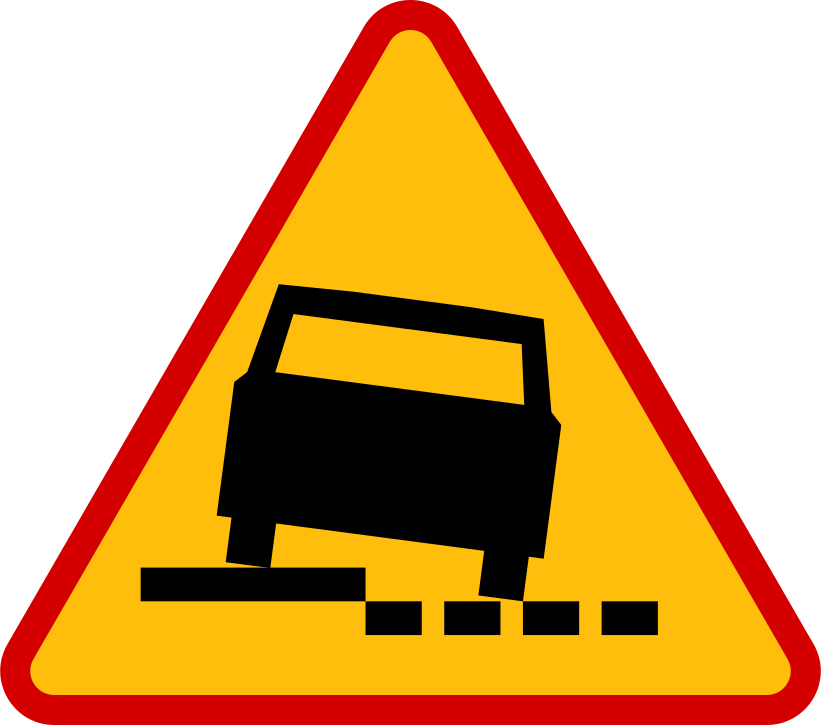
The A-31 - Dangerous Shoulder road sign may also be known by these alternative names or terms.
The A-31 - Dangerous Shoulder road sign is part of the Warning Signs (A) category, which groups together signs with similar rules and functions.
Reviewing similar road signs alongside the 'Dangerous Shoulder' warning helps solidify your knowledge and prevents common confusions. Mastering traffic sign comparison is key for effective theory test revision and accurate sign recognition.
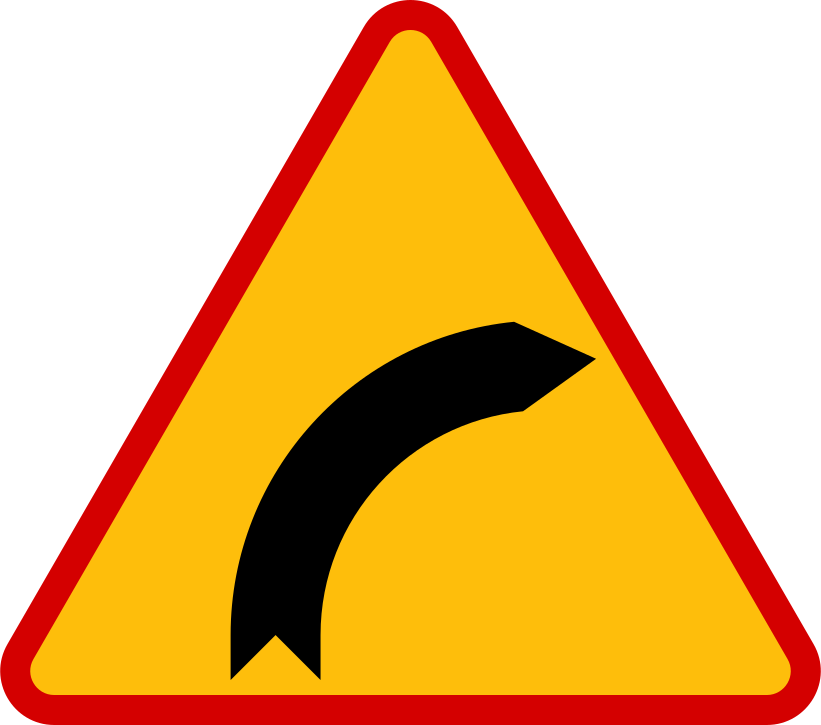
Watch Out for Dangerous Bends to the Right with the A-1 Sign
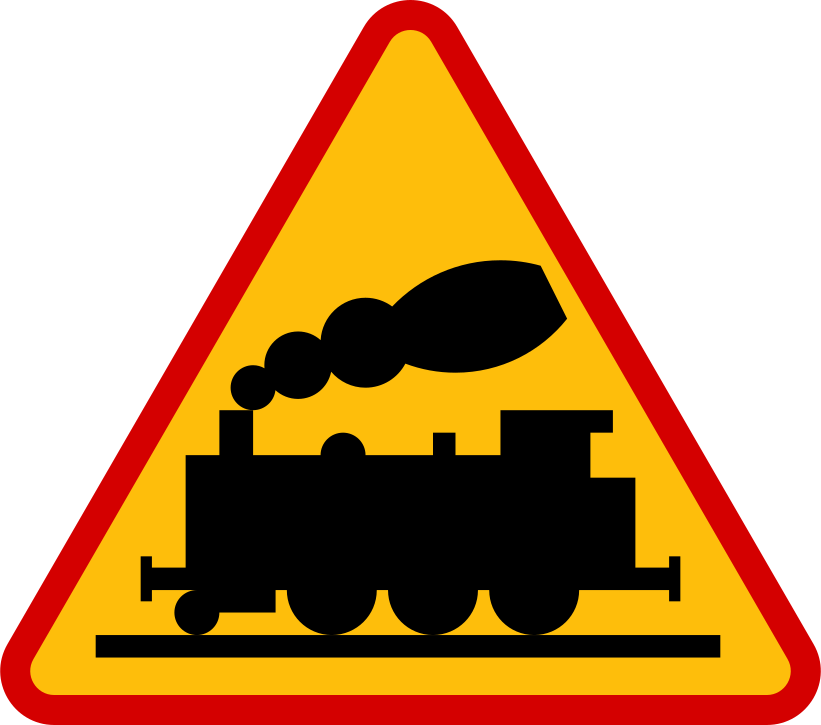
Beware of Ungated Railway Crossings with the A-10 Sign!
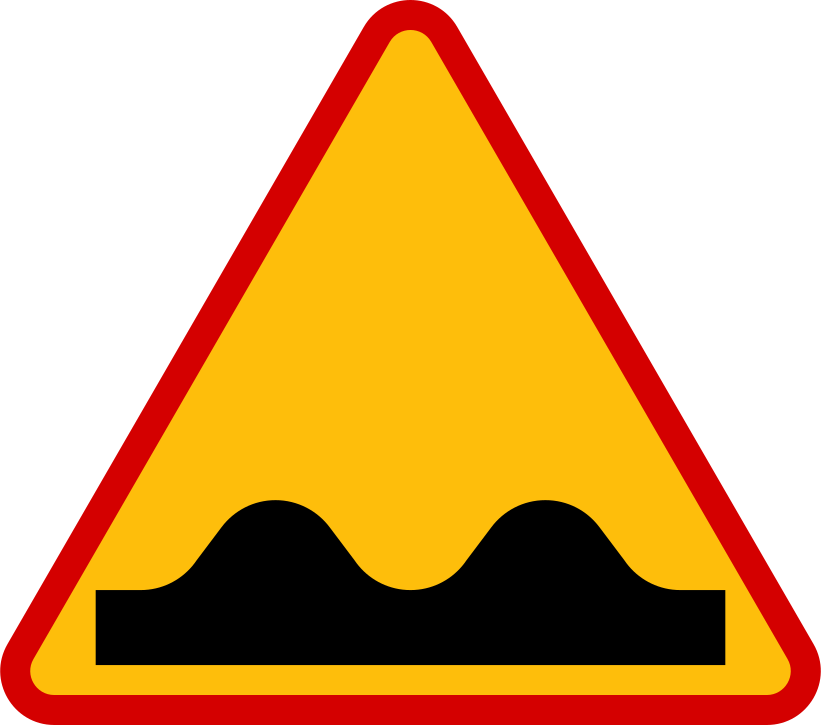
Warning: Prepare for an Uneven Road Surface Ahead!
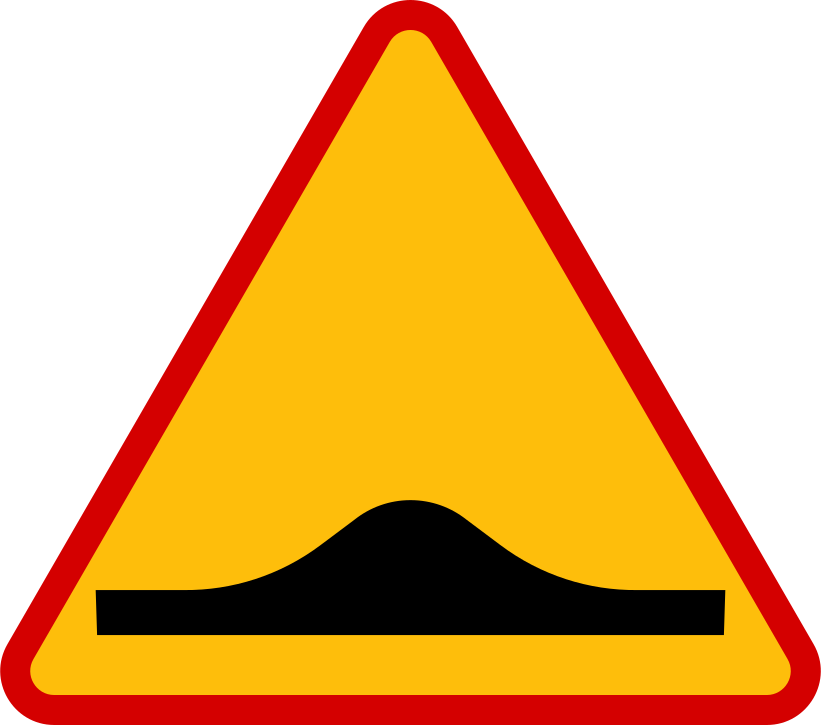
The A-11a Speed Bump sign warns you to significantly reduce your speed.
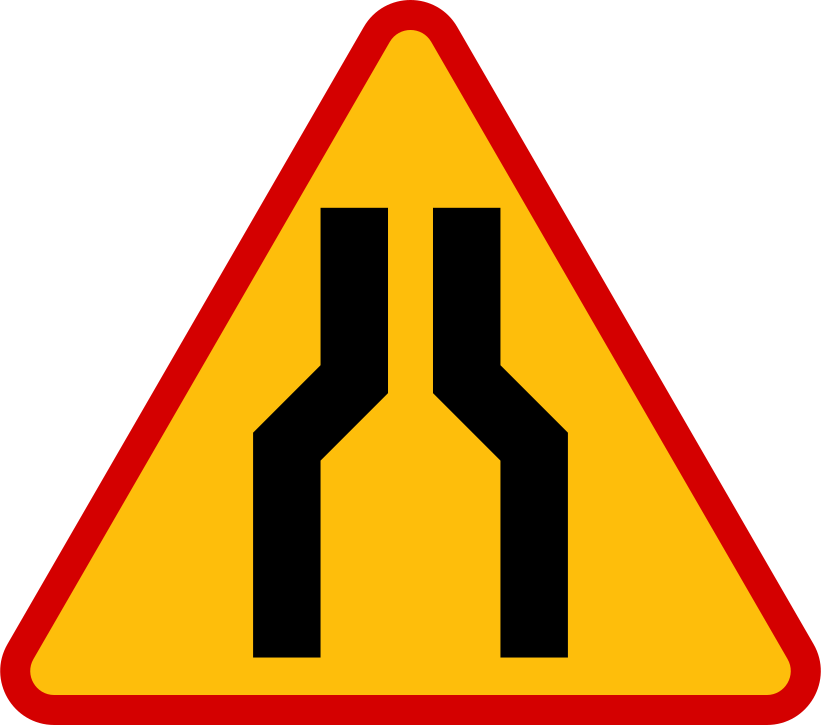
Prepare for Road Narrows on Both Sides with the A-12a Warning Sign
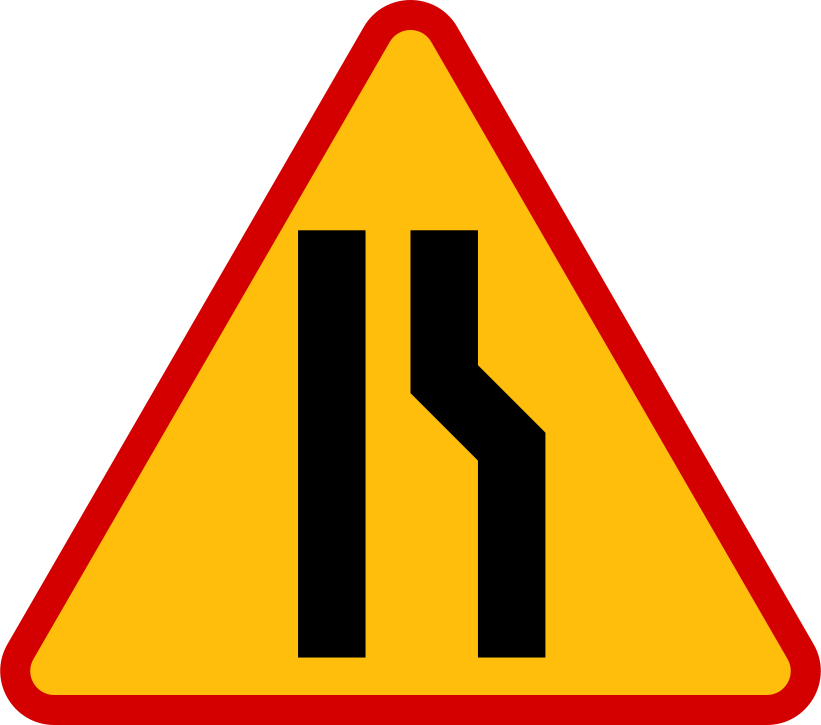
A-12b: Road Narrows Ahead on the Right – Prepare to Merge Left
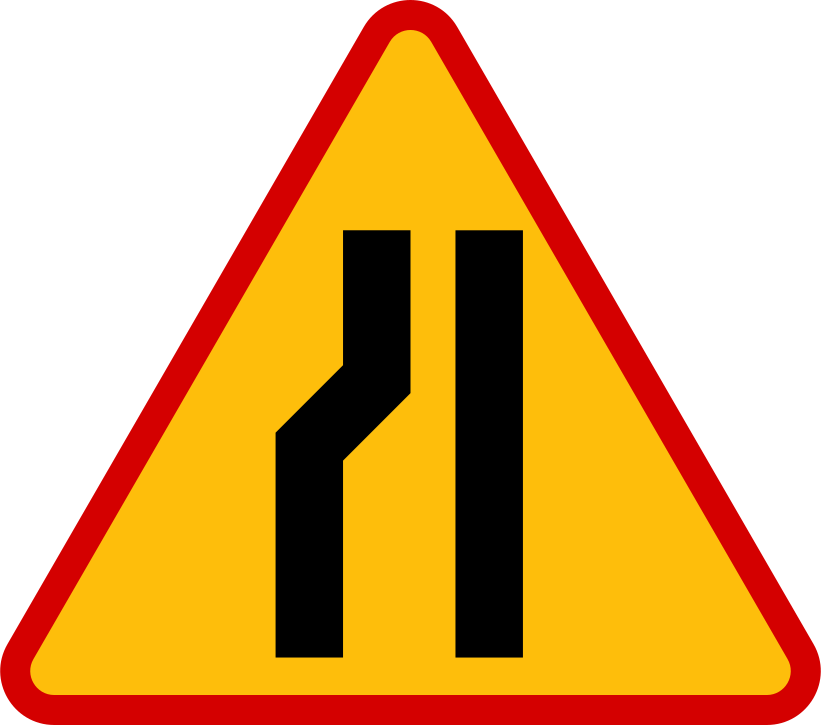
Warning: The Road Narrows Ahead on the Left!
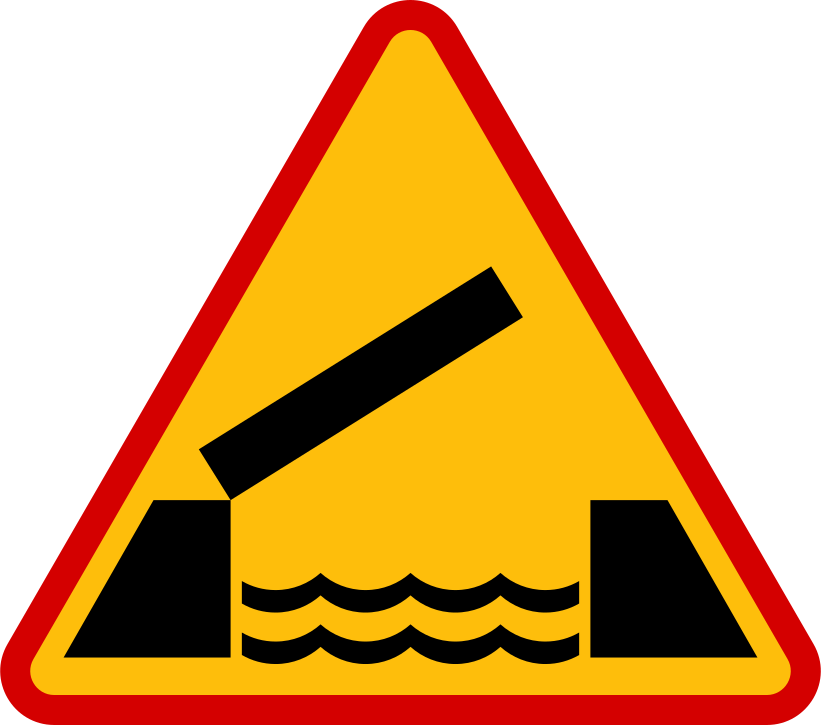
Prepare to stop for a Movable Bridge ahead!
Deepen your understanding of specific road signs by reviewing official Polish traffic rules and associated real-world driving scenarios. These expert-led resources help you bridge the gap between visual recognition and practical exam application.
Master the Art of Smooth Driving for Comfort and Efficiency
Navigate Complex Intersections: Police, Lights, and Signs – Know the Order of Priority!
Being involved in a car accident in Poland requires immediate, specific actions to ensure safety and legal compliance. This guide clarifies your obligations, from securing the accident scene and rendering aid to reporting the incident correctly. Mastering these post-accident procedures is vital for safe driving and is a common focus area in the Polish driving theory exam.
Learning how to interact with law enforcement is a crucial part of your driver training in Poland, as it helps you understand the legal procedures governing roadside controls. This guide clarifies how officers identify themselves, what behaviors are expected of you as a driver, and how traffic enforcement impacts your penalty points and record. Mastery of these rules ensures you remain compliant with the law and prepared for any roadside situation you may encounter.
The A-1 warning sign is typically placed outside built-up areas where a road curve has a radius of less than 750 meters or an angle greater than 5 degrees. It alerts drivers to a change in road geometry that could lead to a loss of control if approached too quickly. You may also see this sign in locations with limited visibility or a high history of accidents. Proper lane positioning is vital here to avoid drifting into oncoming traffic.
The T-13 plate is used with A-11 or A-30. Ruts (koleiny) are dangerous because they can trap your tires, making steering difficult, or they can fill with water, causing severe aquaplaning. In dry weather, they can cause a car to 'jump' out of the groove unexpectedly. Drivers should try to drive slightly offset from the ruts or reduce speed significantly to maintain control over the vehicle's direction.
After reviewing the full list of Polish road signs, explore specific sign categories for in-depth understanding. Challenge your knowledge with practice questions focused on sign recognition and interpretation to solidify your preparation for the driving theory exam.
Browse All Polish Road Signs