
Understanding the nuances of modern car design is essential for new drivers as they navigate different vehicle handling characteristics. This guide breaks down the technical and ergonomic shifts in the automotive market while reinforcing the absolute requirement that all vehicles meet rigorous safety standards under DGT regulations.
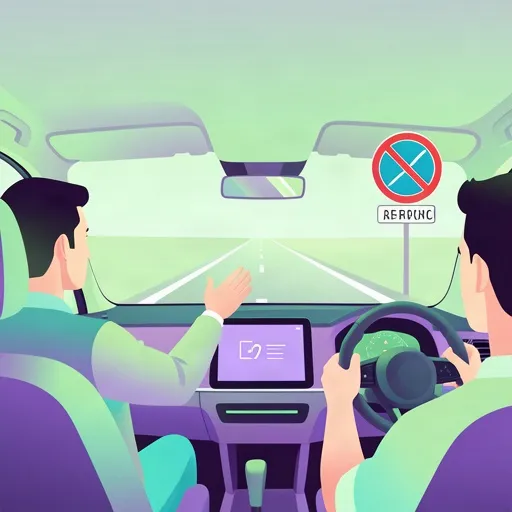
Article content overview
As you prepare for your DGT theory exam and subsequent practical training, you will encounter a diverse range of vehicles on Spanish roads. From compact city cars to the latest imported models, understanding how vehicle design impacts your driving experience is crucial. While the automotive market is shifting with the introduction of new manufacturers and technological philosophies, it is vital to remember that every vehicle registered in Spain must comply with stringent EU safety homologation standards.
In recent years, the arrival of new global automotive players has introduced different approaches to interior ergonomics and driving dynamics. Many modern vehicles, particularly those focused on the growing electric and hybrid segments, prioritize cabin technology and passenger comfort. For a new driver, this means experiencing features like expansive touchscreens and softer, comfort-oriented suspension systems. While these design choices can make urban driving more pleasant, they also change how the car behaves during critical maneuvers such as emergency braking or sudden swerving.
Regardless of whether a vehicle is designed with a focus on sporty road feedback or maximum cabin comfort, the fundamental safety requirements remain the same. Under DGT regulations, all vehicles must demonstrate predictable handling in performance tests. As a learner, you should be aware that the "feel" of the steering and the responsiveness of the brakes can vary significantly between car models. Developing a consistent driving style involves learning to adapt to these mechanical nuances without relying solely on electronic assistance.
The shift toward digitalization in modern car interiors has profound implications for driver attention. Large infotainment systems have replaced many physical buttons, changing how you interact with the vehicle while on the move. Spanish traffic law, enforced by the DGT, strictly prohibits distractions that take your eyes off the road. When practicing, it is essential to familiarize yourself with the vehicle’s controls before you begin your journey to ensure you can operate essential features—like lights, demisters, and hazard warning lights—without diverting your focus from the road environment.
Always remember that regardless of how advanced a vehicle’s dashboard or infotainment system is, the DGT rules regarding the use of mobile devices and driver distraction apply universally. Modern tech should assist your driving, not replace your attention to road markings and signage.
All vehicles circulating on Spanish motorways—whether autovías or autopistas—must pass the same rigorous safety checks. This process, known as EU homologation, ensures that features like Anti-lock Braking Systems (ABS), Electronic Stability Control (ESC), and structural crash integrity meet high-level benchmarks. When you see a vehicle on the road, you can be confident that it has been vetted against strict criteria for braking performance and emergency maneuverability.
When you transition from your driving school vehicle to a personal car, you may notice differences in acceleration, braking distance, and turning radius. These factors are influenced by the vehicle’s weight, suspension geometry, and tires. A car designed for maximum rear-seat legroom, for example, may have different weight distribution than a compact hatchback, which can slightly alter how it handles a tight roundabout.
Article content overview
Explore related topics, search based questions, and concepts that learners often look up when studying Comparing Modern Vehicle Design. These themes reflect real search intent and help you understand how this topic connects to wider driving theory knowledge in Spain.
Find clear and practical answers to common questions learners often have about Comparing Modern Vehicle Design. This section helps explain difficult points, remove confusion, and reinforce the key driving theory concepts that matter for learners in Spain.
Yes. Every vehicle sold and registered for road use in Spain must comply with strict EU safety homologation standards, regardless of the country of origin.
While design traits like suspension softness or infotainment layouts might change how a car feels during maneuvers, you must be able to demonstrate safe control and mastery of the vehicle's dynamics according to DGT practical exam requirements.
Being aware of how different vehicles handle, their braking response, and the complexity of their internal controls helps you adapt quickly to different cars, ensuring you maintain safe operation in various urban and motorway environments.
Now that you have found specific articles, continue to deepen your understanding by exploring related DGT regulations or other driving theory topics. Strengthen your knowledge of road signs, traffic scenarios, and essential Spanish driving procedures to prepare for your official driving license exam.